A Comprehensive Review of Griddle Maintenance Tips
Optimize Your Griddle's Longevity with Expert Insights

In This Article
Daily Cleaning Routine
Seasoning Techniques
Avoid Common Mistakes
Understanding Griddle Maintenance
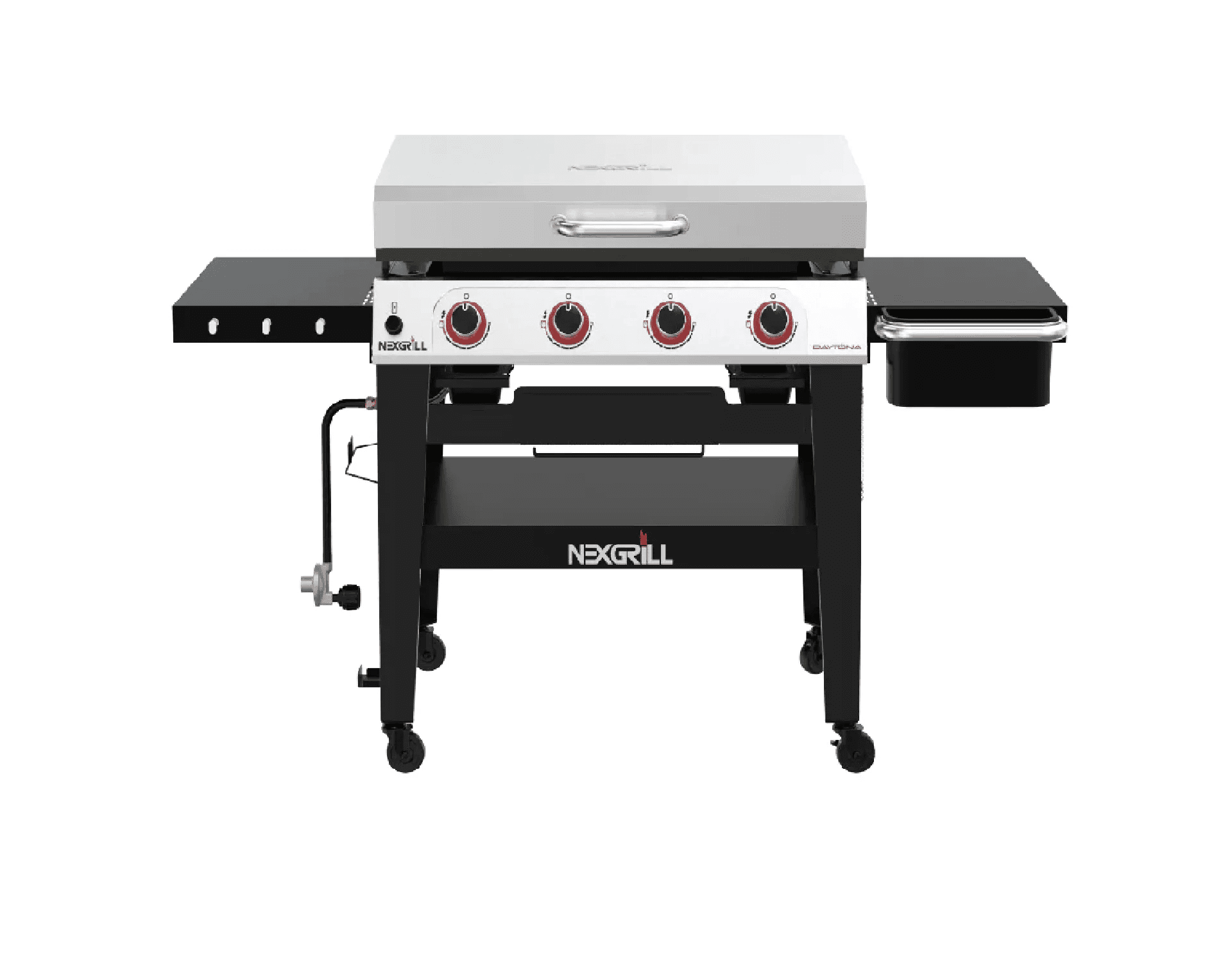
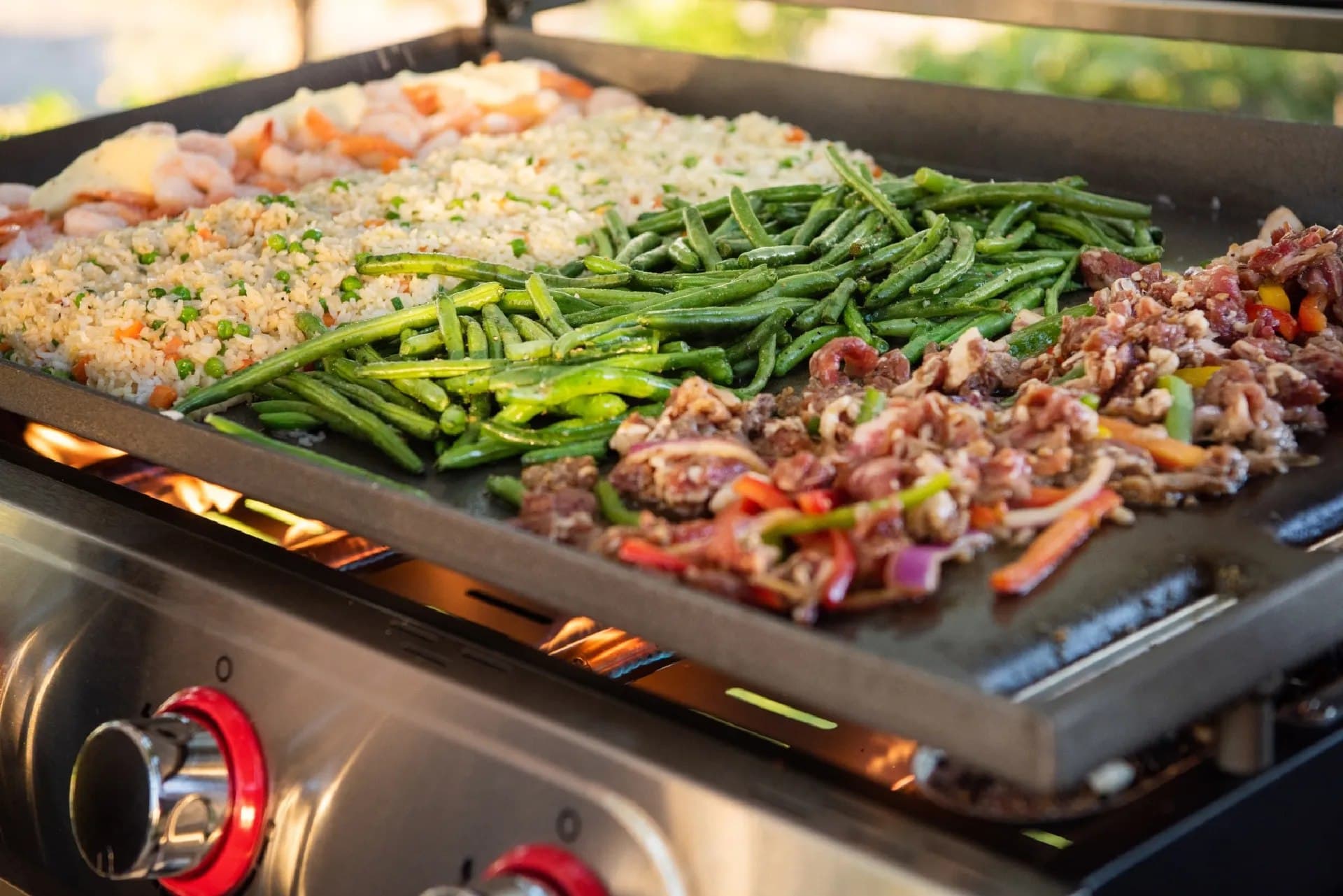
Griddles have become an indispensable tool for both home and professional chefs. Their versatility and efficiency make them ideal for cooking a variety of dishes, from breakfast staples to dinner delights. However, maintaining a griddle in top condition requires an understanding of both the equipment and the best practices for care. This article delves into the intricacies of griddle maintenance, offering expert tips to extend the life and performance of your griddle.
Why Maintenance Matters
Regular maintenance is crucial for ensuring safety, efficiency, and longevity. A well-maintained griddle not only performs better but also prevents potential safety hazards such as grease fires. Additionally, maintenance ensures that the cooking surface remains non-stick, providing consistent cooking results.
Tip: Regular cleaning prevents accumulation of burnt food and grease, which can affect taste and cooking performance.
Essential Tools for Griddle Maintenance
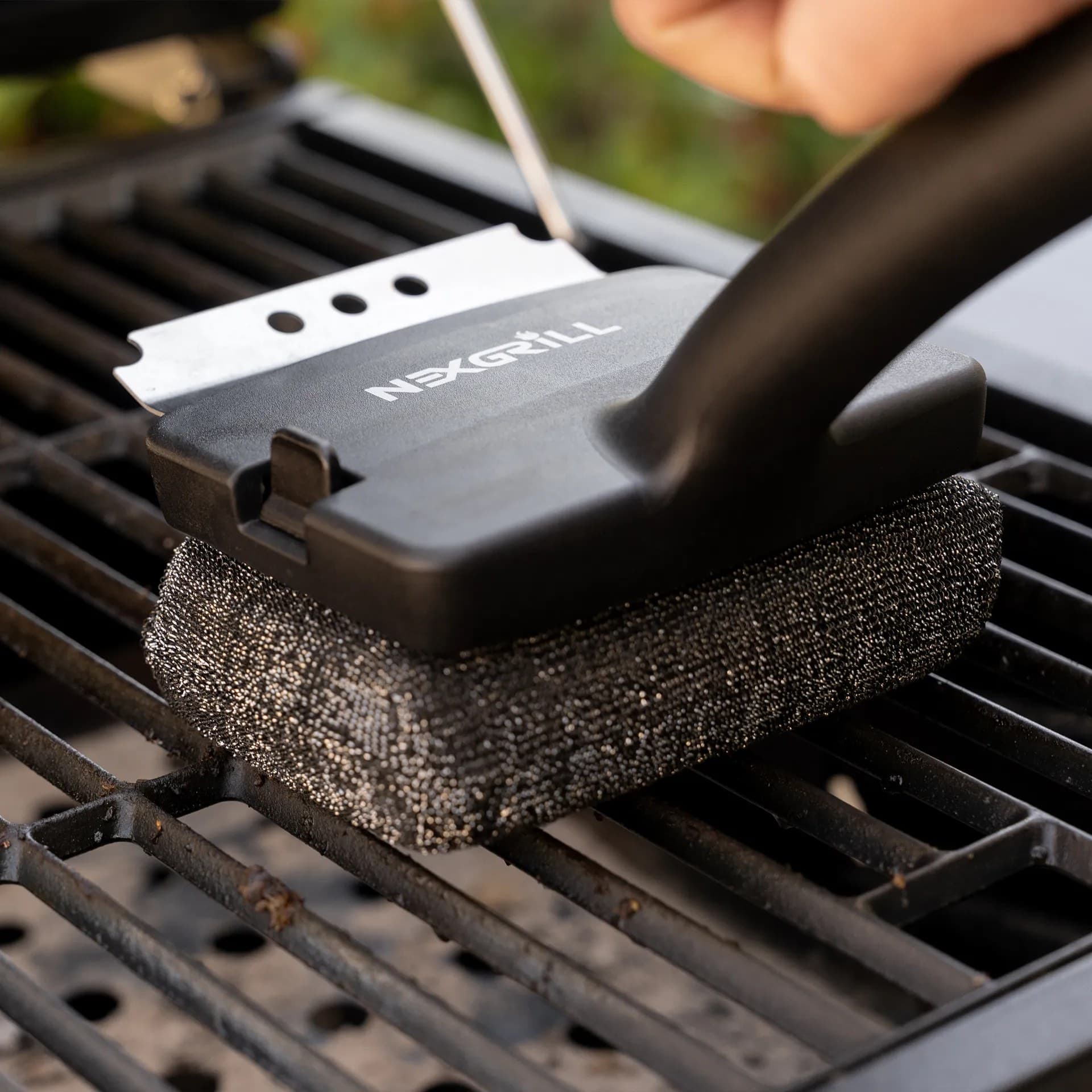
- Grill brush or scraper
- Non-abrasive sponge
- Warm water and dish soap
- Cooking oil for seasoning
- Microfiber cloth for drying
These tools help in effectively removing food residues and grease without damaging the griddle surface. Using the right tools ensures that cleaning is efficient and that the griddle's surface remains intact.
Step-by-Step Maintenance Guide
Maintaining a griddle involves a series of steps that should be performed regularly to keep it in prime condition. Here's a detailed guide:
Daily Cleaning Routine
After each use, allow the griddle to cool slightly before scraping off food particles with a grill brush or scraper. Use warm soapy water and a non-abrasive sponge to clean the surface, then rinse thoroughly. Dry with a microfiber cloth to prevent rust.
Weekly Deep Cleaning
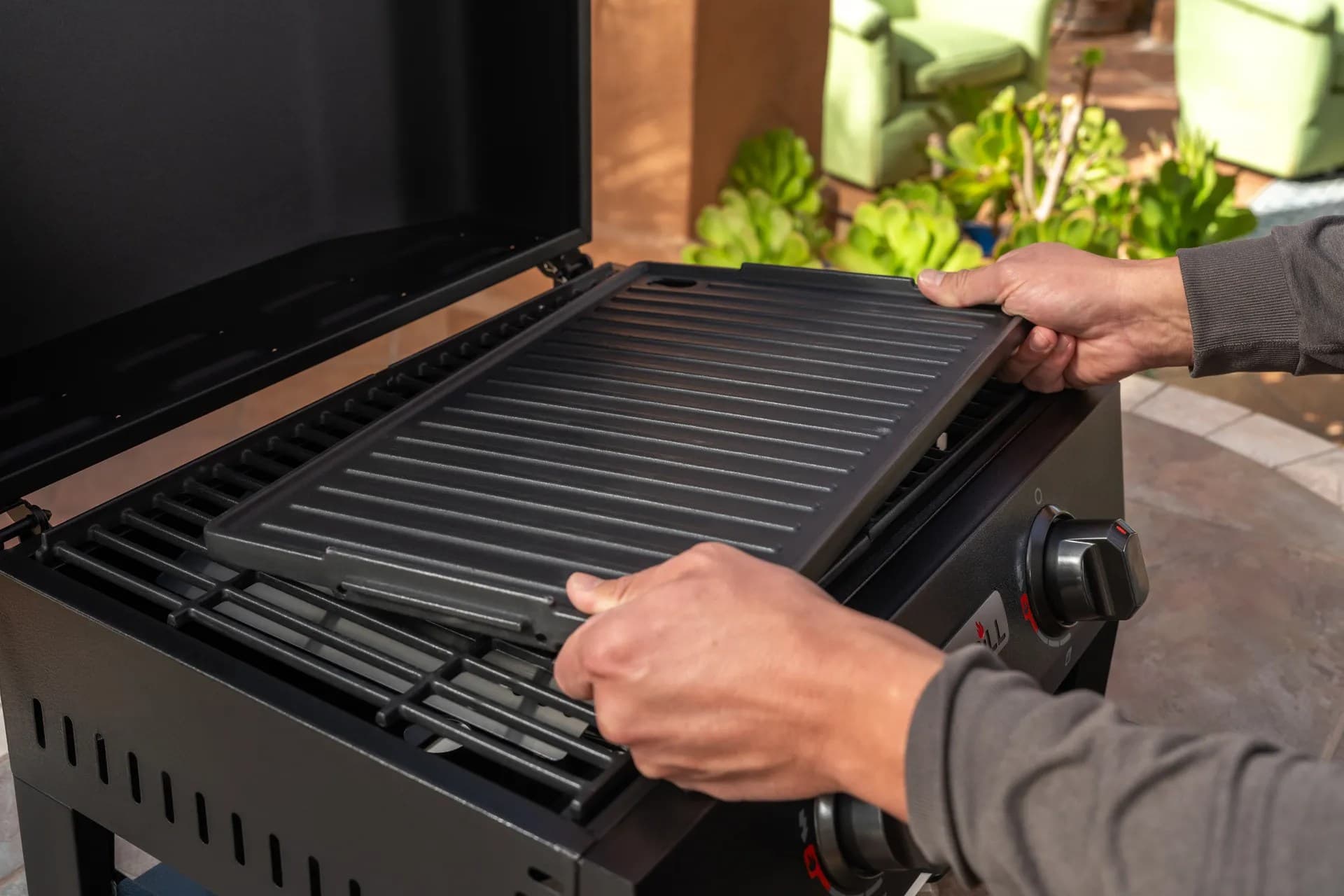
Once a week, perform a deep clean by removing the griddle surface if possible and soaking it in warm, soapy water. Scrub with a non-abrasive sponge, rinse, and dry thoroughly. Apply a thin layer of cooking oil to season the surface, which helps maintain its non-stick properties.
Users report improved griddle performance with regular deep cleaning.
Monthly Inspection
Inspect the griddle for signs of wear or damage. Check for loose bolts or screws and tighten them as needed. Look for any signs of rust or corrosion, and address them promptly to prevent further damage.
| Maintenance Task | Frequency | Purpose |
|---|---|---|
| Daily Cleaning | After each use | Remove food residues and prevent grease buildup |
| Deep Cleaning | Weekly | Thoroughly clean and season the griddle surface |
| Inspection | Monthly | Check for wear, rust, and loose components |
By adhering to these guidelines, griddle owners can ensure their equipment remains in excellent condition, providing reliable performance and delicious results.
Advanced Maintenance Techniques
Once you've mastered the basics, advanced maintenance techniques can further enhance your griddle's performance. These methods are particularly useful for those who use their griddles frequently or in professional settings.
Seasoning the Griddle
Seasoning is a process that involves applying a layer of oil to the griddle surface and heating it to create a non-stick coating. This not only improves cooking performance but also protects against rust. To season your griddle, choose a high smoke point oil, such as canola or flaxseed, and spread a thin layer over the surface. Heat the griddle until the oil begins to smoke, then let it cool. Repeat this process several times to build up a durable non-stick coating.
Tip: Season your griddle after every deep clean to maintain optimal non-stick performance.
Rust Prevention and Removal
Rust can severely impact the performance and lifespan of a griddle. Prevent rust by keeping the griddle dry and applying a light coat of oil after each cleaning. If rust does appear, it can often be removed with a mixture of baking soda and water or a commercial rust remover. Scrub the affected area gently, rinse, and re-season the griddle.
Storage and Protection
Proper storage is essential for protecting your griddle from the elements. If possible, store your griddle indoors or under a protective cover when not in use. Ensure the cover is breathable to prevent moisture buildup, which can lead to rust.
| Technique | Purpose | Frequency |
|---|---|---|
| Seasoning | Create non-stick surface and prevent rust | After deep cleaning or rust removal |
| Rust Removal | Restore surface integrity | As needed |
| Proper Storage | Protect from elements | Ongoing |
Griddle Maintenance: Common Mistakes
Avoiding common maintenance mistakes can significantly prolong your griddle's life. One frequent error is using abrasive cleaners or tools that can damage the surface. Always opt for gentle, non-abrasive materials. Additionally, neglecting the seasoning process can lead to food sticking and rust development.
Ignoring Regular Maintenance
Regular maintenance is crucial for peak performance. Skipping daily cleanings or monthly inspections can lead to costly repairs or replacements. Establishing a routine ensures your griddle remains in excellent condition.
Warning: Avoid using metal utensils on non-stick surfaces to prevent scratches and damage.
By following these advanced maintenance techniques, you can ensure that your griddle remains a reliable and efficient tool in your cooking arsenal for years to come.