Essential Griddle Cleaning Techniques for Everyday Use
Master the art of griddle maintenance with expert daily cleaning tips.
In This Article
Daily Cleaning
Tool Selection
Advanced Techniques
Understanding Your Griddle's Material
The first step to effective griddle cleaning is understanding the material of your griddle. Most griddles are made from stainless steel, cast iron, or ceramic-coated steel. Each material requires specific care to maintain its longevity and performance.
Stainless steel griddles are favored for their durability and resistance to rust, but they can still succumb to discoloration if not properly maintained. Cast iron griddles, on the other hand, require seasoning to prevent rust and maintain a non-stick surface. Ceramic-coated griddles offer a sleek, non-stick surface but are sensitive to abrasive cleaning tools. Understanding these differences will guide your cleaning process and prevent damage to the surface.
Daily Cleaning Routine
A daily cleaning routine is crucial for keeping your griddle in top condition. After each use, allow the griddle to cool slightly but clean it while it's still warm. This makes it easier to remove food residues and grease.
- Use a metal spatula to scrape off food particles gently.
- Apply a few drops of water to the surface to help loosen stubborn bits. Be cautious, as this may create steam.
- Wipe the surface with a paper towel or a soft cloth to remove loosened debris.
- Finish by applying a thin layer of cooking oil to prevent rusting, especially on cast iron griddles.
Tip: Avoid using soap on cast iron griddles as it can strip the seasoning.
Choosing the Right Cleaning Tools
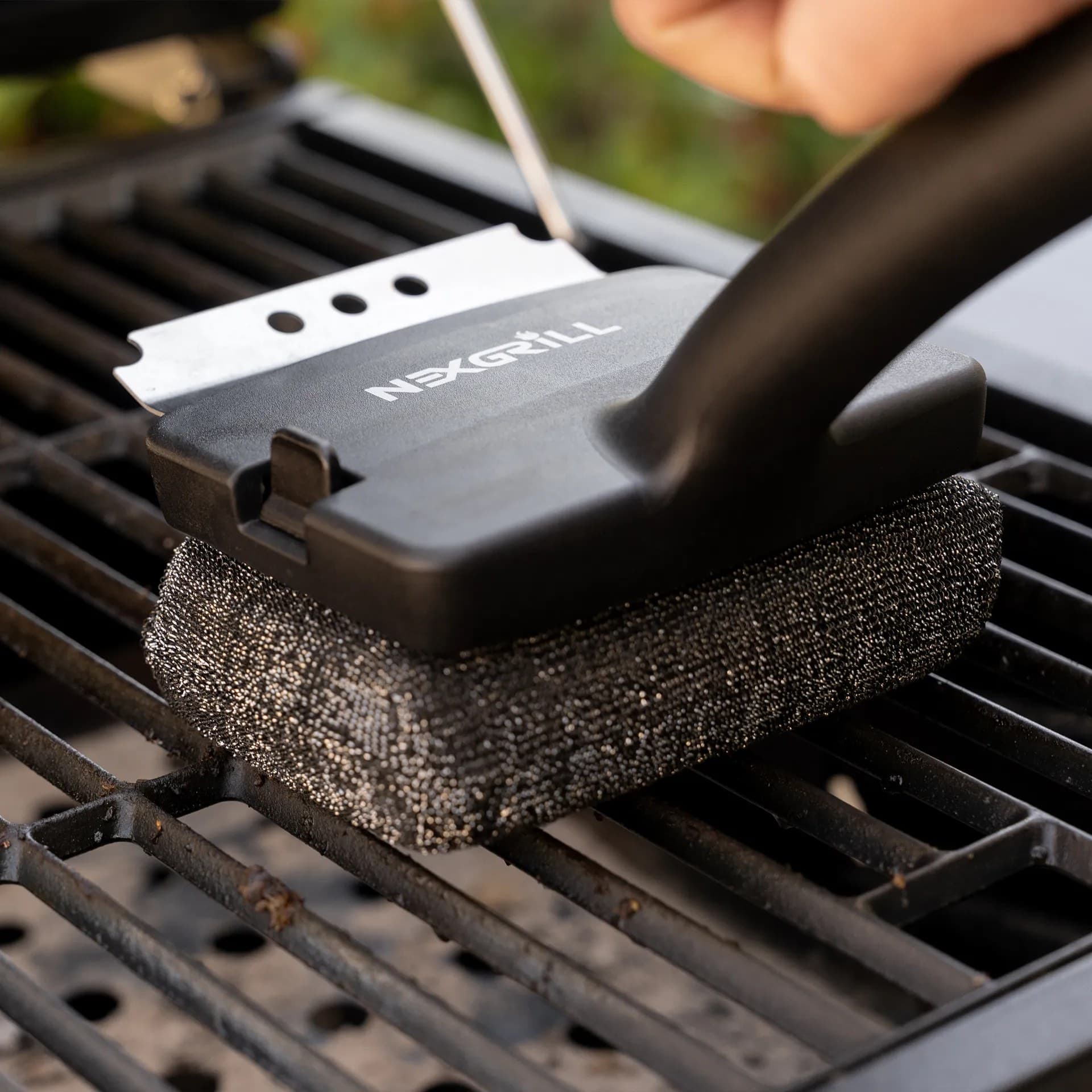
Choosing the right cleaning tools can make all the difference. For stainless steel and cast iron, soft cloths, metal spatulas, and specialized griddle scrapers are ideal. Avoid steel wool or abrasive pads that can scratch the surface.
For ceramic-coated griddles, use non-abrasive sponges or nylon scrapers. Keeping these tools on hand ensures you're always prepared for a thorough cleaning session.
Addressing Stubborn Stains and Residues
Stubborn stains and residues are common challenges. For tough spots, create a paste of baking soda and water, apply it to the area, and let it sit for a few minutes before scrubbing gently with a non-abrasive pad.
In the case of rust on cast iron, use a mixture of vinegar and water to soak the affected area before scrubbing. Remember to re-season the griddle after removing rust.
Info: Regular maintenance prevents build-up, reducing the need for heavy-duty cleaning.
Why Regular Maintenance Matters
Regular maintenance not only extends the life of your griddle but also ensures better cooking performance. A clean griddle provides even heat distribution and prevents unwanted flavors from affecting your food.
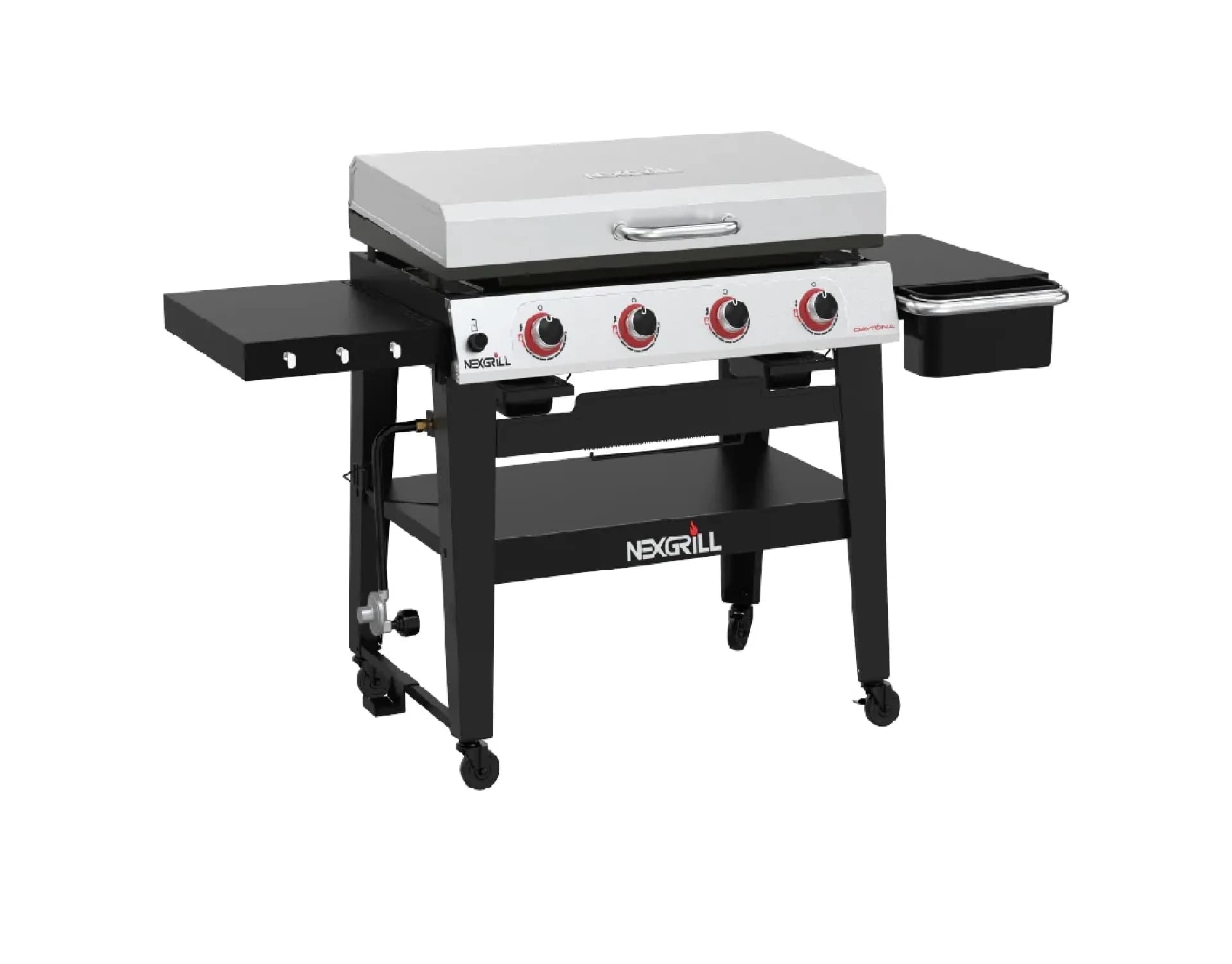
By incorporating these daily cleaning techniques, you'll enjoy consistent results and enhance your grilling experience. Try comparing two products side by side below to see which fits best:
Advanced Cleaning Techniques for Persistent Issues
For those particularly persistent issues that daily cleaning can't address, advanced techniques may be necessary. For instance, a griddle stone can be used on stainless steel griddles to remove baked-on food without damaging the surface.
Steam cleaning is another effective method. By heating the griddle and applying water, the steam generated helps to lift off grease and grime. Ensure you follow up with a thorough drying process to avoid moisture-related issues.
Seasoning Your Griddle: A Long-Term Solution
Seasoning is a critical step for maintaining cast iron griddles. It involves applying a thin layer of oil and heating the griddle to create a non-stick surface. This process fills in microscopic pores and protects against rust. This process helps ensure the longevity of your griddle.
- Clean the griddle thoroughly, removing all residues.
- Apply a thin layer of vegetable oil across the entire surface.
- Heat the griddle to allow the oil to polymerize, forming a protective layer.
Warning: Use oils with high smoke points to prevent burning.
Storing Your Griddle Properly
Proper storage is crucial to prolong the life of your griddle. Ensure it is completely dry before storing to prevent rust. For long-term storage, consider placing it in a dry, cool location and cover it to protect from dust and moisture.
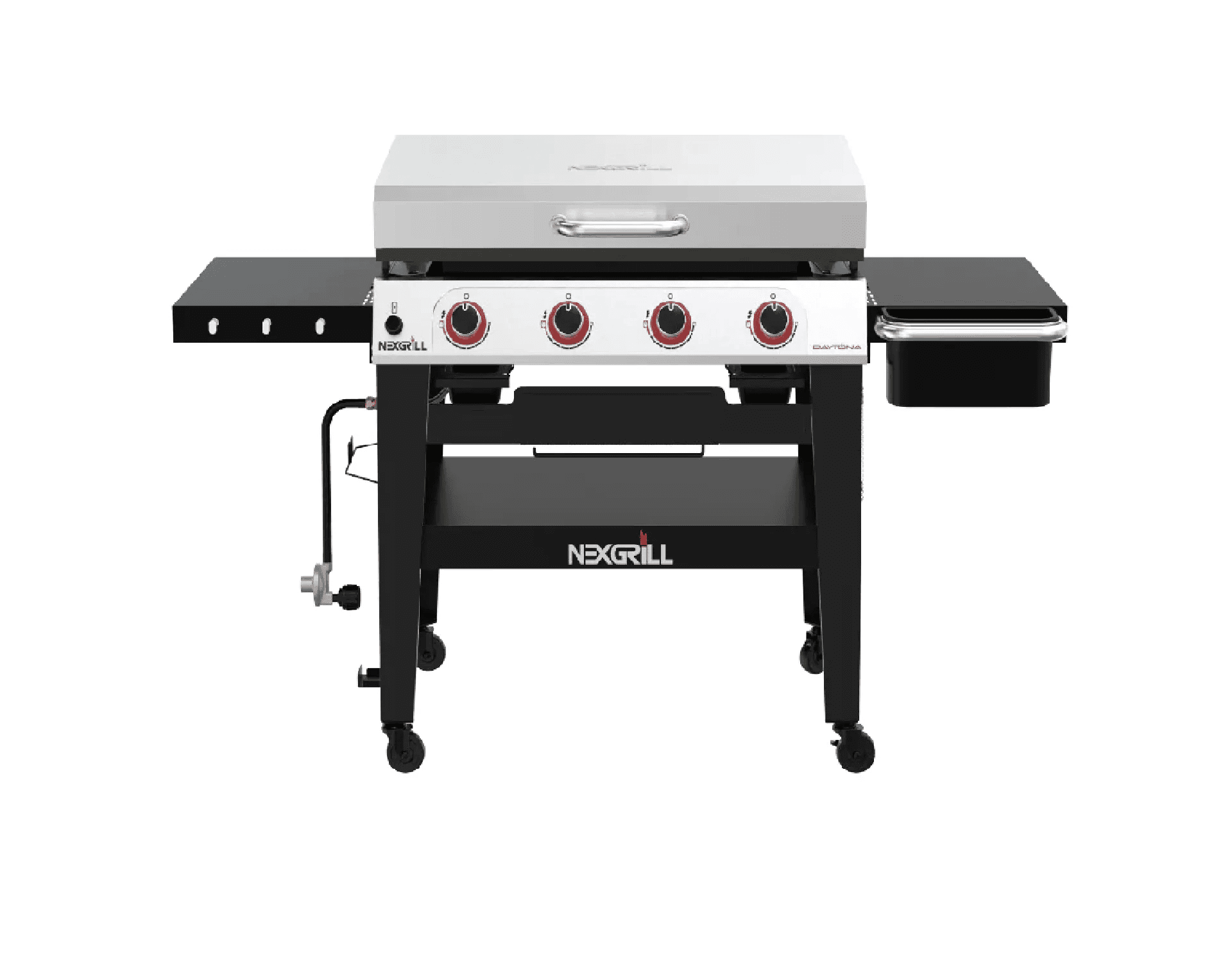
Using a griddle cover can further protect the surface from environmental elements, particularly if your griddle is stored outdoors.
Troubleshooting Common Griddle Issues
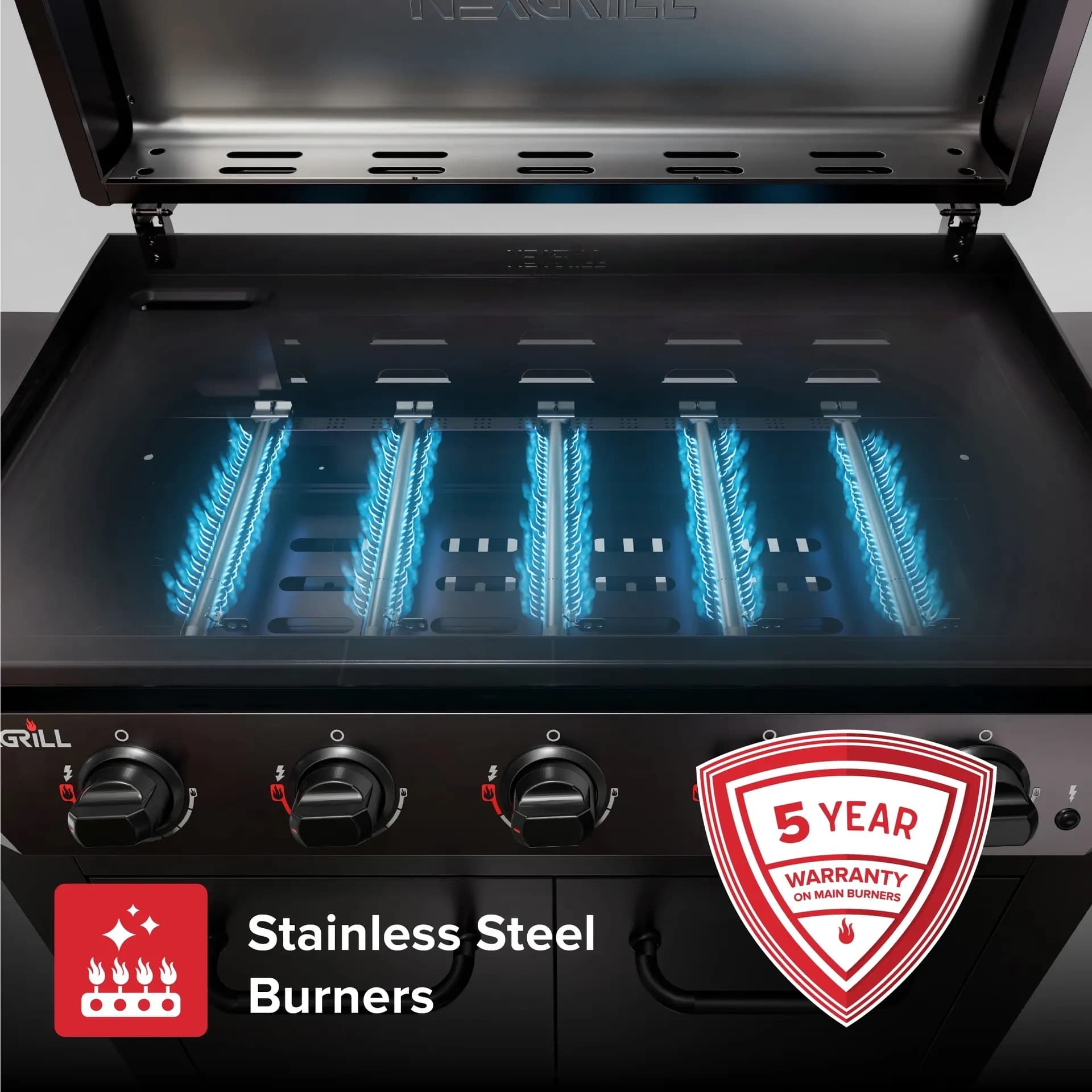
Even with the best care, issues can arise. Common problems include uneven heating, food sticking, and surface discoloration. Uneven heating may require checking the burners for blockages. For sticking, ensure the griddle is properly seasoned and free of residues.
Address discoloration by using a gentle cleaner specifically designed for your griddle's material.
| Issue | Solution |
|---|---|
| Uneven Heating | Check burners for blockages, clean and adjust if needed. |
| Food Sticking | Re-season griddle, clean after each use. |
| Surface Discoloration | Use appropriate cleaner, avoid harsh chemicals. |
Final Thoughts on Griddle Maintenance
Effective griddle maintenance is a combination of regular cleaning, proper storage, and occasional deep cleaning. By understanding your griddle's material and following the appropriate maintenance techniques, you can ensure it remains a reliable tool in your outdoor cooking arsenal.
Once you've weighed two options against each other, here's what else matters: consistent care will not only enhance your cooking experience but also extend the life of your equipment, providing delicious meals for years to come.