Nexgrill Daytona 1-Burner Griddle Review
A comprehensive review of the versatile and compact Nexgrill Daytona 1-Burner Griddle.
In This Article
Compact Design
User-Friendly Features
Real User Feedback
Overview of the Nexgrill Daytona 1-Burner Griddle
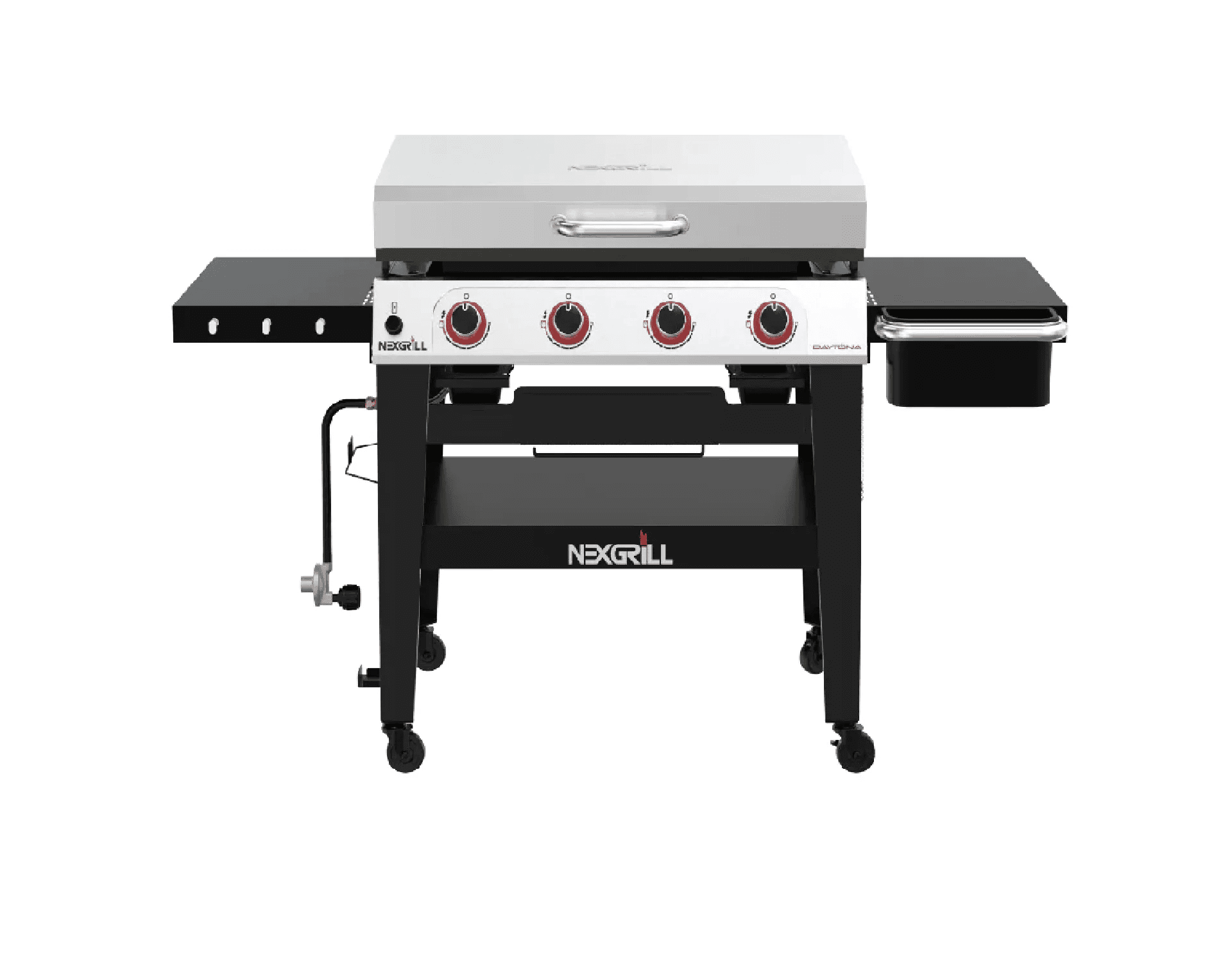
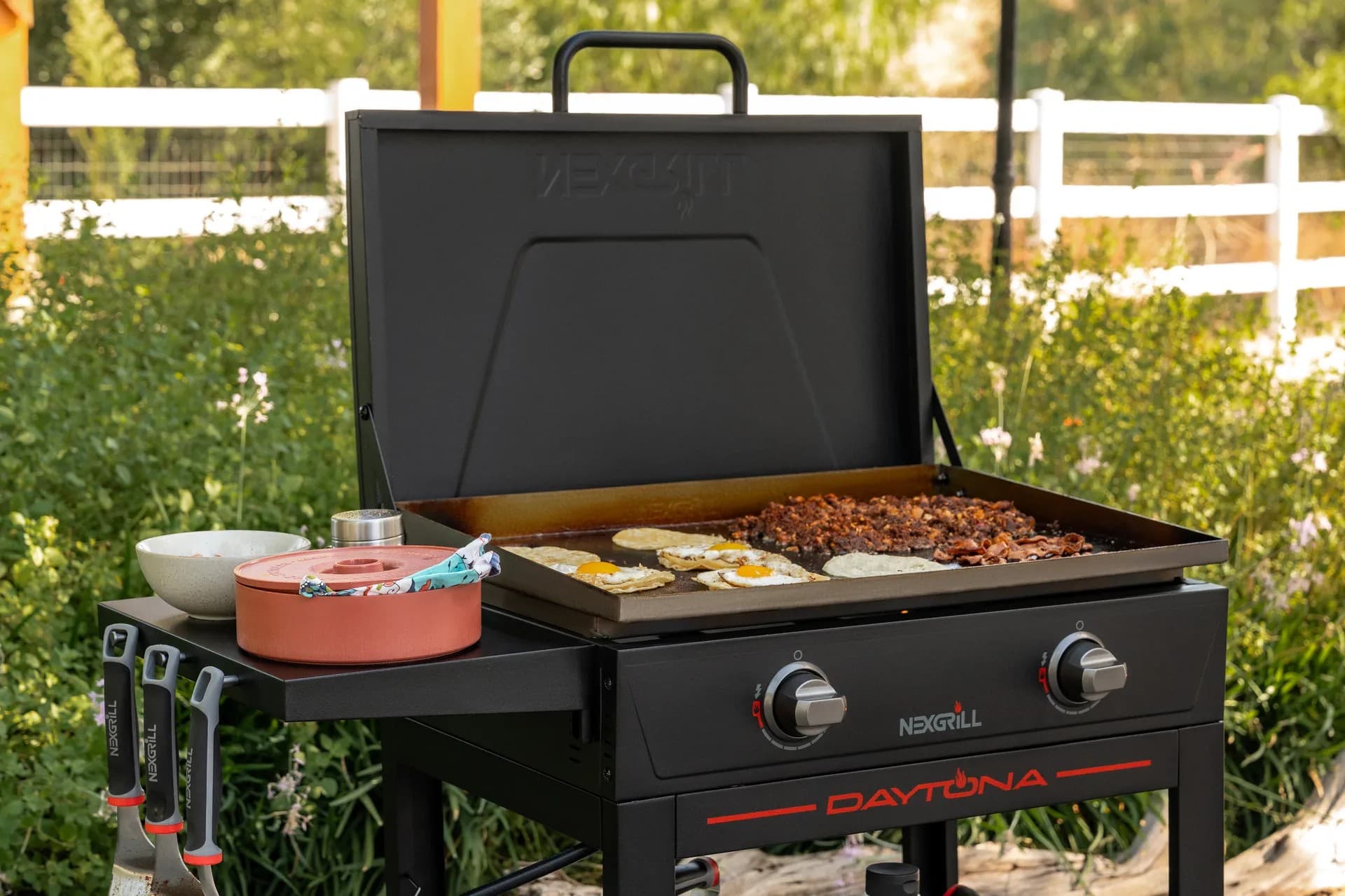
The Nexgrill Daytona 1-Burner Griddle is built for cooks who want flat-top convenience without giving up too much patio space. That makes it a sensible option for apartment balconies, compact decks, tailgate setups, or a second cooking surface beside a larger grill. Nexgrill’s broader brand positioning emphasizes accessible outdoor cooking for everyday gatherings, and that mindset shows up clearly in the Daytona line’s practical, user-friendly approach .
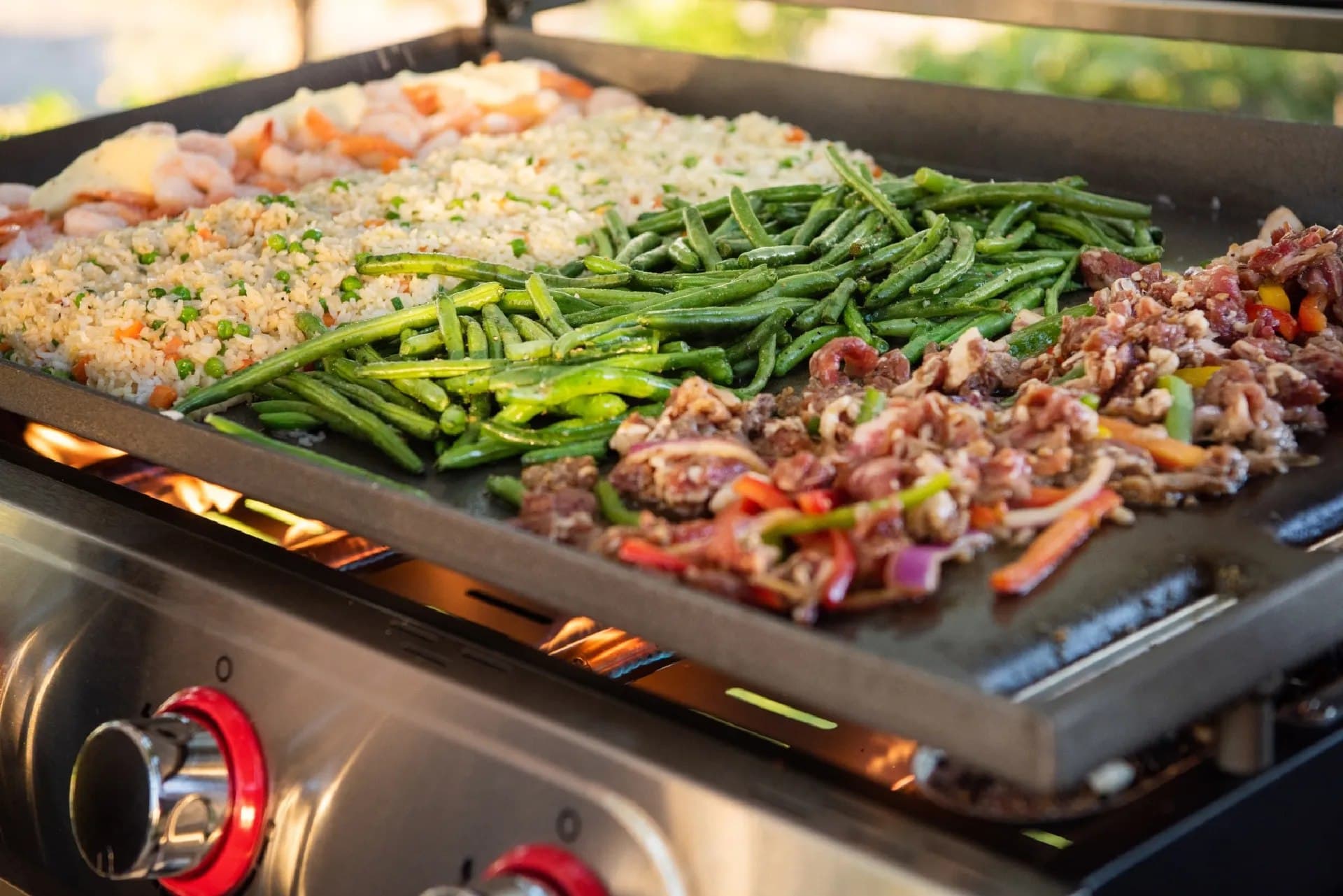
For a review like this, the most important question is not whether the griddle can do everything a full-size multi-burner flat top can do. It is whether the single-burner format offers enough cooking area, temperature control, and cleanup simplicity for the way most people actually cook. If you usually make breakfast sandwiches, smash burgers, quesadillas, stir-fry vegetables, or quick weeknight protein-and-veg meals, a compact griddle can be easier to live with than a heavier, larger appliance.
The biggest advantage of a 1-burner griddle is focus: one zone is easier to understand, easier to preheat, and easier to clean than a more complicated outdoor setup.
The Daytona 1-Burner Griddle also fits a specific buyer mindset. Some people want a griddle as their primary outdoor cooker for small households. Others want a flat top because it handles foods that slip through grill grates and because it creates a more continuous cooking surface for chopped foods, eggs, or toasted buns. In either case, the compact footprint lowers the barrier to entry while keeping the cooking style versatile enough for regular use. Nexgrill’s product philosophy around inclusion and approachable outdoor cooking supports that kind of practical, low-friction ownership experience .
One detail worth noting is how a compact griddle changes the rhythm of cooking. Instead of managing multiple burners and large heat zones, you spend more time mastering preheat, oiling, and batch cooking. That can be a benefit for beginners because it narrows the number of variables. For experienced cooks, it creates a fast, controlled surface for sides, breakfast, and small-family meals. Try comparing two products side by side below to see which fits best:
Key Features and Specifications
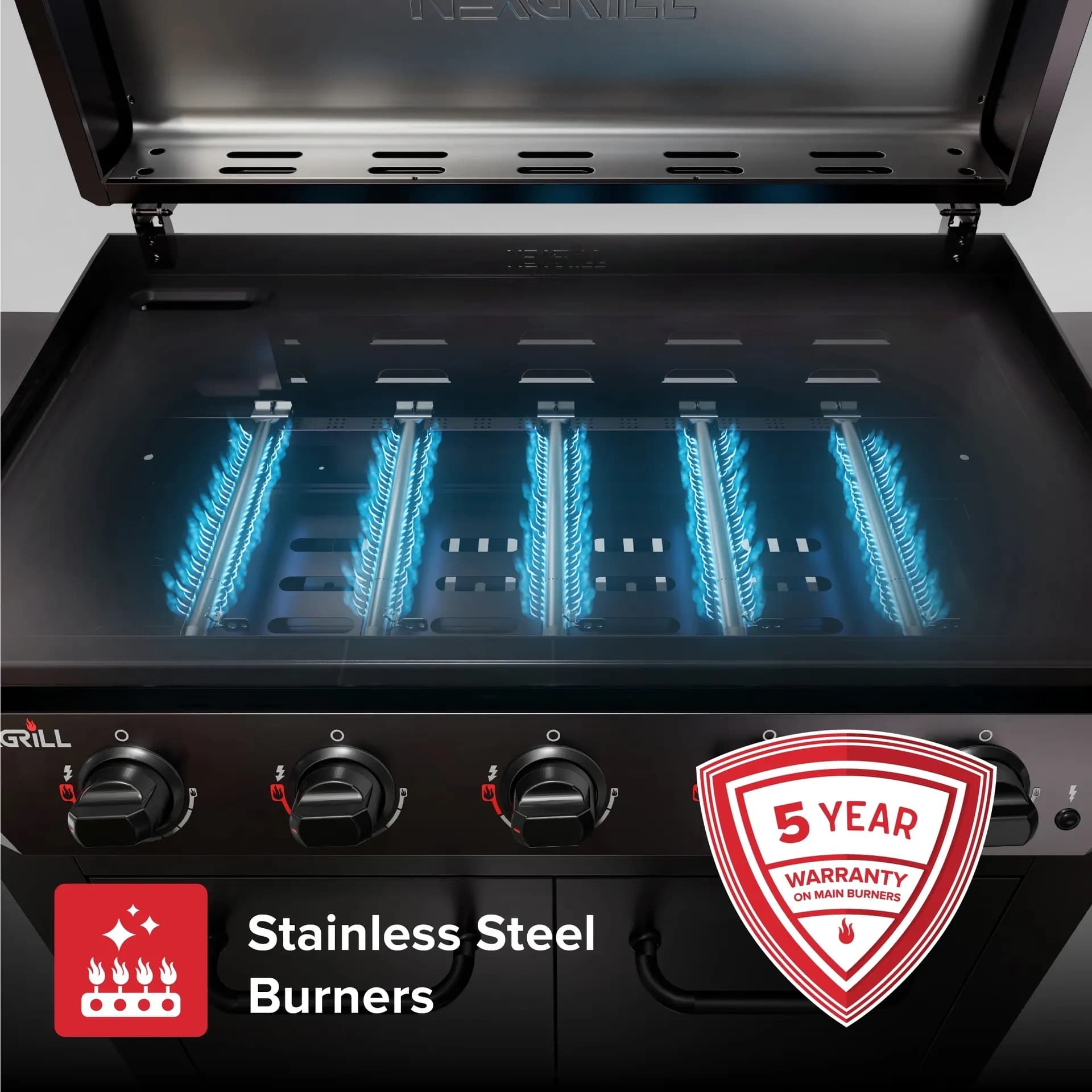
Nexgrill’s Daytona series is positioned as a griddle family, and the product pages in the line emphasize flat-top versatility, usable cooking space, and a design that works well for everyday outdoor meals . For the 1-burner version, the most relevant specifications are the ones that affect actual cooking: burner output, cooking surface size, ignition reliability, grease handling, and cart or tabletop stability. Because the listing is compact-focused, buyers should pay closer attention to footprint and workflow than to headline features alone.
| Buying factor | Why it matters on a 1-burner griddle | What to look for |
|---|---|---|
| Cooking surface | Determines whether you can cook breakfast for two or dinner for the family in batches. | Enough usable flat-top area for your most common meals. |
| Burner control | Single-burner griddles rely on even heat and quick adjustments. | A responsive knob and consistent flame spread. |
| Ignition | A reliable start keeps the griddle easy to use for short weekday cooks. | Simple, repeatable lighting without extra fuss. |
| Grease management | Flat tops cook a lot of fatty foods, so cleanup design matters. | A channel or tray that makes scraping and disposal straightforward. |
| Footprint | Compact buyers need the griddle to fit the patio, not just the catalog photo. | A size that leaves room for prep, traffic flow, and storage. |
means you should value heat consistency and workflow more than burner count.
The compact format also changes what “spec value” means. On a large griddle, more burners can reduce hot spots and let you isolate zones. On a one-burner unit, the benefit comes from predictable operation and less wasted space. In practice, that means the griddle should heat evenly across its usable center area and recover quickly after food is added. If you are planning to cook smash burgers, eggs, bacon, or fajita vegetables, that quick heat recovery is more useful than a long list of features you may never use.
For compact outdoor cooking, the best spec is the one you can feel during service: stable heat, manageable cleanup, and a layout that does not force awkward reaching.
How to Use the Nexgrill Daytona Griddle
Using a flat-top well is mostly about process. Before the first cook, read the product instructions carefully and place the griddle on a stable surface with enough clearance around it. The Daytona 1-Burner format rewards good setup because small surfaces heat quickly, and that means mistakes show up fast. A level unit is especially important: if the griddle tilts, grease and oil will migrate in the wrong direction and cooking results become uneven.
A practical first-cook routine
- Preheat the griddle with the lid open, then let the cooking surface come fully up to temperature before adding oil.
- Use a thin layer of high-smoke-point oil and spread it evenly with a paper towel or cloth held by tongs.
- Start with foods that benefit from direct contact, such as eggs, onions, chopped potatoes, tortillas, or thin patties.
- Keep a metal spatula and scraper nearby so you can turn, chop, and clean as you cook.
- After cooking, scrape debris into the grease collection area while the surface is still warm.
That sequence matters because griddles work best when the surface is seasoned and the heat is controlled. The Nexgrill griddle cooking tips page reinforces basic habits like preheating properly, managing oil, and keeping the surface clean between uses, all of which help protect the finish and improve food release over time .
Do not rush the preheat. A griddle that is only partly heated will brown unevenly and can make delicate foods stick.
Think in batches. On a 1-burner griddle, it is usually smarter to cook in waves than to crowd the surface. For example, sear sausage or bacon first, move them to a warm area if available, then use the rendered fat for eggs or potatoes. For lunch, toast buns after the patties are done so you are not fighting for space. That batch-based rhythm is one of the reasons smaller griddles appeal to busy households: they support fast meals without demanding restaurant-scale prep.
Common Mistakes to Avoid
Most early problems with a compact griddle come from treating it like a grill. A flat top is not mainly about flame marks; it is about surface contact, moisture control, and timing. One common mistake is putting too much food on the griddle at once. Overcrowding drops the surface temperature and turns searing into steaming. Another common issue is using excessive oil, which can make food greasy and create cleanup problems rather than helping release.
A second mistake is assuming the single burner can cover every task evenly without adjustment. Because there is only one heat source, the warmest area may be more centered than the edges. Learn your hot and cool spots during the first few cooks, then place the food that needs the most direct heat accordingly. For instance, keep chopped vegetables or tortillas near the more active section of the surface and use the edges for short-term holding when needed.
| Mistake | Why it hurts results | Better approach |
|---|---|---|
| Skipping preheat | Food sticks and browning is patchy. | Preheat fully before adding oil or food. |
| Overcrowding | Heat drops and texture softens. | Cook in smaller batches. |
| Using too much oil | Food becomes greasy and cleanup gets harder. | Use a light, even coat. |
| Ignoring leveling | Grease pools and cooking becomes inconsistent. | Set the griddle on a stable, level surface. |
There is also a maintenance mistake many owners make: waiting until residue hardens before cleaning. The grease tray and flat top are easier to manage when the surface is warm, not cold. A quick scrape after the cook protects the next session and reduces the chance of built-up flavor transfer. If you want a compact griddle to stay enjoyable, make cleanup part of the cooking routine instead of a separate chore.
For buyers comparing compact griddles, the main question is whether the 1-burner format matches their household and cooking style. If you want a straightforward, space-conscious flat top for breakfasts, small dinners, and quick weeknight meals, the Daytona 1-Burner Griddle has a very clear use case. If you often cook for larger groups or want multiple temperature zones at once, a bigger Daytona model may fit better. In other words, choose the size that matches your real routine, not the one that looks most impressive on paper.
Insights from User Reviews
Once you have weighed the compact footprint against your cooking habits, it helps to look at what buyers usually notice after living with a griddle like this. Nexgrill’s customer review resources are useful here because they show how people describe ownership in practical terms rather than in spec-sheet language . For the Daytona 1-Burner Griddle, the recurring themes are usually about convenience, size, and whether the unit feels easy enough to use on short notice.
In compact-griddle reviews, the most positive feedback often comes from users who wanted something small but not flimsy. They tend to value fast preheat, simple startup, and a surface that handles everyday foods without needing a long learning curve. That matters because a product can be physically small and still feel practical if the layout supports real cooking. Nexgrill’s griddle line is positioned around approachable outdoor cooking, and that fits with the kind of feedback shoppers typically look for: can it make breakfast on a Saturday, dinner on a Tuesday, and cleanup on both days feel manageable?
User review patterns are most helpful when you read them for recurring themes, not one-off extremes. Look for repeated comments about heat, cleanup, and sturdiness.
A second pattern in reviews is that buyers often appreciate the griddle more after they learn to use it like a flat-top station. That means preheating fully, cooking in batches, and embracing foods that benefit from a broad surface. First-time owners who expected grill-style flare and char sometimes rate the experience lower than those who wanted even browning, smashed burgers, or breakfast service. The difference is less about the product and more about matching expectations to the cooking style.
If you are shopping with those patterns in mind, the review question becomes very specific: will the Daytona 1-Burner Griddle solve your actual outdoor cooking pain points? For small patios and smaller households, the answer is often yes because it gives you a genuine flat-top experience without claiming too much space. For larger families, the same compactness may become a limitation if you need to cook several servings at once.
Final Checklist for Potential Buyers
Before buying, use a short decision checklist to avoid surprises after delivery. The point is not to find the most feature-packed option; it is to make sure the griddle fits the way you cook now. If the answer is yes to most of the items below, the Daytona 1-Burner Griddle is likely a strong match.
| Checklist item | Why it matters |
|---|---|
| I cook for one to four people most of the time. | A compact griddle is easier to justify and easier to manage. |
| I want breakfasts, sandwiches, vegetables, and quick dinners. | The flat-top format is especially good for mixed, small-batch cooking. |
| I have limited patio or storage space. | The smaller footprint becomes a major advantage. |
| I am willing to preheat properly and clean while warm. | That routine preserves performance and makes ownership easier. |
| I do not need multiple burners for separate heat zones. | One burner can be plenty if your meals are simple and direct. |
Best fit: small-space cooks, beginners, couples, and anyone who wants a simple griddle for everyday meals.
If you are still undecided, compare the Daytona 1-Burner against another Daytona or a larger flat-top model and ask one question: which one will you actually use most often? The better purchase is the one that fits your routine, your storage, and your appetite for simple outdoor cooking.