A comprehensive guide to must-have tools and gadgets for every barbecue enthusiast.
Here's what sets us apart from the competition
We position ourselves as delivering high-end outdoor cooking features and performance without premium-brand pricing, emphasizing “Quality Grills. Unbelievable Value.”
We offer gas grills, pellet grills, griddles, smokers, pizza ovens, portable/tabletop grills, electric grills, accessories, and replacement parts — allowing customers to stay within one ecosystem for all outdoor cooking needs.
We differentiate ourselves through smart grilling products like the Oakford smart pellet grill, including app-connected cooking controls and modern outdoor cooking technology.
Expert tips, buying guides, comparisons, and inspiration for choosing and getting the most out of your grill.
Practical guides for cleaning, maintenance, common grill issues, and performance optimization.
Step-by-step grilling recipes, cooking techniques, and meal ideas for every occasion and skill level.
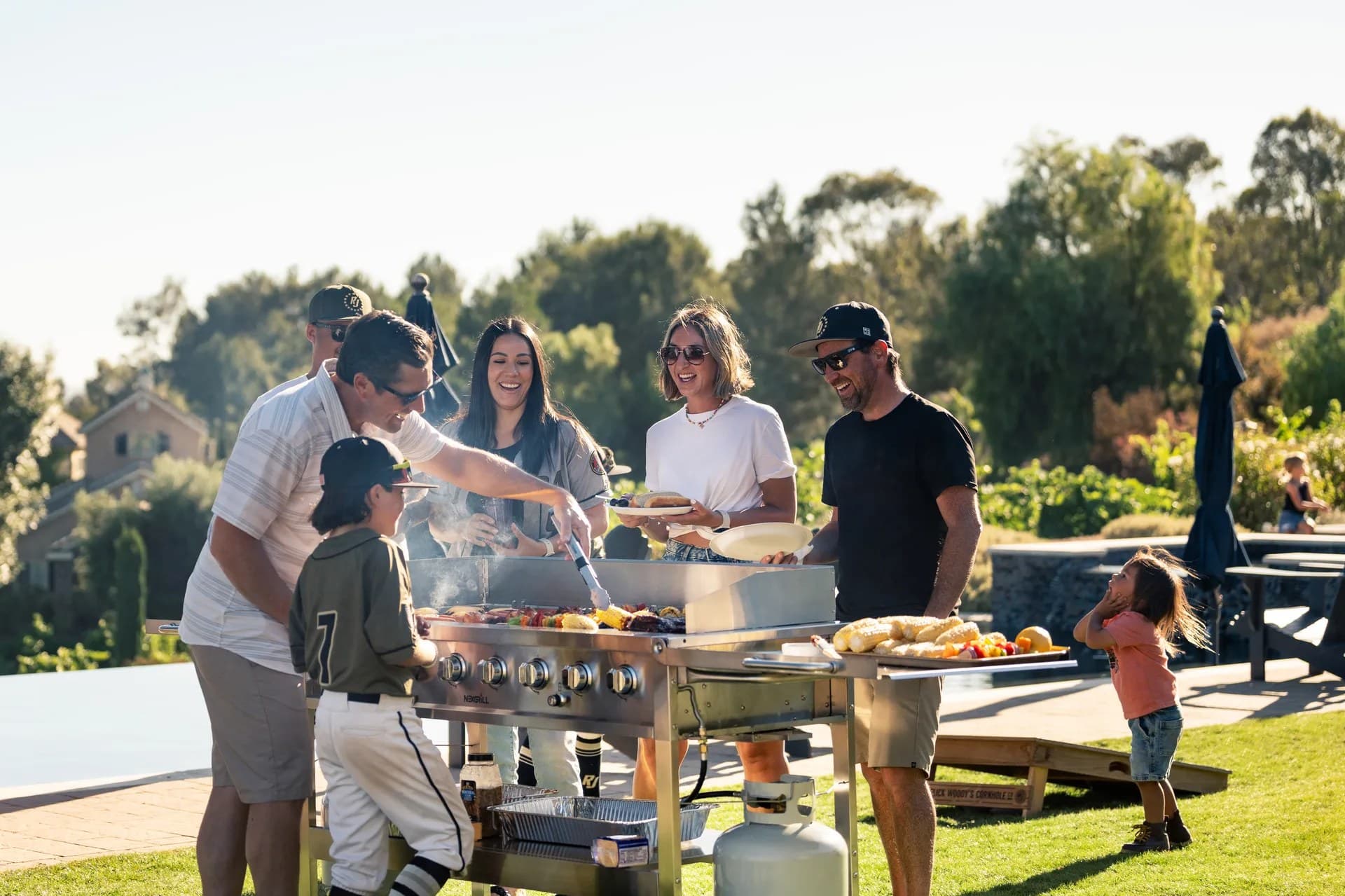
Backyard entertaining ideas, seasonal grilling inspiration, and stories that celebrate outdoor cooking culture.
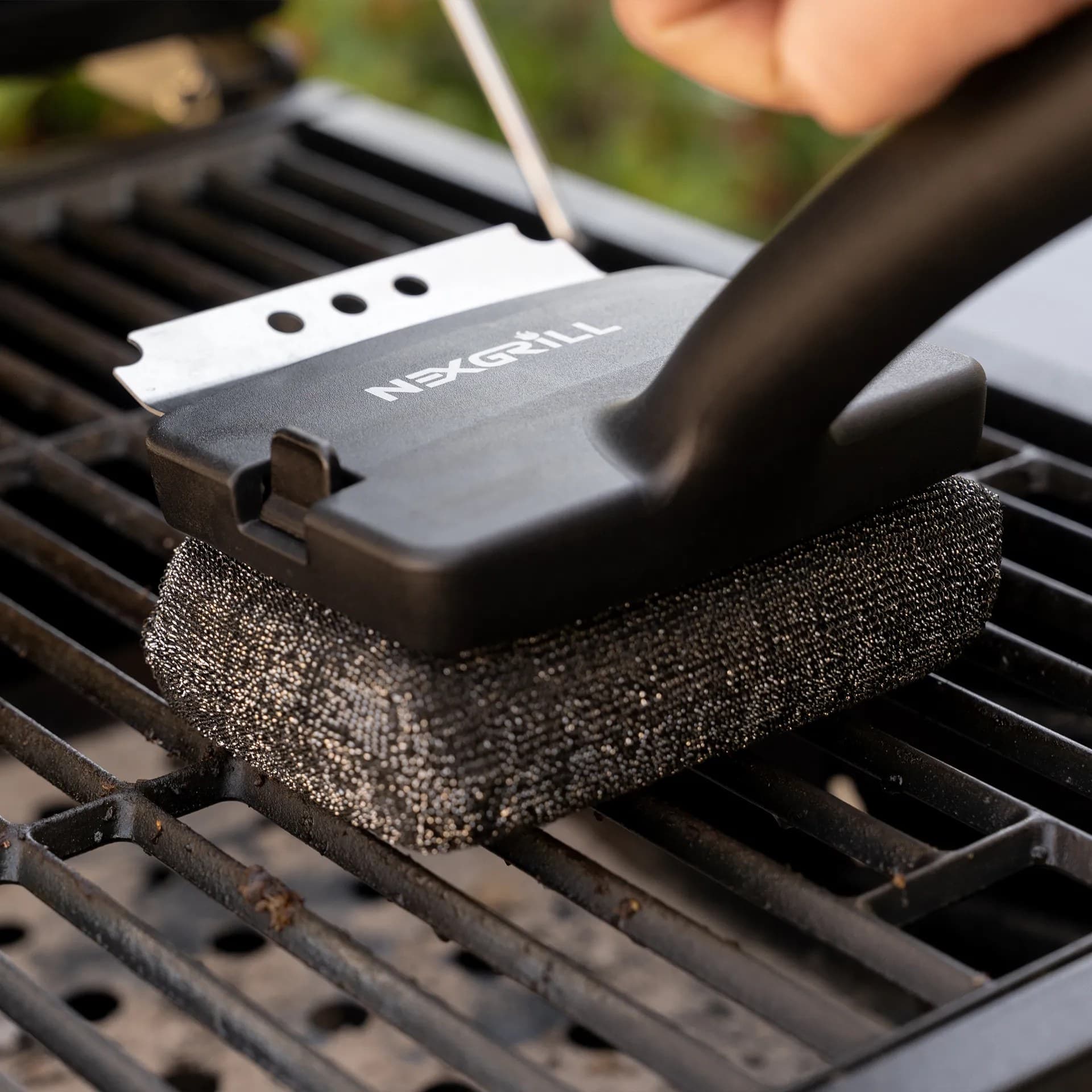
Helpful articles covering grilling tools, cookware, maintenance gear, and must-have accessories for outdoor cooking.
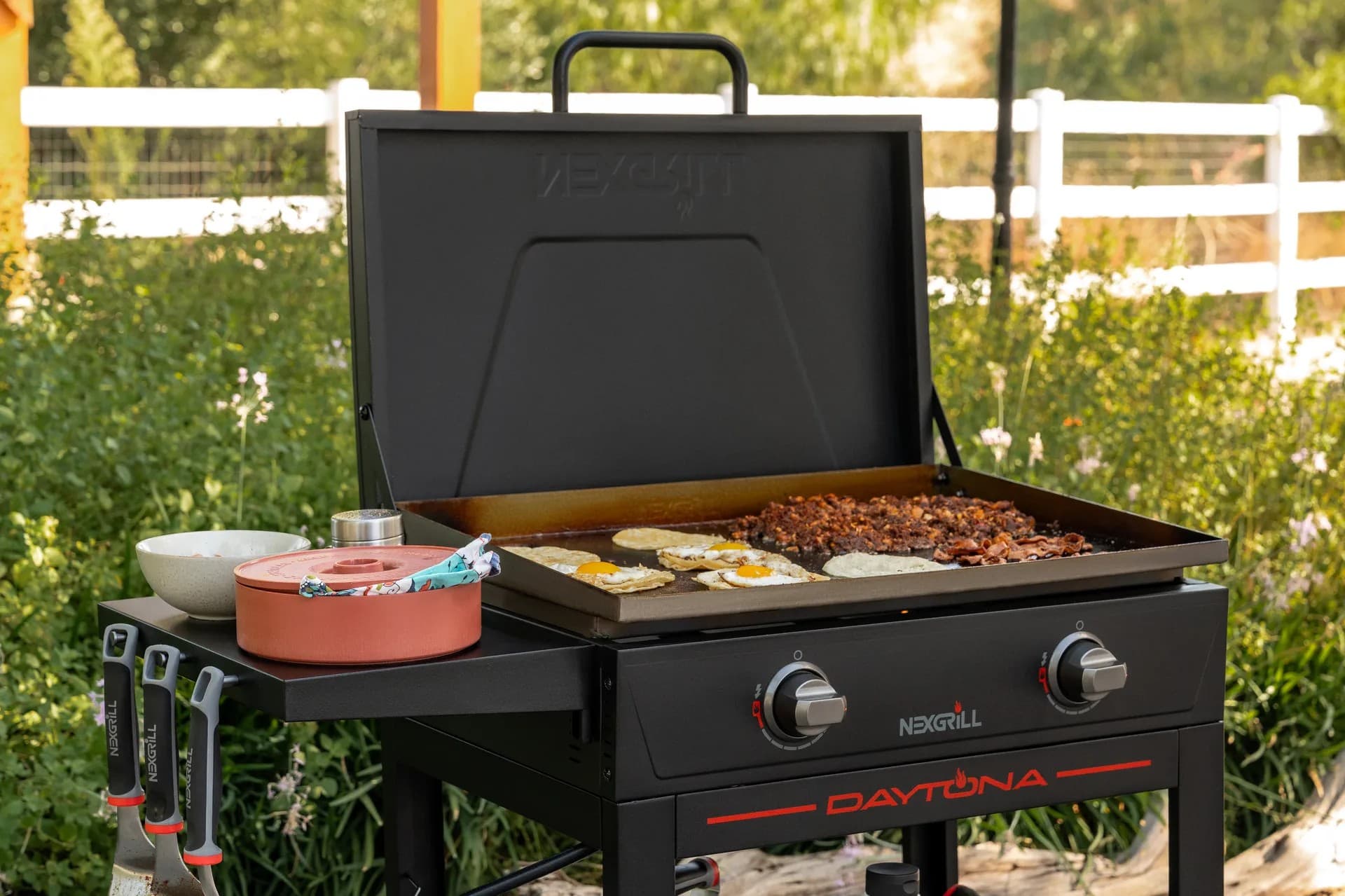
Find griddle recipes, cooking techniques, cleaning tips, and outdoor meal ideas designed for Nexgrill griddles.
Find answers to common questions
Nexgrill offers a variety of accessories including grill tools, covers, cooking utensils, and replacement parts designed to enhance your grilling experience.
Many Nexgrill accessories are widely compatible with various grill brands, but it is recommended to check the specifications for proper fit and functionality.
To maintain your Nexgrill accessories, regularly clean them with warm soapy water, avoid using abrasive materials that could scratch the surface, and store them in a dry place when not in use.
Yes, Nexgrill accessories can be purchased separately from the grills, allowing customers to customize their grilling setup as needed.
Instructions for using Nexgrill accessories are typically included in the packaging, and additional resources can be found on the Nexgrill website or in the product user manuals.
In This Article
Grilling Tools
Temperature Control
Safety Gear
The smartest way to build a better grilling setup is not to start with gadgets you may use once a season, but with the accessories that solve real problems every time you cook. Essential BBQ accessories are the tools that help you move food safely, check doneness accurately, manage heat, protect your hands, and keep the cook area organized enough that you can focus on the meal instead of improvising. For most backyard cooks, the right starter kit is a small collection of high-use items that quietly improve nearly every grilling session: sturdy tongs, a reliable spatula, a probe thermometer, heat-resistant gloves, and a few storage basics. Together, those tools do more than make life easier. They reduce guesswork, help prevent overcooking, and make it more realistic to cook multiple items at once without losing control of the process.
At Nexgrill, the practical side of grilling matters because outdoor cooking usually happens in the real world, not in a showroom. That means windy patios, uneven lighting at dusk, burgers that need flipping while a side dish finishes, and guests who arrive earlier than planned. Accessories should help you respond to those moments. A good grill setup does not depend on owning the most items; it depends on having the right ones within reach. If you grill occasionally, a compact set can be enough. If you cook for a crowd, accessories become part of your workflow, letting you manage direct heat, indirect heat, resting, serving, and cleanup with less stress.
Usually cover most backyard grilling needs: tongs, spatula, thermometer, gloves, and brush.
A useful way to think about BBQ accessories is by job rather than by category. Some tools move food, some measure temperature, some protect you from heat, and some keep the grill ready for the next cook. That job-based approach helps beginners avoid overbuying and helps experienced grillers identify weak spots in their current setup. For example, a beautifully built grill still becomes frustrating if you can’t safely turn delicate fish, verify chicken breast doneness, or remove a hot grate without risking a burn. In other words, accessories are not secondary; they are what make the grill easier to use well.
| Accessory job | Why it matters | Common backyard use |
|---|---|---|
| Food handling | Keeps hands away from heat and maintains control of food | Flipping burgers, moving vegetables, rotating skewers |
| Temperature monitoring | Reduces guesswork and supports safer cooking | Checking steaks, chicken, pork, and brisket |
| Heat protection | Helps prevent burns and improves confidence near the fire | Adjusting grates, handling pans, moving hot lids |
| Cleanup and care | Keeps the grill performing well over time | Brushing grates, scraping residue, protecting tools |
The best accessories also match the way you actually cook. A gas grill owner who sears steaks on a weeknight needs quick access tools and a temperature probe. Someone who spends Sundays smoking ribs may care more about thermal gloves, a wide spatula, and a durable cleaning routine. Families cooking burgers, corn, and chicken thighs for eight people need different support than the solo griller making a quick dinner after work. That is why the most useful accessory lists are not generic checklists; they are practical systems built around how a cook moves around the grill.
This guide focuses on the accessories that consistently earn a place near the grill, and it does so from the perspective of everyday use. The goal is not to impress with novelty. It is to help you choose gear that makes grilling safer, easier, and more repeatable. If you are building from scratch or replacing worn-out pieces, the sections below show how each category contributes to a more controlled cook.
Grilling tools are the hands of your setup. The right utensils let you move food without tearing it, keep your distance from flare-ups, and work quickly enough that heat stays where it belongs: in the grill. For most cooks, the essential set starts with locking tongs, a wide spatula, a basting brush, and a grill fork used carefully rather than constantly. Tongs are the most-used tool because they handle the broadest range of foods. A good pair should open smoothly, grip with confidence, and feel balanced when you are turning heavy cuts or smaller items like asparagus and shrimp. A spatula matters because it gives you control under delicate foods like fish fillets or smash burgers that need a full lift rather than a pinch.
Brushes and basting tools are often overlooked, but they matter whenever you want to add sauce, oil, or glaze in a controlled way. A silicone basting brush is especially useful because it holds up better to sticky marinades and easier cleanup than some traditional bristle styles. For sauces with sugar, using the brush at the right moment prevents burning the glaze too early. Many grillers also keep a scraper or grill-safe turner nearby for tasks that need a flatter edge. The point is not to collect every possible utensil. It is to choose tools that fit the foods you cook most often and the level of control you want.
Tip: If a tool feels awkward when lifting a full steak or a sheet of vegetables, it will feel worse once grease and heat are involved. Test the grip before your first cook.
One practical rule is to separate “moving” tools from “finishing” tools. Moving tools are your tongs, spatula, and maybe a fork for carving or checking larger cuts. Finishing tools include your brush, sauce mop, and any silicone-coated utensils used toward the end of a cook. That separation reduces cross-contamination and keeps sauce from becoming a mess on handles. It also helps during high-volume cooking. If four burgers are searing while corn and peppers sit nearby, you need to know which utensil does what without stopping to think.
| Tool | Best use | What to look for |
|---|---|---|
| Tongs | Turning burgers, chops, sausages, vegetables | Firm spring, comfortable handle, secure grip |
| Spatula | Fish, smash burgers, fragile foods | Wide head, thin edge, rigid handle |
| Basting brush | Sauces, oil, butter, marinades | Heat-resistant bristles or silicone head |
| Grill fork | Serving or carving large cuts | Use sparingly; long, sturdy tines |
For beginners, the biggest mistake is buying a large set with extra gadgets but weak core tools. Two mediocre utensils are less helpful than one excellent pair of tongs and one dependable spatula. For seasoned grillers, the difference often comes down to ergonomics and heat tolerance. If you cook often, handles that stay comfortable after repeated use and tools that are easy to clean become more valuable than flashy add-ons. In both cases, the best grilling tools are the ones you can reach quickly, use confidently, and put back without clutter.
Try comparing two products side by side below to see which fits best: think about how often you grill, what you cook most, and whether you value speed, control, or cleanup ease more.
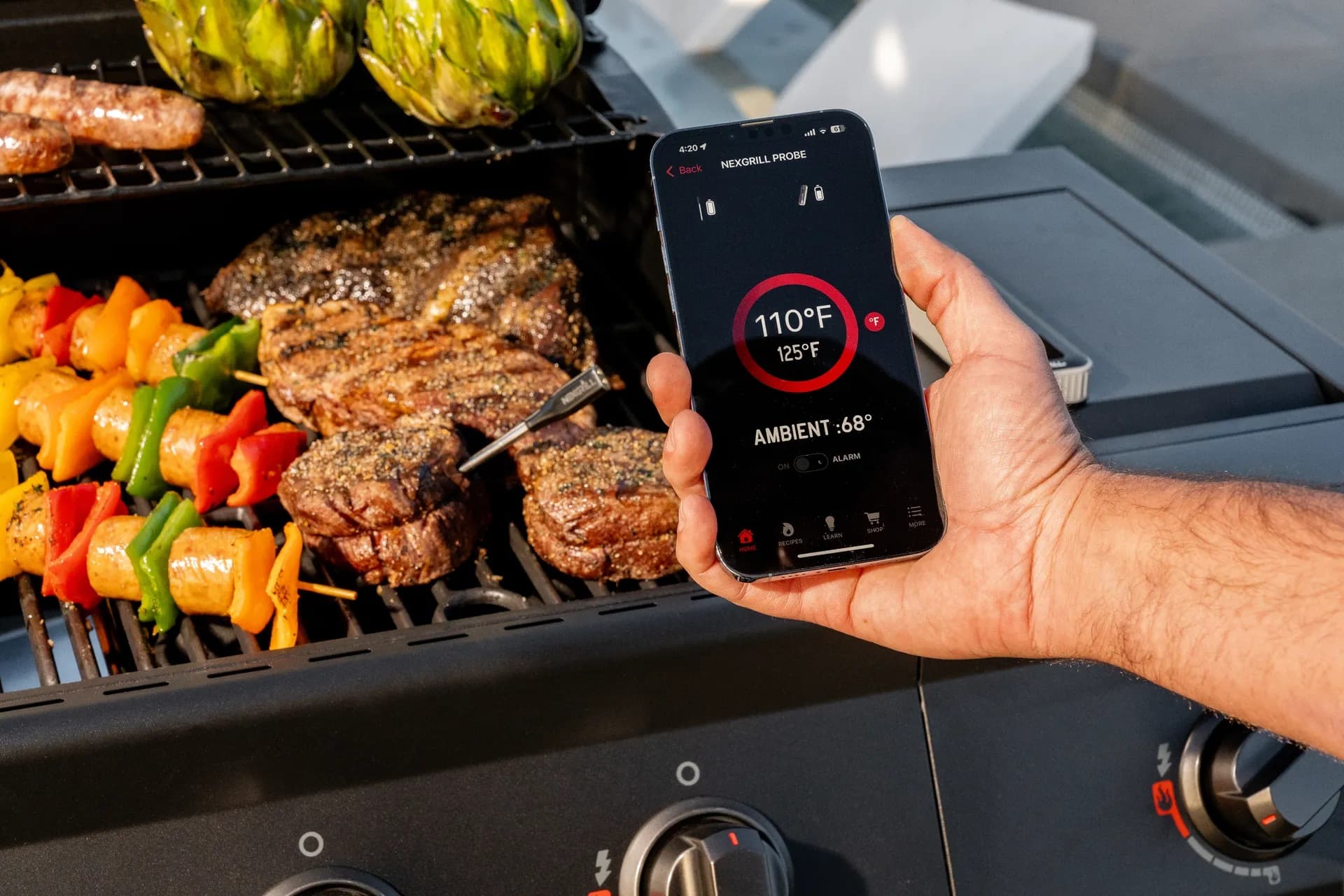
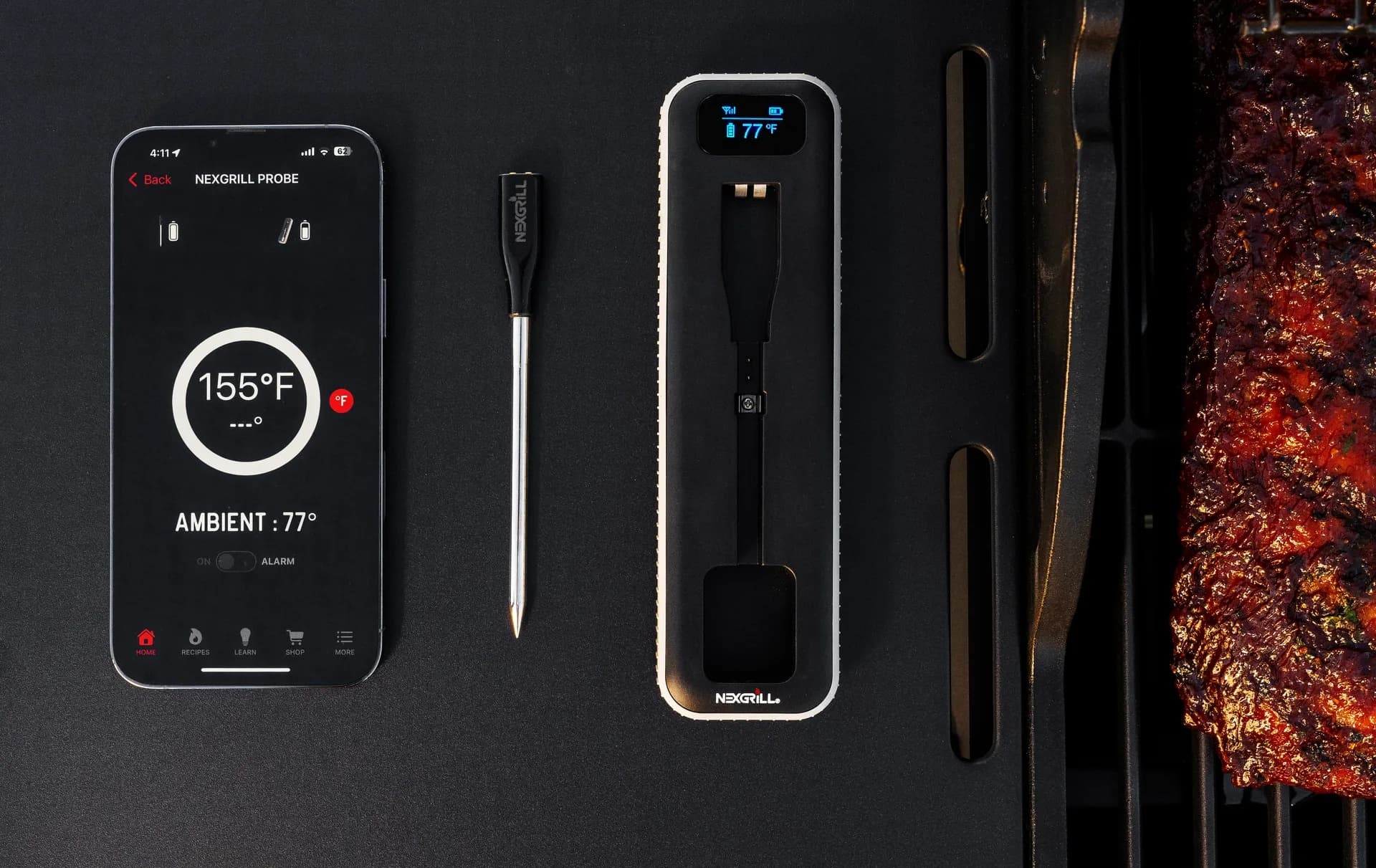
Temperature control is the difference between hoping food is done and knowing it is done. A reliable thermometer, whether instant-read or leave-in probe style, gives you a clearer picture than visual cues alone. That matters especially for proteins like chicken, pork, and thicker cuts of beef, where the line between juicy and overcooked can be surprisingly narrow. Even on a well-designed grill, surface heat can vary from one zone to another, and an accurate thermometer helps you adapt to those conditions instead of guessing. For many home cooks, this one accessory has more impact on the final result than any decorative add-on or specialty tool.
Thermometers are especially valuable when cooking across multiple doneness targets. Imagine a cookout with burgers, chicken thighs, and vegetables on the grill at the same time. Burgers may be moving toward one target, chicken toward a safer internal temperature, and vegetables simply need tenderness and char. If you rely only on timing, one item will usually suffer. A thermometer helps you manage that complexity. The same is true for larger cuts like pork shoulder or brisket, where time per pound is only a rough estimate and the real cue is the internal temperature at the center of the meat.
Info: The most useful thermometer is the one you use every cook. If it takes too long to read or is hard to clean, it will stay in the drawer when you need it most.
For BBQ accessory planning, it helps to think about temperature control in layers. The first layer is the grill itself: preheating, zone setup, and lid management. The second layer is the cooking temperature of the food. The third layer is the resting period after the food comes off the heat. Thermometers help at all three layers. You can check whether the grill has preheated properly, verify doneness at the right moment, and avoid cutting into meat too early after resting. If you smoke or roast with indirect heat, a leave-in probe can be particularly useful because it lets you monitor without repeatedly opening the lid and losing heat.
| Temperature tool | Why it helps | Best scenario |
|---|---|---|
| Instant-read thermometer | Fast spot checks after searing or during service | Steaks, burgers, chicken pieces, fish |
| Leave-in probe thermometer | Monitors longer cooks without lifting the lid often | Roasts, brisket, ribs, smoked meats |
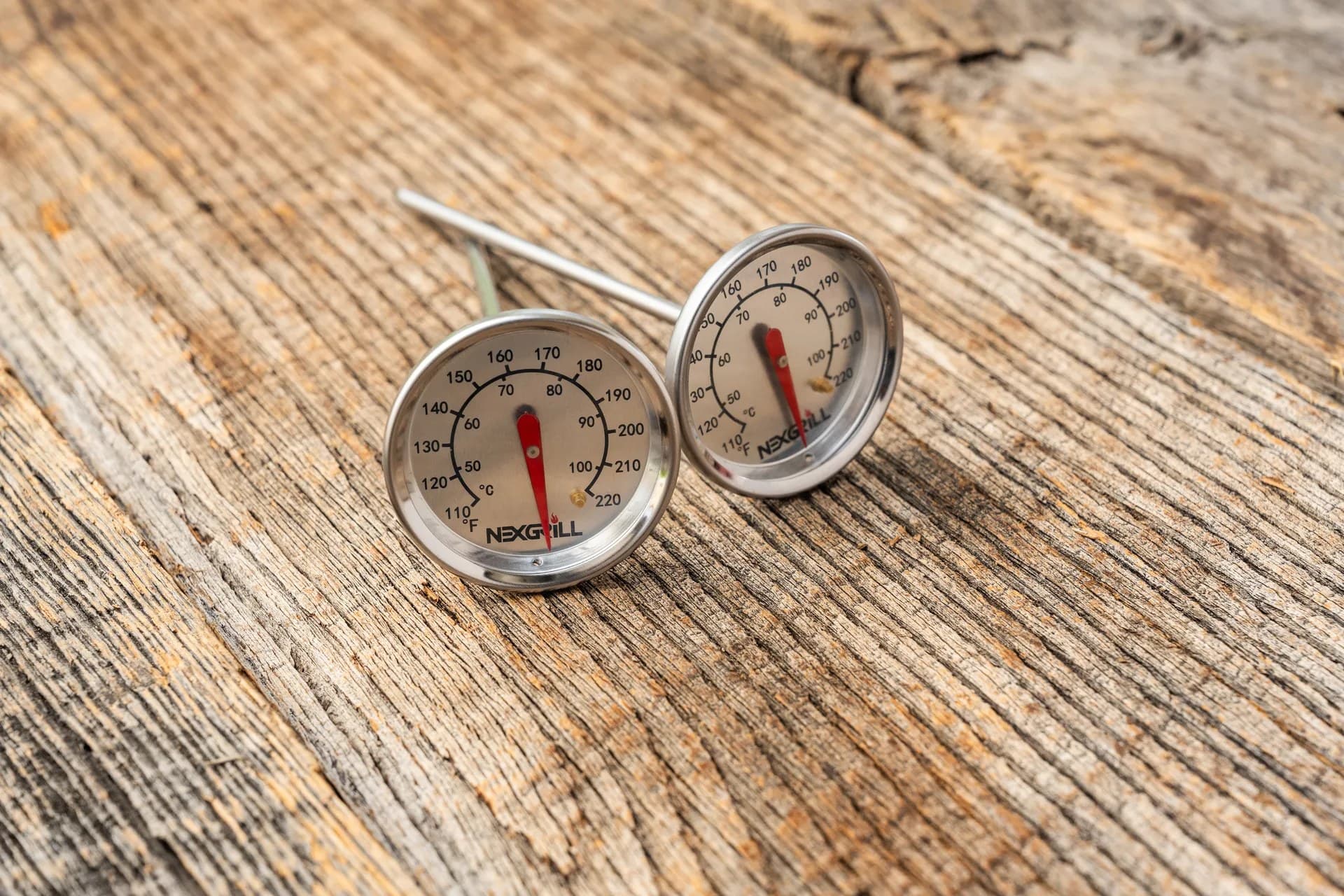
| Grill surface thermometer | Helps confirm actual grate-zone heat | Searing, flat-top cooking, zone mapping |
A smart accessory strategy is to pair the thermometer with your cooking style. If you mostly grill weeknight dinners, an instant-read model is probably the highest-value purchase. If you like low-and-slow cooks on weekends, a dual-probe setup is more useful because it lets you watch both meat temperature and pit temperature. For cooks who entertain often, multiple probes help you keep track of more than one item at once, especially when a chicken tray and a pork roast are sharing the same grill space. The key is to choose a temperature tool that lowers friction instead of adding steps.
Safety gear is not about making grilling feel cautious; it is about making the work more comfortable and controlled. Heat-resistant gloves, long-handled tools, and a durable apron help reduce the small accidents that can interrupt a cook or create a bigger problem. The area around a grill can involve hot grates, splattering fat, moving cookware, and lid surfaces that stay hot longer than expected. A pair of well-fitting gloves gives you more confidence when adjusting vents, moving pans, or handling hot accessories. An apron protects clothing from grease and sauce while adding another layer between you and a splatter.
For many grillers, the most practical safety gear is the gear that disappears into the routine. You put the gloves on before preheating, keep them nearby when handling the lid or accessories, and keep the apron clipped on during prep and service. That habit matters because the biggest burn risk often comes from distraction rather than inexperience. You may be turning food while talking to guests or reaching for tongs near a hot grate. Safety tools reduce the margin for error. They are especially valuable when cooking with children nearby, entertaining on a small patio, or managing heavier pans and cast-iron pieces.
Warning: Gloves should protect against heat, but they should still allow a secure grip. Bulky gloves that make tools slippery can create the same problem they are meant to prevent.
The best safety gear balances protection with dexterity. Heat-resistant gloves should let you move a grate or lift a hot pan without feeling clumsy. Aprons should be long enough to catch splatter but light enough that you will actually wear them in warm weather. Some grillers also like sleeve guards when working near high heat for long periods. While not every cook needs every item, every cook benefits from having at least one strong layer of protection and a routine for where hot items go once they leave the grill. The safer your workflow, the more confidently you can focus on flavor and timing.
Beginners often underestimate how much safety gear improves confidence. Once your hands are protected and your clothing is covered, you can concentrate on the mechanics of grilling instead of worrying about accidental contact with hot metal. Experienced grillers benefit too, especially during longer sessions when fatigue can make you less precise. In a well-organized setup, safety gear is not separate from cooking; it is part of the cooking process itself.
With the essentials in place, you can start thinking about whether your setup should lean toward convenience, precision, or protection. The next sections cover the accessories that round out a practical backyard toolkit.
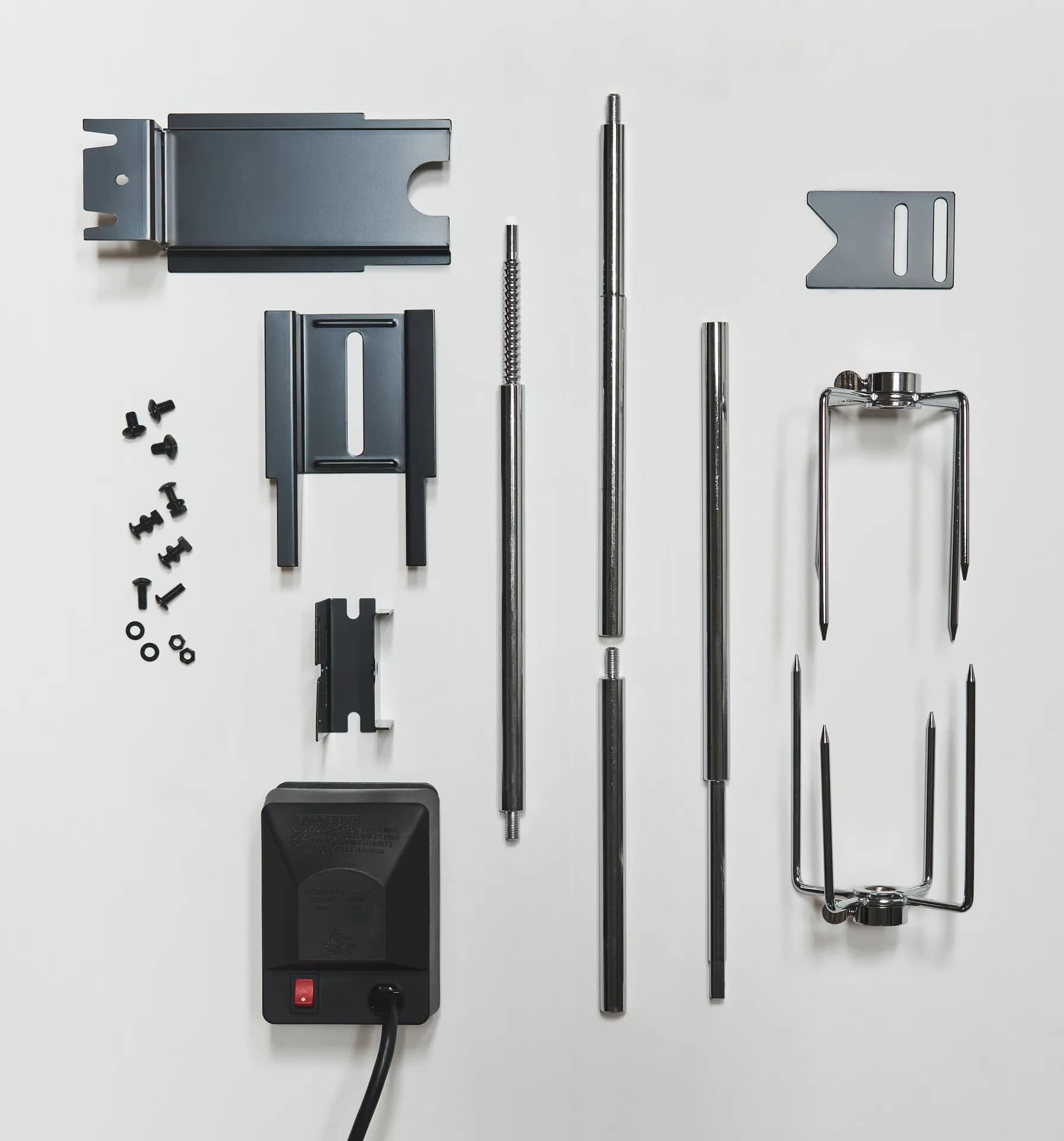
Once you have compared the core tools side by side, the next question is how to build a setup that supports the kind of cooking you actually do. Advanced accessories are not about collecting extras for the sake of variety. They solve specific problems that come up when you cook more often, cook for more people, or try foods that need more control than standard tongs and a spatula can provide. For some grillers, that means a smoker box for adding wood flavor to a gas grill. For others, it means a cast-iron skillet, a rotisserie kit, or flexible skewers that make it easier to cook mixed ingredients evenly. The right advanced accessory should improve one part of your process enough that you notice the difference immediately.
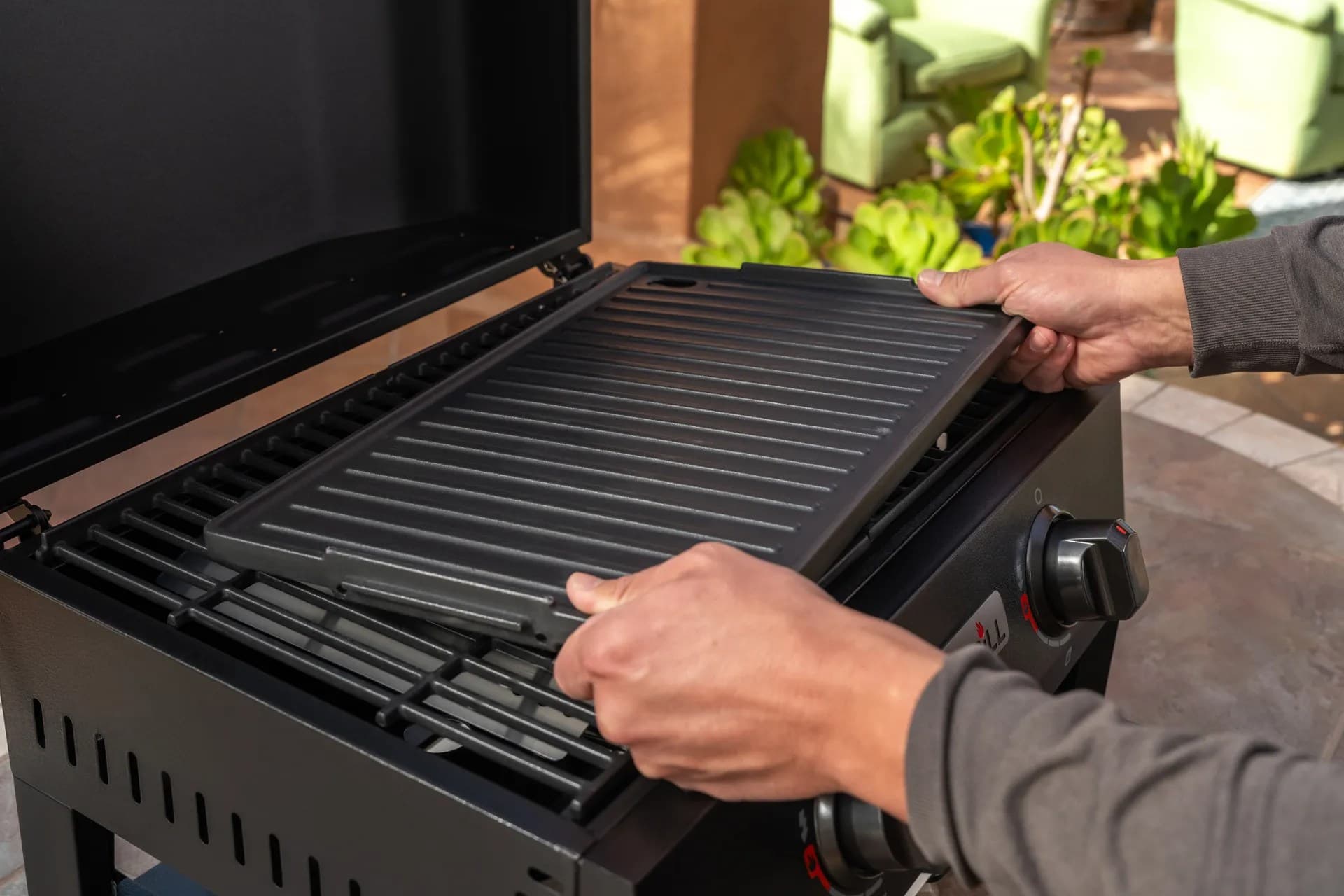
A smoker box is one of the most practical upgrades for anyone who wants more smoke character without switching to a dedicated smoker. It holds wood chips so they smolder gradually, giving you more control over flavor than tossing chips randomly onto a heat source. A cast-iron pan or griddle insert can expand what you make outdoors, from sautéed peppers to breakfast hash. Rotisserie accessories add value when you want self-basting, even roasting for birds or larger cuts. Each of these tools has a place, but none of them should be bought before you have your basic workflow working well. Advanced accessories are most valuable when they extend a system you already use confidently.
Info: A strong accessory choice usually solves a frequent frustration. If you keep saying “I wish I had a better way to do this,” that is the accessory to prioritize.
For family cooks, the biggest advantage of advanced accessories is flexibility. A griddle insert or outdoor-safe pan can handle breakfast foods, sautéed onions, smashed burgers, or delicate seafood without forcing you to juggle items that may fall through grates. For serious weekend cooks, a smoker box or rotisserie support can create more depth and variety without requiring a separate outdoor appliance. The key tradeoff is storage and cleanup. More capable accessories usually mean more parts to wash and more space to store, so each item should earn its keep through frequent use, not occasional novelty.
| Advanced accessory | What it adds | Best for |
|---|---|---|
| Smoker box | Adds controlled wood smoke flavor | Gas grill users who want more barbecue character |
| Griddle insert | Creates a flat cooking zone | Breakfast, smash burgers, seafood, vegetables |
| Rotisserie kit | Promotes even roasting with self-basting | Chicken, small roasts, special occasion cooks |
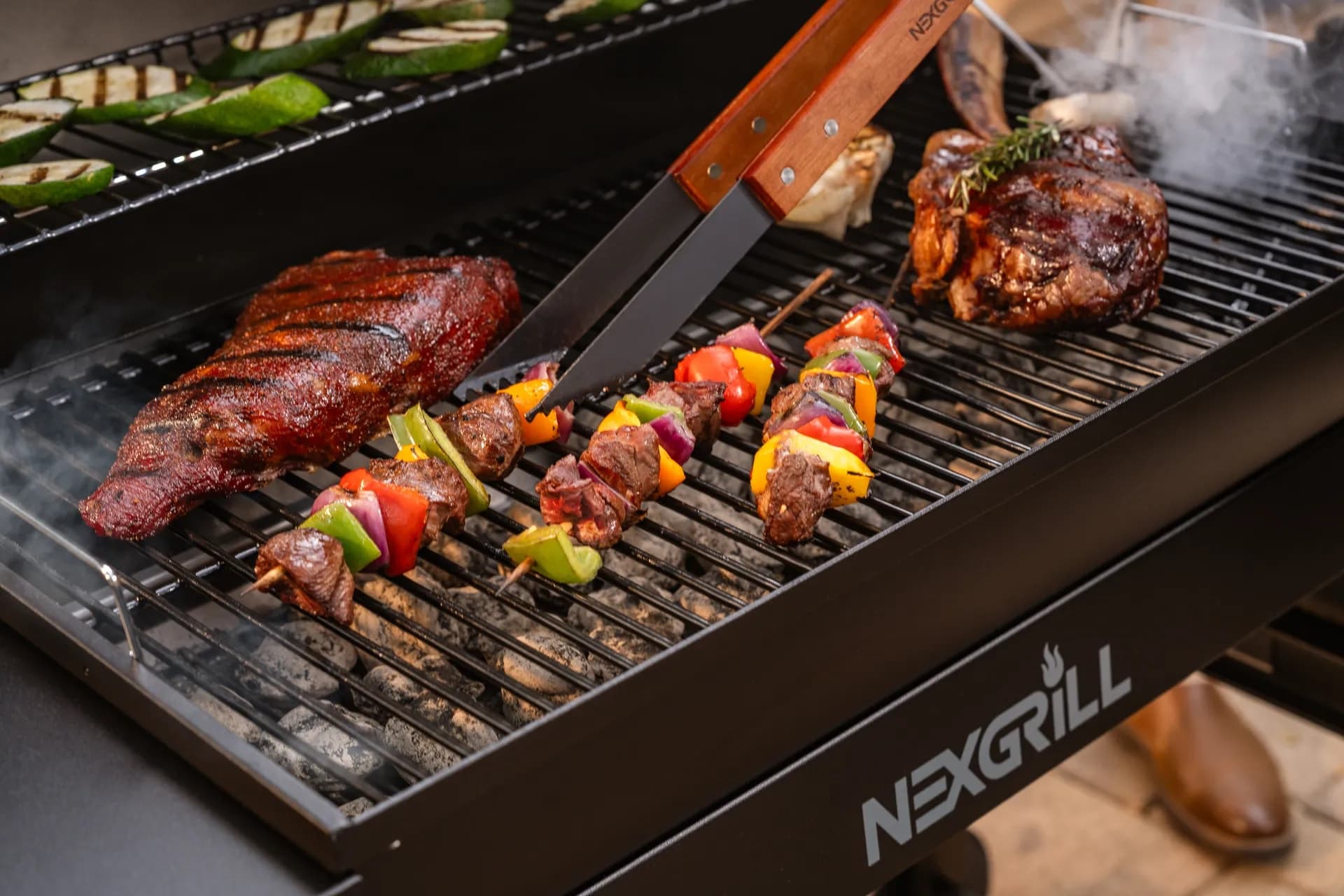
| Skewer set | Keeps mixed ingredients organized | Kabobs, shrimp, vegetables, fruit |
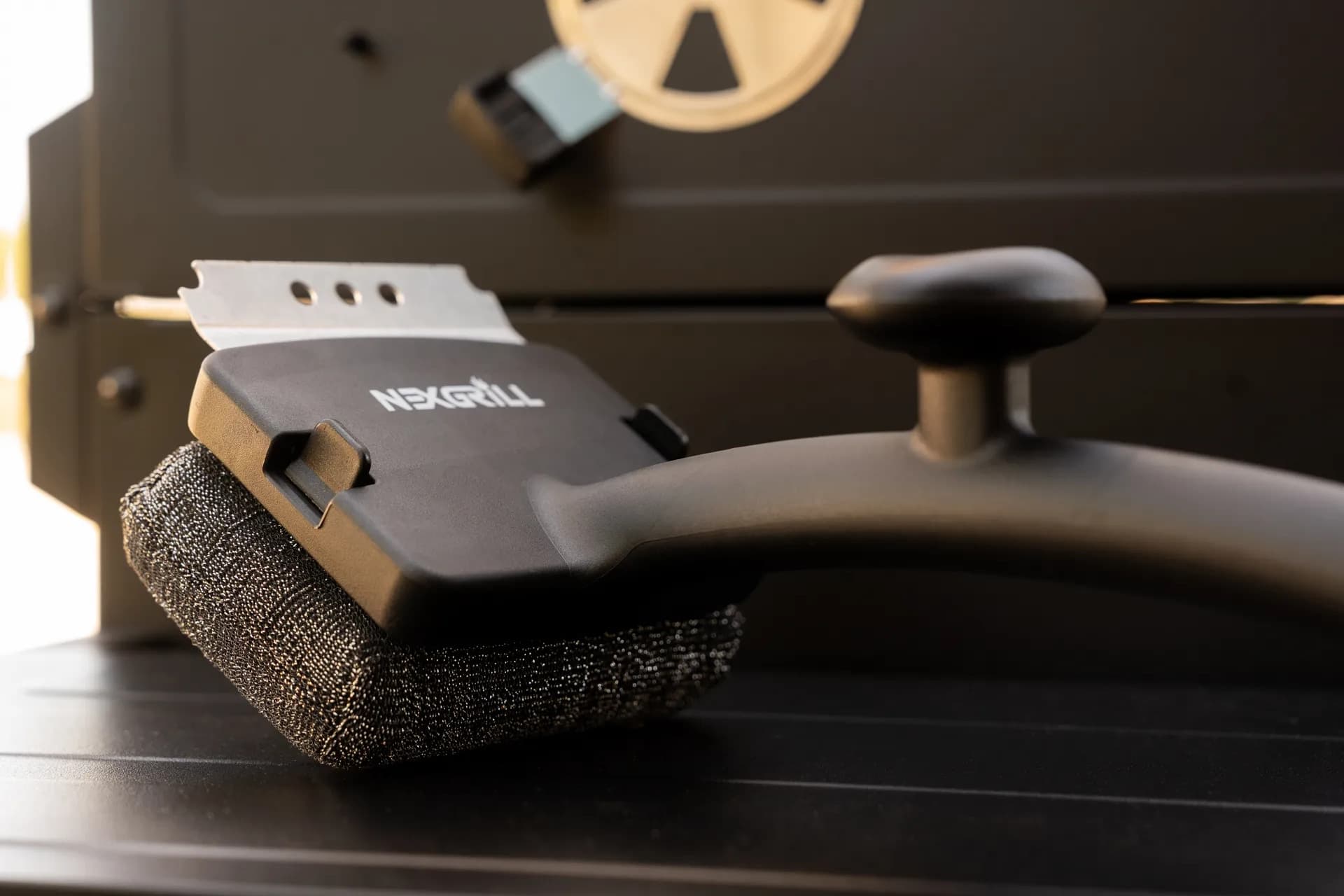
A well-maintained grill cooks more predictably, starts more easily, and holds up better through a full season of use. Maintenance tools are the quiet part of the accessory lineup, but they may be the most important for long-term value. A good grill brush, scraper, microfiber cloth, and small tray or pan for residue management help you keep cooking surfaces clean and ready. In practice, maintenance is not about deep cleaning every time. It is about a simple routine that prevents grease and food residue from building up to the point where they affect heat flow or flavor.
The right cleaning approach depends on the surfaces you use most. Grates need brushing while still warm so residue loosens more easily. Drip trays or grease management components should be checked regularly so buildup does not become a mess during the next cook. If your grill has removable parts, keeping a small tote or caddy for brushes, cloths, and scrapers makes the whole process less annoying. People are far more likely to maintain a grill when the tools are stored with the grill and ready to use, rather than scattered in a garage drawer.
Tip: Clean in two stages - quick clean after cooking and deeper check before the next big cookout. That habit is easier than waiting for buildup to become a project.
Maintenance tools also help you inspect the grill as you clean. While brushing grates or wiping surfaces, you can spot corrosion, stuck food, loose hardware, or grease areas that need attention. That matters because small problems are cheaper to address than large ones. A disciplined cleaning routine is especially useful for cooks who use their grill throughout the year in changing weather. Moisture, pollen, dust, and temperature swings all affect outdoor equipment, so having the right maintenance tools nearby is part of protecting the investment you already made in the grill itself.
| Maintenance tool | Purpose | Best practice |
|---|---|---|
| Grill brush | Removes stuck-on residue from grates | Use while grates are warm, then wipe |
| Scraper | Lifts stubborn buildup from flat surfaces | Use with steady pressure, not force |
| Microfiber cloth | Cleans exterior surfaces and controls dust | Keep one dry cloth and one damp cloth |
| Grease tray liner | Makes grease disposal easier | Replace before heavy buildup starts |
Storage is one of the most underrated parts of a successful grill setup. If tools are hard to find, the whole cooking process slows down, and you are more likely to leave hot food unattended while searching for a thermometer or brush. Storage solutions do not need to be elaborate. A weather-resistant bin, drawer organizer, hanging hooks, or a small shelf near the grill can make the whole area feel more manageable. The best storage setup puts the most-used items in the easiest place to reach and keeps the less-used accessories protected until the next cook.
For smaller patios, vertical organization often works better than spreading tools across a wide surface. Hooks can hold tongs and spatulas. Bins can hold gloves, probes, and backup batteries. A lidded container can keep brushes and scrapers clean between uses. For larger outdoor kitchens, a cabinet or side station becomes useful because it keeps accessories close while preventing clutter from moving into the prep area. Either way, organization is really a speed tool: when gear is easy to locate, you spend more time cooking and less time managing the setup.
Warning: Do not store damp tools in closed containers. Moisture trapped with metal accessories can shorten their useful life and create unpleasant odors.
A good storage plan also separates clean from dirty. Keep used tools in one temporary area until they are washed, then return them to the main kit only when dry. If you cook often, having duplicate basics can help too: one pair of tongs in use, one pair clean and ready, one thermometer in the kitchen and one in the grill station. That small redundancy is helpful for frequent hosts, because it cuts down on the scramble that happens when a cookout expands beyond your expectations.
The ultimate BBQ toolkit is not the one with the most pieces. It is the one that makes every cook smoother, safer, and easier to repeat. For most grillers, that means starting with the essentials: strong tongs, a dependable spatula, a thermometer you actually use, heat protection, and a simple cleaning routine. From there, you can add advanced accessories only when they solve a problem you encounter often, whether that is adding smoke flavor, expanding into griddle-style cooking, or organizing gear so your setup stays ready from one meal to the next. The best purchases are the ones that reduce friction every time you grill.
If you are choosing between budget and premium options, focus first on comfort, durability, and how often each accessory will be used. A well-made essential tool usually gives more value than a rarely used specialty item. If you are building for a family, make sure your kit supports multiple foods at once. If you are upgrading for more advanced cooks, prioritize temperature precision and workflow efficiency. That approach keeps your accessory list practical instead of overcrowded.
A better grill session usually comes from a better system, not from more clutter. Build the system around the tools that make you faster, more confident, and more consistent, and your BBQ setup will improve with every cook.
Here's what sets us apart
We position ourselves as delivering high-end outdoor cooking features and performance without premium-brand pricing, emphasizing “Quality Grills. Unbelievable Value.”
We offer gas grills, pellet grills, griddles, smokers, pizza ovens, portable/tabletop grills, electric grills, accessories, and replacement parts — allowing customers to stay within one ecosystem for all outdoor cooking needs.
We differentiate ourselves through smart grilling products like the Oakford smart pellet grill, including app-connected cooking controls and modern outdoor cooking technology.
Don't just take our word for it
Keep reading
From our catalog