Discover the best grill cleaning kits to maintain your grill's performance and longevity.
Here's what sets us apart from the competition
We position ourselves as delivering high-end outdoor cooking features and performance without premium-brand pricing, emphasizing “Quality Grills. Unbelievable Value.”
We offer gas grills, pellet grills, griddles, smokers, pizza ovens, portable/tabletop grills, electric grills, accessories, and replacement parts — allowing customers to stay within one ecosystem for all outdoor cooking needs.
We differentiate ourselves through smart grilling products like the Oakford smart pellet grill, including app-connected cooking controls and modern outdoor cooking technology.
Expert tips, buying guides, comparisons, and inspiration for choosing and getting the most out of your grill.
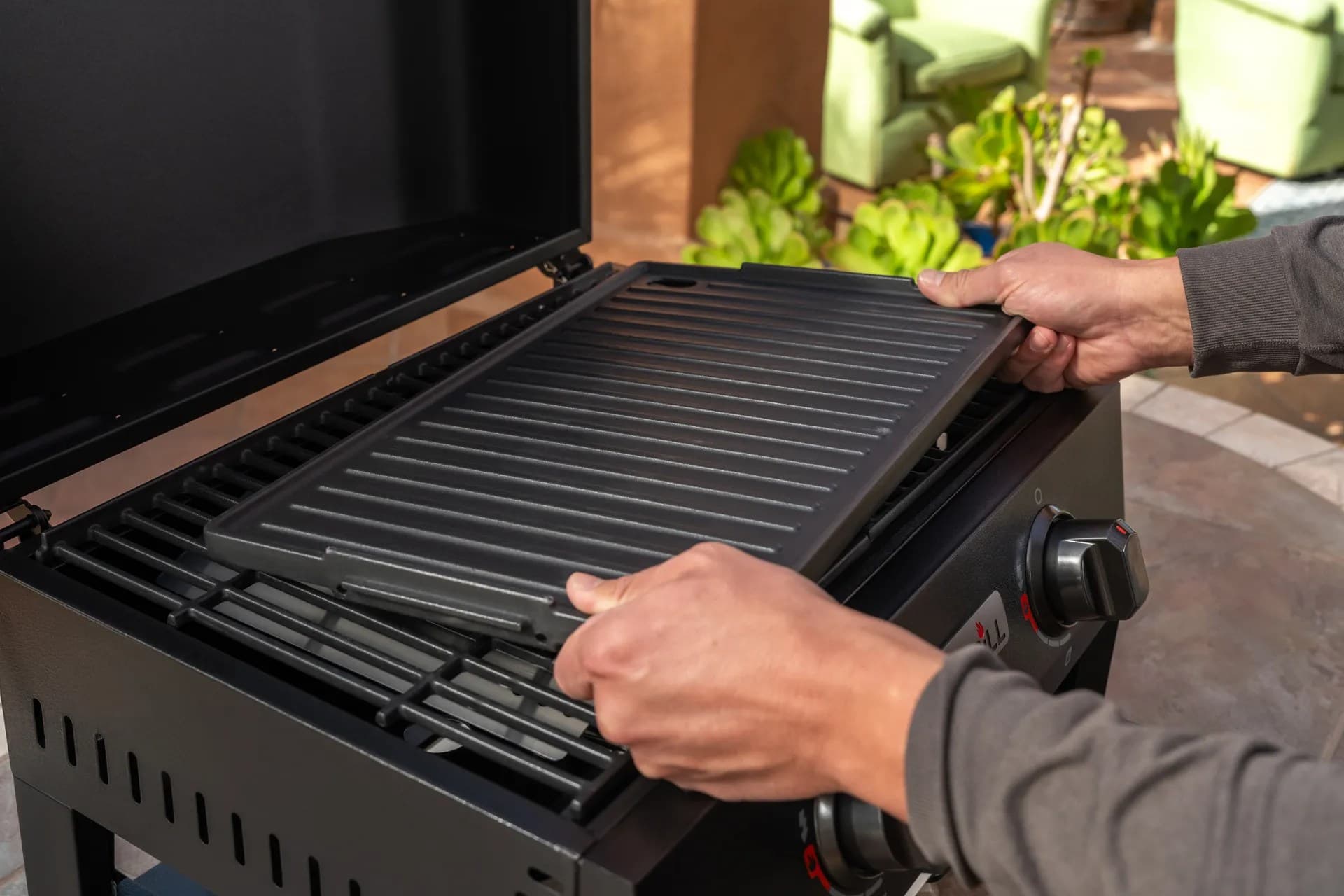
Practical guides for cleaning, maintenance, common grill issues, and performance optimization.
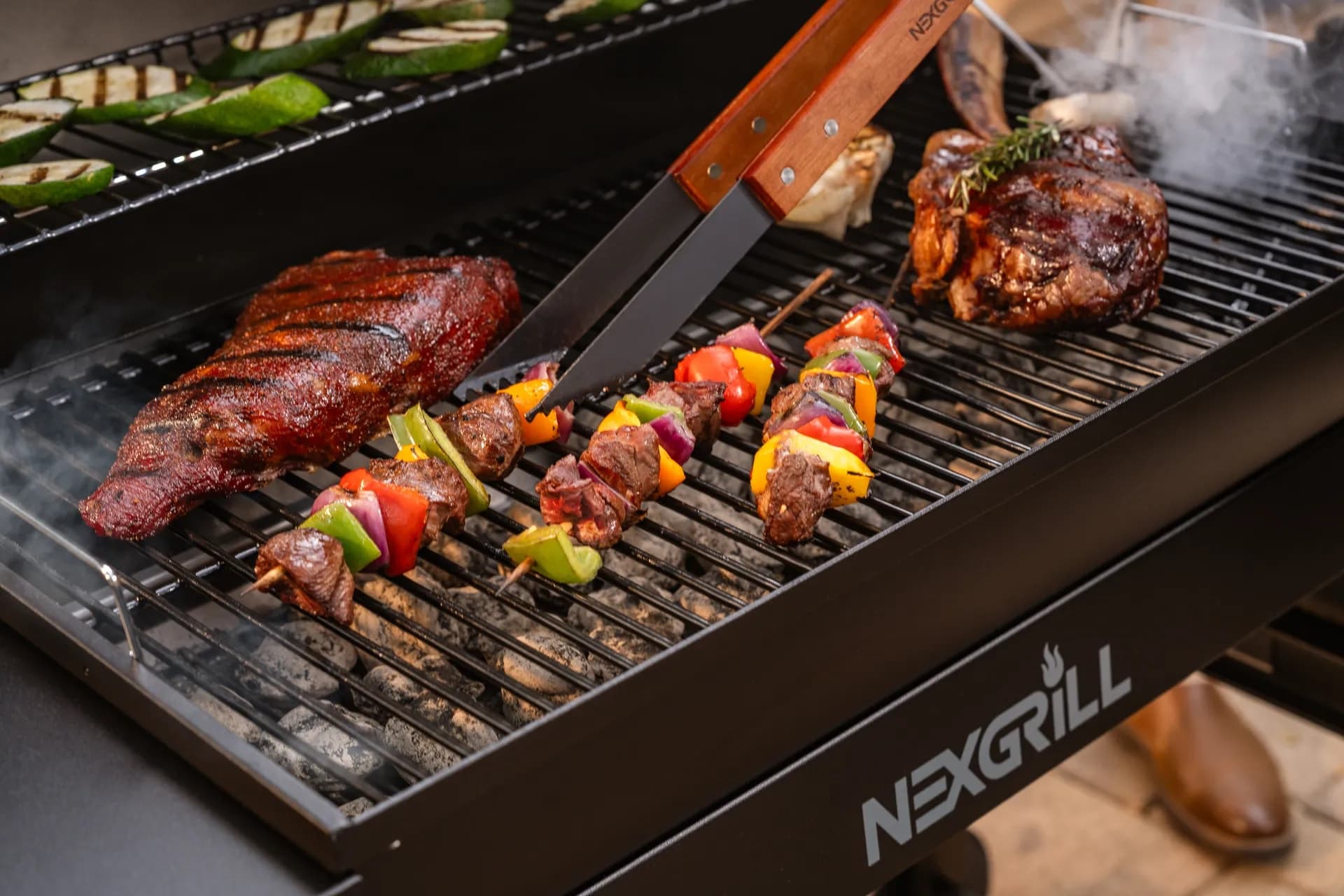
Step-by-step grilling recipes, cooking techniques, and meal ideas for every occasion and skill level.

Backyard entertaining ideas, seasonal grilling inspiration, and stories that celebrate outdoor cooking culture.
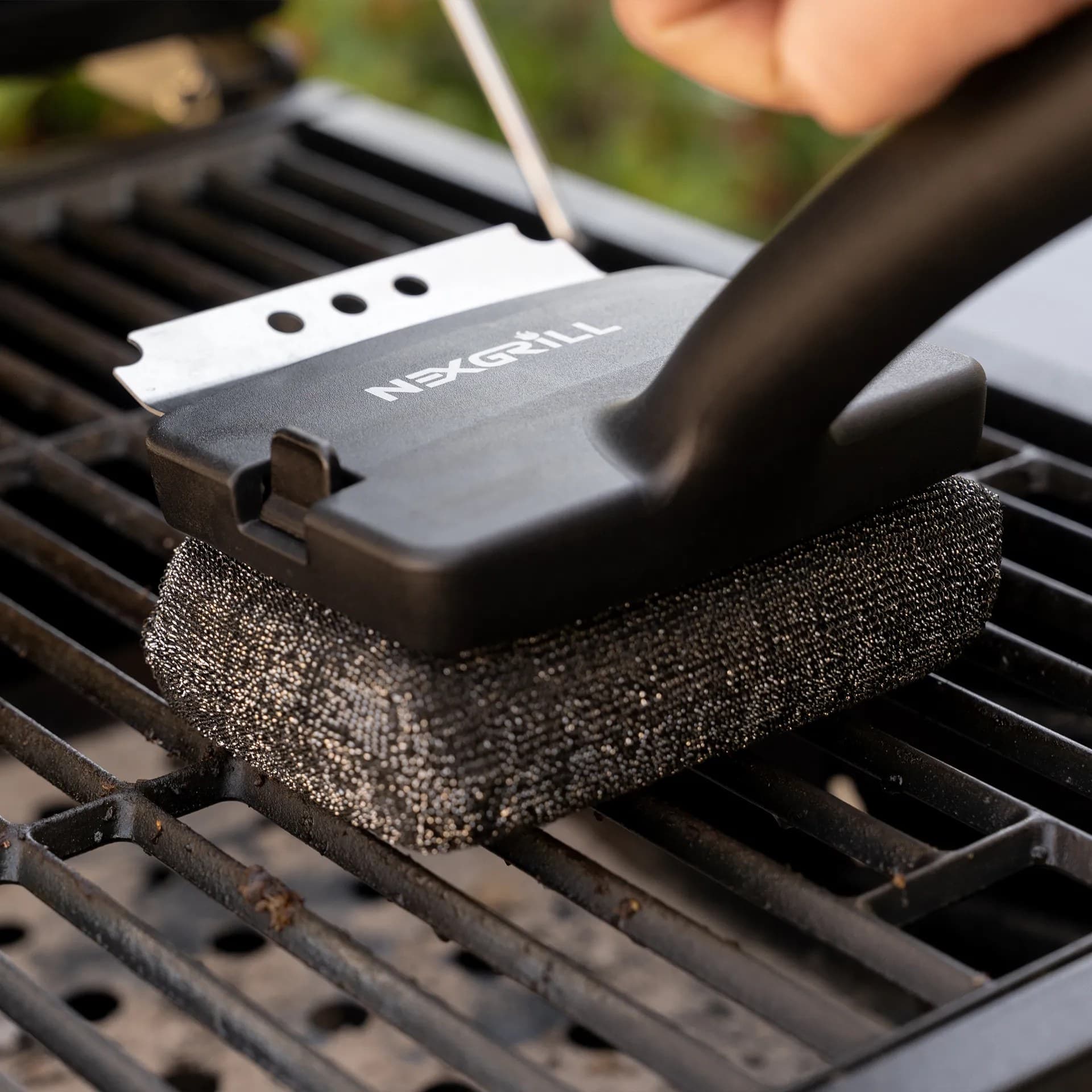
Helpful articles covering grilling tools, cookware, maintenance gear, and must-have accessories for outdoor cooking.
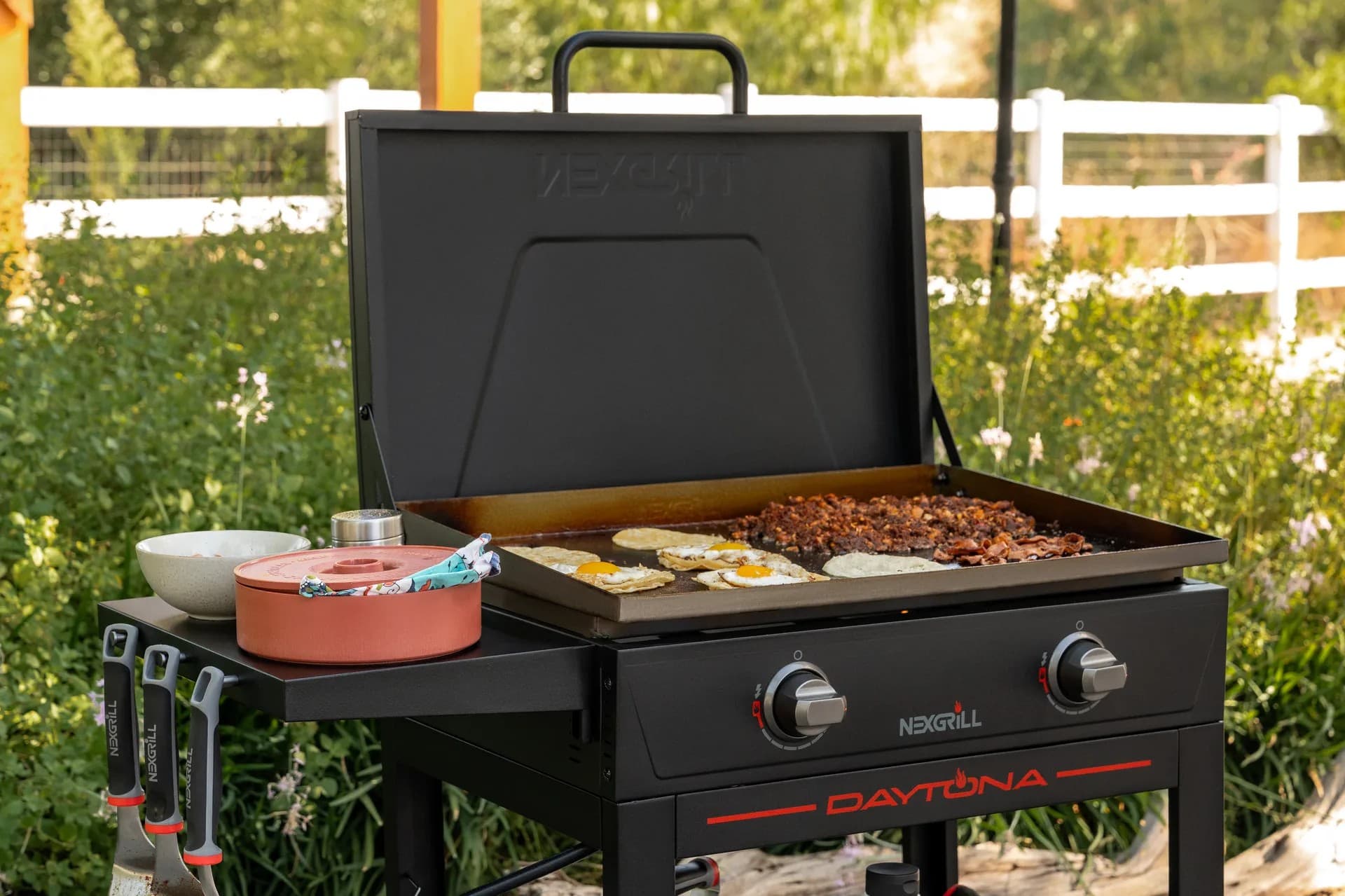
Find griddle recipes, cooking techniques, cleaning tips, and outdoor meal ideas designed for Nexgrill griddles.
Find answers to common questions
Nexgrill offers a variety of accessories including grill tools, covers, cooking utensils, and replacement parts designed to enhance your grilling experience.
Many Nexgrill accessories are widely compatible with various grill brands, but it is recommended to check the specifications for proper fit and functionality.
To maintain your Nexgrill accessories, regularly clean them with warm soapy water, avoid using abrasive materials that could scratch the surface, and store them in a dry place when not in use.
Yes, Nexgrill accessories can be purchased separately from the grills, allowing customers to customize their grilling setup as needed.
Instructions for using Nexgrill accessories are typically included in the packaging, and additional resources can be found on the Nexgrill website or in the product user manuals.
In This Article
Top Grill Cleaning Kits
Choosing the Right Cleaning Tools
Maintenance Tips
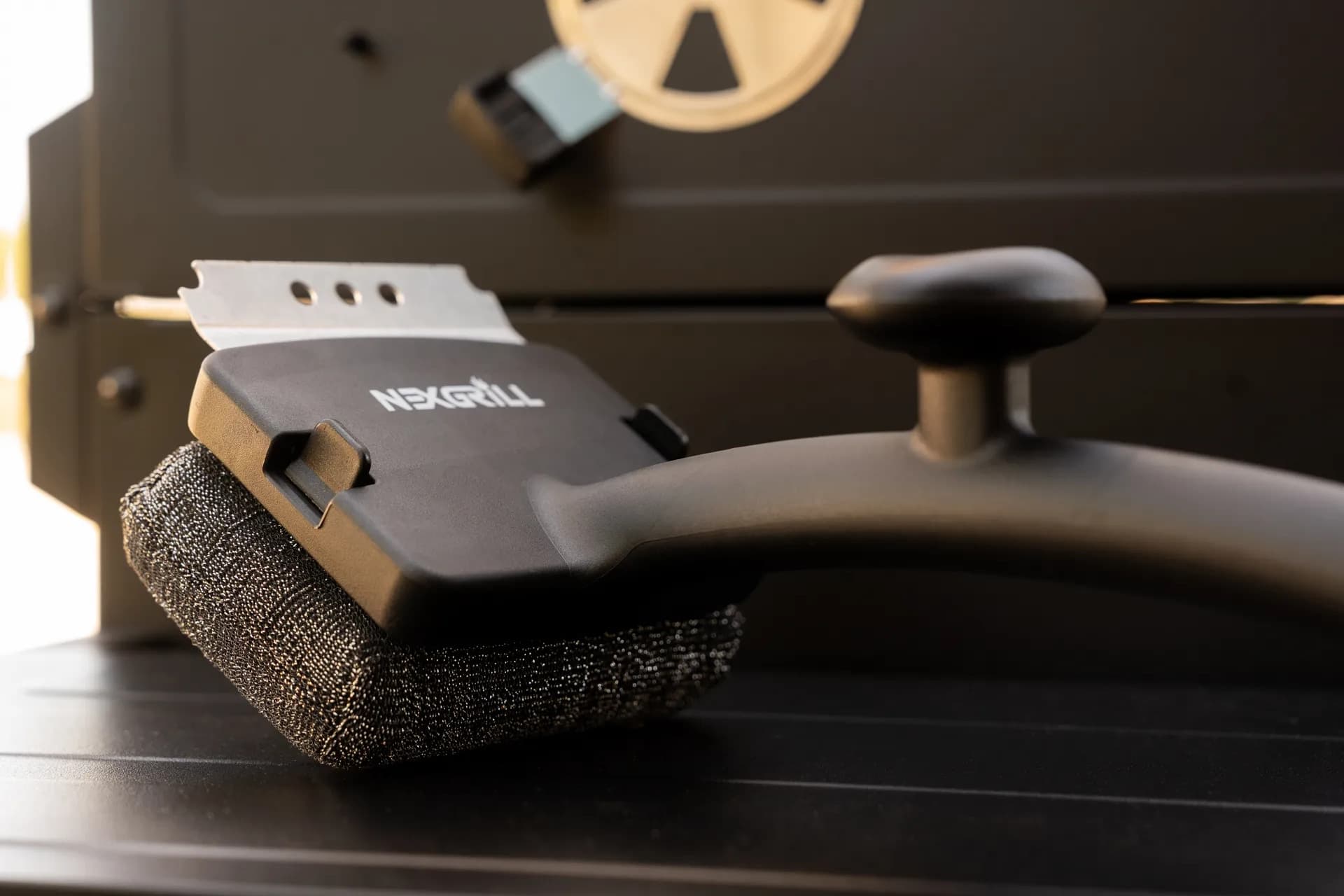
A grill cleaning kit is less about a single brush and more about building a repeatable cleaning routine that protects the parts you cook on every week. For most grill owners, the real problem is not whether the grate is shiny after one session. It is whether grease, carbonized food, and ash quietly build up over time and start affecting ignition, airflow, flavor transfer, and even the life of the grill itself. Nexgrill’s brand approach emphasizes dependable outdoor cooking and practical ownership, which makes a cleaning kit a smart accessory rather than an afterthought: the right tools help you keep a grill ready for gatherings, weeknight meals, and long cooking sessions without turning maintenance into a chore. That fits the brand’s broader message of approachable, inclusive grilling that welcomes beginners and experienced cooks alike .
What makes grill-cleaning-kits worth paying attention to in 2026 is that the category has become more specific. Some kits are designed around bristle-free scrapers and steam cleaners for owners who want to avoid loose wire brush concerns. Others focus on heavy-duty stainless-steel brushes, stainless scrapers, and narrow detail tools for burner tubes, grates, flavorizer bars, and hard-to-reach corners. A good kit should match the grill surface you actually own: porcelain-coated cast iron, stainless steel grates, flat-top griddles, pellet smoker interiors, or charcoal grates each benefit from different cleaning approaches. That matters because the wrong tool can scratch a surface, leave residue, or simply fail to clear debris from the areas that influence heat flow.
Tip: treat a cleaning kit as part of grill ownership, not a one-time purchase. The best results come from pairing the right tools with a habit of cleaning while the grill is still warm, not cold and cemented with residue.
The practical value is easy to see in a typical U.S. backyard setting. If you use a gas grill for burgers on Friday, vegetables on Sunday, and breakfast griddle cooking on holiday mornings, residue builds in very different ways. Grease can drift into the firebox, sticky sugars can bake onto grates, and ash can collect underneath charcoal or pellet components. A complete kit helps you clean the cooking surface, scrape the grease path, and wipe the exterior before small issues become performance problems. For homeowners who also use a grill cover, a cleaning routine is even more important because trapped moisture and grime can accelerate corrosion when the unit is stored outdoors.
can do more for grill life than an occasional deep scrub
The strongest grill-cleaning-kits in 2026 tend to fall into a few clear categories rather than one universal solution. Good Housekeeping’s cleaner roundups and brush testing, MensHealth’s grill-brush evaluations, and Tom’s Guide’s best-picks coverage all point toward the same consumer pattern: buyers increasingly want a combination of safety, reach, surface compatibility, and easy handling rather than a single oversized brush head .
| Kit style | Best for | Why it stands out |
|---|---|---|
| Stainless brush plus scraper set | Gas grills with standard grates | Fast, aggressive cleaning for baked-on residue and edges |
| Bristle-free cleaning kit | Safety-minded owners | Reduces concerns about loose wire bristles on cooking surfaces |
| Detail brush and scraper combo | Pellet grills and smoker interiors | Reaches tight channels, corners, and grease paths |
| Griddle cleaning kit | Flat-top cooking surfaces | Helps lift oil, char, and food film without gouging the surface |
For gas grill owners, the best kits usually include a sturdy scraper, a brush with tightly packed cleaning surfaces, and a pad or towel designed for the final wipe-down. For griddle owners, the essentials change: you want a bench scraper, a squeeze bottle or oil bottle for loosening residue, heat-resistant cloths, and a cleaning sponge that won’t leave fibers behind. Pellet grill owners often need a narrower set of tools focused on ash removal and grease management because the cooking chamber and drip system demand more detail work than a quick grate pass. Charcoal grill users benefit from ash management tools, a durable scraper, and a brush that can handle grate geometry without losing shape.
Warning: not every brush that looks heavy-duty is safe for every grate finish. Check whether your cooking surface is porcelain-coated, stainless steel, or cast iron before choosing an abrasive tool.
When reading 2026 product roundups, the strongest products are usually those that solve a clear ownership problem. A scraper-heavy kit is ideal when you regularly cook high-sugar marinades or smash burgers. A bristle-free kit is more attractive if your household prefers a safer, lower-risk cleaning method. A larger multi-piece kit makes sense if you own several cooking surfaces, such as a gas grill and a Daytona-style griddle, because you can separate tools by surface and avoid cross-contamination of grease and residue. That surface-specific separation is one of the smartest ways to extend the life of your equipment and preserve flavor.
Choosing the right cleaning tools starts with understanding the grill you already own. Nexgrill’s lineup includes gas grills, pellet smokers, charcoal models, and griddles, and each type creates different cleaning demands. A two-burner gas grill needs reliable grate contact and grease-tray access. A pellet smoker adds ash and pellet dust management. A flat-top griddle needs residue lifting across a broad steel surface. If you choose a kit based only on price, you may end up with tools that are too coarse for your surface or too delicate for baked-on buildup.
| Grill type | Must-have tools | Selection priority |
|---|---|---|
| Gas grill | Brush, scraper, microfiber cloth | Strong grate contact and grease-path access |
| Griddle | Bench scraper, cleaning pad, cloths | Heat-safe wiping and residue lifting |
| Pellet smoker | Ash tool, narrow brush, scraper | Detail cleaning around the firepot and chamber |
| Charcoal grill | Ash brush, scraper, grate brush | Ash removal and airflow support |
Tool material matters because durability and surface safety are linked. Stainless-steel brushes are strong and long-lasting, but they are not the best answer for every coated surface. Brass brushes are often gentler, which can make them a useful middle ground for some grates. Nylon or bristle-free pads are better for lighter cleaning on warm surfaces or for owners who prefer a less aggressive option. Long handles matter too, especially if you clean immediately after cooking when retained heat is still present. A comfortable grip and enough reach to keep your hand away from hot grates can make the difference between a quick cleanup and an unpleasant one.
A smart buyer also thinks about the cleanup workflow, not just the tool itself. If your kit includes a scraper but no cloths, you will still need a final wipe to remove loosened residue. If it includes a brush but no ash tool, your charcoal or pellet grill will still need separate maintenance. If you cook a lot of breakfast foods on a griddle, you should look for tools that handle oil films and food starches without leaving metal fragments or lint behind. In practice, the best cleaning kit is the one that lets you clean every major surface in one pass: grate, lid, tray, firebox, and exterior touchpoints.
Tip: build a kit around your hardest cleaning job first. If burnt sauce on grates is your biggest issue, prioritize a scraper and stiff brush. If ash is your issue, prioritize narrow detail tools and an ash scoop.
Good cleaning kits are most valuable when they support a habit of regular maintenance. The fastest way to shorten a grill’s useful life is to let residue harden, moisture sit in hidden areas, and grease accumulate in places you do not see. Nexgrill’s brand materials emphasize dependable ownership and real-world use, and that is exactly the logic behind a maintenance-first cleaning routine: the grill should be ready when you are, not deteriorating in storage between cookouts .
A practical U.S. home routine can be very simple. After each cook, while the grill is still warm, scrape the grates or flat-top surface to remove loose food. Once the unit cools, empty ash if you use charcoal or pellet fuel, wipe down shelves and knobs, and inspect the grease tray or drip system. Every few weeks, do a deeper clean: remove grates, brush burner covers, check for clogged ports, and wash removable parts according to the material type. Seasonal care matters too. Before summer grilling season, inspect the whole unit for winter storage dust or rodent activity. Before fall or winter, clean thoroughly, dry all surfaces, and cover the grill so moisture does not sit against metal parts.
Owners of larger backyard setups often benefit from assigning tools by task. Keep one scraper for the grate or griddle, one detail brush for burners and corners, and one cloth set for external surfaces. That reduces cross-transfer of grime and makes it easier to remember where each tool belongs. If your grill is near a patio kitchen or outdoor prep space, add a non-scratch wipe for doors, handles, and side shelves so you are not polishing greasy fingerprints into the finish. Cleaning becomes more effective when the whole process is organized rather than improvised.
One reason cleaning kits matter so much is that they protect performance indirectly. Clean grates improve contact with food. Clear burner openings help preserve steady flame. A clear grease path reduces flare-up risk. A cleaner smoker chamber supports more predictable airflow. The result is not just a nicer-looking grill, but a better cooking experience every time you fire it up. Try comparing two products side by side below to see which fits best:
Once you have compared two options side by side, the next step is understanding why your grill gets dirty the way it does. Grill cleaning is not one job; it is a set of different jobs created by heat, fat, smoke, ash, and weather. A gas grill mainly needs grate cleaning and grease-path maintenance. A pellet smoker also needs ash control and attention to the burn pot area. A charcoal grill produces ash that can interfere with airflow. A griddle creates a thin, stubborn film of oil and carbon that behaves differently from stuck-on meat residue. This is why a cleaning kit should be chosen by cooking style, not just by brand or price.
The surface you clean also changes the strategy. Stainless steel grates can handle a more assertive brush, while porcelain-coated parts often deserve gentler contact. Cast iron can benefit from careful cleaning and drying to avoid corrosion. Flat-top griddles need tools that remove residue without gouging the cooktop. If you own a Nexgrill griddle, for example, your best kit will probably include a scraper and heat-safe cloths rather than a traditional wire brush. If you own a propane gas grill, your focus shifts to grates, flavor bars, and the grease tray. A cleaning kit only works when it matches the build of the appliance.
Info: the goal is not to make every surface spotless after every cook. The goal is to remove the residue that changes heat flow, flavor, and cleanup effort the next time you grill.
In many U.S. households, the real challenge is consistency. People often clean heavily after a holiday cookout, then skip the next few weeknight sessions. That pattern leaves sugar, fat, and ash to bake on. Over time, that buildup can make the grill harder to light, harder to scrub, and harder to enjoy. A reliable cleaning kit gives you a fast path from cooking to storage. That convenience matters because the best maintenance routine is the one people actually follow. For that reason, many homeowners prefer kits with multiple tools that can be used while the grill is warm and then again after it cools.
Comparing grill cleaning products is easier when you judge them by function rather than marketing language. In coverage from Good Housekeeping, MensHealth, and Tom’s Guide, the products that stand out tend to share a few traits: solid grip, durable materials, flexible cleaning angles, and enough surface area to reduce effort without sacrificing precision . The same logic applies whether you are choosing a brush, a scraper, or a full kit.
| Product feature | Why it matters | Best buyer profile |
|---|---|---|
| Bristle-free design | Reduces loose-bristle concerns and simplifies cleanup | Safety-conscious families |
| Stainless scraper | Handles baked-on residue and thick carbon layers | Frequent griller who cooks sticky marinades |
| Long handle | Improves leverage and reduces hand exposure to heat | Anyone cleaning warm grates |
| Detail brush heads | Reaches corners, burners, and narrow spaces | Pellet and charcoal owners |
If you are evaluating a bundle, look for whether it includes the final-cleaning pieces, not only the heavy scrub tools. A scraper without a cloth or pad still leaves debris behind. A brush without a narrow detail tool may not reach the corners where grease and ash hide. A cleaner without a storage solution can get mixed up with cooking utensils, which is not ideal. Value is better measured by whether a kit solves more of the cleanup sequence in one purchase than by whether it has the most pieces.
Warning: avoid buying a cleaning tool just because it is the hardest-looking option. Overly aggressive tools can damage delicate finishes and create a repair problem that costs far more than the kit.
For larger households, the best comparison is often between a single-purpose brush and a broader maintenance set. A single brush may be enough if you only grill occasionally on one gas unit. A broader set becomes the smarter buy if you use a griddle in summer, a smoker on weekends, and a charcoal grill for special occasions. In that scenario, separating tools by appliance is worth the extra spend because each surface will stay in better condition. The result is less scrubbing later and more predictable cooking performance now.
For most grill owners, DIY cleaning with the right kit is the most practical choice because it is cheaper, faster to schedule, and easier to repeat after every cookout. The main benefit of doing it yourself is control: you can clean while the grate is still warm, inspect the burner layout, empty the ash, and treat problem areas before they worsen. A well-built kit lets you stay on top of everyday maintenance without waiting for a service appointment.
| Approach | Typical cost in the United States | Best use case |
|---|---|---|
| DIY with cleaning kit | About USD 15 to USD 60 for a kit, depending on size and materials | Routine upkeep and weekly maintenance |
| Professional deep cleaning | Often USD 100 to USD 250+ depending on grill size and condition | Neglected grills, seasonal reset, or heavily used outdoor kitchens |
Professional cleaning services can make sense if you inherited a grill that has years of buildup, if the ignition system and burner channels need a more detailed inspection, or if your outdoor kitchen has multiple appliances that need a full reset. They can also help when time matters more than hands-on work. The tradeoff is cost and scheduling. For a household that grills often, a service call is usually better reserved for occasional deep restoration rather than routine use.
A useful rule is this: use DIY for the jobs that happen weekly or monthly, and consider a professional for the jobs that require a full teardown or an unusually long restoration session. If your grill starts cooking unevenly despite regular cleaning, that may be a sign to inspect parts beyond the surface, such as burners, igniters, or air pathways. Professional help can be worth it when the issue goes beyond grime. Still, the cleaning kit remains the primary tool for day-to-day ownership because it keeps you from getting to that point.
Tip: if your grill is used every weekend, keep a small DIY kit at hand and reserve professional service for annual deep cleaning or troubleshooting.
A seasonal checklist helps you turn cleaning from a reaction into a plan. Spring is the best time to inspect a grill that has sat through cold weather. Check grates, burners, ignition, grease trays, ash collection, and the condition of any cover. Use the cleaning kit to remove dust, residue, and any winter storage buildup before the first cookout of the year. This is also the moment to replace any worn scrub heads or cloths so you are not starting the season with weak tools.
During summer, the goal is fast maintenance. After a cook, scrape the hot surface, brush the grates, and wipe the exterior once the unit cools. For families hosting frequent backyard meals, this prevents the grill from becoming a weekend project. If you are using a griddle, summer is also when a seasoning-friendly cleaning pattern matters most because repeated use can build a protective layer only if the surface is cleaned and dried correctly between sessions.
Fall is the transition period. Before storage or reduced use, perform a deeper clean with your full kit. Remove grease, ash, and carbon from the places you usually ignore. Check shelves and handles for sticky residue, then dry everything thoroughly. In many regions of the United States, humidity and temperature swings are enough to create condensation under a cover, so a dry grill is always better than a merely covered one.
Winter care depends on how often you cook, but the principle is the same: keep surfaces clean, dry, and protected. Even if you only use the grill a few times, a quick inspection can prevent spring surprises. If you store cleaning tools near the grill, keep them dry too so they are ready when you need them. In other words, the seasonal checklist is not about doing more work; it is about doing the right work at the right time so your grill keeps performing the way you expect.
Here's what sets us apart
We position ourselves as delivering high-end outdoor cooking features and performance without premium-brand pricing, emphasizing “Quality Grills. Unbelievable Value.”
We offer gas grills, pellet grills, griddles, smokers, pizza ovens, portable/tabletop grills, electric grills, accessories, and replacement parts — allowing customers to stay within one ecosystem for all outdoor cooking needs.
We differentiate ourselves through smart grilling products like the Oakford smart pellet grill, including app-connected cooking controls and modern outdoor cooking technology.
Don't just take our word for it
Keep reading
From our catalog