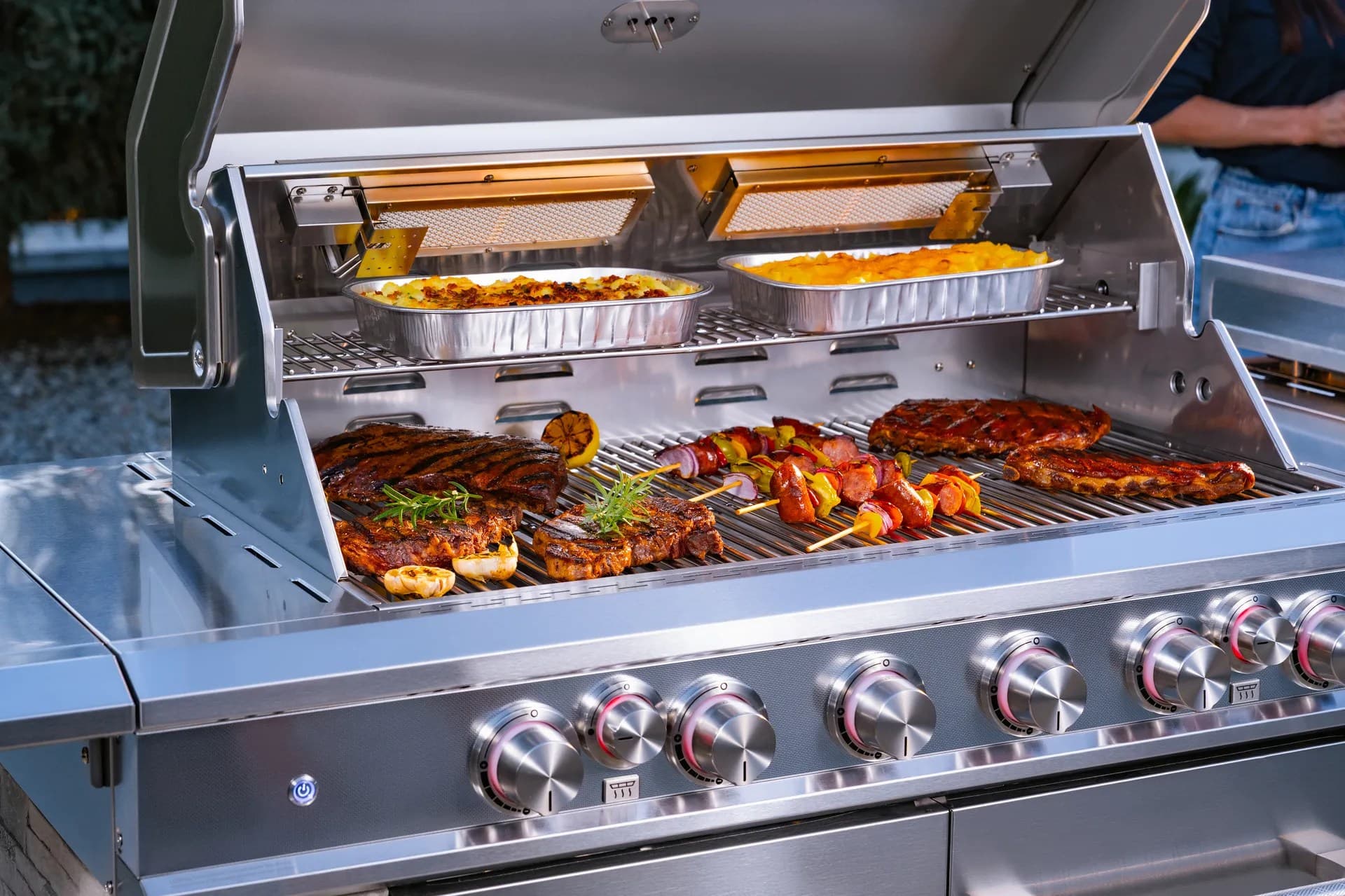
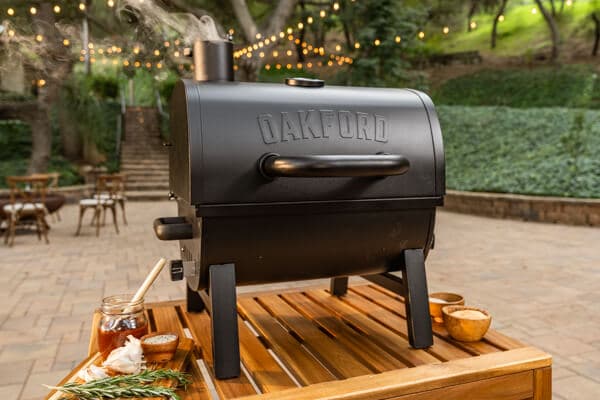
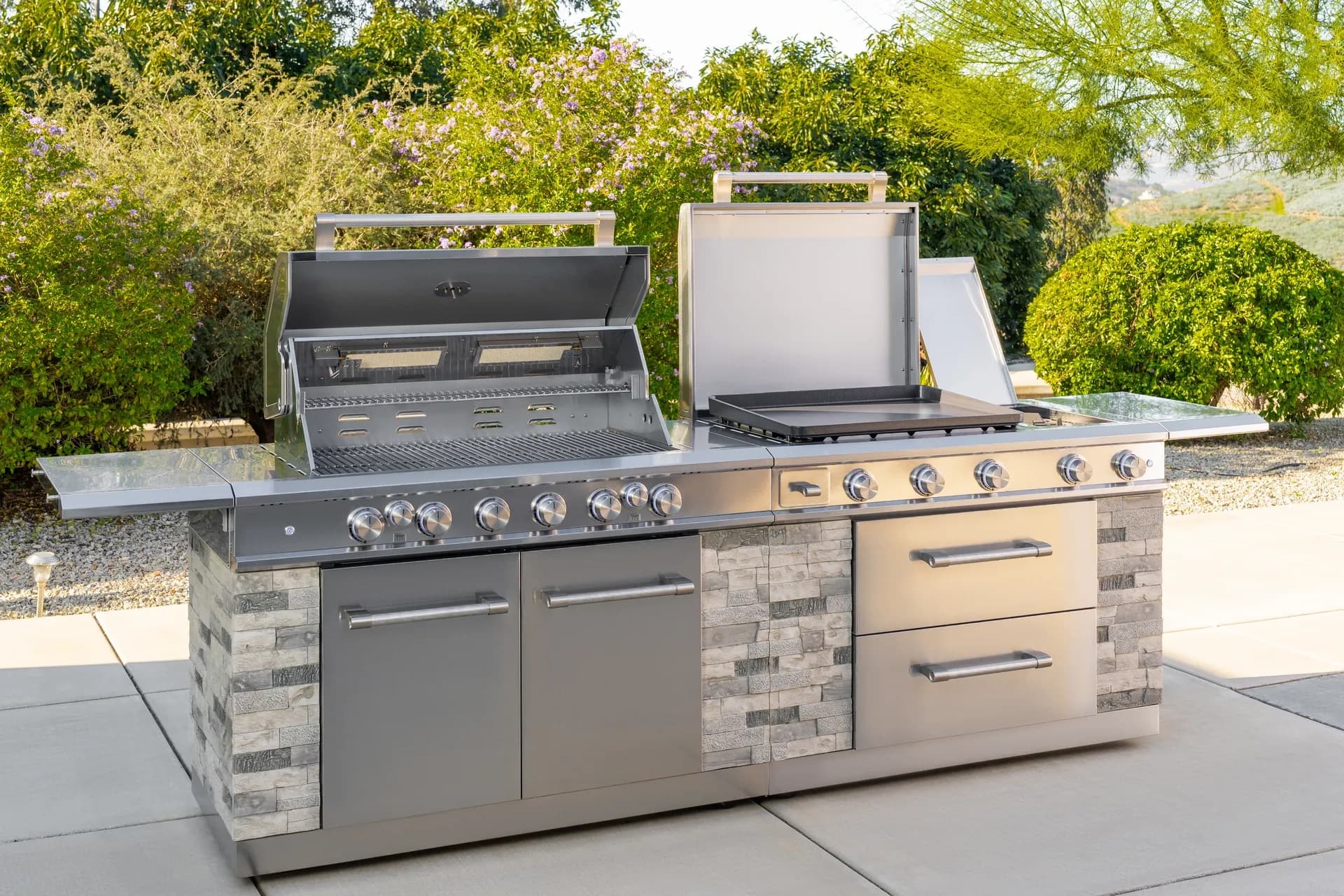
A comprehensive guide to selecting the ideal electric grill for compact living environments.
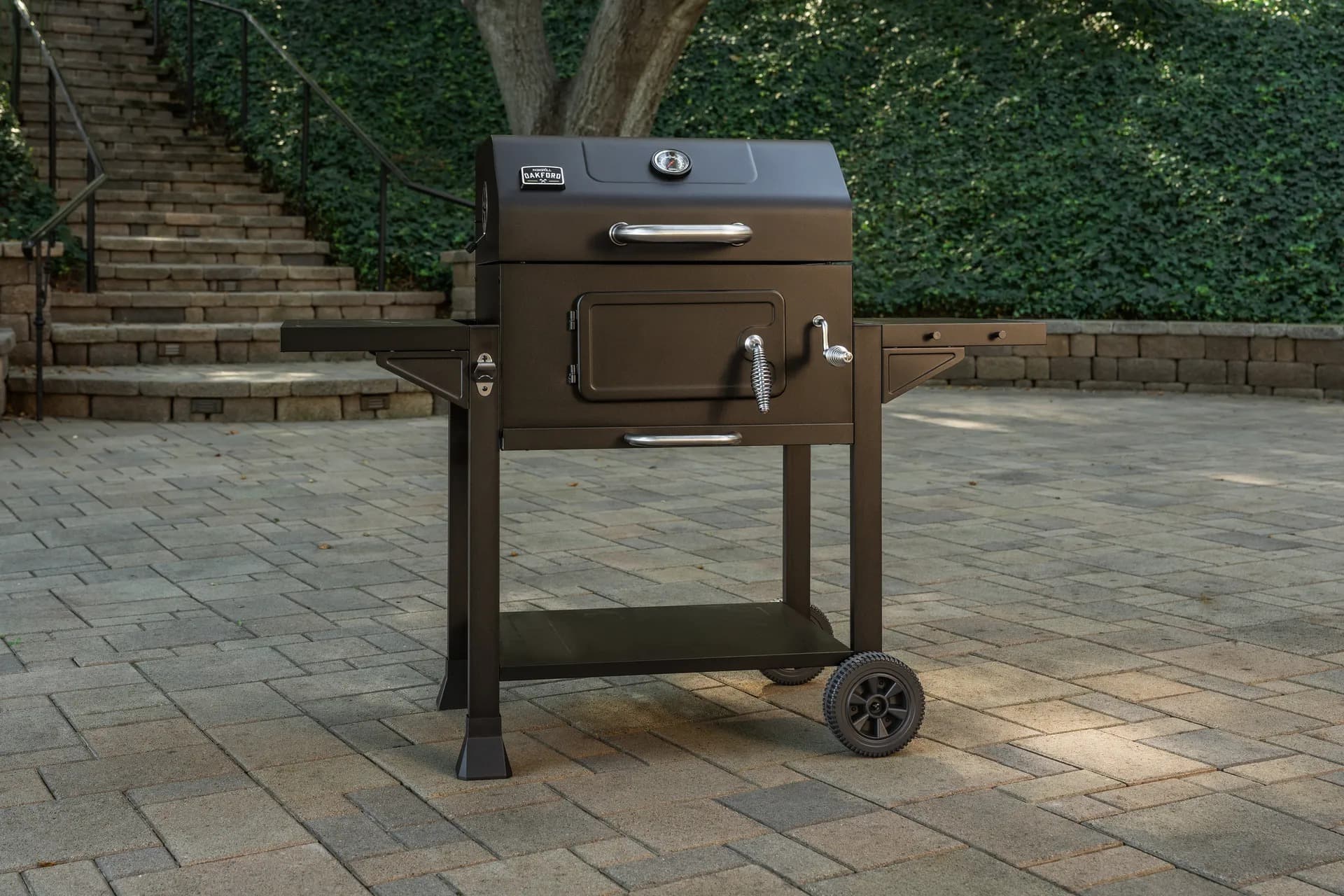
From sizzling breakfasts to smash burgers and teppanyaki-style dinners, the Daytona Pro 5 Burner NitroGuard™ Griddle delivers powerful heat, fast cooking, and a durable cooking surface built for every backyard cookout. Watch how easy outdoor cooking can be.
Here's what sets us apart from the competition
We position ourselves as delivering high-end outdoor cooking features and performance without premium-brand pricing, emphasizing “Quality Grills. Unbelievable Value.”
We offer gas grills, pellet grills, griddles, smokers, pizza ovens, portable/tabletop grills, electric grills, accessories, and replacement parts — allowing customers to stay within one ecosystem for all outdoor cooking needs.
We differentiate ourselves through smart grilling products like the Oakford smart pellet grill, including app-connected cooking controls and modern outdoor cooking technology.

Expert tips, buying guides, comparisons, and inspiration for choosing and getting the most out of your grill.

Practical guides for cleaning, maintenance, common grill issues, and performance optimization.

Step-by-step grilling recipes, cooking techniques, and meal ideas for every occasion and skill level.

Backyard entertaining ideas, seasonal grilling inspiration, and stories that celebrate outdoor cooking culture.

Helpful articles covering grilling tools, cookware, maintenance gear, and must-have accessories for outdoor cooking.

Find griddle recipes, cooking techniques, cleaning tips, and outdoor meal ideas designed for Nexgrill griddles.
Find answers to common questions
Gas grills provide instant heat and precise temperature control, making them easier to use. Charcoal grills offer a smoky flavor and high heat for searing but require more time to heat up and manage.
Pellet grills combine the convenience of gas with the flavor of wood, allowing for smoking, baking, and grilling. Traditional gas grills, however, are quicker to start and often easier to clean.
Charcoal grills typically reach higher temperatures quicker than gas grills, making them better for searing meat. However, high-quality gas grills can also provide adequate heat for effective searing.
Nexgrill offers models designed specifically for gas, charcoal, and pellets, allowing users to choose based on their cooking style and flavor preferences. Each type is built to optimize the characteristics of its respective fuel.
Choosing between gas and charcoal grills depends on your cooking preferences and lifestyle. If you value convenience and quick cooking, a gas grill may suit you better; if you prefer the taste and experience of traditional grilling, a charcoal grill would be ideal.
In This Article
Compact Design
High Performance
User-Friendly Features
Electric grills solve a very specific problem: you want real grilling results, but your living space does not give you room for a full-sized gas cart, a bulky smoker, or a setup that dominates the patio. That makes them especially relevant for apartment balconies, compact decks, urban rooftops with limited grilling zones, and smaller backyards where every square inch matters. In a small-space setting, the grill is not just a cooking appliance; it is part of the furniture layout, the airflow plan, and the overall way you use the space. A model with a footprint that feels modest on paper can still be awkward if the lid, grease tray, or cord placement makes movement difficult. That is why a comparative review has to look beyond headlines and ask how the grill fits into everyday life.
The electric-grill-with-174-x-125-cooking-surface-review angle is useful because it focuses attention on the one measurement that often matters most to compact-living buyers: usable cooking surface. A 174 x 125 cooking surface is not about chasing the biggest number in the category. It is about understanding how much food you can actually cook at once without crowding the grate, losing heat recovery, or forcing constant batch cooking. For a household of one or two, that size may be a comfortable middle ground. For a family that often cooks multiple proteins and vegetables together, it may be the difference between a relaxed weeknight meal and a frustrating production line.
In small spaces, the best grill is rarely the biggest one. The real test is whether the grill fits your floor plan, your cooking habits, and your cleanup routine without getting in the way.
Nexgrill’s broader brand approach is built around accessible outdoor cooking, practical design, and welcoming people of different experience levels into the grilling experience. That matters in compact living because small-space buyers are often first-time grill owners, renters with restrictions, or experienced cooks who want a simpler second grill for fast meals. Nexgrill’s brand guidelines also emphasize approachable, dependable, and inclusive cooking experiences, which aligns well with the realities of apartment and balcony grilling: the equipment should feel easy to live with, not intimidating or oversized .
When shoppers compare electric grills for compact areas, they usually care about four practical outcomes. First, the grill must produce steady heat without complicated fuel handling. Second, it should be simple to position, store, and clean. Third, the cooking surface must be large enough to serve real meals, not just a single sandwich or skewer. Fourth, the product needs to work within the realities of rental housing and shared outdoor environments, where smoke, noise, and maintenance all matter. In other words, a compact electric grill should be judged like a living-space appliance, not just a cooking tool.
The first thing to compare is footprint, not just cooking area. A grill with a reasonable cooking surface may still be too deep for a narrow balcony or too tall for a low railing line. Measure the full unit with shelves, lid clearance, and any cord routing in mind. If the grill will live against a wall or beside outdoor furniture, check how much space is needed to open the lid safely and how much room remains for the cook to stand comfortably. On a small patio, ten inches of extra side clearance can be the difference between a tidy grilling zone and a cramped obstacle course.
Next, assess power and heat behavior. Electric grills do not rely on propane tanks or charcoal beds, so the core question is whether the grill can recover heat quickly enough after the lid opens or after a batch of food is added. Buyers often assume wattage alone tells the full story, but heat retention, grate material, element placement, and lid design all influence real cooking results. A compact grill with balanced heat distribution can often outperform a larger one that runs hot in one zone and cool in another.
A useful compact-surface benchmark for buyers who want real meal capacity without a bulky footprint.
Ease of use is another major factor, especially for renters and first-time owners. An electric grill should be easy to power on, easy to monitor, and easy to cool down. That simplicity matters for weeknight cooks who want quick burgers, vegetables, or fish fillets without managing fuel. It also matters if the grill will be moved frequently or stored after each use. Look for details like removable drip trays, dishwasher-friendly components when available, and controls that make it easy to set a repeatable temperature instead of guessing. In small spaces, the simplest cleanup path is often the most important feature of all.
Finally, weigh maintenance and storage. A compact grill used on a balcony may be exposed to dust, moisture, and changing temperatures, so a protective cover and easy-clean surfaces can make a meaningful difference over time. If a model folds, rolls, or nests neatly under a bench, it may be more practical than a slightly larger unit with a better-looking spec sheet. For many shoppers, the best compact electric grill is the one that disappears neatly between cookouts and reappears ready to use.
The strongest compact electric grills tend to fall into three categories. The first is the table-top balcony grill: small, lightweight, and easy to tuck away after cooking. This type is best for minimalists and renters who need a low-commitment solution. The second is the stand-style grill with a slightly larger footprint and more stability, which suits users who want a dedicated outdoor cooking station but still need to conserve space. The third is the multi-function compact grill, which may offer interchangeable cooking surfaces or a lid that improves searing and weather protection.
| Compact Grill Type | Best For | Main Strength | Trade-Off |
|---|---|---|---|
| Table-top electric grill | Balconies, renters, frequent storage | Smallest footprint and easiest movement | Less total capacity |
| Stand-style electric grill | Dedicated patios and small decks | Better stability and comfort height | Takes more floor space |
| Lidded compact grill | Users who want more even cooking | Improved heat control and versatility | Usually heavier |
For Nexgrill shoppers, the comparison should be less about chasing the most features and more about matching the grill to how the space is used. A couple living in a city apartment may value compact dimensions and fast cleanup above all else. A homeowner with a small patio might care more about a stable cart and enough surface to cook side dishes together. A weekend entertainer with limited storage may want the most efficient balance of usable cooking area and easy stowaway design. Each of these scenarios points to a different best choice, even if the grills look similar in a product thumbnail.
One reason electric grills are appealing in compact living environments is their predictability. They remove the fuel-storage question and simplify startup, which lowers friction for casual users. That said, buyers should still compare cord length, outlet access, and whether the grill can be placed where smoke, steam, and traffic flow make sense. The right grill should feel like a natural extension of the home, not an afterthought squeezed onto the balcony.
A comparative review works best when it translates spec-sheet language into real-life outcomes. For compact electric grills, the most important differences are usually between surface size, heat consistency, control simplicity, and how much effort the grill demands after dinner. A model with a 174 x 125 cooking surface sits in a practical sweet spot for buyers who want enough room for a full meal without moving into full patio-grill territory. That size is especially relevant if you cook two salmon fillets, vegetables, and a side at the same time, or if you like to batch-cook for lunches while keeping the equipment footprint manageable.
Smaller grills can be attractive because they are easy to tuck away, but they often force compromises. If the cooking surface is too tight, you end up rotating food too often, which can interrupt browning and create uneven results. On the other hand, larger compact grills may give better flexibility but can be harder to store and may require a more permanent outdoor setup. The best compromise is not simply the middle size; it is the size that matches the way you actually cook. For many compact-living users, that makes the 174 x 125 format especially compelling.
Do not compare electric grills only by their dimensions. Compare how much of the surface is truly usable once hot zones, handles, and lid clearance are accounted for.
From a practical standpoint, a strong compact grill should also recover heat reasonably well after the lid opens. That matters in apartment cooking, where meals are often built in stages and the grill may be checked frequently. Models with better control logic, lid seals, or more evenly distributed heating elements tend to create a calmer cooking experience. In a small space, calm matters: less fuss, less waiting, less temptation to overcrowd the grill. That usually means better food and less stress.
When you compare models side by side, look for consistency in the way the manufacturer presents dimensions and cooking area. Some brands emphasize the full exterior footprint, while others highlight total grate space without clarifying how much is obstructed by warming racks or side components. The best review is transparent about what is cookable and what is merely included in the marketing image. That transparency helps buyers avoid the common mistake of purchasing a compact grill that technically fits, but does not function comfortably in the available space.
The right compact electric grill is the one that fits your home first and your recipe ambitions second. If you live in an apartment, the ideal model should be easy to store, simple to power, and sized to cook the meals you make most often without forcing awkward compromises. If you have a small patio or balcony, the most useful grill may be the one that balances surface area with a footprint you can live with every day. In either case, a model with a 174 x 125 cooking surface deserves attention because it represents a practical middle ground between portability and real meal capacity.
For buyers comparing options, the smartest approach is to define your cooking routine before you define your budget. Ask whether you cook for one, two, or a small group. Ask whether you want the grill to stay outside or be moved after each use. Ask whether cleanup is a quick wipe-down or a more involved routine. Those answers will point you toward the right category of compact electric grill much more reliably than marketing claims will. Try comparing two products side by side below to see which fits best:
Once you've weighed two options against each other, the next step is to translate the comparison into a real-world buying decision. The most useful compact electric grill reviews are not the ones that simply praise a unit for being small; they explain how the grill behaves in a cramped setting, how quickly it is ready to cook, and whether it remains pleasant to use after the novelty wears off. For small spaces, convenience and consistency matter more than flashy extras. A grill that is easy to move, easy to clean, and easy to place near an outlet will often outperform a technically more powerful unit that creates daily friction.
A strong review of a compact grill should answer three questions. First, does the cooking surface support the meals most people actually make, such as vegetables, chicken pieces, fish, and quick sandwiches? Second, can the grill maintain useful heat after the lid is opened or after a cold batch of food is added? Third, is the product realistic for renters or homeowners who need to keep their outdoor setup clean and minimal? These questions matter because small-space cooking is usually about frequency, not spectacle. The best grill is the one you are likely to use often.
| Review Factor | What Strong Performance Looks Like | Why It Matters in Small Spaces |
|---|---|---|
| Cooking area | Enough room for a full meal without crowding | Reduces batch cooking and table-side delays |
| Heat recovery | Temperature returns quickly after lid openings | Helps preserve browning and timing |
| Cleanup path | Tray removal and surface wiping are simple | Makes frequent use realistic for busy households |
| Storage behavior | Fits under covers, tables, or balcony storage | Prevents the grill from taking over the space |
The Nexgrill brand perspective adds an important layer here: grills should feel accessible, reliable, and welcoming to a broad mix of users, including beginners and more experienced backyard cooks . In practice, that means the best small-space electric grill is not necessarily the one with the most dramatic feature list. It is the one that lets someone cook dinner comfortably after work, host a few friends without reorganizing the balcony, or prepare a weekend meal without a large cleanup job afterward. This practical, people-first approach is especially important for urban households, where outdoor living areas often serve multiple purposes and every appliance has to earn its place.
In a detailed review, pay attention to the transition from raw specs to everyday use. A grill may advertise a tidy exterior and a compact cooking platform, but if the lid opens awkwardly or the controls are hard to read in low light, the experience can become frustrating fast. Likewise, a model with a slightly larger footprint might be worth it if it improves stability, temperature visibility, or food arrangement. Small-space buyers should think in terms of usability minutes saved, not just inches saved.
Performance comparisons should focus on how the grill behaves under normal home use, not a laboratory fantasy. In a balcony or patio scenario, the most useful features are the ones that improve repeatability. A stable lid can help retain heat. A responsive temperature control can make the difference between delicate fish and overcooked fillets. A grease management system can keep a small outdoor area cleaner, which matters a lot when your grill lives near seating, plants, or stored furniture.
Feature comparison also needs context. A removable drip tray is not a luxury in a small apartment setting; it is a time-saver and a mess-prevention tool. A compact stand may look optional in a showroom, but for many users it determines whether the grill is comfortable to use at all. Cord placement is another overlooked detail. If the cord forces you to orient the grill awkwardly around a doorway or railing, the practical footprint grows. A good comparison always includes these real-world placement issues.
For compact electric grills, better usability usually comes from fewer friction points: simpler controls, easier cleanup, and a layout that matches your balcony or patio flow.
A sensible way to compare models is to rank them by use case. If your priority is quick solo meals, prioritize the lightest unit with the fastest setup. If you want to cook for two or three people regularly, choose the grill with the most usable surface and the best heat recovery. If your outdoor space doubles as storage, choose the model that stacks or folds neatly and includes a cover-friendly form factor. That framework is more useful than generic rankings because it reflects how compact living actually works.
The 174 x 125 cooking surface deserves special mention because it gives shoppers a concrete benchmark. It is large enough to support real meal-building, yet still compact enough to fit into the lives of people who cannot dedicate a full deck to outdoor cooking. In a practical comparison, this surface size often lands in the sweet spot for apartment dwellers who want more flexibility than a tiny tabletop grill but do not need a full-size patio appliance.
Maintenance is where compact electric grills either win loyal users or end up gathering dust. In smaller homes, appliances that are difficult to clean tend to be used less often, because the cleanup effort feels disproportionate to the meal. That makes maintenance design a central buying factor, not an afterthought. Look for removable trays, accessible cooking plates or grates, and smooth surfaces that can be wiped down without dismantling the whole unit.
Durability should be judged by how well the grill handles everyday movement and storage. Small-space owners often move their grills in and out of storage more frequently than suburban homeowners do. Every lift, slide, and repositioning creates wear, so construction quality matters. Hinges, handles, feet, and cord connections should feel sturdy. If the grill has a cart or stand, check whether the frame feels stable enough to survive regular use on tile, concrete, or composite decking. A lightweight grill can be a blessing, but only if it is not so flimsy that it feels risky on a breezy balcony.
Environmental exposure also deserves attention. Even in covered spaces, outdoor moisture and sunlight can take a toll on finishes over time. A cover, dry storage, and routine wiping can extend the useful life of a compact grill substantially. From a practical standpoint, the most durable electric grill is often the one whose owner can maintain it consistently. Low-friction upkeep beats complicated upkeep every time in small apartments and narrow patios.
If a grill is easy to clean only when it is brand new, it is not a strong small-space choice. Durability includes how well it stays easy to live with after months of real use.
User feedback on compact electric grills tends to cluster around a few repeat themes. Owners like the convenience of plug-in cooking, the lack of fuel storage, and the ability to grill without assembling a larger setup every time. Apartment users often mention the relief of having a grilling option that feels manageable rather than excessive. They appreciate when a grill heats up quickly, cleans up easily, and does not monopolize the balcony.
At the same time, experienced users are usually the first to note where small grills can disappoint. If the surface is too small, they mention the need to cook in batches. If heat distribution is uneven, they notice it during searing and vegetable cooking. If storage is awkward, they may stop using the grill as often as they expected. These comments are valuable because they reveal the difference between a grill that looks right online and one that works well over a season of normal meals.
A common positive theme in compact-living testimonials is that the right-sized electric grill changes how often people cook outside. Instead of reserving grilling for special occasions, they start using it for weeknight vegetables, quick proteins, and small social gatherings. That shift matters because it means the grill becomes part of everyday life. In Nexgrill terms, this aligns with the idea that outdoor cooking should feel inviting, approachable, and easy to share .
Expert reviews generally reinforce the same conclusion: in a small-space setting, a grill succeeds when it reduces effort. Reviewers tend to favor models that balance usable cooking area with manageable storage and cleanup. That is why a compact grill with a well-sized surface can earn better long-term praise than a tiny unit with more aggressive marketing language. The owner experience is what counts after the first few uses, when convenience and repeatability become the real test.
If you live in a compact home, the best electric grill is the one that fits your routine as naturally as it fits your floor plan. Choose a small table-top model if space is extremely limited and storage is the priority. Choose a stand-style compact grill if you want a more comfortable cooking height and a semi-permanent outdoor station. Choose a lidded model with a 174 x 125 cooking surface if you want the most balanced mix of capacity, usability, and space efficiency for two to four servings at a time.
For most buyers in small apartments or narrow patios, the decision should come down to three simple questions. Will the grill fit where you can safely use it? Will the cooking surface allow you to prepare your usual meals without constant batching? Will cleanup be easy enough that you will actually reach for the grill during the week? If the answer to those questions is yes, you are likely looking at a strong long-term fit.
In a market full of compact appliances, the winning model is rarely the one with the loudest feature list. It is the one that disappears into the rhythm of your home and reappears only when dinner is ready. That is the real standard for electric grills in small spaces: practical, comfortable, and ready when you are.
Here's what sets us apart
We position ourselves as delivering high-end outdoor cooking features and performance without premium-brand pricing, emphasizing “Quality Grills. Unbelievable Value.”
We offer gas grills, pellet grills, griddles, smokers, pizza ovens, portable/tabletop grills, electric grills, accessories, and replacement parts — allowing customers to stay within one ecosystem for all outdoor cooking needs.
We differentiate ourselves through smart grilling products like the Oakford smart pellet grill, including app-connected cooking controls and modern outdoor cooking technology.
Don't just take our word for it
Keep reading
From our catalog