Delicious and Simple Recipes to Kickstart Your Outdoor Cooking
Here's what sets us apart from the competition
We position ourselves as delivering high-end outdoor cooking features and performance without premium-brand pricing, emphasizing “Quality Grills. Unbelievable Value.”
We offer gas grills, pellet grills, griddles, smokers, pizza ovens, portable/tabletop grills, electric grills, accessories, and replacement parts — allowing customers to stay within one ecosystem for all outdoor cooking needs.
We differentiate ourselves through smart grilling products like the Oakford smart pellet grill, including app-connected cooking controls and modern outdoor cooking technology.
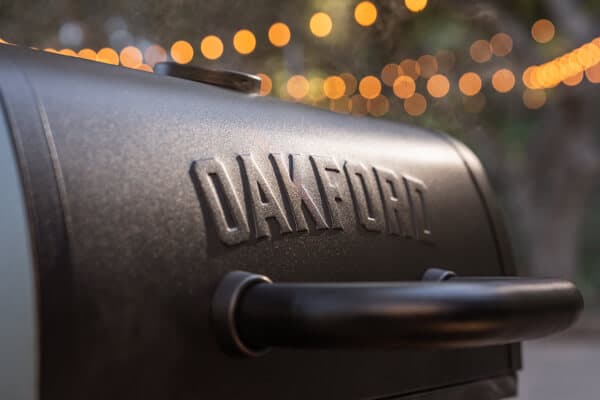
Expert tips, buying guides, comparisons, and inspiration for choosing and getting the most out of your grill.
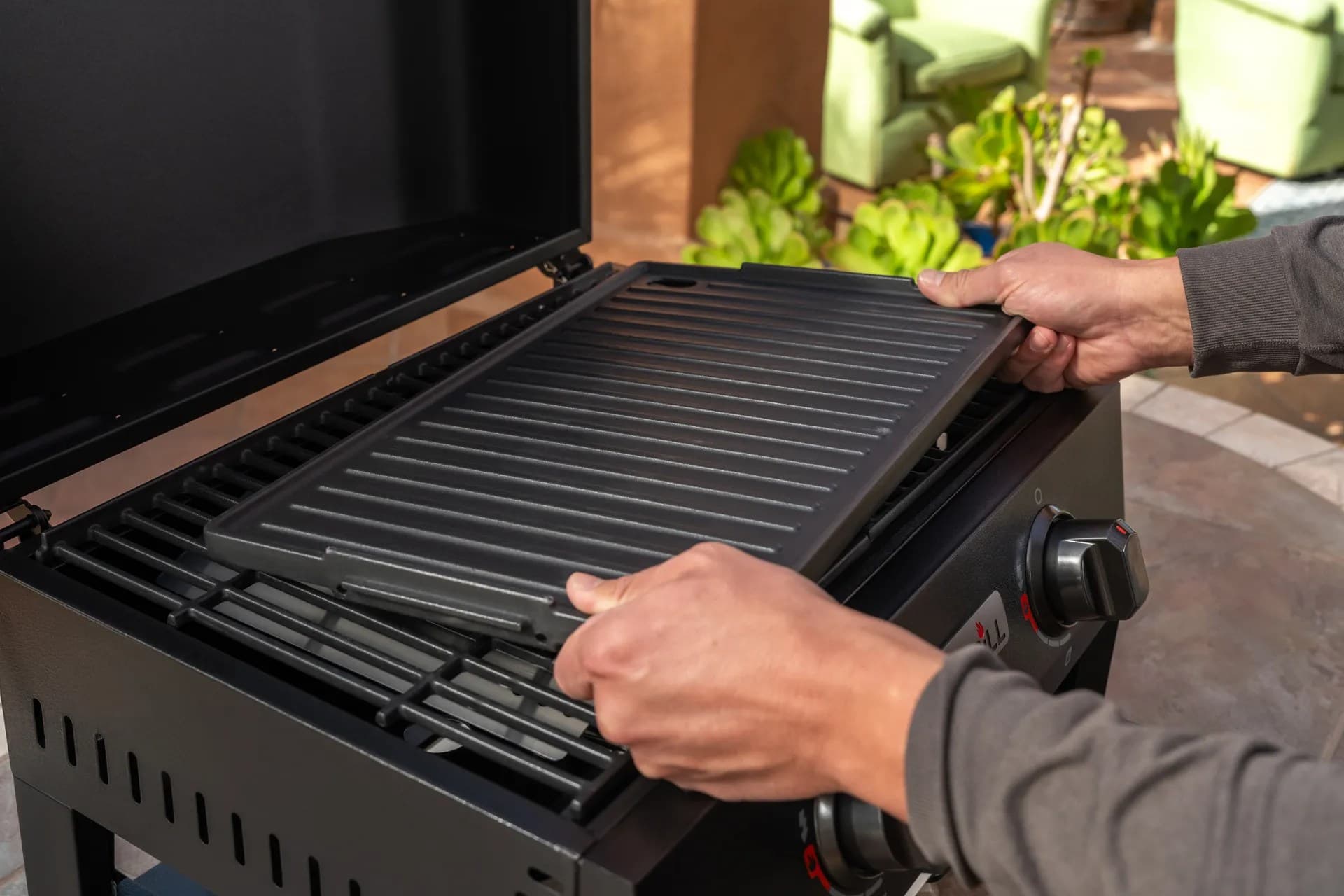
Practical guides for cleaning, maintenance, common grill issues, and performance optimization.
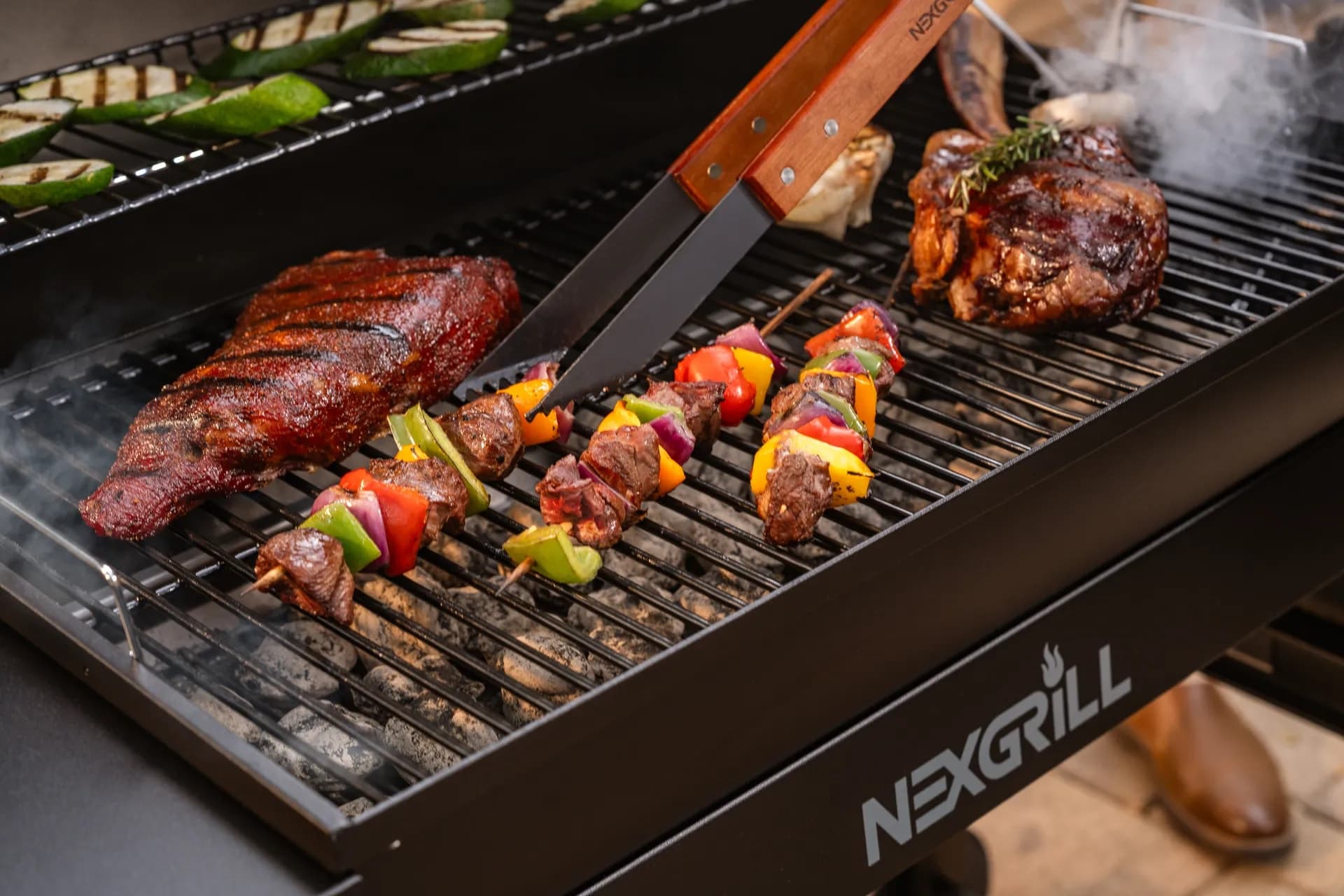
Step-by-step grilling recipes, cooking techniques, and meal ideas for every occasion and skill level.
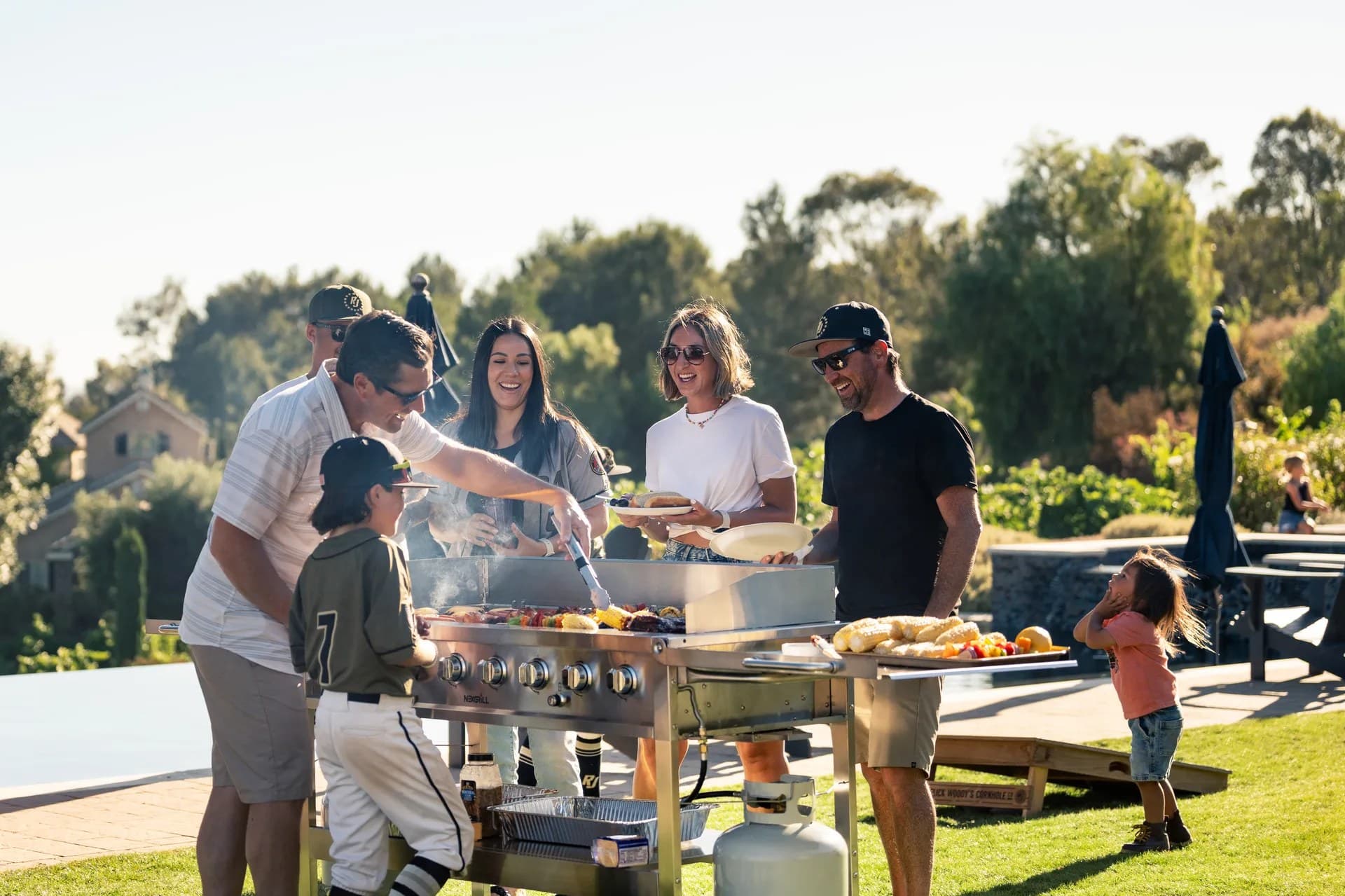
Backyard entertaining ideas, seasonal grilling inspiration, and stories that celebrate outdoor cooking culture.
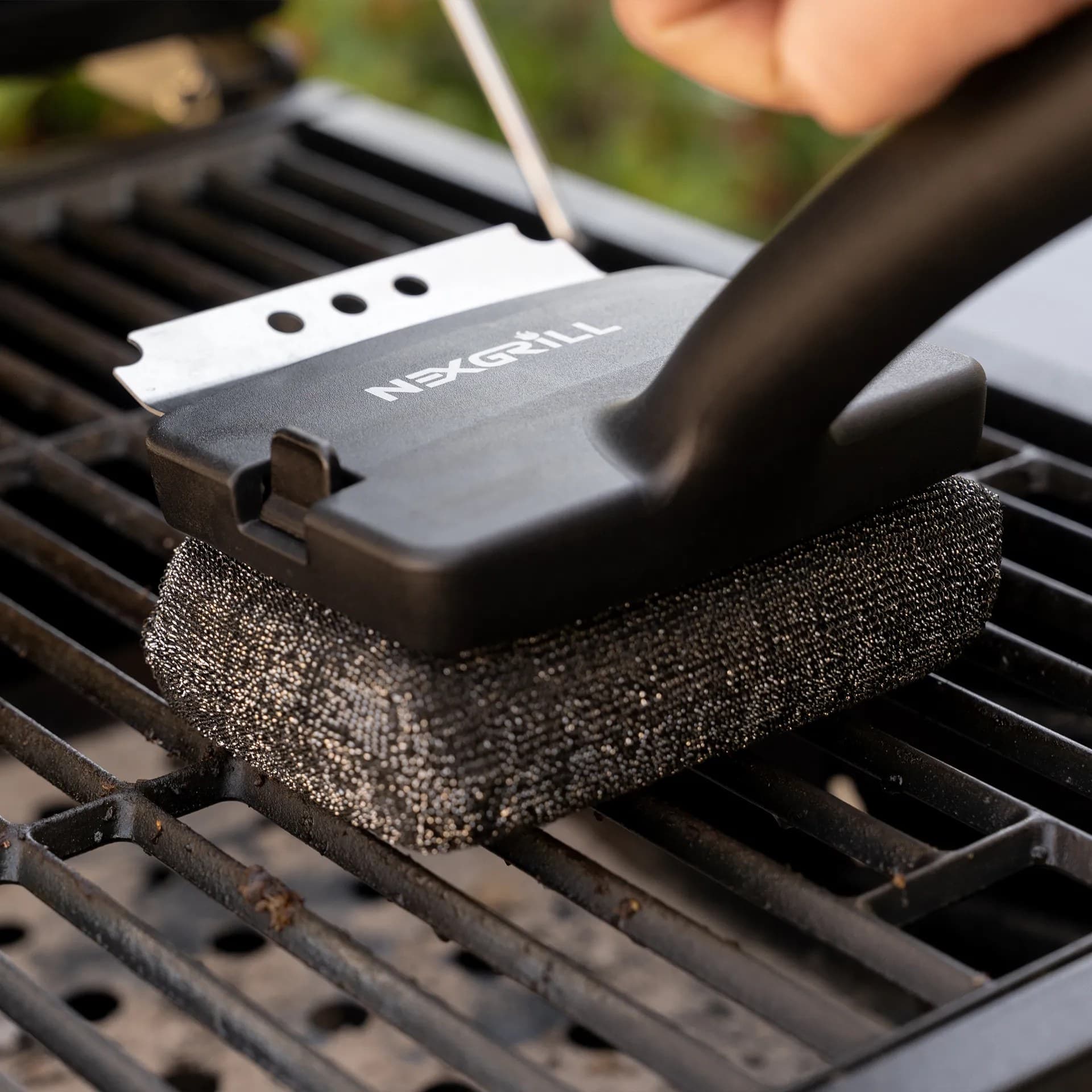
Helpful articles covering grilling tools, cookware, maintenance gear, and must-have accessories for outdoor cooking.
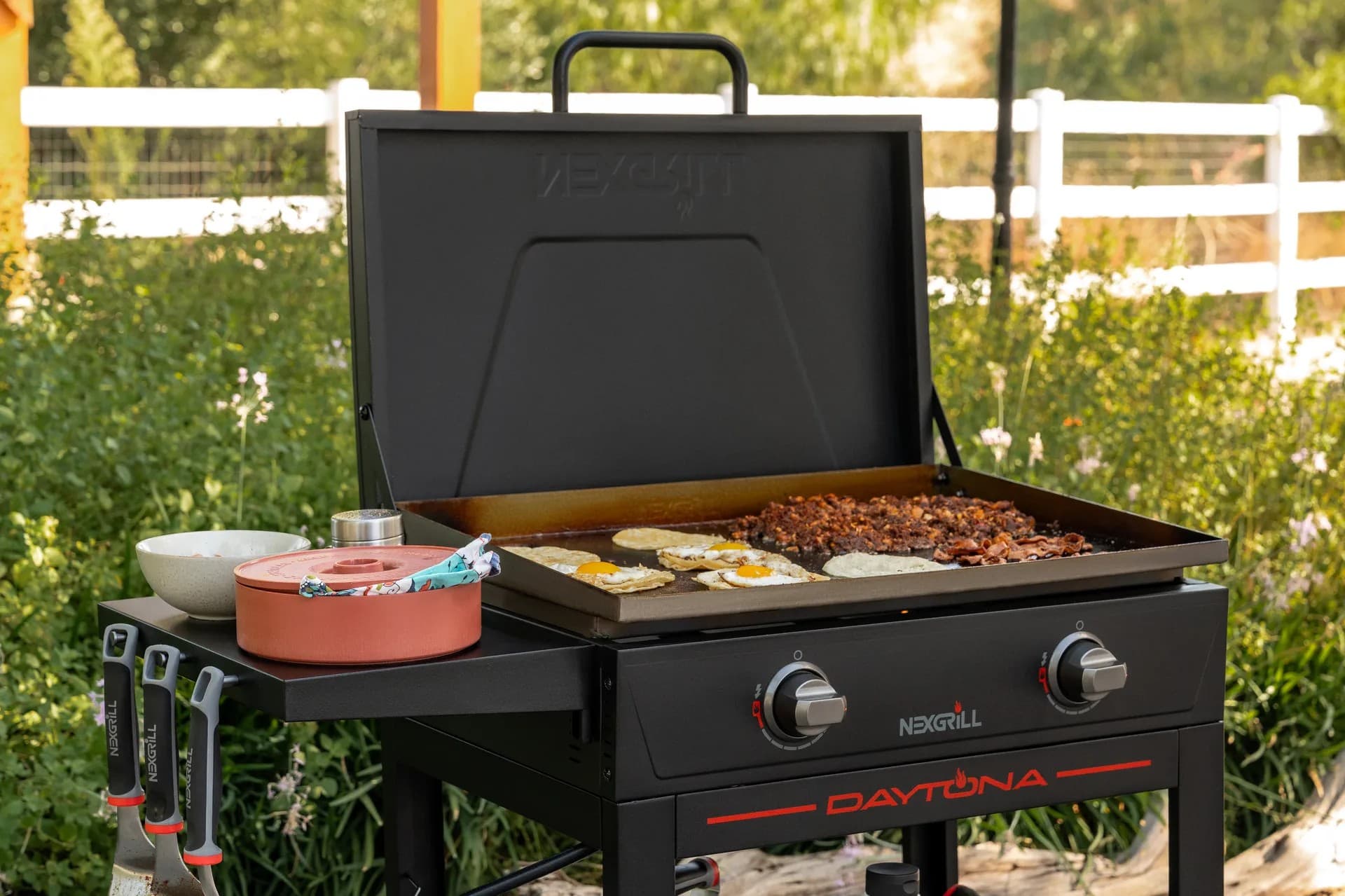
Find griddle recipes, cooking techniques, cleaning tips, and outdoor meal ideas designed for Nexgrill griddles.
Find answers to common questions
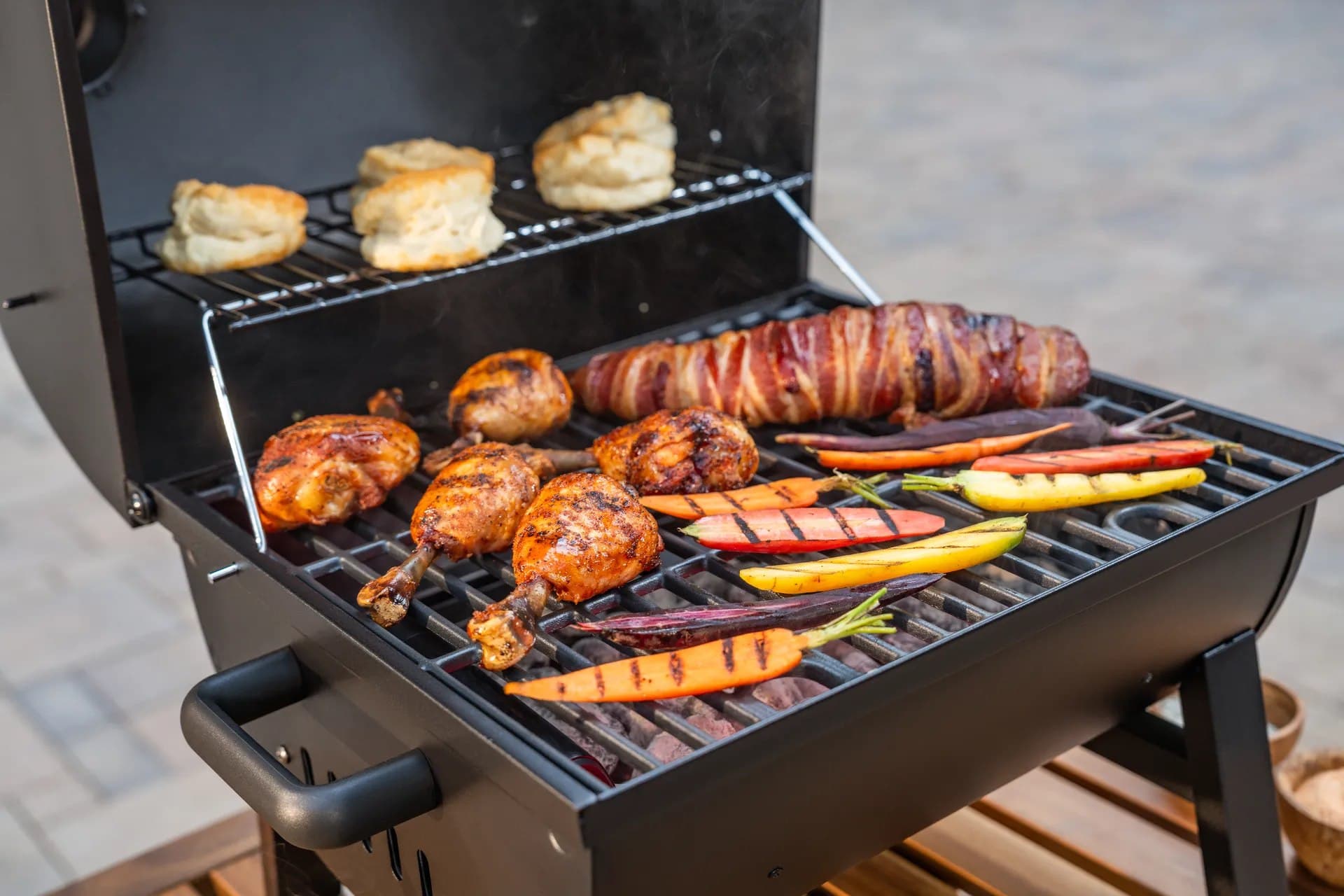
Nexgrill equipment is suitable for a variety of recipes including meats, vegetables, and even pizzas. Popular options include marinated steaks, grilled vegetables, and shrimp skewers.
To enhance the flavor of grilled vegetables, consider marinating them in olive oil, herbs, and spices before grilling. Alternatively, you can season them with salt and pepper during grilling for a more straightforward approach.
To achieve perfect grill marks, preheat your grill to a high temperature and ensure that the food is dry before placing it on the grill. Avoid moving the food too early, as it needs to sear properly to form those classic grill marks.
Using a meat thermometer is the most accurate way to ensure your grilled meat is at the desired temperature. For instance, chicken should reach an internal temperature of 165°F while medium-rare beef is typically at 135°F.
To clean your Nexgrill after cooking, allow it to cool and then use a grill brush to remove any residue from the grates. You can also wipe down the exterior with a damp cloth and mild soap to keep it looking its best.
In This Article
Fresh and Flavorful
Quick and Easy
Grill-Friendly
Spring grilling appetizers work best when they feel light, fresh, and easy to pass around while people are still arriving, chatting, and settling into the backyard. That usually means building small plates that can be cooked quickly over medium heat, plated without fuss, and served in a way that keeps the gathering moving. The strongest spring appetizers do not try to behave like a full entrée. Instead, they set the tone for the meal: bright herbs, crisp vegetables, citrus, a little char, and enough variety that guests with different tastes can all find something they want.
For a Nexgrill-style cookout, that means thinking about appetizers as part of the social rhythm of the day. You want foods that can be prepped indoors, carried outside in trays or bowls, and finished in short bursts on the grill while the main dishes are still being planned. That is why spring appetizers are such a strong fit for outdoor cooking. They can use seasonal ingredients without requiring elaborate timing, and they give you an excuse to use the grill for more than just burgers or ribs. A flat cooking surface, standard grates, foil packets, and even a simple skewer setup can turn a small menu into something memorable.
The best spring appetizers usually depend more on timing and prep than on complexity. If your ingredients are already cut to roughly the same size, the grill does most of the work.
A realistic grill time for many spring appetizers once prep is done
In this guide, the focus is on appetizers that feel spring-ready without turning into a project. You will see colorful vegetable skewers, shrimp and asparagus foil packs, mini grilled pizzas that guests can customize, and fruit skewers that finish the meal with a warm, lightly caramelized bite. These are not delicate restaurant dishes that fall apart if you look at them the wrong way. They are practical recipes for real backyard hosting, where the goal is to serve something good, fast, and crowd-friendly.
If you are planning a gathering in the United States during early spring, temperature swings matter. Cool evenings can slow grill recovery, and windy conditions can make open-flame cooking feel less predictable than in midsummer. That makes simple appetizer formats especially valuable because they are forgiving. A skewer can be moved to a hotter zone, foil packets can stay warm on the edge of the grill, and mini pizzas can be rotated if one side of the grate runs hotter than the other. That flexibility is part of the appeal.
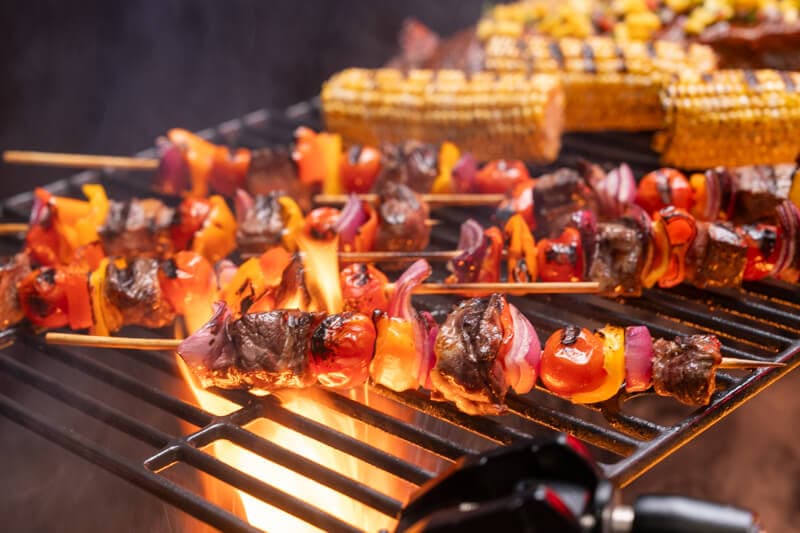
Vegetable skewers are one of the easiest ways to start a spring menu because they look festive, cook quickly, and let you highlight whatever looks best at the market. Think asparagus tips, zucchini rounds, red onion wedges, baby bell peppers, mushrooms, and cherry tomatoes. A good skewer platter does not need every vegetable in the produce aisle. It needs a few ingredients that handle direct heat at roughly the same pace. That is why spring vegetables with some natural sweetness or moisture tend to work best. They soften, char lightly, and keep their color.
A practical way to build these skewers is to pair firmer vegetables with softer ones so each bite feels balanced. For example, a pattern of zucchini, pepper, mushroom, and onion gives you a mix of texture without making the skewer awkward to cook. If you want the vegetables to taste more complete, toss them with olive oil, lemon zest, salt, black pepper, and a small amount of garlic powder before threading them. The oil helps with browning, while the lemon zest keeps the flavor bright rather than heavy. Avoid overly sugary marinades here; they can scorch before the vegetables are tender.
For better results, cut vegetables into pieces that are large enough to stay on the skewer but small enough to cook through in one turning cycle.
On the grill, medium heat is usually enough. You are not trying to blast these vegetables with the highest possible flame. The goal is to mark the outside and soften the centers without collapsing their structure. Rotate them every few minutes so you get even char. A final finish of flaky salt, chopped parsley, or a light herb vinaigrette can make the platter feel more polished. If you want a stronger spring profile, add a spoonful of crumbled feta or a drizzle of yogurt-based sauce after grilling. That keeps the recipe appetizer-friendly while giving it a little more presence on the table.
Foil packs are ideal when you want an appetizer that feels a little more substantial without demanding active grill time. Shrimp and asparagus is a natural spring combination because both ingredients cook fast and share a clean, fresh flavor profile. The foil packet format also gives you built-in moisture management, which is useful when you are cooking over a busy grill with other foods going at the same time. Instead of worrying about delicate seafood sticking to the grate, you can seal the ingredients with a bit of butter or olive oil and let steam plus direct heat do the work.
To make the packet more interesting, season the shrimp with lemon juice, minced garlic, crushed red pepper, and chopped dill or parsley. The asparagus should be trimmed so the thicker ends do not stay tough while the shrimp finish. A small pat of butter or a spoonful of olive oil inside each packet gives the dish enough richness to feel like an appetizer worth serving before the main course. If you are cooking for a larger group, portion the packets by couple or by small table section so they can be handed out as they come off the grill instead of waiting for one giant tray to be assembled.
The benefit of foil packets in spring is control. If the grill is running hotter than expected, the packet protects the ingredients. If the weather is cool, the packet traps heat well enough to keep food warm while you finish the rest of the spread. A typical packet can be done in around 8 to 12 minutes depending on shrimp size and asparagus thickness. That makes it one of the most efficient ways to get a warm appetizer on the table with minimal stress. Serve it with lemon wedges and crusty bread or crackers if you want guests to turn it into a small shared plate.
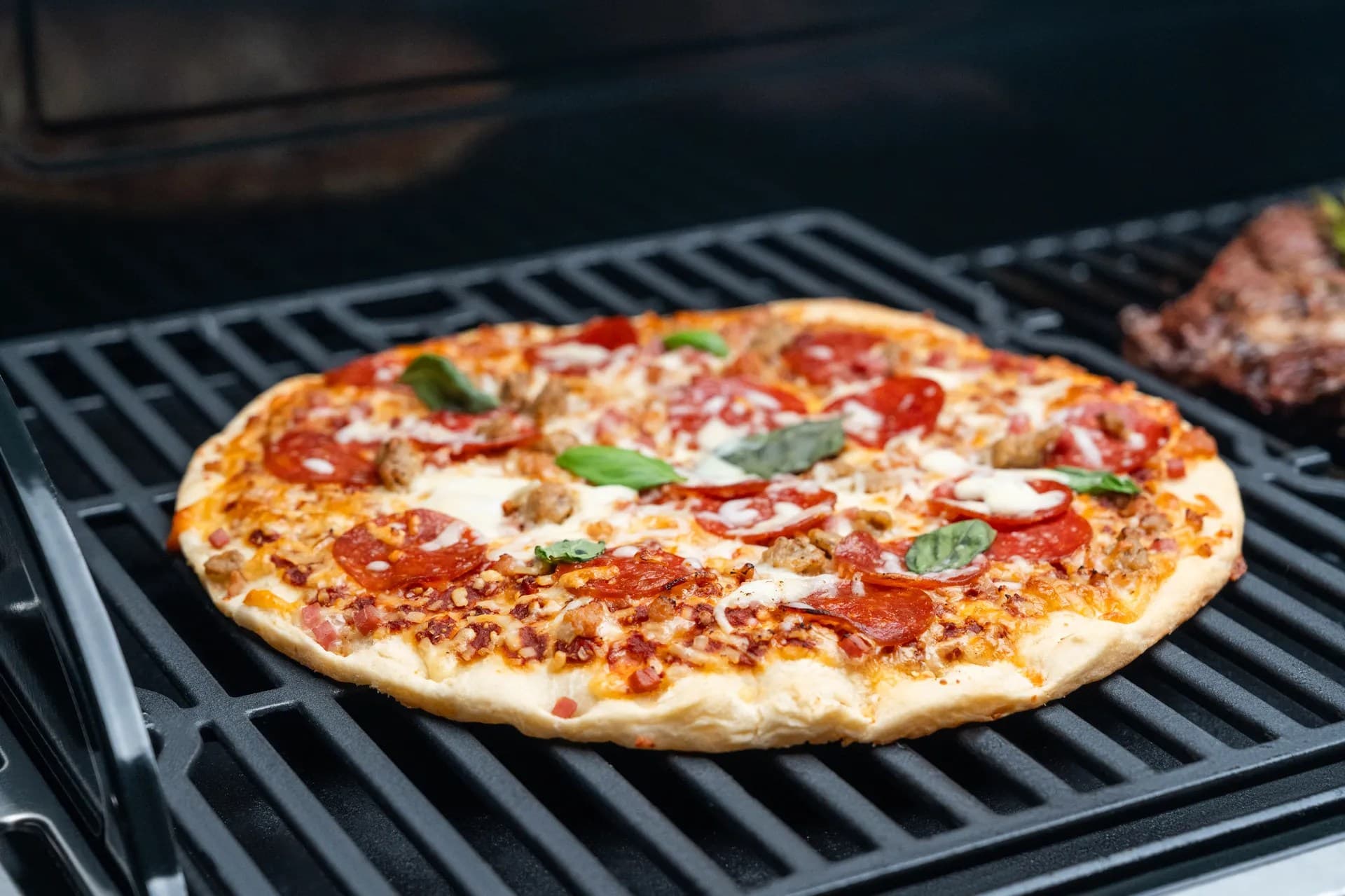
Mini grilled pizzas are where spring appetizers become interactive. They are fun because they invite choice, but they are still manageable because the portions are small. A good format is to start with small rounds of naan, pita, flatbread, or pre-cut pizza dough. Brush the outside lightly with olive oil, place the base directly on the grill for a brief toast, then flip and add toppings to the cooked side. This creates structure so the dough does not go limp under the toppings. For spring, aim for lighter combinations like goat cheese and herbs, ricotta with peas and lemon, or asparagus with mozzarella and a touch of pesto.
What makes these especially useful for entertaining is that they work for mixed groups. You can make one pizza with caramelized onions and mushrooms, another with cherry tomatoes and basil, and another with a little prosciutto if your guests want something more savory. Because each pizza is small, people can sample more than one flavor without feeling overloaded before dinner. This format also works well when you want guests to participate. Set out a tray of prepped toppings and let people choose a combination, then cook them in batches. That feels social without becoming chaotic.
Watch the grill carefully with mini pizzas. A thin crust can go from lightly toasted to overly crisp quickly, especially if toppings are piled too high.
The spring advantage here is that you can keep flavors light and seasonal. Instead of heavy sauce and thick layers of cheese, use a restrained hand. A little ricotta, a few vegetables, and a scattering of fresh herbs is often enough. That approach keeps the appetizer from eating like a full meal and makes room for the rest of your cookout menu. If you are hosting outdoors in the United States where spring evenings may still be cool, mini pizzas also have the benefit of serving hot and holding together well for quick transport from grill to table.
Grilled fruit skewers are a smart way to finish a spring appetizer spread because they give guests a sweet bite without requiring dessert-level effort. Pineapple, strawberries, peaches, and mango all grill beautifully when cut into sturdy pieces. The heat concentrates their natural sugars and adds a little char, which makes the fruit feel more polished than a raw fruit platter but still fresh enough for spring. These skewers are especially effective after savory starters because they reset the palate without feeling heavy.
The key is to keep the preparation simple. Brush the fruit lightly with oil or melted butter if needed, then grill just until grill marks appear and the fruit softens slightly. You are not trying to melt the fruit into sauce. You want enough caramelization to create contrast. A dusting of cinnamon sugar, a squeeze of lime, or a spoonful of yogurt on the side can make the skewers feel finished. If you want a more elegant presentation, alternate two fruits on each skewer so the color contrast stands out on the serving tray.
This is also the most flexible option in the group because it can be served as an appetizer, palate cleanser, or pre-dessert. If your guests are the type who enjoy grazing, fruit skewers give them something light to hold while they wait for the main meal. If you are hosting families, they are easy to share and generally approachable for kids. For adult gatherings, they pair nicely with a whipped mascarpone dip or a small bowl of honey and citrus glaze. The result feels bright, seasonal, and very in tune with spring entertaining.
Success with spring appetizers usually comes down to timing, temperature, and setup. First, prep ingredients before the grill is hot. Once the fire is ready, these appetizers move quickly, and you do not want to be chopping vegetables while shrimp are overcooking. Second, organize food by cook time. Vegetables that need a little longer should go on first, while shrimp and fruit need much less time. Third, keep one cooler zone on the grill so you can move items if the heat spikes. That small detail matters a lot when you are juggling several appetizer types at once.
Another smart habit is to think in terms of texture. Spring appetizers are at their best when they mix tender and crisp, juicy and charred, savory and bright. Too much marinating can blur those textures and make everything taste similar. Instead, season with intention. Use oil, salt, acid, herbs, and just enough spice to make the ingredients taste like themselves but better. For example, asparagus benefits from lemon and garlic, while fruit benefits more from a light sweet finish and brief exposure to heat. Keep those differences clear and the overall menu will feel more refined.
| Appetizer | Best Heat | Typical Grill Time |
|---|---|---|
| Vegetable skewers | Medium direct heat | 8-12 minutes |
| Shrimp and asparagus packets | Medium heat | 8-12 minutes |
| Mini grilled pizzas | Medium-high heat | 6-10 minutes |
| Fruit skewers | Medium-high heat | 3-6 minutes |
Finally, think about serving style. Appetizers should be easy to grab, easy to pass, and easy to eat standing up if needed. Small plates, parchment-lined trays, and simple garnishes make the whole spread feel more polished without adding labor. That matters at spring gatherings where people may be moving between the patio, the yard, and the food table.
Easy spring grilling appetizers are at their best when they celebrate the season without overcomplicating it. A few fresh ingredients, a hot grill, and a clear plan can produce a spread that feels relaxed, colorful, and genuinely inviting. Whether you lean toward vegetable skewers, shrimp foil packs, mini pizzas, or grilled fruit, the point is to make the first bites of the meal as enjoyable as the main event.
If you keep the menu simple, focus on quick-cooking ingredients, and use the grill as a tool for flavor rather than a source of stress, spring entertaining becomes much easier. The best appetizers do not demand attention; they build anticipation. They give guests something to nibble, talk about, and remember while the rest of the cookout comes together. Try comparing two products side by side below to see which fits best:
Spring grilling appetizers work best when they feel light, fresh, and easy to pass around while people are still arriving, chatting, and settling into the backyard. That usually means building small plates that can be cooked quickly over medium heat, plated without fuss, and served in a way that keeps the gathering moving. The strongest spring appetizers do not try to behave like a full entrée. Instead, they set the tone for the meal: bright herbs, crisp vegetables, citrus, a little char, and enough variety that guests with different tastes can all find something they want.
For a Nexgrill-style cookout, that means thinking about appetizers as part of the social rhythm of the day. You want foods that can be prepped indoors, carried outside in trays or bowls, and finished in short bursts on the grill while the main dishes are still being planned. That is why spring appetizers are such a strong fit for outdoor cooking. They can use seasonal ingredients without requiring elaborate timing, and they give you an excuse to use the grill for more than just burgers or ribs. A flat cooking surface, standard grates, foil packets, and even a simple skewer setup can turn a small menu into something memorable.
The best spring appetizers usually depend more on timing and prep than on complexity. If your ingredients are already cut to roughly the same size, the grill does most of the work.
A realistic grill time for many spring appetizers once prep is done
In this guide, the focus is on appetizers that feel spring-ready without turning into a project. You will see colorful vegetable skewers, shrimp and asparagus foil packs, mini grilled pizzas that guests can customize, and fruit skewers that finish the meal with a warm, lightly caramelized bite. These are not delicate restaurant dishes that fall apart if you look at them the wrong way. They are practical recipes for real backyard hosting, where the goal is to serve something good, fast, and crowd-friendly.
If you are planning a gathering in the United States during early spring, temperature swings matter. Cool evenings can slow grill recovery, and windy conditions can make open-flame cooking feel less predictable than in midsummer. That makes simple appetizer formats especially valuable because they are forgiving. A skewer can be moved to a hotter zone, foil packets can stay warm on the edge of the grill, and mini pizzas can be rotated if one side of the grate runs hotter than the other. That flexibility is part of the appeal.
Vegetable skewers are one of the easiest ways to start a spring menu because they look festive, cook quickly, and let you highlight whatever looks best at the market. Think asparagus tips, zucchini rounds, red onion wedges, baby bell peppers, mushrooms, and cherry tomatoes. A good skewer platter does not need every vegetable in the produce aisle. It needs a few ingredients that handle direct heat at roughly the same pace. That is why spring vegetables with some natural sweetness or moisture tend to work best. They soften, char lightly, and keep their color.
A practical way to build these skewers is to pair firmer vegetables with softer ones so each bite feels balanced. For example, a pattern of zucchini, pepper, mushroom, and onion gives you a mix of texture without making the skewer awkward to cook. If you want the vegetables to taste more complete, toss them with olive oil, lemon zest, salt, black pepper, and a small amount of garlic powder before threading them. The oil helps with browning, while the lemon zest keeps the flavor bright rather than heavy. Avoid overly sugary marinades here; they can scorch before the vegetables are tender.
For better results, cut vegetables into pieces that are large enough to stay on the skewer but small enough to cook through in one turning cycle.
On the grill, medium heat is usually enough. You are not trying to blast these vegetables with the highest possible flame. The goal is to mark the outside and soften the centers without collapsing their structure. Rotate them every few minutes so you get even char. A final finish of flaky salt, chopped parsley, or a light herb vinaigrette can make the platter feel more polished. If you want a stronger spring profile, add a spoonful of crumbled feta or a drizzle of yogurt-based sauce after grilling. That keeps the recipe appetizer-friendly while giving it a little more presence on the table.
Foil packs are ideal when you want an appetizer that feels a little more substantial without demanding active grill time. Shrimp and asparagus is a natural spring combination because both ingredients cook fast and share a clean, fresh flavor profile. The foil packet format also gives you built-in moisture management, which is useful when you are cooking over a busy grill with other foods going at the same time. Instead of worrying about delicate seafood sticking to the grate, you can seal the ingredients with a bit of butter or olive oil and let steam plus direct heat do the work.
To make the packet more interesting, season the shrimp with lemon juice, minced garlic, crushed red pepper, and chopped dill or parsley. The asparagus should be trimmed so the thicker ends do not stay tough while the shrimp finish. A small pat of butter or a spoonful of olive oil inside each packet gives the dish enough richness to feel like an appetizer worth serving before the main course. If you are cooking for a larger group, portion the packets by couple or by small table section so they can be handed out as they come off the grill instead of waiting for one giant tray to be assembled.
The benefit of foil packets in spring is control. If the grill is running hotter than expected, the packet protects the ingredients. If the weather is cool, the packet traps heat well enough to keep food warm while you finish the rest of the spread. A typical packet can be done in around 8 to 12 minutes depending on shrimp size and asparagus thickness. That makes it one of the most efficient ways to get a warm appetizer on the table with minimal stress. Serve it with lemon wedges and crusty bread or crackers if you want guests to turn it into a small shared plate.
Mini grilled pizzas are where spring appetizers become interactive. They are fun because they invite choice, but they are still manageable because the portions are small. A good format is to start with small rounds of naan, pita, flatbread, or pre-cut pizza dough. Brush the outside lightly with olive oil, place the base directly on the grill for a brief toast, then flip and add toppings to the cooked side. This creates structure so the dough does not go limp under the toppings. For spring, aim for lighter combinations like goat cheese and herbs, ricotta with peas and lemon, or asparagus with mozzarella and a touch of pesto.
What makes these especially useful for entertaining is that they work for mixed groups. You can make one pizza with caramelized onions and mushrooms, another with cherry tomatoes and basil, and another with a little prosciutto if your guests want something more savory. Because each pizza is small, people can sample more than one flavor without feeling overloaded before dinner. This format also works well when you want guests to participate. Set out a tray of prepped toppings and let people choose a combination, then cook them in batches. That feels social without becoming chaotic.
Watch the grill carefully with mini pizzas. A thin crust can go from lightly toasted to overly crisp quickly, especially if toppings are piled too high.
The spring advantage here is that you can keep flavors light and seasonal. Instead of heavy sauce and thick layers of cheese, use a restrained hand. A little ricotta, a few vegetables, and a scattering of fresh herbs is often enough. That approach keeps the appetizer from eating like a full meal and makes room for the rest of your cookout menu. If you are hosting outdoors in the United States where spring evenings may still be cool, mini pizzas also have the benefit of serving hot and holding together well for quick transport from grill to table.
Grilled fruit skewers are a smart way to finish a spring appetizer spread because they give guests a sweet bite without requiring dessert-level effort. Pineapple, strawberries, peaches, and mango all grill beautifully when cut into sturdy pieces. The heat concentrates their natural sugars and adds a little char, which makes the fruit feel more polished than a raw fruit platter but still fresh enough for spring. These skewers are especially effective after savory starters because they reset the palate without feeling heavy.
The key is to keep the preparation simple. Brush the fruit lightly with oil or melted butter if needed, then grill just until grill marks appear and the fruit softens slightly. You are not trying to melt the fruit into sauce. You want enough caramelization to create contrast. A dusting of cinnamon sugar, a squeeze of lime, or a spoonful of yogurt on the side can make the skewers feel finished. If you want a more elegant presentation, alternate two fruits on each skewer so the color contrast stands out on the serving tray.
This is also the most flexible option in the group because it can be served as an appetizer, palate cleanser, or pre-dessert. If your guests are the type who enjoy grazing, fruit skewers give them something light to hold while they wait for the main meal. If you are hosting families, they are easy to share and generally approachable for kids. For adult gatherings, they pair nicely with a whipped mascarpone dip or a small bowl of honey and citrus glaze. The result feels bright, seasonal, and very in tune with spring entertaining.
Success with spring appetizers usually comes down to timing, temperature, and setup. First, prep ingredients before the grill is hot. Once the fire is ready, these appetizers move quickly, and you do not want to be chopping vegetables while shrimp are overcooking. Second, organize food by cook time. Vegetables that need a little longer should go on first, while shrimp and fruit need much less time. Third, keep one cooler zone on the grill so you can move items if the heat spikes. That small detail matters a lot when you are juggling several appetizer types at once.
Another smart habit is to think in terms of texture. Spring appetizers are at their best when they mix tender and crisp, juicy and charred, savory and bright. Too much marinating can blur those textures and make everything taste similar. Instead, season with intention. Use oil, salt, acid, herbs, and just enough spice to make the ingredients taste like themselves but better. For example, asparagus benefits from lemon and garlic, while fruit benefits more from a light sweet finish and brief exposure to heat. Keep those differences clear and the overall menu will feel more refined.
| Appetizer | Best Heat | Typical Grill Time |
|---|---|---|
| Vegetable skewers | Medium direct heat | 8-12 minutes |
| Shrimp and asparagus packets | Medium heat | 8-12 minutes |
| Mini grilled pizzas | Medium-high heat | 6-10 minutes |
| Fruit skewers | Medium-high heat | 3-6 minutes |
Finally, think about serving style. Appetizers should be easy to grab, easy to pass, and easy to eat standing up if needed. Small plates, parchment-lined trays, and simple garnishes make the whole spread feel more polished without adding labor. That matters at spring gatherings where people may be moving between the patio, the yard, and the food table.
Easy spring grilling appetizers are at their best when they celebrate the season without overcomplicating it. A few fresh ingredients, a hot grill, and a clear plan can produce a spread that feels relaxed, colorful, and genuinely inviting. Whether you lean toward vegetable skewers, shrimp foil packs, mini pizzas, or grilled fruit, the point is to make the first bites of the meal as enjoyable as the main event.
If you keep the menu simple, focus on quick-cooking ingredients, and use the grill as a tool for flavor rather than a source of stress, spring entertaining becomes much easier. The best appetizers do not demand attention; they build anticipation. They give guests something to nibble, talk about, and remember while the rest of the cookout comes together.
Here's what sets us apart
We position ourselves as delivering high-end outdoor cooking features and performance without premium-brand pricing, emphasizing “Quality Grills. Unbelievable Value.”
We offer gas grills, pellet grills, griddles, smokers, pizza ovens, portable/tabletop grills, electric grills, accessories, and replacement parts — allowing customers to stay within one ecosystem for all outdoor cooking needs.
We differentiate ourselves through smart grilling products like the Oakford smart pellet grill, including app-connected cooking controls and modern outdoor cooking technology.
Don't just take our word for it
Keep reading
From our catalog