Does a Propane Grill Need Ventilation?
Ensuring Safety and Performance with Proper Ventilation
In This Article
Importance of Ventilation
Common Ventilation Mistakes
Effective Ventilation Solutions
Understanding Propane Grill Ventilation Needs
Propane grills are a popular choice for outdoor cooking due to their convenience and ability to provide consistent heat. However, one critical aspect that often gets overlooked is the need for proper ventilation. Ensuring adequate ventilation is essential to maintain safety and optimize the performance of your grill. But what does proper ventilation entail, and why is it so important?
First, it's essential to understand that propane is a flammable gas. When used in a grill, it burns to produce heat, but it can also produce carbon monoxide if not burned completely. In an enclosed area, this can pose a significant health risk. Therefore, having adequate ventilation is crucial to prevent the accumulation of harmful gases.
Tip: Always position your grill in a well-ventilated area away from enclosed spaces to ensure safety.
The Role of Ventilation in Grill Performance
Adequate ventilation not only prevents harmful gas buildup but also affects how well your grill functions. Proper airflow ensures that the burners receive the oxygen they need to maintain a steady flame. This results in more efficient fuel use and better temperature control, which is essential for achieving perfect grilling results.
Without proper ventilation, you might find that your grill struggles to reach the desired cooking temperature, or worse, the flame might extinguish unexpectedly. This can lead to uneven cooking and increase the risk of gas leaks.
Common Ventilation Mistakes
- Placing the grill in a completely enclosed space without windows or vents.
- Using the grill in a garage, under a covered porch, or in a basement.
- Ignoring manufacturer guidelines on minimum recommended clearance around the grill.
To avoid these mistakes, always refer to the grill's user manual for specific ventilation recommendations. Most manufacturers, including Nexgrill, provide detailed guidance on how to maintain safe distances from walls and ceilings.
Implementing Effective Ventilation for Your Propane Grill
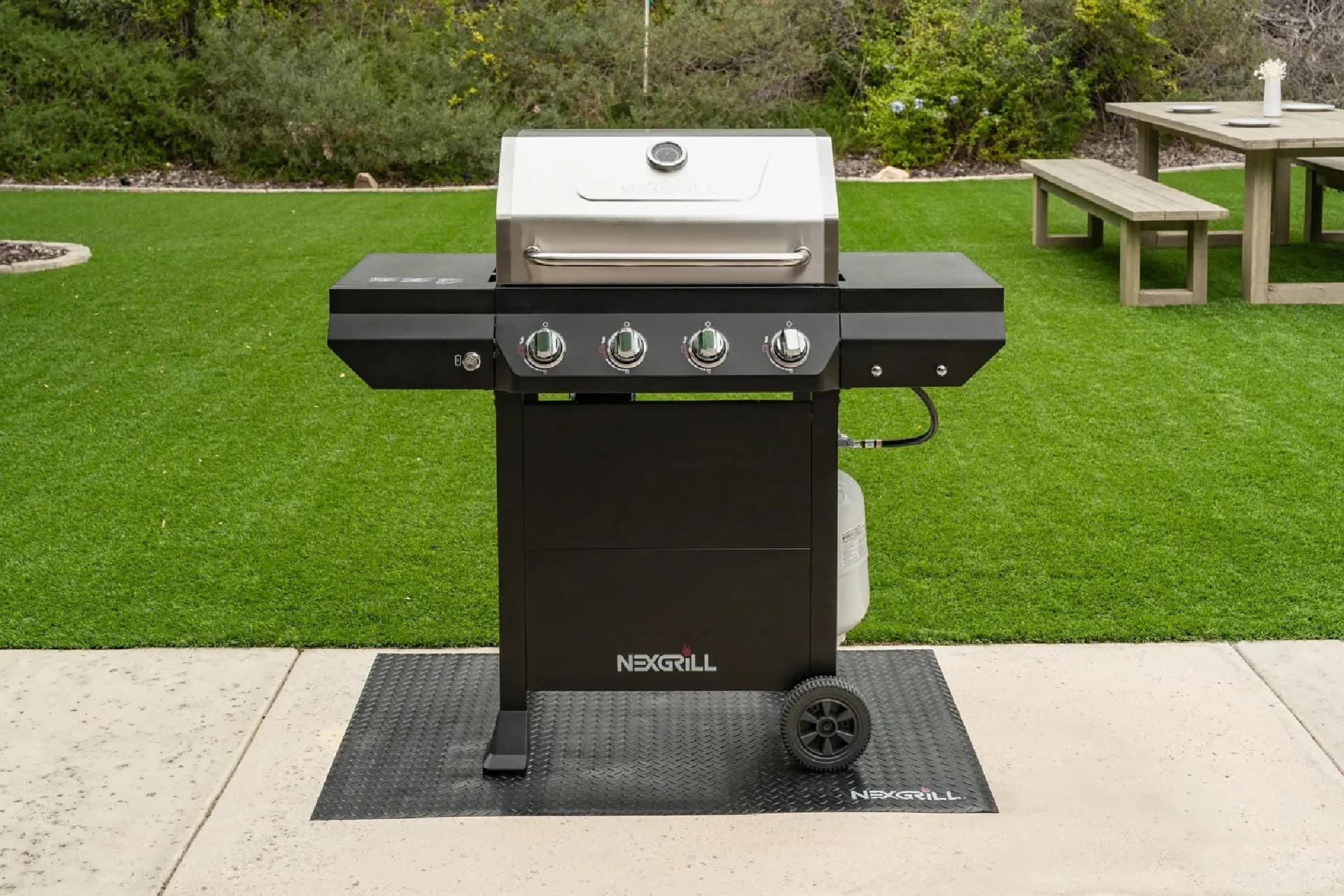
Implementing effective ventilation strategies involves several considerations. The first step is selecting an appropriate location for your grill. Ensure that it is placed in an open area, preferably outdoors, where air can circulate freely. Avoid positioning the grill near any flammable materials or in areas with poor air exchange.
If you are incorporating your grill into an outdoor kitchen, consider installing additional ventilation solutions such as vent hoods or fans. These can help draw air away from the cooking area, reducing the risk of gas accumulation and enhancing the overall grilling experience.
| Ventilation Feature | Purpose |
|---|---|
| Open Air Location | Allows natural airflow to disperse gas. |
| Vent Hoods | Extract fumes and improve air quality. |
| Fans | Enhance circulation and reduce gas buildup. |
Legal and Safety Regulations
When setting up any propane grill, it's important to adhere to local safety codes and regulations. Many jurisdictions have specific rules regarding the use of propane appliances in residential settings. These regulations are designed to protect residents from potential hazards associated with improper use of propane grills.
For example, some areas may prohibit the use of propane grills in high-rise apartments or require specific clearances from combustible structures. Checking with local authorities or a professional installer can help ensure compliance with these regulations.
Warning: Failure to comply with safety regulations can result in severe penalties and increase the risk of accidents.
Maintaining Your Grill's Ventilation System
Regular maintenance of your grill's ventilation system is crucial for sustained performance. Clean any grease buildup from vent hoods and fans, and inspect them periodically to ensure they are functioning correctly. Blockages or malfunctions can hinder airflow and lead to safety issues.
Regularly checking the connections and hoses for leaks can further enhance safety. Using a soapy water solution can help detect leaks, as bubbles will form if gas is escaping. Promptly addressing any issues with professional assistance is recommended to maintain the safe operation of your grill.