Discover the best compact electric grills for your outdoor adventures.
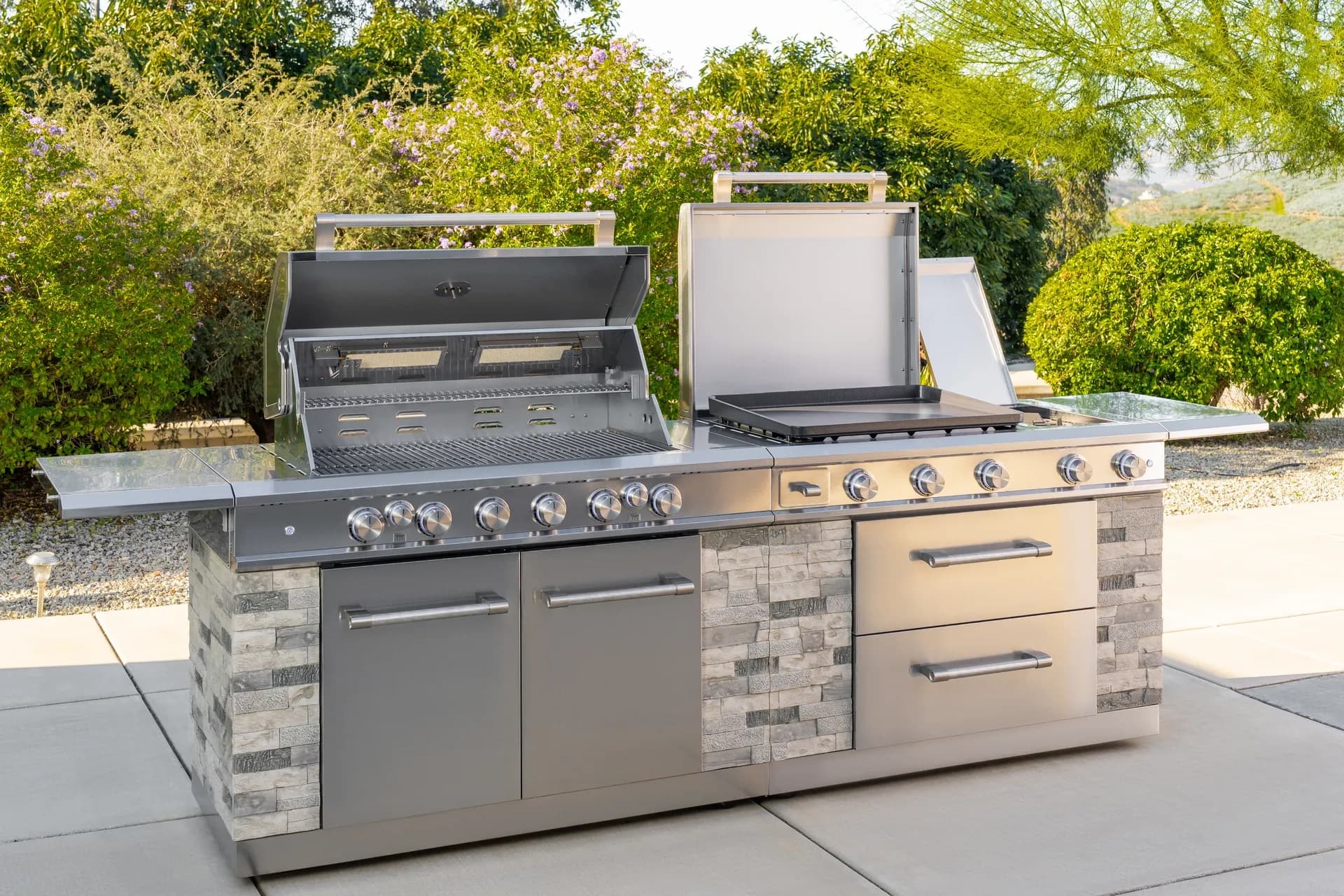
From sizzling breakfasts to smash burgers and teppanyaki-style dinners, the Daytona Pro 5 Burner NitroGuard™ Griddle delivers powerful heat, fast cooking, and a durable cooking surface built for every backyard cookout. Watch how easy outdoor cooking can be.
Here's what sets us apart from the competition
We position ourselves as delivering high-end outdoor cooking features and performance without premium-brand pricing, emphasizing “Quality Grills. Unbelievable Value.”
We offer gas grills, pellet grills, griddles, smokers, pizza ovens, portable/tabletop grills, electric grills, accessories, and replacement parts — allowing customers to stay within one ecosystem for all outdoor cooking needs.
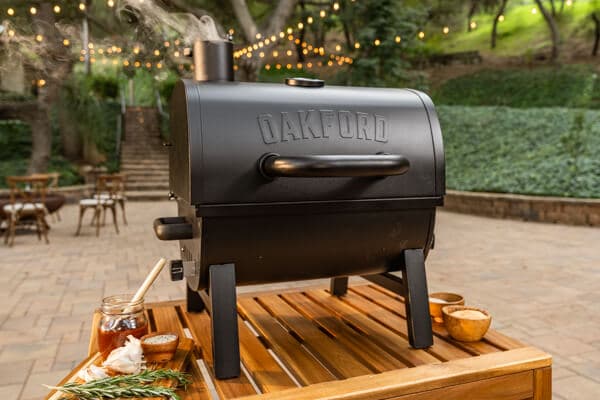
We differentiate ourselves through smart grilling products like the Oakford smart pellet grill, including app-connected cooking controls and modern outdoor cooking technology.
Expert tips, buying guides, comparisons, and inspiration for choosing and getting the most out of your grill.
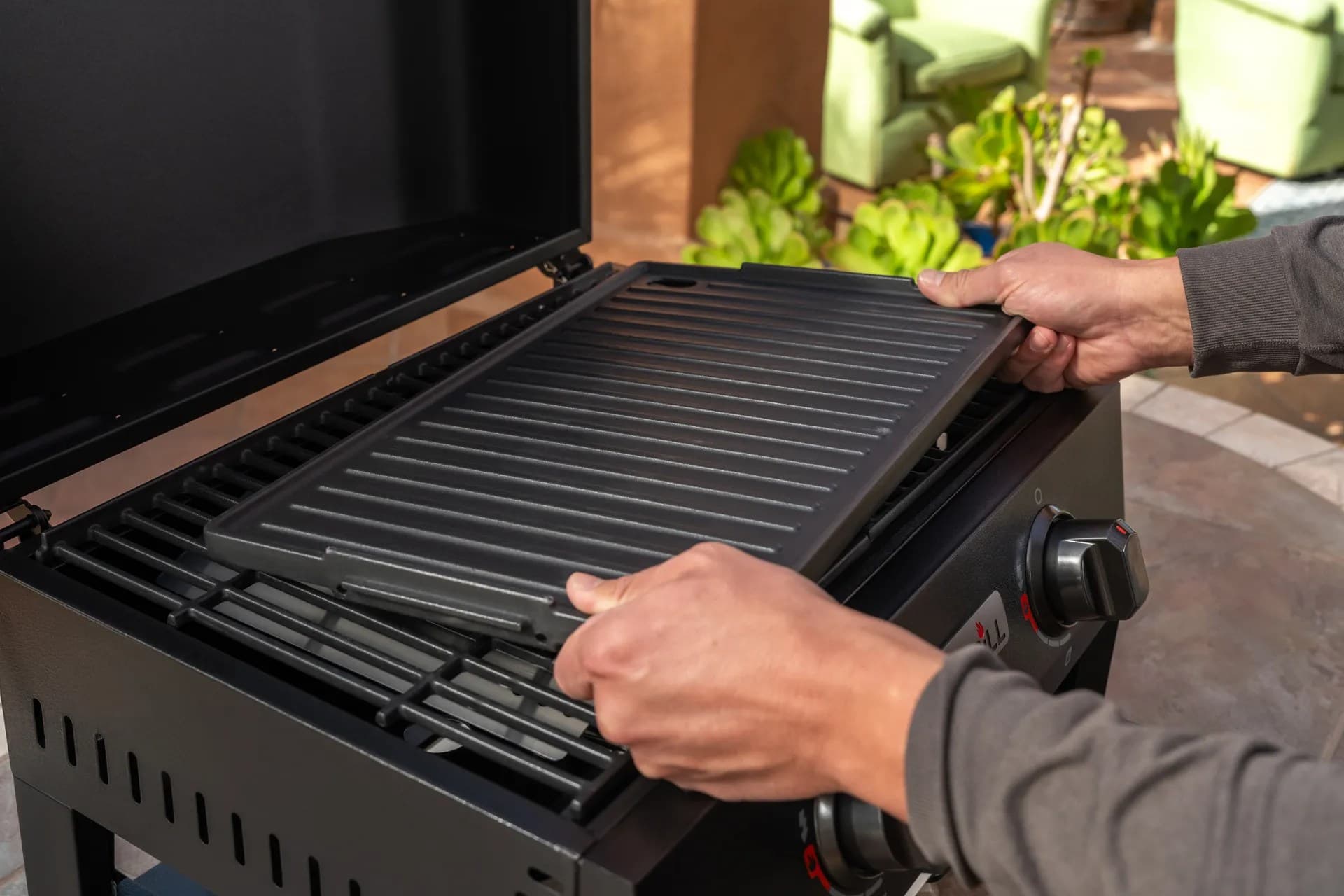
Practical guides for cleaning, maintenance, common grill issues, and performance optimization.
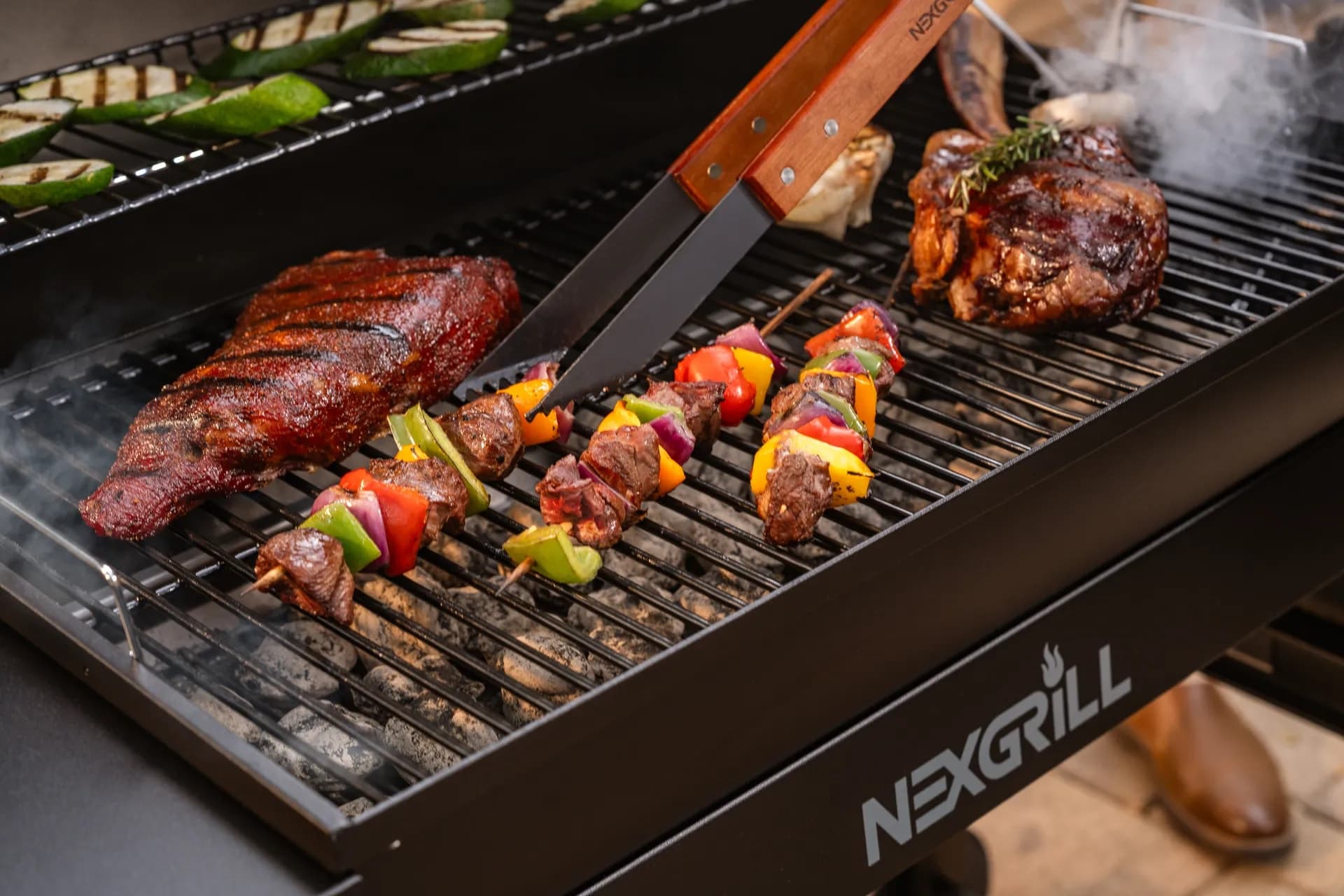
Step-by-step grilling recipes, cooking techniques, and meal ideas for every occasion and skill level.

Backyard entertaining ideas, seasonal grilling inspiration, and stories that celebrate outdoor cooking culture.
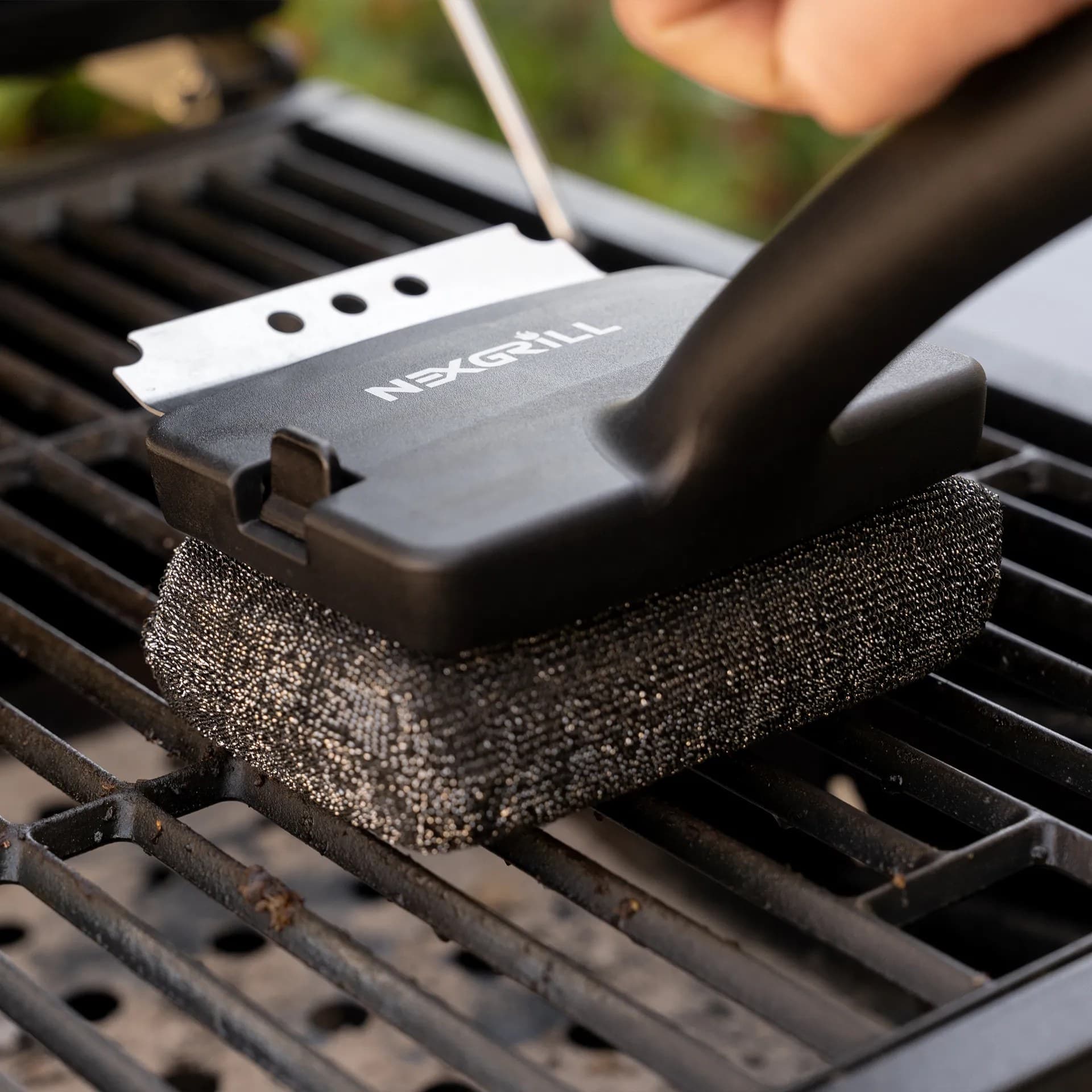
Helpful articles covering grilling tools, cookware, maintenance gear, and must-have accessories for outdoor cooking.
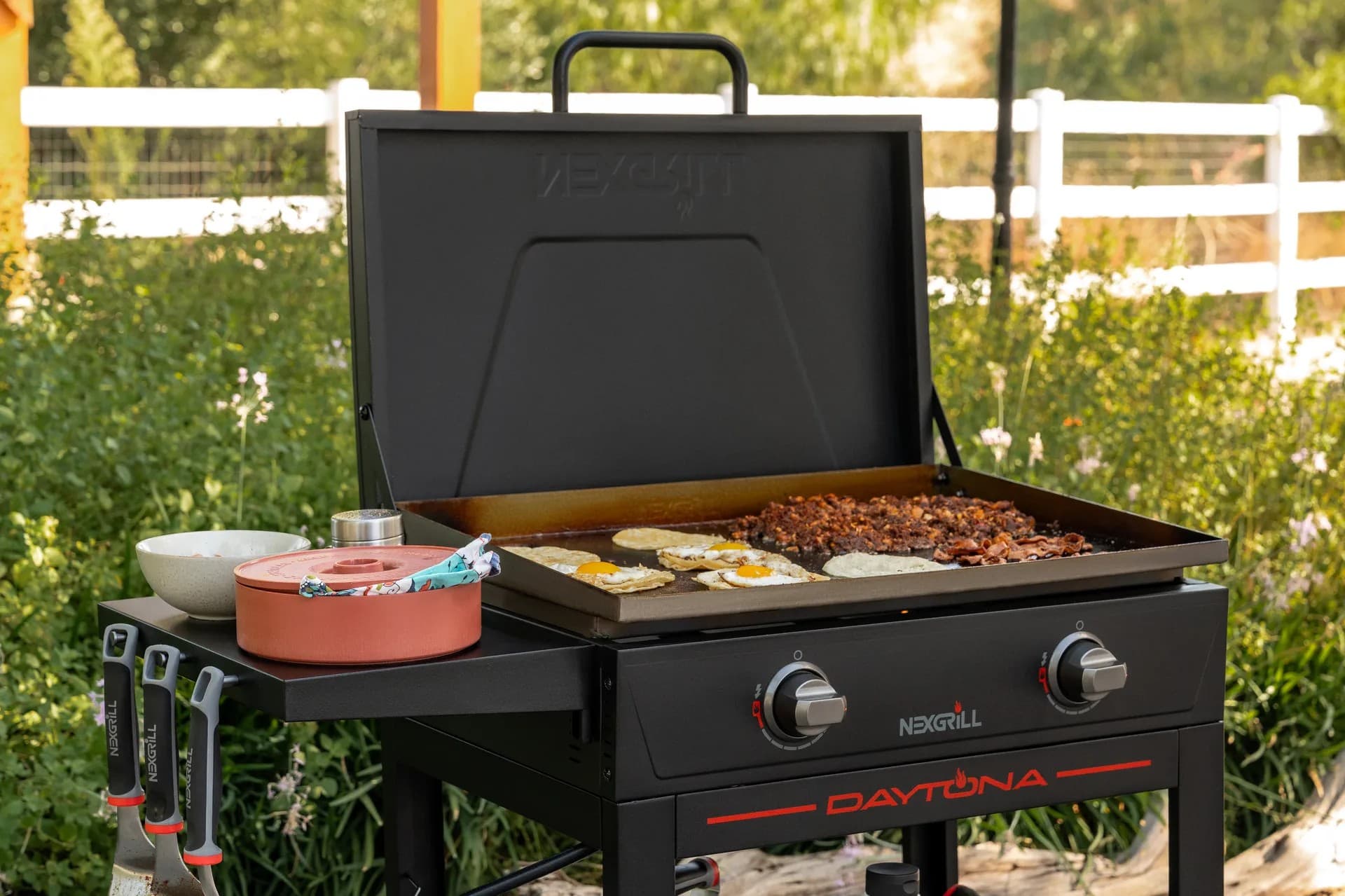
Find griddle recipes, cooking techniques, cleaning tips, and outdoor meal ideas designed for Nexgrill griddles.
Find answers to common questions
Gas grills provide instant heat and precise temperature control, making them easier to use. Charcoal grills offer a smoky flavor and high heat for searing but require more time to heat up and manage.
Pellet grills combine the convenience of gas with the flavor of wood, allowing for smoking, baking, and grilling. Traditional gas grills, however, are quicker to start and often easier to clean.
Charcoal grills typically reach higher temperatures quicker than gas grills, making them better for searing meat. However, high-quality gas grills can also provide adequate heat for effective searing.
Nexgrill offers models designed specifically for gas, charcoal, and pellets, allowing users to choose based on their cooking style and flavor preferences. Each type is built to optimize the characteristics of its respective fuel.
Choosing between gas and charcoal grills depends on your cooking preferences and lifestyle. If you value convenience and quick cooking, a gas grill may suit you better; if you prefer the taste and experience of traditional grilling, a charcoal grill would be ideal.
In This Article
Portability Matters
Safety First
Top Models Compared
A compact electric grill can make camping feel easier, cleaner, and more flexible without giving up the fun of cooking outdoors. For campers who stay at RV parks, cabins with hookups, or sites that provide electrical access, a small electric grill can be a practical alternative to propane or charcoal. The appeal is simple: plug in, preheat, cook, and clean up with less ash, less fuel handling, and less setup time. That convenience matters when your goal is to spend more time around the table and less time managing fire or heavy equipment. Nexgrill’s brand philosophy centers on approachable outdoor cooking that brings people together, and that spirit fits camping well: a grill should help the meal happen, not become the main event.
What makes this category distinct is that camping use changes the buying rules. The best compact electric grill for camping is not always the one with the biggest cooking area or the most elaborate features. It is the one that balances portability, wattage, cord length, heat control, and durability in a package that works in real travel conditions. A grill that looks small on a product page may still be awkward to pack if it has a wide base or a bulky lid. Likewise, a lightweight unit may disappoint if it cannot recover heat after you open the lid to turn food. For camping, the right compromise is usually a grill that is easy to carry, quick to clean, and stable enough to sit on a picnic table or outdoor prep surface.
This guide takes a camping-first view of compact electric grills. Instead of focusing on price alone or using a generic beginner’s checklist, it looks at how size, heat output, and usability affect actual campsite cooking. You will see which models make sense for solo travelers, couples, and small groups, and where an electric grill fits compared with a traditional portable gas or charcoal setup. That perspective is especially useful if you are choosing a grill for weekend trips, seasonal camping, or a travel trailer where convenience often matters more than smoke flavor or maximum BTU output.
Camping use changes the priorities: a compact electric grill should be judged first on portability and stable heat, then on cooking size and add-on features.
The most important feature in a camping grill is not just how small it is, but how well it fits into a travel routine. Start with overall dimensions and weight. A compact tabletop grill is usually easier to pack into an RV or carry from car to campsite than a larger cart-style model. But the footprint should still leave enough room for food prep and safe placement. If your campsite table is narrow or shared, a slimmer body with short side overhangs is easier to manage. Weight matters too because camping gear adds up quickly; even a difference of a few pounds can change whether you bring the grill on every trip or leave it at home.
Wattage is the second feature to study closely. In an electric grill, wattage affects how quickly the unit heats up and how well it recovers after food is added. Smaller tabletop models may be convenient, but if the wattage is too low for the cooking surface, the grill can struggle with searing or cooking for more than two people. For camping, the sweet spot is usually a grill that can hold a steady temperature without demanding constant attention. A grill with an adjustable thermostat is valuable because campsite weather can change quickly, especially in the evening or at higher elevation where ambient temperatures drop.
Material choices also matter. A grill with a sturdier lid, heat-resistant handles, and easy-to-wipe surfaces will hold up better during repeated travel. Nonstick surfaces can be useful for cleanup, though they need careful handling with the right utensils. Removable cooking plates or drip trays are particularly helpful because camping cleanup is rarely as convenient as at home. Cord management is another overlooked detail. If the power cord is too short, you may need extension planning that can be inconvenient at a campsite. If the cord is permanently awkward to store, packing becomes more frustrating than it should be.
| Feature | Why it matters for camping |
|---|---|
| Compact footprint | Fits picnic tables, RV storage, and small prep areas more easily. |
| Wattage | Helps determine warm-up time and heat recovery after opening the lid. |
| Adjustable thermostat | Improves control for burgers, vegetables, fish, and delicate foods. |
| Removable parts | Makes campsite cleanup faster and less messy. |
| Cord length and storage | Affects how easily the grill connects to available power and packs away. |
The best camping models balance a small footprint with enough heat to cook real meals, not just snacks.
Electric grills earn their place in camping gear because they reduce friction. There is no propane tank to refill, no charcoal chimney to light, and no ash to dump before breaking camp. That simplicity is useful for families who want a predictable dinner plan after a day on the trail or for travelers who arrive late and do not want to spend extra time getting a flame started. An electric grill also creates a more controlled cooking environment, which is reassuring for newer campers who are still learning how to manage outdoor cooking equipment.
Another benefit is cleaner flavor control. Because electric grills do not rely on smoke-heavy fuel sources, they are better suited to foods where you want the ingredient itself to stay front and center. Think marinated chicken thighs, salmon fillets, sliced zucchini, corn, or breakfast sandwiches. In camping settings where you are already cooking in a compact environment, less smoke and fewer open flames can make the whole experience feel calmer. That said, an electric grill is not a replacement for every outdoor cooking style. It is best viewed as a convenience-focused tool for consistent everyday meals, especially when your campsite setup includes power access.
For RV travelers and glampers, electric grilling can also fit into a broader campsite workflow. You can keep the cooking surface at a manageable temperature while using other appliances or preparing side dishes nearby. For small groups, that means easier timing; for solo travelers, it means less equipment to monitor. Nexgrill’s customer-friendly brand posture aligns well with this practical approach to outdoor cooking, where accessibility and togetherness matter more than theatrics. In the camping context, the grill’s job is to help people eat well with less hassle, and electric models do that particularly well when the setup allows it.
If your campsite offers reliable electric service, a compact electric grill can simplify meals without the mess of charcoal or the fuel logistics of propane.
Once you narrow the field to compact electric grills, the real question becomes how each model handles campsite realities. Below is a comparison of three well-known options that illustrate different camping priorities: a household grill with a strong reputation for even heating, a compact 12-volt travel-style option, and a simpler electric grill lineup that may appeal to budget-minded buyers who want fewer frills. The right pick depends less on brand name alone and more on how you camp.
| Model | Camping strength | Trade-off | Best fit |
|---|---|---|---|
| Weber Q1400 Electric Grill | Known for a sturdy build and a compact footprint that works well on a patio or campsite table. | Best when you have dependable electrical access and can accept a slightly less travel-first shape. | Campers who want a proven electric grill with stronger cooking confidence. |
| BougeRV 12V Electric Grill | Designed around travel use and power flexibility, which can be useful for road trips and vehicle-based camping. | A 12-volt setup is more specialized, so it is best matched to the right vehicle or off-grid power plan. | Overlanders, van campers, and travelers who plan around vehicle power. |
| Elite Gourmet Electric Grills | Offers a straightforward entry point for buyers who want a simple small electric grill category. | May be more basic in construction and cooking space than premium portable options. | Casual campers who want an easy-to-use, lower-commitment option. |
A useful way to think about these models is by campsite style. The Weber Q1400 makes sense when you want a grill that feels closer to a home-cooking appliance but can still travel with you. It is the most reassuring choice for campers who value stable cooking results and do not mind a slightly less specialized travel setup. The BougeRV 12V unit is different: it is more niche, but that niche is valuable for road-based camping, where vehicle power or a specific off-grid arrangement can make the grill easier to integrate. Elite Gourmet models tend to appeal to buyers who are entering the category and want to keep the learning curve low while still cooking outdoors.
Match the power source before you fall in love with the grill. A compact unit is only useful if your campsite or vehicle setup can actually support it.
Try comparing two products side by side below to see which fits best:
Once you have compared two options, the next step is choosing the grill that fits the way you actually camp. That decision starts with power access. A compact electric grill is only practical if your site, cabin, or RV setup can support it. Before buying, confirm whether you will have standard campground power, an inverter setup, or another source that can handle the grill’s electrical demands. Campers sometimes focus on size first, but power compatibility is the gatekeeper. If the power plan is uncertain, the grill will stay in the box more often than not.
Group size is another useful filter. For solo camping or couples, a small electric grill can be ideal because you can cook in stages without needing a large surface. For families, look for a grill with enough area to handle multiple burgers, chicken pieces, or vegetables at once. If your meals often involve mixed foods, choose a model with a steady thermostat rather than a high-heat-only unit. That makes it easier to move from searing to finishing without overcooking the outside. Campers who like breakfast service should pay attention to recovery time, because eggs, bacon, and pancakes often demand lower, more even heat than steak night.
Think about where the grill will live during transport. A grill stored inside an RV cabinet, truck bed bin, or gear tote should have a durable lid latch or a shape that will not snag easily on other equipment. Also consider whether you need a grill that can double for patio use at home. If so, it may be worth choosing a slightly larger unit that still qualifies as compact but gives you better home versatility. If camping is your primary use, prioritize weight and ease of cleanup over extras you will rarely use.
A camping grill should be chosen for the trip you take most often, not the trip you imagine once a year.
If you are an RV traveler or frequent campground visitor with dependable electrical access, choose a compact electric grill with a stable base, adjustable heat, and removable parts for easier cleanup. If you camp from a vehicle and want a more specialized travel solution, a 12-volt model can make sense, but only if your power setup is already planned around it. If you are a casual weekend camper who wants to test the category without overcommitting, a simpler electric grill line is often the easiest starting point because it keeps setup and learning manageable.
Safety matters more with electric grills because you are combining electricity with an outdoor environment. Start by placing the grill on a flat, stable surface away from puddles, loose fabric, and foot traffic. Never set it where rain can reach the unit directly. Even if the grill has some weather resistance, it should still be treated like an appliance that belongs under cover. Use a grounded outlet that can handle the grill’s load, and avoid stretching cords across walkways where they can be tripped over or damaged.
It is also smart to keep the cooking area uncluttered. Campsites often become crowded with chairs, coolers, and gear, but the grill zone should stay open so you can move safely while food is hot. If you are using an extension cord, make sure it is rated appropriately for outdoor use and long enough that it is not pinched under table legs or RV doors. Never leave the grill unattended for long periods, especially in windy conditions where paper plates, towels, or packaging could shift near the cooking surface. Electric grills eliminate open flame, but they do not eliminate heat risk.
Treat cords as part of the safety system. Damage to the cord, plug, or outlet can turn a convenient setup into a hazard quickly.
Good maintenance begins the moment cooking ends. Let the grill cool fully before moving or wiping it down. Remove food residue from the grate or cooking surface while it is still manageable, then empty any drip tray so grease does not harden inside the unit. If your model has detachable parts, wash them according to the manufacturer’s instructions and dry them thoroughly before packing. Camping conditions can leave moisture inside storage bins, so putting away a damp grill can create unnecessary wear over time.
For travel care, keep the grill in a protective bag or a dedicated bin so it is not scratched by cookware or campsite tools. Before each trip, inspect the cord, plug, and surface condition. A quick pre-trip check is one of the easiest ways to avoid a problem once you are already at the campsite. If the grill has a nonstick coating, use soft utensils and avoid metal tools that can damage the finish. A little prevention goes a long way because electric grills are easiest to enjoy when cleanup remains simple.
Pack the grill dry, store the cord neatly, and clean the cooking surface after every trip to keep the unit camping-ready.
A compact electric grill for camping is a smart choice when you want portable outdoor cooking without the hassle of fuel canisters, ash cleanup, or a complicated firing process. The best models combine the right level of wattage, a campsite-friendly size, and simple maintenance features that make cooking feel easy rather than technical. For electric-only campgrounds, RV travel, or small-group meals, this category can be one of the most practical ways to cook outside.
If you choose based on power access, group size, and the meals you actually cook, you will end up with a grill that earns its place in your gear rather than taking up room. Compare the build, the heat control, and the cleaning process before you buy, and you will be much more likely to enjoy repeat use on every trip.
Here's what sets us apart
We position ourselves as delivering high-end outdoor cooking features and performance without premium-brand pricing, emphasizing “Quality Grills. Unbelievable Value.”
We offer gas grills, pellet grills, griddles, smokers, pizza ovens, portable/tabletop grills, electric grills, accessories, and replacement parts — allowing customers to stay within one ecosystem for all outdoor cooking needs.
We differentiate ourselves through smart grilling products like the Oakford smart pellet grill, including app-connected cooking controls and modern outdoor cooking technology.
Don't just take our word for it
Keep reading
From our catalog