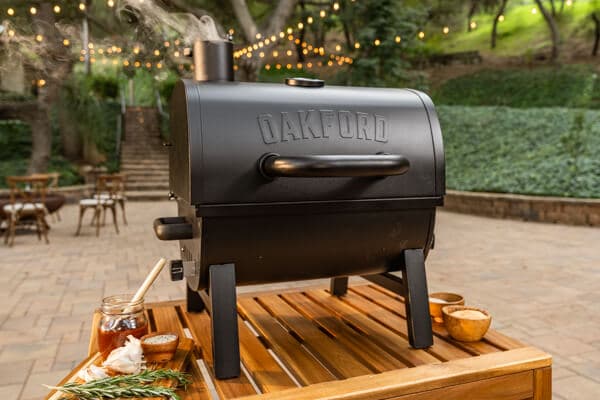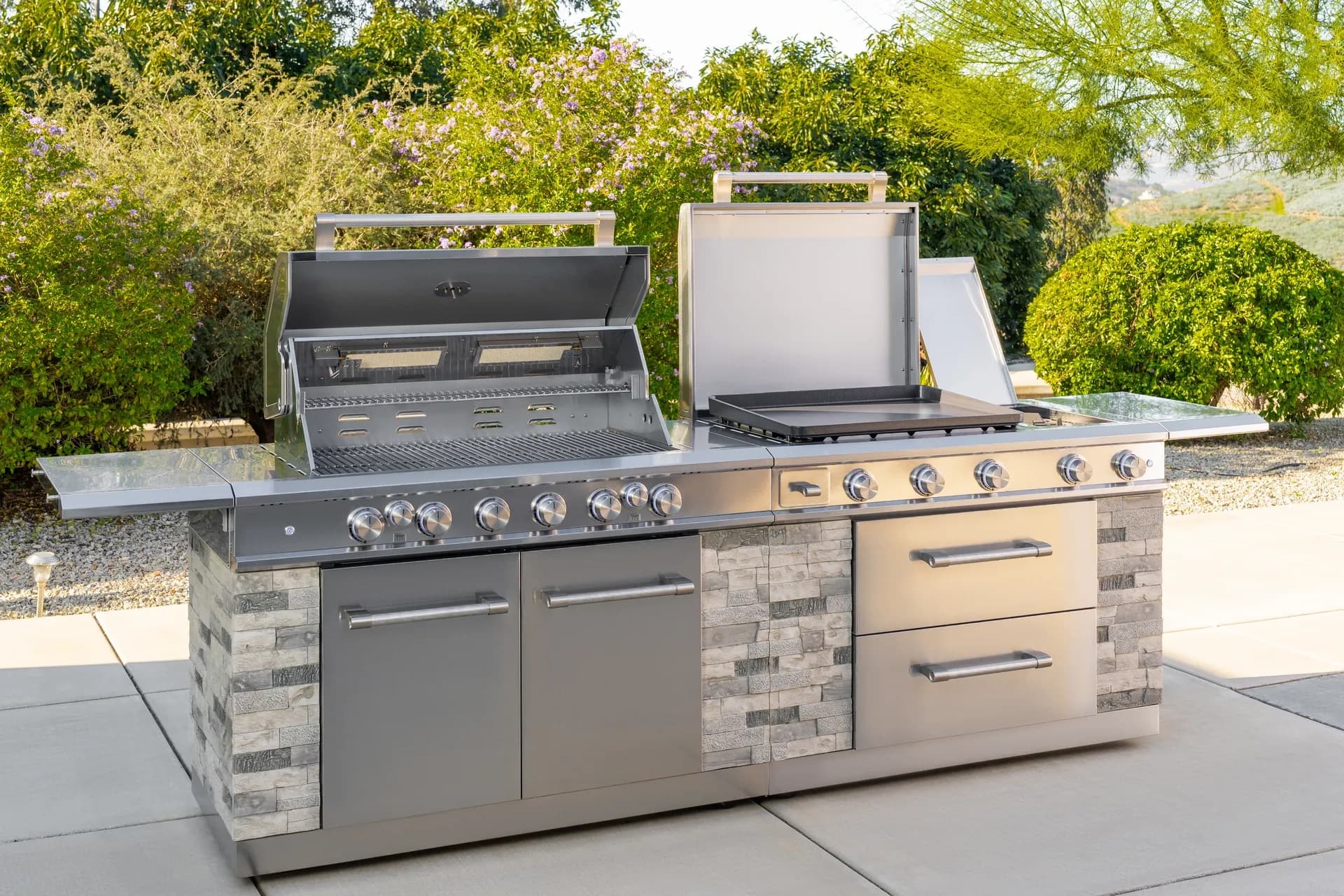
Explore the distinct features and benefits of charcoal and gas grills to elevate your grilling experience.
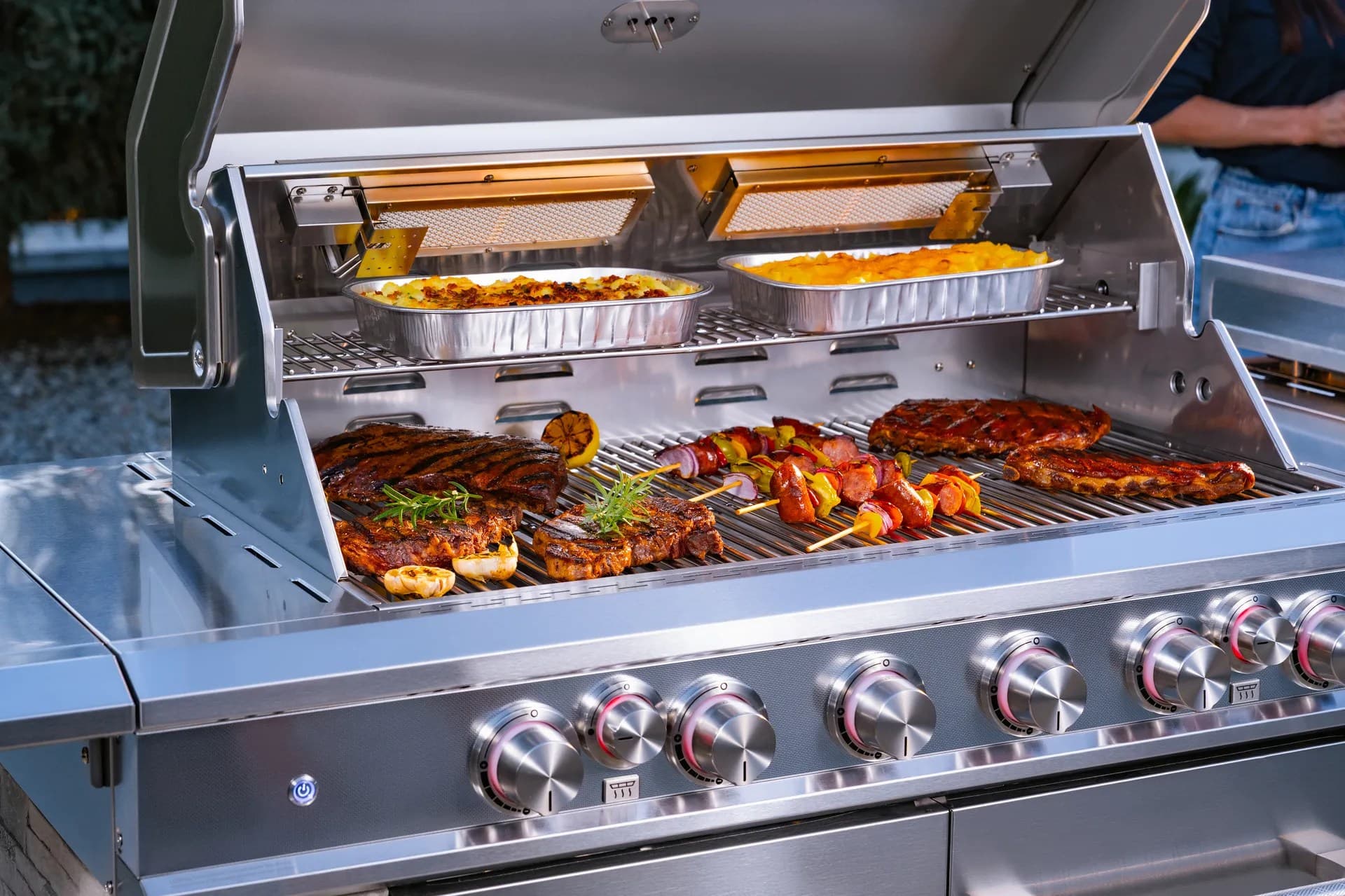
From sizzling breakfasts to smash burgers and teppanyaki-style dinners, the Daytona Pro 5 Burner NitroGuard™ Griddle delivers powerful heat, fast cooking, and a durable cooking surface built for every backyard cookout. Watch how easy outdoor cooking can be.
Here's what sets us apart from the competition
We position ourselves as delivering high-end outdoor cooking features and performance without premium-brand pricing, emphasizing “Quality Grills. Unbelievable Value.”
We offer gas grills, pellet grills, griddles, smokers, pizza ovens, portable/tabletop grills, electric grills, accessories, and replacement parts — allowing customers to stay within one ecosystem for all outdoor cooking needs.
We differentiate ourselves through smart grilling products like the Oakford smart pellet grill, including app-connected cooking controls and modern outdoor cooking technology.
Expert tips, buying guides, comparisons, and inspiration for choosing and getting the most out of your grill.
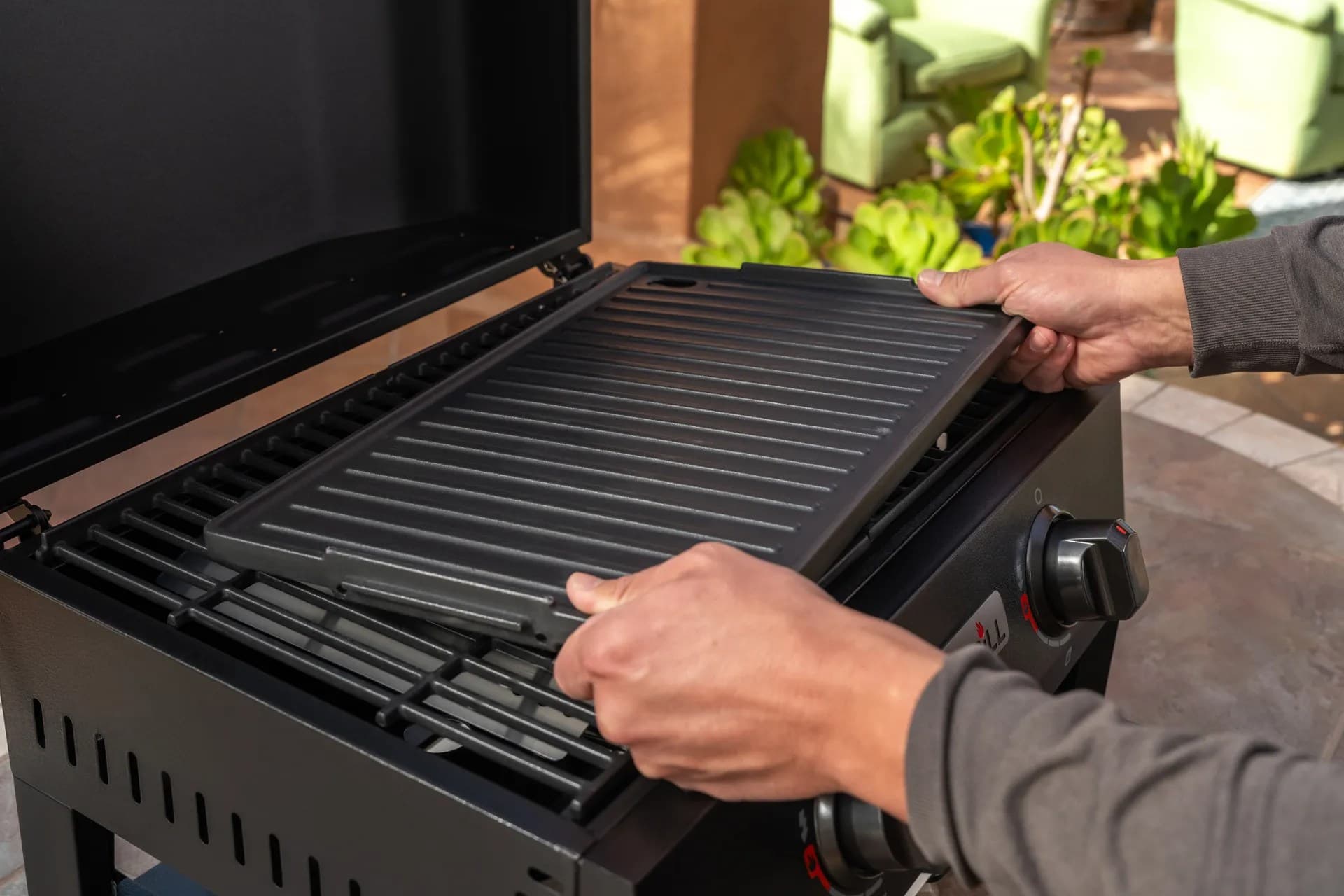
Practical guides for cleaning, maintenance, common grill issues, and performance optimization.
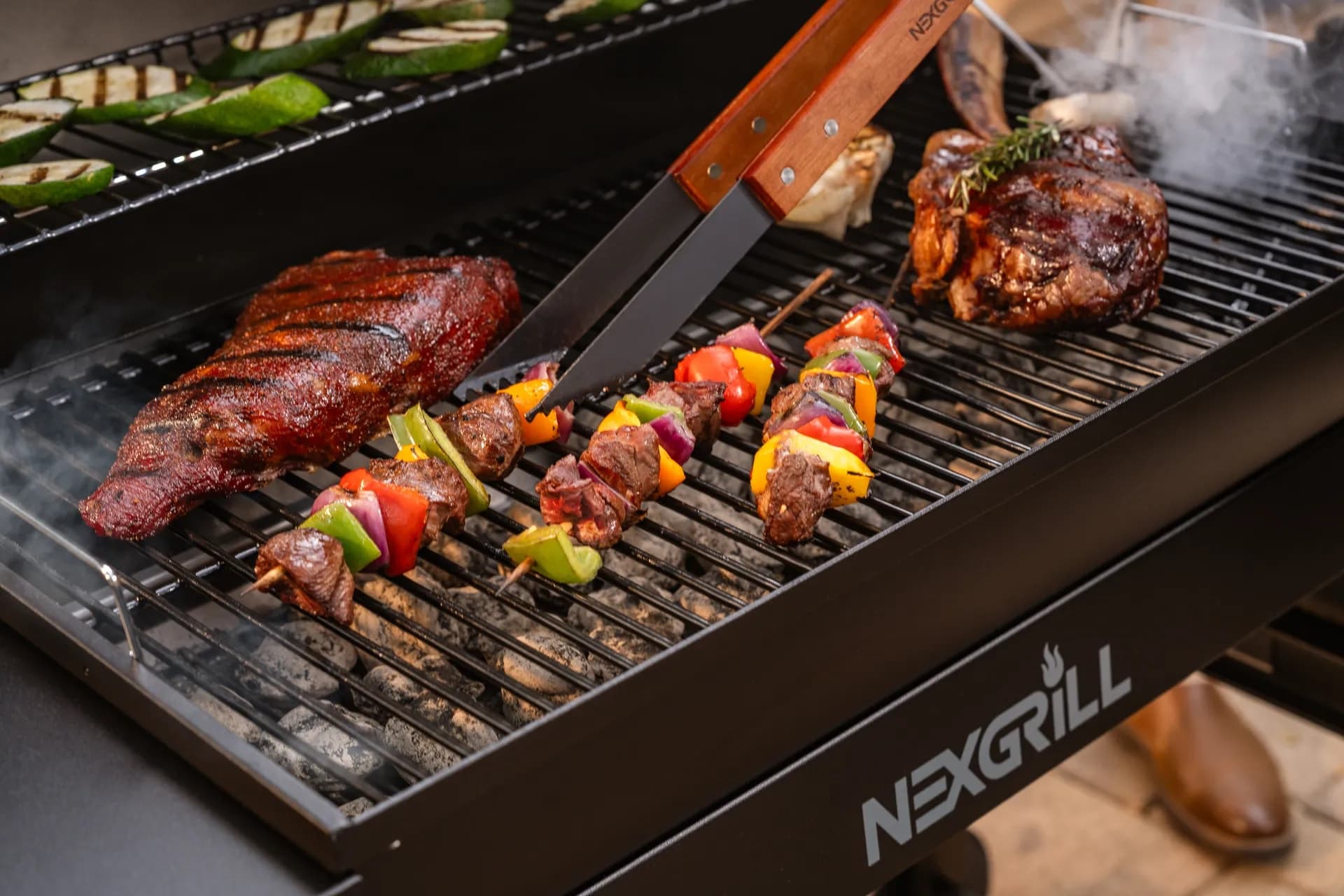
Step-by-step grilling recipes, cooking techniques, and meal ideas for every occasion and skill level.

Backyard entertaining ideas, seasonal grilling inspiration, and stories that celebrate outdoor cooking culture.
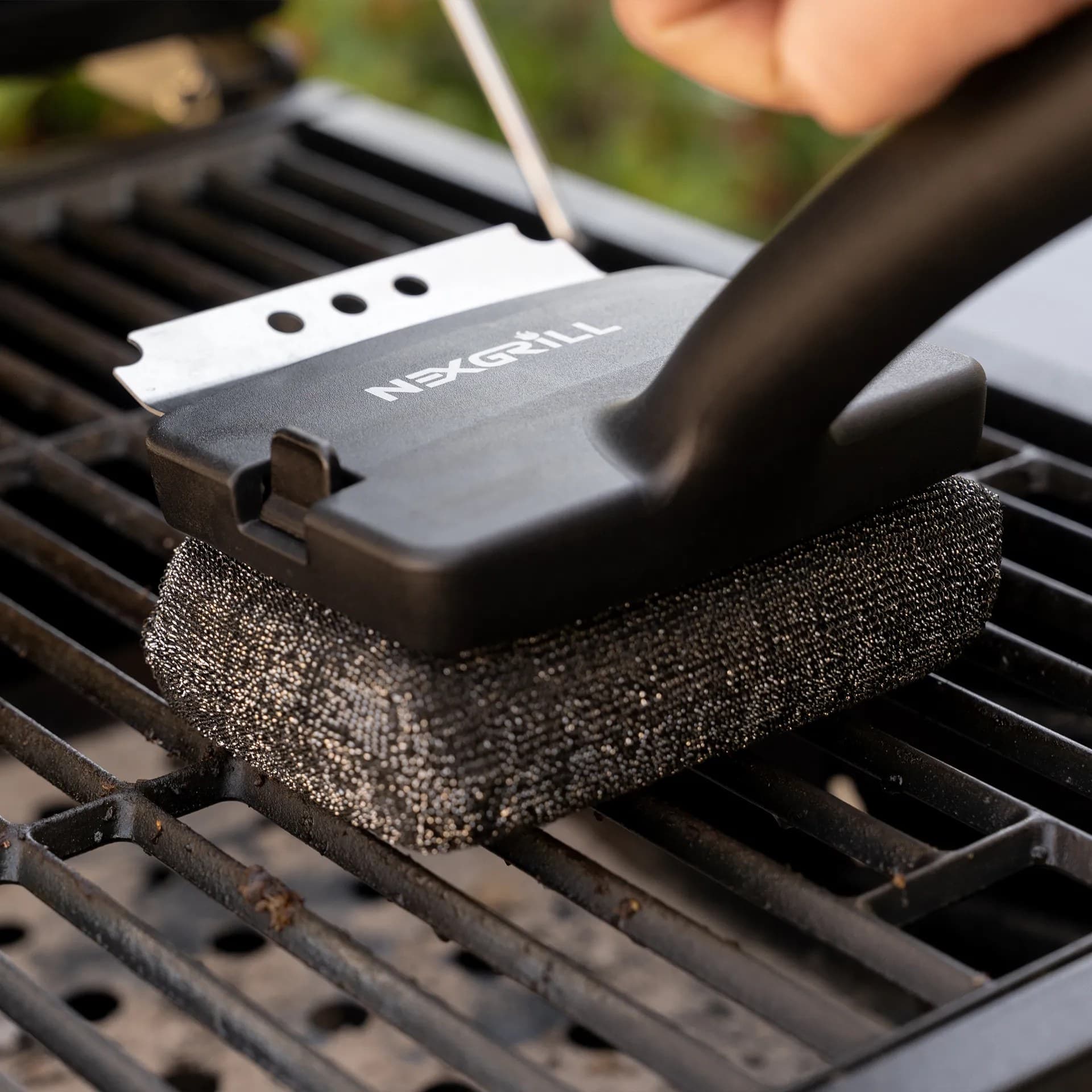
Helpful articles covering grilling tools, cookware, maintenance gear, and must-have accessories for outdoor cooking.
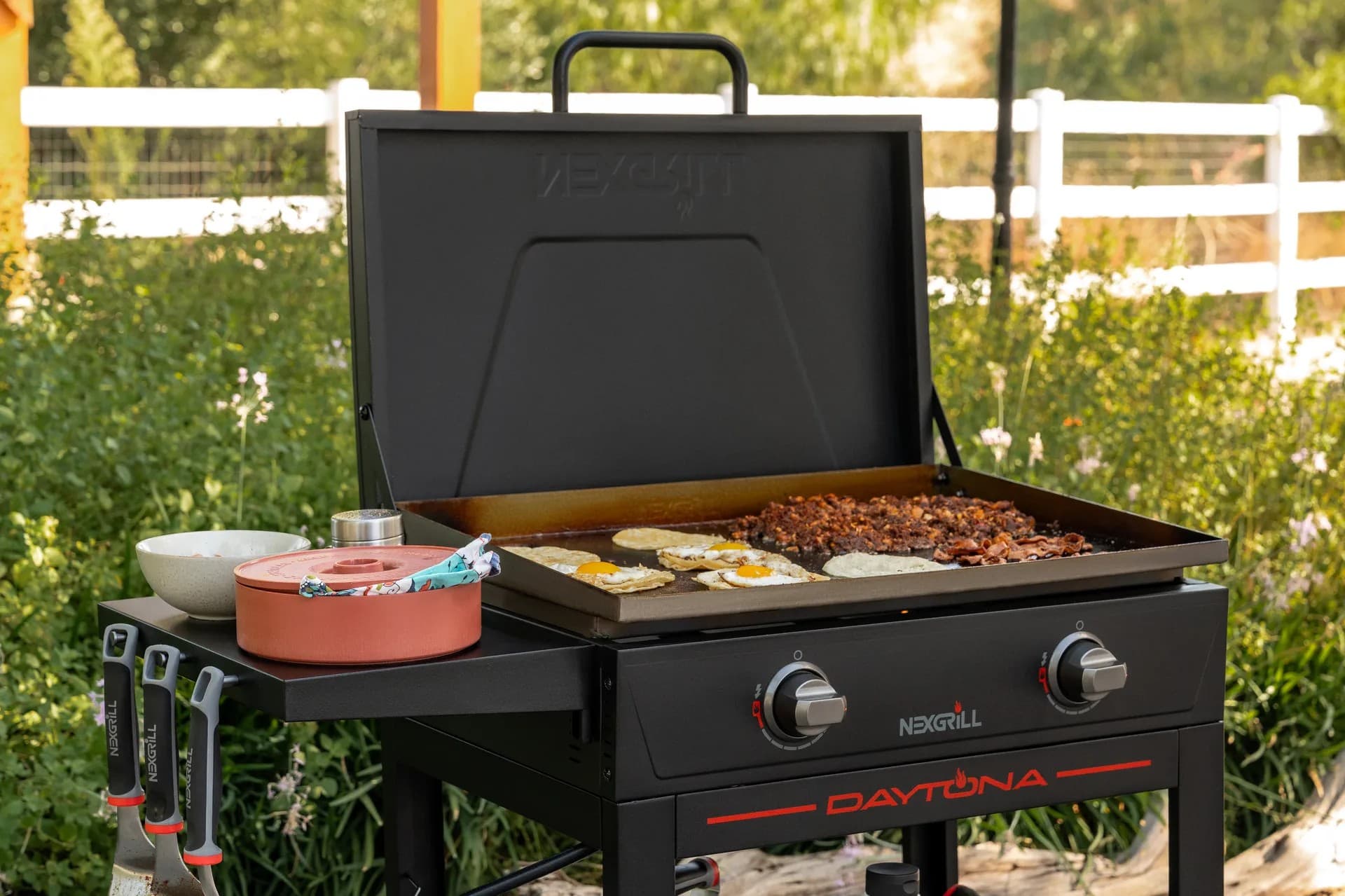
Find griddle recipes, cooking techniques, cleaning tips, and outdoor meal ideas designed for Nexgrill griddles.
Find answers to common questions
Gas grills provide instant heat and precise temperature control, making them easier to use. Charcoal grills offer a smoky flavor and high heat for searing but require more time to heat up and manage.
Pellet grills combine the convenience of gas with the flavor of wood, allowing for smoking, baking, and grilling. Traditional gas grills, however, are quicker to start and often easier to clean.
Charcoal grills typically reach higher temperatures quicker than gas grills, making them better for searing meat. However, high-quality gas grills can also provide adequate heat for effective searing.
Nexgrill offers models designed specifically for gas, charcoal, and pellets, allowing users to choose based on their cooking style and flavor preferences. Each type is built to optimize the characteristics of its respective fuel.
Choosing between gas and charcoal grills depends on your cooking preferences and lifestyle. If you value convenience and quick cooking, a gas grill may suit you better; if you prefer the taste and experience of traditional grilling, a charcoal grill would be ideal.
In This Article
Charcoal Grill Flavor
Gas Grill Convenience
Cost and Maintenance
Charcoal grills have long been revered by grilling enthusiasts for the unique flavor they impart to food. The smoky, rich taste that charcoal grilling provides is hard to replicate with other types of grills. At the core of the charcoal grilling experience is the use of charcoal briquettes or lump charcoal, which form the foundation of the heat source. These grills are typically more affordable than their gas counterparts, making them an appealing option for those who want to achieve authentic barbecue flavors without breaking the bank.
One of the defining features of charcoal grills is their ability to reach very high temperatures, which is ideal for searing meats to lock in juices and flavors. The simplicity of design and operation is another advantage, as there are no complex parts that might require frequent maintenance or repairs. However, charcoal grills do demand a bit more time and effort in terms of preparation and cleanup, as starting the fire and waiting for the coals to reach the appropriate temperature can be time-consuming.
Tip: Using a chimney starter can significantly speed up the process of getting your charcoal grill ready.
When selecting a charcoal grill, consider the size and portability that best suits your needs. Smaller, portable models are ideal for camping and picnics, while larger grills with more cooking space are better for backyard barbecues. The material and build quality are also important, as grills made with heavy-duty materials will last longer and withstand the elements better. Look for models with adjustable grates and vents for better temperature control.
| Feature | Charcoal Grill |
|---|---|
| Flavor | Rich, smoky taste |
| Temperature Control | Manual via vents |
| Setup Time | Longer, requires charcoal preparation |
Gas grills offer a different set of advantages, primarily centered around convenience and ease of use. They are equipped with burners powered by propane or natural gas, allowing for quick start-up and precise temperature control, which is particularly beneficial for those who prefer a straightforward grilling process. Gas grills are often favored for their ability to maintain consistent heat, making them ideal for cooking a variety of foods with minimal supervision.
The design of gas grills can range from compact, portable models to large, feature-rich units with multiple burners and additional functions such as side burners and rotisserie attachments. This versatility makes them suitable for both novice grillers and seasoned pros seeking a reliable cooking companion. While gas grills may lack the deep smoky flavor of charcoal, they compensate with their speed and efficiency.
Info: Gas grills are often equipped with a built-in thermometer for accurate temperature monitoring.
When choosing a gas grill, consider the number of burners and total cooking area, as these will influence your ability to cook multiple dishes at once. For those who enjoy experimenting with different cooking techniques, models with side burners or sear stations can offer added versatility. Durability is another key factor, so look for grills with stainless steel or cast iron components that can withstand frequent use and outdoor conditions.
| Feature | Gas Grill |
|---|---|
| Ignition | Instant via burners |
| Temperature Control | Precise with knobs |
| Setup Time | Faster, ready in minutes |
Ultimately, the choice between a charcoal and a gas grill will depend on your personal preferences and lifestyle. If you cherish the traditional barbecue experience and have the time to invest in preparation, a charcoal grill might be your ideal choice. For those who value convenience and efficiency, a gas grill offers a hassle-free cooking experience with plenty of modern features to explore.
Consider how often you plan to grill, the types of foods you enjoy cooking, and the level of flavor you wish to achieve. By understanding the strengths and limitations of each type, you can make an informed decision that enhances your outdoor cooking adventures.
To maximize the potential of your charcoal grill, it's essential to master the art of fire management. Begin by arranging the charcoal in a pyramid or using a chimney starter to ensure even ignition. Control the airflow through the vents to maintain the desired cooking temperature, and consider using a combination of direct and indirect heat zones to accommodate different types of food.
Experiment with different types of wood chips, such as hickory or mesquite, to add layers of flavor to your grilled dishes. While the cleanup process involves removing ash and debris, investing in tools like a grill brush and ash vacuum can streamline this task, making it less daunting over time.
Warning: Always ensure the grill is completely cool before cleaning and handling ash to prevent accidental burns.
Gas grills offer a wealth of features that can enhance your outdoor cooking. Utilize the precise temperature controls to explore diverse cooking methods such as slow roasting, grilling, and baking. Side burners provide an additional cooking surface for preparing side dishes or sauces while your main course is grilling.
To add a smoky flavor to your gas-grilled foods, consider using a smoker box or a foil pouch filled with wood chips. Regular maintenance, such as checking burner tubes and cleaning the grates, will ensure your gas grill remains in optimal condition for years to come.
Tip: Keeping your grill covered when not in use can protect it from the elements and extend its lifespan.
When comparing costs, it's important to consider both the initial investment and ongoing expenses. Charcoal grills are typically less expensive upfront, but the cost of charcoal can add up over time. Gas grills, on the other hand, may require a higher initial investment, but propane or natural gas refills are generally more cost-effective in the long run.
Maintenance is another factor to consider. Gas grills require regular cleaning of burners and checking of connections to ensure safety and performance. Charcoal grills, while simpler in design, necessitate frequent ash removal and grate cleaning to maintain efficiency and flavor quality.
| Aspect | Charcoal Grill | Gas Grill |
|---|---|---|
| Initial Cost | Lower | Higher |
| Fuel Cost | Higher over time | Lower over time |
| Maintenance | Moderate | Regular |
Both charcoal and gas grills offer unique benefits and potential drawbacks. Choosing the right one depends on your personal preferences, cooking style, and lifestyle. Charcoal grills are perfect for those who enjoy the traditional barbecue flavor and are willing to put in the time and effort required. Gas grills are ideal for those who prioritize convenience and versatility.
Consider your budget, space, and how often you plan to grill. By weighing these factors, you can select a grill that will provide years of enjoyment and delicious meals. Whether you choose charcoal or gas, the key is to embrace the art of grilling and create memorable experiences for yourself and your loved ones.
Here's what sets us apart
We position ourselves as delivering high-end outdoor cooking features and performance without premium-brand pricing, emphasizing “Quality Grills. Unbelievable Value.”
We offer gas grills, pellet grills, griddles, smokers, pizza ovens, portable/tabletop grills, electric grills, accessories, and replacement parts — allowing customers to stay within one ecosystem for all outdoor cooking needs.
We differentiate ourselves through smart grilling products like the Oakford smart pellet grill, including app-connected cooking controls and modern outdoor cooking technology.
Don't just take our word for it
Keep reading
From our catalog