Discover the benefits of reverse flow smoking and how to choose the perfect grill.
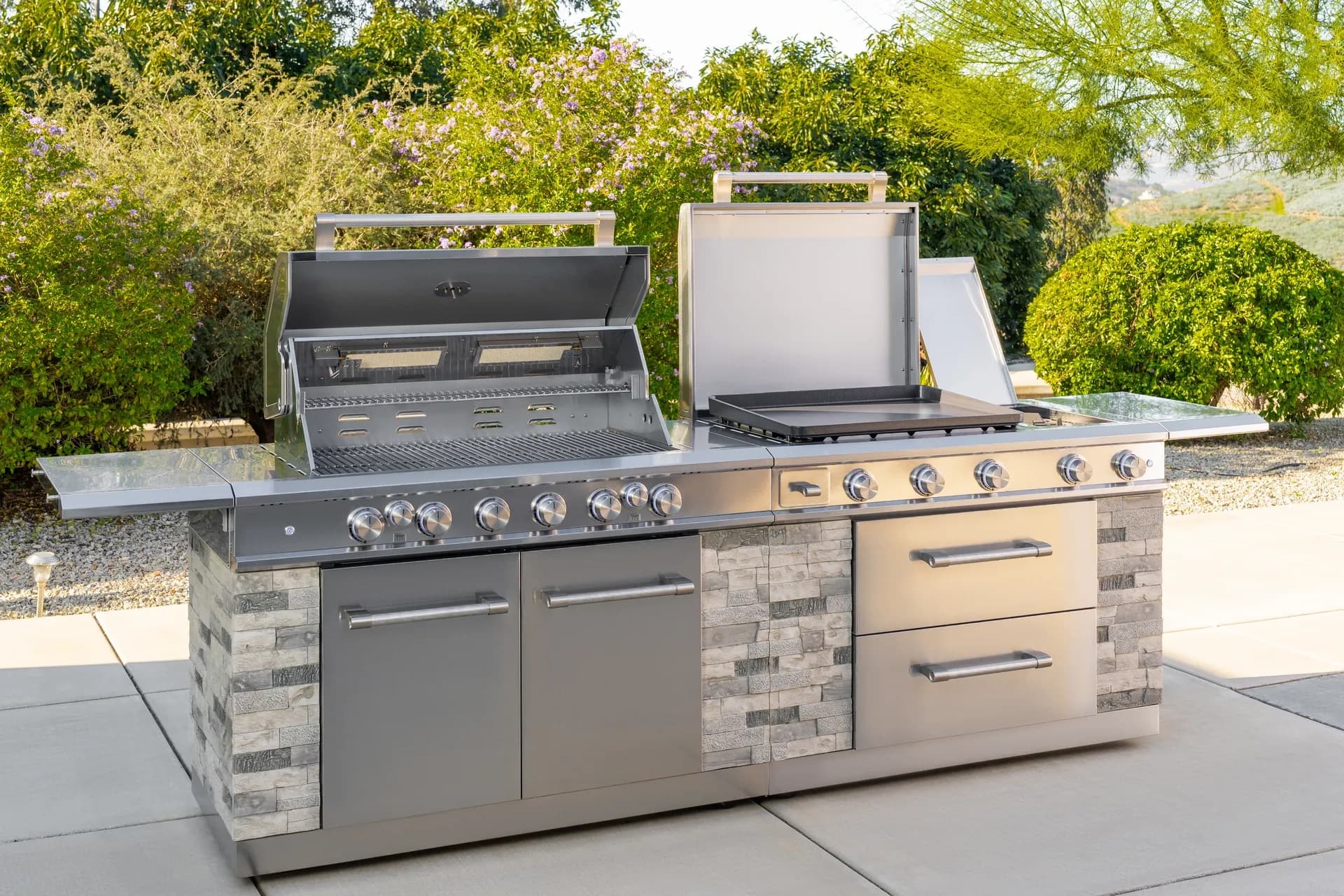
From sizzling breakfasts to smash burgers and teppanyaki-style dinners, the Daytona Pro 5 Burner NitroGuard™ Griddle delivers powerful heat, fast cooking, and a durable cooking surface built for every backyard cookout. Watch how easy outdoor cooking can be.
Here's what sets us apart from the competition
We position ourselves as delivering high-end outdoor cooking features and performance without premium-brand pricing, emphasizing “Quality Grills. Unbelievable Value.”
We offer gas grills, pellet grills, griddles, smokers, pizza ovens, portable/tabletop grills, electric grills, accessories, and replacement parts — allowing customers to stay within one ecosystem for all outdoor cooking needs.
We differentiate ourselves through smart grilling products like the Oakford smart pellet grill, including app-connected cooking controls and modern outdoor cooking technology.
Expert tips, buying guides, comparisons, and inspiration for choosing and getting the most out of your grill.
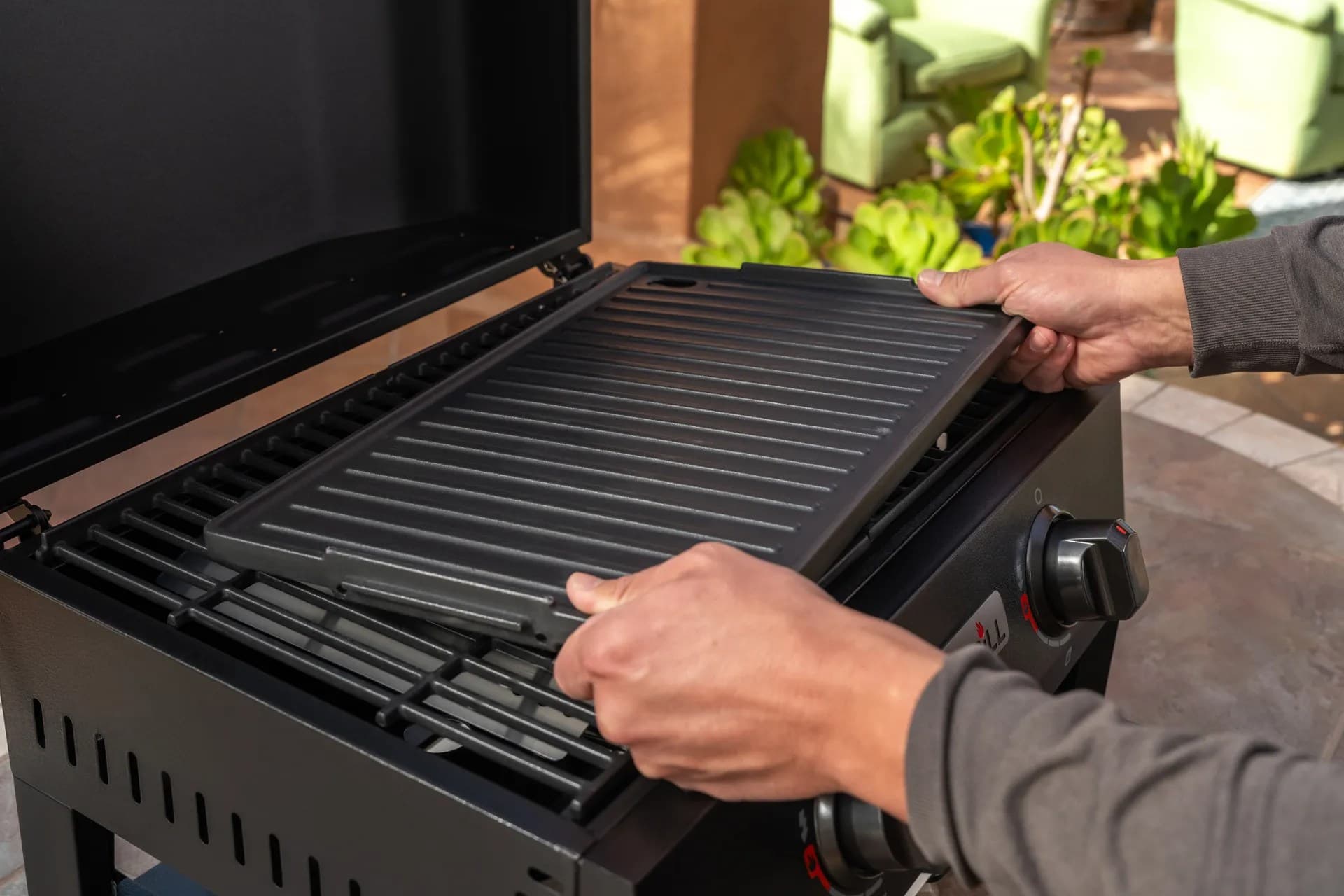
Practical guides for cleaning, maintenance, common grill issues, and performance optimization.
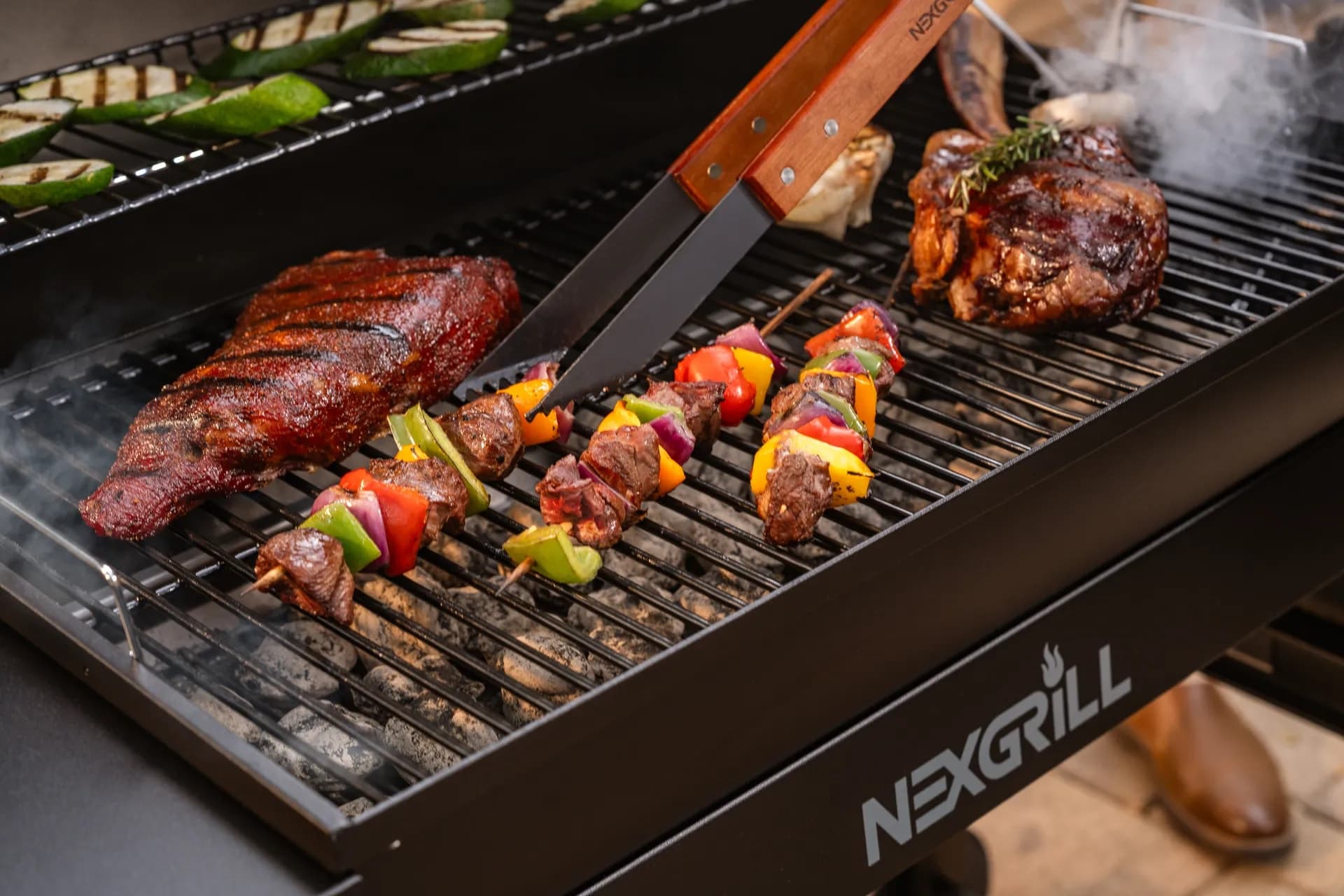
Step-by-step grilling recipes, cooking techniques, and meal ideas for every occasion and skill level.

Backyard entertaining ideas, seasonal grilling inspiration, and stories that celebrate outdoor cooking culture.
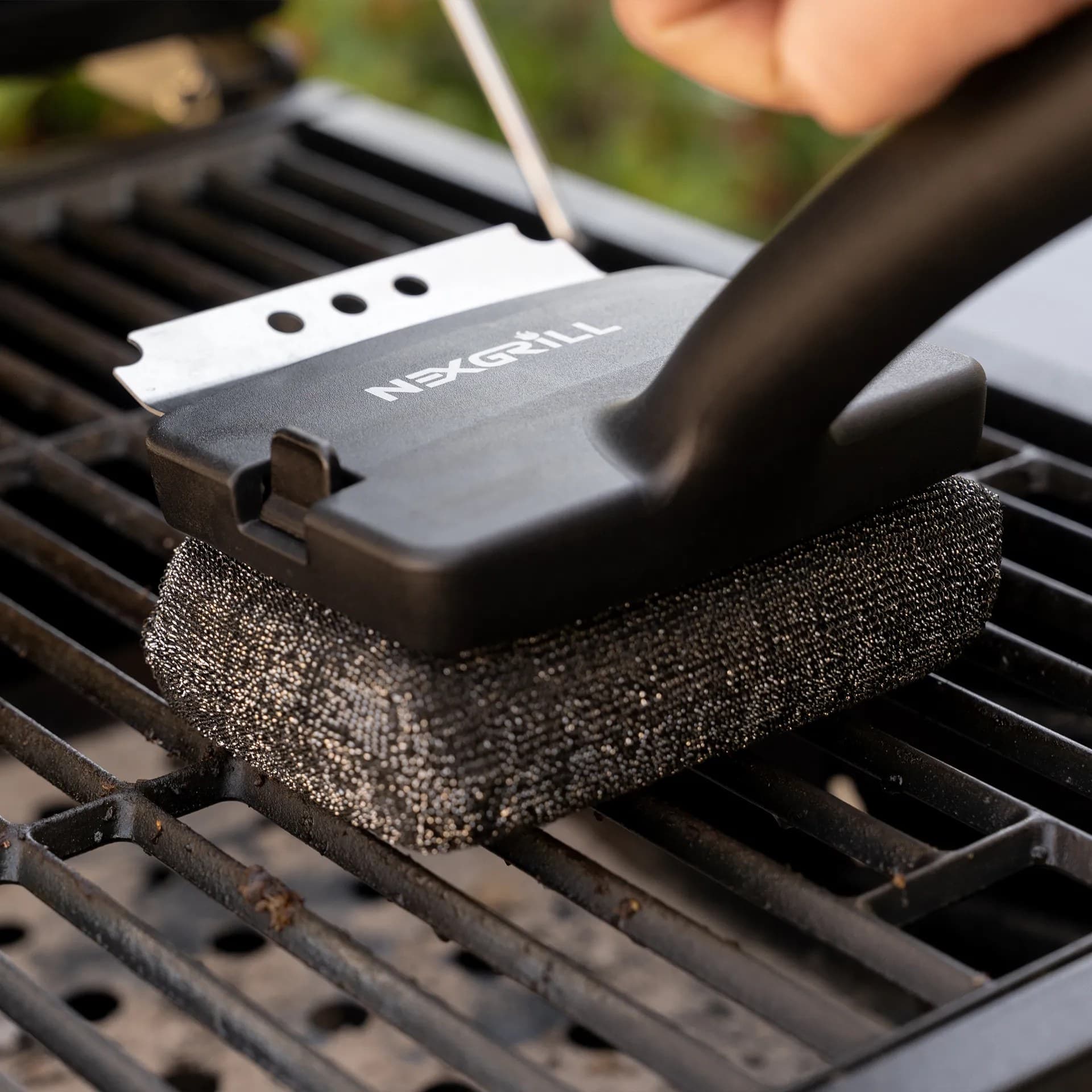
Helpful articles covering grilling tools, cookware, maintenance gear, and must-have accessories for outdoor cooking.
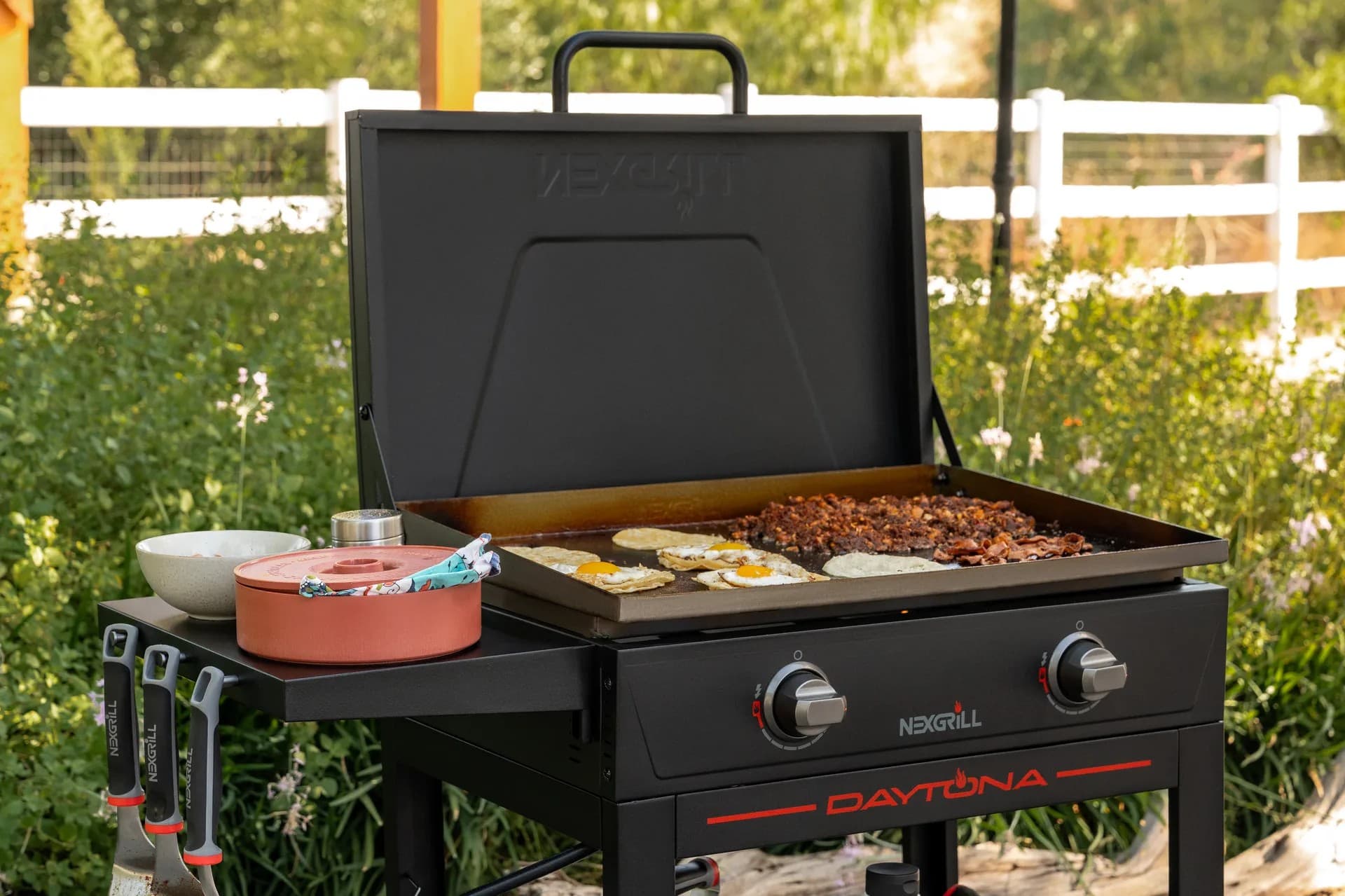
Find griddle recipes, cooking techniques, cleaning tips, and outdoor meal ideas designed for Nexgrill griddles.
Find answers to common questions
Gas grills provide instant heat and precise temperature control, making them easier to use. Charcoal grills offer a smoky flavor and high heat for searing but require more time to heat up and manage.
Pellet grills combine the convenience of gas with the flavor of wood, allowing for smoking, baking, and grilling. Traditional gas grills, however, are quicker to start and often easier to clean.
Charcoal grills typically reach higher temperatures quicker than gas grills, making them better for searing meat. However, high-quality gas grills can also provide adequate heat for effective searing.
Nexgrill offers models designed specifically for gas, charcoal, and pellets, allowing users to choose based on their cooking style and flavor preferences. Each type is built to optimize the characteristics of its respective fuel.
Choosing between gas and charcoal grills depends on your cooking preferences and lifestyle. If you value convenience and quick cooking, a gas grill may suit you better; if you prefer the taste and experience of traditional grilling, a charcoal grill would be ideal.
In This Article
What is Reverse Flow Smoking?
Benefits of Charcoal Grills
Top Models to Consider
A charcoal grill with a reverse flow smoker is built for cooks who want the ritual of live-fire cooking but also want steadier heat and a more controlled smoke path than a basic offset pit usually provides. Instead of treating smoke and heat as something that simply rushes from the firebox to the exhaust, reverse flow designs intentionally move hot air and smoke beneath a steel plate before bringing it back across the cooking chamber. That extra pass evens out hot spots, helps stabilize temperatures from end to end, and makes the cooker more forgiving when you are smoking ribs, brisket, turkey, or pork shoulder for several hours. For many backyard pitmasters, that is the difference between constantly chasing the fire and confidently focusing on the food.
What makes this setup appealing is that it sits between two worlds. You still get the unmistakable charcoal character that many cooks prefer over gas, but you also get a smoker layout that can behave more predictably than a traditional offset. That matters in practical terms. If one end of the chamber usually runs 25 to 50 degrees hotter than the other on a standard smoker, the reverse flow path can reduce how much you have to rotate food during long cooks. You are not eliminating physics, and you are not turning charcoal into an electric cabinet smoker, but you are giving yourself a more even cooking environment that is easier to learn and repeat.
For buyers, the real question is not whether reverse flow is clever. It is whether the style matches how you cook. If you like watching a fire, managing charcoal, and building flavor through patient smoke sessions, this format can be a rewarding upgrade. If you want fast weeknight burgers only, the design may be more smoker than you need. But if you care about full-pack brisket, ribs with a balanced bark, or a cooker that can support both direct charcoal grilling and low-and-slow smoking, the charcoal grill with reverse flow smoker deserves a serious look.
Reverse flow is less about flashy features and more about controlling the journey heat takes through the cooker, which is why it often feels steadier than a standard offset smoker.
Reverse flow smokers are valued because they help smooth temperature swings across the cooking chamber.
Reverse flow technology uses a simple but effective routing idea. In a traditional offset smoker, heat and smoke travel from the firebox into the main chamber, then rise and exit near the chimney. In a reverse flow smoker, a solid baffle plate runs under the cooking grates. Heat and smoke are pushed under that plate to the far end of the chamber, then forced back over the food before leaving through the exhaust. That turn-around path creates a more even thermal profile because the steel plate absorbs and redistributes some of the heat before the smoke reaches the food again.
The design is especially useful for charcoal because charcoal itself burns with strong, direct heat and can create sharper hot spots if the cooker is not balanced well. By guiding the airflow under the plate first, the smoker uses the mass of the metal as a thermal buffer. The result is not just more even cooking, but often a more stable surface for learning how your charcoal bed behaves as fuel is added over time. If you have ever watched one end of a traditional offset roast faster than the other, reverse flow feels immediately more manageable.
There is also a flavor reason cooks like this layout. When smoke is distributed more evenly, it tends to coat the food more consistently instead of blasting one side and under-serving the other. That can support a more balanced smoke profile on large cuts. You still need to choose the right wood, manage moisture carefully, and avoid over-smoking delicate foods, but reverse flow can reduce the unevenness that sometimes leads to one side tasting harsher than the rest.
Think of the baffle plate as both a heat path and a cook-time helper. It is not magic, and it still requires fire management, but it changes the smoker from a straight shot system into a controlled loop. That is why many reverse flow owners describe the learning curve as less frustrating once they understand the airflow pattern. You are not constantly fighting a runaway hot spot. You are planning around a path that has already been engineered to bring consistency to the chamber.
A reverse flow smoker still needs clean combustion. If the fire is smoldering badly, the baffle cannot fix bitter smoke or poor airflow.
The first benefit most cooks notice is temperature balance. A reverse flow smoker is often easier to use for large cuts because the chamber behaves more like a single cooking zone instead of a collection of separate hot spots. That matters when you are cooking brisket flat, ribs, or pork butt that benefit from steady heat over many hours. The more consistent the environment, the less time you spend compensating with extra rotation or manual rearranging.
The second benefit is predictability. When you know how heat returns across the chamber, it becomes easier to set up a routine: start the fire, stabilize the intake, monitor the exhaust, and add fuel in smaller increments. For newer pitmasters, that structure can make charcoal smoking feel less intimidating. For experienced cooks, it can make repeatable results easier to achieve when entertaining a crowd. If your goal is to cook for a family gathering or a backyard event, predictability has real value because it lowers the risk of uneven doneness.
Another advantage is moisture retention in practice, not by gimmick. Because the smoke path is extended and heat is diffused, food can be exposed to a gentler cooking environment than in a narrow, direct offset flow. That often helps with bark development on larger cuts by reducing the chance of scorching one side too early. It also creates a comfortable zone for items like sausage links, chicken thighs, and seasoned vegetables if your cooker has enough grate space for mixed loads.
There is also an ownership benefit: reverse flow smokers tend to reward consistency. Once you learn how much charcoal your unit likes, how much wood adds pleasant smoke without overpowering the cook, and how your baffle plate responds to ambient weather, you can repeat successful sessions with less guesswork. That can be especially helpful in the United States across changing seasons, when a spring breeze or a winter cold snap can shift your fire behavior. A more forgiving cooker makes those conditions easier to manage.
For readers evaluating value, reverse flow should be seen as an efficiency feature, not just a flavor feature. It does not necessarily mean a faster cook, but it can mean fewer mistakes, less wasted meat, and more confidence on long smoke sessions. That is a practical return, especially if the smoker will become your weekend workhorse rather than a once-a-year novelty.
If you regularly cook large cuts for a group, reverse flow’s even-heat behavior can save more time and stress than a slightly simpler traditional layout.
Traditional offset smokers have a strong following for good reason. They are straightforward, recognizable, and can produce excellent barbecue when managed well. Their main trade-off is uneven heat. Because fire enters from one side and exits from the other, the closest portion of the grate often cooks differently from the far end. Experienced users work around this by rotating meat, adjusting water pans, or learning where the hot zones sit in their particular cooker. That process is part of the craft, but it can be unforgiving if you are still learning.
A reverse flow smoker changes that experience by engineering more balance into the chamber. The downside is that it can be heavier and more complex in construction because of the baffle plate and the extra steel involved. It may also take a little longer to come up to temperature because the metal mass absorbs heat. For some cooks, that is a fair trade because the resulting stability is worth the added warm-up time. For others, the extra weight and complexity may feel unnecessary if they mostly smoke smaller items or prefer a lighter, more portable rig.
The decision often comes down to cooking style. If you enjoy a more hands-on fire-management challenge and do not mind rotating food, a traditional offset can be satisfying and efficient. If you want a cooker that narrows the temperature gap across the chamber and makes long cooks easier to repeat, reverse flow is the stronger option. In terms of flavor, both can produce outstanding smoke when used properly. The main difference is how much effort it takes to keep results consistent from edge to edge.
For shoppers comparing the two, consider the foods you cook most often. A traditional smoker may be plenty for occasional ribs and chicken. A reverse flow design becomes more attractive when brisket, pork shoulder, and whole poultry are frequent menu items, or when you want one cooker that can handle both smoking and charcoal grilling with fewer compromises.
If consistency matters more to you than a pure old-school offset experience, reverse flow usually wins the comparison.
Try comparing two products side by side below to see which fits best:
Once you've compared two options side by side, the next step is figuring out which reverse flow smoker style deserves your money. In the market today, most buyers are evaluating a few recurring categories: compact backyard units, larger competition-style offsets, and combo cookers that can function as both a charcoal grill and a smoker. The best choice depends less on brand hype and more on steel thickness, chamber size, airflow control, and how much cooking area you truly need on a Saturday afternoon.
A charcoal grill with a reverse flow smoker is appealing because it can cover more than one use case. You can run it as a smoking chamber for ribs or brisket, then shift to direct charcoal grilling for steaks, burgers, or vegetables. That flexibility is useful for families who do not want to buy separate backyard equipment for every style of cooking. It is also one reason these units attract experienced grillers who want both the flavor of charcoal and the steadiness of a smarter heat path.
When looking at models, focus on the things that affect real cooks rather than brochure adjectives. The steel gauge tells you a lot about heat retention. Chamber length tells you whether full packer briskets or multiple pork butts will fit comfortably. Grate height and access doors matter when you need to add charcoal or wood without dumping heat. Wheels, shelves, and ash management also matter because reverse flow setups are often larger and heavier than entry-level grills.
| Model Type | Best Use | Typical Strength | Buying Watchpoint |
|---|---|---|---|
| Compact reverse flow smoker | Weekend smoking for small families | Easier placement and lower charcoal use | Limited chamber depth for big briskets |
| Full-size reverse flow offset | Large cooks and gatherings | More even temps across a wider grate | Higher weight and fuel demand |
| Charcoal grill-smoker combo | Hybrid smoking and grilling | Versatility for mixed menus | Check airflow and lid seal quality |
Price ranges in the United States can vary widely based on construction and size. Entry-level backyard units may begin around the low hundreds of USD, while more substantial reverse flow cookers with heavier steel and larger chambers can move well into the higher hundreds or low thousands of USD. If a model is unusually inexpensive, inspect whether the metal thickness, weld quality, and baffle design are actually suitable for long cooks. A reverse flow smoker earns its value through stability, so weak construction defeats the purpose.
For shoppers who want charcoal-centric versatility, the practical shortlist usually includes a midsize combo cooker, a larger offset with reverse flow baffle, or a dedicated smoker paired with a separate charcoal grill. The combo route is attractive if you have limited patio space. The dedicated route is better if you want maximum smoke performance and already have room for a second grill. Either way, make sure the product’s cooking area fits the real foods you plan to cook, not just a catalog photo.
Do not buy by square inches alone. In reverse flow cookers, airflow design and steel thickness can matter more than raw grate size.
What owners praise most about reverse flow cookers is the calm they bring to long smoking sessions. A common theme in user feedback is that the smoker feels easier to learn after the first few cooks because the temperature spread is narrower and the food does not demand constant rotation. One backyard cook described the change as moving from “fire babysitting” to “real barbecue planning,” because once the fire settled, the rest of the session became much more predictable. That sort of feedback matters, especially for buyers who have had uneven results with traditional offsets in the past.
Another frequent testimonial comes from people cooking for groups. They like being able to place multiple racks of ribs or several pork butts across the chamber without worrying that one end will finish dramatically sooner. That consistency gives hosts more confidence when timing sides, rest periods, and serving windows. In practical terms, it means fewer anxious temperature checks and more time spent preparing the rest of the meal. Cooks who have made the switch often mention that their biggest surprise was not the smoke flavor, but the reduction in stress.
There are trade-offs, and experienced users mention those too. Reverse flow smokers can take longer to preheat because of the extra steel. They also reward patience: if you rush the fire or overload the chamber with heavy smoke early on, the food can still turn out harsh. But most owners see those as manageable learning points, not deal-breakers. The overall sentiment is that the design pays you back when you use it as intended.
The best user stories usually involve repeat success. A cook who nails brisket one weekend, then turns out evenly smoked ribs the next, starts trusting the smoker instead of fighting it. That kind of consistency is why reverse flow models often win loyal fans. They create a framework that supports good barbecue habits, and good habits matter more than any single accessory or branding claim.
Owners most often value consistency, easier zone management, and less need to rotate meat during a long cook.
To get the most from a reverse flow smoker, start with a clean-burning fire. Build your charcoal bed so it burns steadily rather than aggressively, and add wood chunks in measured amounts. The smoker already helps distribute heat, so you do not need to compensate with an overly smoky fire. A few well-placed chunks of post oak, hickory, or fruitwood are usually enough for long cooks. Too much wood can overpower the balanced chamber that makes reverse flow appealing in the first place.
For brisket, a reverse flow setup works best when you treat the chamber as a steady environment and avoid opening the lid more than necessary. Run your cook until the bark is set, then wrap only if your method calls for it. For pork ribs, use the more even heat to your advantage by running multiple racks across the grate and checking doneness by feel instead of chasing one “perfect” time. Chicken benefits from the gentler distribution as well, especially if you want evenly browned skin without scorching one side.
A simple reverse flow recipe idea is smoked half chickens with a citrus-herb brine. The brine helps the meat stay juicy during the longer exposure to charcoal smoke, while the reverse flow chamber supports even skin color. Another strong option is pepper-crusted pork shoulder with a mustard binder and a mild fruitwood blend. The balanced chamber makes it easier to develop a thick, even bark without one side drying out faster than the other. For a weeknight-friendly cook, try smoked sausage, peppers, and onions in a cast-iron pan placed toward the center of the grate where heat is most even.
Reverse flow smoke plan1. Light charcoal until it is fully ashed over.2. Place fuel for a controlled burn, not a roaring fire.3. Add 2 to 4 wood chunks for flavor, depending on chamber size.4. Stabilize the cooker before loading meat.5. Cook with the lid closed and limit temperature swings.6. Rest large cuts before slicing so juices settle.Common mistakes include overfilling the firebox, using damp wood, and assuming the baffle plate removes the need for airflow management. It does not. You still need a clean exhaust path, a steady intake, and enough patience to let the cooker come to temp. If you use the smoker well, it can turn out deeply flavored barbecue that feels more repeatable than a standard offset, which is exactly why many cooks keep coming back to this design.
Best results usually come from smaller, cleaner fires. Let the reverse flow design do the work instead of forcing heavy smoke.
A charcoal grill with reverse flow smoker design is a strong choice for cooks who want dependable heat balance without giving up the flavor and tradition of charcoal. It is especially appealing if you smoke large cuts often, cook for groups, or want fewer temperature surprises during long sessions. Compared with traditional offset smokers, it gives you a more structured path to consistent results, though it also asks for patience, proper fire management, and a willingness to learn the cooker’s rhythm.
If you are deciding whether to buy one, start with your real cooking habits. Choose reverse flow if you want steadier temperatures, a more forgiving layout for big cuts, and a charcoal smoker that can serve as a versatile backyard centerpiece. Choose traditional offset if you prefer a lighter build or enjoy the hands-on challenge of managing hot spots. Either way, the key is matching the design to the meals you love to make.
Sources
Here's what sets us apart
We position ourselves as delivering high-end outdoor cooking features and performance without premium-brand pricing, emphasizing “Quality Grills. Unbelievable Value.”
We offer gas grills, pellet grills, griddles, smokers, pizza ovens, portable/tabletop grills, electric grills, accessories, and replacement parts — allowing customers to stay within one ecosystem for all outdoor cooking needs.
We differentiate ourselves through smart grilling products like the Oakford smart pellet grill, including app-connected cooking controls and modern outdoor cooking technology.
Don't just take our word for it
Keep reading
From our catalog