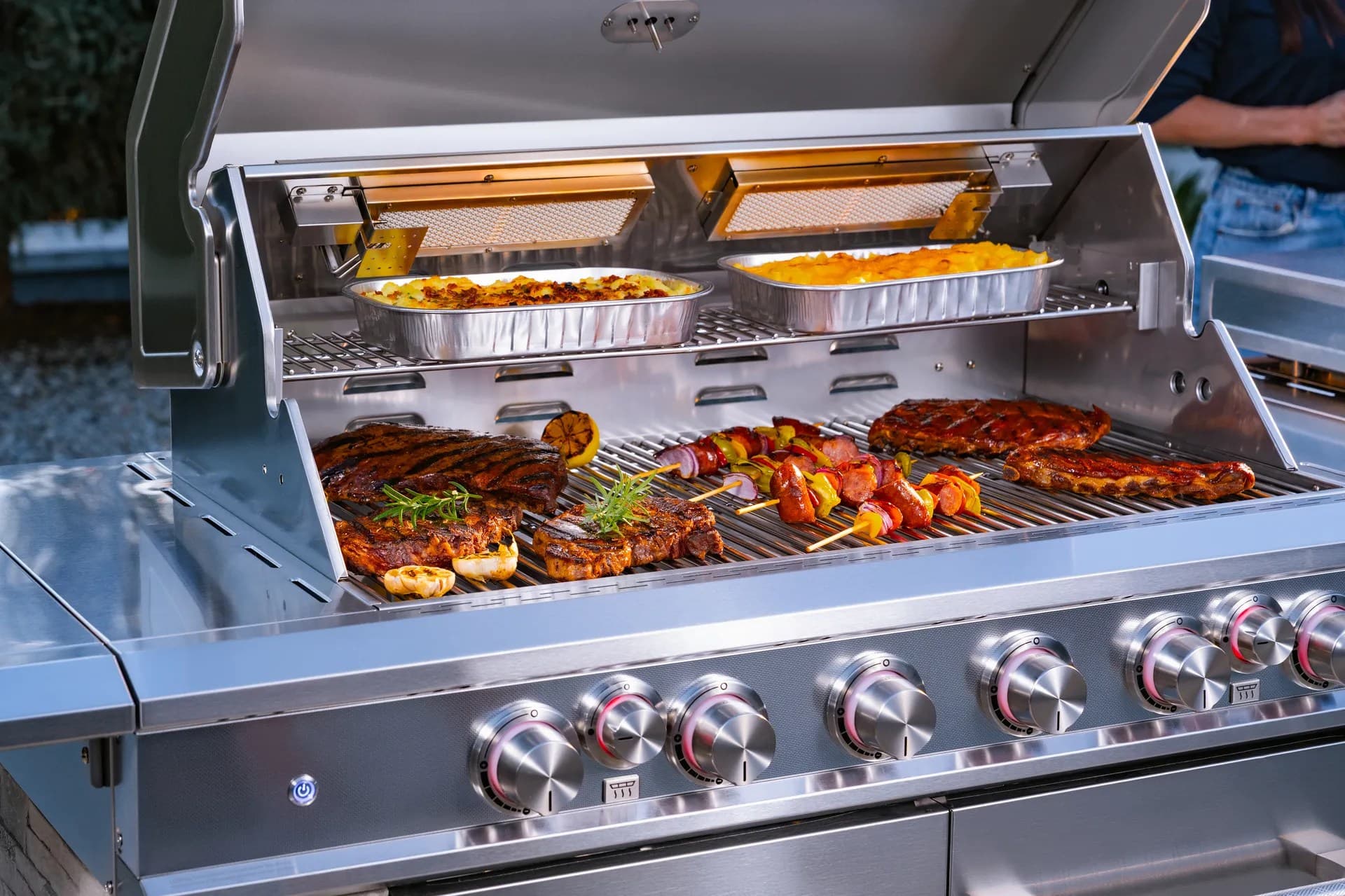
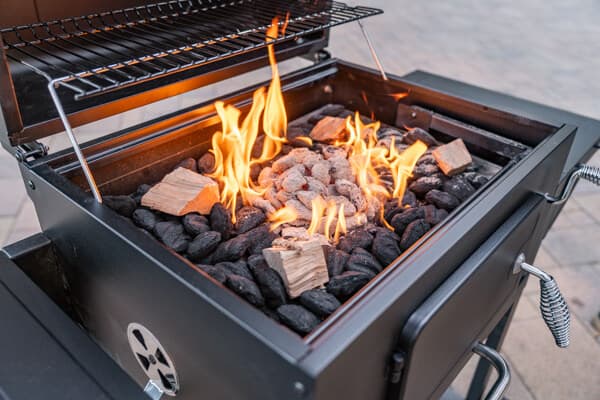
Discover methods and tools to elevate the taste of your charcoal-grilled dishes.
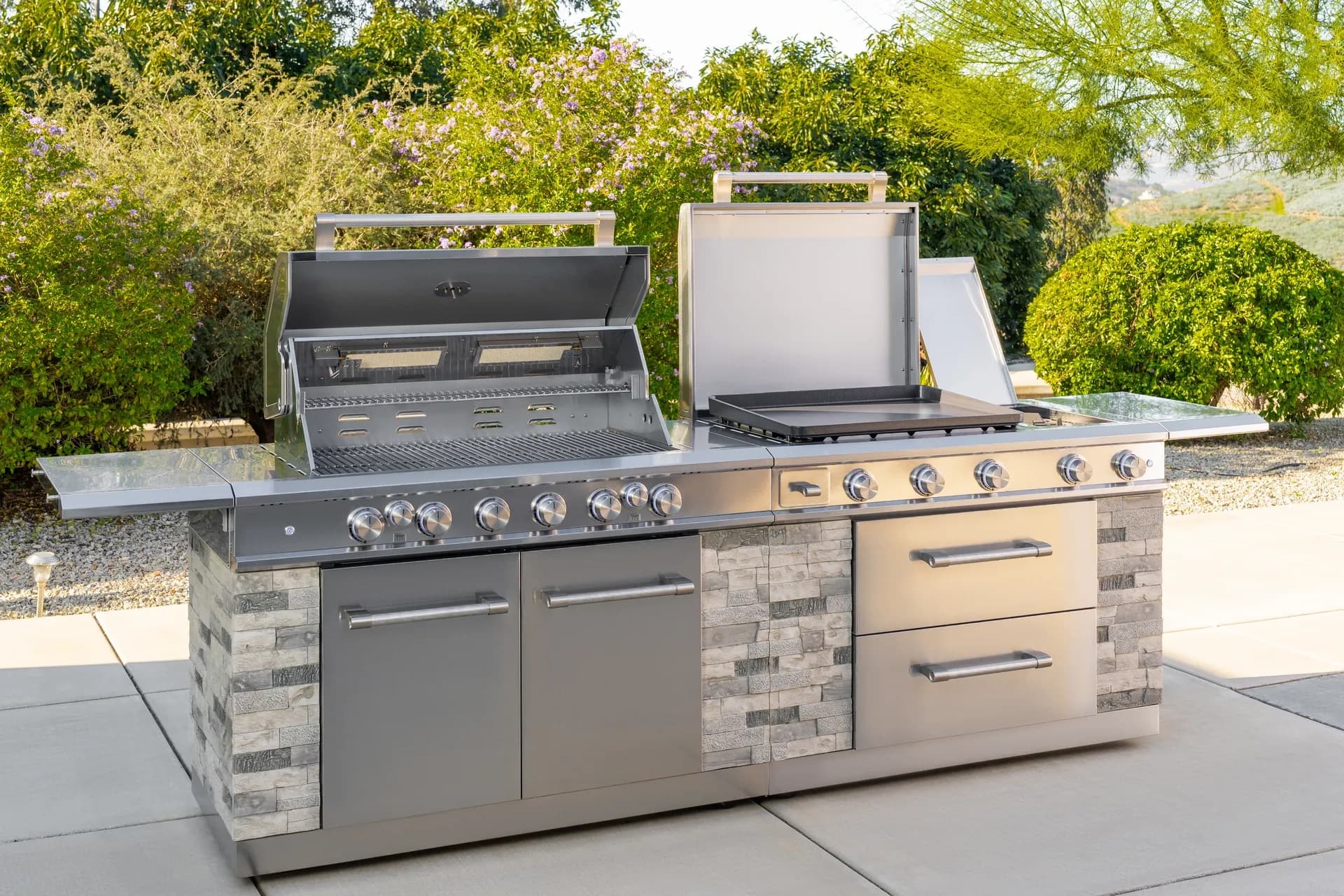
From sizzling breakfasts to smash burgers and teppanyaki-style dinners, the Daytona Pro 5 Burner NitroGuard™ Griddle delivers powerful heat, fast cooking, and a durable cooking surface built for every backyard cookout. Watch how easy outdoor cooking can be.
Here's what sets us apart from the competition
We position ourselves as delivering high-end outdoor cooking features and performance without premium-brand pricing, emphasizing “Quality Grills. Unbelievable Value.”
We offer gas grills, pellet grills, griddles, smokers, pizza ovens, portable/tabletop grills, electric grills, accessories, and replacement parts — allowing customers to stay within one ecosystem for all outdoor cooking needs.
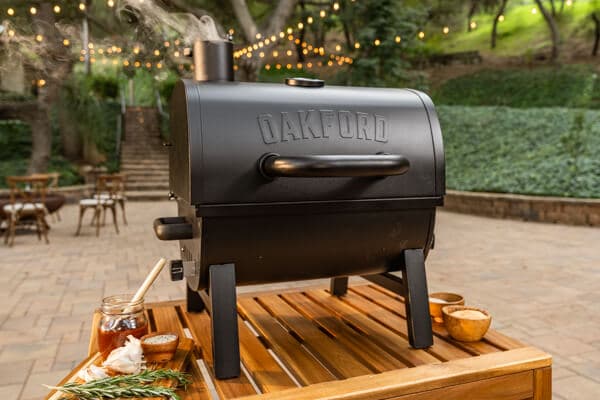
We differentiate ourselves through smart grilling products like the Oakford smart pellet grill, including app-connected cooking controls and modern outdoor cooking technology.
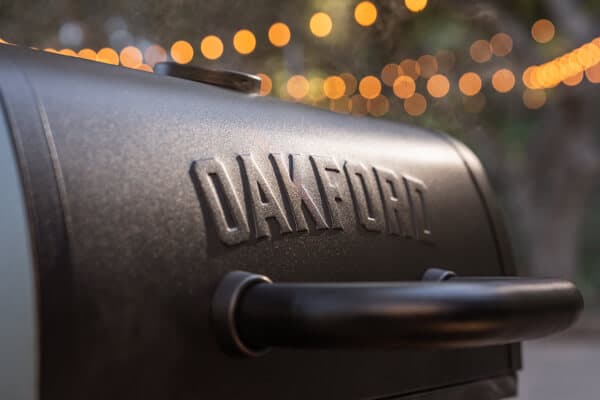
Expert tips, buying guides, comparisons, and inspiration for choosing and getting the most out of your grill.
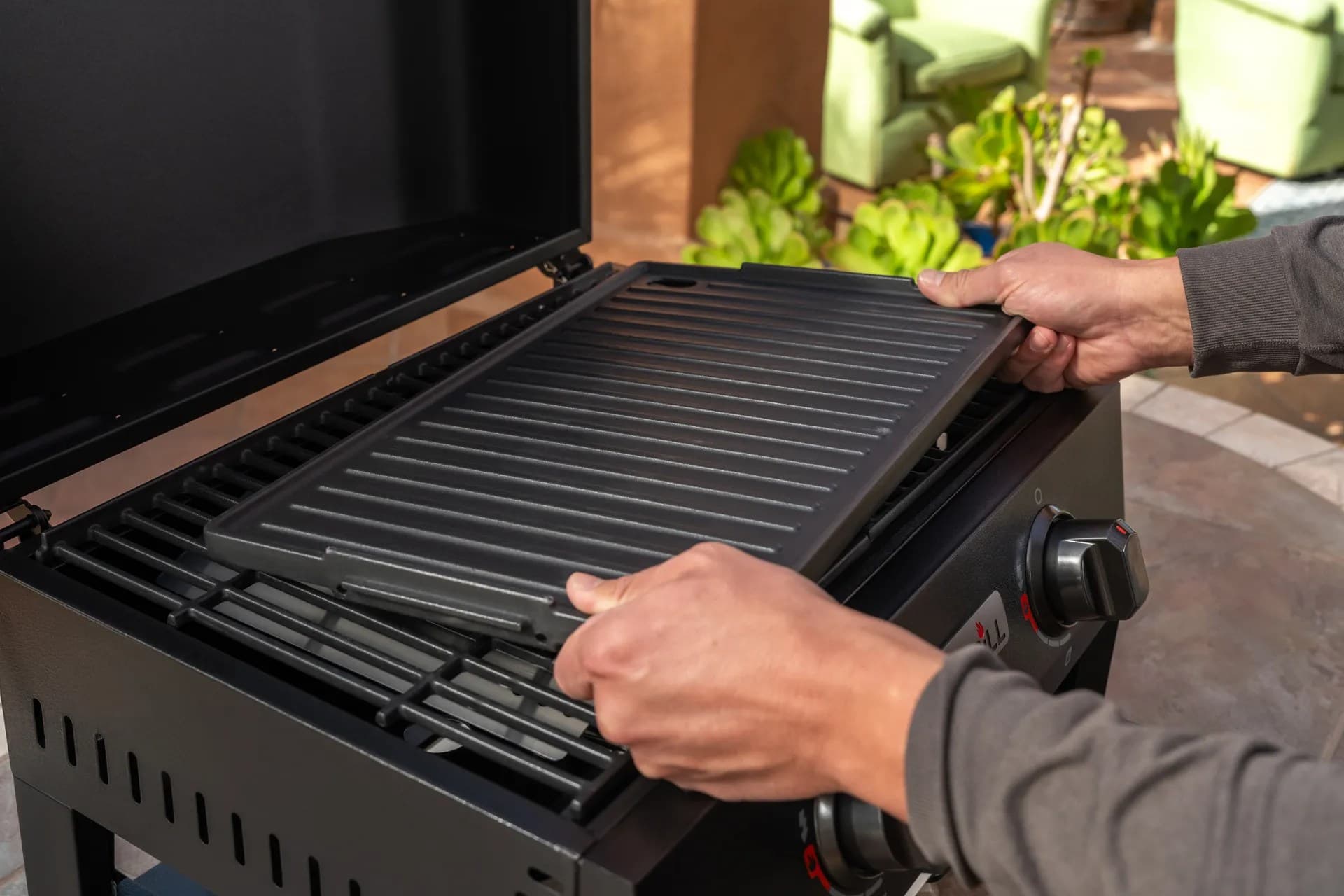
Practical guides for cleaning, maintenance, common grill issues, and performance optimization.
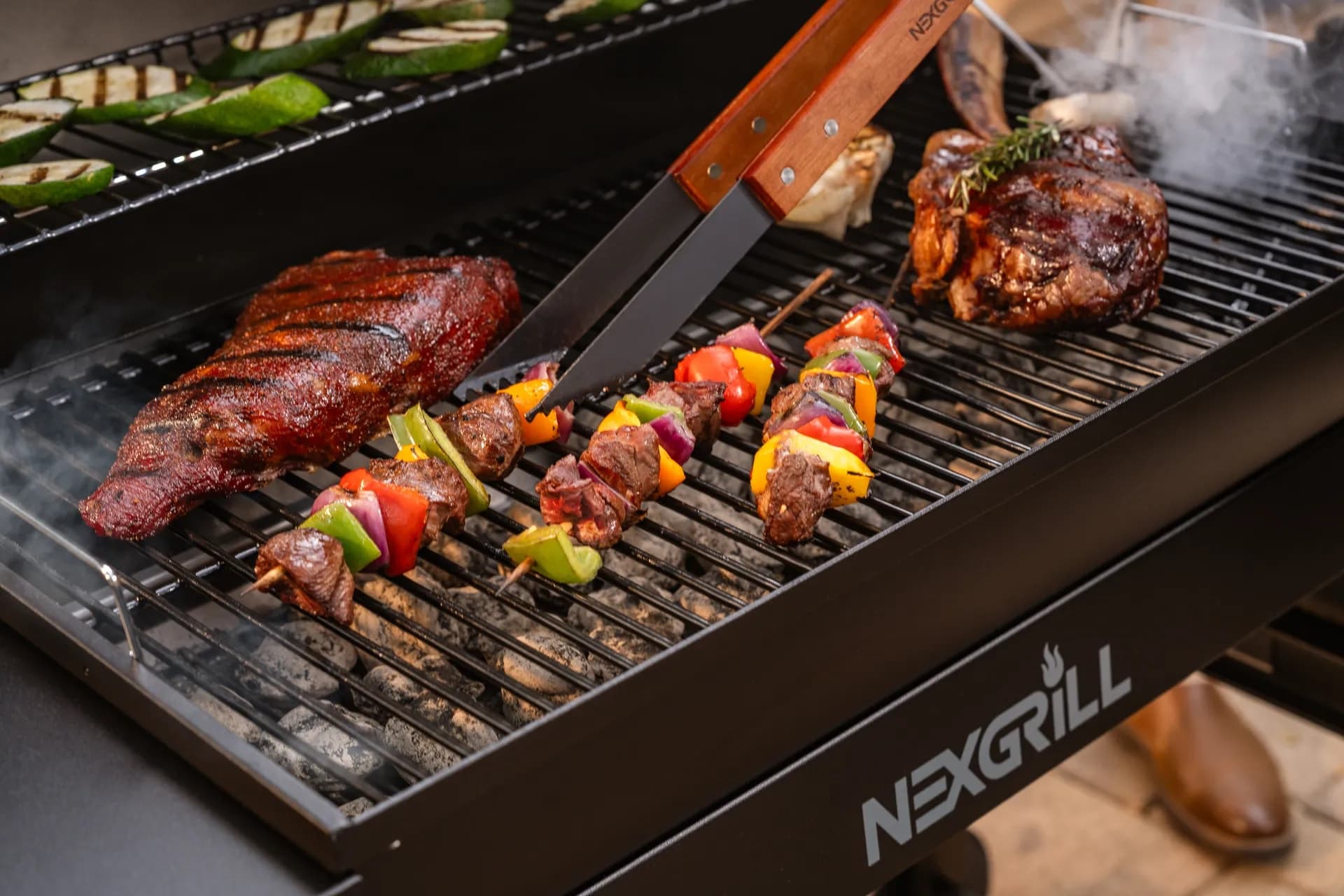
Step-by-step grilling recipes, cooking techniques, and meal ideas for every occasion and skill level.

Backyard entertaining ideas, seasonal grilling inspiration, and stories that celebrate outdoor cooking culture.
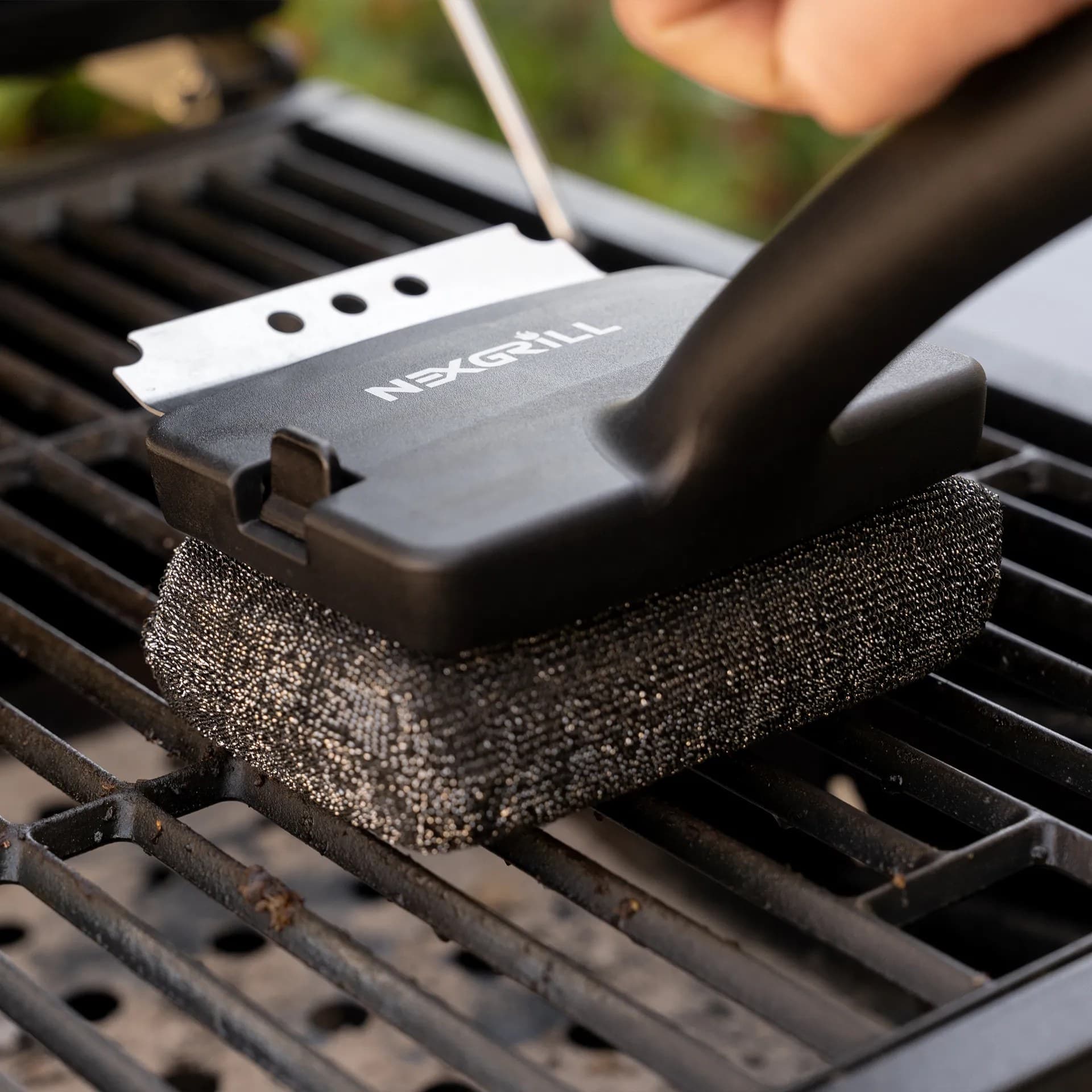
Helpful articles covering grilling tools, cookware, maintenance gear, and must-have accessories for outdoor cooking.
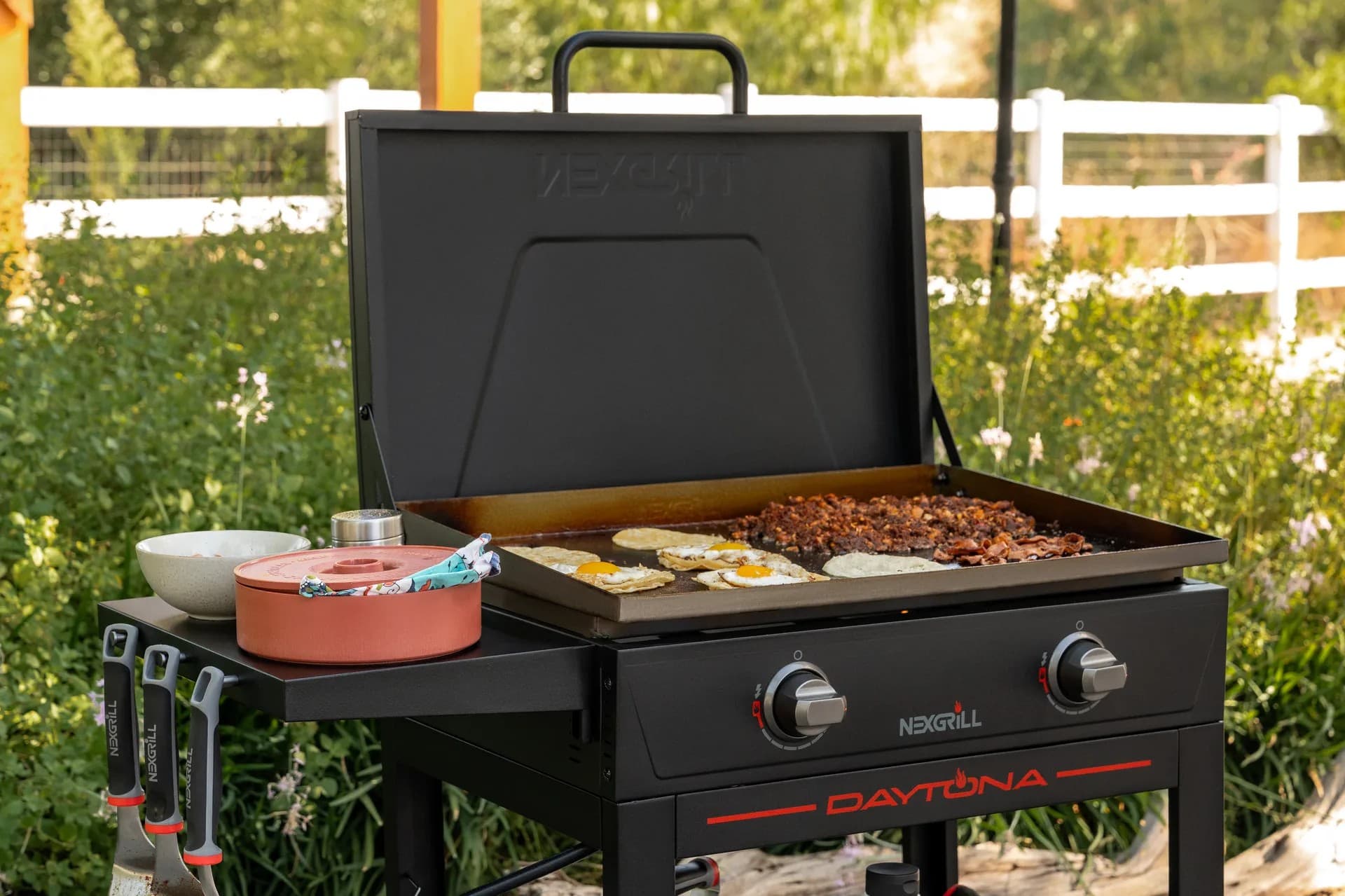
Find griddle recipes, cooking techniques, cleaning tips, and outdoor meal ideas designed for Nexgrill griddles.
Find answers to common questions
Gas grills provide instant heat and precise temperature control, making them easier to use. Charcoal grills offer a smoky flavor and high heat for searing but require more time to heat up and manage.
Pellet grills combine the convenience of gas with the flavor of wood, allowing for smoking, baking, and grilling. Traditional gas grills, however, are quicker to start and often easier to clean.
Charcoal grills typically reach higher temperatures quicker than gas grills, making them better for searing meat. However, high-quality gas grills can also provide adequate heat for effective searing.
Nexgrill offers models designed specifically for gas, charcoal, and pellets, allowing users to choose based on their cooking style and flavor preferences. Each type is built to optimize the characteristics of its respective fuel.
Choosing between gas and charcoal grills depends on your cooking preferences and lifestyle. If you value convenience and quick cooking, a gas grill may suit you better; if you prefer the taste and experience of traditional grilling, a charcoal grill would be ideal.
In This Article
Wood Chip Varieties
Flavor-Infused Charcoal
Grilling Accessories
Charcoal grilling already brings a deeper, more layered taste than many backyard cooks expect from a simple fire, but the real art is learning how to shape that flavor instead of leaving it to chance. The difference between “good enough” and “memorable” often comes down to how you combine fuel, smoke, airflow, and accessories. For Nexgrill customers, that matters because charcoal cooking is not just about heat; it is about controlling the experience so a weeknight pork chop, a rack of chicken thighs, or a tri-tip for guests carries the kind of smoke character people notice right away. Nexgrill’s brand approach emphasizes food that brings people together, and that fits charcoal cooking perfectly: when flavor is intentional, the meal becomes part of the gathering, not just the fuel for it. That same philosophy shows up throughout Nexgrill’s guidance on welcoming, shareable outdoor cooking experiences
When people search for charcoal-grill-enhancements-for-flavor, they are usually trying to solve one of three problems. First, they want more smoke complexity without making the food taste harsh or bitter. Second, they want to use the tools they already have to get better results instead of replacing the entire grill. Third, they want a repeatable method, because the best flavor in charcoal grilling should be something you can recreate on a Tuesday night or for a weekend cookout. The good news is that flavor enhancement is less about mystery and more about disciplined choices: the wood species you add, the charcoal style you choose, and the accessories that help manage smoke all influence the final bite in different ways.
A smart flavor strategy starts with the food itself. High-fat cuts like chicken thighs, sausages, and pork shoulder can absorb smoke well, while delicate foods like fish and vegetables need a lighter hand. That means the best enhancements are not always the strongest ones. In fact, too much smoke can cover the natural flavor you were trying to improve. Instead of piling on every available product, think about what kind of finish you want: sweet and mellow, earthy and bold, or bright and aromatic. Once you know the target profile, you can choose the right combination of wood, charcoal, and accessories to get there.
Can create several different flavor profiles depending on wood, fuel, and airflow
Wood chips and wood chunks are the most direct way to change how charcoal food tastes. The key is understanding that each wood contributes a different aromatic signature, and those signatures pair better with specific foods. Hickory, for example, is a classic choice because it delivers a strong, bacon-like smoke flavor that stands up well to beef and pork. Apple wood is gentler and slightly sweet, which makes it ideal when you want a softer smoke note on chicken, turkey, or vegetables. Cherry wood sits somewhere in between and is especially useful when you want a subtle fruitwood sweetness with a richer color on the exterior of the meat. Oak is a dependable middle-ground option: balanced, clean, and versatile enough for almost anything on the grate. These distinctions are widely discussed in serious grilling references and are a good starting point for any cook trying to develop a repeatable flavor style
The form of the wood matters as much as the species. Chips ignite quickly and are useful when you want a short burst of smoke early in the cook. Chunks smolder longer and are better for extended grilling sessions, especially when you want sustained smoke on larger cuts. If you are cooking burgers or vegetables over a hot, direct fire, a small handful of chips may be enough to add aroma without overwhelming the food. If you are doing ribs, pork shoulder, or bone-in chicken over a longer cook, chunks give you steadier performance. That difference becomes especially important when you are trying to avoid the common mistake of adding wood too often, which can lead to acrid smoke and an unpleasant finish.
Food pairing should guide your wood selection more than habit does. For seafood, lighter woods like apple or alder keep the flavor clean. For beef, hickory or oak usually offers more structure. For poultry, fruitwoods are often the easiest place to start because they add flavor without making the meat taste heavy. If you like a more layered profile, mixing woods can work well, but it is best to start with a primary wood and a small supporting wood rather than creating an overly complicated blend. Think of wood smoke like seasoning: once the smoke note is too intense, you cannot remove it. That is why careful selection is more useful than aggressive smoke production.
| Wood type | Flavor character | Best use |
|---|---|---|
| Hickory | Bold, savory, bacon-like smoke | Beef, pork, ribs |
| Apple | Mild, sweet, slightly fruity | Chicken, turkey, vegetables |
| Cherry | Soft sweetness with color enhancement | Poultry, pork, salmon |
| Oak | Balanced and versatile | Mixed grilling and long cooks |
Tip: soak wood chips only if your cooking setup calls for it; in many cases, dry chips or chunks placed strategically in the fire provide cleaner smoke and faster control.
Flavor-infused charcoal briquettes are built for grillers who want a quicker path to added taste without managing multiple loose smoking components. Products in this category can include charcoal blended with flavor notes or briquettes designed to create a specific aroma during combustion. A notable example is Kingsford’s Signature Flavors line, which was introduced as a new flavor experience for outdoor cooking and shows how fuel itself can be used as a flavor tool rather than just a heat source
The main appeal of flavored charcoal is simplicity. If you are cooking on a weeknight and do not want to build a more elaborate smoke setup, flavored briquettes can help add a noticeable aroma with minimal planning. They are also useful for grillers who prefer a consistent, packaged approach rather than experimenting with loose wood species every time. The tradeoff is control. Because the flavor is already blended into the fuel, you may have less flexibility than with wood chips or chunks, and the taste may be more noticeable on some foods than others. That makes flavored charcoal best for cooks who value convenience and want a straightforward flavor boost, not necessarily for cooks chasing a very specific regional barbecue profile.
In practical terms, think of flavored charcoal as an accent, not a replacement for cooking skill. It should support your seasoning, not compete with it. If you are grilling bone-in chicken with a dry rub, flavored briquettes can reinforce the spice profile and create a more interesting aroma. If you are grilling a delicate white fish, however, the same briquettes may be too assertive. This is why it helps to test flavored charcoal on familiar recipes first. Once you know how it behaves in your grill, in your weather, and with your preferred foods, you can decide whether it belongs in your regular rotation or only in special situations.
Warning: some flavored charcoal products can produce a stronger initial smell than standard briquettes. Let the fuel ash over properly before placing food on the grate so the first harsh smoke burns off.
Accessories can dramatically improve flavor because they influence how smoke, heat, and dripping fat interact. A smoker box is one of the simplest and most effective tools for charcoal-style flavor control. It holds wood chips or small chunks in a contained space, which lets you manage smoke release more predictably. Flavorizer bars, while more commonly associated with gas grills, are also part of the broader conversation about flavor management because they capture drippings and vaporize them, returning aromatic compounds to the cooking environment. If you use a charcoal setup with a design that shields fuel or encourages indirect heat, similar accessories can help create that same layered, savory effect. Articles explaining how to make a gas grill taste like charcoal often focus on these same principles: controlling drippings, smoke contact, and heat zones rather than relying on one magic ingredient
Other helpful accessories include charcoal baskets, which make it easier to build two-zone fires for searing and finishing, and grill thermometers, which help you keep smoke-friendly cooking temperatures in the range where food absorbs flavor without drying out. Heat-resistant gloves, ash tools, and long tongs do not directly change flavor, but they make it easier to manage the fire safely and consistently, which absolutely affects flavor outcomes. The more predictable your fire management, the more repeatable your smoke profile becomes. That consistency matters especially when cooking for guests, because you want a dependable result rather than a one-time experiment.
The best accessory choice depends on what you cook most often. If you love burgers and steaks, a charcoal basket and a reliable thermometer may do more for flavor consistency than a long list of specialty add-ons. If you enjoy ribs or whole chickens, a smoker box and a lid-friendly indirect setup are more important. If your goal is to mimic a more smoke-forward style on a standard backyard grill, then accessories that help trap and direct aromatic vapors are worth prioritizing. What matters most is not collecting tools; it is choosing the few tools that help you control a repeatable flavor process.
Info: the best flavor-enhancing accessory is the one that helps you manage fire, airflow, and timing with less guesswork.
Once you've identified two or three flavor tools you like, the real gains come from combining them with restraint. A thoughtful charcoal setup usually starts with a base fuel, then layers in one focused enhancement rather than stacking every option at once. For example, you might use standard charcoal as the heat foundation, then add a few chunks of oak or apple for smoke, then finish with a smoker box only if the cook needs a final aromatic lift. That approach gives you control over how much smoke the food sees during each stage of cooking. It also makes it easier to learn what actually improved the meal, because you can isolate the effect of each element instead of guessing which part made the difference.
The best combinations depend on the food. For burgers, a light fruitwood addition can deepen the aroma without overpowering the meat. For ribs, a stronger wood like hickory paired with a stable indirect fire often produces a more traditional barbecue profile. For vegetables, a smaller amount of smoke and a cleaner-burning setup usually work better than a heavy wood load. If you are using flavor-infused charcoal, think of wood as optional support rather than a required add-on. Some cooks will enjoy the extra complexity, while others will find the layered smoke too busy. The only reliable way to know is to keep notes: what fuel you used, how much wood you added, where the food sat on the grate, and how long it cooked.
One practical way to think about flavor layering is to build in stages. Start with clean heat so the food can develop a good exterior. Add smoke early if you want the aroma to penetrate more deeply. Use direct heat at the end only when you want char, crisp edges, or a final sear. That sequence works because smoke sticks best when the surface is still receptive and the cooking chamber is not overloaded with dirty combustion. In other words, the path to better flavor is usually cleaner fire, better timing, and fewer unnecessary variables.
| Goal | Best combination | Why it works |
|---|---|---|
| Subtle everyday flavor | Standard charcoal + apple or cherry wood chips | Adds aroma without overpowering lighter foods |
| Bold barbecue profile | Charcoal + hickory chunks + indirect heat | Builds stronger smoke character for meats |
| Fast convenience | Flavor-infused charcoal only | Simplifies setup while still changing aroma |
| Controlled smoke control | Charcoal basket + smoker box + thermometer | Improves repeatability and zone management |
Flavor-enhancing products are only useful if they are used safely. The first rule is to respect airflow. Charcoal needs oxygen to burn cleanly, and poor airflow can create sooty smoke that hurts taste and makes fire management less predictable. Avoid smothering your charcoal with too much wood at once, and do not crowd the firebox so tightly that air cannot move through the fuel. If you are using a smoker box or a similar accessory, place it where it can heat gradually rather than where it will flare uncontrollably. The goal is a steady stream of clean smoke, not a burst of thick white smoke that coats food with harshness.
Food safety matters too. Any accessory that sits near high heat should be designed for grilling temperatures, and any wood product should be intended for cooking, not scrap lumber or treated material. Charcoal should be fully lit before food goes on, and ash should be managed carefully so it does not block airflow or create a cleanup hazard. If you are cooking in a windy area, watch for sparks and flare-ups. A stable fire is not only safer; it also produces better flavor because the temperature stays within the range where smoke performs well. For United States households, that often means paying close attention to local burn conditions, patio surface type, and the distance between the grill and anything flammable.
A few disciplined habits go a long way. Keep a dedicated set of tongs for moving fuel and food separately when possible. Wear heat-resistant gloves when adjusting charcoal baskets or opening hot lids. Let accessories cool fully before emptying ashes or removing residue. If you are testing a new flavored charcoal or wood species, start with a small batch so you can evaluate how it behaves before committing to a full cook. Small tests reduce waste and make it easier to identify whether a product genuinely improves flavor or simply adds novelty.
Warning: never use lighter fluid as a flavor fix. It can leave lingering off-notes that mask the smoke profile you are trying to build.
The most satisfying charcoal-grilled food usually comes from a clear plan, not from a crowded toolbox. Wood chips and chunks help you choose the tone of the smoke, flavor-infused charcoal can add convenience and a distinct aroma, and the right accessories make that flavor more controllable from cook to cook. When these elements work together, your grill becomes more than a heat source; it becomes a place where you can shape the meal with intention. That approach fits Nexgrill’s larger belief that grilling should feel approachable, social, and rewarding for cooks at every level
If you are just getting started, focus on one wood species and one accessory that helps you manage the fire more accurately. If you already have experience, experiment with fuel layering and note how different foods respond to different smoke levels. Either way, the goal is not maximum smoke; it is the right smoke for the dish in front of you. That is what turns a routine charcoal cook into a meal people remember.
Here's what sets us apart
We position ourselves as delivering high-end outdoor cooking features and performance without premium-brand pricing, emphasizing “Quality Grills. Unbelievable Value.”
We offer gas grills, pellet grills, griddles, smokers, pizza ovens, portable/tabletop grills, electric grills, accessories, and replacement parts — allowing customers to stay within one ecosystem for all outdoor cooking needs.
We differentiate ourselves through smart grilling products like the Oakford smart pellet grill, including app-connected cooking controls and modern outdoor cooking technology.
Don't just take our word for it
Keep reading
From our catalog