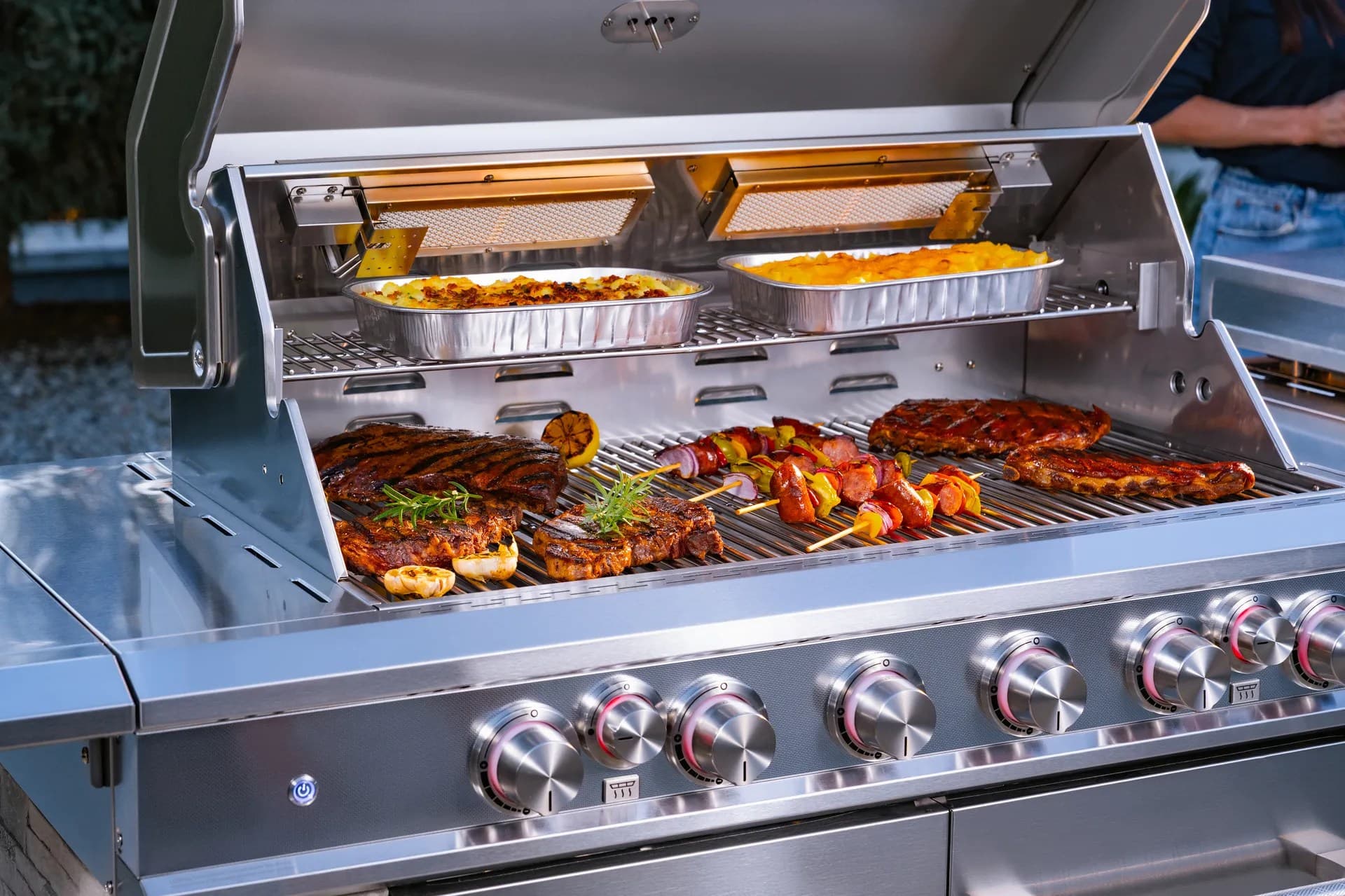
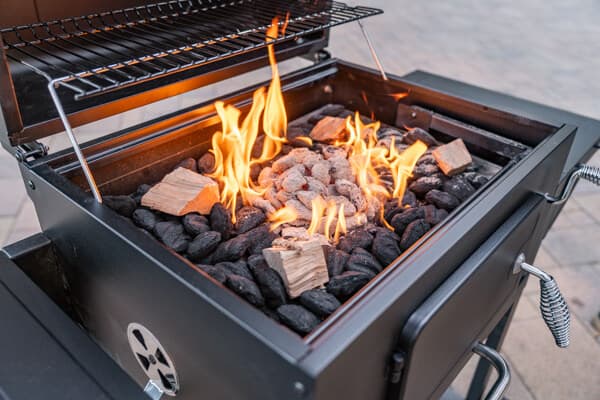
Discover the benefits, maintenance tips, and recipes for your cast iron charcoal grill.
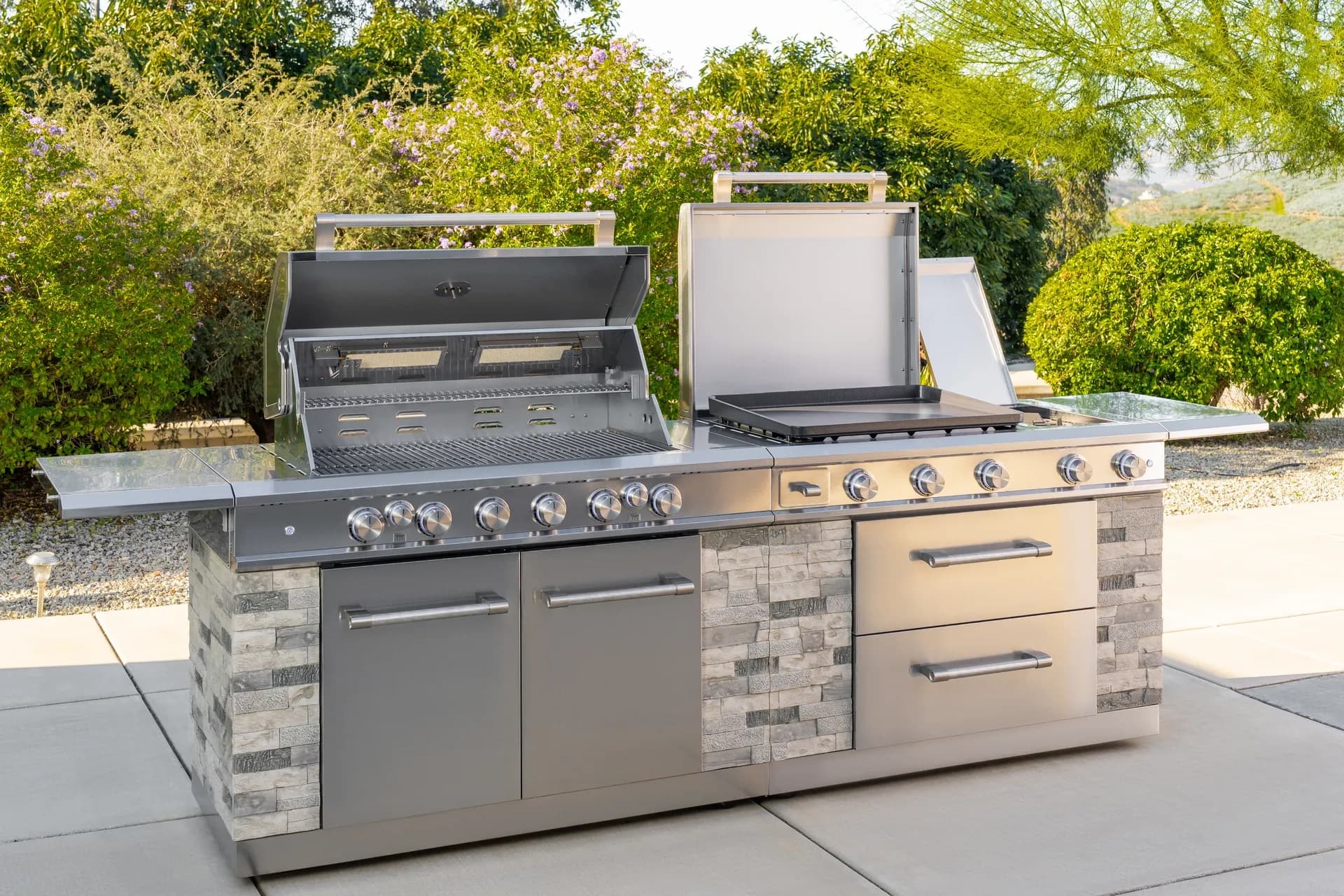
From sizzling breakfasts to smash burgers and teppanyaki-style dinners, the Daytona Pro 5 Burner NitroGuard™ Griddle delivers powerful heat, fast cooking, and a durable cooking surface built for every backyard cookout. Watch how easy outdoor cooking can be.
Here's what sets us apart from the competition
We position ourselves as delivering high-end outdoor cooking features and performance without premium-brand pricing, emphasizing “Quality Grills. Unbelievable Value.”
We offer gas grills, pellet grills, griddles, smokers, pizza ovens, portable/tabletop grills, electric grills, accessories, and replacement parts — allowing customers to stay within one ecosystem for all outdoor cooking needs.
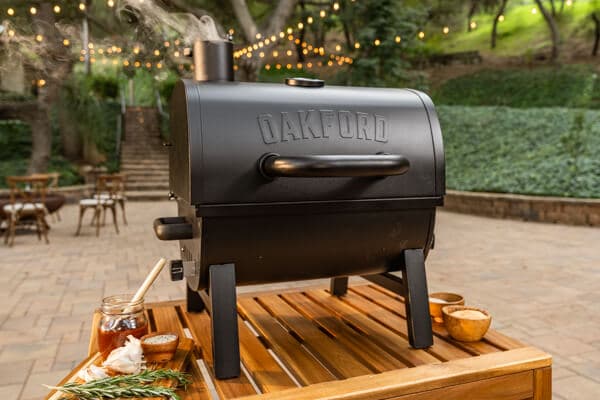
We differentiate ourselves through smart grilling products like the Oakford smart pellet grill, including app-connected cooking controls and modern outdoor cooking technology.

Expert tips, buying guides, comparisons, and inspiration for choosing and getting the most out of your grill.

Practical guides for cleaning, maintenance, common grill issues, and performance optimization.

Step-by-step grilling recipes, cooking techniques, and meal ideas for every occasion and skill level.

Backyard entertaining ideas, seasonal grilling inspiration, and stories that celebrate outdoor cooking culture.

Helpful articles covering grilling tools, cookware, maintenance gear, and must-have accessories for outdoor cooking.

Find griddle recipes, cooking techniques, cleaning tips, and outdoor meal ideas designed for Nexgrill griddles.
Find answers to common questions
Gas grills provide instant heat and precise temperature control, making them easier to use. Charcoal grills offer a smoky flavor and high heat for searing but require more time to heat up and manage.
Pellet grills combine the convenience of gas with the flavor of wood, allowing for smoking, baking, and grilling. Traditional gas grills, however, are quicker to start and often easier to clean.
Charcoal grills typically reach higher temperatures quicker than gas grills, making them better for searing meat. However, high-quality gas grills can also provide adequate heat for effective searing.
Nexgrill offers models designed specifically for gas, charcoal, and pellets, allowing users to choose based on their cooking style and flavor preferences. Each type is built to optimize the characteristics of its respective fuel.
Choosing between gas and charcoal grills depends on your cooking preferences and lifestyle. If you value convenience and quick cooking, a gas grill may suit you better; if you prefer the taste and experience of traditional grilling, a charcoal grill would be ideal.
In This Article
Unmatched Heat Retention
Flavor Enhancement
Durability and Longevity
A cast iron charcoal grill sits in a sweet spot that many outdoor cooks chase but few appliances truly deliver: the deep, steady heat of charcoal paired with the thermal mass of cast iron. That combination matters because cast iron does not just get hot; it holds heat, spreads it across the grate, and gives you a stable surface for foods that need a fast sear or a confident, even finish. If you have ever watched a steak lose its crust the moment it touched a cool grate, you already understand why material choice matters. A cast iron charcoal grill is built for cooks who want control over browning, char, and flavor rather than a quick, disposable grilling experience.
What makes this category especially interesting is how practical it can be for real households. In a U.S. backyard, that often means weeknight chicken thighs, weekend ribs, or a last-minute vegetable platter for friends who showed up hungry. Cast iron’s density helps the grill recover heat after the lid opens, which is useful when you are checking doneness or moving food around. Charcoal brings the smoke and the temperature ceiling that many cooks want for searing, while cast iron helps transform that heat into consistent contact with the food. The result is often a more pronounced crust on burgers, a better sear on vegetables like zucchini or mushrooms, and more reliable browning on bone-in cuts that benefit from a few extra minutes over the coals.
The appeal is not only performance. Cast iron charcoal grills also have a tactile, old-school credibility that many grillers appreciate. They feel substantial, they reward good technique, and they encourage you to learn the rhythm of fire, air, and timing. That learning curve is part of the experience, not a drawback. For some cooks, that is exactly the point: you are not just heating food, you are managing a system. The grill becomes a tool for developing skill, which is why cast iron charcoal grills continue to attract both newer backyard cooks and more experienced grillers who want a more hands-on setup.
Cast iron helps buffer temperature swings that can happen when charcoal is adjusted or the lid is lifted.
Nexgrill’s brand philosophy also fits this category well: approachable outdoor cooking that brings people together without overcomplicating the process. Cast iron charcoal grilling can sound technical, but it is really about making a fire do useful work for your food and your table. When the grill is well cared for, it becomes a dependable part of the outdoor routine, not just a seasonal gadget. That long-term value is one reason cast iron charcoal grills remain a favorite for cooks who want a durable, flavor-forward setup that can handle everything from simple chops to more ambitious weekend menus.
If you are deciding whether this style is right for you, the most important thing to remember is that cast iron rewards consistency. Preheat fully, manage your charcoal thoughtfully, and keep the surface protected when it is not in use. Do that, and the grill can become one of the most satisfying pieces of outdoor equipment you own. Try comparing two options side by side below to see which fits best:
The first reason people choose cast iron is heat retention, but the real advantage is how that heat behaves during cooking. Because cast iron stores energy so effectively, it helps stabilize the cooking surface when cold food is added. That means fewer weak spots on the grate and less of the uneven browning that can happen with thinner materials. If you are cooking a thick ribeye, for example, the grate can help build an early crust before the interior overshoots. If you are grilling salmon skin-side down, that same steady contact can help protect the skin from tearing and support a cleaner release.
Flavor is the second major benefit, and it is more practical than mystical. Cast iron does not create smoke on its own, but it helps translate charcoal heat into a more intense sear, and searing is where a lot of savory flavor development begins. Browning reactions happen best when the food meets a hot, dry surface, and cast iron provides exactly that. The charcoal underneath contributes smoke and a more traditional barbecue profile, while the cast iron surface supports crust formation. That pairing is especially helpful for foods that benefit from high-heat finishing, such as skirt steak, halved peaches, asparagus, or even pizza cooked on a cast iron surface set over charcoal.
Tip: For the strongest sear, preheat the grill long enough that the cast iron grate is fully hot before the food goes on. Short preheats are the fastest way to underuse cast iron’s advantage.
Durability is another reason cast iron remains relevant. A well-made cast iron grill grate can last for years and, in some cases, much longer if seasoning and storage are handled correctly. That longevity is attractive to buyers who do not want to replace a thin grate after a few seasons of weather exposure and heavy use. Cast iron is not fragile in the everyday sense; it is sturdy, dense, and capable of handling repeated thermal cycling. The tradeoff is that it asks for care. Unlike stainless steel, it can rust if neglected. But for many grillers, that tradeoff is worth it because the cooking payoff is immediate and noticeable.
Cast iron excels when you want bold browning on steaks, chops, vegetables, and seafood.
There is also a comfort factor. A cast iron charcoal grill makes sense for cooks who like a clear process: light the charcoal, wait for the right ash layer, heat the grate, then cook with intention. That rhythm can improve results because it slows the cook down just enough to encourage better timing. Instead of chasing convenience alone, you build a cooking surface that works with the fire. That is why cast iron charcoal grills often feel less like an appliance and more like a craft tool.
Comparing grill types is the fastest way to understand where cast iron charcoal really shines. Stainless steel grills are often easier to live with because they resist corrosion better and typically need less careful storage. They can be a smart choice for buyers who want lower-maintenance ownership. Ceramic cookers, on the other hand, are excellent at heat retention and can be strong for low-and-slow cooking, but they are heavier, more expensive, and less forgiving if you need to move the unit often. Standard painted-steel charcoal grills can be budget-friendly and deliver good flavor, but they usually do not match cast iron in grate temperature stability or searing power.
| Grill type | Main strength | Main tradeoff | Best use case |
|---|---|---|---|
| Cast iron charcoal | Excellent heat retention and searing | Needs seasoning and rust prevention | Steaks, vegetables, burgers, mixed grilling |
| Stainless steel | Easier cleaning and corrosion resistance | Usually less thermal mass than cast iron | Frequent use with lower upkeep |
| Ceramic | Great insulation and temperature stability | Heavier and often costlier | Smoking and long, steady cooks |
| Basic steel charcoal | Low entry price | Less consistent heat at the grate | Casual use and budget shopping |
If your priority is all-day convenience, stainless steel may be simpler. If your priority is low-and-slow smoke sessions with strong heat buffering, ceramic has a strong argument. But if your priority is the classic charcoal experience with a grate that grabs heat and holds it where the food touches, cast iron is hard to beat. This is why it remains especially appealing to cooks who care about crust, browning, and the tactile feel of cooking over live fire.
There is also a difference in cooking style. Stainless steel often suits a more set-it-and-forget-it mentality, while cast iron rewards attentive preheating and careful placement. Ceramic can be superb for smoking pork shoulder or brisket, but it may be more grill than griddle in the way it cooks. Cast iron charcoal grills occupy a useful middle ground: strong enough for high heat, forgiving enough for family cooking, and familiar enough that most people can learn the workflow quickly. That balance is a major reason the format continues to attract buyers who want flavor without unnecessary complexity.
Maintenance is the make-or-break factor for cast iron. The surface itself is durable, but it depends on a protective layer of seasoning and on good storage habits. After each cook, clean the grate while it is still warm. Use a grill brush or a scraper to remove stuck-on bits, then wipe the surface lightly with a cloth or paper towel if the design allows it. The goal is not to strip the seasoning; the goal is to remove residue before it hardens and attracts moisture.
Warning: Do not soak cast iron components in water or leave them wet after cleaning. Moisture is the fastest path to rust, especially in humid U.S. climates or after rain.
If the grate begins to look dull or patchy, it may need re-seasoning. A thin layer of high-smoke-point oil can help restore the protective finish. Heat the grate so the oil bonds properly, then let it cool before covering the grill. Avoid thick, sticky layers of oil; those tend to gum up instead of seasoning cleanly. The best maintenance is usually boring maintenance: a little cleaning after each use, a little oil when needed, and consistent dry storage. That routine pays off because the grate will cook more evenly and resist rust better over time.
Storage matters just as much as cleaning. If you live in a rainy region or near the coast, a fitted cover and a dry patio or garage location can make a big difference. If the grill must sit outdoors year-round, check it periodically for orange rust spots, especially near edges and seams. Catching corrosion early is far easier than dealing with a fully damaged surface later. When rust does appear, the fix is usually mechanical rather than dramatic: remove the affected area carefully, clean it, re-season it, and keep cooking.
One other habit that helps is preheating and post-cooking burn-off. Letting the grill run hot for a few minutes after food is removed can make residue easier to brush away. Just remember that high heat does not replace physical cleaning. Cast iron works best when it is respected as a seasoned cooking surface, not just a firebox accessory. For many owners, that sense of stewardship is part of the appeal; the grill gets better with thoughtful use.
In practice, maintenance is less about complicated procedures and more about consistency. A cast iron charcoal grill that is brushed, dried, oiled lightly, and covered will usually outperform one that is allowed to sit dirty and damp. That is the ownership lesson unique to this category: performance is closely tied to care, but the care itself is straightforward once you build the habit.
Once you’ve weighed two options against each other, here’s what else matters when you narrow your final choice.
When shoppers look for a cast iron charcoal grill, they are often really looking for three things at once: a sturdy body, a grate that holds heat well, and a layout that makes live-fire cooking easier to manage. Brand reputation matters because cast iron grills can vary widely in how they are built, how heavy the components feel, and how easy they are to clean or season. Some models focus on traditional round-kettle simplicity, while others add heavier lids, adjustable charcoal trays, ash management, or more expansive cooking footprints. The right model depends on whether you grill for a family of four on Tuesday night or host larger backyard gatherings on weekends.
Nexgrill’s broader charcoal and outdoor cooking lineup is useful context here because it reflects the brand’s emphasis on approachable, dependable outdoor cooking. Although the exact product configuration you choose will depend on your space and cooking style, the best cast iron charcoal grill candidates tend to share a few traits: sturdy materials, practical air control, and surfaces that retain heat long enough to reward proper searing. For buyers comparing options, that means looking beyond shiny finishes and asking how the grill will behave after ten minutes, twenty minutes, and a full season of use.
| What to compare | Why it matters | What a strong option looks like |
|---|---|---|
| Grate thickness | Affects heat retention and sear marks | Heavy cast iron with even contact points |
| Lid and body fit | Helps control charcoal heat and smoke | Tight but usable closure with stable hinges |
| Ash cleanup | Impacts day-to-day maintenance | Easy-access ash collection or straightforward emptying |
| Cooking area | Determines how many items fit at once | Enough space for direct and indirect zones |
For many buyers, the best choice is not the most expensive grill but the one whose construction matches their actual cooking habits. If you cook steaks and vegetables for two to four people, a more compact model with a quality cast iron grate may be the smartest move. If you regularly host family cookouts, a larger charcoal body with a broad grate surface gives you more room to create temperature zones. The important thing is that cast iron should be doing meaningful work for you, not just appearing in the spec sheet.
Cast iron charcoal grilling is especially good for recipes that benefit from a sharp sear and controlled finish. A ribeye is the obvious example, but the category is more versatile than that. Think of cast iron as a heat amplifier: it intensifies browning on meat, vegetables, and even fruit. One reliable method is reverse searing thick cuts. Start the steak away from the hottest part of the fire, let it warm through gradually, then move it onto the cast iron surface for a finishing sear. That approach helps reduce the chance of overcooking the center while still delivering a dark crust.
A second technique that works especially well is cast iron skillet cooking over charcoal. If your grill setup allows it, place a cast iron skillet directly over the coals for dishes like shrimp scampi, jalapeño cornbread, or a skillet apple crisp. The charcoal adds outdoor character, while the cast iron spreads the heat enough to make the cooking more forgiving than an open pan over a shaky flame. For vegetables, try oiling asparagus, mushrooms, or halved onions lightly and placing them over direct heat until you get browning without collapse. The key is not to crowd the grate. Space is part of the recipe.
For a simple U.S. backyard dinner, a cast iron charcoal grill can handle: 1) lemon-herb chicken thighs with skin crisped over direct heat, 2) cauliflower steaks brushed with garlic oil and seared until caramelized, 3) thick pork chops finished with a quick high-heat crust, or 4) grilled peaches served with ice cream after a short kiss of smoke. Each of those foods benefits from the same basic workflow: preheat, oil lightly, cook with patience, and finish before the surface dries out or burns.
Info: If you are grilling mixed foods, use the cast iron grate for the items that need a crust first, then move them to cooler zones to finish gently.
The best recipes for this grill type are usually the ones that benefit from both direct and indirect cooking. That means you can sear first, then finish under the lid, or start with a slower roast and end over a hot grate. Either way, cast iron helps make the transition more predictable. That flexibility is a big part of why experienced grillers keep returning to it.
User feedback on cast iron charcoal grills tends to cluster around the same themes: strong searing, satisfying weight, and the need for proper care. Many owners praise the way food develops color quickly and the way the grill seems to “hold the moment” once it gets hot. In practical terms, that often translates to comments like the grill making steaks easier to cook well, or vegetables coming off the grate with better char than they were able to get on lighter-duty equipment. That feedback aligns with what cast iron is designed to do.
The caution in user reviews is just as informative. Experienced owners often note that rust appears when the grate is left wet, or that cleanup becomes frustrating if food is allowed to harden overnight. Those warnings are useful because they show that cast iron grilling is not difficult, but it is disciplined. People who enjoy the process tend to love the results. People expecting a no-care appliance may be disappointed. That split is typical of cast iron products across cooking categories, and it is why honest expectations matter at purchase time.
A typical positive review might describe the grill as heavy, reliable, and excellent for steaks. A more balanced review might say that it requires more upkeep than a stainless steel option but rewards that effort with noticeably better heat retention. That is the kind of social proof worth listening to because it is specific. General praise is nice; concrete observations about rust prevention, seasoning, and heat recovery are more useful to someone making a buying decision. If you are reading reviews, pay close attention to comments about how the grill performs after repeated use rather than after the first backyard cookout.
Taken together, the review pattern suggests a clear buyer profile. Cast iron charcoal grills tend to satisfy cooks who like hands-on control, traditional charcoal flavor, and a serious cooking surface. They are less ideal for shoppers who want the least maintenance possible. That is not a flaw; it is a feature of the category. Good reviews usually come from people who understand that the payoff is tied to care.
In the United States, high-quality cast iron charcoal grills are commonly found through brand websites, major home improvement retailers, outdoor living stores, and large online marketplaces. Buying direct from a brand site is often the easiest way to verify product details, dimensions, and included features before you commit. Retailers can be useful if you want local pickup, seasonal promotions, or the ability to compare multiple products in one place. For most buyers, the best strategy is to compare the cooking surface, materials, and accessory package first, then check current price and shipping or pickup options.
Price range can vary widely depending on whether you are buying a compact entry-level grill or a heavier-duty model with more robust construction. In general, U.S. shoppers may see basic cast iron charcoal options in the lower hundreds of dollars, while larger or more feature-rich models can move well beyond that. The exact number depends on the size of the grill, the thickness of the grate, and whether the unit includes extras like lids, vents, charcoal management tools, or side shelves. The best value is not always the cheapest initial price; it is the option that matches how often you cook and how long you expect the grill to serve you.
If you prefer a brand with an outdoor cooking identity and a broad product ecosystem, Nexgrill is worth reviewing alongside other reputable retailers. Its product range is designed for backyard cooks who want approachable performance and real-world usability rather than overbuilt complexity. That makes it a reasonable place to start when you are comparing cast iron charcoal options against other grill styles.
A cast iron charcoal grill is a strong choice for anyone who values heat retention, bold browning, and the character that comes from cooking over charcoal. It offers a distinctive mix of performance and tradition: the charcoal provides smoke and fire, while the cast iron helps turn that fire into useful, repeatable cooking power. The tradeoff is simple and fair. You get better thermal behavior and a more satisfying sear, but you also accept the responsibility of seasoning, drying, and protecting the surface.
For the right cook, that tradeoff is exactly what makes cast iron rewarding. It turns grill ownership into a skill, not just a purchase. It encourages attention to detail, but not in a fussy way. If you want a grill that can help you build better crusts, make your charcoal work harder, and reward regular use with years of dependable service, cast iron deserves a close look. And if you are still deciding, compare models based on grate thickness, cooking area, and upkeep requirements so you can choose the one that fits your cooking rhythm best.
Here's what sets us apart
We position ourselves as delivering high-end outdoor cooking features and performance without premium-brand pricing, emphasizing “Quality Grills. Unbelievable Value.”
We offer gas grills, pellet grills, griddles, smokers, pizza ovens, portable/tabletop grills, electric grills, accessories, and replacement parts — allowing customers to stay within one ecosystem for all outdoor cooking needs.
We differentiate ourselves through smart grilling products like the Oakford smart pellet grill, including app-connected cooking controls and modern outdoor cooking technology.
Don't just take our word for it
Keep reading
From our catalog