Discover essential features, comparisons, and maintenance tips for your perfect pizza oven.
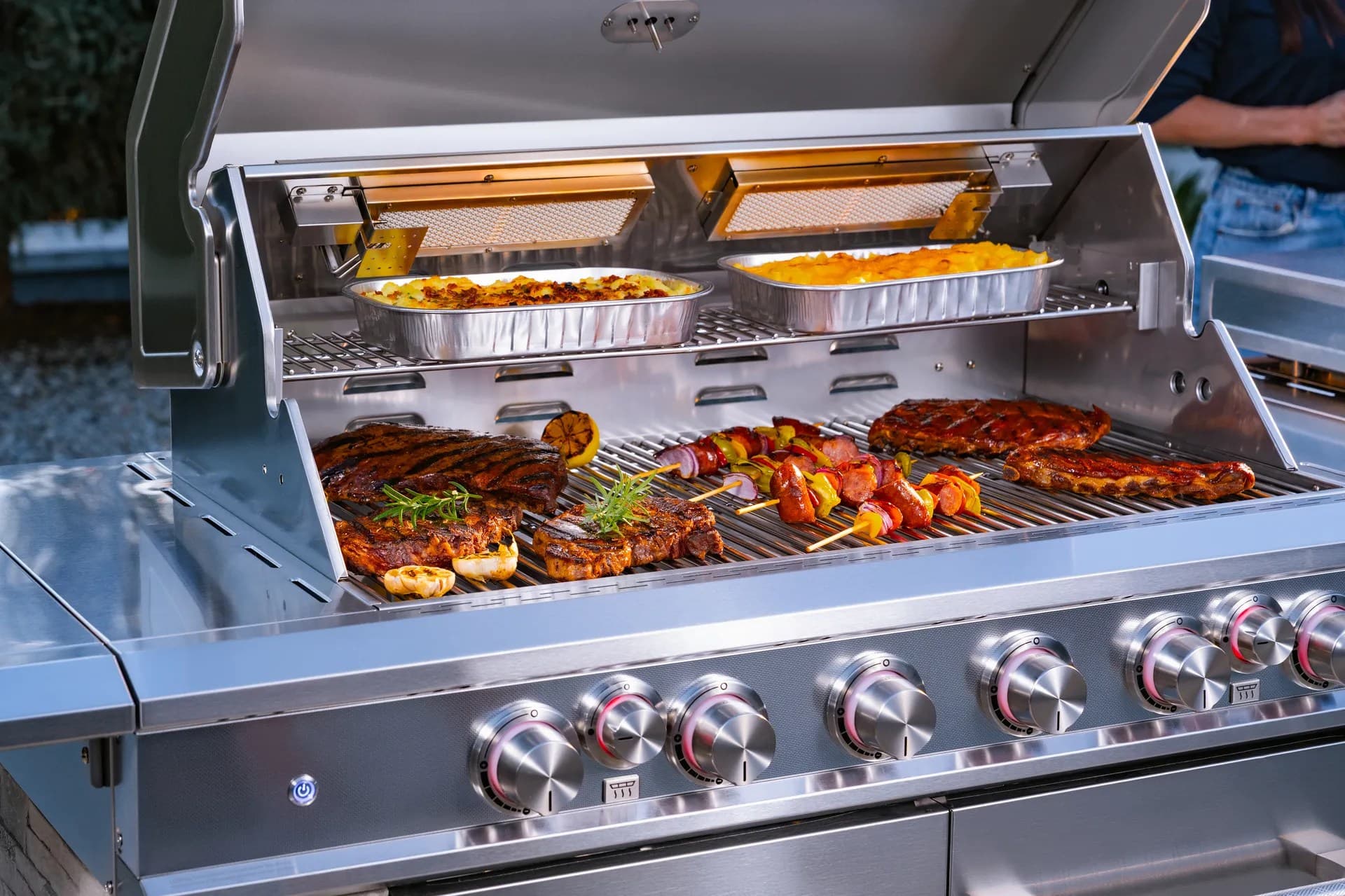
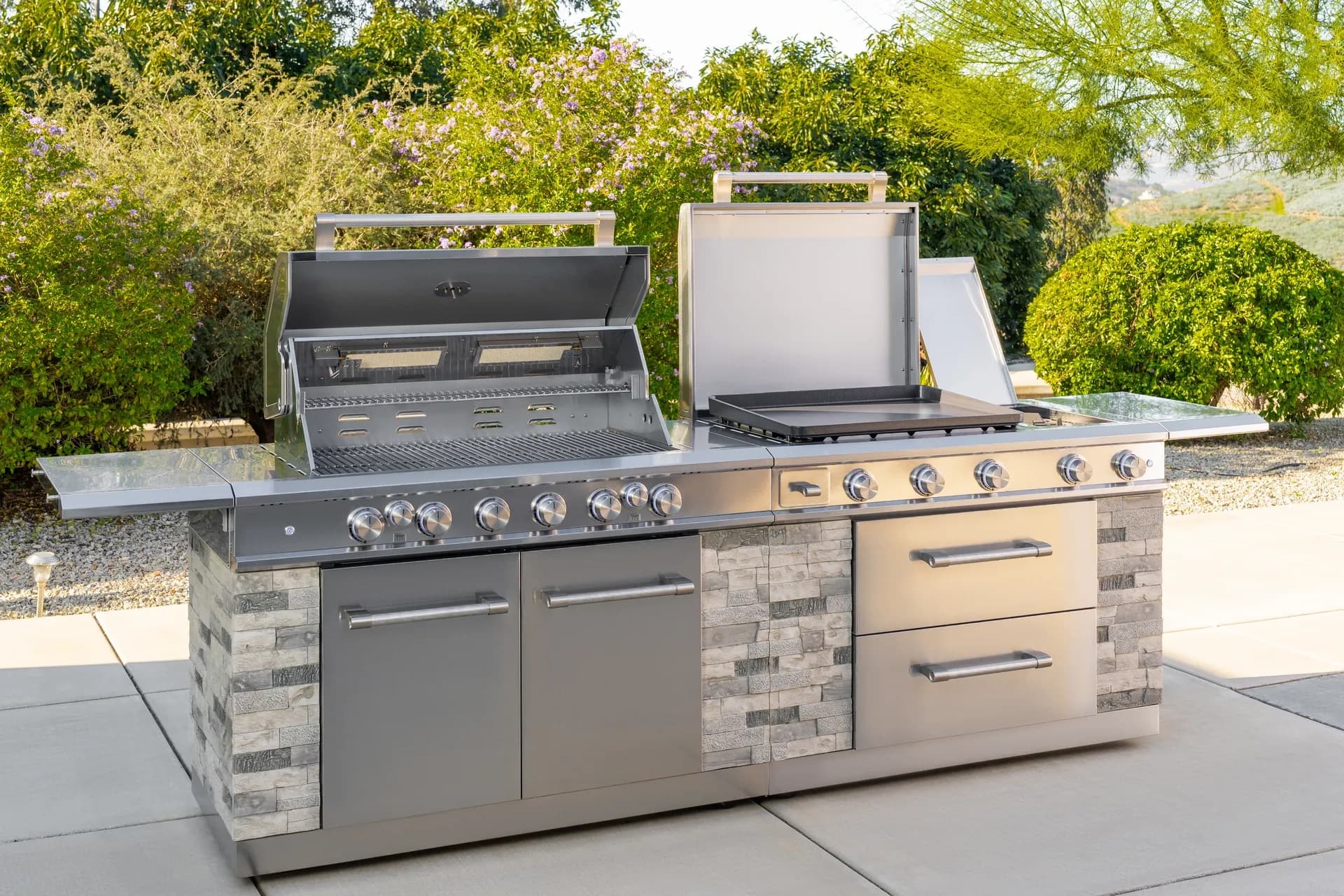
From sizzling breakfasts to smash burgers and teppanyaki-style dinners, the Daytona Pro 5 Burner NitroGuard™ Griddle delivers powerful heat, fast cooking, and a durable cooking surface built for every backyard cookout. Watch how easy outdoor cooking can be.
Here's what sets us apart from the competition
We position ourselves as delivering high-end outdoor cooking features and performance without premium-brand pricing, emphasizing “Quality Grills. Unbelievable Value.”
We offer gas grills, pellet grills, griddles, smokers, pizza ovens, portable/tabletop grills, electric grills, accessories, and replacement parts — allowing customers to stay within one ecosystem for all outdoor cooking needs.
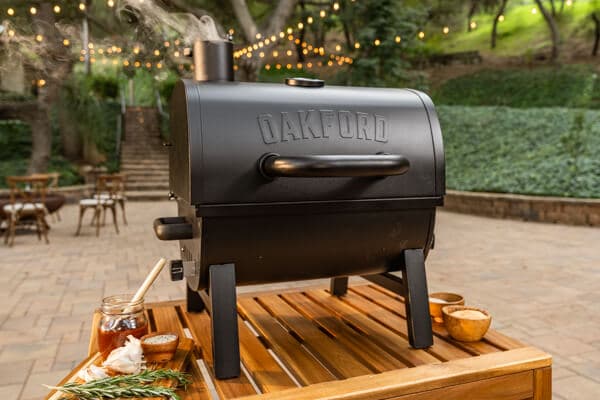
We differentiate ourselves through smart grilling products like the Oakford smart pellet grill, including app-connected cooking controls and modern outdoor cooking technology.
Expert tips, buying guides, comparisons, and inspiration for choosing and getting the most out of your grill.
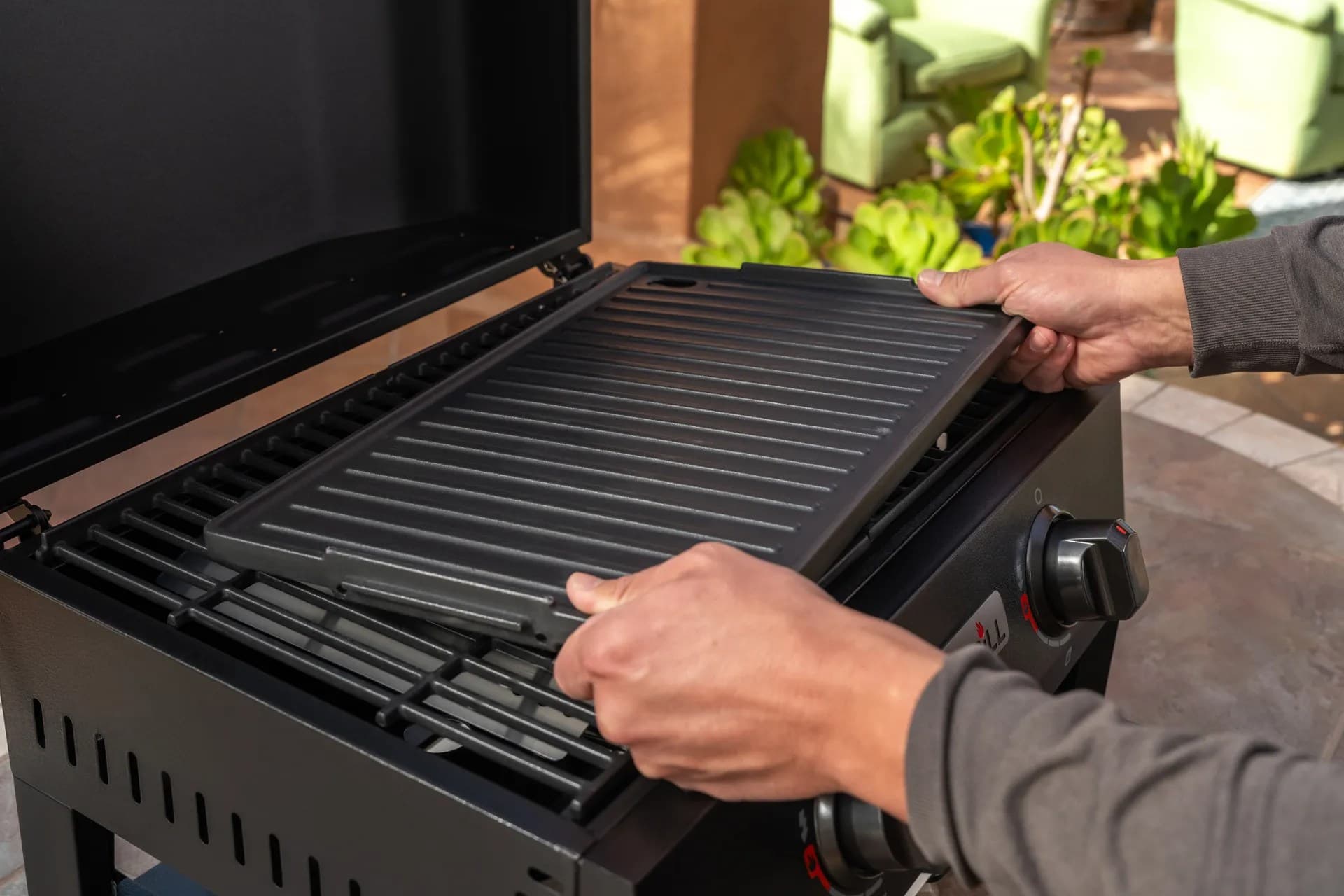
Practical guides for cleaning, maintenance, common grill issues, and performance optimization.
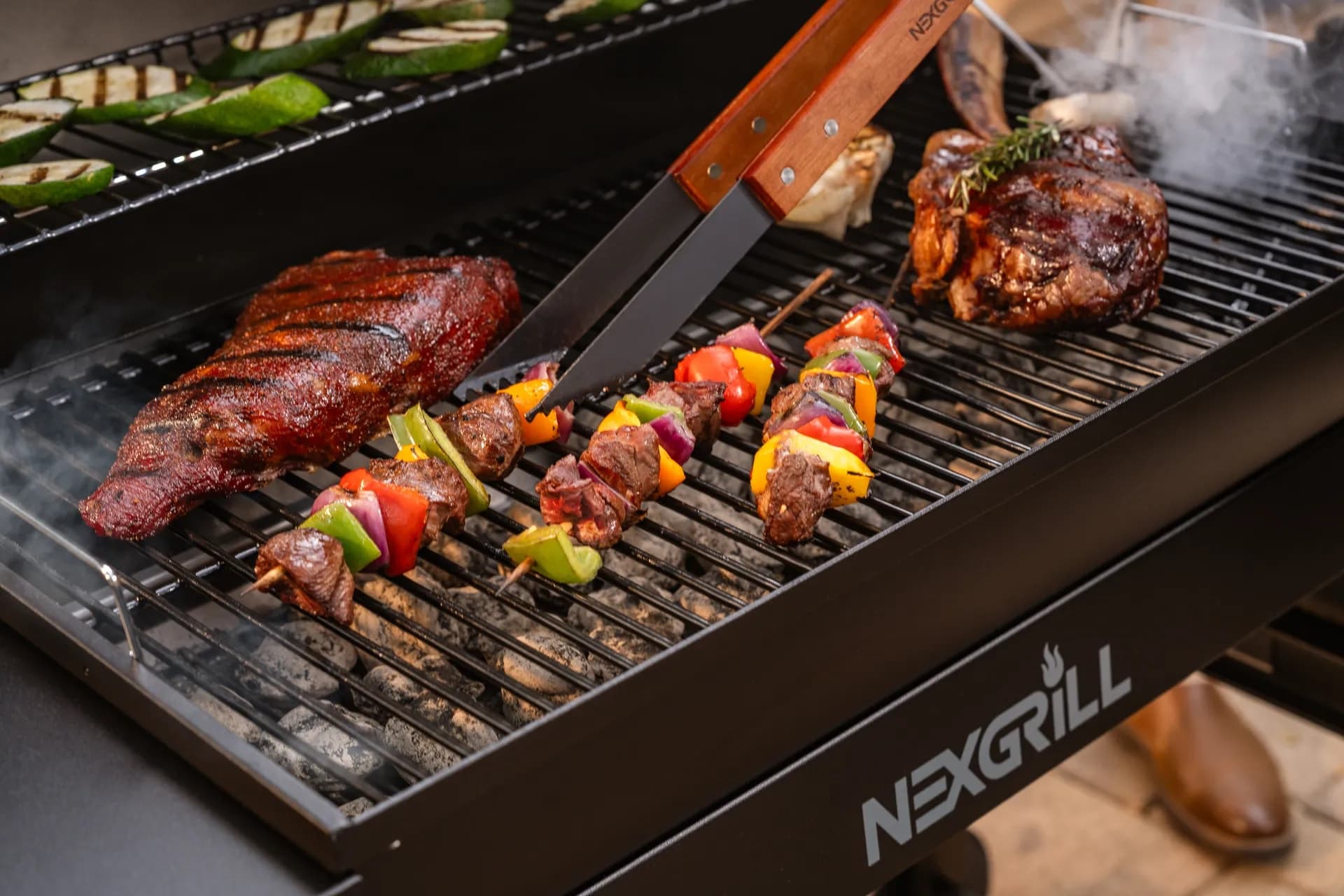
Step-by-step grilling recipes, cooking techniques, and meal ideas for every occasion and skill level.

Backyard entertaining ideas, seasonal grilling inspiration, and stories that celebrate outdoor cooking culture.
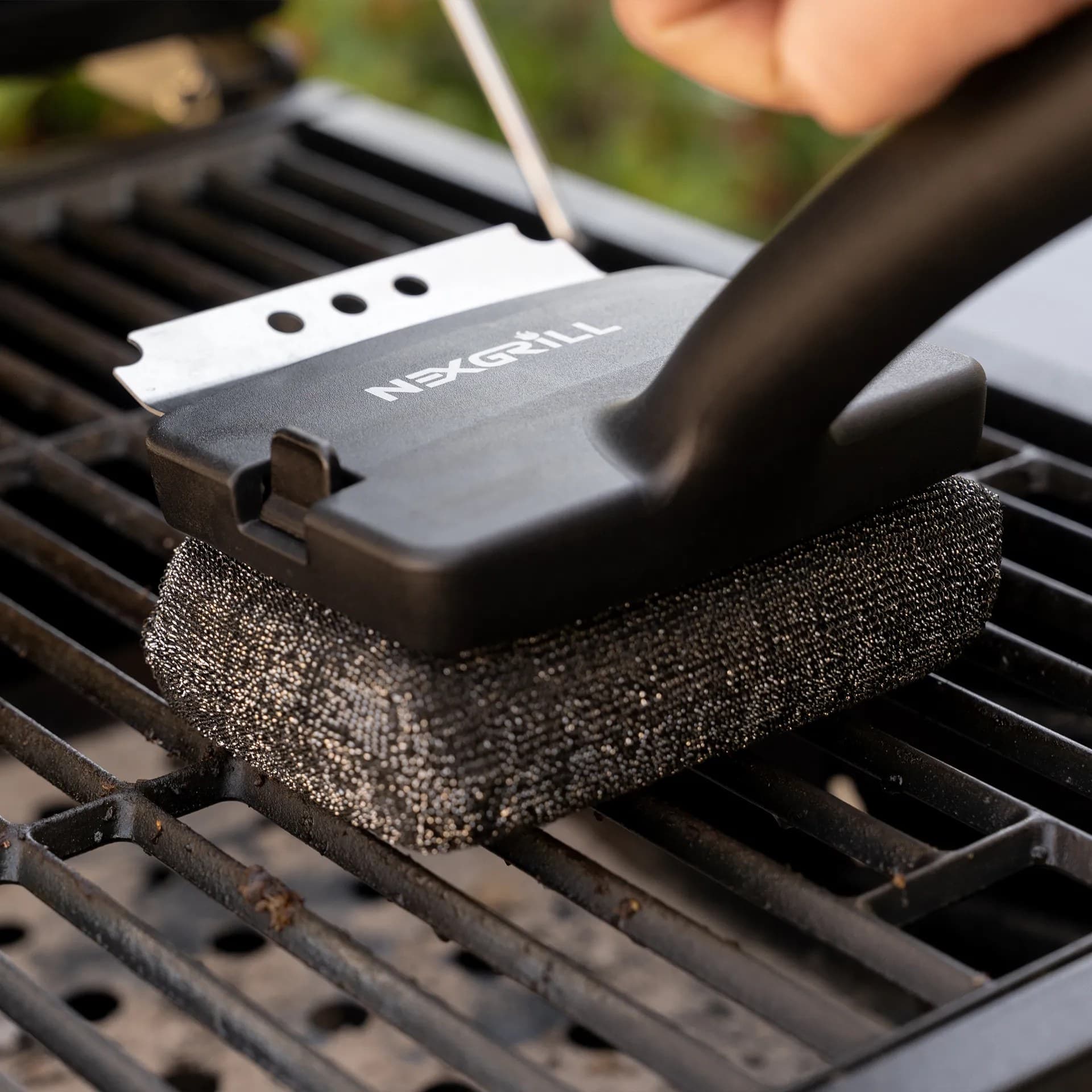
Helpful articles covering grilling tools, cookware, maintenance gear, and must-have accessories for outdoor cooking.
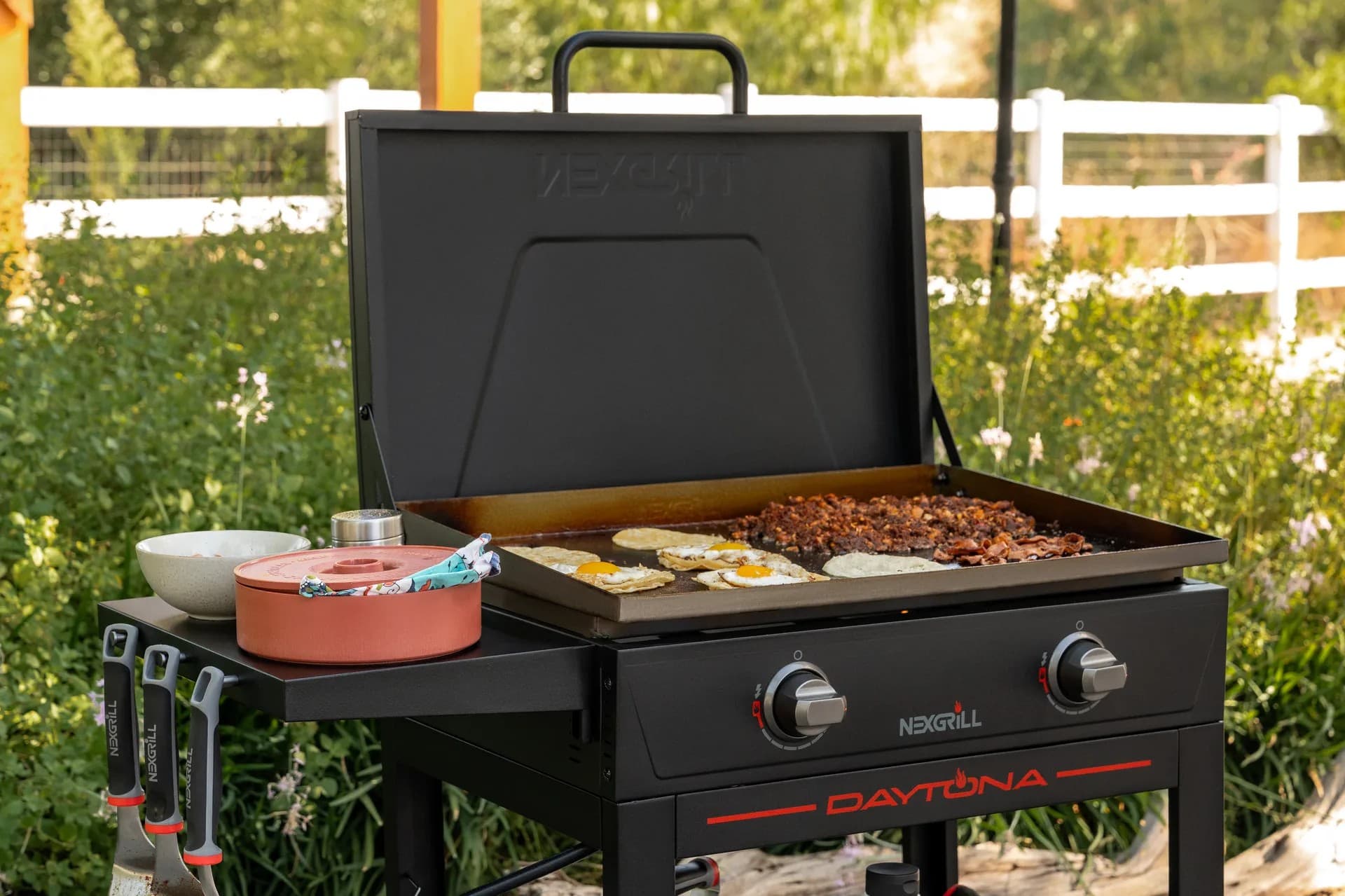
Find griddle recipes, cooking techniques, cleaning tips, and outdoor meal ideas designed for Nexgrill griddles.
Find answers to common questions
Gas grills provide instant heat and precise temperature control, making them easier to use. Charcoal grills offer a smoky flavor and high heat for searing but require more time to heat up and manage.
Pellet grills combine the convenience of gas with the flavor of wood, allowing for smoking, baking, and grilling. Traditional gas grills, however, are quicker to start and often easier to clean.
Charcoal grills typically reach higher temperatures quicker than gas grills, making them better for searing meat. However, high-quality gas grills can also provide adequate heat for effective searing.
Nexgrill offers models designed specifically for gas, charcoal, and pellets, allowing users to choose based on their cooking style and flavor preferences. Each type is built to optimize the characteristics of its respective fuel.
Choosing between gas and charcoal grills depends on your cooking preferences and lifestyle. If you value convenience and quick cooking, a gas grill may suit you better; if you prefer the taste and experience of traditional grilling, a charcoal grill would be ideal.
In This Article
Top Features to Consider
Model Comparisons
Safety and Maintenance Tips
A 12-inch propane gas pizza oven is a smart size for people who want the speed and heat of outdoor pizza-making without dedicating a huge amount of patio space. The 12-inch cooking surface is especially appealing for first-time buyers because it matches the size of many store-bought or home-stretched pizza dough balls, so you can get consistent results without wrestling with oversized pies. For weeknight cooking, the propane format is also practical: it ignites quickly, heats fast, and lets you focus on topping, launching, turning, and serving instead of waiting through a long fire-building process.
That combination of speed and control is why propane pizza ovens have become such a popular entry point for home pizza enthusiasts. A good 12-inch unit can reach the high heat needed for crisp crust and blistered cheese, often in just a few minutes once preheated. In real-world use, that means you can move from setup to first pie far faster than with many wood-fired setups, while still getting a much more hands-on outdoor cooking experience than an indoor countertop appliance. If your goal is to make a few high-quality pizzas for family night, not feed a crowd of 20, this size tends to hit the sweet spot.
A compact size that favors quick heating, manageable dough handling, and easy outdoor placement.
Another reason buyers look for this category is flexibility. A propane oven can live on a balcony, patio, or backyard prep station more easily than larger built-in style equipment. It also suits households that want repeatable results rather than a steep learning curve. For many shoppers, that means the decision is less about chasing novelty and more about finding a dependable way to make restaurant-style pizza at home with less fuss. Nexgrill’s outdoor cooking background fits that practical mindset well, since the brand’s broader product philosophy emphasizes approachable, dependable grilling experiences for everyday use.
The best buying decisions start with realistic expectations. A 12-inch propane pizza oven is not usually designed to cook huge pies, and it is not trying to replace a commercial deck oven. Instead, it is meant to make personal-sized or small family pizzas efficiently, with enough heat to produce strong browning and good texture. If you understand that role, you can compare models more confidently and avoid overpaying for features you will not use.
When you buy a propane gas pizza oven in the 12-inch class, the most important features are the ones that affect heat behavior, launch control, and cleanup. Start with the oven’s temperature capability. For home pizza, you want an oven that can comfortably reach the high-heat zone where crust sets quickly and toppings finish before the base dries out. Many buyers focus only on the maximum number printed on the spec sheet, but the more useful question is how quickly the oven recovers after you open the door or slide in a pie. Recovery matters because the dough, stone, and chamber all lose heat during cooking.
Burner placement is the second major factor. Side-mounted or rear-mounted burners affect where hot spots form, which changes how often you need to rotate the pizza. In a 12-inch oven, rotation is part of the workflow, so you want a design that makes turning easy without crowding the chamber. A slightly taller interior can also help if you plan to experiment with calzones, flatbreads, or thicker doughs, though the 12-inch format is usually most efficient with thinner crusts. This is one of the key differences between a compact pizza oven and a larger multi-function outdoor appliance.
| Feature | Why it matters | What to check |
|---|---|---|
| Heat range | Controls crust texture and cook speed | High-heat capability and fast recovery |
| Burner design | Influences even browning | Location, adjustability, and flame visibility |
| Stone or baking deck | Affects bottom crispness | Thickness, material, and ease of replacement |
| Portability | Important for storage and setup | Weight, handle design, and cart or tabletop format |
Portability deserves more attention than many shoppers give it. If the oven is intended to travel to tailgates, camping trips, or a second home, weight and footprint can be as important as burner output. If it will stay on a permanent outdoor counter, a sturdier build may matter more than compact storage. Also consider ignition style, because a reliable start helps make the oven more enjoyable for quick use. A model that feels easy to light and easy to manage is more likely to get used often, which is the real test of value.
Tip: In a 12-inch oven, a strong stone surface and predictable flame pattern often matter more than chasing the highest advertised number. Consistency usually wins over raw spec-sheet size.
Propane ovens are attractive because they remove a lot of friction from pizza night. You do not need to stock charcoal, manage wood moisture, or wait as long for the chamber to stabilize. For many households, that convenience is the deciding factor. It is easier to make two or three pizzas back to back when the oven lights quickly and responds predictably to temperature changes. That predictability also helps newer users learn timing and rotation, which is important when you are still figuring out how dough thickness, sauce amount, and cheese load affect the final result.
Compared with electric alternatives, propane ovens usually offer a stronger outdoor cooking feel and more aggressive heat. Compared with wood-fired ovens, they are generally easier to control and cleaner to maintain. A propane oven can also be a better choice for households that want to keep the flavor focus on ingredients rather than smoke. That does not make propane less capable; it simply means the flavor profile is cleaner and the learning curve is shorter. For many buyers, that is ideal for making weeknight margherita pizzas, pepperoni pies, or vegetable-topped pizzas that cook quickly and evenly.
Best fit: Buyers who want faster setup, simpler heat control, and dependable pizza-making without the extra steps of wood management.
There is also a practical household advantage. Because propane ovens are usually compact, they fit better into homes that treat pizza as part of a broader outdoor cooking routine. That matters for Nexgrill-style buyers who value versatility and ease of use over one-note specialty equipment. The goal is not to become a full-time pizzeria operator; it is to make better pizza at home with a setup that feels accessible enough to use often. If that sounds like your style, the next step is comparing actual models side by side so you can see which features are worth paying for and which are merely nice to have. Try comparing two products side by side below to see which fits best:
Once you have weighed two options against each other, the next question is how each oven fits real cooking habits. For 12-inch propane pizza ovens, the difference between models is rarely just about the headline temperature. It is about how the oven behaves once it is hot, how easy it is to launch and turn a pie, and how much confidence it gives a new user. The Ooni Koda 12 is often the benchmark in this size because of its compact form factor and focused pizza-first design. Ooni positions the Koda 12 as a portable, gas-powered oven built specifically for rapid heating and backyard convenience.
| Model | Strengths | Best for | Trade-off |
|---|---|---|---|
| Ooni Koda 12 | Compact, pizza-focused, easy to store | Buyers who want a streamlined, premium-feeling 12-inch oven | Usually a more specialized setup with fewer multi-use features |
| Nexgrill propane option | Value-minded outdoor cooking approach, practical brand support | Shoppers already comfortable with Nexgrill’s accessible outdoor-cooking style | May require careful feature comparison depending on the exact model configuration |
| Dyna-Glo pizza oven | Broad outdoor cooking heritage, variety across product lines | Buyers who want to compare options across a familiar outdoor-cooking brand | Model availability and feature sets can vary by retailer and generation |
The most helpful comparison is not brand prestige but workflow. If you prefer a very focused pizza-oven experience, the Ooni Koda 12 often appeals because it is built around compact performance and fast preheat behavior. If you are already shopping within the Nexgrill ecosystem, the brand’s broader outdoor-cooking identity may matter because it emphasizes approachable, dependable gear for family use and entertaining. That can be useful if you value a brand that feels less niche and more aligned with general backyard cooking. Dyna-Glo sits somewhere in between for many shoppers, especially those who want to compare size, burner style, and portability before committing to a specific build. Because product lineups can shift, the smartest move is to compare dimensions, included accessories, and propane connection details before assuming all 12-inch units perform the same.
Customer experience also matters. Reviews for this category tend to reward ovens that are easy to assemble, intuitive to preheat, and forgiving when you are still learning dough launch technique. Shoppers often value models that recover heat quickly enough to support back-to-back pies, because the second and third pizzas are where some ovens begin to feel inconsistent. If you frequently host friends, choose the oven that makes repeated cooking simpler rather than the one that looks most dramatic in photos. The best value is the one you will actually use on a Tuesday night as well as on a weekend cookout.
For price comparison, think in terms of ownership value rather than just sticker price. A lower-cost oven that needs a steep learning curve or awkward setup may be less satisfying than a mid-priced option that is easy to light, stable on the table, and simple to clean afterward. For U.S. buyers, final costs can also shift with propane accessories, covers, peels, and replacement stones, so budget a little beyond the oven itself. That keeps expectations realistic and avoids the disappointment of discovering that the pizza oven is only one part of the actual setup.
Good maintenance is mostly about preserving predictable heat. After the oven cools, clear loose flour, crumbs, and cheese drips so they do not carbonize during the next cook. If your model uses a stone or cordierite-style deck, avoid soaking it with water. A dry scrape and a careful brush are usually better than aggressive washing. Over time, light seasoning from use can be normal, but heavy buildup can affect heat transfer and create off flavors. Cleaning after each session takes only a few minutes and is much easier than trying to rescue a neglected oven later.
Propane-specific maintenance should include checking the hose, regulator, and connections before the first use of the season and periodically after that. Look for kinks, wear, cracking, or loose fittings. If you smell gas when the oven is off, stop and inspect the connection before lighting anything. Keep the burner area free from grease and debris so airflow stays consistent. In practical terms, clean equipment cooks more evenly and is easier to trust when you are feeding family or friends. That is especially relevant in a compact oven where small changes in airflow can affect browning.
Warning: Never use harsh abrasive tools on coated parts or the baking stone if the manufacturer advises against it. Aggressive cleaning can shorten the life of key components.
Storage matters too. If your oven lives outdoors, use a fitted cover when it is completely cool and dry. Keep it out of standing water and away from heavy wind exposure when possible. Seasonal storage should include a quick inspection of the burner ports and a visual check of the ignition area. A simple routine is often enough: brush the deck, wipe the exterior, verify the connection hardware, and cover the oven. That approach keeps the oven ready for spontaneous pizza nights instead of turning it into a project appliance.
Safety with propane pizza ovens starts with placement. Set the oven on a stable, level, noncombustible surface with enough clearance around the sides and rear for heat ventilation. Keep the oven away from hanging umbrellas, overhangs, dry plants, or anything that could catch heat. Because 12-inch ovens concentrate intense heat in a compact footprint, even a small mistake in placement can become an issue faster than with larger open-air setups. Respecting the clearance zone is one of the simplest ways to reduce risk.
Before lighting, confirm that the propane tank is properly connected and the valve is opened according to the manufacturer’s instructions. Use a leak check solution or soapy water on connection points when setting up a new tank or after moving the oven. Never test for leaks with a flame. If you need to reposition the oven, shut it down and let it cool before moving it. Keep children and pets back from the launch zone and the front opening, since the exterior and surrounding air can become extremely hot during use.
Tip: Have a long peel, heat-resistant gloves, and a clear landing surface ready before ignition. Prepared workflow improves both safety and cooking success.
One helpful habit is to create a simple pre-cook checklist. Make sure the area is clear, the tank is secured, the ignition path is unobstructed, and your tools are staged before the oven reaches full heat. That way you are not reaching across a hot chamber or improvising while the stone is already at temperature. For households new to propane appliances, this routine creates confidence and helps avoid rushed mistakes. If an oven behaves unexpectedly, shut it down and let it cool before troubleshooting. A calm reset is far better than forcing a problem.
1. Place oven on a stable, level, noncombustible surface2. Inspect hose, regulator, and tank connection3. Perform a leak check before first ignition4. Preheat with tools and landing space ready5. Keep clear of the front opening and hot exterior6. Shut off gas at the valve when finished7. Let the oven cool fully before covering or movingIf you are buying a 12-inch propane gas pizza oven, the best choice is the one that matches your cooking rhythm, patio setup, and appetite for convenience. The right model should heat quickly, recover well, and feel easy to operate on a regular basis. Compare temperature behavior, burner design, build quality, and portability before you look at anything else. Then decide whether you want a highly specialized pizza-first oven like the Ooni Koda 12, a value-minded approach aligned with Nexgrill’s accessible outdoor-cooking philosophy, or a Dyna-Glo option that fits your preferred outdoor setup.
If you are the type of buyer who wants memorable backyard cooking without a complicated learning curve, propane is a strong path. It gives you speed, control, and enough consistency to improve with each pizza you make. That is often what turns a one-time purchase into a favorite weekend ritual. Use the comparison below to narrow the field, then choose the oven that makes it easiest to bring great pizza to the table again and again.
Here's what sets us apart
We position ourselves as delivering high-end outdoor cooking features and performance without premium-brand pricing, emphasizing “Quality Grills. Unbelievable Value.”
We offer gas grills, pellet grills, griddles, smokers, pizza ovens, portable/tabletop grills, electric grills, accessories, and replacement parts — allowing customers to stay within one ecosystem for all outdoor cooking needs.
We differentiate ourselves through smart grilling products like the Oakford smart pellet grill, including app-connected cooking controls and modern outdoor cooking technology.
Don't just take our word for it
Keep reading
From our catalog