Explore nutritious and flavorful dishes you can prepare with your pellet grill.
Here's what sets us apart from the competition
We position ourselves as delivering high-end outdoor cooking features and performance without premium-brand pricing, emphasizing “Quality Grills. Unbelievable Value.”
We offer gas grills, pellet grills, griddles, smokers, pizza ovens, portable/tabletop grills, electric grills, accessories, and replacement parts — allowing customers to stay within one ecosystem for all outdoor cooking needs.
We differentiate ourselves through smart grilling products like the Oakford smart pellet grill, including app-connected cooking controls and modern outdoor cooking technology.
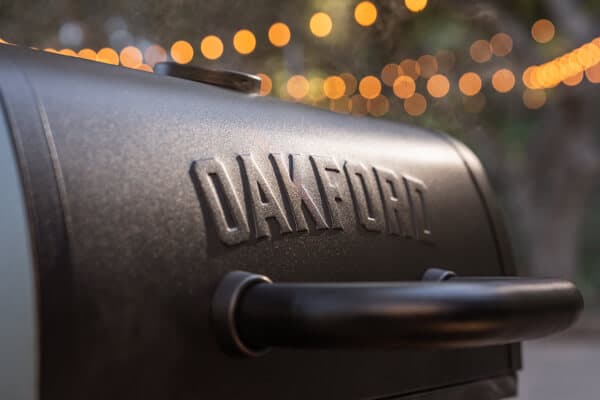
Expert tips, buying guides, comparisons, and inspiration for choosing and getting the most out of your grill.
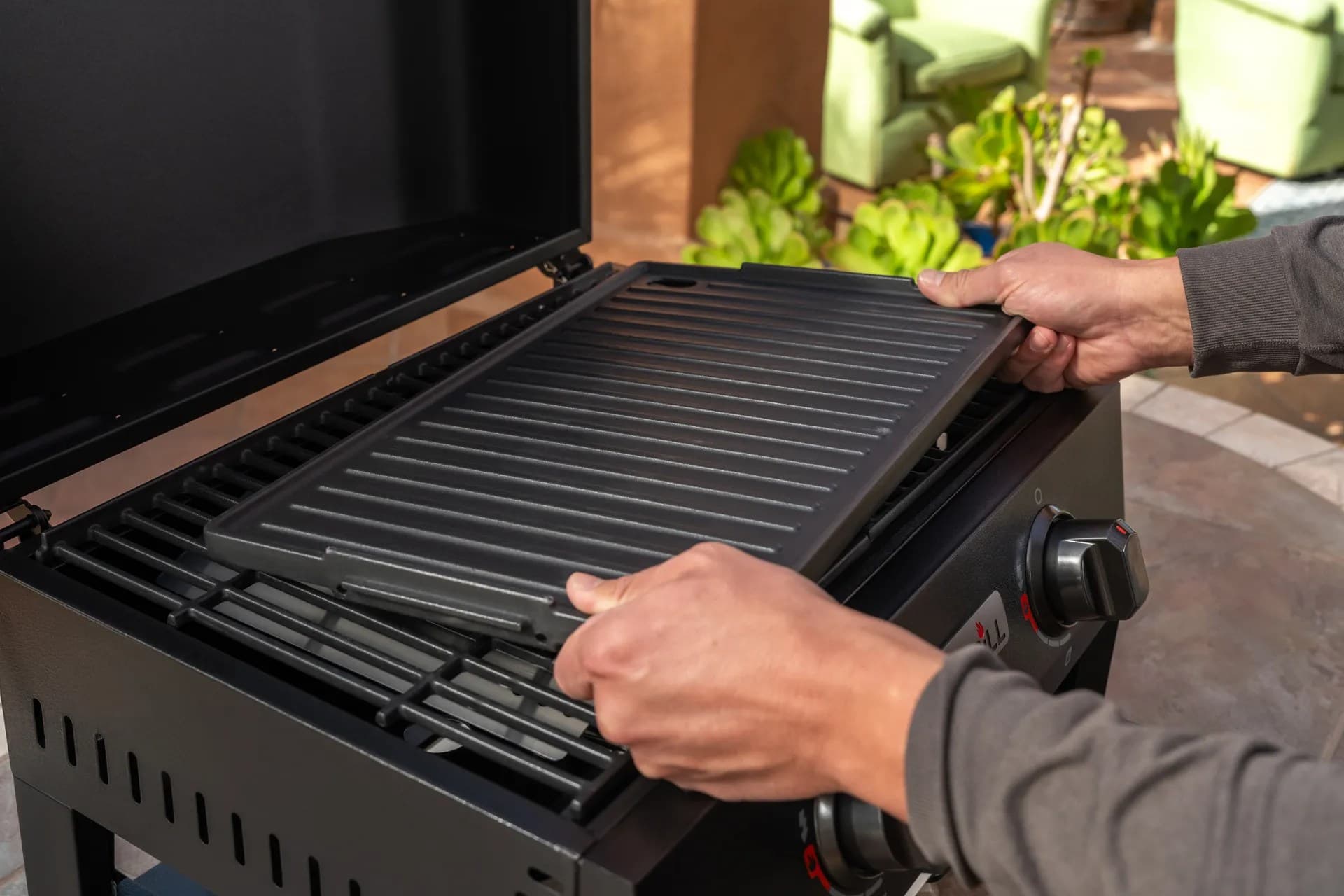
Practical guides for cleaning, maintenance, common grill issues, and performance optimization.
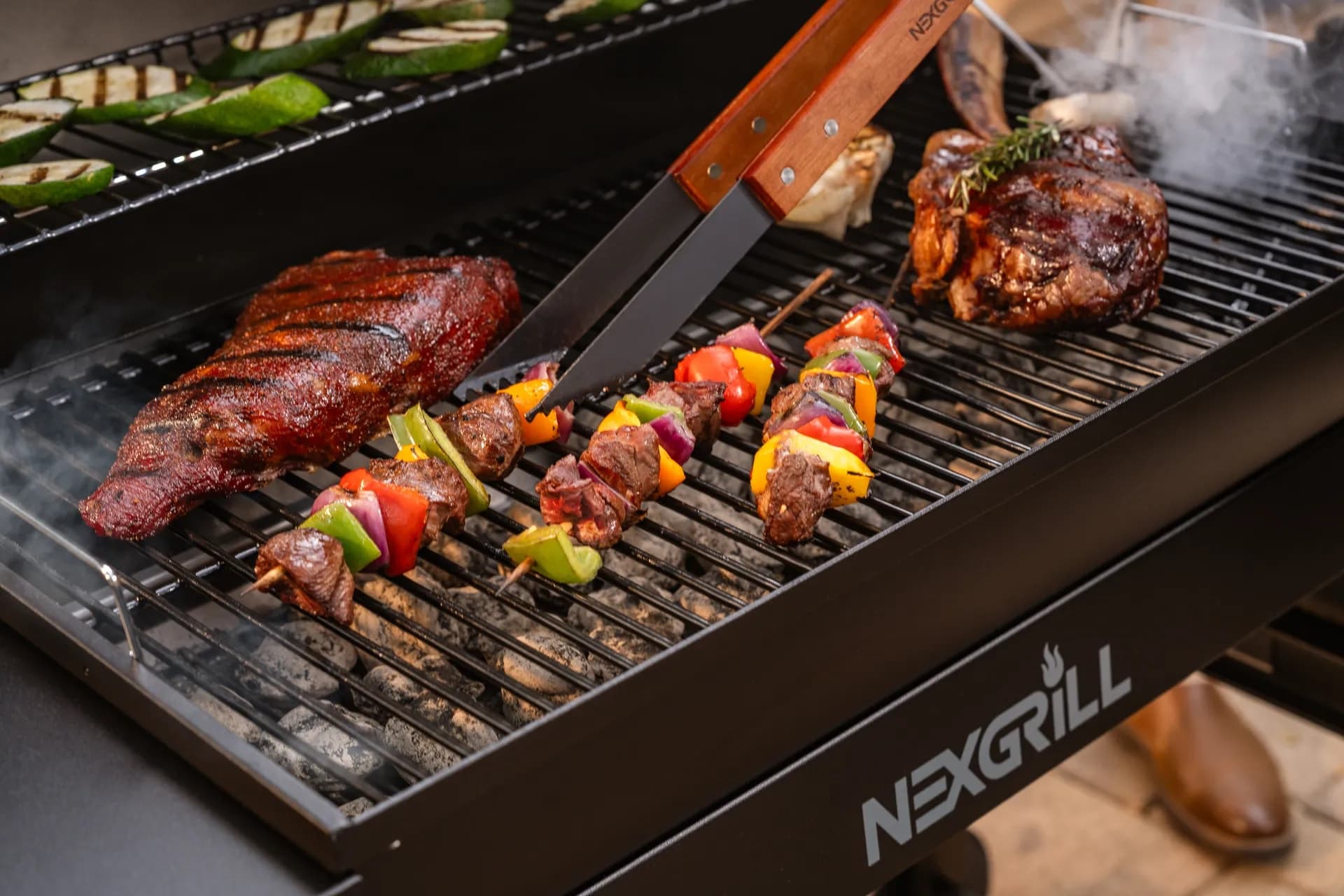
Step-by-step grilling recipes, cooking techniques, and meal ideas for every occasion and skill level.
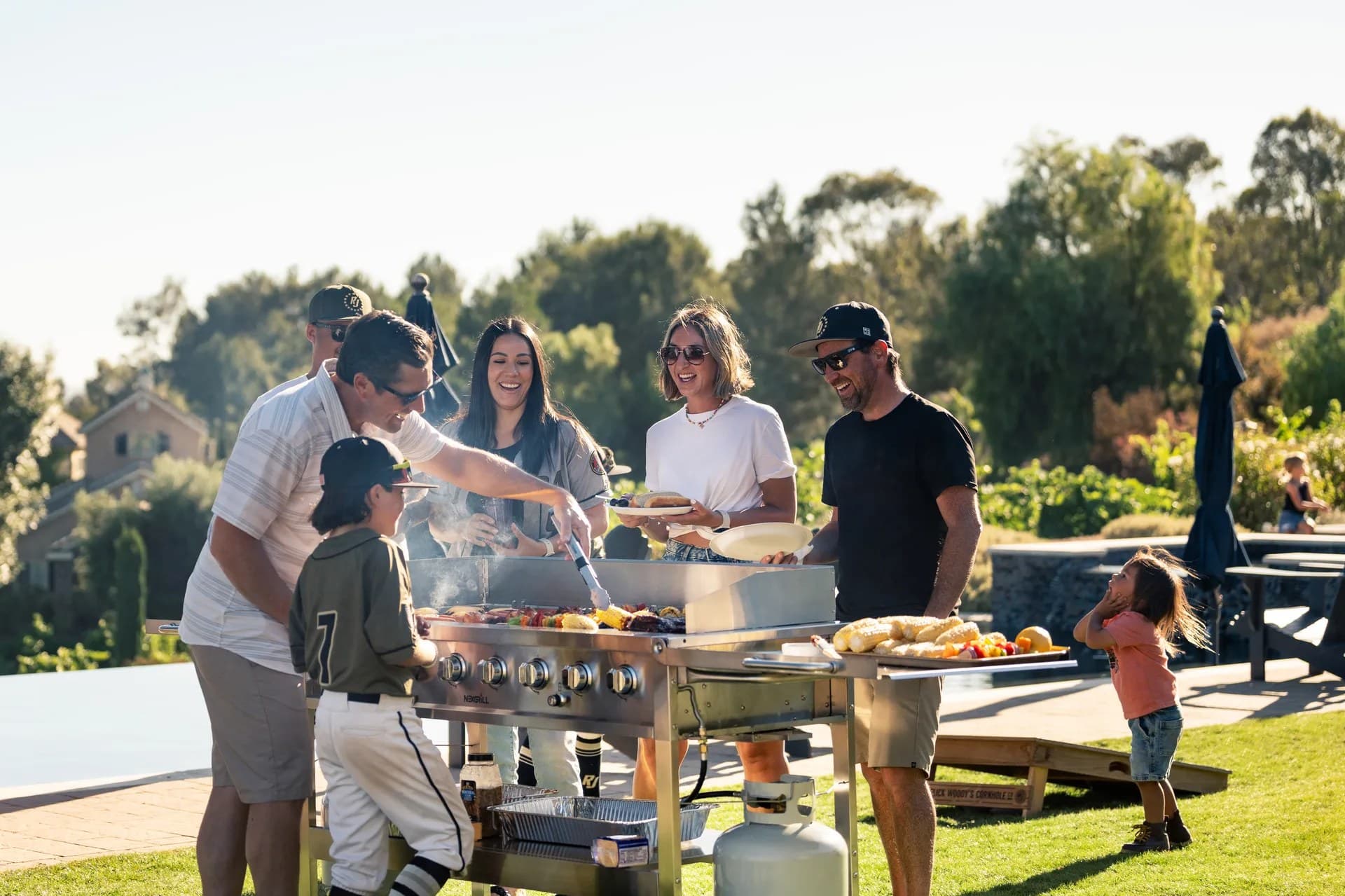
Backyard entertaining ideas, seasonal grilling inspiration, and stories that celebrate outdoor cooking culture.
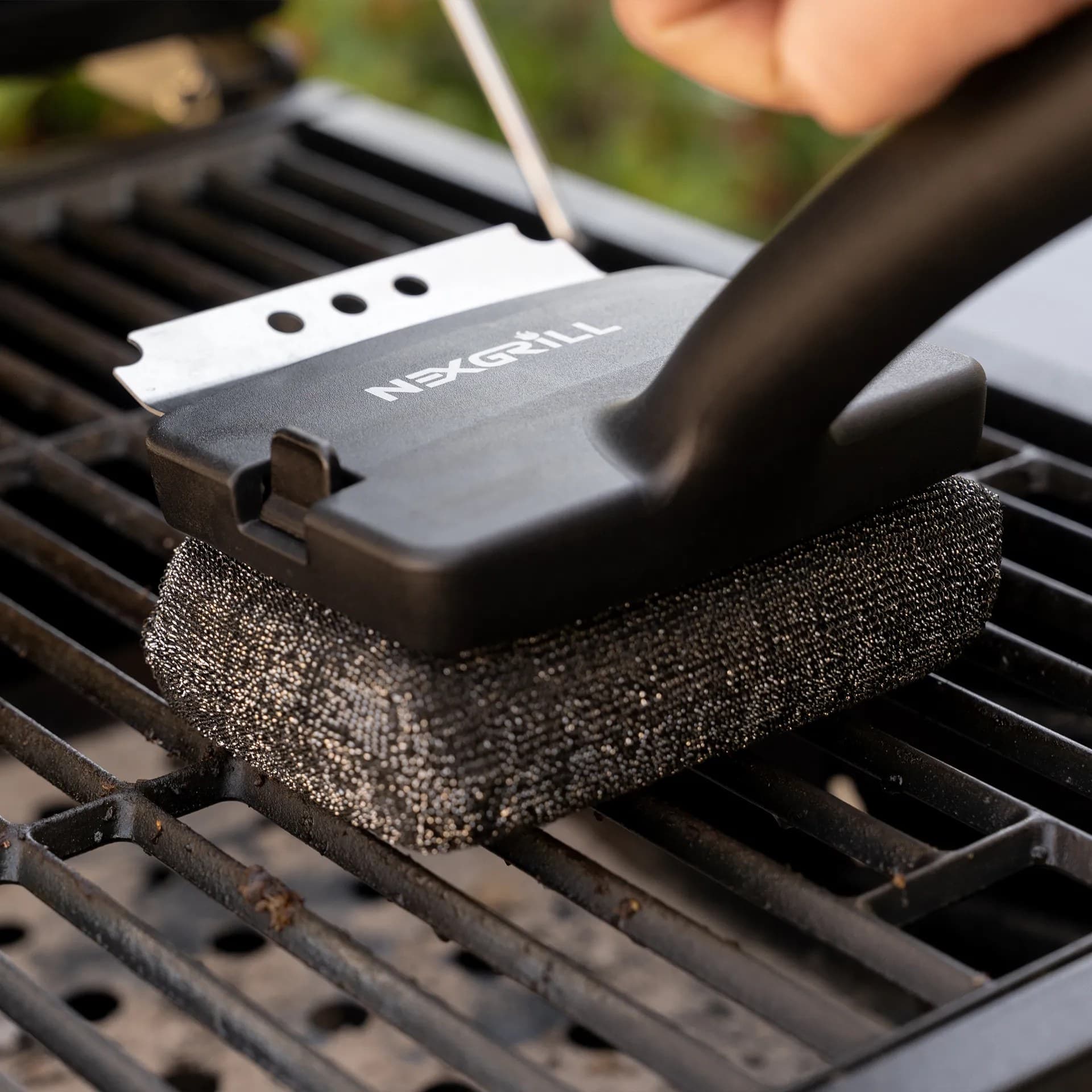
Helpful articles covering grilling tools, cookware, maintenance gear, and must-have accessories for outdoor cooking.
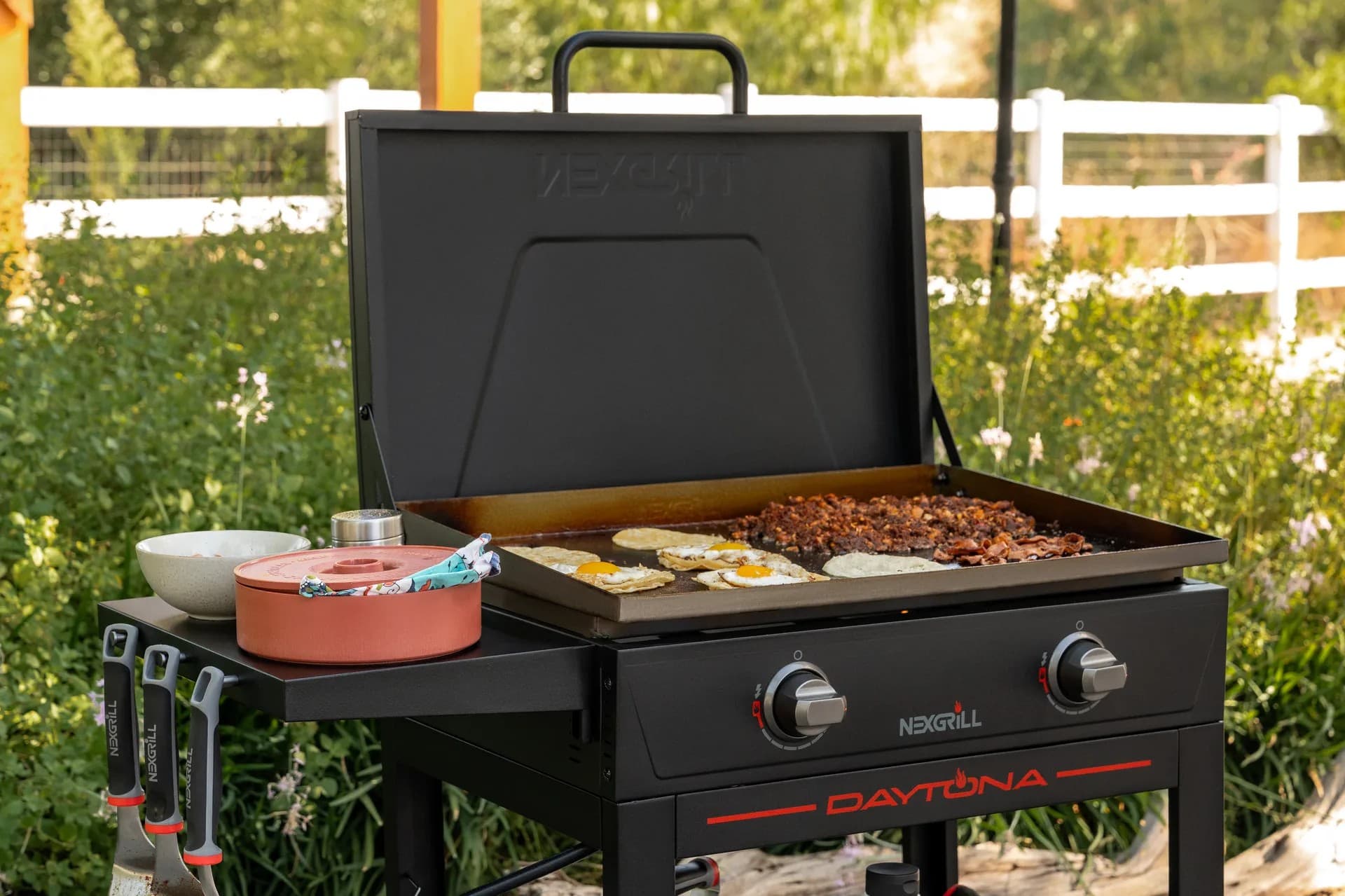
Find griddle recipes, cooking techniques, cleaning tips, and outdoor meal ideas designed for Nexgrill griddles.
Find answers to common questions
Pellet grills offer versatility by allowing you to smoke, grill, and bake with precise temperature control. They use wood pellets as fuel, providing a unique flavor to your food that is difficult to achieve with other types of grills.
Consider factors such as cooking capacity, temperature range, and additional features like digital controls or Wi-Fi connectivity. Assessing your cooking habits and space availability can also help in selecting a suitable model.
You can use a variety of food-grade wood pellets, including oak, hickory, mesquite, cherry, and apple. Each type of wood imparts a different flavor to your food, allowing for a unique grilling experience.
Regular cleaning involves emptying the ash pan, cleaning the heat diffusers, and wiping down the exterior. It's also important to check for any pellet obstructions in the hopper and ensure the grill's components are in good working order.
Nexgrill pellet grills are designed to smoke effectively, offering low-temperature settings to infuse food with rich, smoky flavors. They also provide adjustable temperature controls to suit various cooking styles.
In This Article
Smoked Salmon with Avocado Salsa
Grilled Vegetable Skewers
Herb-Crusted Chicken Thighs
Healthy pellet grilling starts with a simple idea: use wood-fired heat to build flavor first, then let the ingredients do the nutritional heavy lifting. For readers looking for buy-pellet-grill-recipe-ideas, that means choosing recipes that rely on lean proteins, fresh vegetables, whole grains, beans, herbs, and citrus instead of heavy sauces, excess sugar, or oversized portions of cheese and oil. Pellet grills are especially useful for this style of cooking because they offer steady, controlled heat and a distinct smoky character that can make lighter food feel complete and satisfying.
The angle of this guide is deliberately practical: healthier cooking techniques for pellet grilling. Rather than treating the grill as a one-note tool for steaks and ribs, this article shows how to use it for salmon, turkey, mushrooms, vegetables, and poultry in ways that preserve moisture and improve texture without adding unnecessary calories. That matters because many home cooks want meals that are both enjoyable and repeatable. If a recipe is too fussy, too expensive, or too bland, it won’t earn a place in the weekly rotation. The best healthy pellet grill recipes balance convenience, nutrition, and flavor in a way that feels realistic for U.S. households cooking on weeknights or for casual weekend gatherings.
recipe ideas in this guide built around lean proteins, vegetables, and smart seasoning choices
Pellet grilling supports healthier cooking because it makes temperature management easier. When heat stays more stable, food cooks more evenly, which helps reduce the need for added fats or sugary glazes that are often used to hide dry or uneven results. A well-managed pellet grill also gives you the smoke flavor that many people associate with “comfort food,” but without requiring a marinade loaded with sodium or a sauce-heavy finish. That’s a useful trade-off for anyone trying to cook more mindfully while still serving food that feels special.
Another benefit is that pellet grills are naturally friendly to ingredient-focused cooking. Vegetables such as zucchini, bell peppers, mushrooms, asparagus, and onions can be lightly coated with olive oil and seasoned with herbs, then cooked just until tender and lightly charred. Lean proteins like salmon, turkey breast, and chicken thighs can be seasoned simply and still taste layered because the grill contributes aromatic smoke. In other words, the cooking method itself adds value, so the recipe does not have to lean on calorie-dense toppings to feel complete.
Pellet grills also make portion control easier in practice. Because you can cook proteins and vegetables in batches with consistent results, it becomes more realistic to build balanced plates instead of oversized meat-centered meals. In a U.S. home-cooking context, that often means pairing a four- to six-ounce protein portion with vegetables and a modest side like quinoa or brown rice. It is a simple approach, but it helps create meals that are satisfying without being heavy.
Healthy pellet grilling is less about strict rules and more about a few repeatable techniques. First, preheat the grill fully before food goes on. That helps sear the outside quickly and reduces sticking, especially for fish and vegetables. Second, use dry seasoning blends built from herbs, garlic powder, onion powder, paprika, black pepper, citrus zest, or cumin. These ingredients deliver depth without the sodium load common in many bottled rubs. Third, watch doneness closely. Overcooking lean protein is the fastest way to make a healthy recipe disappointing, and it often leads cooks to compensate with more sauce or butter.
A useful pattern is to think in layers: a light oil or moisture barrier, a seasoning layer, and a finishing element. For example, salmon can be brushed with a small amount of avocado oil, seasoned with dill and lemon pepper, then finished with fresh avocado salsa after grilling. Chicken thighs can be rubbed with olive oil, garlic, thyme, and rosemary, then served with lemon wedges instead of creamy sauce. Vegetables benefit from similar restraint; a little oil helps browning, but too much prevents the caramelization that makes grilled vegetables taste rich and complex.
Tip: For healthier results, think of smoke as an ingredient. When the grill gives you aroma and depth, you can cut back on salty rubs and sugary finishing sauces.
The strongest healthy pellet grill recipes usually share three traits: they use recognizable ingredients, they keep prep simple, and they can be adjusted for different family sizes without much extra work. In this guide, the core lineup includes smoked salmon with avocado salsa, grilled vegetable skewers, herb-crusted chicken thighs, smoked turkey breast with cranberry relish, and grilled portobello mushrooms with quinoa. These recipes cover a wide range of eating preferences while still staying centered on a healthier cooking technique rather than a specific diet trend.
Smoked salmon is one of the most compelling choices because it brings omega-3-rich fish to the table with minimal effort. Grilled vegetable skewers work especially well for mixed groups because they can sit beside nearly any main dish and still feel intentional. Herb-crusted chicken thighs are a strong midweek option because they stay juicy on the grill and take on smoke beautifully. Smoked turkey breast is a great lower-fat centerpiece for a smaller holiday meal or a Sunday supper. Portobello mushrooms with quinoa offer a satisfying meatless option with a hearty texture that many readers appreciate when they want a lighter dinner that still feels substantial.
A balanced pellet grill plate often works best when you pair one protein, one vegetable, and one fiber-rich side. That structure helps keep meals filling without relying on oversized portions. For example, salmon plus vegetable skewers plus quinoa creates a dinner that covers protein, produce, and complex carbohydrates in one sitting. Chicken thighs can be paired with a bright cucumber salad or roasted sweet potatoes. Turkey breast can be sliced thin and served alongside grilled asparagus and a citrus-forward relish. The main goal is not to make every plate look identical; it is to keep the cooking method consistent while adjusting the supporting ingredients to match the occasion.
| Recipe | Health focus | Best use case |
|---|---|---|
| Smoked salmon with avocado salsa | Omega-3-rich protein, fresh fats | Fast dinner or elegant starter |
| Grilled vegetable skewers | High produce variety, low calorie | Side dish or meatless main |
| Herb-crusted chicken thighs | Lean protein, controlled seasoning | Weeknight family meal |
Flavor-building is the heart of healthy grilling. Acid is one of the best tools available, and it works especially well on pellet grills. Lemon juice, lime juice, vinegar, and fermented ingredients such as mustard can brighten food without adding much energy density. Fresh herbs like parsley, dill, cilantro, thyme, and rosemary also punch above their weight because they create a fresh finish that makes grilled food taste more complete. If a recipe feels “flat,” the answer is often not more salt but more contrast: something bright, something aromatic, and something with texture.
Another low-calorie flavor strategy is to use vegetable-based relishes, salsas, and chopped toppings. Avocado salsa, cranberry relish, tomato-cucumber salad, and herb chimichurri can all transform the final plate without turning the recipe into a heavy one. Heat also helps here. A pellet grill creates browning and smoke that amplify natural sweetness in onions, peppers, and squash, so those vegetables can stand in for richer sides. If you want the smoky edge to feel more pronounced, use wood pellets that complement the food rather than overwhelm it. Fruit wood profiles often work well with fish and poultry, while milder hardwoods are easier to use for mixed vegetable dishes.
Warning: Heavy glazes can burn quickly on a pellet grill, especially when they contain honey or brown sugar. Add sweet sauces at the very end, not at the beginning.
A clean pellet grill supports healthier cooking in a very practical way. Grease buildup, ash accumulation, and stale residue can all affect flavor and make lighter recipes taste muddy. Regular cleaning also helps the grill respond more predictably when you cook delicate foods like salmon or vegetables. Start by emptying ash after the grill has cooled, cleaning grates while they are warm, and wiping down high-contact surfaces such as the drip tray area. This is not just about aesthetics; it helps preserve the clean flavor profile that healthy recipes depend on.
It is also smart to store pellets correctly. Pellets that absorb moisture can burn inconsistently and create off flavors, which is the last thing you want when you are trying to showcase subtle ingredients. Keep them sealed and dry, and rotate older bags forward so you use them before opening newer ones. If you are cooking for health more often, build a simple routine: inspect the firepot, check airflow, and clean grease channels on a predictable schedule. That kind of upkeep makes it easier to grill fish one night and vegetables the next without lingering flavors carrying over in a distracting way.
Try comparing two products side by side below to see which fits best:
Once you've weighed two options against each other, the details of the recipe matter just as much as the grill settings. Smoked salmon with avocado salsa is one of the best examples of healthy pellet grilling because it delivers a restaurant-style finish with relatively little effort. Salmon is naturally rich in protein and omega-3 fats, and the avocado salsa adds freshness, creaminess, and color without relying on mayo or cream-based sauces. This is the kind of recipe that shows how pellet grilling can be both elegant and practical.
For four servings, start with about 1 1/2 pounds of salmon fillet, skin on if possible. Pat it dry, brush lightly with avocado oil, and season with kosher salt, black pepper, lemon zest, and chopped dill. Preheat the pellet grill to 225°F for a gentle smoke, then place the salmon on the grate and cook until it flakes easily and reaches your preferred internal temperature. Many home cooks aim for about 125°F to 130°F for medium texture, though food safety guidance should always be followed for the final target. While the salmon cooks, mix diced avocado, tomato, red onion, lime juice, cilantro, and a pinch of salt for the salsa. Spoon the salsa over the finished fish right before serving.
A typical serving provides a strong protein portion with a lighter topping that adds texture instead of heaviness. If you want to stretch the meal further, serve it with a side of asparagus or a small scoop of brown rice. The key technique here is restraint: low heat, gentle smoke, and a fresh finish.
The grill adds flavor without needing a sugar-heavy glaze, and the salsa replaces richer sauces that would normally drive up calories. It is a strong choice for someone cooking for guests who want something special but not too heavy.
Grilled vegetable skewers are the backbone of a healthier pellet grill menu because they bring color, texture, and flexibility to the table. They are also easy to scale for families, potlucks, or mixed-meal gatherings where some guests want meat and others do not. For the best texture, cut the vegetables into pieces that finish cooking at a similar rate: zucchini rounds, bell pepper squares, red onion wedges, mushrooms, and cherry tomatoes work especially well. Toss them with olive oil, garlic powder, black pepper, oregano, and a small amount of salt, then thread onto skewers.
Cook over medium heat until the vegetables are tender with visible grill marks but still hold their shape. On a pellet grill, the target is usually around 375°F to 400°F for roughly 12 to 18 minutes, depending on size and density. Turning once or twice is usually enough. If you want more caramelization, let the vegetables sit untouched for a few minutes before the first turn. That patience creates better browning and less steaming.
Nutritionally, this recipe is an easy way to add produce to the plate without making the meal feel like a side salad afterthought. A serving can be dressed up with herbs, lemon juice, or a light yogurt dip if desired. It is especially useful beside chicken, fish, or turkey, but it can also stand on its own with quinoa for a lighter main.
Dry the vegetables well before oiling them, avoid overcrowding the skewers, and preheat the grill fully. Too much moisture or too little heat is the fastest path to limp vegetables.
Herb-crusted chicken thighs are a smart middle ground for people who want a healthier pellet grill recipe that still feels satisfying and familiar. Chicken thighs have more natural fat than breast meat, which helps them stay juicy on the grill, but they can still be prepared in a balanced way when the seasoning is simple and the portion is reasonable. For four servings, use about 2 pounds of bone-in, skin-on thighs or trimmed boneless thighs if you want a leaner profile.
Make a rub from chopped rosemary, thyme, garlic powder, paprika, black pepper, and a modest amount of salt. Coat the chicken lightly with olive oil, apply the herb mixture, and let it rest for 20 to 30 minutes. Grill at about 350°F to 375°F, turning once if needed, until the chicken reaches a safe internal temperature and the juices run clear. For bone-in thighs, this usually means a longer cook than breasts, but the extra time rewards you with better flavor and moisture.
Serve the chicken with grilled broccoli, green beans, or a grain bowl built from farro or quinoa. If you prefer a brighter finish, add a squeeze of lemon after cooking. This recipe is a strong choice for families because it feels hearty enough for dinner while staying compatible with a nutrition-conscious meal plan.
Use medium heat rather than rushing to high heat, and avoid heavy breading. The herb crust gives enough texture on its own, especially when the pellet smoke is part of the flavor story.
Smoked turkey breast is one of the most underused healthy pellet grill options because it offers a lean centerpiece without feeling plain. It is especially useful for smaller holiday meals, meal prep, or any dinner where you want to cook once and eat again later in the week. A boneless turkey breast of about 3 to 4 pounds is manageable for most home pellet grills and yields several slices per serving.
Season the turkey with olive oil, garlic powder, onion powder, sage, thyme, black pepper, and a little salt. Smoke at 250°F to 275°F until the center reaches a safe final temperature. Let the meat rest before slicing so the juices stay in the breast instead of running out on the cutting board. For the relish, simmer fresh or frozen cranberries with orange zest, a small splash of orange juice, and chopped apple until the berries break down but still retain some texture.
This combination works because the relish adds acidity and natural sweetness without a heavy sauce. It is a good example of how pellet grilling can support special-occasion meals that still lean healthy. Each slice can be served with roasted carrots or a leafy salad for a complete plate.
Choose turkey when you want a lower-fat main dish with a more festive feel. It is especially effective for meal prep because the slices reheat well without losing character.
Grilled portobello mushrooms with quinoa are the best proof that healthy pellet grill recipes do not need to center on meat to be satisfying. Portobellos have a meaty texture that holds up well to smoke, and quinoa adds plant-based protein plus a pleasant, nutty bite. This dish works as a vegetarian entrée or a hearty side for a mixed table.
Start by wiping the mushrooms clean and removing the stems. Brush them with olive oil and season with balsamic vinegar, garlic, black pepper, and thyme. Grill at moderate heat until they are tender and slightly collapsed. At the same time, cook quinoa separately and toss it with chopped parsley, cucumber, lemon juice, and a small amount of feta if desired. Spoon the quinoa into the mushroom caps or serve it underneath as a bed.
The nutritional appeal here is straightforward: vegetables, whole grains, and flavor from herbs rather than creamy sauces. It is a useful recipe for readers who want a meatless option that still feels substantial enough to anchor a dinner.
Combine texture, acid, and a satisfying grain so the dish feels finished. That keeps the meal from tasting like an incomplete side plate.
Healthy pellet grilling becomes much easier when you build a few habits into your routine. First, measure oil instead of pouring freely. A small amount is enough to promote browning. Second, season in layers. A dry rub before cooking and a fresh herb finish afterward often tastes better than relying on one very salty seasoning. Third, use vegetables to carry volume on the plate. This allows the meal to feel generous while keeping the calorie density reasonable.
It also helps to plan your cook around the natural strengths of the pellet grill. Fish and poultry do well at lower temperatures where smoke can gently season the food. Vegetables often benefit from medium heat and a little direct contact with the grate. Harder ingredients such as mushrooms and onions can take more smoke and heat, while delicate greens or thin asparagus need careful attention. If you are cooking for a group, build a menu with one low-and-slow item, one quick vegetable, and one fresh side so the meal has balance without becoming complicated.
If you want to estimate nutrition before cooking, use a basic plate formula: protein first, vegetables second, grain or starch third, and sauce last. This makes healthier choices easier without requiring a strict diet app. Try comparing two products side by side below to see which fits best:
Here's what sets us apart
We position ourselves as delivering high-end outdoor cooking features and performance without premium-brand pricing, emphasizing “Quality Grills. Unbelievable Value.”
We offer gas grills, pellet grills, griddles, smokers, pizza ovens, portable/tabletop grills, electric grills, accessories, and replacement parts — allowing customers to stay within one ecosystem for all outdoor cooking needs.
We differentiate ourselves through smart grilling products like the Oakford smart pellet grill, including app-connected cooking controls and modern outdoor cooking technology.
Don't just take our word for it
Keep reading
From our catalog