Delicious Pellet Grill Recipe Ideas for Every Occasion
Explore a variety of easy and creative recipes designed for pellet grilling enthusiasts.
In This Article
Beginner-Friendly Recipes
Advanced Cooking Techniques
Seasonal Inspirations
Introduction to Pellet Grilling
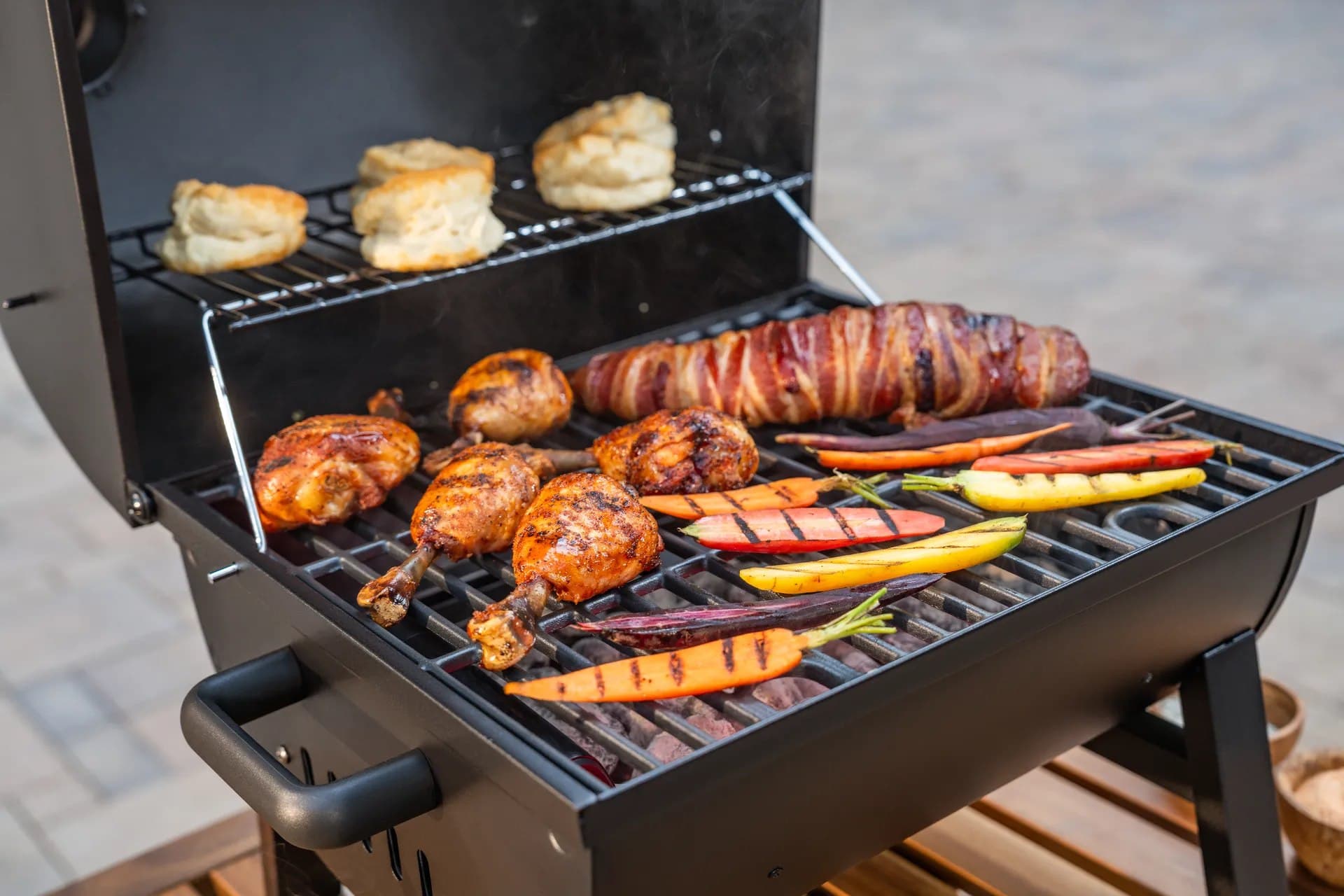
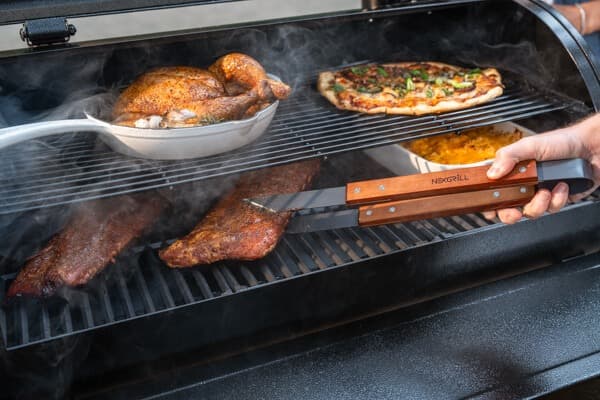
Pellet grilling sits in a sweet spot that many home cooks appreciate: it gives you the wood-fired character people love, but with a temperature system that is much easier to manage than a live charcoal bed. For recipe ideas, that matters because a pellet grill is not locked into one style of cooking. You can smoke ribs low and slow, roast chicken with steady heat, bake skillet sides, and even finish desserts with a hint of oak, hickory, apple, or cherry smoke. That flexibility makes pellet grills especially useful when you want one piece of equipment to cover weeknight dinners, weekend cookouts, and holiday meals.
At Nexgrill, the best pellet grill recipe ideas are the ones that help people cook confidently, not just impressively. The first wins on a pellet grill are usually the simplest: a well-seasoned chicken thigh, salmon fillet, pork tenderloin, or sheet-pan vegetables can teach you how heat, smoke, and timing work together. Once you understand how your grill responds, you can start layering on bolder flavors, sweeter glazes, and longer smoke sessions. That learning curve is part of the fun. Pellet cooking rewards patience, but it also rewards curiosity.
A pellet grill is at its best when you match the recipe to the cook method: smoke for flavor, roast for even doneness, and bake when you want the grill to behave more like an outdoor oven.
Core pellet grill cooking modes to plan around: smoke, roast, and bake.
If you are new to pellet grilling, think of your first recipes as practice runs in heat management. A pellet grill’s real advantage is consistency, but that consistency depends on keeping the hopper filled, the grates clean, and the lid closed as much as possible. The best recipe ideas use that predictability to your advantage. Instead of fighting the grill, they lean into what it does well: steady heat, clean smoke, and dependable recovery after you open the lid to check progress. That makes pellet grilling ideal for approachable recipes that still feel restaurant-worthy on the plate.
For flavor, wood pellets are just as important as the recipe itself. Apple and cherry often suit poultry, pork, and vegetables because they add gentle sweetness. Hickory brings a stronger barbecue profile that works well for brisket, ribs, and sausage. Oak is versatile and balanced, which is helpful when you do not want the smoke to dominate the dish. A good way to learn is to keep the recipe the same and vary only the pellet type; you will start to notice how much the smoke profile changes the final result.
Beginner-Friendly Recipes
Beginner-friendly pellet grill recipes should build confidence quickly. They need forgiving cook times, clear visual cues, and enough flavor to feel rewarding without requiring advanced technique. Start with foods that handle moderate temperature swings well and do not dry out easily. Chicken thighs are one of the best first cooks because they stay juicy and develop crisp skin when cooked properly. Season them simply with salt, pepper, garlic powder, and paprika, then cook around 375°F until the internal temperature reaches 165°F. If you want a little extra smoke, start them at 225°F for 20 to 30 minutes, then raise the heat to finish.
Pork tenderloin is another excellent beginner option because it cooks fast and accepts many flavors. A brown sugar and Dijon rub gives it a balanced sweet-savory profile, while a fruitwood pellet such as apple can complement the meat’s mild flavor. Salmon fillets are equally useful for learning pellet control. Cook them skin-side down at about 350°F until the thickest part flakes easily. Because salmon is naturally rich, a light glaze of maple, soy, and lemon works well without overpowering the fish. These recipes teach temperature discipline without creating a high-stakes situation.
| Recipe | Temp | Time | Why it works for beginners |
|---|---|---|---|
| Chicken thighs | 375°F | 35 to 45 minutes | Forgiving, juicy, and easy to season. |
| Pork tenderloin | 350°F | 25 to 35 minutes | Quick cook with clear doneness cues. |
| Salmon fillets | 325°F to 350°F | 12 to 18 minutes | Fast finish and easy to pair with citrus or herbs. |
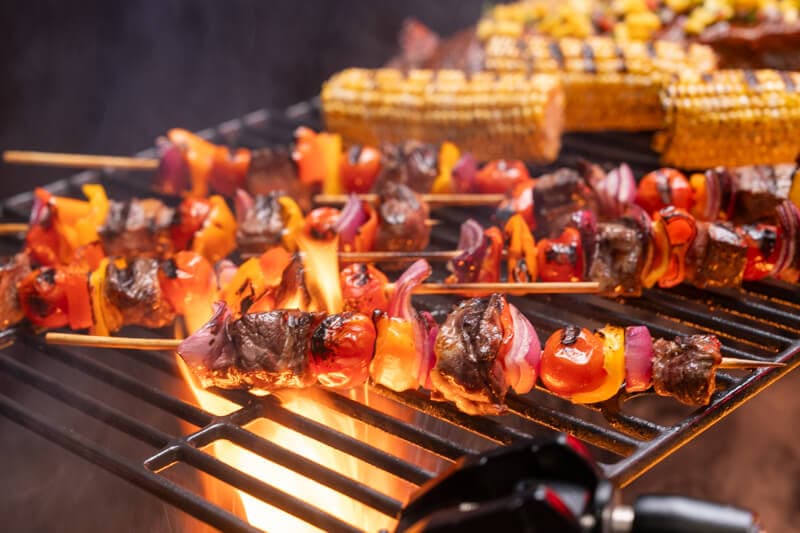
| Veggie skewers | 400°F | 10 to 15 minutes | Fast, colorful, and ideal for learning hot spots. |
Tip: For your first few cooks, use one thermometer for the grill and one instant-read thermometer for the food. Pellet grills are consistent, but your thermometer is what confirms doneness.
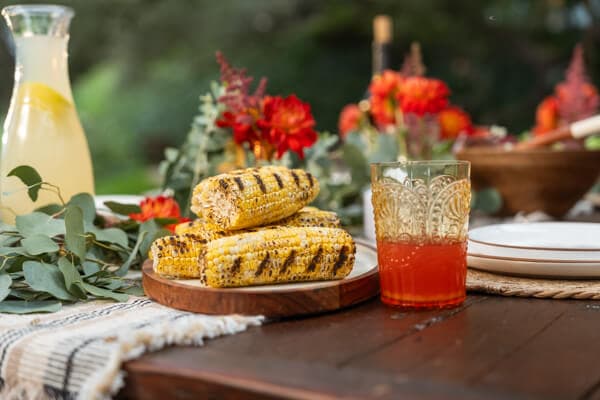
If you want a simple side dish that also builds confidence, try smoked potatoes. Parboil halved baby potatoes for 8 to 10 minutes, toss them with olive oil, salt, rosemary, and garlic, then finish them on the pellet grill at 400°F until crisp. Corn on the cob is another easy win. Brush it with butter, wrap it in foil for a softer texture, or leave it in the husk if you want a subtler smoke note. Both sides show new users that the pellet grill can do much more than meat.
Meats and Proteins to Grill
Once you are comfortable with basics, pellet grill recipe ideas for meats and proteins open up the widest range of flavor and texture. Chicken, beef, pork, and fish each respond differently to smoke, and understanding those differences helps you choose the right cooking style. Chicken breast benefits from brining or a marinade because it is lean and can dry out quickly. Chicken thighs, by contrast, are more forgiving and can handle both smoke and higher finishing heat. A two-stage cook works well: smoke at 225°F for flavor, then roast at 375°F to crisp the skin.
For beef, pellet grills excel at larger cuts like tri-tip, chuck roast, and brisket. Tri-tip is especially appealing because it gives you big flavor without requiring an all-day commitment. Season it generously with salt, pepper, and garlic, smoke it at 225°F until it is close to your target internal temperature, then sear or raise the heat for the final crust. Chuck roast is a smart alternative when you want a more budget-friendly smoke project. It can be sliced or shredded and often takes on a rich, beefy character after several hours over oak or hickory pellets.
| Protein | Best pellet profile | Best method | Flavor note |
|---|---|---|---|
| Chicken | Apple, cherry | Smoke then roast | Light smoke keeps the meat clean and bright. |
| Beef | Oak, hickory | Low and slow | Stronger smoke supports richer cuts. |
| Pork | Apple, pecan | Smoke and glaze | Sweet woods match pork’s natural sweetness. |
| Fish | Alder, cherry | Moderate heat | Gentle smoke protects delicate texture. |
Pork ribs and pork shoulder remain classic pellet grill recipes because they reward patience. Ribs can be seasoned with a dry rub and cooked low and slow until the meat bends easily on the grate. Pork shoulder is even more flexible; it can be pulled for sandwiches, tacos, or rice bowls. For fish, choose sturdier cuts such as salmon, trout, or swordfish so they can handle the grill without breaking apart. Keeping the lid closed and using a gentle pellet flavor helps preserve the fish’s texture.
For a balanced family meal, build around one protein and one heat-friendly accompaniment. That might mean smoked chicken thighs with grilled asparagus and roasted potatoes, or a salmon fillet with charred lemon, fennel, and a couscous salad. Pellet grills shine when they turn a main dish into a complete meal rather than a single item on a plate.
Vegetable and Side Dish Ideas
Vegetables and sides are where pellet grill recipe ideas become more creative. Many people think of the grill as a meat-only tool, but the steady heat and wood smoke can transform vegetables into the most memorable part of the meal. Asparagus, zucchini, mushrooms, onions, sweet peppers, and Brussels sprouts all hold up well on a pellet grill. A simple oil, salt, and pepper base is enough to start, but a finishing touch like lemon zest, balsamic glaze, or grated parmesan can make the dish feel complete. The key is not to overcook. Most vegetables need only a short time on the grill, and they benefit from a little browning rather than prolonged smoking.
Warning: Delicate vegetables and breads can go from perfect to dry very quickly at higher pellet grill temperatures. Keep an eye on texture and pull them early when in doubt.
Side dishes with a baking angle work especially well on pellet grills. Cast-iron mac and cheese, smoked baked beans, cornbread, and stuffed jalapeños all benefit from a wood-fired environment. Because pellet grills hold steady temperature, they are useful for dishes that need even cooking rather than direct flame. Smoked macaroni and cheese can be cooked in a cast-iron pan at around 325°F until the top is golden and the sauce is bubbling. Baked beans can simmer alongside ribs or pork shoulder, absorbing drippings and smoke for a deep barbecue flavor.
If you want a lighter side, try a grilled peach and burrata salad in summer. Halve the peaches, grill them cut-side down briefly, and serve them over greens with burrata, basil, and a honey vinaigrette. In colder months, swap fruit for root vegetables like carrots, parsnips, and squash. Toss them with olive oil and herbs, then roast them until caramelized. These recipes make your pellet grill feel useful year-round, not just during peak barbecue season.
Try comparing two products side by side below to see which fits best:
Advanced Recipe Ideas
Once you have compared a couple of pellet grill approaches, the next step is to stretch the grill in more ambitious directions. Advanced pellet grill recipe ideas do not need to be complicated for the sake of complexity. They should show how smoke, heat, time, and texture can create a finished dish that feels intentional. Brisket is the most obvious example, but you can also build advanced cooks around duck breast, smoked meatloaf, bacon-wrapped pork loin, and reverse-seared steaks. What makes these recipes advanced is not just the ingredient itself; it is the control required to move from smoke to finish without drying the food or losing the crust.
Smoked brisket is a long-form project that teaches patience and temperature discipline. It usually runs at low heat for many hours, and the bark develops as seasoning, smoke, and rendered fat work together. For home cooks who want a less intimidating advanced recipe, smoked meatloaf delivers a similar payoff in a shorter window. The loaf absorbs smoke well, especially when made with a beef-and-pork blend, and it can be glazed with ketchup, mustard, and brown sugar for a sticky finish. Duck breast is another smart choice because pellet grills allow you to render the fat slowly before crisping the skin. That combination of slow heat and final high heat gives you restaurant-style texture with less risk than a direct-flame method.
Advanced cooks usually succeed by staging the recipe: smoke for flavor first, then finish for texture. That simple pattern works for brisket, pork loin, duck, and even steak.
If you want a more seasonal approach, consider cedar-plank salmon, smoked turkey breast, or a holiday ham with a maple-mustard glaze. These dishes are approachable enough for a family gathering but still feel special because the pellet grill adds gentle wood complexity. A holiday ham benefits from a light smoke and repeated glazing, which creates a glossy crust and a layered flavor profile. For turkey breast, pellet grilling helps keep the meat moist while still giving the outside a golden, lightly smoky finish. Both recipes work well when you need something festive without tying up the kitchen oven.
| Advanced recipe | Why it stands out | Best wood choice | Skill focus |
|---|---|---|---|
| Brisket | Long smoke, deep bark, classic barbecue payoff. | Oak or hickory | Temperature management over many hours. |
| Smoked meatloaf | Faster than brisket but still rich and smoky. | Apple or oak | Moisture balance and glaze timing. |
| Duck breast | Slow rendering plus crisp skin finish. | Cherry or pecan | Fat rendering and final sear control. |
| Holiday ham | Great for gatherings and easy to slice. | Apple or maple | Glazing in layers without scorching. |
Unique Desserts and Appetizers
Pellet grills can do far more than the main course, and that is where some of the most memorable recipe ideas come from. Appetizers benefit from a little smoke because it gives familiar foods a new edge. Smoked queso is a crowd-pleaser: combine cheese, tomatoes, peppers, and sausage in a cast-iron pan and let the grill build flavor until everything melts together. Stuffed mushrooms are another smart opener, especially if you use cream cheese, herbs, and breadcrumbs. Chicken wings also belong in the appetizer category because they crisp well and absorb smoke beautifully, particularly with a dry rub followed by a sauced finish.
For dessert, the pellet grill can function like a gentle outdoor oven with flavor. Grilled peaches with honey and mascarpone are an easy entry point, while a cast-iron skillet cobbler gives you a more substantial finish to the meal. Apple crisp works especially well in cool weather because the fruit softens, the topping browns, and the smoke adds a subtle campfire note. You can also bake cinnamon rolls or a fruit galette on the grill if your setup holds steady temperature well. Those desserts are useful for holiday menus because they free up indoor oven space and create a memorable finish guests do not expect from a grill.
Tip: Desserts on a pellet grill usually work best in cast iron or a heat-safe baking dish, since stable radiant heat helps the crust set without burning the bottoms.
Essential Tips and Techniques
The most important pellet grill techniques are surprisingly simple. Preheat long enough for the fire pot and cooking chamber to stabilize before adding food, usually 10 to 15 minutes or more depending on the model. Keep the lid closed as much as possible so the controller can maintain steady heat. Use pellets that fit the dish rather than relying on one flavor for everything. Clean out ash regularly so airflow stays consistent. And always finish with the right thermometer reading, not just the timer. Those habits matter more than any one recipe.
A useful planning rule is to choose a smoke profile based on the ingredient weight. Delicate foods such as fish and vegetables do better with mild woods and shorter exposure. Heavier meats such as brisket and pork shoulder can handle stronger smoke and longer sessions. If you want deeper smoke flavor without overcooking, start low for flavor development and then increase the temperature to complete the dish. That staged approach is the backbone of successful pellet grilling. It is also what makes a recipe feel repeatable rather than random.
Troubleshooting Common Pellet Grilling Issues
If your food turns out unevenly cooked, the first thing to check is temperature stability. A grill that is cycling too much may need a cleaner fire pot, fresher pellets, or a better preheat routine. If you are not getting enough smoke flavor, remember that pellet grills are designed for cleaner smoke than stick burners. That means flavor comes from the right wood choice and enough cook time, not from choking the fire. If food is drying out, lower the heat or use a finishing sauce, brine, or glaze. Lean proteins often need a little help to stay juicy.
Warning: Avoid opening the lid repeatedly during the cook. Every peek drops heat, slows the cooking process, and can make timing less predictable, especially on long smokes.
If pellets are not feeding correctly, check for moisture, dust, or bridging in the hopper. Pellets should be dry, hard, and free-flowing. Poor pellet quality often shows up as inconsistent heat or excessive ash. For recipes that need a crisp finish, raise the grill temperature toward the end rather than trying to force browning too early. Pellet grills are excellent at gentle cooking; the final texture still benefits from a controlled hot finish.
FAQs about Pellet Grilling
What are the best beginner recipes for pellet grilling? Chicken thighs, pork tenderloin, salmon, veggie skewers, and smoked potatoes are ideal first cooks because they are forgiving and help you learn heat control.
How do different wood pellets affect flavor? Fruitwoods like apple and cherry add mild sweetness, while hickory and oak create a stronger barbecue profile. The best choice depends on whether you want the smoke to support the dish or lead it.
Can I bake on a pellet grill? Yes. Pellet grills can function like outdoor ovens for cornbread, cobblers, casseroles, rolls, and skillet desserts when the temperature is steady and the cookware is heat-safe.
Why is my food not smoky enough? Pellet grills naturally produce cleaner smoke than some other pit styles. Use a stronger pellet blend, give the food more time in the smoke phase, and avoid opening the lid too often.