Exploring the eco-friendliness of grilling options for conscious consumers.
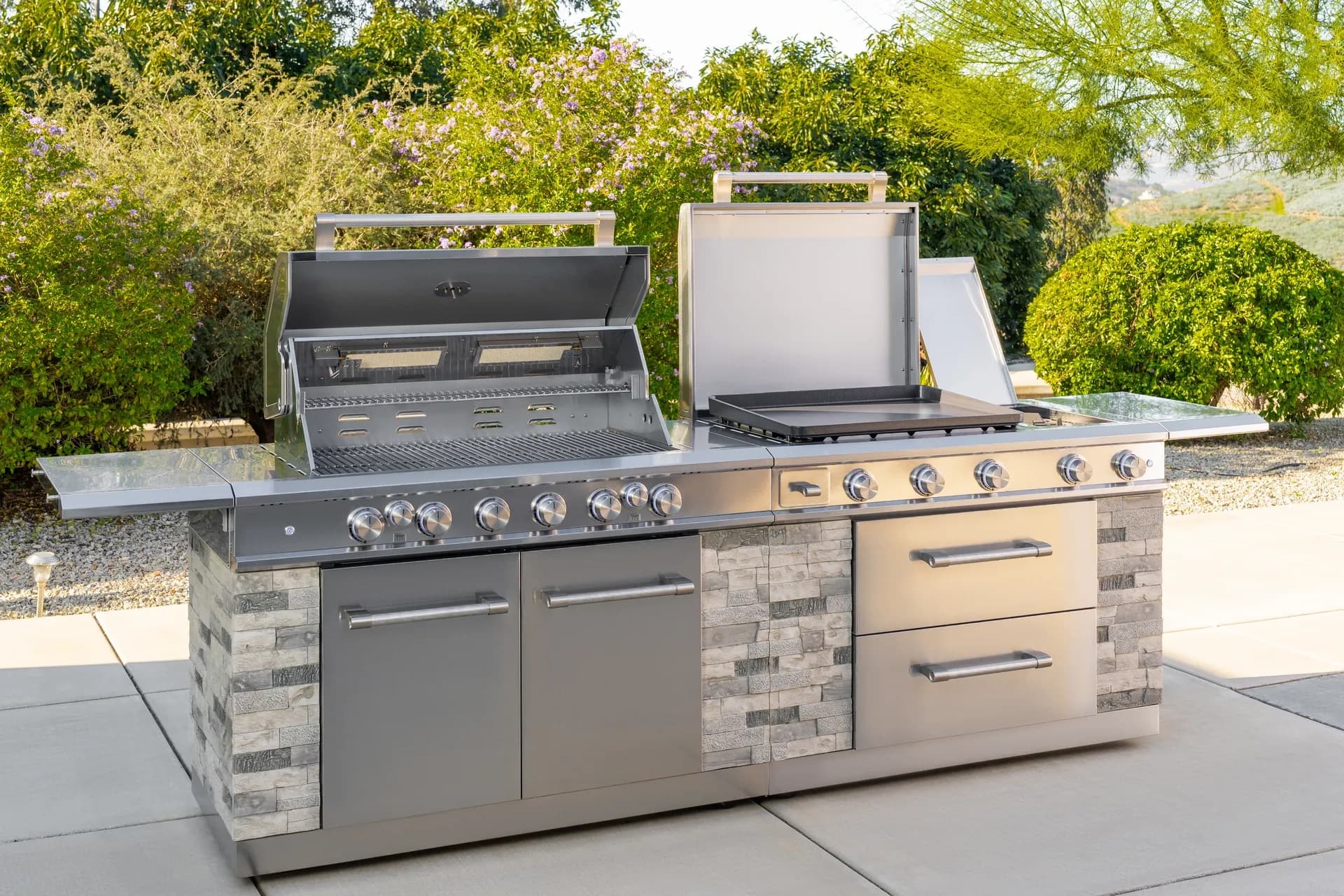
From sizzling breakfasts to smash burgers and teppanyaki-style dinners, the Daytona Pro 5 Burner NitroGuard™ Griddle delivers powerful heat, fast cooking, and a durable cooking surface built for every backyard cookout. Watch how easy outdoor cooking can be.
Here's what sets us apart from the competition
We position ourselves as delivering high-end outdoor cooking features and performance without premium-brand pricing, emphasizing “Quality Grills. Unbelievable Value.”
We offer gas grills, pellet grills, griddles, smokers, pizza ovens, portable/tabletop grills, electric grills, accessories, and replacement parts — allowing customers to stay within one ecosystem for all outdoor cooking needs.
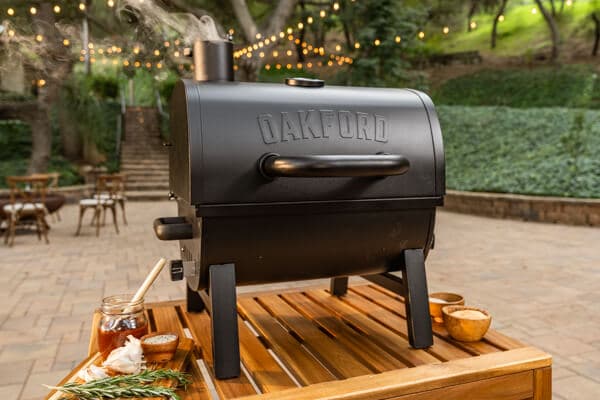
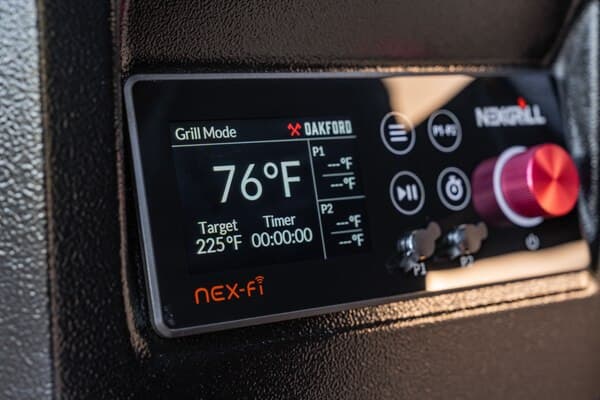
We differentiate ourselves through smart grilling products like the Oakford smart pellet grill, including app-connected cooking controls and modern outdoor cooking technology.
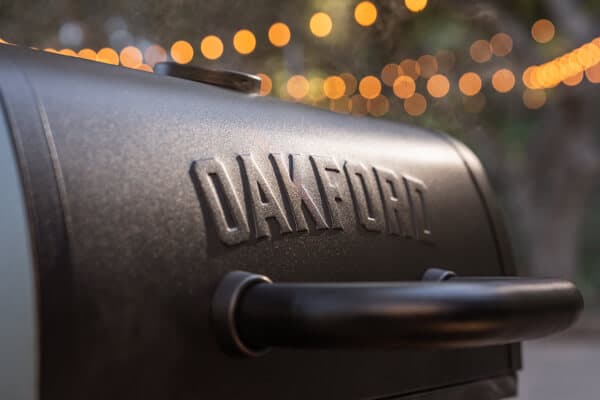
Expert tips, buying guides, comparisons, and inspiration for choosing and getting the most out of your grill.
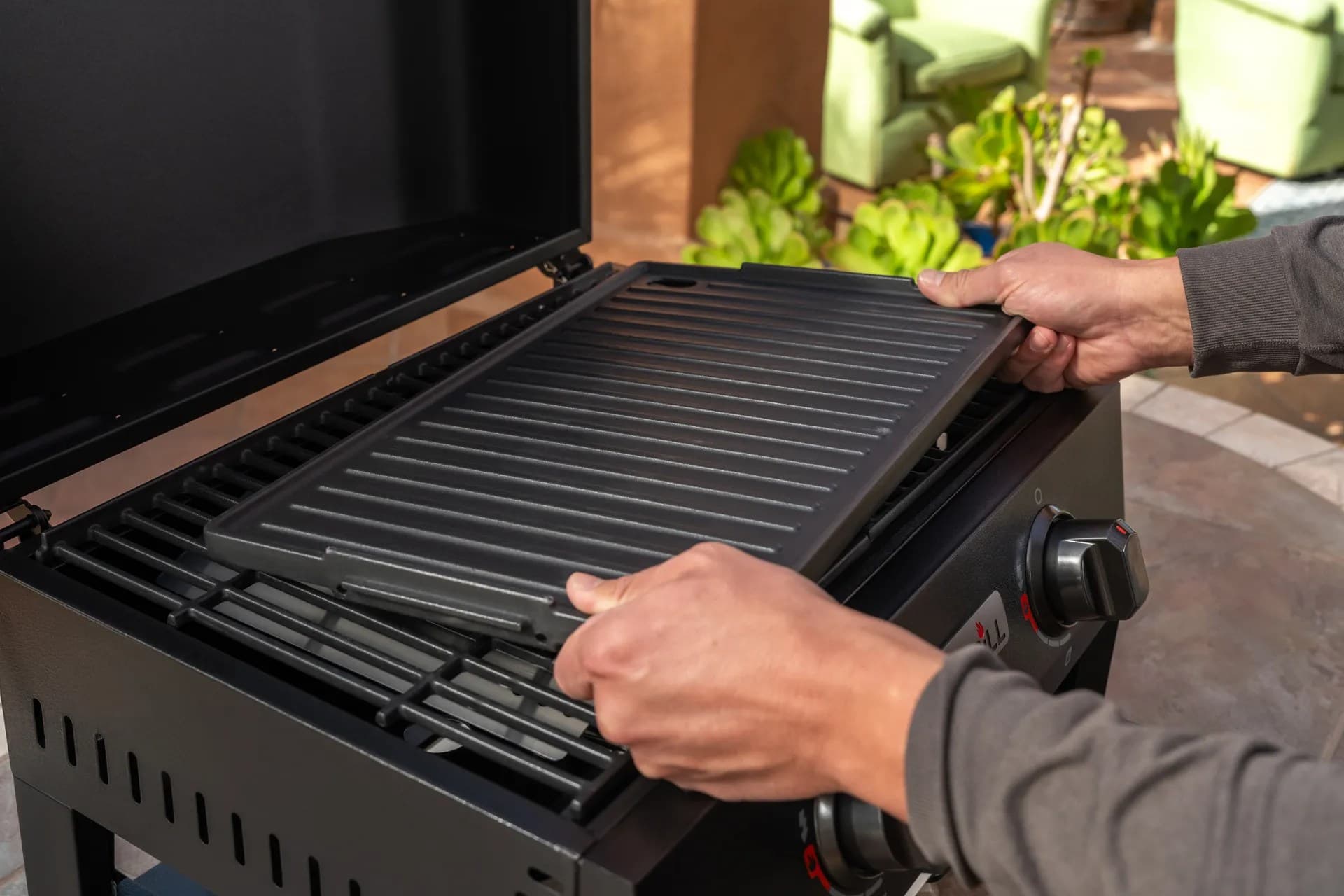
Practical guides for cleaning, maintenance, common grill issues, and performance optimization.
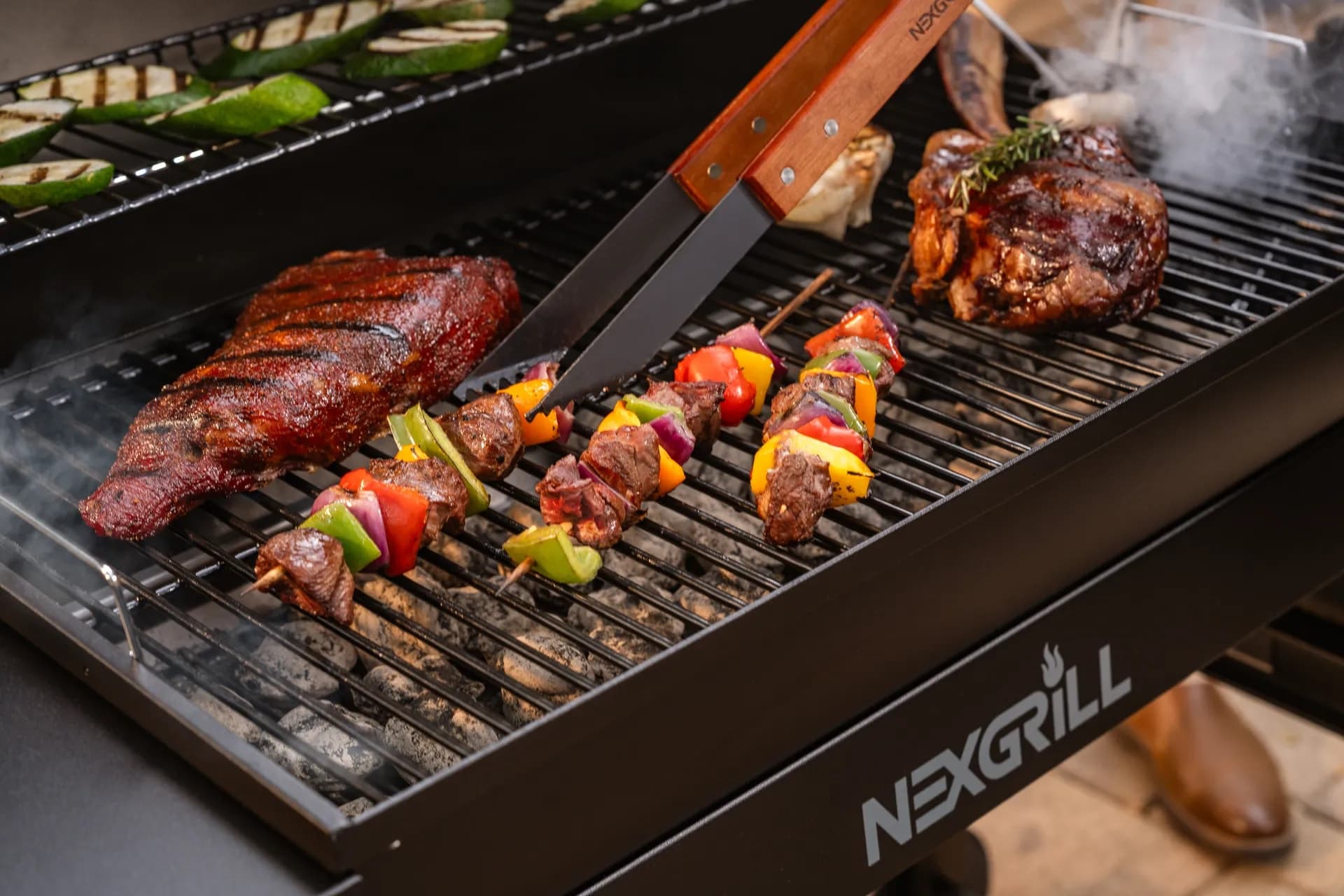
Step-by-step grilling recipes, cooking techniques, and meal ideas for every occasion and skill level.

Backyard entertaining ideas, seasonal grilling inspiration, and stories that celebrate outdoor cooking culture.
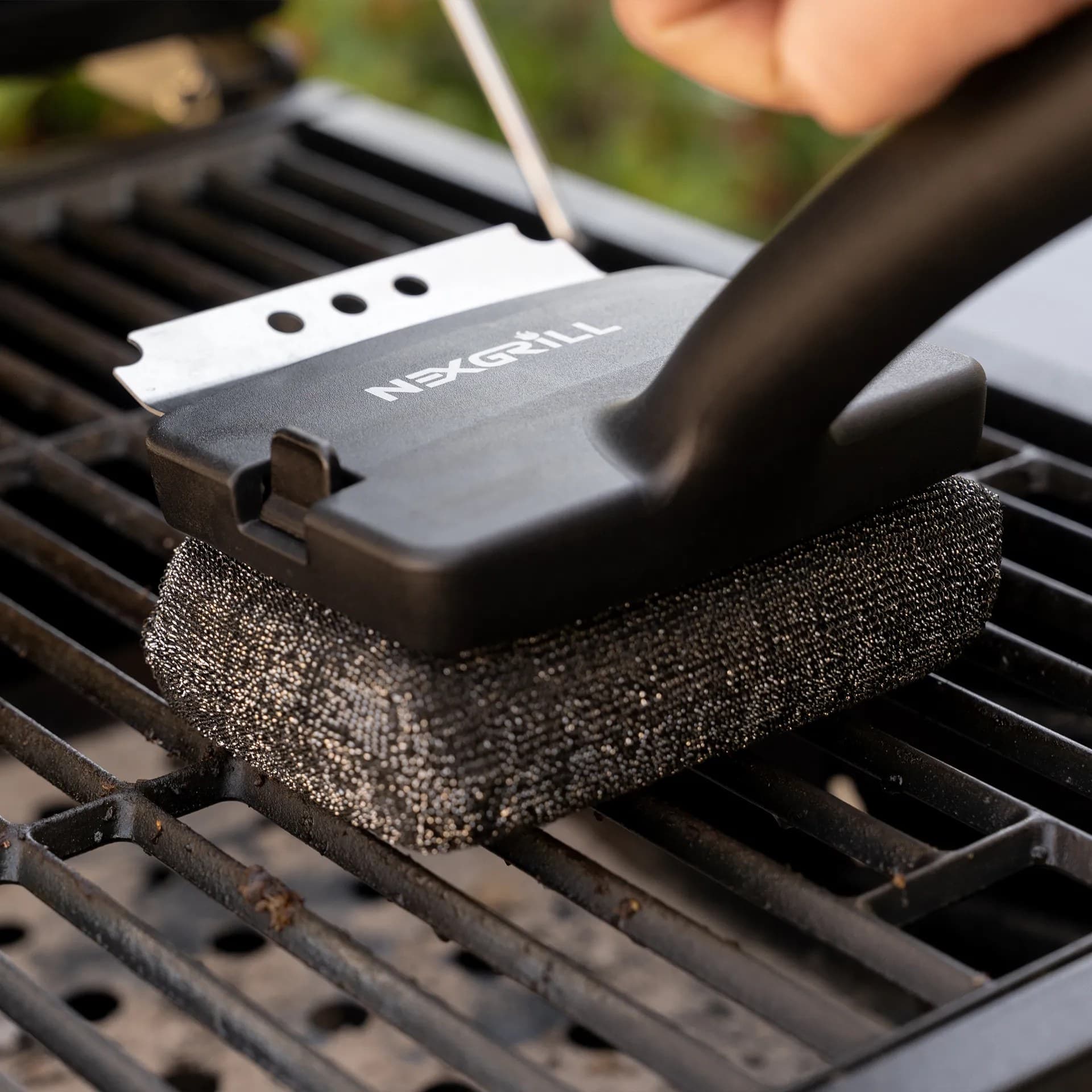
Helpful articles covering grilling tools, cookware, maintenance gear, and must-have accessories for outdoor cooking.
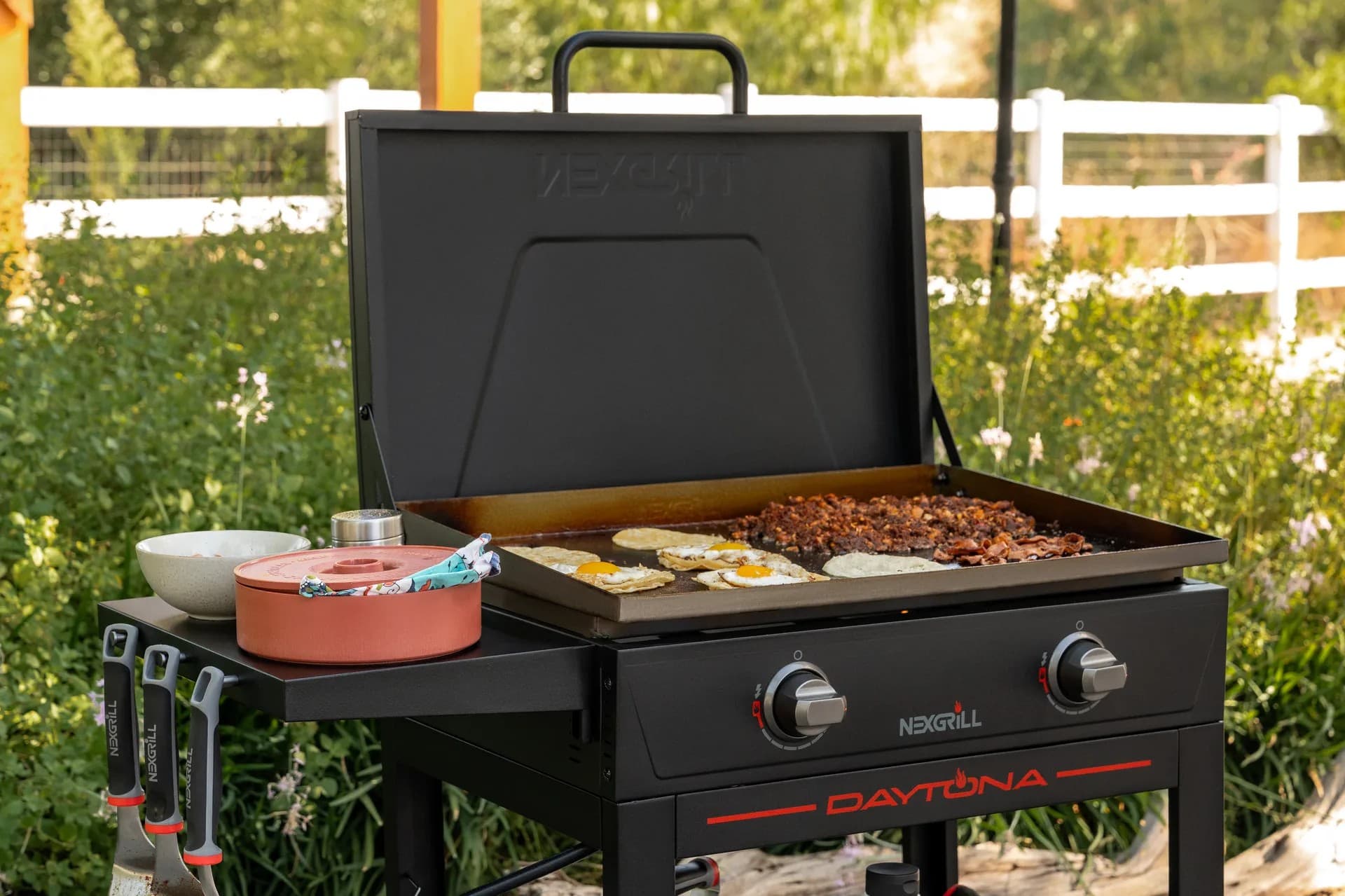
Find griddle recipes, cooking techniques, cleaning tips, and outdoor meal ideas designed for Nexgrill griddles.
Find answers to common questions
Gas grills provide instant heat and precise temperature control, making them easier to use. Charcoal grills offer a smoky flavor and high heat for searing but require more time to heat up and manage.
Pellet grills combine the convenience of gas with the flavor of wood, allowing for smoking, baking, and grilling. Traditional gas grills, however, are quicker to start and often easier to clean.
Charcoal grills typically reach higher temperatures quicker than gas grills, making them better for searing meat. However, high-quality gas grills can also provide adequate heat for effective searing.
Nexgrill offers models designed specifically for gas, charcoal, and pellets, allowing users to choose based on their cooking style and flavor preferences. Each type is built to optimize the characteristics of its respective fuel.
Choosing between gas and charcoal grills depends on your cooking preferences and lifestyle. If you value convenience and quick cooking, a gas grill may suit you better; if you prefer the taste and experience of traditional grilling, a charcoal grill would be ideal.
In This Article
Electric Grills and Renewable Energy
Gas Grills and Air Quality
Sustainable Grill Materials
When considering the purchase of a grill, many consumers focus on features, price, and convenience. However, understanding the environmental impact of different types of grills can provide a deeper insight into sustainable living practices. The carbon footprint of grills is primarily influenced by the energy source and consumption efficiency. This section will explore how electric and gas grills differ in their environmental impact.
Electric grills generally have a smaller carbon footprint, particularly when powered by renewable energy sources.
Gas grills, on the other hand, rely on propane or natural gas, both fossil fuels. Burning these fuels releases carbon dioxide (CO2) and other greenhouse gases (GHGs) into the atmosphere, contributing to climate change. The combustion process in gas grills is less efficient compared to electric grills, which can use energy more efficiently, especially when connected to a grid powered by renewable sources.
Electric Grills: These grills use electricity as their primary energy source. Their environmental impact largely depends on the electricity's source. If the power grid is fed by coal or other non-renewable energy sources, the carbon footprint increases. However, with the growing shift towards solar, wind, and hydroelectric power, electric grills can become significantly more sustainable.
Gas Grills: Despite their popularity due to ease of use and cooking speed, gas grills tend to have a higher carbon footprint. The extraction, processing, and transportation of propane or natural gas further add to the environmental impact. This is compounded by the fact that these fuels are non-renewable.
Consumers looking to minimize their carbon footprint may find electric grills more appealing, especially in regions where renewable energy is prevalent. Understanding these energy sources' impacts helps in making an informed choice that aligns with environmental goals.
Energy efficiency is a critical factor when comparing the environmental impact of electric and gas grills. Energy efficiency refers to how well a grill converts its energy source into cooking heat.
| Grill Type | Energy Efficiency | Environmental Impact |
|---|---|---|
| Electric Grill | High (80-90%) | Lower with renewable sources |
| Gas Grill | Moderate (40-50%) | Higher due to fossil fuels |
Electric grills convert a higher percentage of their energy into heat, making them more energy efficient. This efficiency means that less energy is wasted, reducing the overall environmental impact. On the contrary, gas grills lose a significant amount of energy during combustion, making them less efficient and more resource-intensive.
Beyond efficiency, the frequency and duration of grill usage also affect environmental impact. Regular use of a gas grill can result in higher cumulative emissions, whereas an electric grill, especially in a renewable-powered home, can mitigate such effects.
Conclusion: For environmentally conscious consumers, understanding the energy efficiency and usage patterns of their grill can help reduce their carbon footprint. Opting for an electric grill powered by renewables can be a more sustainable choice in the long run.
Try comparing two products side by side below to see which fits best:
Air quality is a significant environmental concern, and the type of grill you choose can influence local air pollution levels. Gas grills emit nitrogen oxides (NOx) and volatile organic compounds (VOCs), which contribute to smog formation and respiratory problems. Electric grills, in contrast, do not produce these emissions during cooking.
Gas grills can contribute to local air pollution, impacting health and the environment.
The absence of direct emissions in electric grills results in a cleaner cooking process. However, the overall emissions depend on the electricity generation method. If powered by coal, the emissions could still be significant, but renewable energy sources dramatically reduce this impact.
According to studies, reducing local air pollution through cleaner grilling practices can improve community health. Electric grills powered by clean energy offer a pathway to achieving this goal, making them a preferred choice for environmentally aware consumers.
The materials used in grill manufacturing also affect environmental sustainability. Many electric grills incorporate recyclable materials and are designed for longer lifespans, reducing the need for frequent replacements. This contrasts with some gas grills, which may use components that degrade faster due to high heat exposure and combustion by-products.
| Aspect | Electric Grill | Gas Grill |
|---|---|---|
| Material Recyclability | High | Moderate |
| Expected Lifespan | Longer | Variable |
The use of sustainable materials not only reduces the environmental impact but also enhances the product's durability. Electric grills often feature stainless steel and other durable materials that withstand the elements, offering a longer service life and reducing waste.
Once you've weighed two options against each other, here's what else matters: choosing a grill with sustainable production practices and materials can significantly reduce your environmental footprint. Opt for brands that prioritize eco-friendly designs and materials.
Here's what sets us apart
We position ourselves as delivering high-end outdoor cooking features and performance without premium-brand pricing, emphasizing “Quality Grills. Unbelievable Value.”
We offer gas grills, pellet grills, griddles, smokers, pizza ovens, portable/tabletop grills, electric grills, accessories, and replacement parts — allowing customers to stay within one ecosystem for all outdoor cooking needs.
We differentiate ourselves through smart grilling products like the Oakford smart pellet grill, including app-connected cooking controls and modern outdoor cooking technology.
Don't just take our word for it
Keep reading
From our catalog