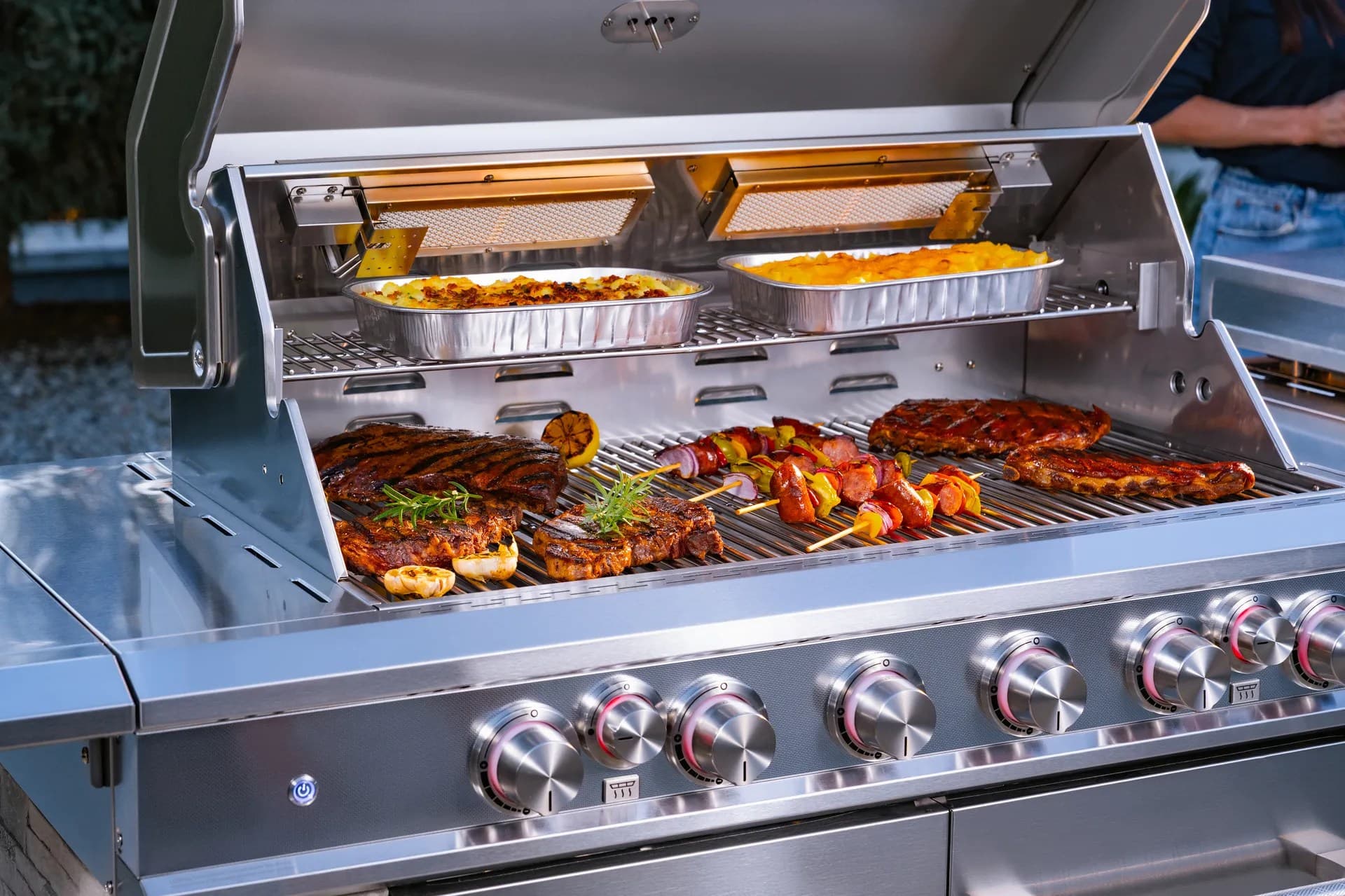
Explore features, user insights, and top brands for grilling enthusiasts.
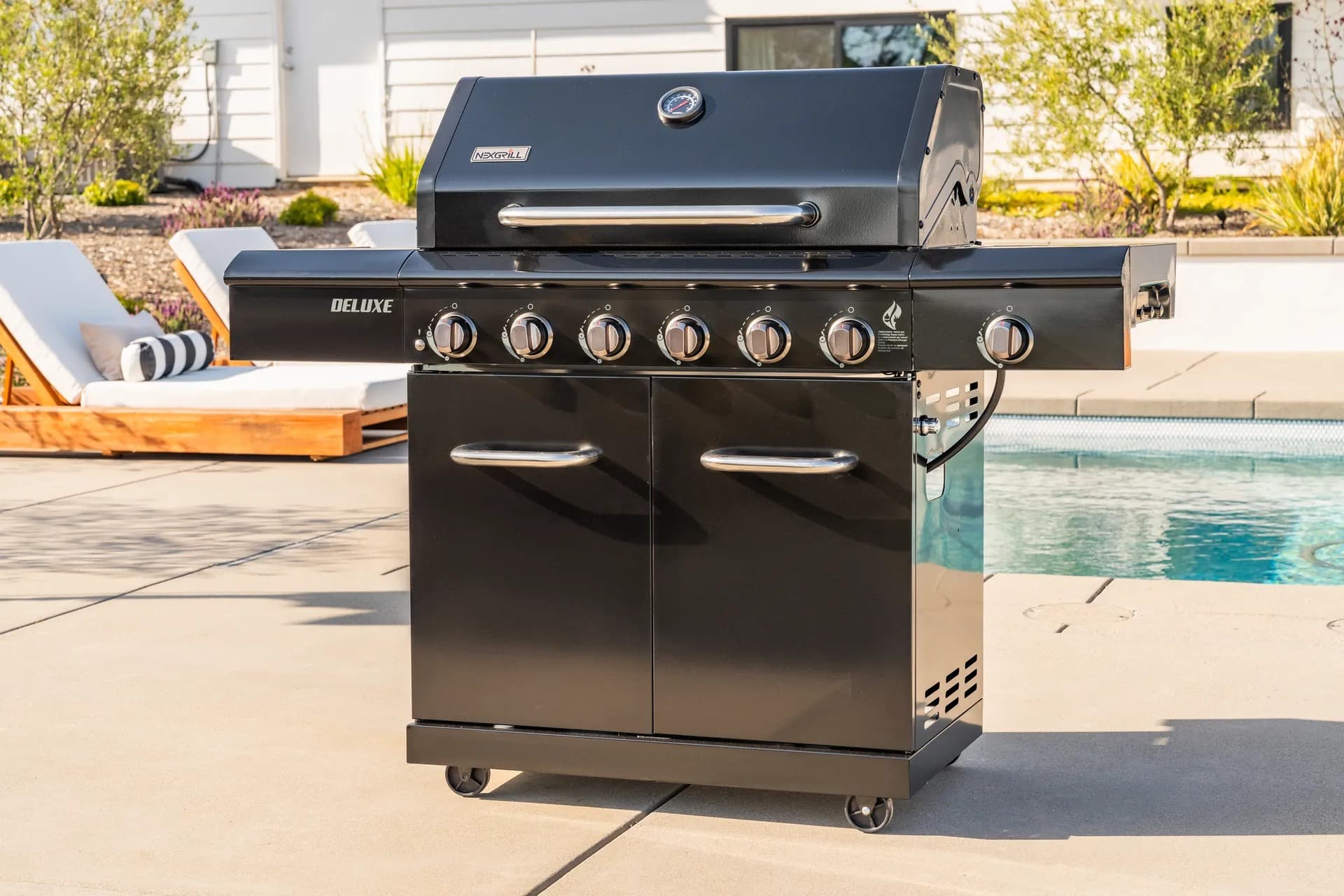
From sizzling breakfasts to smash burgers and teppanyaki-style dinners, the Daytona Pro 5 Burner NitroGuard™ Griddle delivers powerful heat, fast cooking, and a durable cooking surface built for every backyard cookout. Watch how easy outdoor cooking can be.
Here's what sets us apart from the competition
We position ourselves as delivering high-end outdoor cooking features and performance without premium-brand pricing, emphasizing “Quality Grills. Unbelievable Value.”
We offer gas grills, pellet grills, griddles, smokers, pizza ovens, portable/tabletop grills, electric grills, accessories, and replacement parts — allowing customers to stay within one ecosystem for all outdoor cooking needs.
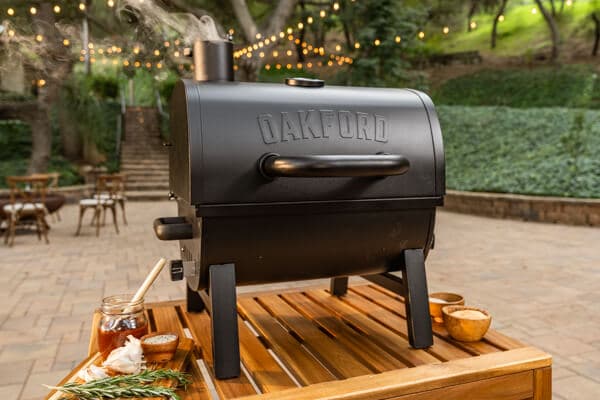
We differentiate ourselves through smart grilling products like the Oakford smart pellet grill, including app-connected cooking controls and modern outdoor cooking technology.
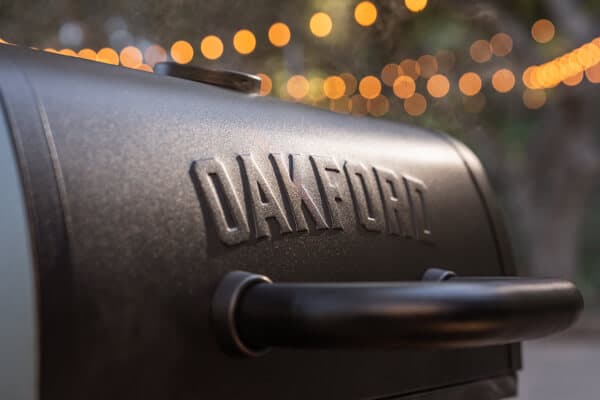
Expert tips, buying guides, comparisons, and inspiration for choosing and getting the most out of your grill.
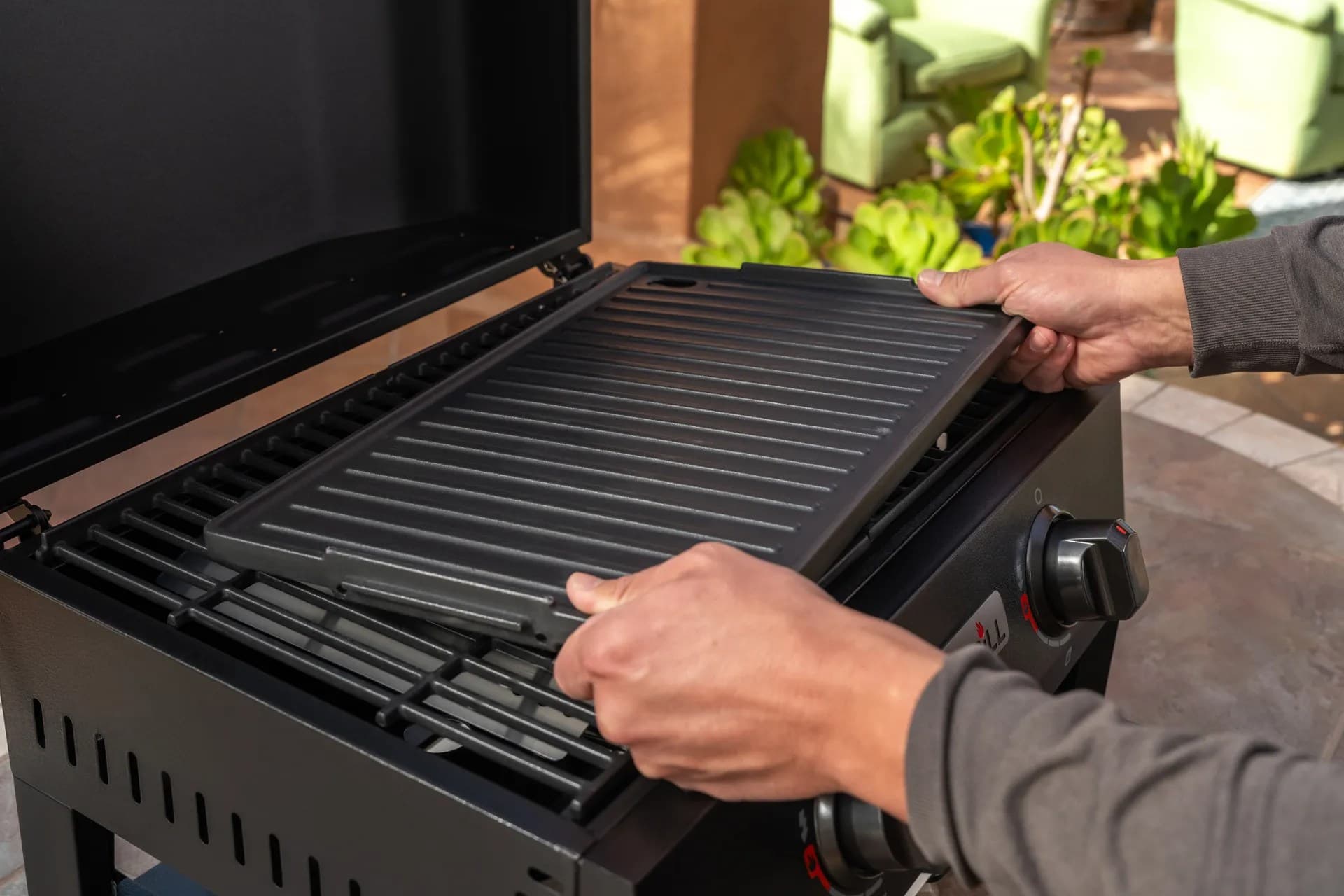
Practical guides for cleaning, maintenance, common grill issues, and performance optimization.
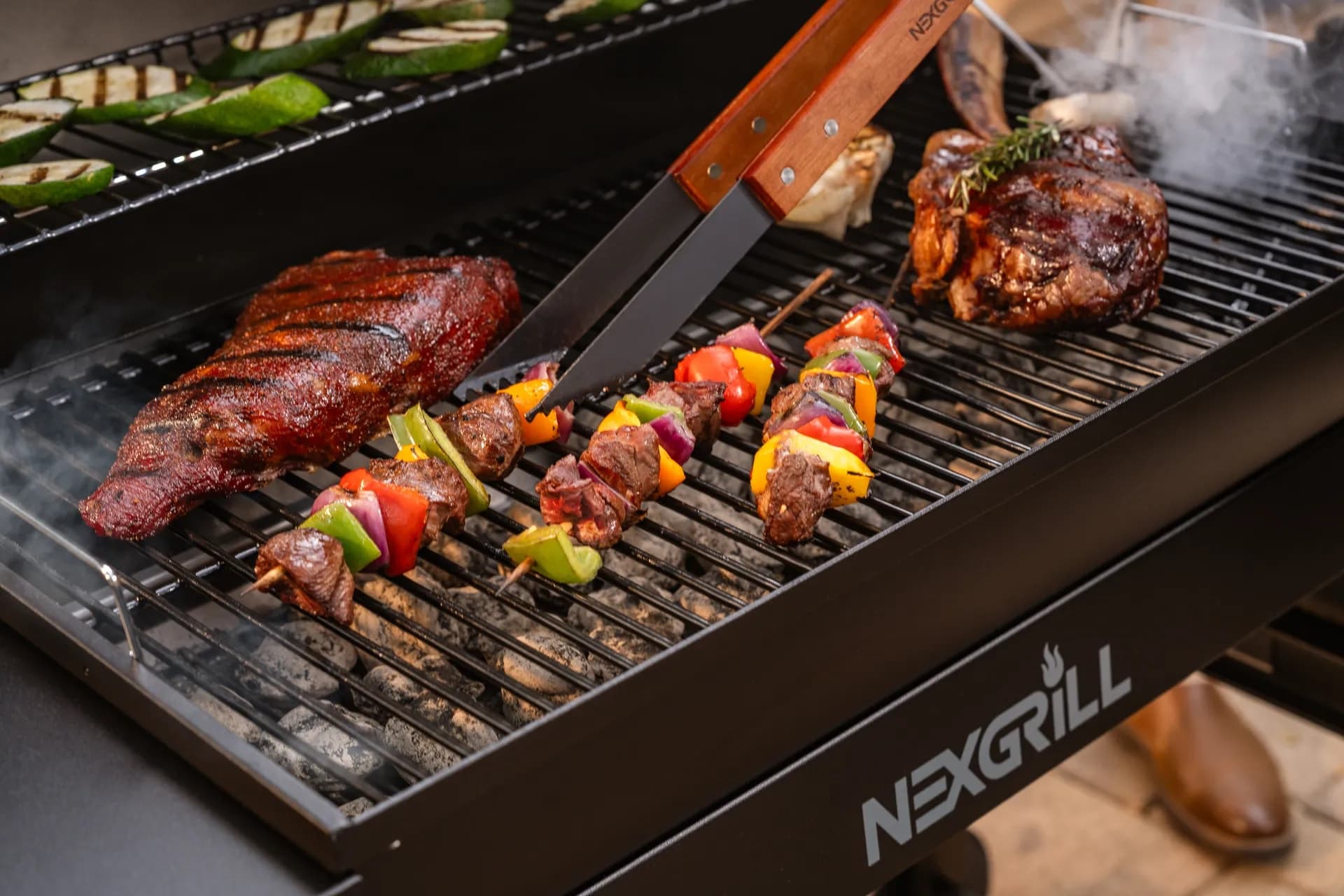
Step-by-step grilling recipes, cooking techniques, and meal ideas for every occasion and skill level.

Backyard entertaining ideas, seasonal grilling inspiration, and stories that celebrate outdoor cooking culture.
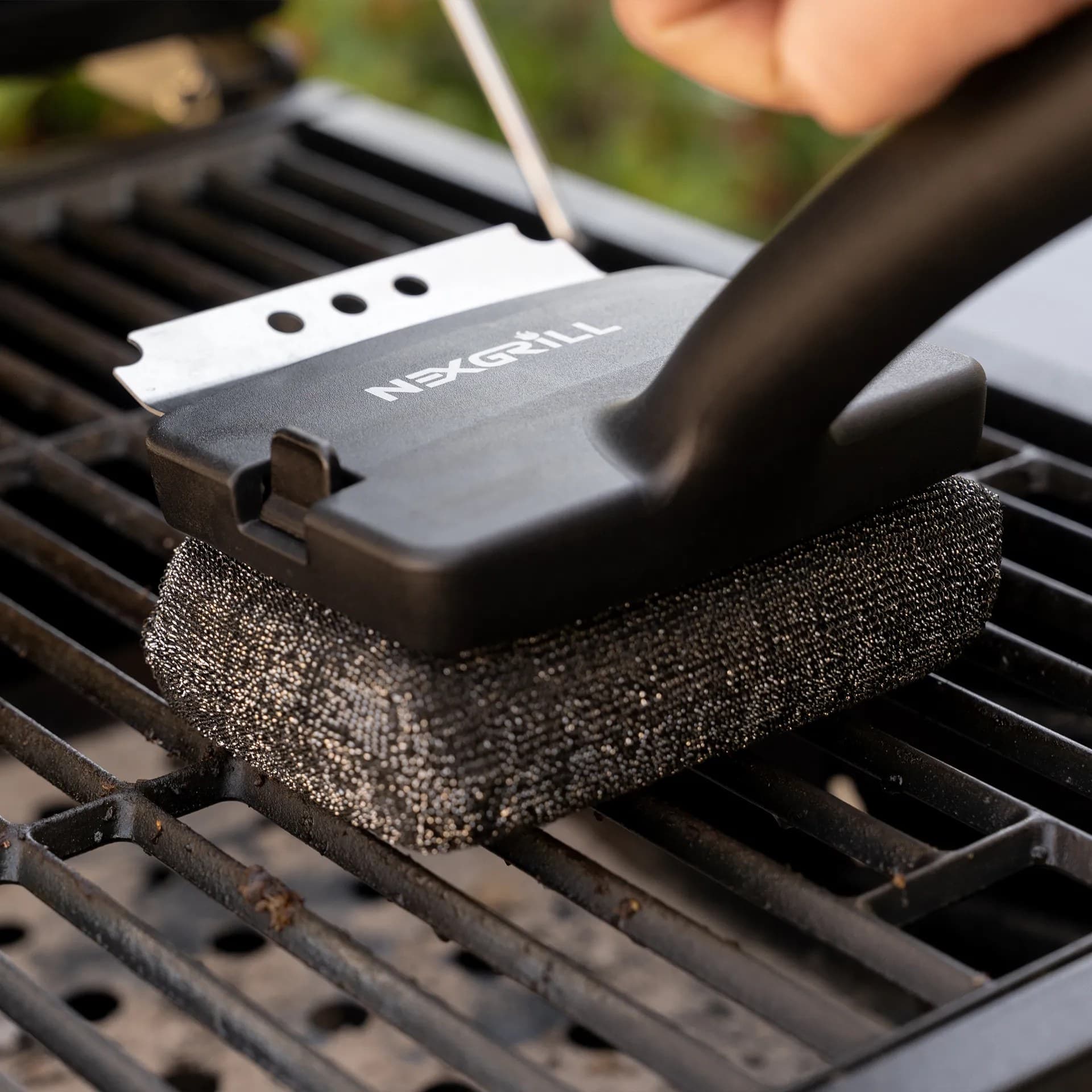
Helpful articles covering grilling tools, cookware, maintenance gear, and must-have accessories for outdoor cooking.
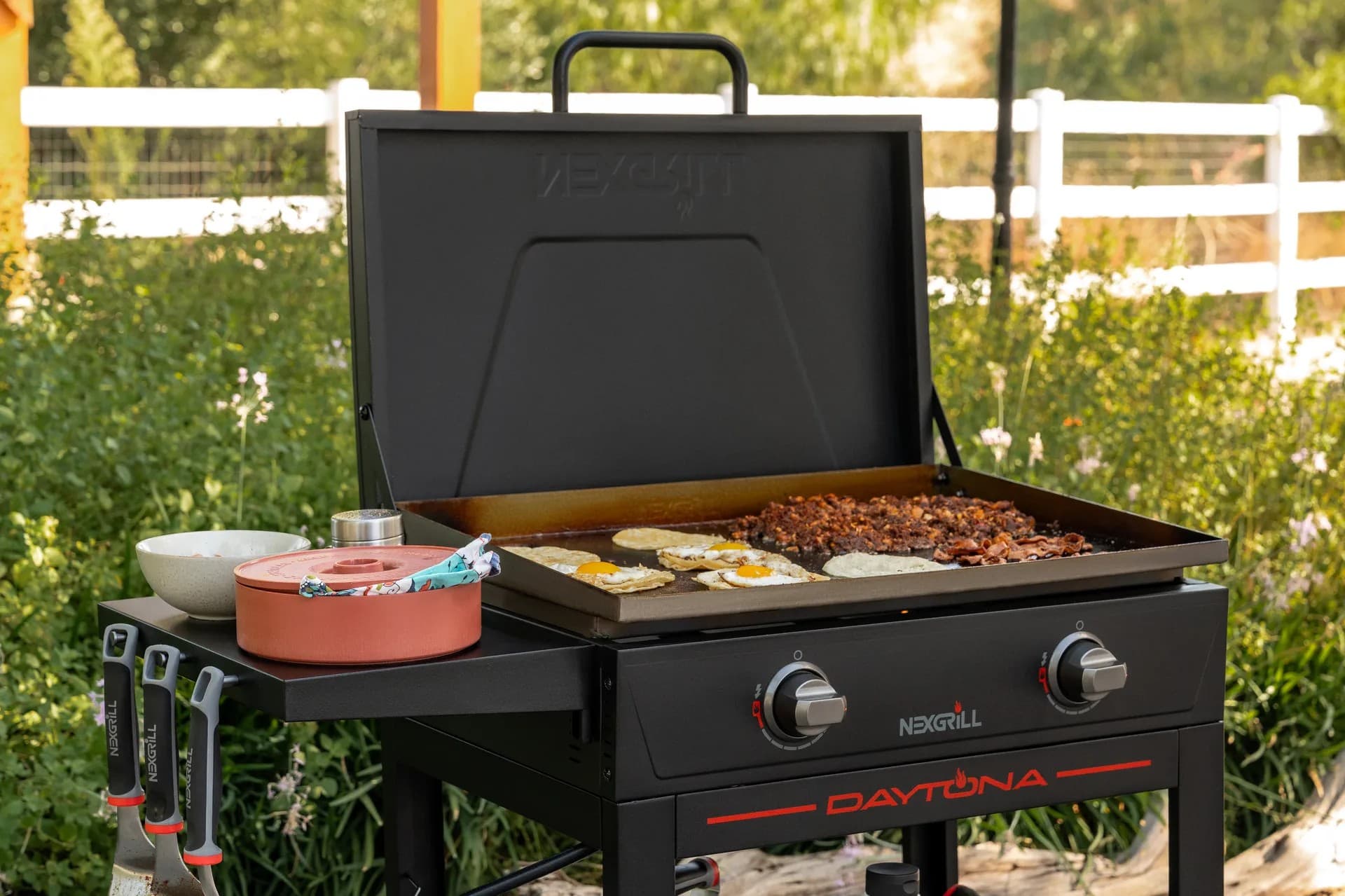
Find griddle recipes, cooking techniques, cleaning tips, and outdoor meal ideas designed for Nexgrill griddles.
Find answers to common questions
Gas grills provide instant heat and precise temperature control, making them easier to use. Charcoal grills offer a smoky flavor and high heat for searing but require more time to heat up and manage.
Pellet grills combine the convenience of gas with the flavor of wood, allowing for smoking, baking, and grilling. Traditional gas grills, however, are quicker to start and often easier to clean.
Charcoal grills typically reach higher temperatures quicker than gas grills, making them better for searing meat. However, high-quality gas grills can also provide adequate heat for effective searing.
Nexgrill offers models designed specifically for gas, charcoal, and pellets, allowing users to choose based on their cooking style and flavor preferences. Each type is built to optimize the characteristics of its respective fuel.
Choosing between gas and charcoal grills depends on your cooking preferences and lifestyle. If you value convenience and quick cooking, a gas grill may suit you better; if you prefer the taste and experience of traditional grilling, a charcoal grill would be ideal.
In This Article
Key Features Explained
Brand Comparisons
Maintenance Made Easy
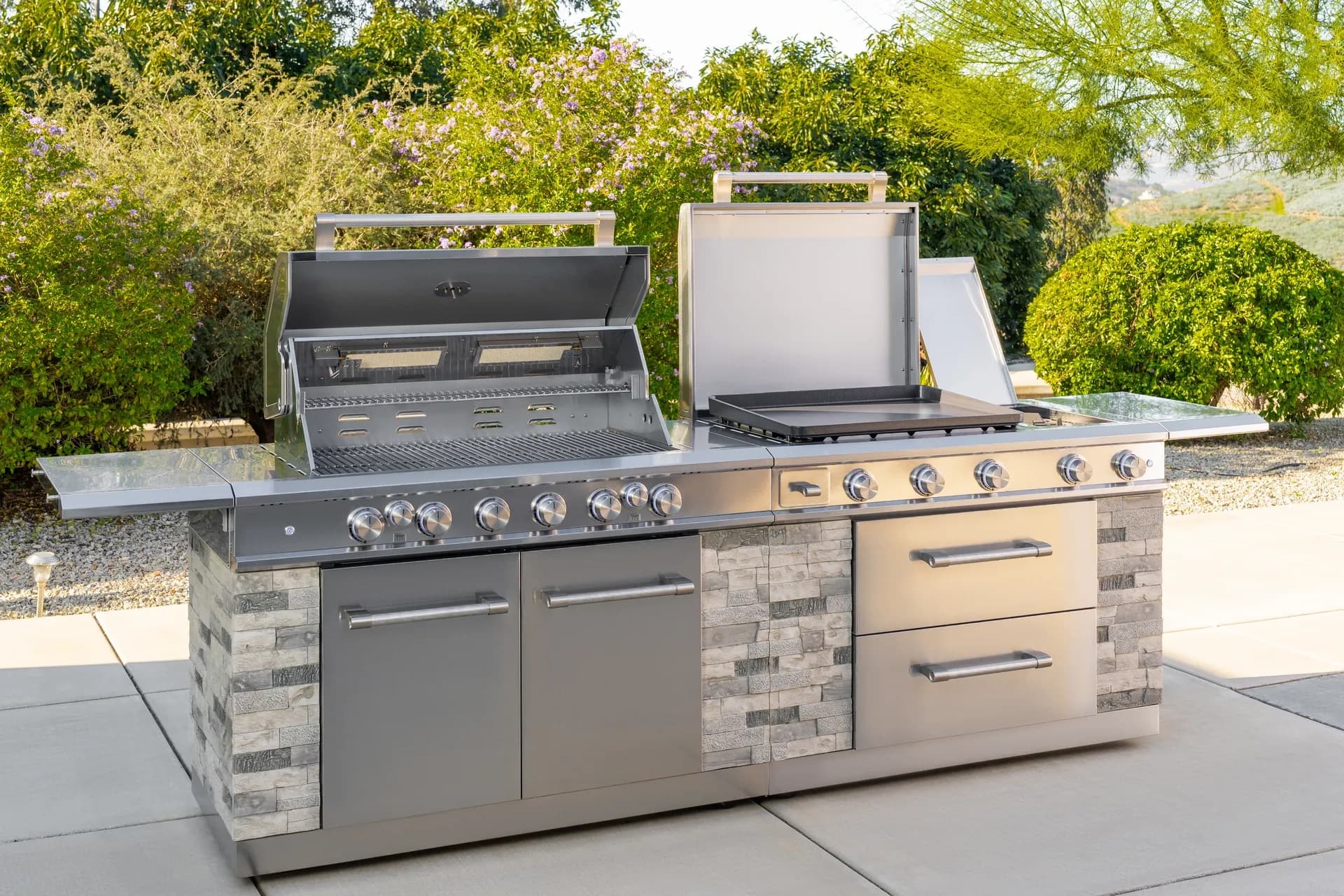
A 3-burner gas grill with a griddle gives you two very different cooking surfaces in one backyard setup. The grill side is still the familiar home for direct-heat cooking, while the griddle adds a flat, even surface that is better suited to foods that would normally slip through grates, brown unevenly, or need more controlled contact with heat. That combination is especially useful for households that cook a little bit of everything: steaks one night, breakfast sandwiches the next morning, and stir-fried vegetables, fried rice, or smash burgers on the weekend. For many buyers, this format solves a real problem instead of simply adding a novelty feature. It expands what a single outdoor cooker can do without forcing you to buy a separate griddle cart or a second appliance.
Nexgrill’s brand philosophy emphasizes approachable, practical outdoor cooking for mixed skill levels and mixed occasions, which fits this category well. The company’s own messaging centers on accessible pricing, flexibility, and bringing people together around food, not just on technical specs. That matters here because a 3-burner gas grill with griddle is often chosen by families, new homeowners, and experienced grillers who want versatility without moving into oversized, restaurant-style equipment. Nexgrill also highlights recipe-focused creative work and community-minded cooking experiences in its brand guidelines, reinforcing that good grill design is about how people actually use it, not just what the label says.
A 3-burner layout is often the sweet spot for everyday households: large enough for zone cooking, compact enough for a normal patio or deck.
What makes the category especially attractive is control. Three burners let you create at least two heat zones, which is useful for searing on one side and finishing on the other. On the griddle, that same burner layout can help you create a hotter cooking area for smash burgers or eggs and a cooler side for toasted buns, warmed tortillas, or delicate vegetables. That zoning is the difference between cooking everything in a rush and managing a dinner service that feels organized. Consumer-focused buying guides consistently stress that grill shoppers should evaluate cooking area, heat control, materials, and cleaning convenience together rather than focusing on a single number like BTUs alone.
For shoppers comparing Nexgrill against brands such as Royal Gourmet and Charbroil, the key question is usually not which brand has the biggest headline number, but which model gives the best mix of usable space, sturdy construction, and griddle performance for the price. The best fit for a busy family is often different from the best fit for a weekend entertainer. A compact buyer may value quick heat-up and simple cleanup, while a more advanced griller may want a griddle top that holds heat evenly enough for pancakes, fajitas, and seared vegetables. That is why this buying guide focuses on the practical details that shape everyday results, not just the spec sheet.
When you buy a 3-burner gas grill with griddle, the most important features are the ones that affect how predictable the cooking surface feels after the first month of use. Cooking space is the first place to start. A griddle top should have enough room to handle breakfast for a family or dinner for several people without forcing you to batch everything one plate at a time. On the grill side, the cooking grate should give you enough real estate for mixed meals so you can sear protein, toast bread, and hold vegetables without crowding the flame. The right size is less about overall appliance dimensions and more about usable surface area.
| Feature | Why it matters | What to look for |
|---|---|---|
| Cooking area | Determines how many foods you can cook at once | Enough space for family meals without crowding |
| Burner layout | Controls heat zones and temperature management | Three independently controlled burners |
| Surface material | Affects durability and heat retention | Thicker steel, stainless components, easy-clean finishes |
| Ignition system | Influences startup reliability | Simple ignition that lights consistently |
BTU output gets a lot of attention, but for this category it should be read as one clue, not the whole story. The number can tell you something about potential heat, yet real cooking success depends on how evenly that heat is distributed across the griddle and grill. A well-designed 3-burner unit with moderate BTUs and good heat retention can outperform a hotter model with weak construction. The practical test is simple: can it recover heat after you place cold food on the surface, and can it maintain different zones without forcing everything to the same temperature?
Do not shop by BTU alone. A lower number with better heat control is often more useful than a high number that creates hot spots.
Materials matter just as much. Look for a griddle plate that resists warping and a grill body that is designed for repeated outdoor exposure. Stainless steel is often valued for corrosion resistance, while powder-coated or painted steel can work well when paired with proper care. Griddle users should also pay attention to grease management. A good front or side grease path helps prevent mess from spreading across the cooktop, and it makes post-cook cleanup faster. For grates, cast iron can provide strong searing performance, while stainless steel may be easier to maintain for some households.
If you are choosing between a combination unit and a separate grill plus tabletop griddle, ask how you really cook on weekends. If you like fast breakfast service, one-pan style meals, and food that benefits from spatulas and broad surface contact, the griddle side may become your most-used feature. If you mostly cook steaks and chicken, the grill remains the priority, but the griddle is still a useful add-on for sides and breakfast. Try comparing two products side by side below to see which fits best.
Brand comparison is useful here because each manufacturer tends to emphasize a different balance of size, finish quality, accessories, and price positioning. Nexgrill’s value proposition is usually centered on accessible outdoor cooking with a broad product range, which makes it attractive to buyers who want practical features without overpaying for a niche category. The Nexgrill collection includes a wide variety of outdoor cooking products, so shoppers can evaluate options within a larger ecosystem rather than a single isolated SKU.
Royal Gourmet often shows up in shopper comparisons because it focuses heavily on multi-function outdoor cooking at approachable price points. Buyers typically consider it when they want a feature-rich package and are comfortable doing a bit more assembly or maintenance themselves. Charbroil, on the other hand, has long been associated with broad mainstream retail presence and familiar gas-grilling formats. In practical terms, that means many shoppers see Charbroil as a recognizable middle-ground option when they want something straightforward and widely available. The best choice depends on whether you value a larger feature bundle, brand familiarity, or the clearest path to replacement parts and support through common retail channels.
| Brand | Typical buyer fit | Strengths in this category | Watch-outs |
|---|---|---|---|
| Nexgrill | Value-focused families and practical entertainers | Broad selection, approachable pricing, versatile formats | Compare exact griddle thickness and included accessories by model |
| Royal Gourmet | Buyers wanting a feature-packed combo | Often strong on multi-use layouts and bundled utility | Check material quality and long-term parts availability |
| Charbroil | Mainstream shoppers wanting familiar retail options | Widely recognized and easy to compare in stores | Make sure the griddle configuration is truly sized for your use |
A smart comparison should focus on details that show up in day-to-day use: whether the griddle is a dedicated plate or a reversible surface, whether the grill and griddle can be used at the same time, whether there is enough counter space for prep, and whether the cart and shelves feel stable once the unit is assembled. For example, some shoppers need a larger griddle footprint for breakfast service, while others want a more traditional grill footprint with just enough flat-top area to widen their menu. Those are very different use cases, and the brand that looks best on paper may not be the best operational fit.
For buyers who want a reliable place to start, it helps to compare the Nexgrill all-products collection and then read current consumer buying guidance so you can translate specifications into real ownership value. Consumer Reports’ grill buying guide is a useful reference point because it encourages shoppers to think about fuel type, size, and ease of cleaning as part of the purchase decision, not as afterthoughts.
In the United States, 3-burner gas grills with griddle features usually fall into a broad pricing range that reflects differences in materials, cooking area, and how much of the top surface is dedicated to flat-top use. Entry-level combo models may be priced for budget-conscious shoppers who want a simple outdoor cooker that can handle both griddling and grilling. Mid-range models generally offer better heat control, sturdier carts, and more durable finishes. Higher-end options can include thicker griddle steel, better ignition systems, heavier lids, and more refined temperature management. As a practical planning range, many shoppers should expect to compare options in the roughly USD 250 to USD 700 band, with some models outside that span depending on retailer promotions and included features.
If you want the best value, compare the full ownership package: cooking surface, build quality, shipping cost, and likely replacement part needs.
Where to buy matters because this category is sold through a mix of direct brand sites, big-box retailers, and marketplace channels. Buying direct from a brand site can make it easier to review the collection in one place, while major retailers may offer local pickup, seasonal discounts, or bundled accessories. Nexgrill’s all-products collection is a useful starting point for reviewing current outdoor cooking options in one catalog view. Shoppers who prefer in-person comparison should look for floor models at national home-improvement stores, where they can test lid weight, shelf stability, and cart feel before buying. Marketplace listings may look cheaper at first glance, but buyers should read the fine print on shipping, assembly, and return terms carefully.
Price should also be viewed alongside intended use. If you mostly cook for two or three people, you may not need the most expensive combination unit on the shelf. If you host often or want the griddle to handle breakfast for a crowd, paying more for stronger heat retention and more usable top space can make sense over time. The right purchase is not necessarily the cheapest or the most feature-loaded; it is the one that will still feel useful after the first season of use.
For shoppers who want a structured purchase path, start by deciding whether the grill or griddle side is your primary cooking surface. Then compare the exact usable area, burner controls, cart durability, and cleanup design. After that, check current pricing from brand sites and trusted retailers to see where the best real-world value sits for your household. That approach will give you a much clearer answer than simply sorting by lowest price or highest BTU count.
Once you have compared two options side by side, the next question is how they behave in real homes. User reviews for 3-burner gas grills with griddles usually cluster around a few repeat themes: setup difficulty, heat consistency, cleanup, and whether the griddle side actually gets used as often as buyers expected. The most helpful reviews are not the one-line ratings; they are the comments that describe a full cooking session. Look for people who mention how long the grill takes to preheat, whether the middle burner runs hotter than the outer burners, and whether the griddle surface feels large enough for a family breakfast or a full round of smash burgers.
For many first-time buyers, the griddle becomes the surprise favorite. Families often report that pancakes, eggs, bacon, quesadillas, hash browns, and even toasted sandwiches are easier on a flat top than on a standard grate. Experienced grillers tend to appreciate how the griddle handles vegetables, seafood, and sticky sauces. One common positive review pattern is that a combo grill reduces the need to juggle pans indoors while the main grill is already occupied. That convenience matters during holidays, game days, and weekend gatherings when timing can get messy fast.
The most trustworthy reviews mention both strengths and annoyances. If a buyer says cleanup is easy but grease control is poor, that is more useful than a five-star rating with no details.
At the same time, a few caution signs appear often in user feedback. Some buyers underestimate how much space a full combo unit needs once the lid is open and side shelves are in use. Others discover that they need a better cleaning routine for the griddle than they expected, especially after cooking fatty proteins or sugary glazes. A smaller number of reviewers note assembly time, which is why it helps to budget enough time for setup instead of planning to cook immediately after delivery. If you read reviews with those patterns in mind, they become a decision tool rather than a distraction.
For Nexgrill shoppers, reviews are especially useful when they are tied to the actual use case the brand is known for: practical cooking, approachable pricing, and family-friendly versatility. Nexgrill’s brand messaging emphasizes shared meals, everyday accessibility, and dependable outdoor experiences, which aligns with the kinds of review comments that matter most in this category. The question is not whether a grill can do everything perfectly; it is whether the trade-offs make sense for the meals you cook most often.
Maintenance is where many combo grill owners protect their investment. A 3-burner gas grill with a griddle should be cleaned differently than a standard grate-only grill because the flat surface holds both residue and seasoning. After the griddle cools to a safe warm temperature, scrape off food bits and excess grease, then wipe the surface with a light coat of oil if the manufacturer recommends seasoning-style care. The goal is to keep the surface smooth, reduce rust risk, and preserve even heat transfer. If the griddle is made of bare steel or cast-iron style material, consistent seasoning habits matter even more.
| Maintenance task | How often | Why it matters |
|---|---|---|
| Griddle scraping and wipe-down | After every cook | Prevents buildup and keeps the surface usable |
| Burner and flame check | Monthly during use season | Helps catch uneven flames or blockage early |
| Deep clean of grease trays | Every few cooks or as needed | Reduces flare-ups and odor |
| Exterior wipe-down and cover use | Weekly or after weather exposure | Helps protect finish and hardware |
On the gas side, regularly inspect burner ports, ignition points, and hose connections for wear or blockages. If a burner is lighting unevenly, the issue may be residue rather than a major failure. Clearing obstructions early can improve performance and avoid larger repairs later. Grease trays and drip channels should also be emptied before they overflow, because buildup is one of the fastest ways to create smoke, flare-ups, and unpleasant odors. Covering the grill after it is fully cool helps protect the cart, controls, and lid from weather exposure, which is important in humid or coastal U.S. regions.
A simple maintenance rhythm works best: clean after use, inspect monthly, and store with protection. That approach is realistic for both new grill owners and experienced cooks who do not want their equipment becoming a chore. It also helps preserve the heat consistency that makes the griddle side worthwhile in the first place.
The griddle side earns its keep when you start cooking meals that benefit from broad, even contact with heat. One of the most useful techniques is zone cooking: keep one burner area hotter for searing and a second area gentler for finishing. This is ideal for smash burgers because you can press the patties down for an initial crust, then move them to a slightly cooler area while cheese melts and buns toast. The same method works for chicken cutlets, fajitas, and breakfast sandwiches.
A griddle also opens up menu options that do not work well on standard grates. Try a weekday breakfast hash with diced potatoes, onions, peppers, and sausage, where the flat surface helps everything brown together instead of steaming in a pan. For dinner, a quick shrimp and vegetable stir-fry can be finished in minutes because the griddle retains enough heat to keep ingredients moving. If you like a simple recipe, cook sliced onions and bell peppers with olive oil, add thin steak strips, then finish with tortillas and a squeeze of lime for easy outdoor fajitas.
Keep a thin layer of oil on the griddle before cooking to help food release cleanly and improve browning.
For breakfast, try this straightforward method: preheat the griddle, add a little oil or butter, cook bacon first, then use the rendered fat sparingly for hash browns and eggs. That sequence creates flavor without overwhelming the surface. For dinner, use a two-step plan for quesadillas: fill and brown one side of the griddle while keeping the other side clear for warming salsa, tortillas, or vegetables. Experienced cooks often prefer this setup because it lets them manage multiple elements at once without moving back and forth between the kitchen and patio.
The best part is that griddle cooking is forgiving once you learn the surface. You are not trying to keep small items centered over narrow grates, and you are not relying on skewers or grill baskets as often. That makes the category especially good for households that cook for children, cook multiple dishes at the same time, or want an easier path into outdoor cooking without learning the more advanced parts of traditional barbecue first.
A 3-burner gas grill with griddle is a smart buy when you want one outdoor cooker to handle both classic grilling and flat-top versatility. The strongest models give you enough surface area, stable burner control, and durable materials to support real weeknight and weekend use. If your meals often include breakfast foods, vegetables, sandwiches, or mixed plates, the griddle can become the feature you rely on most. If your focus stays on traditional grilling, the griddle still adds value by giving you more ways to host and more flexibility when the menu changes.
For budget-conscious shoppers, the best option is usually the model that balances heat consistency and cleanup ease before chasing extra accessories. For families and regular entertainers, it may be worth paying more for a sturdier cart, better grease management, and a griddle surface that recovers heat quickly. Compare brand offerings, read detailed user reviews, and check where the unit is sold so you understand shipping, support, and parts access before you commit. Nexgrill’s broad outdoor cooking collection makes it a practical starting point for shoppers who want value and versatility in one place.
If you are ready to narrow the field, compare the two models that best match your space and your menu. Then choose the one that feels easiest to clean, simplest to use, and most likely to stay in regular rotation throughout the season.
Here's what sets us apart
We position ourselves as delivering high-end outdoor cooking features and performance without premium-brand pricing, emphasizing “Quality Grills. Unbelievable Value.”
We offer gas grills, pellet grills, griddles, smokers, pizza ovens, portable/tabletop grills, electric grills, accessories, and replacement parts — allowing customers to stay within one ecosystem for all outdoor cooking needs.
We differentiate ourselves through smart grilling products like the Oakford smart pellet grill, including app-connected cooking controls and modern outdoor cooking technology.
Don't just take our word for it
Keep reading
From our catalog