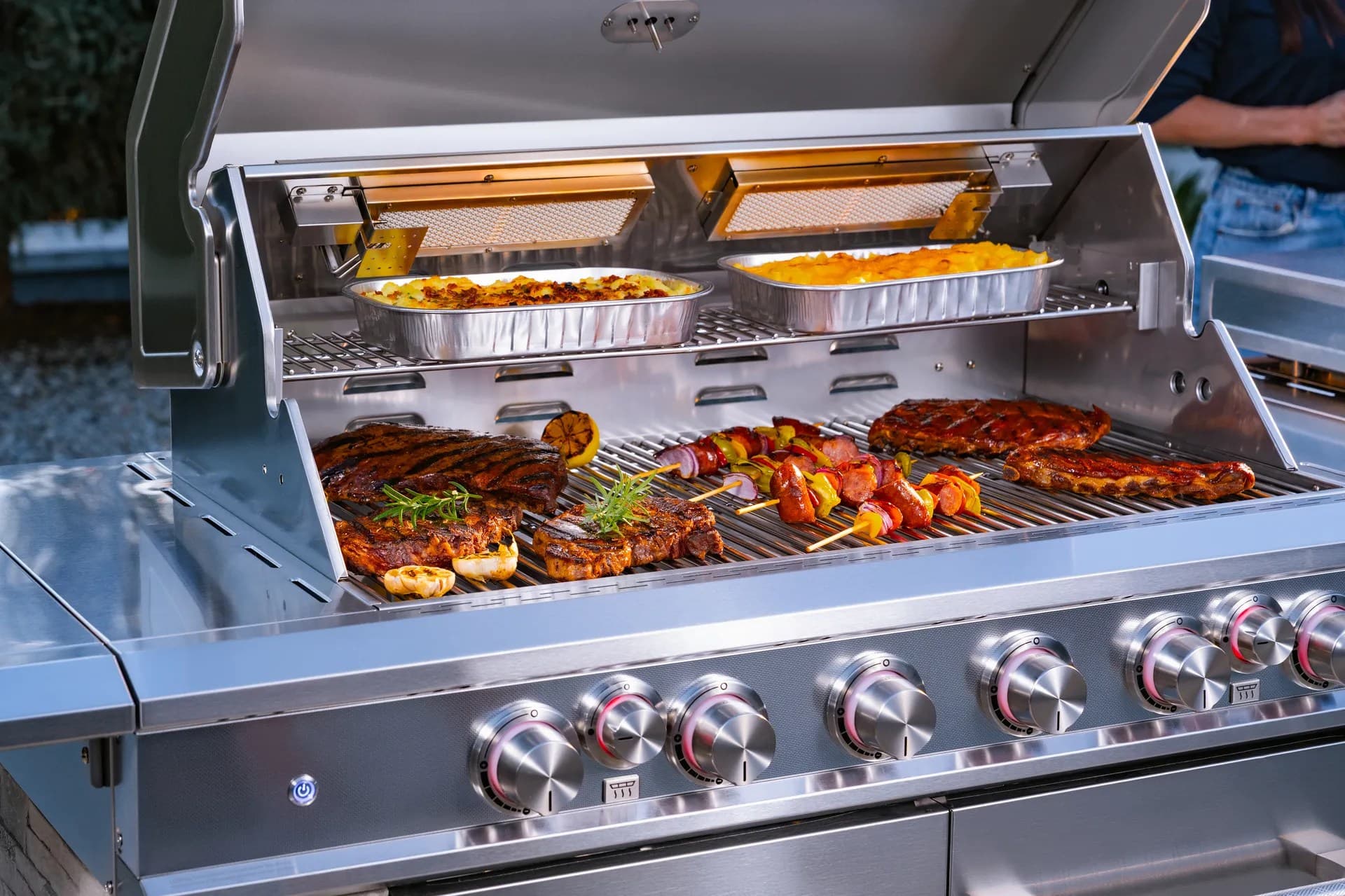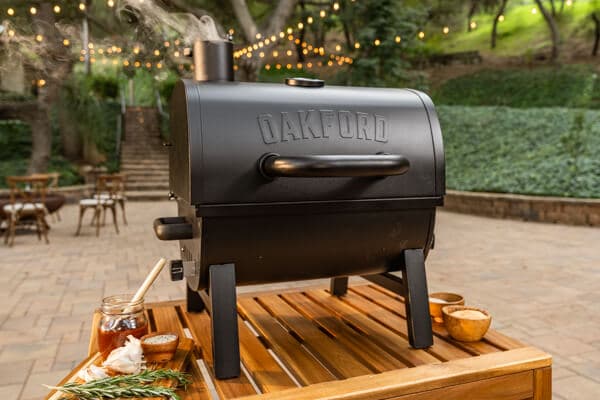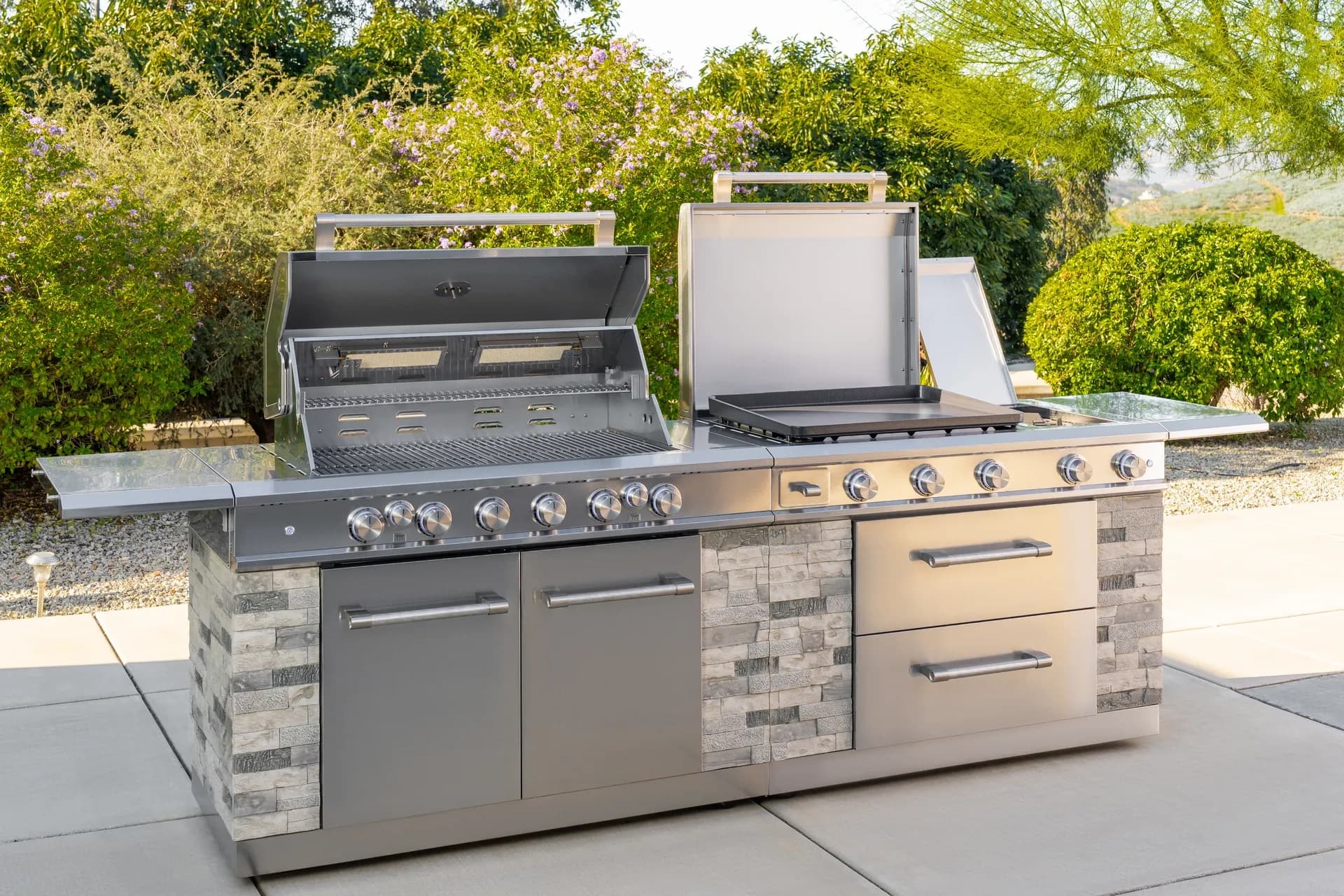
Explore the top smart grills that combine technology and flavor for an unmatched grilling experience.
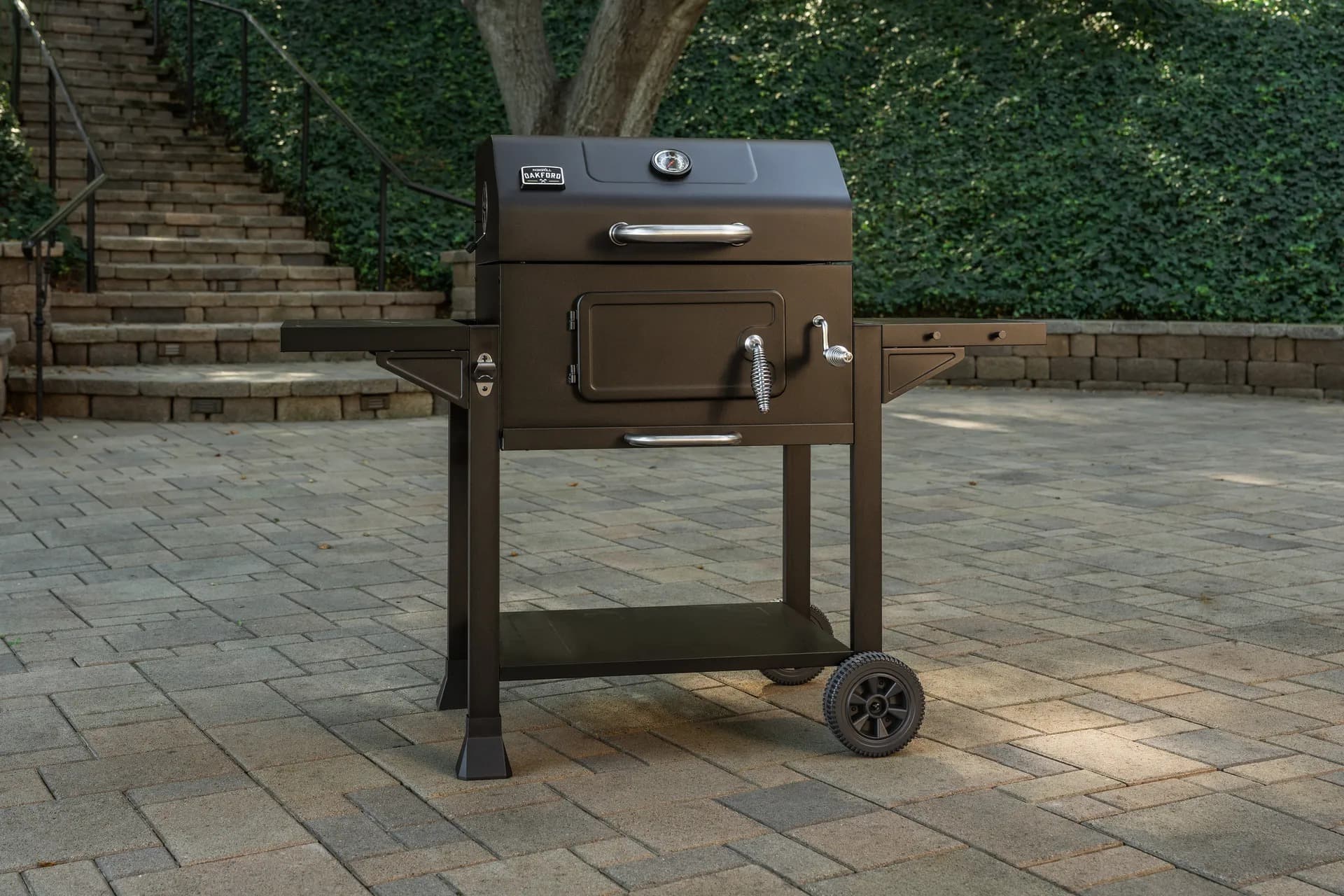
From sizzling breakfasts to smash burgers and teppanyaki-style dinners, the Daytona Pro 5 Burner NitroGuard™ Griddle delivers powerful heat, fast cooking, and a durable cooking surface built for every backyard cookout. Watch how easy outdoor cooking can be.
Here's what sets us apart from the competition
We position ourselves as delivering high-end outdoor cooking features and performance without premium-brand pricing, emphasizing “Quality Grills. Unbelievable Value.”
We offer gas grills, pellet grills, griddles, smokers, pizza ovens, portable/tabletop grills, electric grills, accessories, and replacement parts — allowing customers to stay within one ecosystem for all outdoor cooking needs.
We differentiate ourselves through smart grilling products like the Oakford smart pellet grill, including app-connected cooking controls and modern outdoor cooking technology.
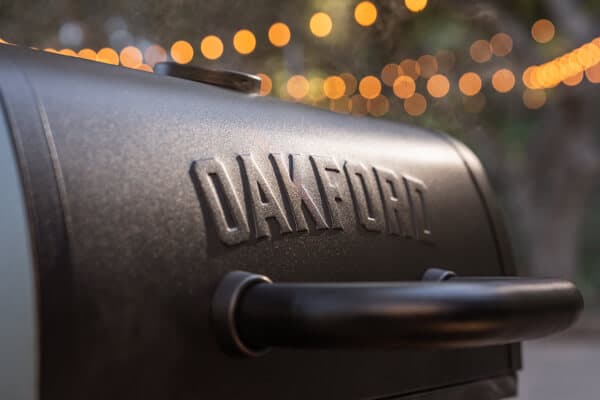
Expert tips, buying guides, comparisons, and inspiration for choosing and getting the most out of your grill.
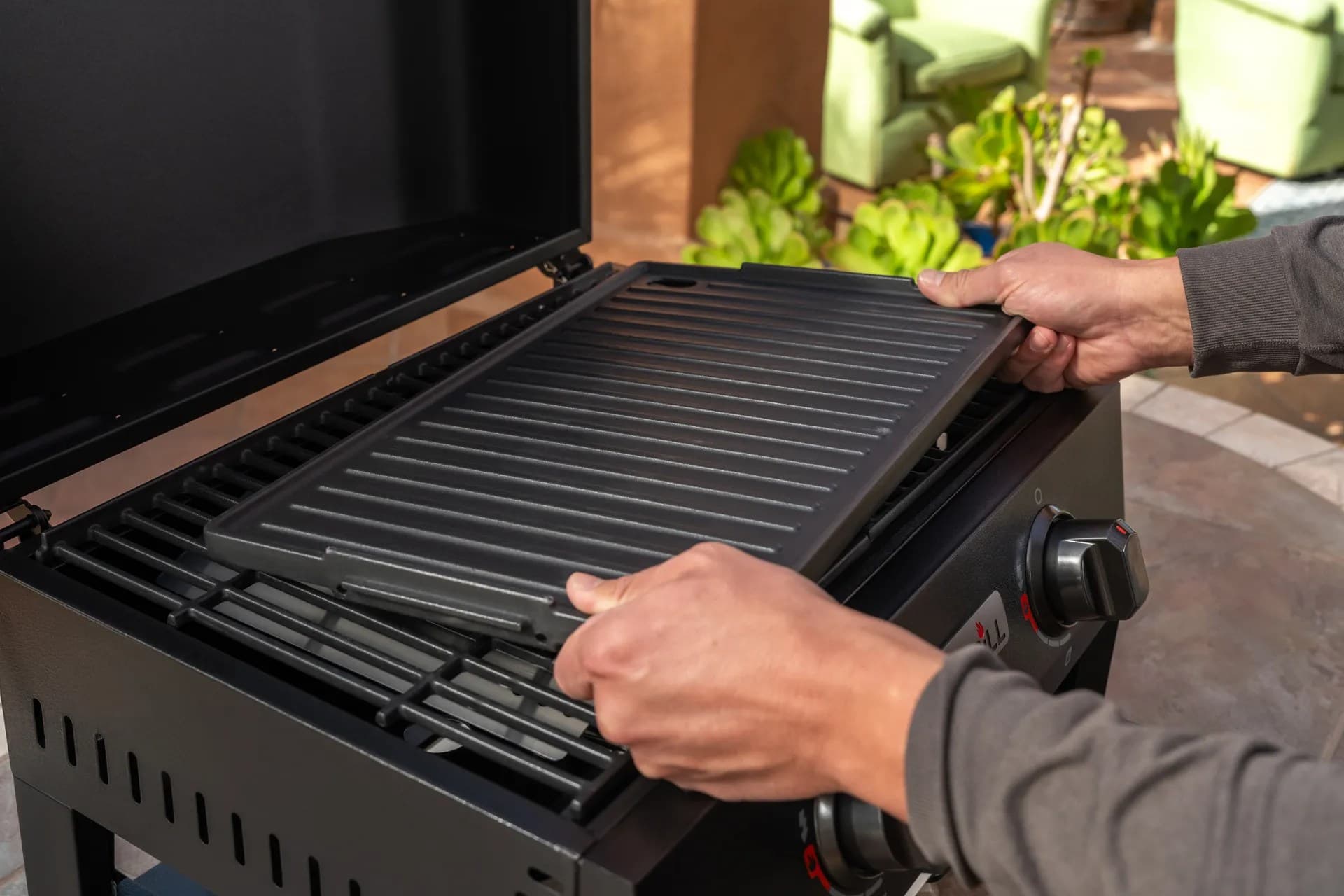
Practical guides for cleaning, maintenance, common grill issues, and performance optimization.
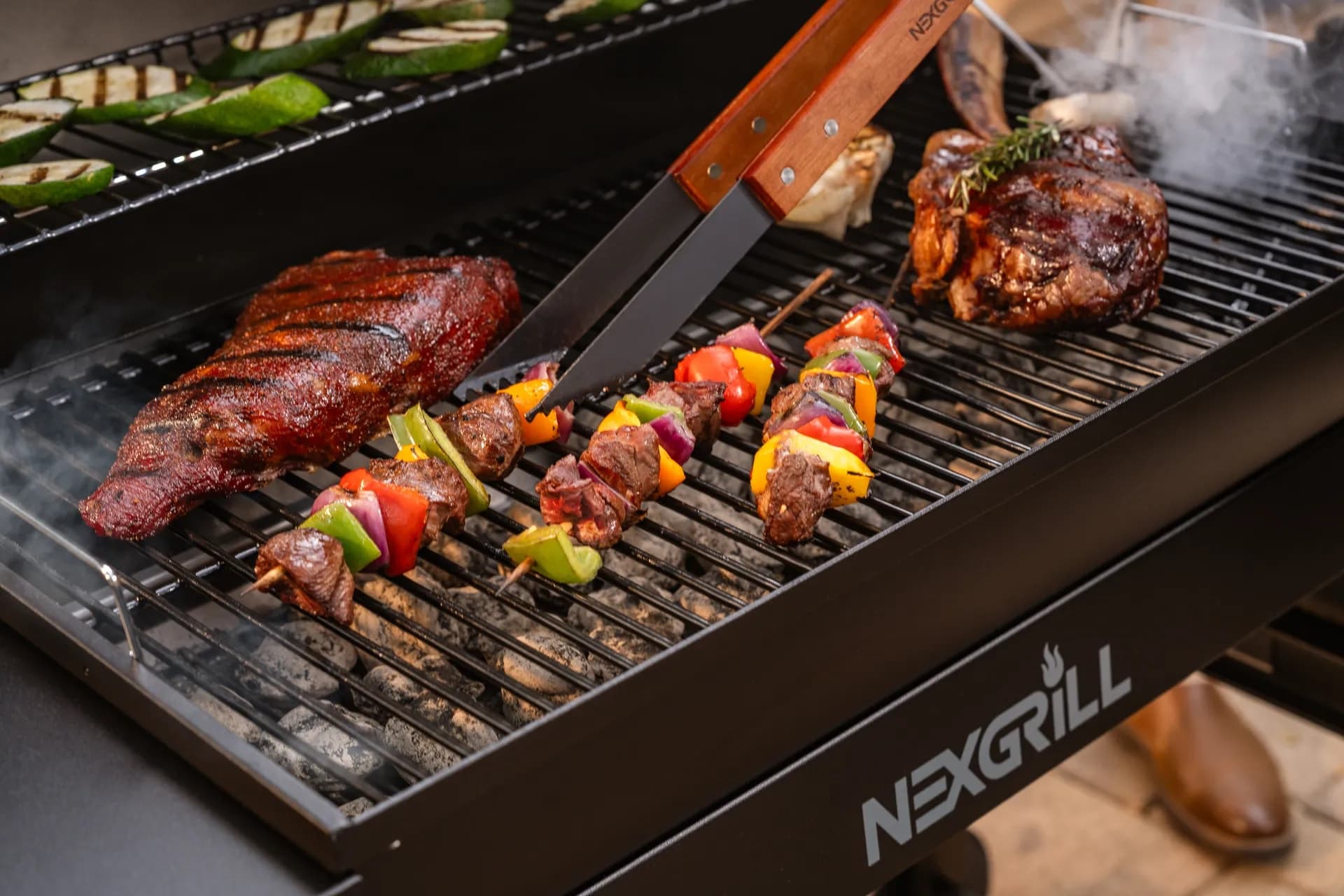
Step-by-step grilling recipes, cooking techniques, and meal ideas for every occasion and skill level.

Backyard entertaining ideas, seasonal grilling inspiration, and stories that celebrate outdoor cooking culture.
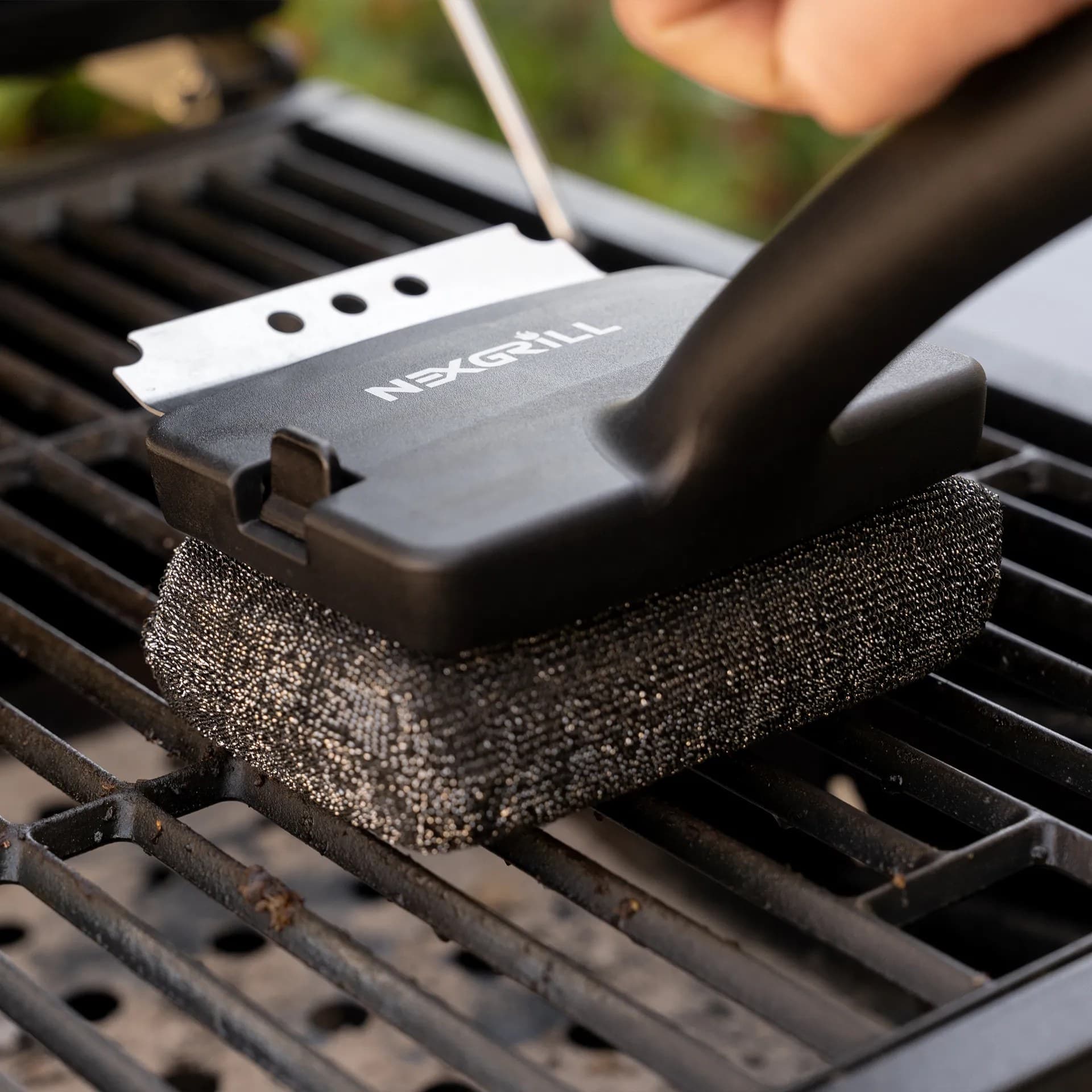
Helpful articles covering grilling tools, cookware, maintenance gear, and must-have accessories for outdoor cooking.
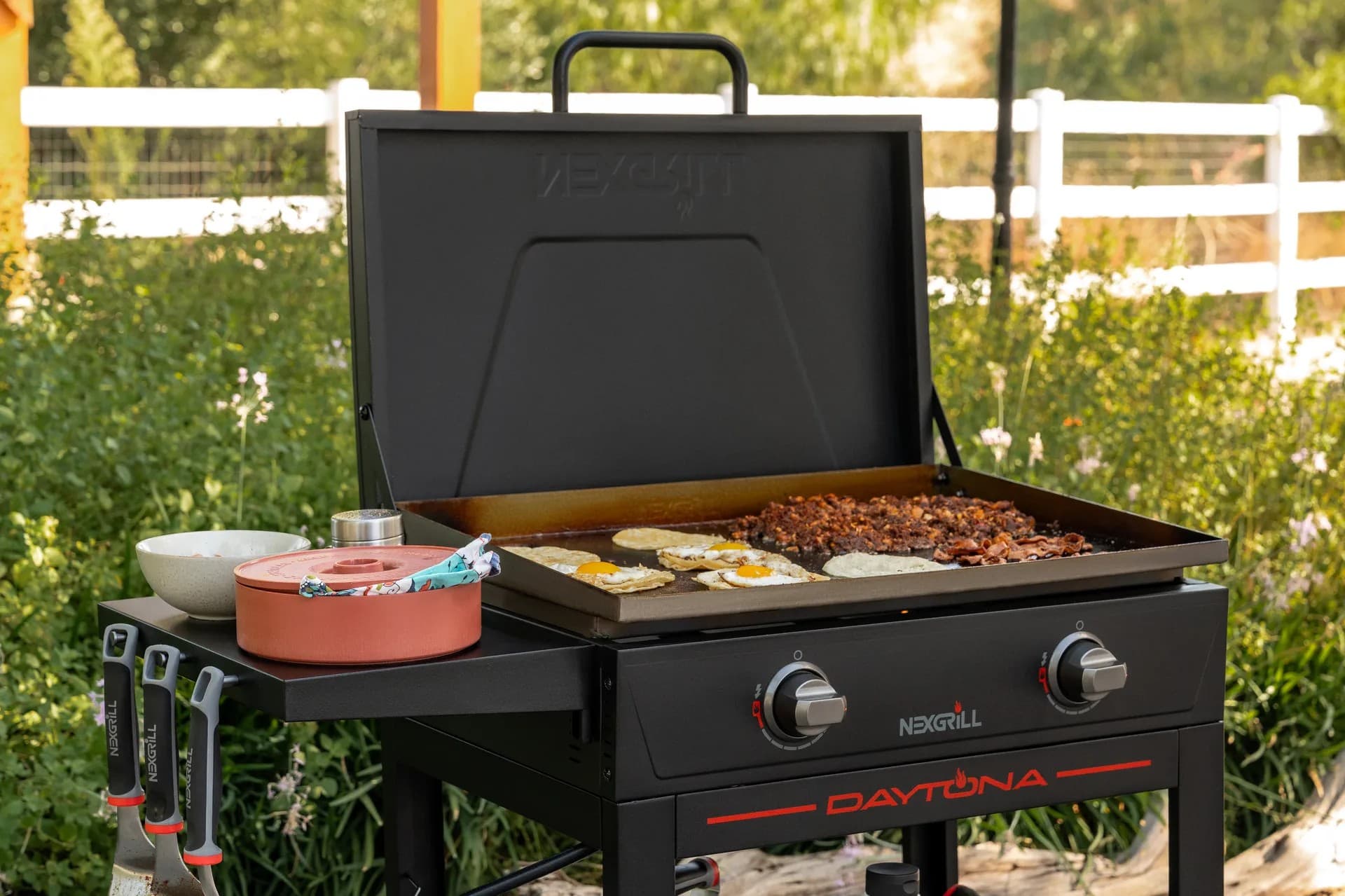
Find griddle recipes, cooking techniques, cleaning tips, and outdoor meal ideas designed for Nexgrill griddles.
Find answers to common questions
Gas grills provide instant heat and precise temperature control, making them easier to use. Charcoal grills offer a smoky flavor and high heat for searing but require more time to heat up and manage.
Pellet grills combine the convenience of gas with the flavor of wood, allowing for smoking, baking, and grilling. Traditional gas grills, however, are quicker to start and often easier to clean.
Charcoal grills typically reach higher temperatures quicker than gas grills, making them better for searing meat. However, high-quality gas grills can also provide adequate heat for effective searing.
Nexgrill offers models designed specifically for gas, charcoal, and pellets, allowing users to choose based on their cooking style and flavor preferences. Each type is built to optimize the characteristics of its respective fuel.
Choosing between gas and charcoal grills depends on your cooking preferences and lifestyle. If you value convenience and quick cooking, a gas grill may suit you better; if you prefer the taste and experience of traditional grilling, a charcoal grill would be ideal.
In This Article
Smart Grill Technology
Top Brands Reviewed
User Insights
Smart grilling in 2026 is less about novelty and more about reducing the guesswork that usually comes with outdoor cooking. The best smart grills now blend connected temperature monitoring, guided cook programs, and remote alerts so you can spend less time hovering over the lid and more time managing the meal. That matters whether you are reverse-searing ribeyes for a small family dinner or holding steady heat for a long brisket cook. The appeal is practical: smart features are meant to help you repeat good results, not replace grilling skill.
What separates today’s best smart grills from older “connected” models is the quality of the feedback loop. Instead of only showing one probe reading, stronger systems help you follow multiple temperatures, track lid events, and adjust heat with fewer swings. Brands such as Weber and Kamado Joe have made smart grilling a core part of their product stories, with Weber positioning smart connectivity around guided control and Kamado Joe pairing app-connected monitoring with ceramic cooking versatility. Consumer Reports has also reviewed smart grills as a distinct category, which is a useful signal that these products have moved from niche gadget to mainstream purchase consideration. show how the category now spans multiple cooking styles and price tiers.
The best smart grill is not simply the one with the most app features. It is the one that gives you dependable temperature control, readable feedback, and a cooking style you will actually use weekly.
feature pillars matter most in 2026: sensing, control, and cooking flexibility.
A smart grill should earn its label through features that make cooking more accurate, more repeatable, or more convenient. In practical terms, that usually starts with wireless connectivity, temperature probes, and app integration. A well-designed app is not just a remote thermometer screen; it should help you name cooks, set target temperatures, receive alerts when food approaches doneness, and, in some cases, guide the process with step-by-step prompts. For cooks who like precision, that is a major improvement over standing beside the grill with a stopwatch and a handheld thermometer.
The next feature to evaluate is how the grill handles heat management. Some smart grills are built around gas burners with automated or semi-automated controls, while others use charcoal or pellet systems paired with digital monitoring. This distinction matters because the grill’s fuel type shapes the cooking experience as much as the software does. A connected pellet cooker can make low-and-slow smoking easier to maintain, while a smart gas grill may be better for quick weeknight meals and high-heat searing. If you want one appliance that covers burgers, vegetables, chicken, and weekend brisket, the right choice depends on which cooking style you use most often.
Another feature that deserves attention is probe count and accuracy. The best systems let you watch both grate and food temperatures, which is important because the air inside the grill and the meat on the grates do not behave the same way. A two-probe setup is often enough for a single roast or a couple of steaks, but more serious pitmasters may prefer multiple probes for monitoring different cuts or zones. The difference becomes obvious when cooking for a crowd: you can track a pork shoulder, a chicken tray, and ambient heat at once instead of opening the lid repeatedly and losing temperature stability.
Build quality still matters. Smart electronics are useful only if the physical grill holds up over time. Look for insulated lids where relevant, durable cooking grates, sealed probe ports, readable displays, and weather resistance for control components. A grill with flashy software but weak materials will not be a good long-term value. In 2026, buyers should think of smart technology as a layer on top of the core grill construction, not a substitute for it.
| Feature | Why it matters | Best for |
|---|---|---|
| Wi-Fi or Bluetooth app control | Lets you monitor cooks without standing at the grill | Busy home cooks and long smoking sessions |
| Multiple temperature probes | Tracks food and ambient heat at the same time | Multi-meat cooks and entertaining |
| Guided cook programs | Helps newer users avoid overcooking | Beginners and casual grillers |
| Fuel-type flexibility | Shapes flavor, speed, and maintenance | Buyers choosing between gas, charcoal, or pellet |
| Durable cook chamber and controls | Supports long-term ownership and weather exposure | Frequent outdoor use in U.S. backyards |
Tip: if you are comparing two grills that look similar on paper, prioritize the app, probe system, and heat stability before chasing a higher feature count.
The smartest way to compare smart grills with traditional grills is to ask what problem you are trying to solve. Traditional grills excel when you already know how to manage fire and temperature manually. They are often straightforward, mechanically simple, and easy to understand. Smart grills, by contrast, are built to reduce variability. They give you more data, more alerts, and often more confidence when you are cooking something delicate or time-sensitive. That difference becomes important for cooks who want to recreate the same results every weekend without constantly babysitting the flame.
Traditional grills can still be the better choice for people who prefer a simpler setup or do not want to depend on a phone app. Some grillers enjoy the tactile nature of adjusting burners, vents, and charcoal placement by feel. Others want a lower upfront cost and fewer electronic parts to maintain. Smart grills, however, usually make more sense if your cooking schedule is unpredictable, your meals often run for several hours, or you regularly cook meat that benefits from steady temperature control. In other words, the category is not about replacing tradition; it is about offering more control where it counts.
There is also a notable difference in who benefits most from each type. A traditional gas grill may be perfect for fast Tuesday dinners, while a smart pellet or smart charcoal cooker can be ideal for weekend smoking projects. Smart grills are especially useful for households that entertain often because multiple people can check temperatures from different spots in the yard or house. That convenience can be a genuine advantage during a long cook when guests, side dishes, and timing all compete for attention.
| Category | Smart Grill | Traditional Grill |
|---|---|---|
| Temperature oversight | App alerts and probe readings reduce guesswork | Manual checking and lid-lifting are common |
| Ease for beginners | Often easier because the app guides the cook | Requires more experience and timing |
| Upfront cost | Usually higher due to electronics and sensors | Often lower for similar cooking area |
| Best use case | Long cooks, precision, and convenience | Simple meals and hands-on grilling |
For 2026, the strongest smart grill picks are the models that combine practical control systems with proven cooking platforms. Weber’s smart grill lineup is a strong choice for buyers who want a familiar gas-grilling experience with connected features layered on top. Its appeal is ease of use: it speaks to cooks who want a reliable backyard setup with app support that helps manage heat and doneness without overcomplicating the process. If you are someone who grills burgers on Wednesday and salmon on Saturday, that combination of simplicity and guidance can be a very good fit.
Kamado Joe remains a standout for cooks who want ceramic heat retention and long, steady burns paired with smart monitoring. That pairing is especially attractive for low-and-slow barbecue, where maintaining a stable chamber temperature can matter as much as the flavor profile itself. A smart kamado is not the same as a smart gas grill, and that is the point. It offers a different kind of control: slower, denser, more insulated heat management for cooks who value smoke and thermal stability. If you enjoy ribs, pork shoulder, or brisket, this style of smart grill deserves a close look.
For users who want a more modular or experiment-friendly setup, the broader smart-grill market also includes pellet and accessory-driven solutions from brands that emphasize digital fire management. These options can appeal to hobbyists who like tuning cooks, testing wood pellets, and leveraging app-based monitoring for precision. The best model for you in 2026 depends on whether you cook for convenience, flavor depth, or a mix of both. Rather than buying by brand name alone, match the grill to your most common menu. If you want weeknight speed, favor gas. If you want barbecue depth, favor charcoal or pellet. If you want both, choose the system that makes your favorite style easiest to repeat.
Warning: smart features vary widely by model. Do not assume every connected grill supports the same probe count, guided cooking, or remote control range.
At the top of the category, the best smart grills are the ones that feel invisible during use. You notice the benefit when the cook is going well and the app keeps you informed, not distracted. That is the standard to use while comparing contenders: does the technology simplify the cook, or does it become another thing to manage? Try comparing two products side by side below to see which fits best:
Once you have compared two smart grills side by side, the next question is how they behave in the real world. User reviews tend to reveal the ownership experience that spec sheets cannot show. The most useful feedback usually centers on setup time, app reliability, probe accuracy, and whether the grill actually makes cooking less stressful. In 2026, the best-rated smart grills are often praised not for being flashy, but for being predictable. That predictability matters because a connected grill is only helpful if the readings stay consistent enough to trust during a long cook.
Expert testing adds another layer. Reviewers and testers commonly look at start-up time, peak temperature, heat recovery after lid openings, temperature swing under steady loads, and how easy the controls are to interpret in daylight. That methodology helps separate a polished interface from a truly strong cooker. Consumer Reports’ smart-grill coverage reflects this kind of practical evaluation, which is useful because it shifts attention away from marketing language and back toward cooking results. For buyers, that means a smart grill should be judged on whether it performs consistently through a full cook, not just whether the app looks modern on day one.
Across owner feedback, one recurring theme is that smart grills are most valued when they prevent avoidable mistakes. People notice when they can leave the patio for a few minutes without worrying about a steak overcooking or a brisket stalling without warning. They also appreciate clear alerts, especially during long smoke sessions that stretch into evening. On the other hand, complaints usually cluster around connectivity hiccups, probe wear, or apps that feel harder to navigate than the grill itself. That is why the most dependable smart grill is the one with both a usable app and simple manual fallback controls.
Smart grill pricing in the United States generally tracks with cooking fuel, build quality, and the sophistication of the control system. Entry-level connected grills and accessory-driven smart setups often sit in the lower hundreds, while premium ceramic, pellet, or high-feature gas systems can move into the upper hundreds or low thousands USD. For most shoppers, the question is not simply what is cheapest, but what level of control and durability is appropriate for how often they grill. A once-a-month griller may not need the same investment as someone who smokes meat every weekend.
Budget-minded buyers should focus on connected grills that include essential monitoring, at least one quality probe, and a control interface they can actually read without training. Mid-range buyers typically get the best balance of technology and construction, with better app support, sturdier materials, and more stable temperature management. Premium buyers are paying for stronger thermal performance, larger cook areas, more refined software, and in some cases multi-zone cooking that is better suited to entertaining or serious barbecue work. In 2026, the smartest purchase is often the model that covers your top two cooking scenarios rather than the one with the longest feature list.
| Price tier | Typical U.S. buyer profile | What to expect |
|---|---|---|
| Budget | New smart-grill buyer, casual weekend use | Basic app monitoring and fewer probes |
| Mid-range | Frequent griller who wants reliability | Better build quality, more features, stronger controls |
| Premium | Entertainer, barbecue enthusiast, or precision cook | Expanded cooking space and advanced temperature management |
Smart grills need the same core care as traditional grills, plus a little more attention around sensors, wiring, and software-related components. Start with the basics: keep grates clean, empty grease trays regularly, and remove ash or residue according to the fuel type. If a grill uses probes, clean them gently after each use and store them without kinks or sharp bends. A damaged probe can create bad temperature readings, and bad readings can lead to overcooked or undercooked food.
The control panel and app ecosystem deserve care too. Keep firmware and app updates current when the manufacturer supports them, because updates can improve connectivity and reliability. If your grill is outdoors year-round, protect the controller from heavy moisture exposure and use a fitted cover when the unit is cool and dry. For pellet and charcoal smart systems, inspect airflow paths, fans, and hopper areas so ash or debris does not interfere with operation. For gas smart grills, check burners, igniters, and gas connections on a regular schedule so the heat control system has a stable foundation.
Tip: a clean probe and a dry controller are small habits that prevent most smart-grill frustration before it starts.
When storing a smart grill for the season, disconnect power where appropriate, remove batteries if the system uses them, and make sure the grill is fully cool before covering. If your setup includes a mobile app, save your preferred cook settings or recipe notes so you can repeat successful sessions next season. That kind of habit is one reason smart grilling has become so popular: it lets good results become easier to repeat.
The best smart grill of 2026 is the one that fits your cooking style, not the one with the longest spec sheet. If you want fast, predictable backyard cooking with useful app guidance, a smart gas grill is usually the most practical choice. If your priority is smoke flavor and long, steady cooks, a smart pellet or smart ceramic grill may be worth the higher investment. For shoppers who are still deciding, start by asking how often you cook, what foods you cook most, and whether you prefer speed or flavor depth. Those answers narrow the field quickly.
For a broad audience, Weber is a solid benchmark for connected gas grilling, while Kamado Joe stands out for ceramic cooking with smart monitoring. Consumer Reports remains a helpful third-party reference when you want to compare connected grill performance more objectively. If you value convenience, precision, and easier repeatability, the smart-grill category is now mature enough in 2026 to justify the upgrade. If you want to keep the experience simple, a traditional grill may still be the right fit. The best purchase is the one you will use confidently all season long.
Here's what sets us apart
We position ourselves as delivering high-end outdoor cooking features and performance without premium-brand pricing, emphasizing “Quality Grills. Unbelievable Value.”
We offer gas grills, pellet grills, griddles, smokers, pizza ovens, portable/tabletop grills, electric grills, accessories, and replacement parts — allowing customers to stay within one ecosystem for all outdoor cooking needs.
We differentiate ourselves through smart grilling products like the Oakford smart pellet grill, including app-connected cooking controls and modern outdoor cooking technology.
Don't just take our word for it
Keep reading
From our catalog