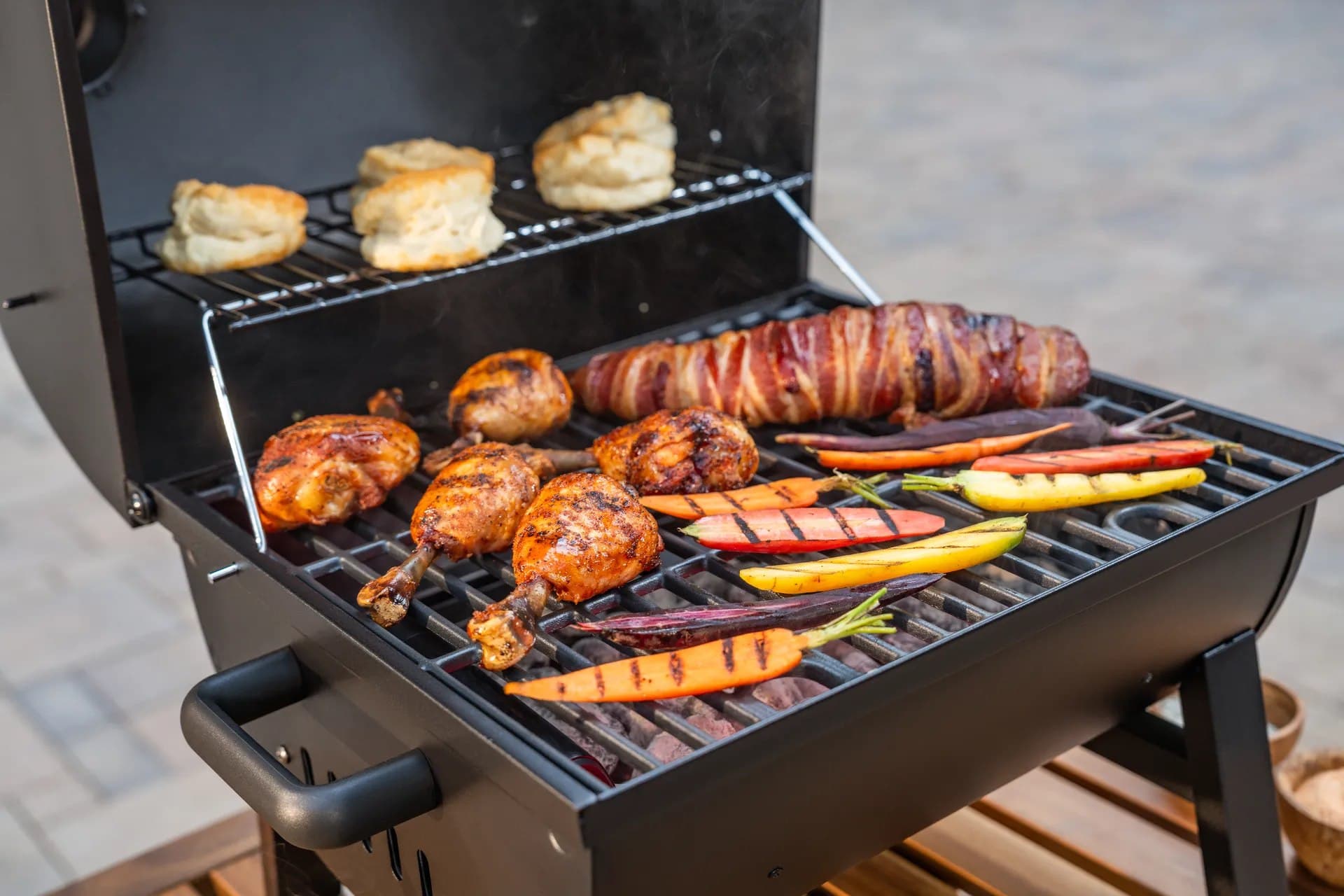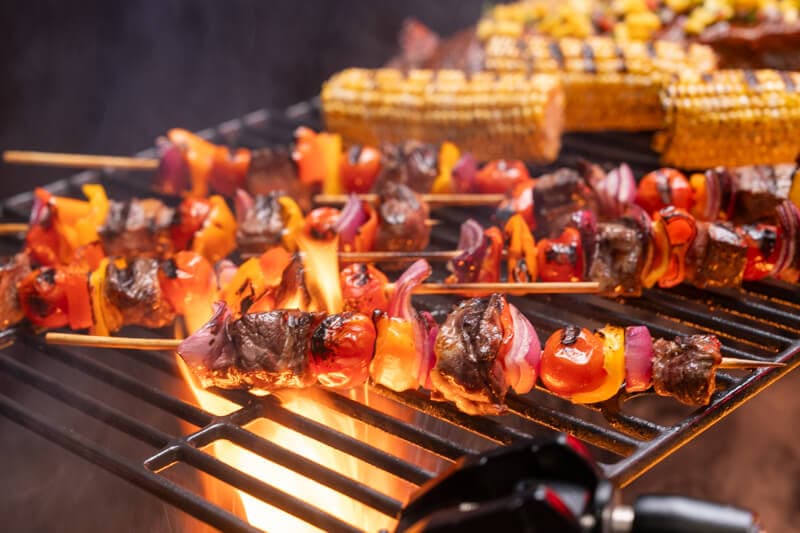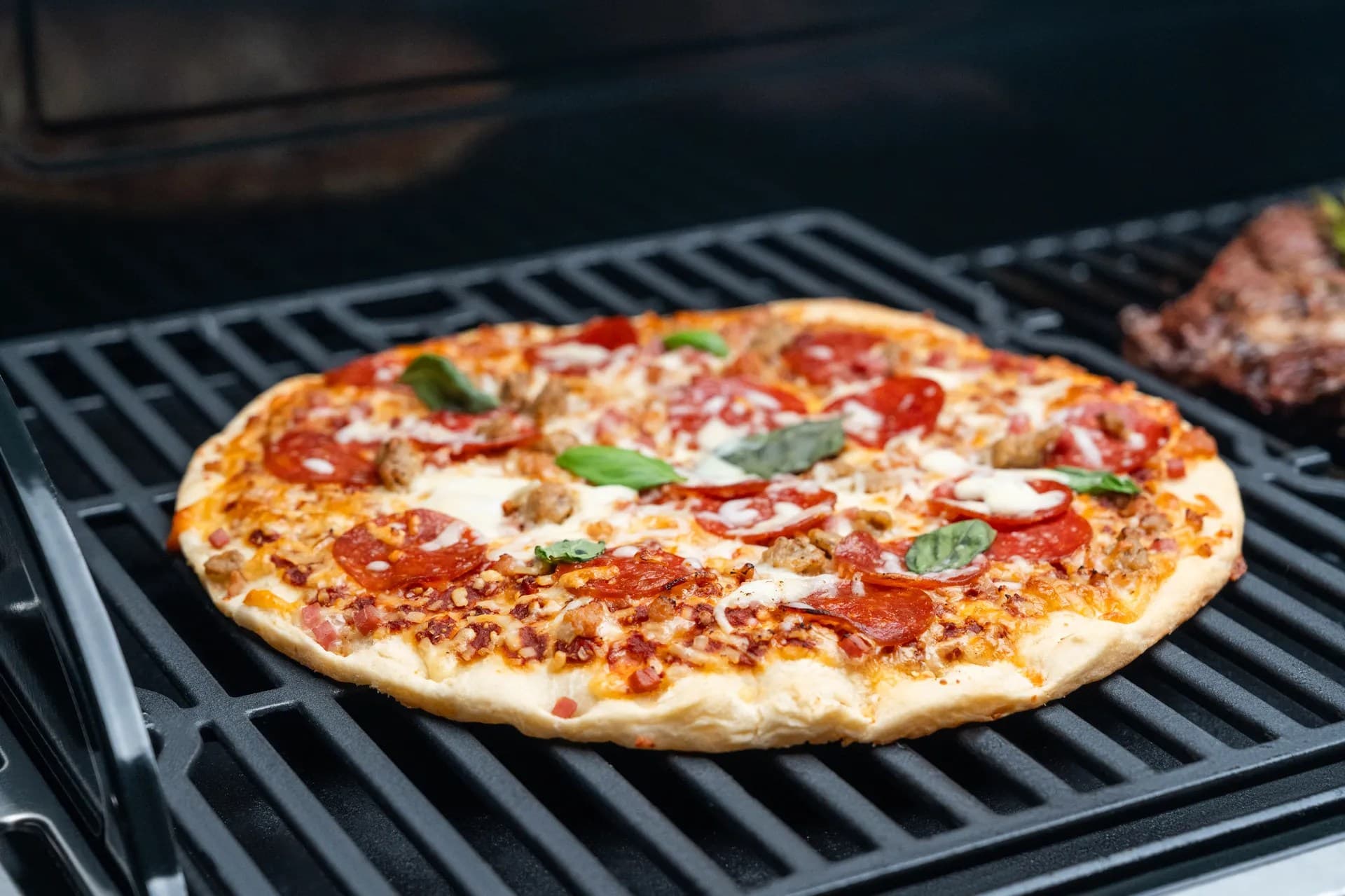
Explore diverse seasoning blends and techniques to elevate your grilled chicken experience.
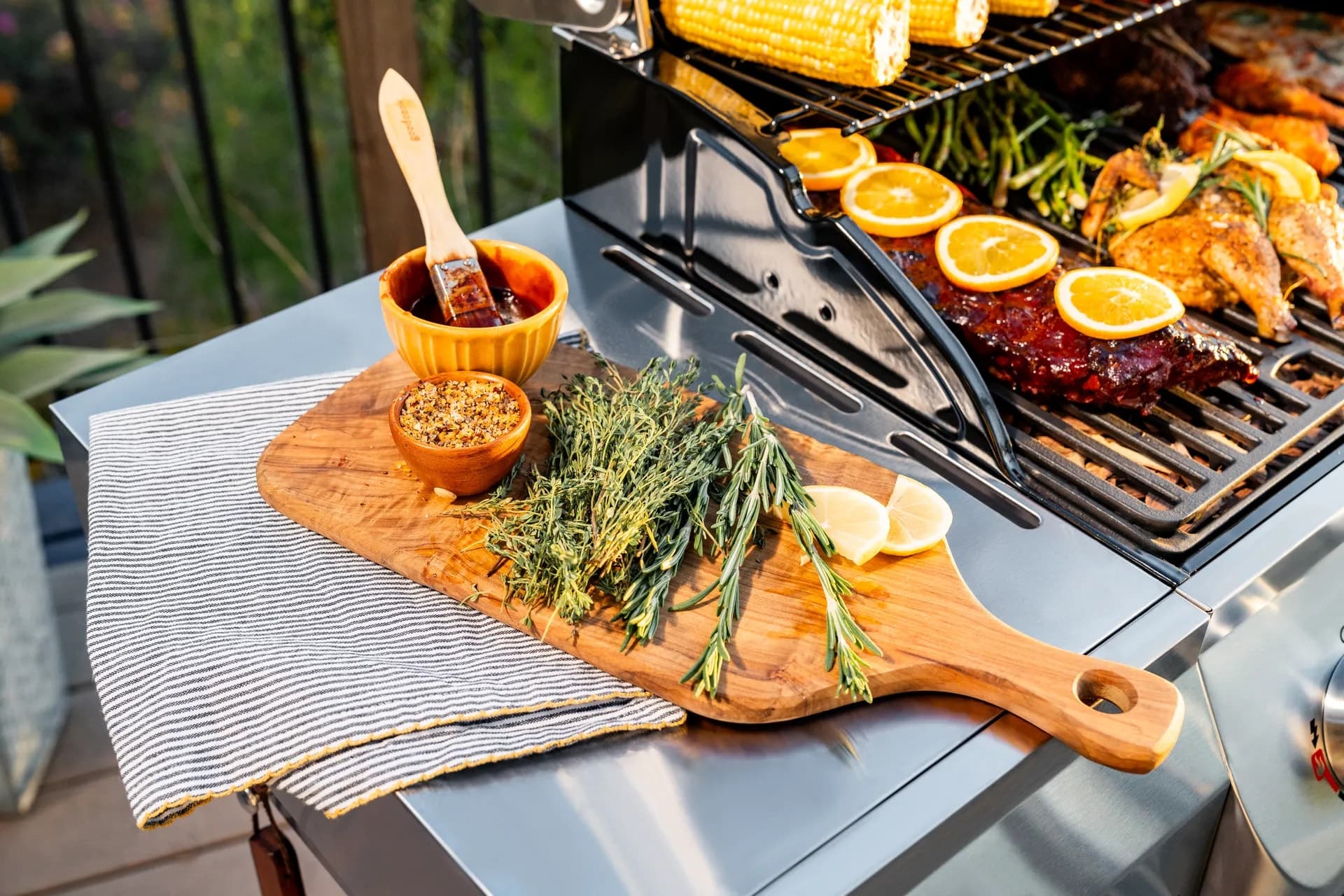
Here's what sets us apart from the competition
We position ourselves as delivering high-end outdoor cooking features and performance without premium-brand pricing, emphasizing “Quality Grills. Unbelievable Value.”
We offer gas grills, pellet grills, griddles, smokers, pizza ovens, portable/tabletop grills, electric grills, accessories, and replacement parts — allowing customers to stay within one ecosystem for all outdoor cooking needs.
We differentiate ourselves through smart grilling products like the Oakford smart pellet grill, including app-connected cooking controls and modern outdoor cooking technology.

Expert tips, buying guides, comparisons, and inspiration for choosing and getting the most out of your grill.
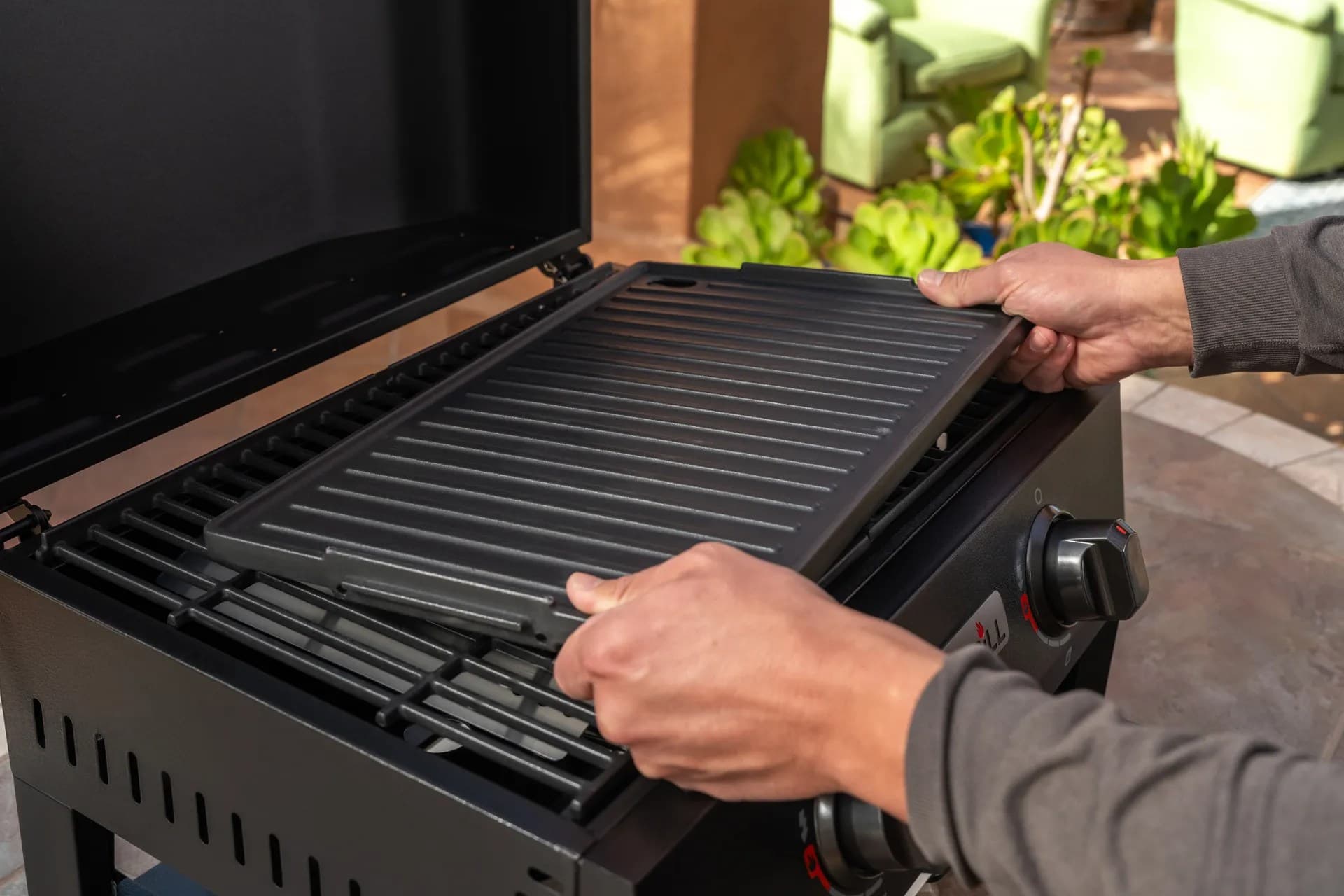
Practical guides for cleaning, maintenance, common grill issues, and performance optimization.
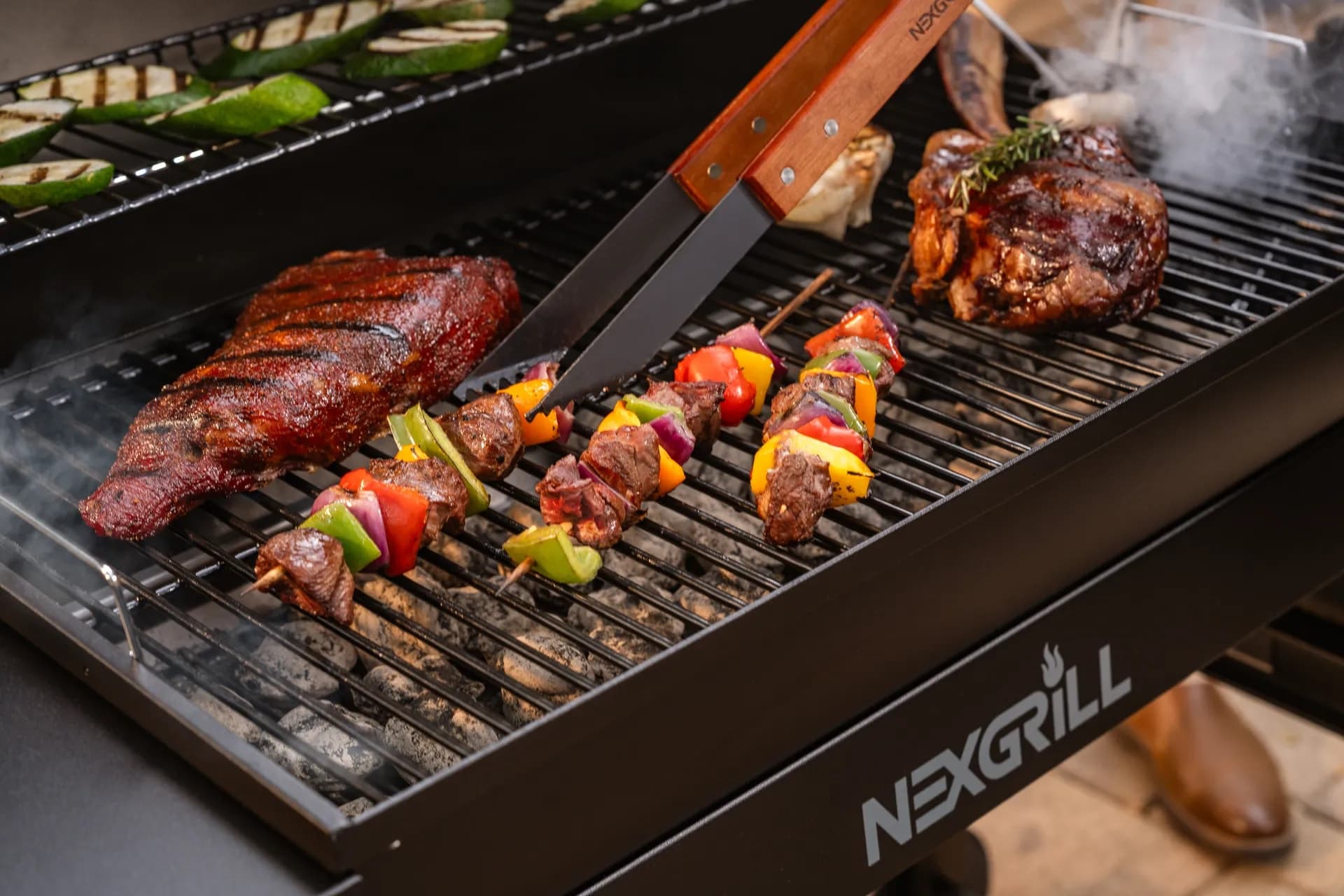
Step-by-step grilling recipes, cooking techniques, and meal ideas for every occasion and skill level.

Backyard entertaining ideas, seasonal grilling inspiration, and stories that celebrate outdoor cooking culture.
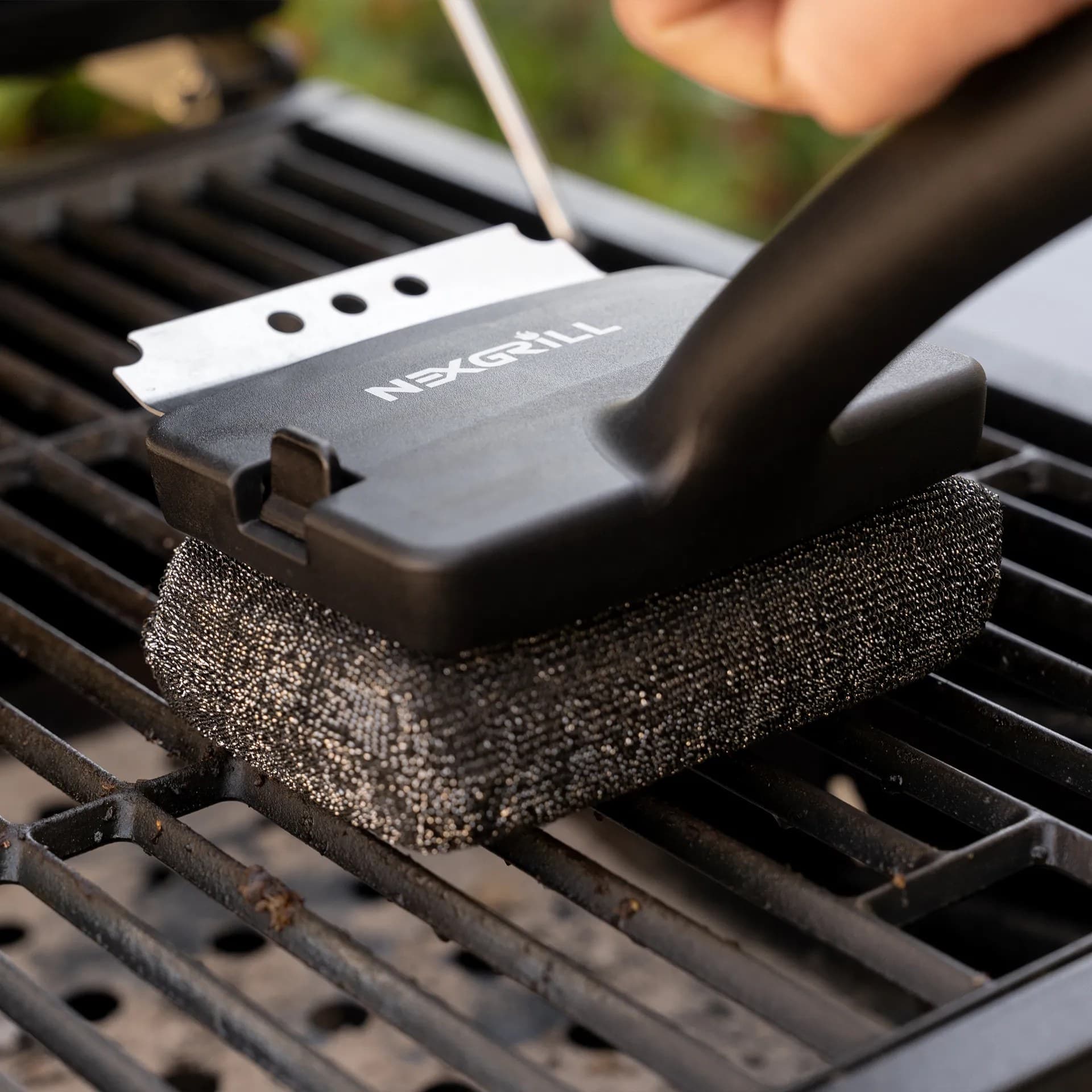
Helpful articles covering grilling tools, cookware, maintenance gear, and must-have accessories for outdoor cooking.
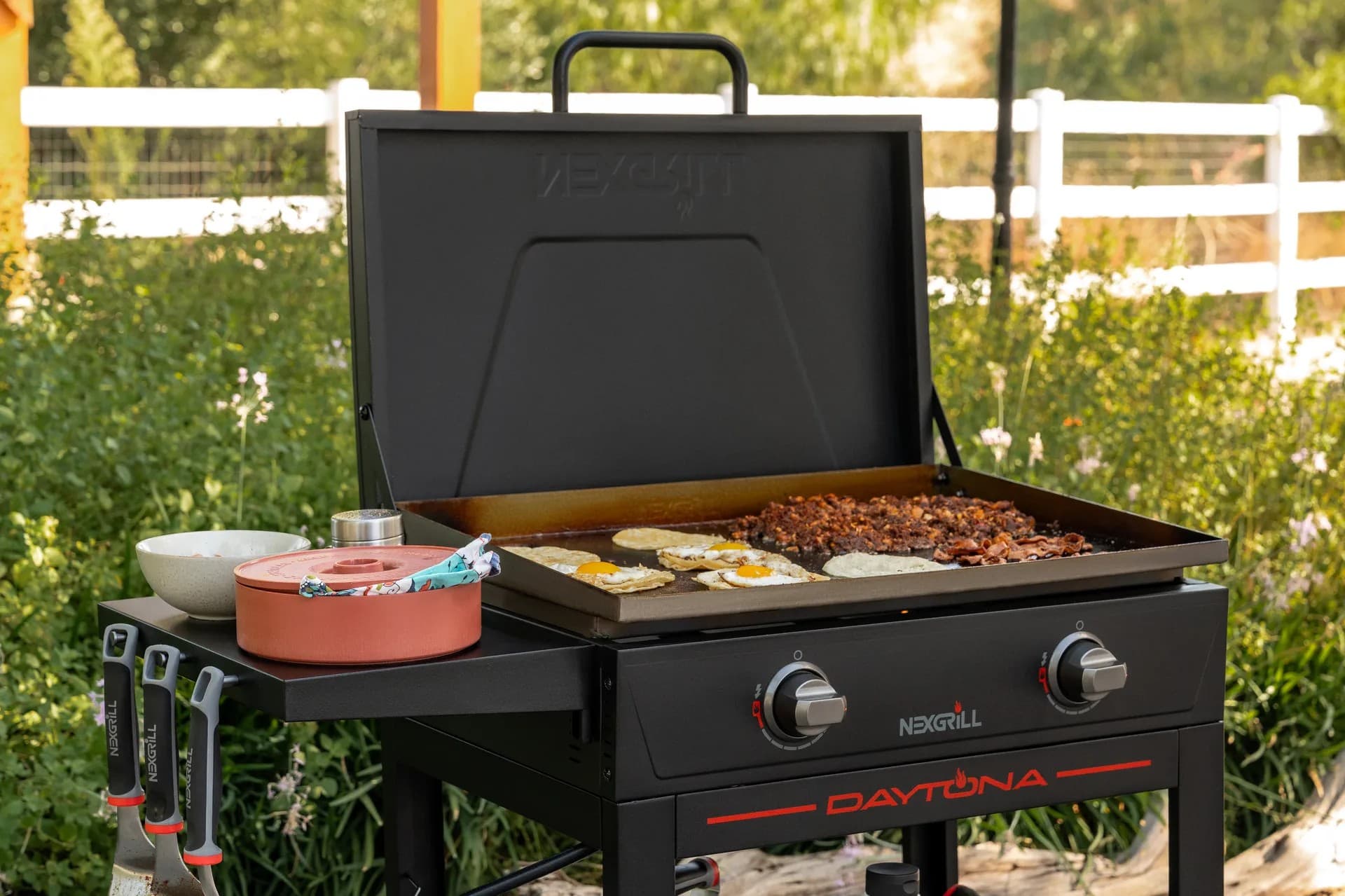
Find griddle recipes, cooking techniques, cleaning tips, and outdoor meal ideas designed for Nexgrill griddles.
Find answers to common questions
Nexgrill equipment is suitable for a variety of recipes including meats, vegetables, and even pizzas. Popular options include marinated steaks, grilled vegetables, and shrimp skewers.
To enhance the flavor of grilled vegetables, consider marinating them in olive oil, herbs, and spices before grilling. Alternatively, you can season them with salt and pepper during grilling for a more straightforward approach.
To achieve perfect grill marks, preheat your grill to a high temperature and ensure that the food is dry before placing it on the grill. Avoid moving the food too early, as it needs to sear properly to form those classic grill marks.
Using a meat thermometer is the most accurate way to ensure your grilled meat is at the desired temperature. For instance, chicken should reach an internal temperature of 165°F while medium-rare beef is typically at 135°F.
To clean your Nexgrill after cooking, allow it to cool and then use a grill brush to remove any residue from the grates. You can also wipe down the exterior with a damp cloth and mild soap to keep it looking its best.
In This Article
Global Spice Blends
Herb and Citrus Combinations
Sweet and Spicy Profiles
The best seasoning for grilled chicken is rarely just one spice. What makes chicken memorable on the grill is the way salt, aromatics, acid, sugar, and heat work together before the meat ever touches the grates. A good seasoning plan should support the bird’s natural flavor, help the surface brown evenly, and keep the finished meat juicy enough to slice cleanly without feeling dry. That is why the most satisfying grilled chicken often comes from a blend built with intention rather than a single dusting from the spice rack.
Seasoning grilled chicken well starts with recognizing how lean the meat can be. Chicken breast, thighs, wings, and whole spatchcocked birds each respond differently to salt levels, sugar content, and spice intensity. A breast can dry out quickly if the seasoning mix leans too heavily on sugar or if it is overcooked, while thighs can take bolder blends, longer marination, and a little extra char. The goal is not to bury the meat. It is to create a flavor layer that stays present after the smoke, the sear, and the resting period.
Season for the cut, not just for the recipe.
At Nexgrill, recipe-focused cooking is treated as part of the grilling experience itself: food should feel inviting, well lit, and worth sharing, with flavor profiles that help turn a casual meal into a gathering. That spirit matters here because grilled chicken is one of the easiest places to show range. You can go smoky and savory for weeknight sandwiches, bright and herb-forward for a summer platter, or sticky and sweet-spicy for a crowd-pleasing cookout. The best seasoning for grilled chicken depends on what else is on the table, how long you have to prep, and whether you want the flavor to stay delicate or make a louder statement.
A useful way to think about seasoning is to separate it into three jobs. First, it should season the surface with salt and complementary spices. Second, it should help with browning, either through dry heat or a little oil. Third, it should match the cooking style you plan to use. A fast, direct-heat grill session benefits from smaller spice particles and lighter sugar, while indirect heat or a covered grill can handle rubs with paprika, brown sugar, citrus zest, and dried herbs that need a little more time to bloom. The rest of this guide breaks those ideas into practical blends and grilling decisions that are easy to use at home.
One of the most effective ways to keep grilled chicken interesting is to borrow from international spice traditions instead of relying only on standard barbecue seasoning. Global blends bring structure to chicken because they usually combine a few clear flavor roles: warmth from paprika or cumin, brightness from citrus peel or coriander, savory depth from garlic and onion, and a finishing note that can be earthy, floral, or gently hot. That balance gives grilled chicken more personality without making it feel complicated.
A Mediterranean-style blend works especially well when you want chicken that feels clean and versatile. Think dried oregano, thyme, garlic powder, lemon zest, black pepper, and olive oil. This combination pairs naturally with chicken thighs or bone-in pieces because the herbs stay aromatic after grilling and the lemon zest lifts the flavor without turning the surface soggy. A good middle ground is to use about 2 teaspoons of kosher salt per pound of chicken along with 1 teaspoon dried oregano, 1 teaspoon garlic powder, and 1 teaspoon lemon zest for a simple dry marinade that can sit for 30 minutes to a few hours.
For a warm, smoky profile inspired by Middle Eastern cooking, blend cumin, coriander, paprika, garlic, cinnamon, and a touch of cayenne. Coriander adds a citrusy top note, cumin adds depth, and cinnamon gives subtle warmth that reads as savory rather than sweet when used lightly. This kind of seasoning is especially strong on chicken thighs or kebab-style pieces because the fat helps carry the spice. If you want the chicken to feel especially tender and aromatic, mix the spices with yogurt and a small amount of lemon juice before grilling; the yogurt helps coat the surface evenly and encourages browning once the chicken is on the heat.
Latin-inspired seasoning blends can pull grilled chicken in a brighter direction. A combination of cumin, smoked paprika, garlic powder, onion powder, dried oregano, and lime zest gives a robust base that works well for tacos, rice bowls, or sliced chicken salads. Smoked paprika is useful here because it adds grill-adjacent flavor even before the meat hits the flame. If you are making chicken for a crowd, this is one of the easiest profiles to scale because it stays friendly to different palates while still feeling layered and complete.
Tip: For global-style seasonings, think in families of flavors. One herb, one warm spice, one allium, and one bright note are often enough.
Herb-and-citrus seasoning works so well on grilled chicken because it solves a common problem: how to make chicken taste vibrant without overwhelming it. Fresh herbs bring a green, lifted character that is especially welcome when the grill adds smoke and char. Citrus, meanwhile, sharpens the edges and helps the seasoning taste alive instead of flat. This style is a strong option when you want something that feels lighter than a heavy barbecue rub but still clearly seasoned.
A classic combination is rosemary, thyme, garlic, lemon zest, and black pepper. Rosemary can be powerful, so it should be used with restraint; too much and it can dominate the meat. Thyme is more forgiving and creates a soft herbal backbone. Lemon zest is more useful than lemon juice in a dry rub because it adds fragrance without adding too much moisture to the surface, which can interfere with browning if overused. For a brighter version, add parsley and orange zest; orange gives a rounder citrus note that pairs especially well with charred chicken skin.
If you are cooking boneless chicken breasts, herb and citrus blends are especially useful because they keep the flavor clean and recognizable even when the chicken is sliced thin for sandwiches or grain bowls. A simple approach is to coat the chicken with olive oil, salt, minced garlic, chopped herbs, and zest 20 to 30 minutes before grilling. That short rest allows the surface seasoning to settle without breaking down the texture too much. For whole or bone-in pieces, you can extend the seasoning time to several hours, which gives the herbs a chance to perfume the meat more deeply.
This style also works beautifully when you want the grilled chicken to act as a base for sauces. A lemon-herb chicken can be finished with pesto, chimichurri, tzatziki, or a yogurt-based drizzle. Because the seasoning is not too heavy, the sauce remains part of the dish instead of fighting with it. That makes herb and citrus combinations a smart choice for home cooks who like flexibility at the table.
Sweet and spicy grilled chicken seasoning is all about contrast. Sugar helps with caramelization, heat adds excitement, and salt keeps everything from tasting one-dimensional. The trick is controlling the ratio so the sweetness supports the char instead of burning too quickly. Brown sugar, honey powder, maple sugar, or even a little coconut sugar can all work, but each behaves differently on the grill. Brown sugar, for instance, brings molasses notes and can create a darker crust, while honey powder reads a little cleaner and lighter.
A balanced sweet-spicy rub might include brown sugar, smoked paprika, chili powder, garlic powder, onion powder, salt, black pepper, and a small amount of cayenne. That mix works well on wings, thighs, and drumsticks because those cuts can handle bolder surface seasoning and still stay juicy. If you prefer a cleaner heat, use chipotle powder instead of cayenne; chipotle brings smoke and warmth rather than a sharp finish. For a more complex flavor, add mustard powder, which gives the seasoning a subtle tang that keeps the sweetness from feeling heavy.
Sweet and spicy blends also pair well with indirect grilling because the lower heat gives the sugar time to caramelize without turning bitter. If you are using a direct-heat setup, keep the sugar modest and watch the surface carefully. The flavor should look mahogany, not blackened. This is one of the most common turning points in chicken seasoning: a rub can be excellent on paper but fail on the grill if it is too sugar-heavy for the chosen cooking method.
Warning: High-sugar rubs need closer attention over open flame. Use moderate heat and flip before the crust turns too dark.
The best seasoning for grilled chicken is not only about flavor choice; it is also about application. Dry rubs and marinades create different results, and choosing between them should depend on the cut, prep time, and texture you want. Dry rubs are ideal when you want a crisp, well-browned surface. They are easy to scale, simple to store, and especially effective on chicken thighs, drumsticks, and skin-on pieces because they stay concentrated on the exterior. A rub that contains salt, garlic powder, paprika, pepper, and a small amount of sugar can create a strong crust without needing much extra prep.
Marinades, by contrast, are better when you want flavor that feels more integrated into the meat. They typically include acid, oil, salt, aromatics, and sometimes dairy. Acidic marinades using lemon juice, vinegar, or yogurt should be handled carefully. Too much acid for too long can make the surface grainy or tough, especially on lean chicken breast. That is why a shorter marinade often works best for boneless pieces, while bone-in cuts can handle longer contact time. A yogurt marinade is especially useful because it clings to the meat and provides gentle tenderizing without making the flavor too sharp.
An effective workflow is to decide first whether your goal is crust or penetration. If you want a punchy exterior with a dry, peppery bark, choose a rub. If you want a more rounded, uniform flavor from edge to edge, use a marinade or a wet seasoning paste. Wet pastes are a useful middle path: they combine spices with oil, citrus, or yogurt and act like a glue for the seasoning while still helping the chicken brown. For many home cooks, that middle path offers the best of both methods.
Even the best seasoning will fall flat if the chicken is grilled carelessly. Flavor depends on how the seasoning interacts with heat, so the cooking process matters as much as the blend itself. Start by letting seasoned chicken sit long enough for the salt to begin working. Even 20 to 30 minutes can improve surface seasoning. Then grill over a clean, preheated grate so the spices can sear instead of sticking. If you are cooking bone-in chicken, use a combination of direct and indirect heat so the surface browns before the inside overcooks.
Moisture management is also key. Pat chicken dry before seasoning if you want a more assertive crust, but leave a light coating of oil on the surface to help the spices adhere. Avoid applying wet sauce too early, especially if it contains sugar. Instead, brush on glaze near the end of cooking so it can set without burning. A quick rest after grilling is essential. Resting lets juices redistribute, which helps seasoned chicken slice cleanly and stay tender.
For cooks who want a dependable flavor blueprint, think of grilled chicken in three stages: seasoning, heat, and finish. The seasoning establishes identity. The grill creates texture and aroma. The finish, whether it is a squeeze of lemon, a brush of honey, or a sprinkle of fresh herbs, gives the dish a final lift. Once you understand how those pieces work together, it becomes much easier to choose the best seasoning for grilled chicken based on the meal you actually want to serve. Try comparing two products side by side below to see which fits best:
Once you have compared a few seasoning styles, the next step is to build a blend that feels like yours. Signature chicken seasoning does not need to be elaborate; it needs to be repeatable, balanced, and suited to the way you grill at home. The easiest way to do that is to start with a formula rather than a single recipe. Think in proportions: salt for structure, paprika or another color-building spice for visual appeal, garlic and onion for savoriness, an herb or warm spice for personality, and one accent note for contrast.
A practical starting formula is 2 parts salt, 2 parts paprika, 1 part garlic powder, 1 part onion powder, 1 part black pepper, and 1/2 part accent spice such as cumin, coriander, lemon pepper, chili flakes, or dried herbs. From there, you can steer the blend in different directions. If you want a more barbecue-like flavor, add brown sugar and smoked paprika. If you want a brighter profile, add lemon zest, dried dill, or parsley. If you want more depth without making the mix too hot, add mustard powder or celery seed. This approach keeps the seasoning consistent even when you change cuts or sides.
The smartest way to test a signature blend is to use it across more than one cut of chicken. Try it on boneless breasts, thighs, and wings during separate cooks. Breast meat will tell you whether the seasoning is too aggressive or too salty. Thighs will reveal whether the rub has enough depth and whether the sugar, if any, behaves well on the grill. Wings will show how the blend performs under faster heat and more surface contact. Because chicken is relatively neutral, it acts like a good measuring stick for seasoning design.
Use breasts, thighs, and wings to fine-tune one blend.
You can also create a family of blends from a single base. For example, keep the same salt, garlic, onion, and paprika foundation, then build separate versions for different moods: a Mediterranean version with oregano and lemon zest, a smoky version with chipotle and cumin, and a sweet-hot version with brown sugar and cayenne. This gives you variety without having to memorize a new recipe every time you grill. For home cooks who entertain often, that kind of system is more useful than chasing a long list of one-off mixes.
A seasoning blend becomes much more effective when the rest of the plate supports it. Grilled chicken with a smoky rub tastes more complete beside grilled corn, roasted potatoes, or a tangy slaw. Herb and citrus chicken feels especially right with couscous, cucumber salad, or charred asparagus. Sweet and spicy chicken works well with cooling sides such as rice, creamy potato salad, or a simple avocado salad because those foods balance the heat and help the meal feel rounded.
Sauces should be chosen to either echo or contrast the seasoning. If the chicken already has strong garlic, cumin, or paprika notes, a cool yogurt sauce can soften the edges and add moisture. If the seasoning is herb-heavy and bright, chimichurri or salsa verde can reinforce those same fresh tones. For sweet-spicy chicken, a vinegar-forward sauce or a squeeze of lime can keep the dish from tasting too dense. The key is not to pile on more of everything; it is to decide what the chicken already offers and then support that profile.
In a real weeknight setting, a good side and sauce pairing can change the entire feel of the meal. A simple cumin-paprika chicken served with rice, grilled onions, and a yogurt sauce feels structured and comforting. A lemon-herb version with tomatoes and pita feels lighter and more casual. A brown sugar-chipotle chicken next to coleslaw and cornbread leans into cookout energy. Those combinations matter because they make seasoning choices feel purposeful rather than random.
When grilled chicken does not taste as good as expected, the problem is often not the seasoning itself. More often, the issue is how the seasoning behaved on the grill. If the crust tastes flat, the seasoning may not have included enough salt or enough resting time before cooking. If the surface tastes burnt before the chicken is done, the rub probably had too much sugar or the heat was too high. If the chicken tastes seasoned on the outside but bland inside, the seasoning may have been applied too late or too lightly.
Dry chicken is another common issue, and seasoning can help prevent it only if the cooking method supports the cut. Overcooked breasts dry out quickly even with a great rub. In that case, reduce direct heat time, use a thermometer, and consider a short marinade or a thin layer of oil before seasoning. If chicken thighs are greasy instead of richly flavored, the seasoning may need more acidity or herbs to cut through the fat. If the flavor seems muddy, too many strong spices may be competing with each other; simplify the blend and let one or two notes lead.
Warning: If the seasoning tastes harsh, resist the urge to add more of everything. Fix the balance with salt, acid, or a finishing herb instead.
A useful troubleshooting habit is to taste your seasoning mix before it goes on the chicken. If it already tastes muddy or one-dimensional on a spoon, it will not magically improve on the grill. You want clear flavor signals: salty, bright, smoky, herbal, or warm. The best blends are readable. They do not need to be complicated; they need to be coherent.
Regional flavor traditions can help you move beyond generic barbecue seasoning. In the American South, grilled chicken often leans toward paprika, black pepper, garlic, onion, and a touch of cayenne, sometimes with a vinegar or mustard note that brightens the profile. Caribbean-inspired versions often bring allspice, thyme, scallion, garlic, and pepper for a more aromatic, layered finish. In South Asian-inspired blends, cumin, coriander, turmeric, ginger, garlic, and chili create a warm and earthy flavor that pairs well with yogurt-based marinades.
What is useful about these regional influences is not that you must recreate them exactly, but that they show how seasoning can be organized around an idea. South Asian blends often prioritize warmth and complexity. Caribbean blends often focus on herbs, alliums, and pepper heat. Southern seasoning often emphasizes smoke, salt, and browning. You can borrow from each without losing clarity. For example, a grilled chicken rub with paprika, thyme, garlic, allspice, and lime zest can feel familiar yet distinct.
This regional lens also helps with menu planning. If you are serving grilled chicken at a casual family cookout, a Southern-style rub might feel natural with baked beans and coleslaw. If the meal is more produce-driven, a Mediterranean or herb-citrus approach will feel lighter. If the chicken is part of a rice bowl or flatbread spread, a cumin-coriander blend may be the best fit. Matching seasoning to the broader meal is what makes the chicken feel intentional.
Seasonal ingredients are one of the easiest ways to keep grilled chicken seasoning from feeling repetitive. In spring, herbs like dill, parsley, mint, and chives can brighten chicken without making it heavy. In summer, basil, oregano, lemon, lime, and fresh garlic pair well with grilled vegetables and quick-cooking chicken cuts. In fall, smoked paprika, sage, rosemary, and maple-inspired sweetness can make grilled chicken feel more substantial. In winter, dried herbs, citrus zest, pepper, and warm spices can bring freshness when fresh produce is less abundant.
Using seasonal ingredients does not mean overcomplicating the seasoning. A few fresh elements can transform a familiar blend. For example, a basic garlic-pepper rub becomes more interesting with chopped parsley and lemon zest. A smoky chicken seasoning becomes more layered with a bit of orange zest in the glaze. Even a simple finishing sprinkle of herbs after grilling can make the plate taste brighter and more current.
This is also where leftovers get useful. Seasoned grilled chicken can move into salads, wraps, pasta, tacos, and rice bowls if the flavor profile is flexible enough. That is another reason to avoid overly narrow rubs unless the menu demands it. A well-built blend should perform on the grill and still make sense two days later in another meal.
The best seasoning for grilled chicken is the one that matches the cut, the heat, and the meal you want to serve. Global spice blends bring depth, herb and citrus combinations keep the flavor fresh, and sweet-spicy profiles add contrast and crowd appeal. Dry rubs work best when you want a defined crust, while marinades and wet pastes are ideal when you want seasoning to feel more integrated. When those choices are matched to the right grilling method, grilled chicken becomes far more than a quick protein; it becomes the flavor anchor of the entire table.
If you want a simple place to start, build one balanced base seasoning and adjust it for the occasion. Keep the salt clear, add one smoky or warm spice, include a savory backbone, and finish with a bright element. Then test it across different cuts and cooking styles until it becomes second nature. That approach gives you a seasoning system you can trust, whether you are grilling for a quiet weeknight dinner or a full backyard spread.
Here's what sets us apart
We position ourselves as delivering high-end outdoor cooking features and performance without premium-brand pricing, emphasizing “Quality Grills. Unbelievable Value.”
We offer gas grills, pellet grills, griddles, smokers, pizza ovens, portable/tabletop grills, electric grills, accessories, and replacement parts — allowing customers to stay within one ecosystem for all outdoor cooking needs.
We differentiate ourselves through smart grilling products like the Oakford smart pellet grill, including app-connected cooking controls and modern outdoor cooking technology.
Don't just take our word for it
Keep reading
From our catalog