A comprehensive guide to selecting the ideal pellet grill with built-in meat probe for novice grillers.
Here's what sets us apart from the competition
We position ourselves as delivering high-end outdoor cooking features and performance without premium-brand pricing, emphasizing “Quality Grills. Unbelievable Value.”
We offer gas grills, pellet grills, griddles, smokers, pizza ovens, portable/tabletop grills, electric grills, accessories, and replacement parts — allowing customers to stay within one ecosystem for all outdoor cooking needs.
We differentiate ourselves through smart grilling products like the Oakford smart pellet grill, including app-connected cooking controls and modern outdoor cooking technology.
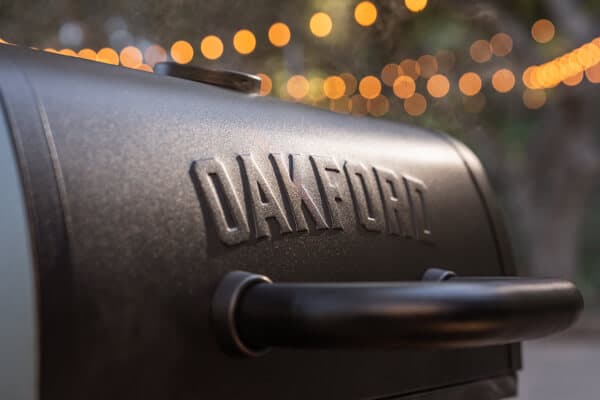
Expert tips, buying guides, comparisons, and inspiration for choosing and getting the most out of your grill.
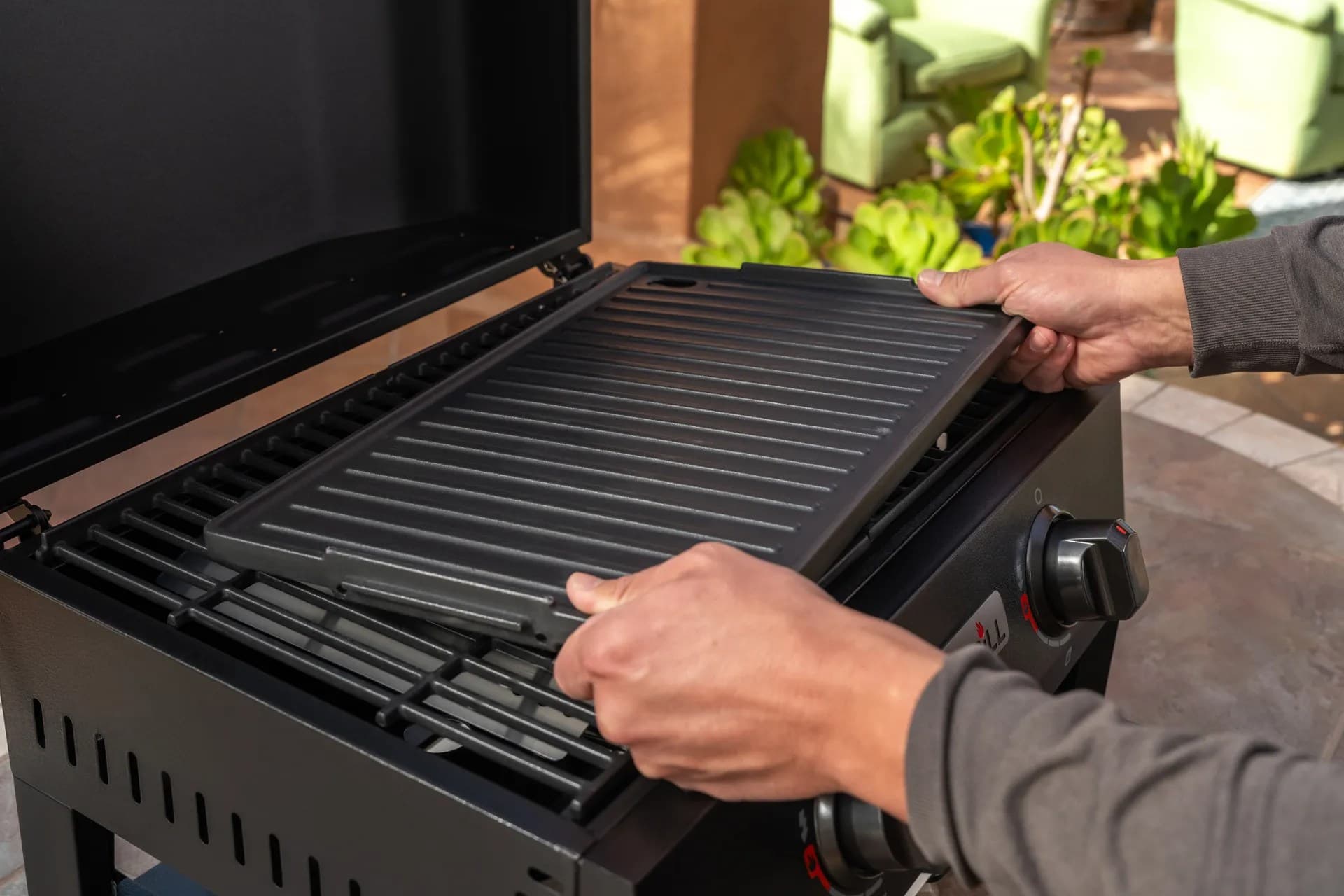
Practical guides for cleaning, maintenance, common grill issues, and performance optimization.
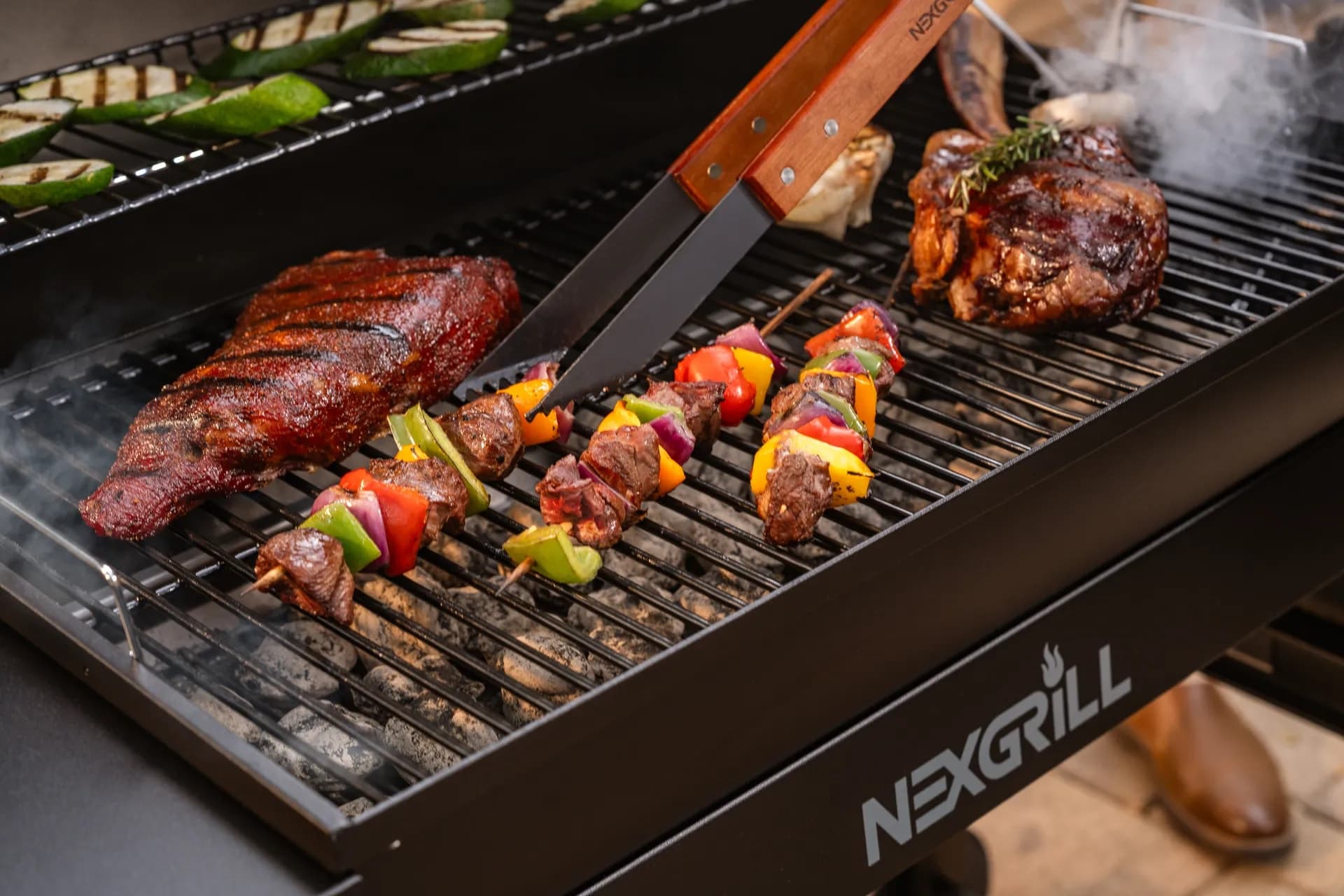
Step-by-step grilling recipes, cooking techniques, and meal ideas for every occasion and skill level.

Backyard entertaining ideas, seasonal grilling inspiration, and stories that celebrate outdoor cooking culture.
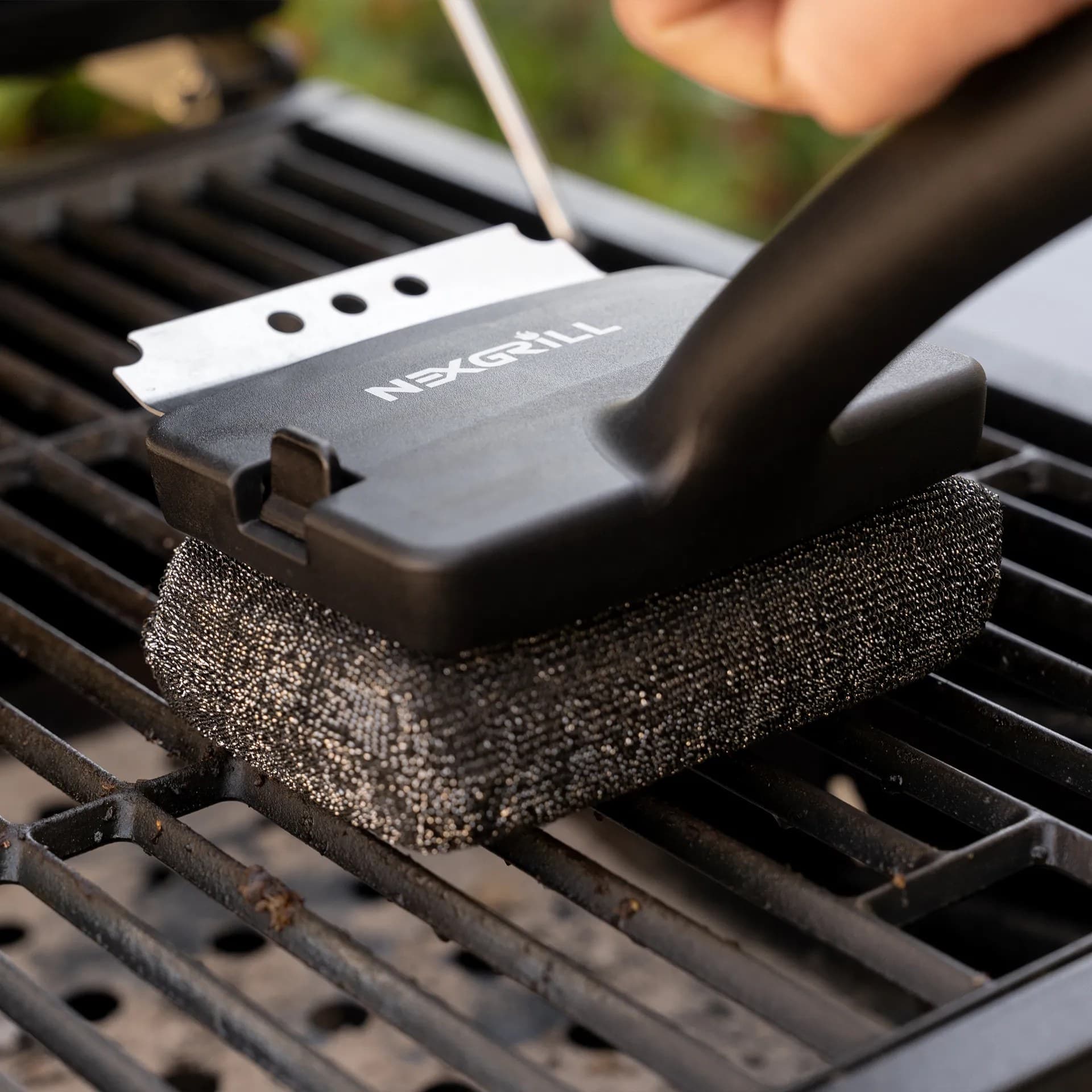
Helpful articles covering grilling tools, cookware, maintenance gear, and must-have accessories for outdoor cooking.
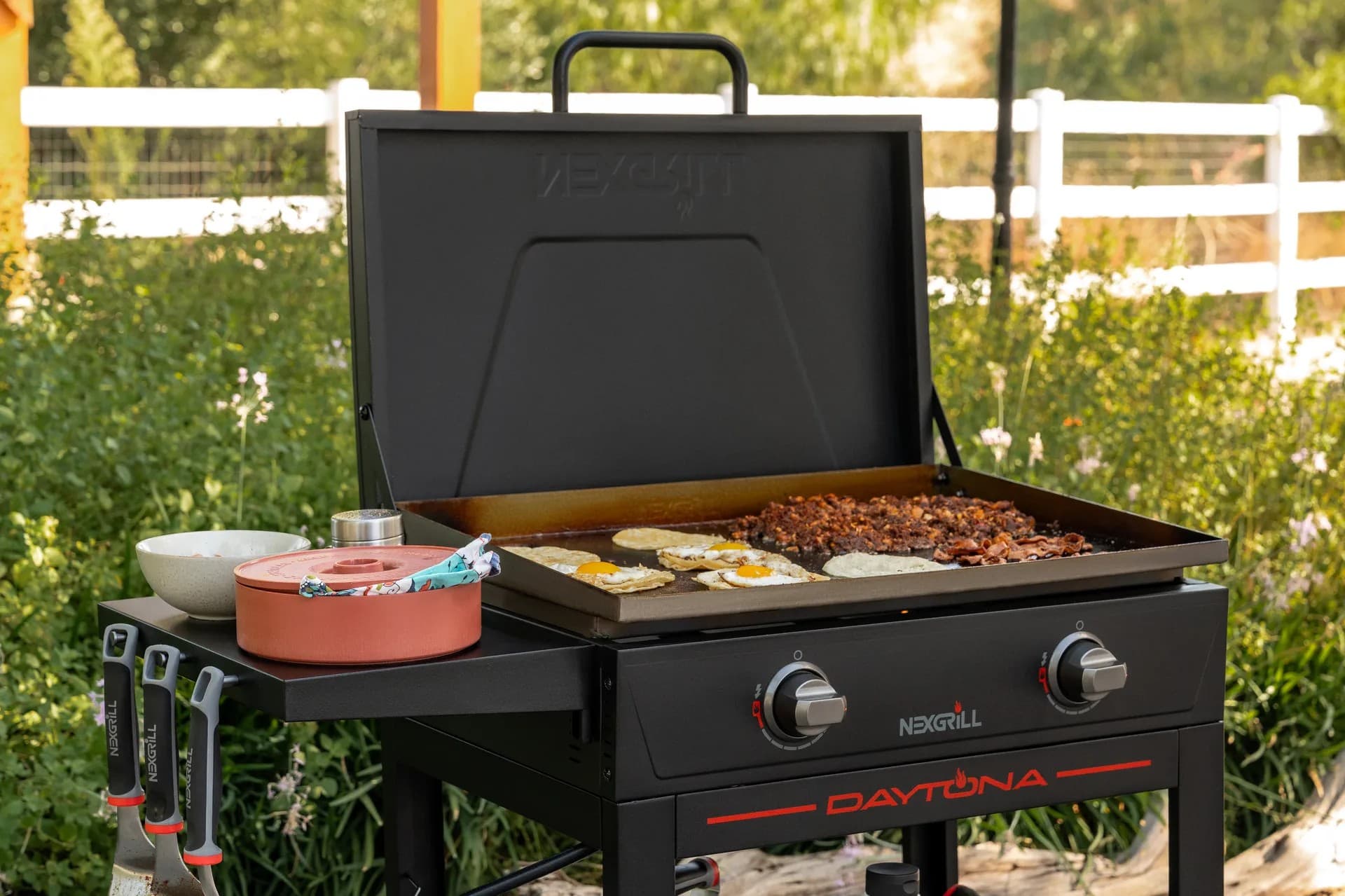
Find griddle recipes, cooking techniques, cleaning tips, and outdoor meal ideas designed for Nexgrill griddles.
Find answers to common questions
Pellet grills offer versatility by allowing you to smoke, grill, and bake with precise temperature control. They use wood pellets as fuel, providing a unique flavor to your food that is difficult to achieve with other types of grills.
Consider factors such as cooking capacity, temperature range, and additional features like digital controls or Wi-Fi connectivity. Assessing your cooking habits and space availability can also help in selecting a suitable model.
You can use a variety of food-grade wood pellets, including oak, hickory, mesquite, cherry, and apple. Each type of wood imparts a different flavor to your food, allowing for a unique grilling experience.
Regular cleaning involves emptying the ash pan, cleaning the heat diffusers, and wiping down the exterior. It's also important to check for any pellet obstructions in the hopper and ensure the grill's components are in good working order.
Nexgrill pellet grills are designed to smoke effectively, offering low-temperature settings to infuse food with rich, smoky flavors. They also provide adjustable temperature controls to suit various cooking styles.
In This Article
User-Friendly Features
Top Beginner-Friendly Models
Maintenance Tips
A pellet grill with a built-in meat probe is one of the easiest ways for a beginner to get consistent results without feeling like they need to babysit the cook. Instead of guessing when a chicken breast has reached a safe temperature or wondering whether a pork butt is ready to rest, the probe gives you a live reading from inside the food. That single feature removes a lot of uncertainty from the learning curve, especially if you are new to smoking, low-and-slow barbecue, or temperature management on an outdoor cooker. For first-time pellet grill owners, the appeal is simple: fewer surprises, fewer overcooked meals, and more confidence every time you lift the lid.
Pellet grills are already beginner-friendly because they combine hardwood flavor with electronic controls and automated fuel delivery. A hopper feeds pellets to a fire pot, an auger moves those pellets as needed, and the controller helps hold a target cooking temperature. That means you are not manually tending charcoal or constantly adjusting flame output. When you add a built-in meat probe, the grill becomes even more approachable because the grill and the food are talking to each other in real time. For a beginner, that matters more than flashy extras. A simple display, clear temperature readout, and a probe you can trust often do more for a good cook than a long list of features you may never use.
Beginner-friendly pellet grills are not about doing everything. They are about making the core steps of smoking, roasting, and finishing dinner feel manageable from the first cook.
For many new grillers, the built-in probe is especially useful on meats that change slowly over time, such as pork shoulder, brisket, turkey breast, and whole chickens. Instead of opening the lid every 20 minutes to check progress, you can monitor internal temperature and avoid unnecessary heat loss. That helps preserve steady cooking conditions and makes it easier to learn how your grill behaves. If you are teaching yourself backyard barbecue, that feedback loop is valuable. You start connecting time, temperature, and texture, which is the real skill behind confident pellet grilling.
This article is focused on the beginner experience, not just on product specs. That means the best models here are the ones that make setup intuitive, daily use predictable, and cleanup realistic for someone who does not want a complicated routine. The goal is not to find the most advanced pellet grill on the market. It is to find the one that helps you cook well on a weeknight, host friends on a Saturday, and learn without frustration.
If you are shopping for the best pellet grill with built in meat probe, start by looking for features that reduce decision fatigue. Beginner cooks usually benefit more from clear controls than from niche performance claims. A good controller should be easy to read in daylight, simple to set, and responsive enough to hold a stable temperature. Some grills offer dial-style controls, while others use digital displays and menu-driven settings. The better choice is the one that feels obvious the first time you use it.
| Feature | Why It Helps Beginners | What to Check |
|---|---|---|
| Built-in meat probe | Removes guesswork and helps prevent overcooking | Number of probes, display clarity, and alert function |
| Digital temperature control | Makes heat management simple and repeatable | Temperature range, stability, and ease of adjustment |
| Hopper capacity | Reduces how often you need to refill pellets | How long the grill can run at your typical cooking temp |
| Simple cleanup design | Keeps ownership from feeling like a chore | Ash removal, grease tray access, and drip management |
| Straightforward assembly | Helps first-time owners start cooking sooner | Clear instructions, labeled parts, and hardware organization |
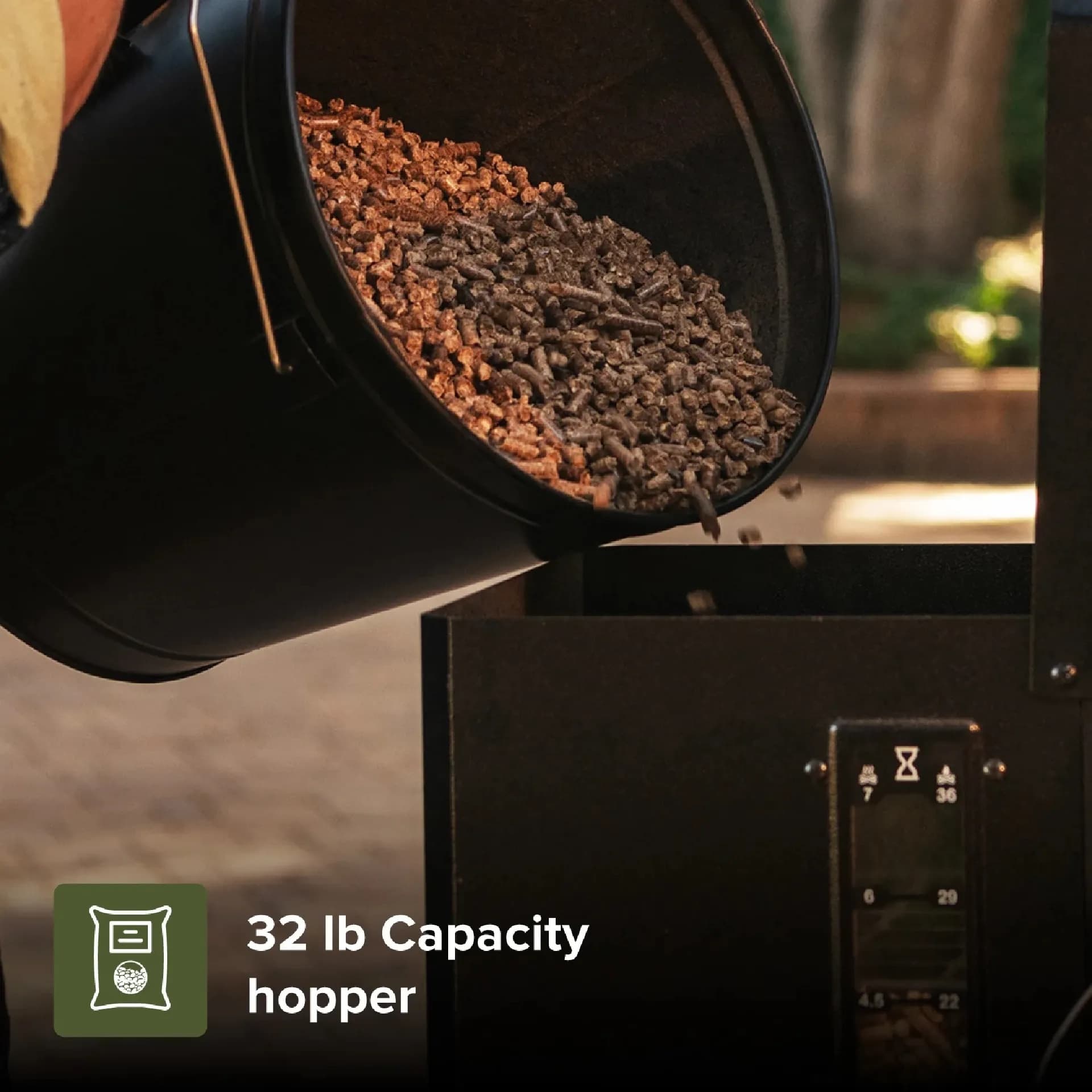
Hopper capacity deserves special attention. A larger hopper can be helpful for longer cooks because it gives you more runtime before a refill, but beginners should still think about how they actually plan to cook. If you mostly make burgers, chicken thighs, vegetables, and weekend salmon, a huge hopper may be less important than easy access, clean pellet loading, and a controller that does not require constant menu navigation. For a beginner, practical convenience matters more than maximum theoretical capacity.
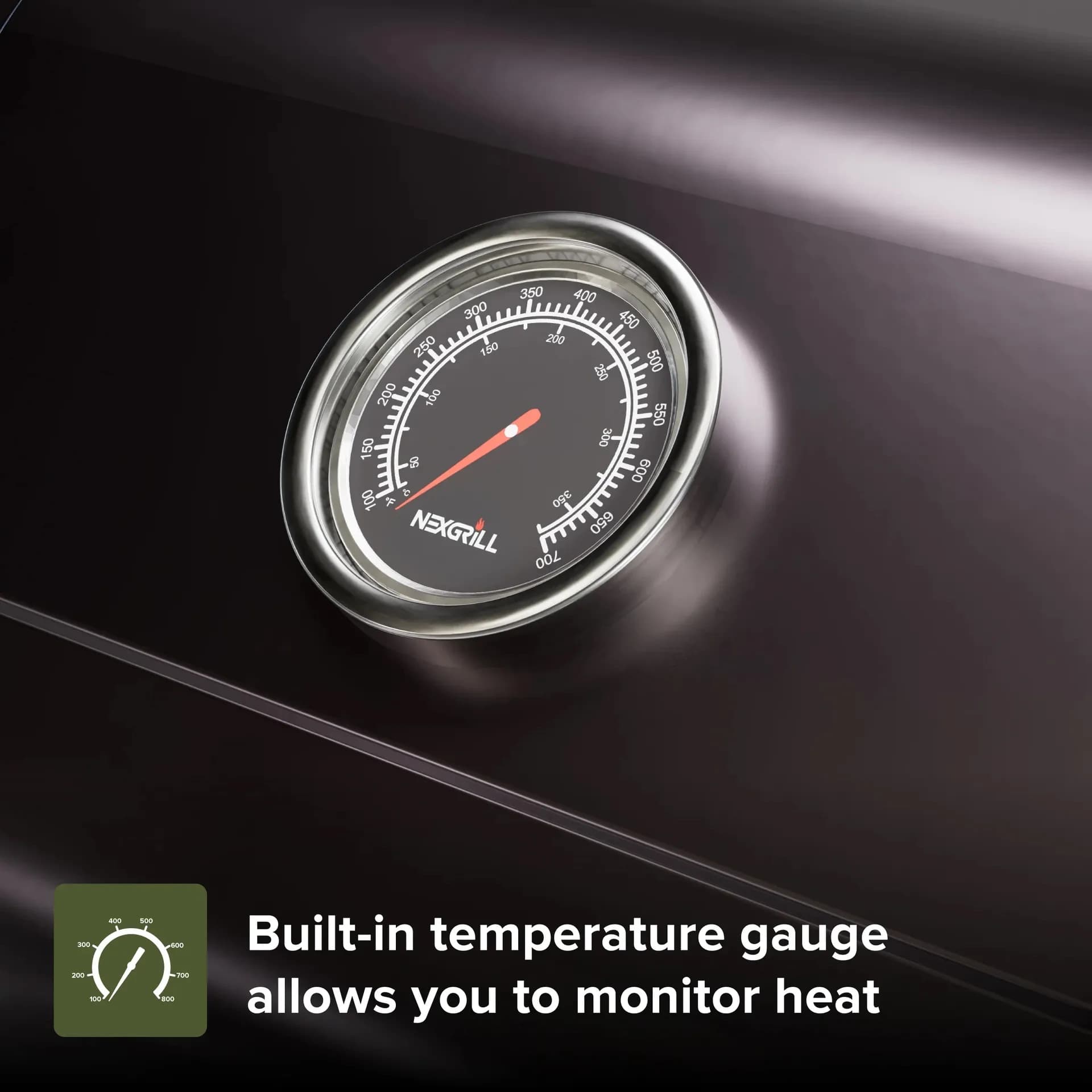
Temperature range is another deciding factor. Many newcomers assume they need the highest temperature possible, but most learning happens between the low-and-slow range for smoking and the mid-range for roasting or finishing. A grill that can hold a stable 225°F for ribs and then climb into the 350°F to 450°F range for chicken, sausages, or vegetables covers most beginner use cases. Consistency is usually more important than chasing extreme peak numbers.
You should also pay attention to how the probe is displayed and whether the controller shows both grill temperature and food temperature at once. That dual display makes it easier to understand what is happening without opening the lid. For a new user, that is a major comfort upgrade. It keeps the process calm and teaches you how the grill responds to weather, pellet quality, and food load.
When beginners ask which pellet grill is easiest to live with, the best answer is usually a model that balances simplicity, dependable temperature control, and a built-in probe that is easy to read at a glance. Based on the beginner-friendly features highlighted in product reviews and buying guides, models like the Traeger Pro 22 stand out because they are designed around a straightforward learning experience rather than overly complex controls. Review roundups from BBQ Source, Good Housekeeping, and BBQ Report consistently point to ease of use, reliable performance, and practical features as the traits that matter most to first-time pellet grill buyers. Those are the same qualities a novice should prioritize when comparing options.
| Beginner-friendly model trait | Why it matters | Beginner takeaway |
|---|---|---|
| Simple startup process | Reduces the learning curve on day one | You spend less time troubleshooting and more time cooking |
| Clear probe readout | Helps track doneness without opening the lid | Less guesswork on chicken, pork, and brisket |
| Stable controller behavior | Builds confidence during long cooks | Your results become more repeatable |
| Easy ash and grease cleanup | Makes ownership feel manageable | You are more likely to keep the grill in good shape |
The Traeger Pro 22 is frequently cited in beginner-focused roundups because it represents the kind of grill that helps a new cook build habits without overwhelm. Instead of forcing you into a steep technical learning curve, it offers the core pellet-grilling experience in a familiar, approachable package. That matters if your first goals are simple: smoke a pork shoulder, learn how to use a meat probe correctly, and understand how long it takes to hold steady at a target temperature. Beginner buyers often do better with a grill that leaves room for learning rather than one that tries to automate every decision.
Another thing to look for in top beginner models is whether the grill has enough room for practice cooks without feeling oversized. A grill that is too large can tempt a new user into heating more space than necessary, while a compact cook chamber can be easier to understand and manage. For most first-time owners, a mid-size pellet grill is the sweet spot: enough room for a family meal, enough stability to teach temperature control, and enough visibility to learn how smoke behaves around food.
If you are new to pellet cooking, choose the grill that gives you the cleanest learning experience, not the one with the longest spec sheet.
From a practical standpoint, the best beginner models usually have a probe port or built-in probe system that is integrated into the controller rather than treated as an afterthought. That integration matters because it makes the feedback loop easier to trust. If the probe and the grill controller work together cleanly, you can focus on food, timing, and texture instead of checking multiple devices. In the real world, that lowers stress when you are cooking for guests or trying a recipe for the first time.
Good maintenance should not feel like a second job. For beginners, the best routine is one that is short, repeatable, and easy to remember after every cook. Start with the basics: once the grill has cooled, remove leftover food debris from the grate, empty or scrape the grease tray as needed, and keep the burn area free of excess ash. A clean pellet grill is easier to start, more stable at temperature, and less likely to develop issues that confuse a new owner.
Ash management is especially important. Pellets burn cleanly, but ash still builds up in the fire pot and around airflow paths. If ash accumulates, it can interfere with ignition and temperature response. Beginners do not need a complicated maintenance schedule; they just need a simple habit. Check the fire pot regularly, clear visible ash, and make sure the grill can breathe. That one habit can prevent many of the frustrating performance problems that new pellet grill users encounter.
Do not wait for a performance problem before cleaning the fire pot or grease path. Small, regular upkeep is much easier than fixing a long-neglected grill.
Probe care is another overlooked part of maintenance. Built-in meat probes are helpful only if they stay accurate and physically intact. Wipe them gently after each use, avoid harsh scraping, and store the cable carefully so it does not get pinched in the lid or twisted during storage. Beginners often focus on the big body of the grill and forget that accessories are part of the system. If the probe stops reading correctly, it is much harder to trust your cooks, so protecting that component matters.
For pellet storage, keep fuel dry and sealed. Moisture can cause pellets to swell or break down, which can affect feeding and burn quality. A beginner does not need to measure pellet moisture scientifically; just keep the bag closed, store it indoors if possible, and avoid leaving fuel in a damp garage or on a wet patio. That simple habit improves consistency and reduces startup headaches. It also helps newer cooks distinguish a grill issue from a fuel issue, which is a very practical way to build confidence.
The best pellet grill with built in meat probe for a beginner is the one that feels understandable on the first day and dependable six months later. Look for a model with clear controls, a readable probe display, stable temperature management, and cleanup steps that fit into real life. If a grill seems impressive but complicated, it may slow your learning instead of supporting it. A simpler, well-designed model often creates a better first experience because it lets you focus on cooking technique rather than troubleshooting.
For novice grillers, the smartest path is to choose a pellet grill that teaches as it cooks. The built-in meat probe should remove doubt, the controller should keep temperatures steady, and the overall design should make cleanup and storage feel manageable. That combination is what helps a beginner move from cautious first cook to confident repeat use. Try comparing two products side by side below to see which fits best:
Once you have compared two options side by side, the next step is understanding how the technology actually works for a first-time owner. Pellet grills use compressed hardwood pellets as fuel, and a controller meters those pellets into a burn pot to hold a target temperature. That process gives you the flavor of wood cooking with a level of convenience that feels much closer to an indoor appliance than a traditional offset smoker. For beginners, that is a major advantage because the grill handles the fuel delivery and heat regulation while you focus on food prep and timing.
The built-in meat probe is what makes that system especially helpful. Instead of relying on a separate thermometer, you can usually monitor internal food temperature from the same panel that controls the grill. That means fewer steps, fewer devices, and fewer chances to miss when the meat reaches the next stage. If you are roasting chicken thighs, a pork loin, or a turkey breast, the probe tells you exactly when you are approaching a finished temperature. That is valuable for new grillers because the difference between juicy and dry can happen quickly in the last few degrees.
Probe reading to trust before you guess
In practical terms, a pellet grill with a built-in probe helps beginners learn the relationship between pit temperature and food temperature. You start to notice, for example, how a pork shoulder can sit at one temperature plateau for a while, or how chicken skin behaves differently when the grill runs hotter near the finish. That education is part of the value. You are not just cooking dinner; you are building a repeatable mental model of how outdoor cooking works. That is why user-friendly interfaces matter. They make the learning visible.
For beginners, value is not the same as the lowest sticker price. A better question is whether the grill gives you enough support to succeed without buying extra equipment immediately. In beginner-focused roundup coverage, the Traeger Pro 22 is frequently used as a reference point because it offers the kind of straightforward control set many new users need. Review roundups from BBQ Source, Good Housekeeping, and BBQ Report emphasize practical factors like temperature consistency, usable cooking area, and ease of operation, which line up with the needs of novice grillers.
| Model comparison lens | Beginner question | What to prioritize |
|---|---|---|
| Controller simplicity | Can I set it and cook without confusion? | Readable display and intuitive temperature settings |
| Probe integration | Will I see food temp clearly while cooking? | Built-in probe with dependable readout |
| Cook chamber size | Is there enough room for family meals? | Enough space for your usual guest count |
| Long-cook convenience | How much refilling or checking will I need? | Adequate hopper size and stable fuel feed |
Performance for beginners should be judged by repeatability. A grill that nails one cook and behaves unpredictably on the next is more frustrating than helpful. You want a pellet grill that can hold steady at common backyard temperatures without requiring constant intervention. That stability helps you learn recipe timing and makes it easier to follow instructions from trusted sources without second-guessing every step. In beginner cooking, confidence is a real performance metric.
Choose the model that makes your first five cooks easier, not the one that looks best on paper.
Value also depends on whether the grill gives you room to grow. If you think you will eventually cook for more people or tackle longer smokes, it can make sense to choose a model with a little extra hopper capacity or more consistent temperature control than you need on day one. But avoid overbuying because a giant grill can add complexity, weight, and cost without making your first cooks better. For many novices, the sweet spot is a mid-size pellet grill with a built-in probe, straightforward controls, and enough surface area for a family dinner plus leftovers.
New pellet grill owners often describe the same early reaction: relief. Relief that the grill did not require constant fire management, relief that the meat probe helped them know when to stop cooking, and relief that a wood-fired meal did not feel as technical as they expected. That emotional side of the experience matters because beginners are not just buying equipment; they are buying confidence. The most positive novice reviews tend to focus on grills that make the first cook feel successful quickly.
A common beginner pattern is starting with easy foods such as chicken thighs, pork tenderloin, turkey breasts, or salmon fillets. These cooks are short enough to teach the grill’s rhythm but long enough to benefit from a built-in probe. Novices often appreciate when the controller and probe work together in a simple display because they can glance at one screen instead of juggling an app, a handheld thermometer, and a timer. That lower cognitive load is one of the biggest reasons beginner-friendly pellet grills get good word of mouth.
Another frequent insight from first-time users is that easy cleanup changes how often they use the grill. If ash removal is straightforward and grease management feels manageable, the grill gets used more often. That is important because beginners improve through repetition. The faster you can clean the grill and reset for the next cook, the more likely you are to practice. In real life, the best grill is the one that encourages the next dinner instead of becoming a weekend project you avoid.
Beginners usually run into a handful of predictable issues, and most of them are easy to fix once you know what to look for. If the grill is slow to ignite, the first places to check are pellet quality, ash buildup in the fire pot, and whether the hopper is feeding properly. Damp pellets can cause inconsistent startup and weak heat. If the grill is not reaching the target temperature, the problem may be airflow obstruction, an overloaded cooking chamber, or a controller setting that is still climbing toward the target.
If your probe reading looks unusually high or jumps around, inspect the cable for kinks, contact damage, or grease buildup before assuming the food is the problem.
Probe readings can also confuse new users if the meat is inserted too close to fat, bone, or the edge of the cut. For the most useful reading, place the probe in the thickest part of the meat and avoid touching bone. If the grill’s lid is opened repeatedly, the cooking chamber temperature can drop and make the system appear less stable than it really is. That is why beginner-friendly cooking advice often emphasizes patience. Let the grill recover between checks and trust the probe display.
If you notice more smoke than expected or an off flavor, the issue may be the result of old pellets, poor airflow, or residue buildup. Beginners often try to fix flavor problems with more seasoning, when the real solution is better fuel storage or a quick cleanup. In other words, troubleshooting a pellet grill is often about diagnosing the system around it, not just the cooking chamber itself.
The right pellet grill for a beginner is one that makes the transition from curiosity to confidence feel natural. A built-in meat probe is a major advantage because it turns doneness into something you can see instead of guess. When that probe is paired with stable temperature control, readable settings, and simple upkeep, the grill becomes a learning tool as much as a cooking appliance. That is where real beginner value lives.
If you are choosing your first pellet grill, focus on the way the machine will feel during an ordinary Thursday night cook, not just on the way it looks during a perfect weekend smoke. The best option is the one that helps you cook more often, recover from mistakes quickly, and enjoy the process enough to keep improving. For novice grillers, that is the real meaning of a user-friendly pellet grill.
Here's what sets us apart
We position ourselves as delivering high-end outdoor cooking features and performance without premium-brand pricing, emphasizing “Quality Grills. Unbelievable Value.”
We offer gas grills, pellet grills, griddles, smokers, pizza ovens, portable/tabletop grills, electric grills, accessories, and replacement parts — allowing customers to stay within one ecosystem for all outdoor cooking needs.
We differentiate ourselves through smart grilling products like the Oakford smart pellet grill, including app-connected cooking controls and modern outdoor cooking technology.
Don't just take our word for it
Keep reading
From our catalog