Quick and Easy Pellet Grill Cleaning Hacks for Busy Grillers
Efficient methods to keep your pellet grill spotless without the hassle.
In This Article
Rapid Cleaning Techniques
Essential Tools for Quick Maintenance
Time-Saving Deep-Cleaning Hacks
Introduction: The Importance of Quick Pellet Grill Maintenance
A pellet grill earns its keep when it is ready on a weeknight, not just after a weekend of prep. That is why quick maintenance matters so much for busy grillers. If you only have 10 to 15 minutes after dinner, you still have enough time to prevent grease buildup, keep ash from clogging airflow, and make the next cook feel effortless instead of like a chore. The goal is not to deep-clean after every session. The goal is to create a fast routine that protects flavor, helps your grill run more predictably, and avoids the kind of cleanup backlog that turns grilling into a project.
Pellet grills are especially sensitive to residue because they combine wood pellets, a fire pot, a heat management system, and grease drainage in one enclosed cooking environment. That combination is part of the appeal, but it also means ash, grease, and stray food particles accumulate in different places. A little attention after each use goes a long way. For example, clearing the grates while they are still warm is usually much faster than trying to scrub them cold the next day. Likewise, removing loose ash before it settles can reduce odor, improve startup consistency, and help keep the fire pot cleaner for the next cook.
Is often enough for a practical post-cook cleanup routine on a pellet grill.
Fast cleanup works best when you clean for the next cook, not for perfection. Focus on the grate, drip path, and ash collection first.
Busy grillers benefit from a simple system: scrape, empty, wipe, and cover. That order saves time because you are removing the mess while it is easiest to lift. It also helps you avoid one of the most common mistakes in pellet grill ownership, which is letting small cleanup jobs stack up until they require a full teardown. A few minutes spent now can save a much longer session later. If you cook several times a week, this habit is even more important because the grill does not get a chance to “reset” on its own.
The other reason quick maintenance matters is consistency. A cleaner pellet grill tends to light more reliably and circulate heat more evenly because airflow is less restricted by ash or greasy residue. You do not need to overstate the difference to appreciate it: a fire pot that starts clean is easier to manage, and grates free of old carbonized residue are less likely to affect the texture of your food. That is the practical payoff of a short routine.
Rapid Cleaning Techniques for Busy Grillers
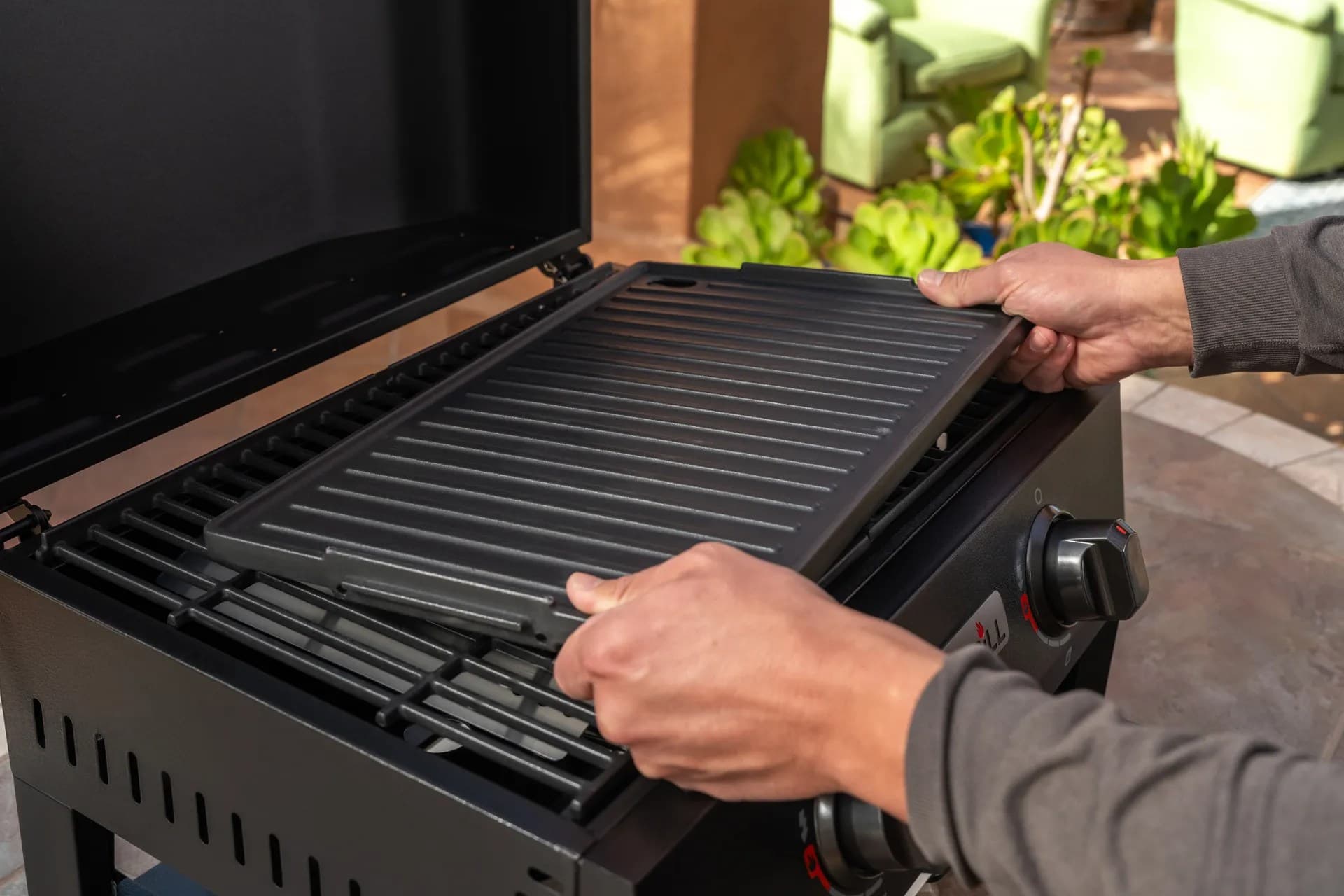
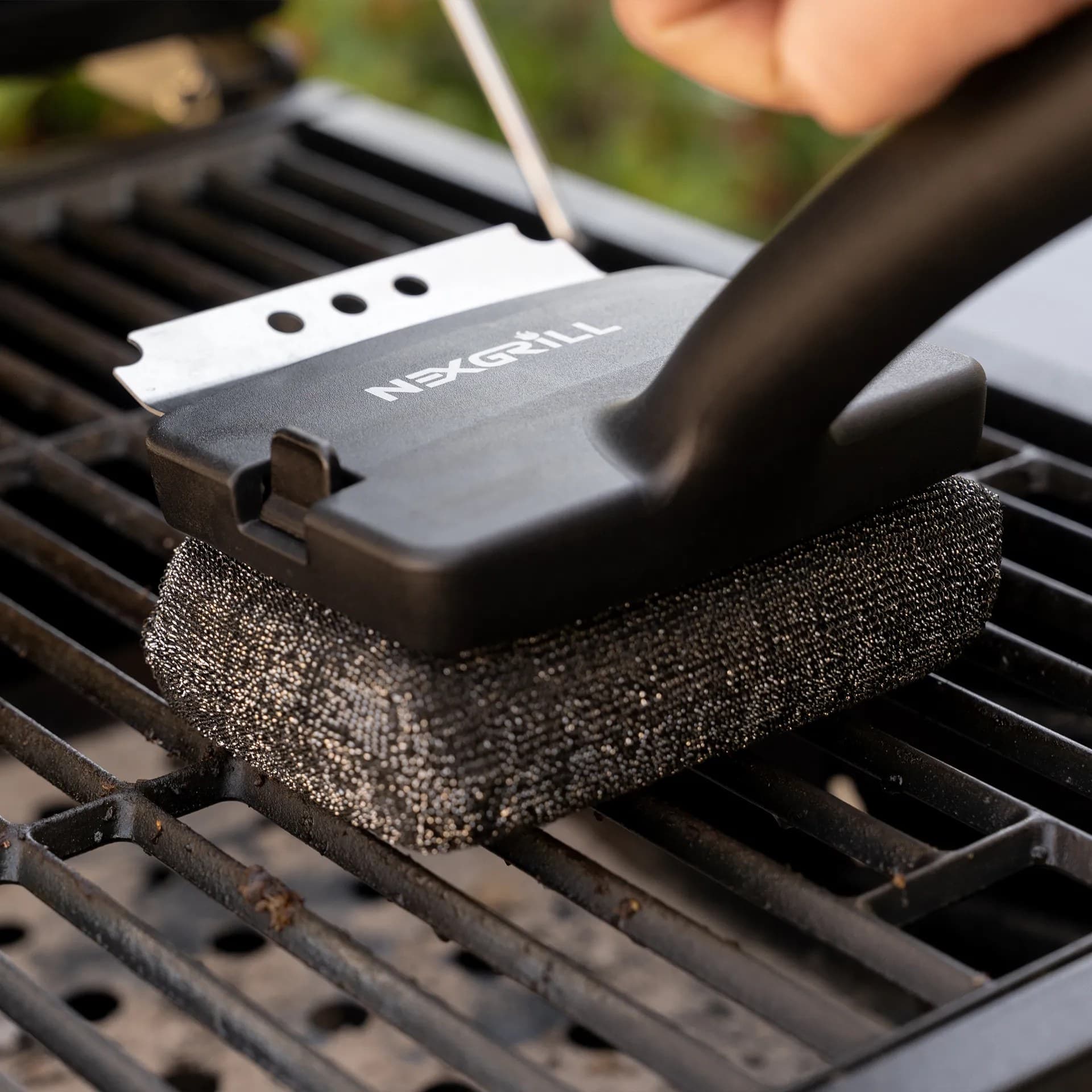
The fastest post-cook routine starts before the grill cools completely. Once your food comes off, leave the lid open for a few minutes if your model and cooking environment allow it, so heat can finish burning off light residue. Then use a grill brush or scraper to lift off food particles from the grates while they are still warm. Warm grates usually release residue faster than cold ones, which means less pressure, fewer passes, and less time standing over the grill. If you cook delicate foods like fish or vegetables, a quick wipe with a folded paper towel held with tongs can also clear surface residue without over-scrubbing.
After the grates, move to the grease tray or drip path. This is one of the biggest time-savers because grease is much easier to handle before it hardens. A disposable liner or foil wrap, if your grill setup allows it, can cut cleanup time significantly. Even without a liner, removing the tray and giving it a quick scrape or wipe prevents buildup that can smoke during the next cook. For busy households, this is often the difference between a five-minute reset and a frustrating deep-clean later.
A fast routine is most effective when you clean the hottest, messiest parts first: grates, drip tray, then the ash area.
Ash management is the other major task. Pellet grills create fine ash that can migrate into the fire pot and lower cabinet area. If your grill design includes an accessible ash cup or removable fire pot area, empty it regularly. If not, a compact shop vacuum reserved for grill cleanup can make the job quick and controlled. The key is to wait until all surfaces are cool enough for safe handling, then remove loose ash before it gets wet or compacted. Wet ash is more annoying to clean, clings to surfaces, and tends to spread instead of lift.
For busy grillers, the best rapid-clean strategy is to assign each task a strict time limit. For example, 3 minutes on grates, 3 minutes on the drip tray, 3 minutes on ash, and 2 minutes on exterior wipe-down is realistic for a well-kept grill. That kind of limit keeps the routine from expanding. You are not trying to restore showroom condition every time; you are trying to keep the grill in a ready-to-use state. If you stick to a repeatable order, the process becomes automatic and much easier to maintain through a busy season of weeknight dinners, game-day cooks, and holiday gatherings.
Essential Tools to Simplify Your Cleaning Routine
The right tools are what make pellet grill cleaning feel quick instead of tedious. Start with a sturdy grill brush or scraper that matches the surface of your grates. A flat scraper is often faster for baked-on residue, while a brush helps clear smaller particles and gaps. If your grates have a finish that can be scratched, choose a tool designed for that surface and keep the pressure moderate. A microfiber cloth, paper towels, and a small pair of heat-resistant tongs should also live in your cleanup kit so you are not hunting for supplies after dinner.
A handheld vacuum or small shop vacuum dedicated to grill ash is another major time-saver. The reason it helps so much is simple: ash spreads easily, and sweeping it with a cloth often just moves it around. A vacuum with a fine-particle filter can pull it out of the fire pot area, corners, and tray spaces quickly. If you grill often, store the vacuum, brush, scraper, and a trash bag together in one bin or shelf near the grill. Reducing setup time is part of reducing cleanup time.
| Tool | Best Use | Why It Saves Time |
|---|---|---|
| Grill scraper | Baked-on residue on grates | Removes stuck food in fewer passes than a cloth |
| Microfiber cloth | Exterior panels and handles | Cleans quickly without leaving lint |
| Shop vacuum | Ash and loose debris | Removes fine particles from hard-to-reach areas |
| Tongs and paper towels | Warm grate wipe-down | Lets you clean quickly without waiting for full cool-down |
For exterior care, keep a gentle cleaner and a dry cloth on hand. Busy grillers often make the mistake of reaching for one heavy-duty product for every surface, but that is slower and sometimes unnecessary. A light wipe-down after each use keeps stainless steel, painted steel, and shelves looking better without turning cleaning into a separate chore. A small spray bottle filled with a cleaner suitable for outdoor cooking equipment is usually easier to use than carrying a large container around the patio. Think convenience, not excess.
Disposable gloves are optional, but they can speed things up if you dislike greasy hands. The best setup is one that you will actually use consistently. If a cleaning tool is awkward to store, hard to grab, or too aggressive for your grill’s finish, you will avoid it. A simple, organized kit is far more effective than a cabinet full of specialized products. The point is to lower friction so cleanup feels like a normal part of the cook, not an extra appointment.
Time-Saving Deep-Cleaning Hacks for Pellet Grills
Even the busiest grillers need a deeper reset occasionally, but deep cleaning does not have to consume an entire afternoon. The trick is to break the work into focused zones and only remove the parts that truly need attention. A smart deep-clean starts with a warm grill, because grease and carbon lift more easily when they have not fully hardened. After shutting the unit down and letting it cool to a safe handling temperature, remove grates, drip tray components, and heat shields in the order that makes reassembly easy. Taking a quick phone photo before disassembly can save time later if you are not fully familiar with the layout.
One of the best time-saving hacks is to soak removable metal parts while you clean the rest of the grill. A basin, tub, or large utility sink with warm water and a mild degreasing cleaner can loosen grime while you vacuum the chamber, wipe the exterior, and empty ash. By the time you return to the parts, much of the heavy residue will release with minimal scrubbing. This simple parallel workflow cuts down on the feeling that you are doing everything at once.
Avoid soaking electronic components or exposing the controller area to excess moisture. Keep water and cleaner limited to removable metal parts and wiped surfaces.
Another efficient tactic is to clean from top to bottom. Start with grates, then move down to heat shields, drip trays, and finally the bottom chamber and ash collection area. That order prevents debris from falling onto surfaces you already finished. It sounds obvious, but it is one of the easiest ways to save repeated work. Likewise, use separate cloths or paper towels for greasy and dry tasks so you do not spread residue from one area to another.
For heavily used grills, set a recurring schedule rather than waiting for visible buildup. Many busy owners find that a light weekly reset and a monthly deeper clean is easier to live with than trying to guess when the grill “needs it.” If you cook every weekend, you may not need a major teardown every time, but you do want a reliable checkpoint for ash, grease, and pellet dust. That cadence is what keeps a deep clean manageable. It is much faster to maintain a grill incrementally than to rescue one that has been ignored for months.
If your pellet grill has stubborn carbon on the drip tray or heat deflector, avoid aggressive metal tools that can scratch protective finishes. A plastic scraper, nylon pad, or cleaner recommended for the surface can often remove the buildup without creating a longer-term problem. The fastest method is not always the most forceful one; it is the one that removes the residue cleanly the first time and preserves the grill for the next cook. Once you finish the deep-clean, reassemble carefully, check that airflow paths are clear, and run the grill briefly empty if your cleaning product requires it. That final step helps you return to cooking with confidence instead of wondering whether residue will affect your next meal.
Maintaining Your Pellet Grill Between Uses
Once you have done the initial cleanup, the easiest way to keep a pellet grill manageable is to maintain it between cooks instead of reacting only when it looks dirty. The biggest time-saver is a short cooldown routine. After grilling, let the fire finish its shutdown cycle if your grill uses one, then return to remove loose debris once the unit is safe to touch. That small pause matters because it gives grease a chance to settle enough for removal, while keeping residue warm enough that it has not yet hardened into a sticky layer. For a busy griller, this is the difference between a quick wipe and a long scrubbing session later.
Between uses, focus on three things: the grates, the grease path, and the ash area. If you only have a few minutes, do not try to clean every corner. Instead, wipe the cooking surface, check the drip tray for overflow, and empty loose ash from the fire pot area or ash cup if your grill design allows it. That routine protects the parts most likely to affect flavor and airflow. It also helps you spot problems early, such as an overloaded drip tray, a damaged scraper edge, or unusual ash buildup that may signal you need a deeper look before the next cook.
Consistency beats intensity. A five-minute cleanup after each cook usually saves far more time than an occasional long restoration project.
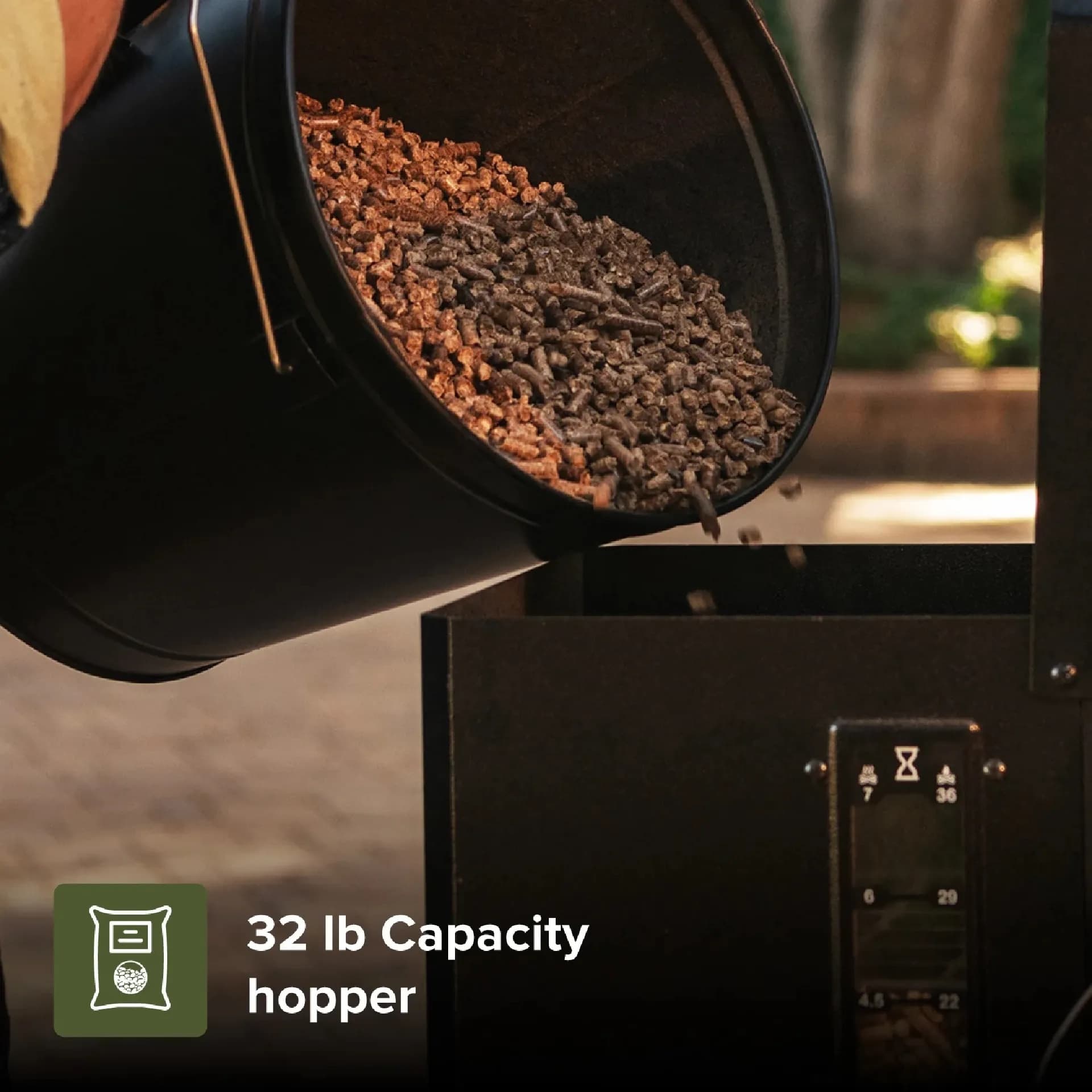
Storage habits also affect how much effort you spend later. If your grill sits outdoors, use a fitted cover once the surfaces are completely cool and dry. That reduces dust, pollen, moisture exposure, and insects or debris collecting in the hopper or cook chamber. Emptying leftover pellets before long periods of non-use can also help, especially if your storage area sees humidity swings. Pellets absorb moisture, and damp pellets can create clogs or inconsistent feeding, which eventually leads to more cleanup than the original issue would have caused. For occasional grillers, a simple habit of checking the hopper before the next cook saves time and frustration.
It also helps to create a mini-cleaning station near the grill. Keep a scraper, cloth, ash vacuum, trash bag, and a small bottle of cleaner together so you can complete maintenance without a scavenger hunt. If the tools are within reach, you are far more likely to use them. Busy people do not fail because they lack the right method; they fail because the method takes too many steps. Make the process short, visible, and repeatable.
Choosing the Right Cleaning Products for Efficiency
The best cleaning products for a pellet grill are the ones that cut effort without damaging surfaces. Mild degreasers, surface-safe sprays, microfiber cloths, and non-abrasive scrub pads do most of the work you need. A strong cleaner is not automatically a better cleaner. In fact, overly harsh products can dull finishes, leave residue, or require extra rinsing, which costs more time. For many busy grillers, the most effective setup is a simple cleaner for exterior surfaces, a separate degreasing option for trays and metal parts, and dry tools for debris removal.
When choosing a product, think about where it will be used. Cooking grates, drip trays, and heat shields can usually handle more intensive cleaning than painted exteriors or control panels. That means one product often should not serve every purpose. Label your supplies by job if it helps you move faster. For example, keeping one cloth dedicated to oily parts and one to final polishing prevents cross-contamination and reduces repeat wiping. The same logic applies to spray bottles: one for heavy grease, one for lighter maintenance, and one dry cloth for finishing touches can be faster than searching for a single all-purpose answer.
| Cleaning Product Type | Best For | Efficiency Benefit |
|---|---|---|
| Mild degreaser | Grease trays and metal parts | Breaks down buildup with less scrubbing |
| Microfiber cloth | Exterior wipe-downs | Cleans quickly and leaves fewer streaks |
| Non-abrasive pad | Light carbon on grates | Removes residue without extra finish damage |
| Ash vacuum | Fire pot and chamber ash | Speeds removal of fine particles in one pass |
If you use commercial cleaners, read the label for surface compatibility and rinsing instructions. Speed comes not only from the cleaning step but from avoiding a second cleanup caused by residue, discoloration, or repeated passes. The simplest product is often the smartest one when you are trying to clean efficiently on a weeknight. Many grillers also keep a small spray bottle of warm water nearby for quick loosening before wiping; used carefully, that can reduce how much product you need and shorten the overall task.
One more practical point: do not overbuy cleaning supplies. If your kit is overflowing, it slows you down. A compact set of reliable tools is more useful than a large shelf of specialized bottles. Efficiency is about reducing decisions. If you know exactly which cleaner goes with which surface, you will spend less time hesitating and more time finishing the job.
Expert Tips for Speedy and Effective Grill Cleaning
The fastest way to clean a pellet grill is to treat it like a repeatable process, not a random list of chores. Start by assigning a sequence and sticking to it every time. For most grillers, that means grates first, then grease handling, then ash removal, then exterior wipe-down. Once the order is fixed, you stop thinking about what comes next and simply move through the routine. That saves mental energy as well as time, which matters when dinner is already over and everyone wants the patio cleared.
Another expert habit is to clean while something else is happening. If you let the grill cool for a few minutes, use that time to gather tools, line a trash bin, or set out the next meal’s storage containers. If you are soaking removable parts, use the soak time to vacuum ash and wipe the cabinet. Parallel tasks are one of the most reliable ways to shorten cleanup without sacrificing quality. Just be sure to keep moisture away from electrical areas and only use methods appropriate for each part.
The cleanest grill is usually the one with the shortest, most predictable routine. Make it easy to repeat after every cook.
A useful time-saving trick is to inspect and spot-clean the specific trouble areas instead of washing everything. If most of the grill is in good shape, spend your effort where residue actually collects: around the edges of the grates, the lip of the drip tray, the fire pot opening, and any areas where drippings can pool. That targeted approach is especially helpful for busy grillers who use the same appliance multiple times a week. You are not being careless by skipping unnecessary work; you are being efficient by cleaning where it matters most.
Finally, build cleanup into the cooking routine itself. A quick wipe of the grates while they are warm, a check of the grease path before shutdown, and a short ash removal on a regular schedule can keep the grill in a ready state all season. If you wait until buildup becomes obvious, you lose the very convenience that made a pellet grill appealing in the first place. A few disciplined minutes after cooking protects your time later and keeps the grill dependable when your schedule is already full. For busy grillers, that is the real win: less labor, less stress, and more time spent cooking instead of scrubbing.