Seasonal Patio Heater Storage and Preparation Techniques
Essential tips for maintaining patio heaters during seasonal changes.
In This Article
Proper Cleaning Methods
Storage Solutions
Prepping for Use
Understanding the Importance of Seasonal Maintenance
Maintaining your patio heater throughout the year is crucial for ensuring its longevity and optimal performance. As the seasons change, so do the demands on your outdoor equipment. Regular maintenance not only enhances the efficiency of your heater but also ensures safety during operation. By dedicating time to seasonal maintenance, you prevent minor issues from becoming costly repairs.
Tip: Seasonal maintenance can significantly extend the lifespan of your patio heater.
A comprehensive maintenance routine involves cleaning, inspecting for damage, and proper storage. This ensures that when the chilly evenings return, your heater is ready to provide warmth and comfort. Understanding the importance of these practices is the first step towards effective patio heater care.
Cleaning Your Patio Heater Before Storage
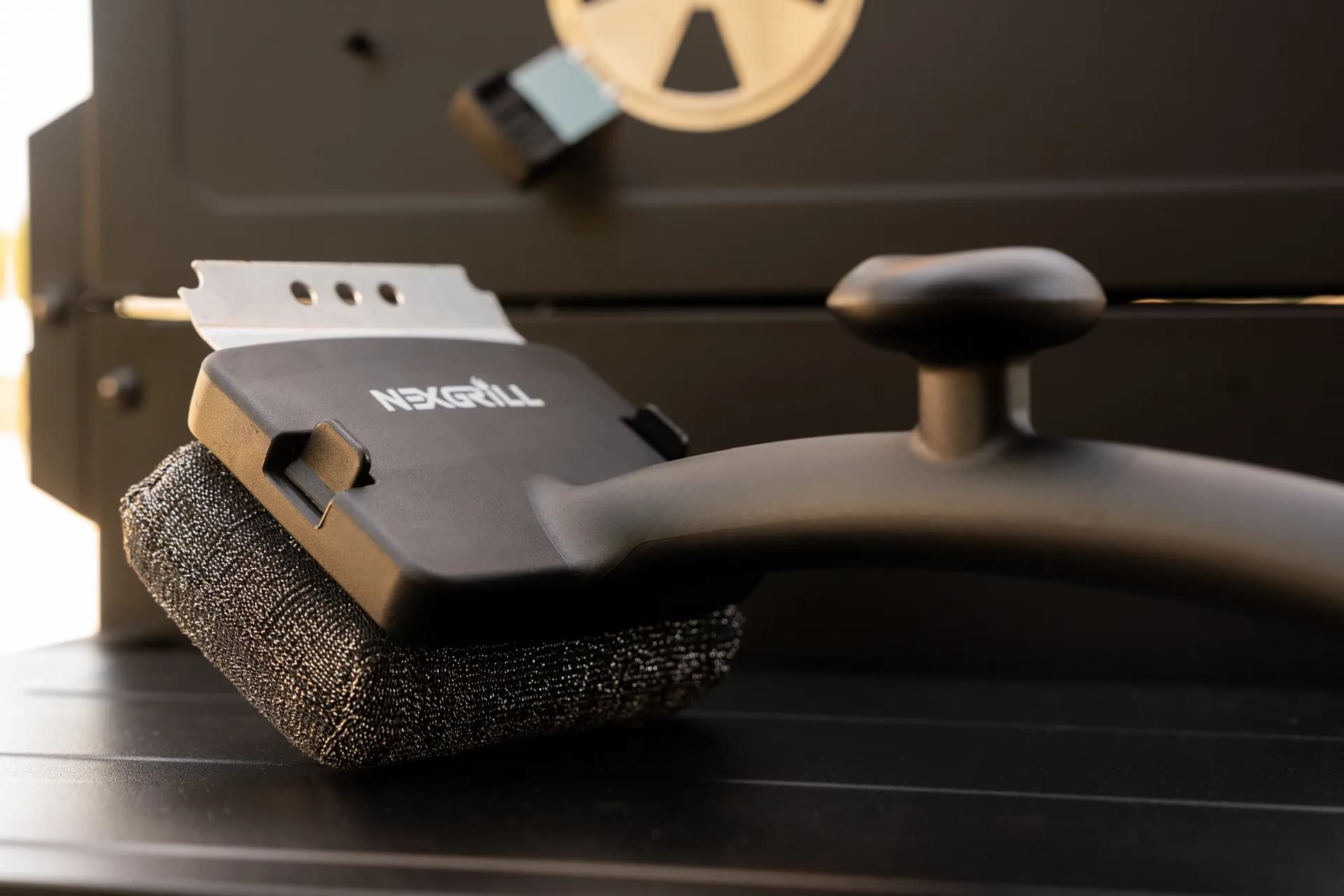
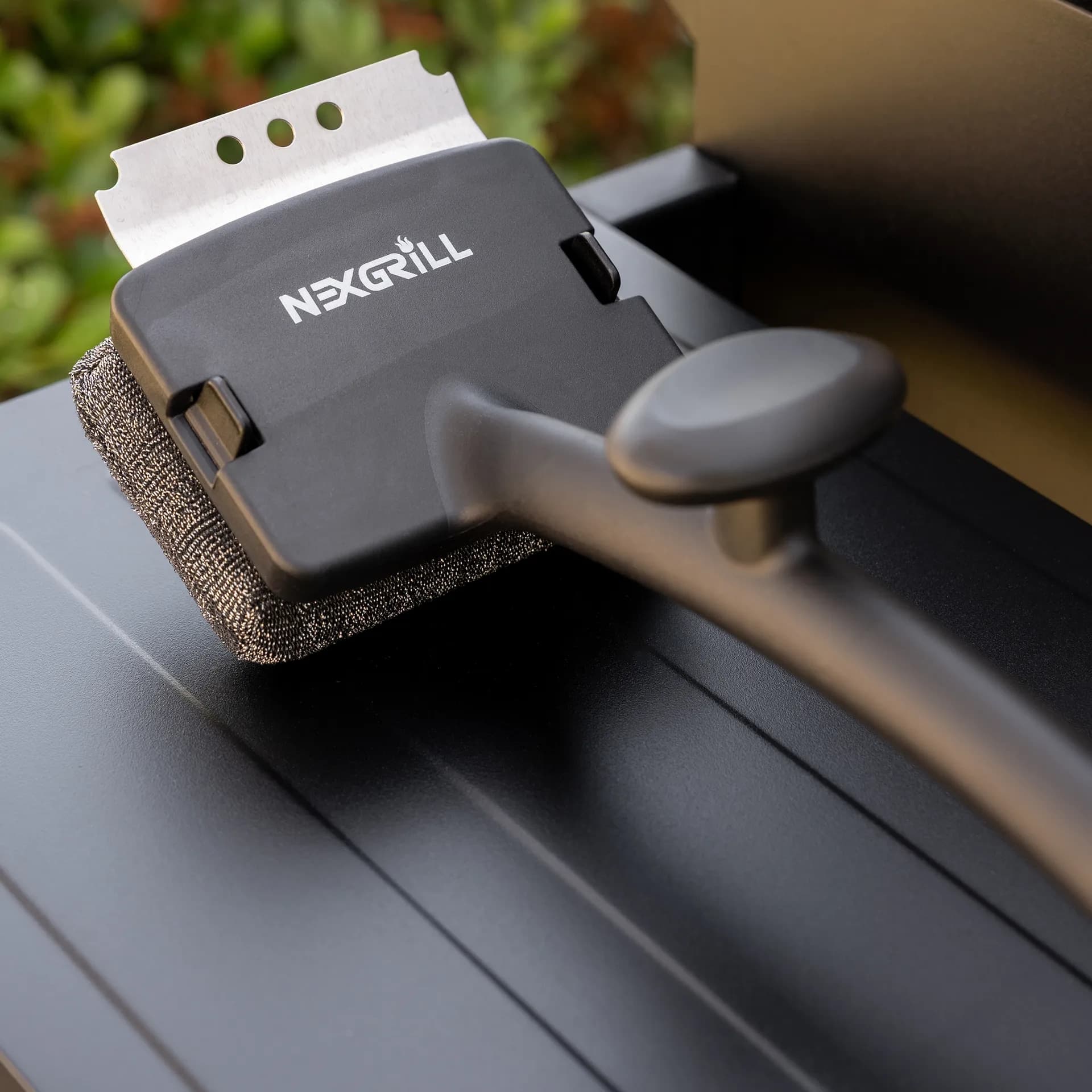
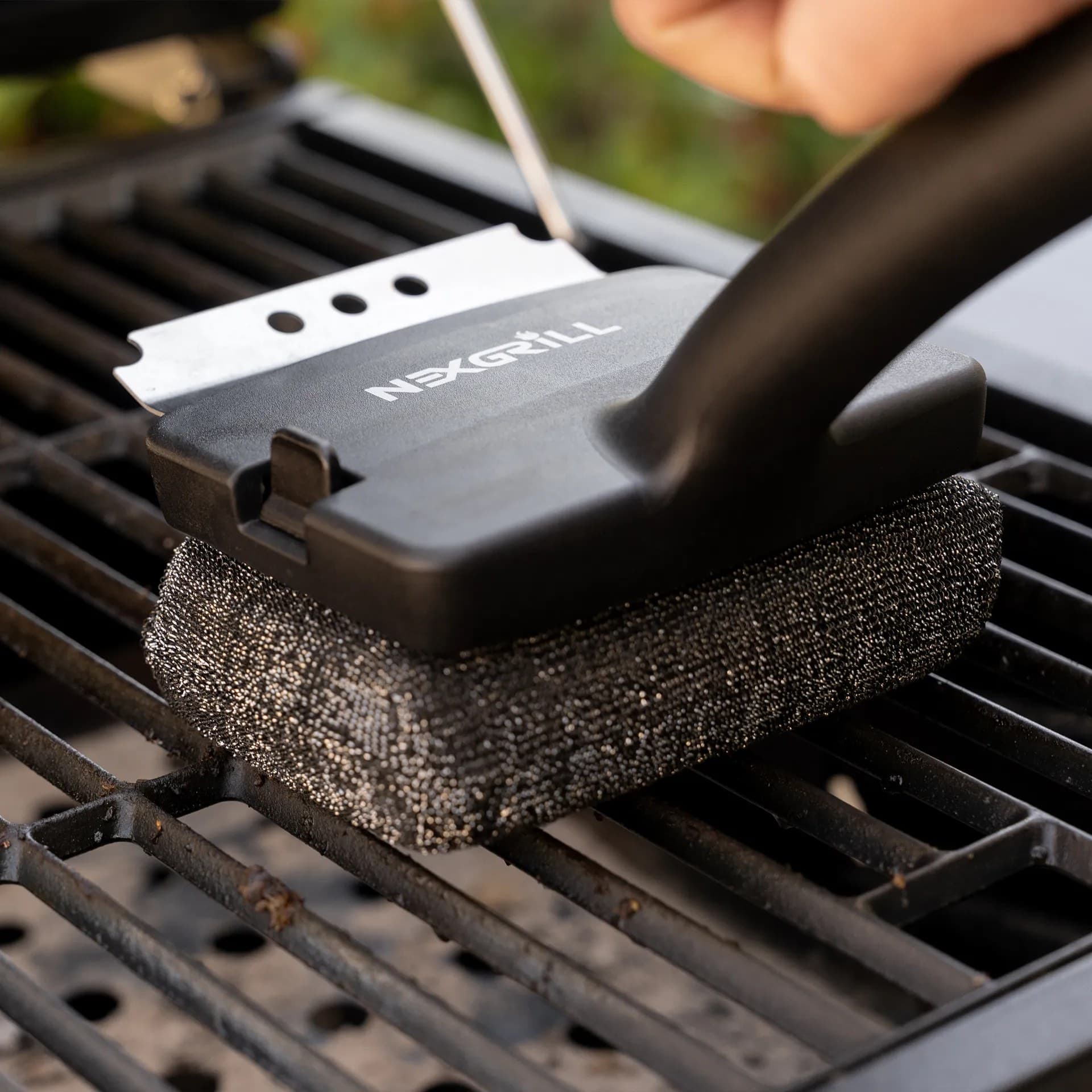
Before storing your patio heater, a thorough cleaning is essential. Over time, debris, dust, and even insects can accumulate, affecting the heater's performance. Begin by disconnecting the power source or propane tank to ensure safety. Use a soft brush to remove dust from the exterior and a damp cloth to wipe down surfaces.
For gas heaters, check the burner for any blockages. Removing the burner cover and cleaning it with a mild detergent can help prevent clogs. Electric heaters require less intensive cleaning but still benefit from a gentle wipe-down to remove dust.
Warning: Always ensure the heater is cool and disconnected before cleaning.
Choosing the Right Storage Location
Proper storage is crucial to protect your patio heater from the elements. Ideally, store your heater in a dry, sheltered location such as a garage or shed. If indoor storage isn't an option, invest in a high-quality weather-resistant cover to protect it from rain and snow.
Ensure the storage space is free from moisture to prevent rust and corrosion. Additionally, keeping the heater slightly elevated off the ground can help avoid water damage. Consider using pallets or blocks to lift the heater, ensuring good air circulation around it.
Preparing Your Heater for the Upcoming Season
As the season changes and the need for warmth increases, preparing your heater for use is essential. Start by inspecting the heater for any visible damage that might have occurred during storage. Check connections, hoses, and any electrical components for signs of wear or corrosion.
Reattach any removed parts, such as gas cylinders or power cords, ensuring they are secure. Perform a test run to check for proper ignition and heat output. This proactive approach will help identify any issues before they become significant problems, ensuring a warm and comfortable outdoor environment.
Info: Regular testing and inspection can prevent unexpected breakdowns during colder months.
Try comparing two products side by side below to see which fits best:
Inspecting for Damage and Wear
Inspecting your patio heater for damage and wear is a crucial step in seasonal maintenance. Begin by checking for any visible dents, scratches, or signs of rust on the exterior. These can indicate underlying issues that may affect the heater's performance. Pay special attention to the burner and ignition system, as these are critical components for effective heating.
Look for signs of wear in hoses and connections, especially if your heater uses propane or natural gas. Cracks or leaks can lead to safety hazards and should be addressed immediately. Ensure that all components are properly secured and in good working condition.
Protective Covers and Their Benefits
Investing in a protective cover for your patio heater can offer significant benefits. Not only does it shield the heater from weather elements, but it also helps prevent dust and debris accumulation. When selecting a cover, ensure it is made from durable, weather-resistant material that fits snugly over your heater. Understanding Patio Heater Cover Pricing can aid in your decision.
A well-fitted cover will keep moisture out, reducing the risk of rust and corrosion. It also protects the heater's finish and prolongs the lifespan of the appliance. Consider covers with ventilation features to prevent condensation buildup.
Tip: A good cover is an investment in the longevity and efficiency of your heater.
Final Setup Tips for a Successful Season
As you prepare to use your patio heater for the season, follow these final setup tips to ensure a successful start. Begin by reviewing the manufacturer's instructions to confirm all setup procedures. Ensure the heater is placed on a stable, level surface to prevent tipping.
Check that all connections are tight and secure. If using a gas heater, make sure the gas cylinder is properly attached and leak-free. For electric heaters, ensure the power source is compatible and functioning correctly. Test the heater in a controlled environment to verify that it operates smoothly and efficiently.
Common Mistakes to Avoid
Avoiding common mistakes can make a significant difference in the performance and lifespan of your patio heater. One frequent mistake is neglecting to clean the heater before storage, which can lead to blockages and reduced efficiency. Always ensure the heater is clean and dry before covering and storing it.
Another common error is skipping regular inspections. Regular checks help identify potential problems early, preventing costly repairs later. Finally, always use the heater as intended and follow the manufacturer's guidelines to avoid voiding warranties or causing damage.
Warning: Improper use and lack of maintenance can lead to safety hazards and decreased heater performance.