Explore the costs, types, and benefits of patio heater covers to protect your investment.

Here's what sets us apart from the competition
We position ourselves as delivering high-end outdoor cooking features and performance without premium-brand pricing, emphasizing “Quality Grills. Unbelievable Value.”
We offer gas grills, pellet grills, griddles, smokers, pizza ovens, portable/tabletop grills, electric grills, accessories, and replacement parts — allowing customers to stay within one ecosystem for all outdoor cooking needs.
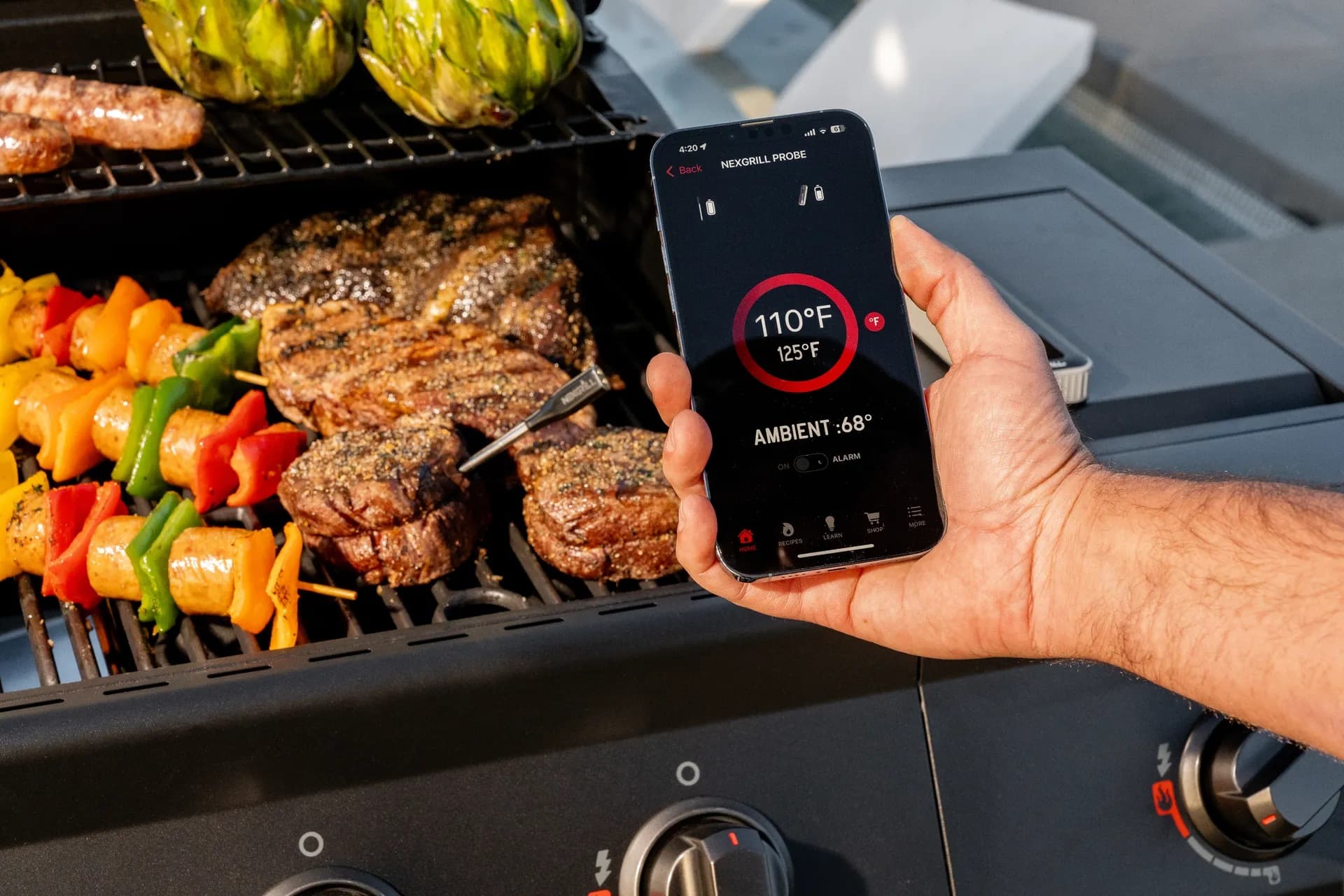
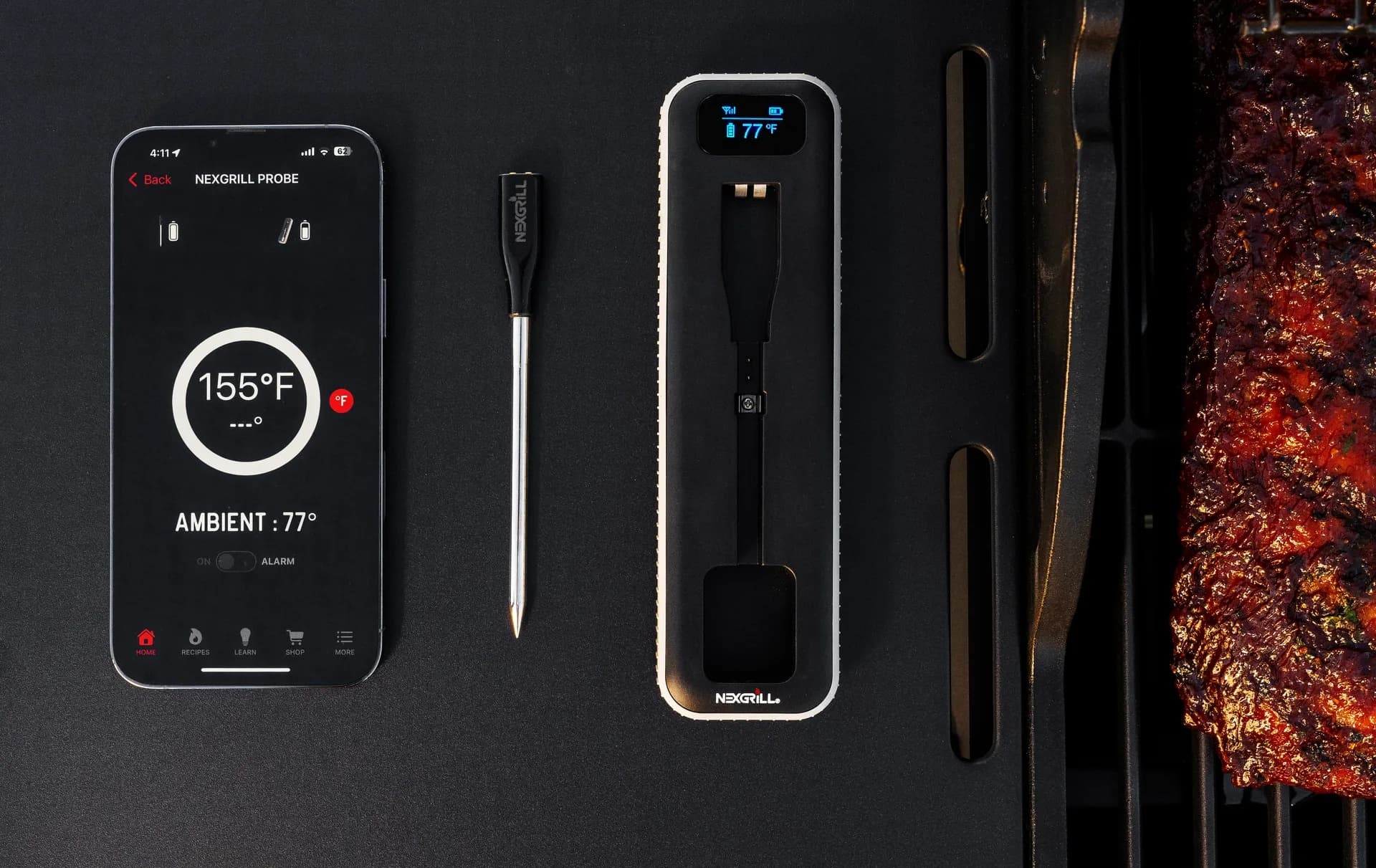
We differentiate ourselves through smart grilling products like the Oakford smart pellet grill, including app-connected cooking controls and modern outdoor cooking technology.

Expert tips, buying guides, comparisons, and inspiration for choosing and getting the most out of your grill.

Practical guides for cleaning, maintenance, common grill issues, and performance optimization.

Step-by-step grilling recipes, cooking techniques, and meal ideas for every occasion and skill level.

Backyard entertaining ideas, seasonal grilling inspiration, and stories that celebrate outdoor cooking culture.

Helpful articles covering grilling tools, cookware, maintenance gear, and must-have accessories for outdoor cooking.

Find griddle recipes, cooking techniques, cleaning tips, and outdoor meal ideas designed for Nexgrill griddles.
Find answers to common questions
Nexgrill offers a variety of accessories including grill tools, covers, cooking utensils, and replacement parts designed to enhance your grilling experience.
Many Nexgrill accessories are widely compatible with various grill brands, but it is recommended to check the specifications for proper fit and functionality.
To maintain your Nexgrill accessories, regularly clean them with warm soapy water, avoid using abrasive materials that could scratch the surface, and store them in a dry place when not in use.
Yes, Nexgrill accessories can be purchased separately from the grills, allowing customers to customize their grilling setup as needed.
Instructions for using Nexgrill accessories are typically included in the packaging, and additional resources can be found on the Nexgrill website or in the product user manuals.
In This Article
Price Ranges
Material Types
Brand Comparisons
A patio heater cover is one of those accessories that often gets overlooked until a heater starts showing signs of wear. For homeowners who use a freestanding propane patio heater on a deck, patio, or poolside space, a cover is not just a storage add-on; it is a practical barrier against moisture, dust, UV exposure, pollen, and the grime that tends to collect outdoors between uses. In many U.S. backyards, the real cost of a patio heater cover is best understood alongside the cost of replacement parts, cleaning time, and premature wear on the heater itself. A well-chosen cover can help a heater look better, stay cleaner, and be ready when the season swings back into evening entertaining.
The price of patio heater covers can vary more than many shoppers expect because the category includes everything from basic vinyl slipcovers to heavier, weather-resistant covers with zipper closures, venting panels, reinforced seams, and fitted dimensions for different heater shapes. The lowest-priced options tend to target light seasonal use or short-term storage, while midrange and premium covers are built for owners who leave the heater outdoors longer or want better long-term protection. This is why it helps to think of cover pricing as part material choice, part fit, and part durability. In Nexgrill’s outdoor-cooking ecosystem, where practical value matters just as much as performance, the same buying logic applies to accessories: buy for the conditions you actually face, not just the sticker price.
If your heater stays outside through shoulder seasons, a properly fitted cover usually delivers better value than replacing a weather-stained unit early.
When comparing patio heater cover prices, buyers should also think about the environment. A covered porch in Arizona creates a very different wear profile than an uncovered patio in the Midwest with snow, freezing rain, and wind-driven debris. That difference matters because a cover that is only slightly better than a tarp can trap moisture or flap loose in the wind, while a purpose-built cover with the right fit and ventilation can help protect the finish, burner housing, reflector, and control area. For many shoppers, the true value is not just protection from rain, but reduced cleanup before every use.Buy patio heaters specifically designed to withstand various weather conditions and ensure durability.
Another reason this topic matters is that the cover itself affects how easy the heater is to own. A cover that is too tight can be frustrating to put on and remove, which means it may not get used consistently. A cover that is too loose can pool water, catch wind, or tear sooner. Paying attention to dimensions, closure style, and material thickness is often more useful than chasing the cheapest option on the shelf. In practical terms, a modest increase in price may be worth it if the cover is easier to install and better suited to your heater’s shape.
In the U.S. market, patio heater covers commonly fall into three informal price tiers. Basic covers often start around the low teens to the mid-$20s USD, especially for thin polyester or vinyl options sold through mass merchants and marketplaces. These are usually suitable for light seasonal protection or for users who store the heater in a sheltered area. Midrange covers often land in the roughly $25 to $50 USD range and may include better stitching, UV resistance, water-repellent coatings, and more secure closures. Premium covers can rise above $50 USD and sometimes reach the $70 to $100 USD range when the material is heavier, the fit is more specialized, or the brand includes additional design details such as reinforced handles, air vents, or stronger fastening systems.
A practical U.S. shopping range for many patio heater covers, with premium models above that depending on size and construction.
Retailer pricing helps illustrate the spread. Home Depot and Lowe’s both carry patio heater cover selections that typically span entry-level to better-built protective covers, while Amazon and Walmart often show a wider range of third-party sellers, which can increase choice but also increase variation in quality. Gardeners tends to feature garden and outdoor-living accessories that skew toward more design-conscious buyers. Because these retailers update pricing frequently, seasonal promotions often matter. Late winter, early spring, and end-of-season fall markdowns are the most common times to see discounts, especially when retailers are clearing weather-specific stock before the next outdoor season.
Several factors push price up or down. Material is the biggest one: heavier polyester, coated Oxford fabric, and multi-layer weather-resistant textiles usually cost more than light vinyl. Fit also matters. A cover tailored for a tall mushroom-style patio heater may cost more than a simple one-size-fits-most tube cover because patterning and material use are more precise. Closures can add cost too; zippers, adjustable hems, buckles, and drawcords are more secure than an open slip-on design. Some shoppers pay extra for UV protection because sun exposure can crack cheaper covers over time, especially in sunny U.S. regions. In short, the listed price often reflects how long the cover is expected to last and how much labor went into making it easier to use.
| Price tier | Typical materials | What you usually get |
|---|---|---|
| Under $25 USD | Light polyester or vinyl | Basic weather protection, simpler fit, fewer reinforcement details |
| $25-$50 USD | Heavier polyester, coated fabric | Better seams, improved water resistance, more secure closures |
| Above $50 USD | Premium coated textiles, reinforced materials | Better durability, stronger fit, venting or added weather protection |
Patio heater covers are not all built the same, and the type you choose can affect both price and usefulness. The most common style is the full-length freestanding heater cover, designed to wrap around the pole, burner housing, and reflector top of a mushroom-style patio heater. This is the most practical choice for most homeowners because it shields the entire unit from top to bottom. These covers tend to be priced in the middle of the market when made with durable fabric and a shaped fit, because they use more material than a simple accessory cover.
A second category includes universal-fit covers, which are often marketed as widely compatible with different heater brands and sizes. These usually cost less, but the trade-off is fit accuracy. If you own a patio heater with a nonstandard head or base, a universal option may be easier to source and cheaper to buy, but it may not wrap tightly enough to prevent wind from working underneath it. That can be acceptable for protected storage, but less ideal for exposed patios. Buyers should treat “one size” claims carefully and compare actual dimensions against the heater’s height and width.
There are also heavy-duty winter covers, which are designed for off-season storage and harsher weather. These tend to use thicker fabric, deeper hems, and stronger closures. They cost more because they are meant to survive more abuse, and their value rises quickly in areas with snow, ice, or frequent storms. For a heater that lives on an open deck in a coastal or mountain climate, this type of cover may be the smarter purchase even if the upfront price is higher.
Finally, some owners use compact storage covers or partial protective sleeves for just the burner head or certain components. These are usually the least expensive, but they provide the least complete protection. They can make sense for indoor storage or for supplemental coverage under a porch roof, yet they are not a substitute for a full patio heater cover in exposed conditions. When reading product pages, the key detail is not just the type name but whether the cover is designed for full outdoor exposure, seasonal storage, or light dust protection.
A cheaper cover can cost more in the long run if it tears, traps moisture, or fails to fit the heater you already own.
The clearest benefit of a patio heater cover is protection from weather exposure, but that is only part of the story. Covers help preserve the heater’s appearance by reducing rust spots, fading, dust buildup, and the grime that settles on outdoor equipment between uses. For homeowners who want their patio to look clean and ready for guests, a cover makes a heater feel less like a seasonal appliance and more like a maintained part of the outdoor living space. That is especially valuable when your heater is visible from a dining area, pool deck, or covered entertaining zone.
A good cover can also extend the practical life of the heater by protecting high-exposure areas such as the reflector hood, control knob area, and base. Even when a patio heater is built for outdoor use, constant sun, moisture, and dust still take a toll. Reducing that exposure may help slow down surface deterioration and limit the kind of cosmetic wear that makes owners replace equipment sooner than necessary. In cost terms, a cover priced at $30 to $50 USD can feel modest when compared with replacing a heater or dealing with avoidable cosmetic damage after one rough season.
There is also a convenience benefit. When the heater is already covered and cleaned, it takes less time to bring it back into use for a cool evening. You are not spending the first ten minutes wiping dust, checking for debris, or wondering whether moisture got into the ignition area. That convenience matters for real households, especially those who use their patio heater only part of the year. A cover supports a better ownership habit because it makes the heater easier to store properly, and what gets stored well is usually used more often.Discover the benefits of owning a patio heater cover for maintaining your space.
User sentiment reflected across retailer listings is consistent on one point: buyers value covers that are easy to put on and remove, and they are willing to pay more when the fit feels secure. Reviews frequently favor covers that stay in place during wind and resist cracking after sun exposure, while complaints often center on thin fabric and flimsy seams. That pattern is useful because it points back to the central buying rule for this category: the best value is usually the cover that balances price, fit, and durability instead of the one with the lowest upfront cost.
Try comparing two products side by side below to see which fits best:
Once you've weighed two options against each other, the next step is figuring out whether a brand’s price actually matches the protection it promises. In the patio heater cover category, brand differences are often less about flashy features and more about fit consistency, fabric weight, seam quality, and how clearly the product listing explains dimensions. That is why the same-looking cover can cost very different amounts from one retailer to another. A cover sold through a big-box retailer may be priced for broad accessibility, while a marketplace listing may be cheaper upfront but less predictable in durability. The best comparison is the one that looks beyond the headline price and asks what the buyer is getting for that number.
Home Depot and Lowe’s generally provide the most familiar retail experience for shoppers who want to compare patio heater covers in a structured way. Their selections tend to emphasize mainstream sizes, clearer category organization, and the ability to filter by material or finish. Amazon gives the broadest spread of listings, which can be useful if you need a less common size or want to compare multiple price points quickly. Walmart often sits in a value-focused middle ground, where shoppers can find lower-cost options but should still inspect materials carefully. Gardeners usually appeals to buyers who are comfortable paying a bit more for outdoor-living accessories that feel more curated. None of these retailers is automatically better; the right choice depends on whether you want predictability, selection, or price flexibility.
| Retailer | Typical price behavior | Best for |
|---|---|---|
| Home Depot | Midrange pricing with seasonal markdowns | Shoppers who want a straightforward selection and familiar sizing |
| Lowe’s | Similar midrange pricing, often competitive during promo periods | Buyers comparing value and local store availability |
| Amazon | Wide range from low-cost to premium third-party listings | Shoppers who want maximum selection and fast comparison |
| Walmart | Value-oriented pricing, often entry to midrange | Budget-conscious buyers and quick online pickup options |
| Gardeners | Often slightly higher, curated outdoor-living pricing | Buyers prioritizing specialty garden and patio accessories |
Seasonal discount timing is one of the easiest ways to save money on a patio heater cover. The most common sale windows in the United States are late winter, early spring, and end-of-season clearance in fall. That is when retailers want to move accessory inventory before demand shifts. Shoppers can also find better prices when patio heaters themselves go on sale, since retailers often bundle or discount associated accessories at the same time. If you are not in a hurry, waiting a few weeks can make a meaningful difference. For a category where many covers sit in the $25 to $60 USD range, even a 15% to 25% discount can be worthwhile.
The best seasonal buys usually appear when outdoor heating demand drops, not when the first cold snap hits and everyone suddenly shops at once.
When it comes to quality, the most useful brand signals are stitching density, weather resistance claims, closure type, and whether the dimensions are clearly published. Reviews can help, but they are most useful when they mention the same use case you have: full outdoor exposure, covered patio storage, or winter storage. A five-star review from someone using the cover in a screened porch is not the same as a five-star review from a homeowner leaving it outside through rain and wind. That distinction matters because patio heater cover pricing often reflects use conditions more than a brand name alone.
The easiest way to get good value from a patio heater cover is to make sure it fits correctly from the start. Before buying, measure the heater from base to top and note any wider sections around the reflector or burner hood. Many returns happen because the buyer guessed at the size rather than checking the actual dimensions. If the cover is meant to slip over a tall mushroom-style heater, it should drop far enough to protect the base while still allowing room for the top without stretching the fabric. A snug but not strained fit usually performs better than an overly tight cover that is hard to use every time you store the heater.
Installation is usually simple, but the sequence matters. The heater should be cool, dry, and free of loose debris before the cover goes on. If the fabric is slightly damp, you are creating the exact moisture environment that outdoor covers are supposed to prevent. On windy days, secure the bottom fastening first if the design allows it, then smooth the material upward to reduce air pockets. If the cover has a zipper, run it slowly and avoid forcing it through a misaligned seam. If it uses a drawstring or buckle, adjust it enough to prevent flapping without overtightening and stressing the fabric.
Maintenance for the cover itself is just as important as maintenance for the heater. Most patio heater covers can be wiped down with a soft cloth and mild soap solution. Heavy scrubbing is unnecessary and can shorten the life of coatings that help repel water. Let the cover air-dry completely before storing it away. If it stays outdoors year-round, check it periodically for seam wear, UV fading, or pooled water after storms. Small issues caught early are usually easier and cheaper to address than waiting until the cover fails during the season you need it most.
Do not store a covered heater while the heater or the cover is still damp; trapped moisture is one of the fastest ways to undermine the value of the cover.
If you only use your patio heater a few times each year and store it indoors most of the time, a lower-priced cover in the under-$25 USD range may be enough. If your heater lives outside on an open deck or you expect it to face wind, dust, and repeated weather exposure, a midrange or premium cover is the smarter choice. For shoppers who value convenience and a cleaner backyard presentation, spending more on a secure, easier-to-install cover often pays off in reduced hassle. This is also the right accessory for anyone who wants to preserve a patio heater that already fits the size and style of their outdoor space, rather than replacing it prematurely because of cosmetic wear.
A patio heater cover may seem like a small purchase, but it often plays an outsized role in protecting an outdoor heating setup. The price you pay should reflect not only the cover’s material and fit, but also the climate where it will be used and how often the heater remains outside. For many U.S. households, the sweet spot is a midrange cover that balances durability, weather resistance, and ease of use without drifting into unnecessary premium pricing. That approach fits the practical mindset of outdoor living: spend where the protection matters, and avoid overpaying for features you will not use.
If you are shopping during a seasonal sale, it is worth comparing similar covers across Home Depot, Lowe’s, Amazon, Walmart, and Gardeners before buying. The lowest tag price is not always the best deal when a thinner fabric or weak closure needs to be replaced sooner. Instead, look for clear dimensions, reliable closure details, and material descriptions that match your climate and storage habits. That is the path to better value and less frustration over time.
Here's what sets us apart
We position ourselves as delivering high-end outdoor cooking features and performance without premium-brand pricing, emphasizing “Quality Grills. Unbelievable Value.”
We offer gas grills, pellet grills, griddles, smokers, pizza ovens, portable/tabletop grills, electric grills, accessories, and replacement parts — allowing customers to stay within one ecosystem for all outdoor cooking needs.
We differentiate ourselves through smart grilling products like the Oakford smart pellet grill, including app-connected cooking controls and modern outdoor cooking technology.
Don't just take our word for it
Keep reading
From our catalog