Unlock the secrets to flawless summer grilling with expert advice and practical techniques.
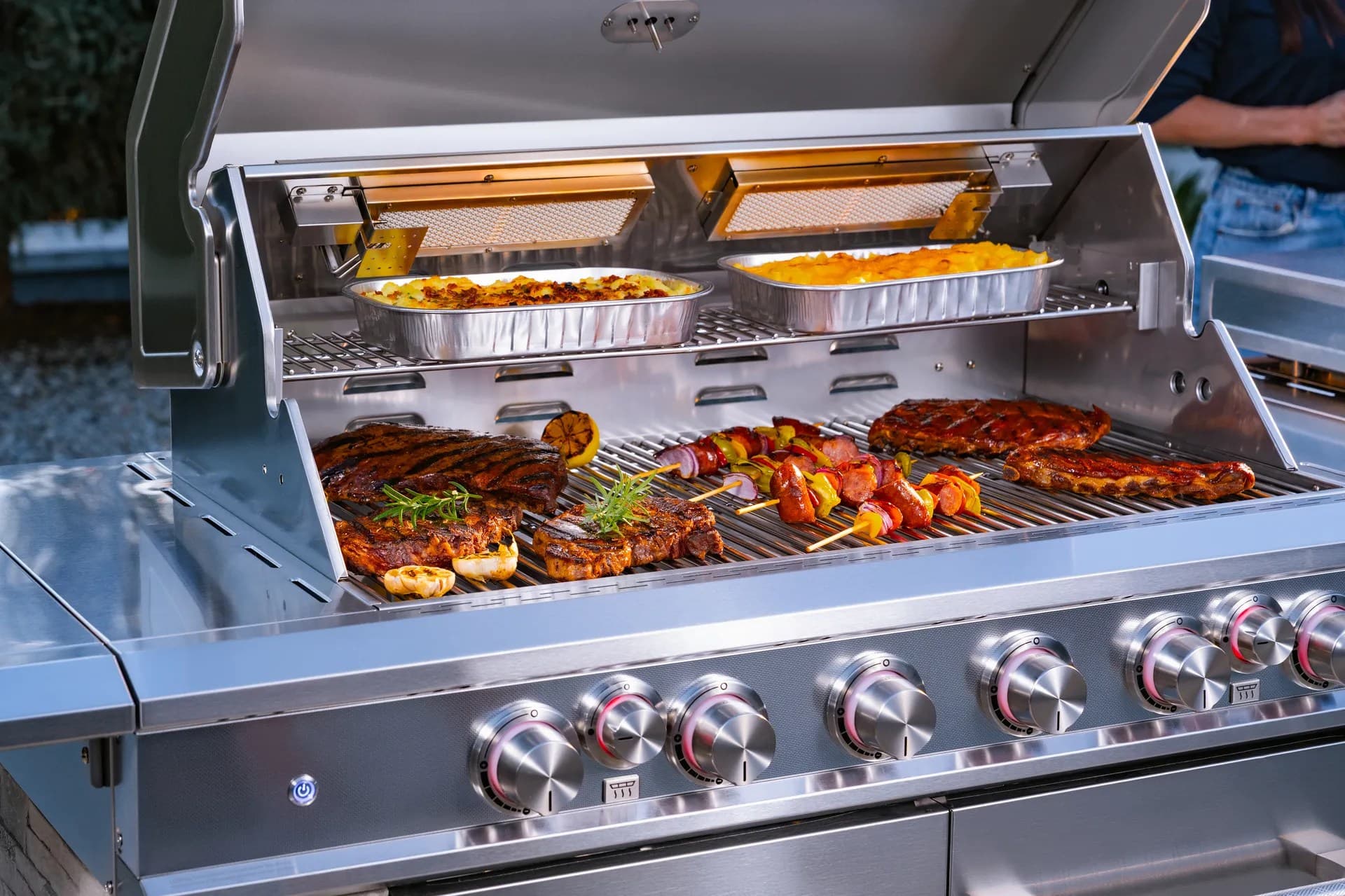
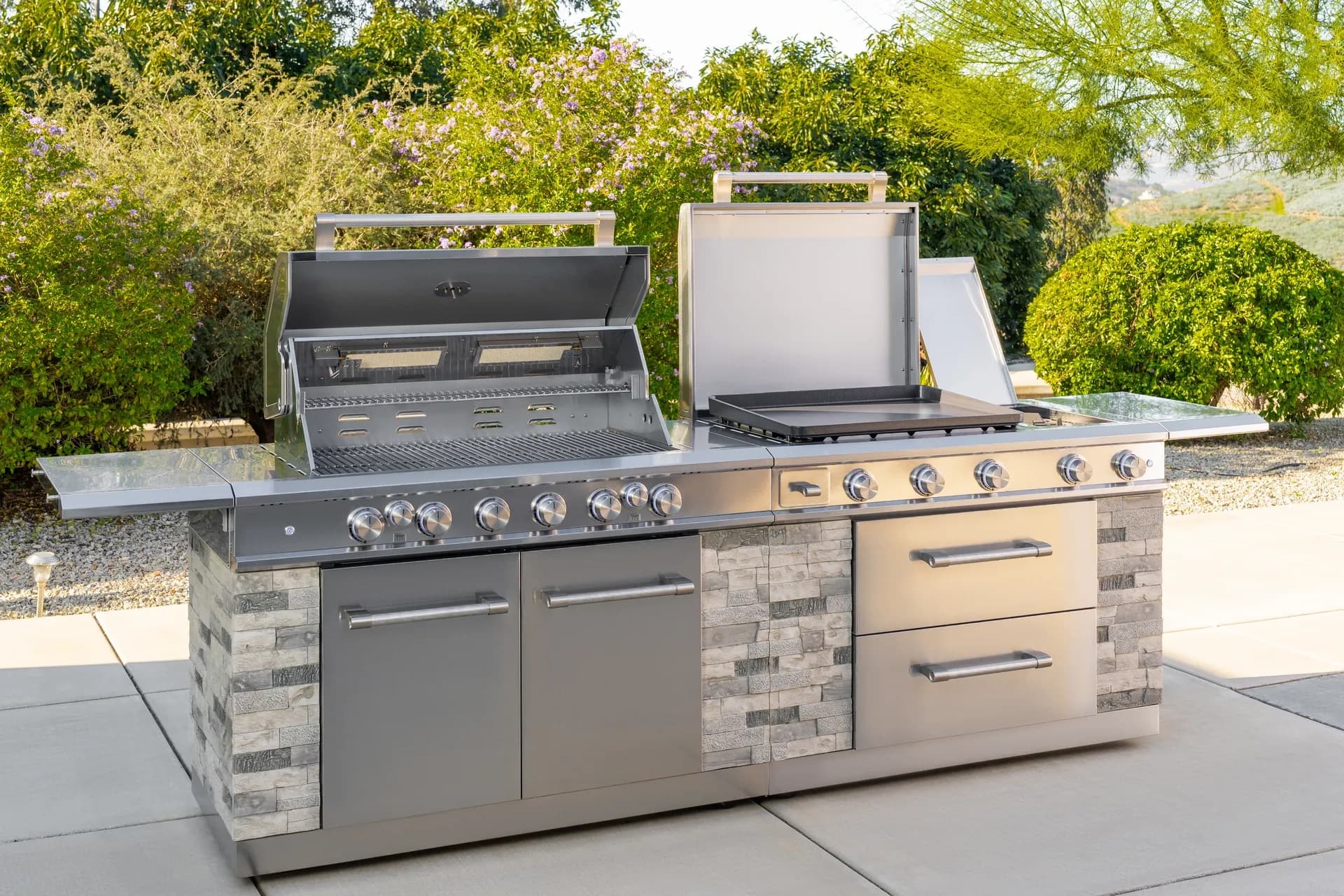
From sizzling breakfasts to smash burgers and teppanyaki-style dinners, the Daytona Pro 5 Burner NitroGuard™ Griddle delivers powerful heat, fast cooking, and a durable cooking surface built for every backyard cookout. Watch how easy outdoor cooking can be.
Here's what sets us apart from the competition
We position ourselves as delivering high-end outdoor cooking features and performance without premium-brand pricing, emphasizing “Quality Grills. Unbelievable Value.”
We offer gas grills, pellet grills, griddles, smokers, pizza ovens, portable/tabletop grills, electric grills, accessories, and replacement parts — allowing customers to stay within one ecosystem for all outdoor cooking needs.
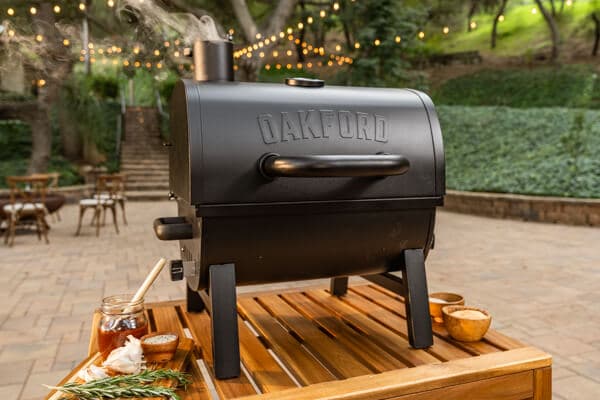
We differentiate ourselves through smart grilling products like the Oakford smart pellet grill, including app-connected cooking controls and modern outdoor cooking technology.
Expert tips, buying guides, comparisons, and inspiration for choosing and getting the most out of your grill.
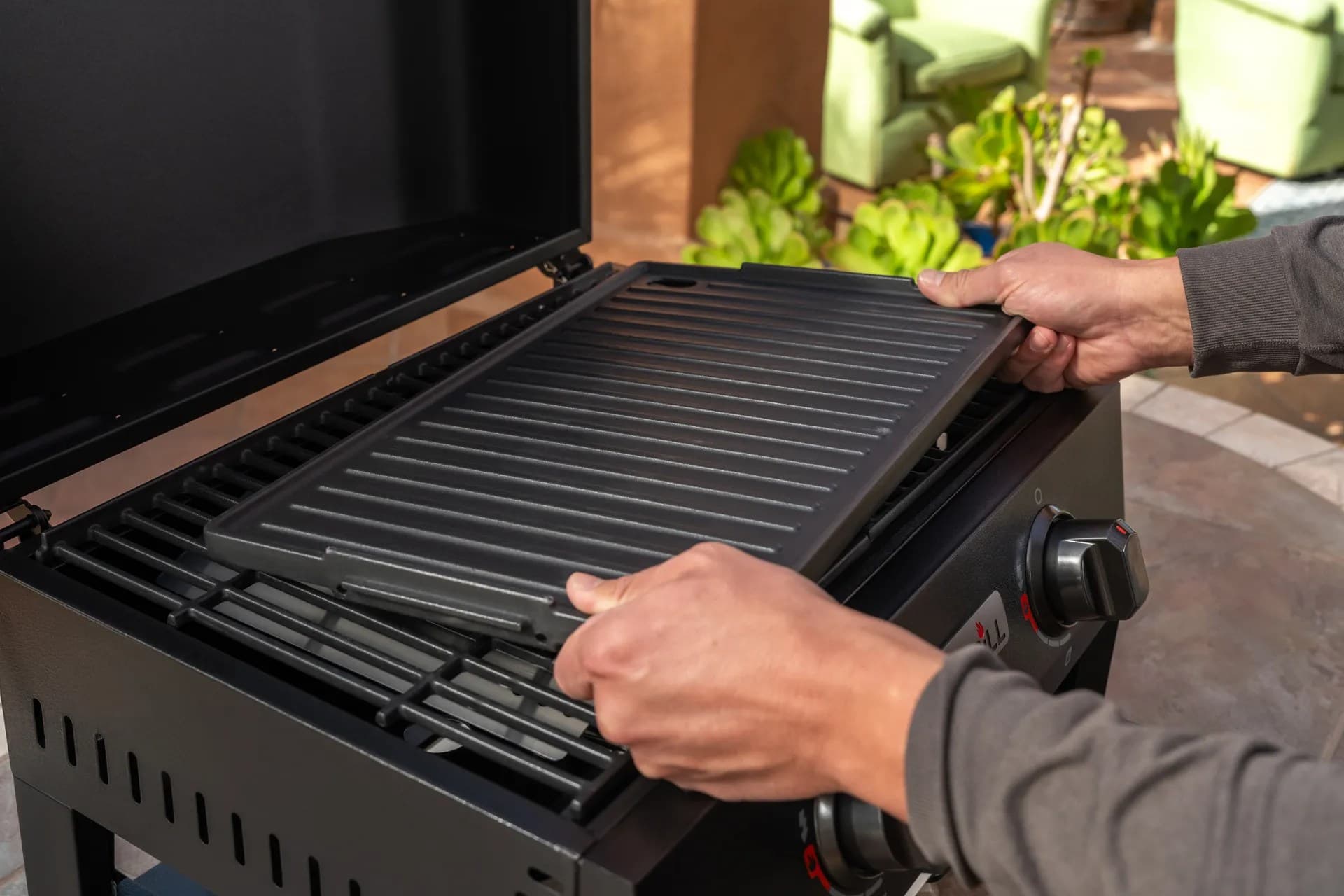
Practical guides for cleaning, maintenance, common grill issues, and performance optimization.
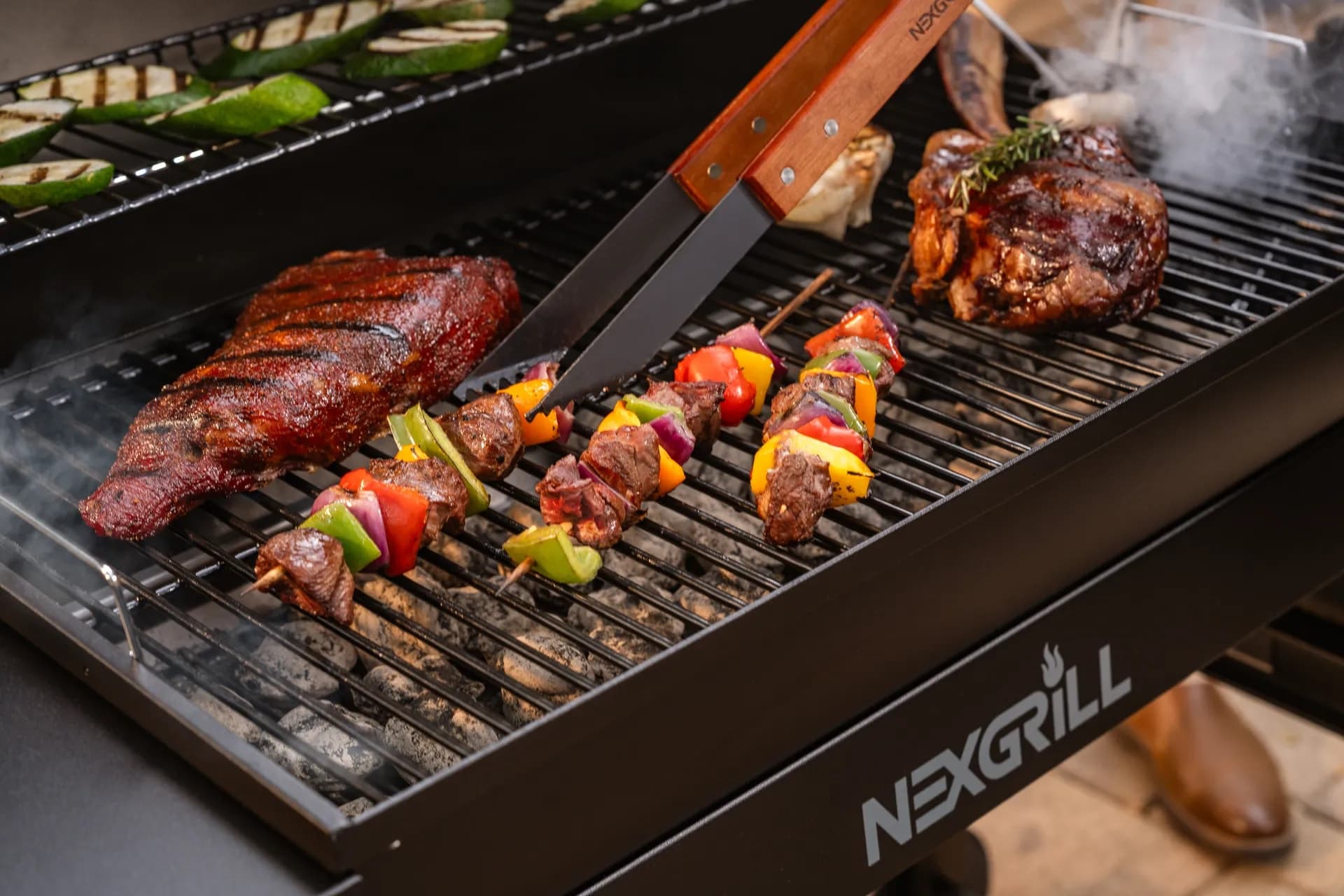
Step-by-step grilling recipes, cooking techniques, and meal ideas for every occasion and skill level.
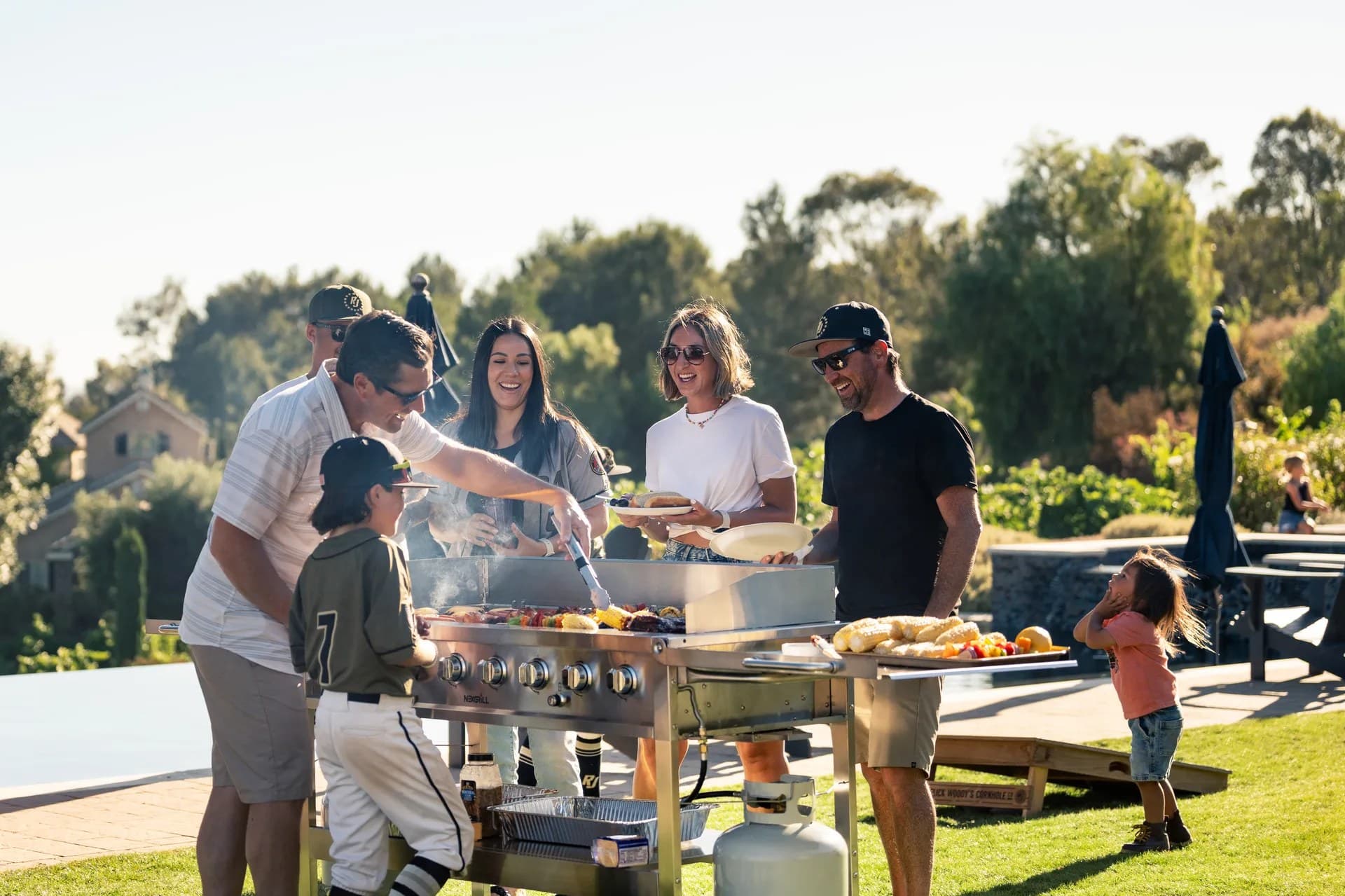
Backyard entertaining ideas, seasonal grilling inspiration, and stories that celebrate outdoor cooking culture.
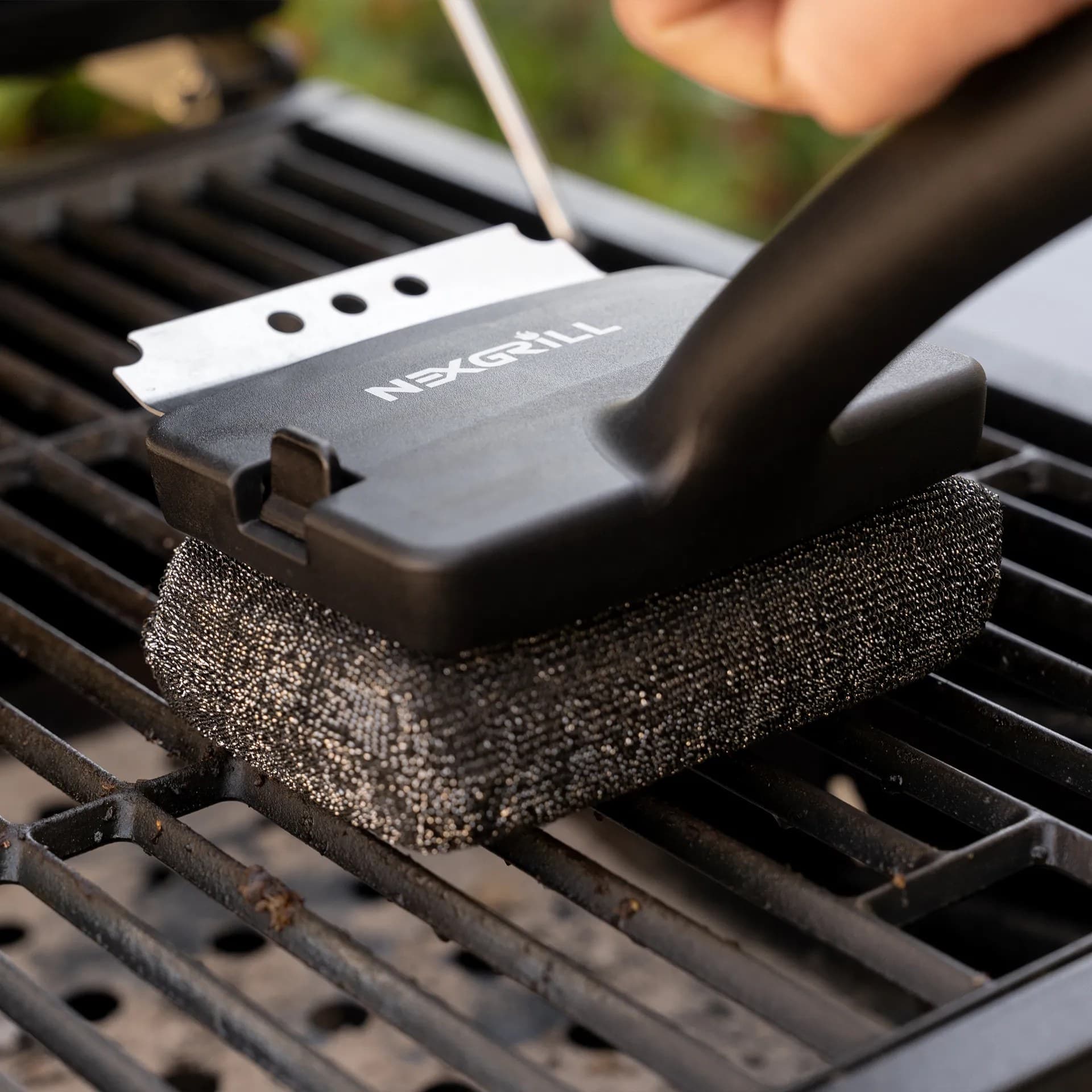
Helpful articles covering grilling tools, cookware, maintenance gear, and must-have accessories for outdoor cooking.
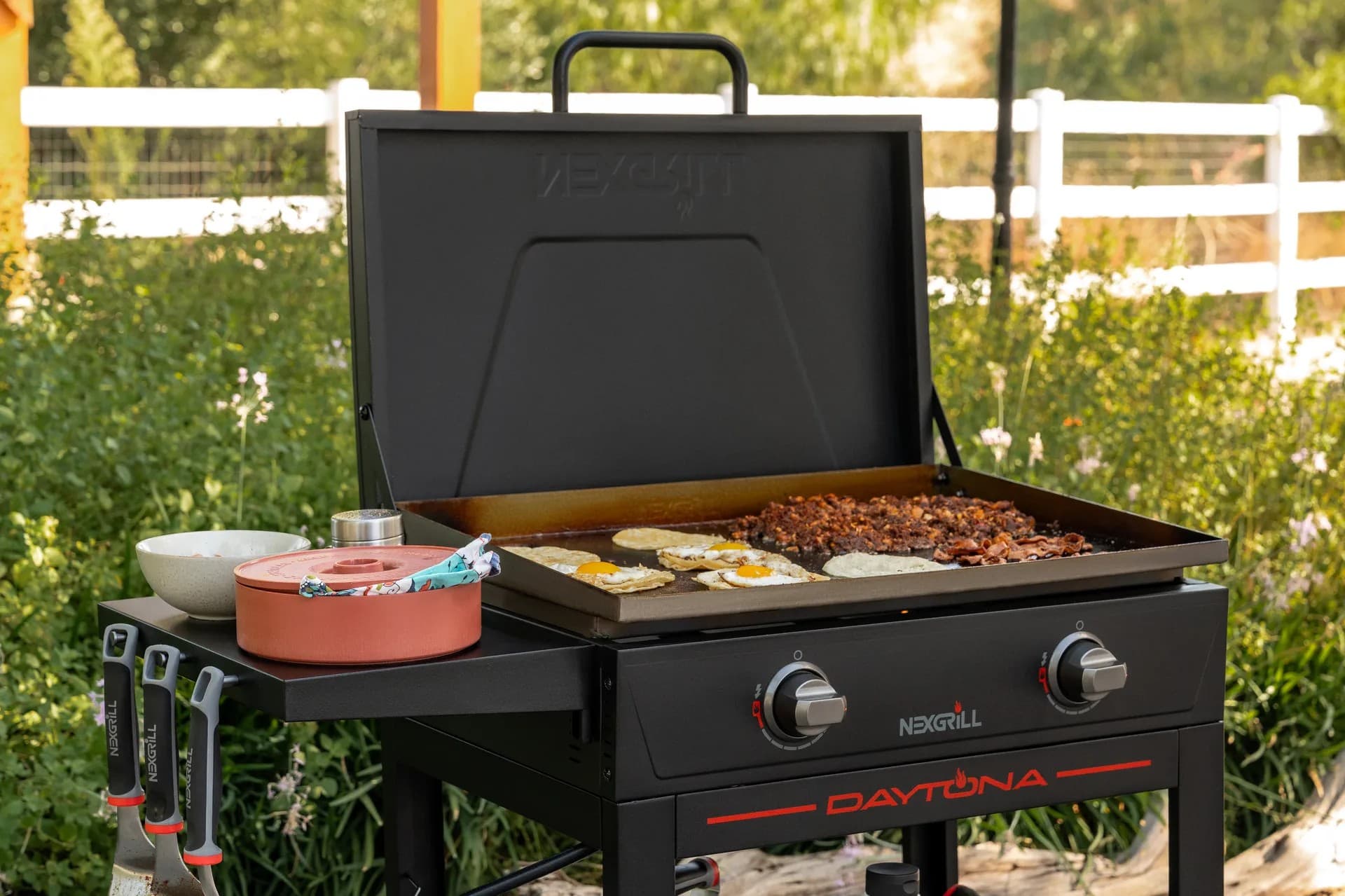
Find griddle recipes, cooking techniques, cleaning tips, and outdoor meal ideas designed for Nexgrill griddles.
Find answers to common questions
Gas grills provide instant heat and precise temperature control, making them easier to use. Charcoal grills offer a smoky flavor and high heat for searing but require more time to heat up and manage.
Pellet grills combine the convenience of gas with the flavor of wood, allowing for smoking, baking, and grilling. Traditional gas grills, however, are quicker to start and often easier to clean.
Charcoal grills typically reach higher temperatures quicker than gas grills, making them better for searing meat. However, high-quality gas grills can also provide adequate heat for effective searing.
Nexgrill offers models designed specifically for gas, charcoal, and pellets, allowing users to choose based on their cooking style and flavor preferences. Each type is built to optimize the characteristics of its respective fuel.
Choosing between gas and charcoal grills depends on your cooking preferences and lifestyle. If you value convenience and quick cooking, a gas grill may suit you better; if you prefer the taste and experience of traditional grilling, a charcoal grill would be ideal.
In This Article
Grill Preparation
Temperature Control
Food Safety
Summer grilling works best when it feels effortless, but the strongest backyard cooks know it is never just about lighting burners and hoping for the best. The difference between an average cookout and a memorable one usually comes from a few disciplined habits: setting up the grill properly, reading heat correctly, choosing foods that suit the season, and keeping safety in view while everyone else is focused on the menu. Nexgrill’s brand philosophy is built around that kind of shared experience, where the grill is a gathering point and the meal is something people enjoy together, not a performance reserved for experts. That perspective matters in summer, when the stakes are often higher because you are cooking for a crowd, feeding kids who want food now, and trying to get great results before the evening breeze or daylight changes the pace.
The best grilling tips for summer are practical rather than flashy. They help you avoid dry chicken, scorched vegetables, undercooked centers, and greasy flare-ups that can interrupt dinner at exactly the wrong moment. They also help you plan the cook around real-world conditions in the United States, where a July backyard barbecue in Phoenix behaves very differently from a humid August cookout in Florida or a windy evening on a Midwest patio. A good summer grill strategy accounts for that variability instead of pretending every cook happens under ideal conditions. That is why this guide focuses on habits you can actually use: prepping the grate and burners, managing zones, seasoning food with intention, and choosing techniques that match the ingredient rather than forcing everything onto the same hot surface.
Core summer grilling disciplines covered here: prep, heat, flavor, technique.
If you are a casual griller, this article will give you a repeatable framework that reduces guesswork. If you already know your way around a gas grill, it will help you tighten the details that separate good cooks from consistently great ones. And if your summer menu leans toward everything from bone-in chicken and fish to corn, peaches, or marinated steak, you will find tactics that make those foods easier to time and easier to serve well. The guiding idea is simple: summer grilling should be flexible, welcoming, and confident, not stressful. That is the sweet spot where flavor, timing, and hospitality meet.
Before the first serious cook of the season, give your grill a reset. Summer grilling exposes equipment to higher heat, more frequent use, and more contact with grease, salt, and sugary marinades. Even if the grill looked fine when you covered it in spring, a quick inspection can save you from uneven heating or a flare-up when guests are already at the table. Start with the cooking grates, flavor bars or heat shields, grease tray, ignition area, and burner ports. If you are using a gas grill, make sure all connections are secure and that the burners light evenly across the full length. If one side is dramatically hotter than the other, that is not just a cooking inconvenience; it changes how you handle everything from burgers to vegetables.
A proper season-start cleaning is not just cosmetic. Grease buildup changes airflow and can create hot spots that are hard to control. Remove loose debris, scrape the grates, empty the grease collection area, and check for blockages around burner openings. If you cook often, repeat a lighter version of this process every few sessions rather than waiting until the grill looks visibly dirty. The goal is consistency. A clean grill responds to temperature changes more predictably, which is exactly what you want when you are cooking on a summer schedule and trying to coordinate several dishes at once.
It also helps to stage your tools before cooking. Keep tongs, a spatula, a thermometer, a clean platter, and oil ready before the food goes on. Summer grilling often becomes chaotic because the cook is moving back and forth between the grill and the kitchen. A better habit is to set up the cooking zone like a workstation. That way you are not trying to find a thermometer while chicken skin is charring or vegetables are over-softening.
Info: A clean grate and a clean grease tray are two of the easiest ways to improve both flavor and control before the season gets busy.
| Task | Why it matters | When to do it |
|---|---|---|
| Inspect burners and ignition | Helps prevent uneven flame and startup issues | Before the first summer cook |
| Scrape and clean grates | Improves searing and reduces sticking | Before every major cookout |
| Empty grease tray | Reduces flare-up risk | Frequently in hot-weather use |
| Verify fuel level | Prevents mid-cook interruptions | Before every gathering |
Temperature control is the heart of summer grilling because the season encourages a mix of fast-cooking foods and longer, more delicate dishes. The mistake many people make is treating the grill like a single-temperature machine. In reality, a dependable summer cook depends on zones. One side can be hot for searing steak or shrimp; another can run medium for chicken thighs; a cooler section can hold vegetables or finished food while the rest of the meal catches up. That approach gives you breathing room, which is essential when dinner includes more than one protein or when guests arrive in waves.
Preheating matters more than most people think. A grill that has not fully heated will make food stick, weaken sear marks, and extend cooking times unpredictably. For gas grills, give the grates enough time to stabilize before the food goes on. For charcoal, wait until the coals are properly ashed over and the heat feels even across the bed rather than concentrated in a few bright pockets. The useful habit is to judge readiness by the cooking surface and the behavior of the heat, not just by looking at flames.
Thermometers are your best ally in summer. They remove the guesswork from thicker cuts like chicken breast, pork chops, and bone-in thighs, and they help you avoid overcooking because of carryover heat. In warm weather, that carryover can be more noticeable than expected, especially when food rests on a hot platter or near the grill. If you are cooking several items at once, use the thermometer as a timing anchor. The grill surface may look ready, but the internal temperature is the real measure of success.
Warning: If your flame is too high for too long, sugary marinades can burn fast. Move sweet-glazed items to a cooler zone once the surface color is set.
Heat control also changes with weather. On very hot days, a grill may come up to temperature faster than you expect, which means the difference between medium-high and too hot can happen quickly. In wind, you may lose heat and need to compensate by keeping the lid closed more often. The best summer grillers adjust in real time instead of trying to cook the same way every weekend. That adaptability is what turns a good setup into a reliable one.
| Zone | Best use | Summer benefit |
|---|---|---|
| High heat | Searing steaks, burgers, peaches | Fast browning and strong grill marks |
| Medium heat | Chicken, fish steaks, vegetables | More control for foods that brown quickly |
| Low or indirect | Thicker cuts, finishing cooked food | Helps avoid burning before center cooks |
Summer is the season when seasoning can do more than add taste; it can also help food handle intense heat and fast cooking. A marinade is best when you want surface flavor and a little moisture help, while a dry rub is ideal when you want a crust that can stand up to direct flame. The right choice depends on the food and the amount of time you have. If you are cooking steak for an evening gathering, a simple salt-forward rub with pepper and aromatics may be all you need. If you are making chicken for the next day, a marinade can add deeper flavor while you focus on other prep.
One useful summer strategy is to season with the final plating in mind. Foods that will be served with bright sides such as slaw, corn salad, or grilled stone fruit often benefit from cleaner seasoning, while richer mains can handle more assertive spices. Do not overcomplicate the rub just because the gathering is large. Summer heat can mute some flavors, but char and smoke amplify others. A focused seasoning profile often performs better than a crowded one.
Marinades with sugar need special attention because they can brown quickly. That is not necessarily bad, but it requires you to move the food across zones more intelligently. If the surface darkens too fast, shift to indirect heat and finish gently. That same principle applies to sauces with honey or fruit puree. The better habit is to add those coatings near the end rather than at the beginning, especially if you want a glossy finish instead of a burnt crust.
Tip: Reserve a small amount of dry seasoning or sauce for the final minute of grilling so the finished food tastes vivid, not faded.
Different foods ask for different handling, and summer cookouts usually include a mix of items with very different needs. Burgers and steaks are forgiving of direct heat, but they still benefit from a clean grate and a brief rest after cooking. Chicken is less forgiving and rewards more moderate heat, closer attention, and a thermometer. Fish needs a clean, well-oiled surface and enough patience to release naturally before turning. Vegetables often do best when they are cut to a similar thickness so the pieces finish at the same time. If you want great results, stop thinking in terms of “grilling everything the same way” and start thinking in terms of food-specific behavior.
For thin vegetables like zucchini or asparagus, high heat can work well if you keep the pieces moving and use a little oil. For dense vegetables such as potatoes or carrots, parcooking or slicing strategically can help them finish before the outside burns. For bone-in meats, use more patience than you think you need. Summer guests are often hungry, but rushing thicker cuts usually causes more problems than it solves. A controlled finish beats a frantic one every time.
Food safety is part of good grilling, not a separate chore. Warm weather makes cross-contamination and temperature mistakes more likely because food sits out longer and hands move between cooler, counter, and grill. Keep raw and cooked foods separate, use different plates for raw and finished items, and sanitize surfaces that have touched uncooked meat. A quick mental checkpoint helps: if something touched raw chicken or raw juices, it does not go back near finished food until it has been cleaned.
A thermometer is especially valuable for poultry and mixed platters where appearance is misleading. Food can look done on the outside while still being undercooked inside, and the risk is higher when the grill is busy and attention is divided. In practical summer cooking, the safest habit is to verify doneness at the thickest part and to give the food a moment to rest before serving. That rest is part of the process, not a delay.
Info: Set out clean serving dishes before the first item comes off the grill so cooked food never has to wait on a plate that held raw ingredients.
When summer grilling goes sideways, the root cause is often one of three things: heat that is too uneven, food that is too wet, or a grill that was not cleaned or preheated well enough. If food sticks, the grate may not be hot enough or the surface may need a light oiling. If flare-ups keep happening, trim excess fat, move food away from direct flame when needed, and clear the grease tray. If food is cooking unevenly, inspect the burners and think about whether the layout of the food on the grill is blocking airflow or concentrating drippings in one spot.
A simple troubleshooting mindset saves time. Don’t just turn the heat up because the first side looks pale. Ask whether the issue is preheat, moisture, crowding, or grease management. That diagnosis is what improves the next round. Summer grilling rewards calm corrections more than dramatic changes.
Try comparing two products side by side below to see which fits best:
Once you've weighed two options against each other, here's what else matters in a summer cookout: the side dishes can carry as much personality as the main course. Grilled vegetables and fruits are not filler; they are often the most surprising part of the meal when they are cooked with enough attention. The key is to respect how quickly they change over heat. Summer produce is at its peak, which means it needs less intervention than people think. Zucchini, bell peppers, onions, corn, peaches, nectarines, and pineapple all have different moisture levels and sugar content, so they should not be handled as one category.
A strong approach is to match cut size to density. Dense vegetables can be sliced thinner or pre-softened briefly, while softer produce can be left in larger pieces to prevent collapse. Corn can be grilled with the husk on for a gentler steam effect or exposed directly for more char. Stone fruit benefits from a clean, hot grate and just enough time to caramelize the cut surface without turning mushy. You want the exterior to gain color while the interior stays fresh.
Fruit also opens the door to less conventional summer serving ideas. Grilled peaches can be paired with herbs and salty cheese, while pineapple can balance spicy rubs and savory meats. That sweet-savory interaction is one of the most satisfying parts of summer grilling because it lets you use the grill for contrast instead of just smoke. For a crowd, that means a side dish can feel like a signature item rather than an afterthought.
Tip: Brush produce lightly with oil rather than soaking it. Too much oil can soften the surface and make flipping harder.
| Produce | Best grill method | What to watch for |
|---|---|---|
| Zucchini | Medium-high direct heat | Softening too fast if cut too thin |
| Corn | Indirect or direct, depending on char level | Drying out if overexposed |
| Peaches | Very hot, brief direct heat | Over-softening before caramelization |
| Pineapple | Direct heat with quick turns | Burning sugar on the exterior |
A summer grill that performs well on day one should still perform well at the end of the season. Longevity starts with routine care that does not feel dramatic but makes a real difference over time. After cooking, scrape the grate while it is still warm, clear away food debris, and let the grill cool in a clean state whenever possible. Grease that hardens in the bottom of the grill is more than messy; it can interfere with airflow and attract corrosion over time. In humid states, especially, moisture plus food residue can create unnecessary wear.
Protecting your grill from the weather matters just as much as cleaning it. Summer can bring sudden storms, intense sun, and heavy humidity. A fitted cover helps reduce exposure, but it works best when the grill is cool and dry before it goes on. Storing the grill with clean grates and empty grease management components also makes the next cook easier because you begin from a known baseline rather than last weekend’s leftovers.
Think of maintenance as a cooking habit rather than a repair task. The same person who clears a grill tray regularly and checks for worn parts is more likely to have a reliable setup in August than someone who only notices issues when dinner is late. This mindset is especially useful for families who grill often throughout the season, because repeated small cleanups are easier than a major restoration at the end of summer.
Warning: Do not cover a hot or damp grill for storage. Trapped moisture can accelerate wear and create odors by the next cook.
Healthy summer grilling is less about restriction and more about balance. You can keep the cookout enjoyable while still making choices that lighten the plate. Leaner cuts, plenty of vegetables, and fruit-forward sides can create a menu that feels generous without becoming overly heavy. The grill itself is useful here because it allows excess fat to drip away and gives vegetables a stronger flavor without needing much added sauce.
Another smart tactic is to season boldly instead of relying on heavy finishing sauces. Herbs, citrus, garlic, pepper, paprika, and spice blends can deliver plenty of character without a lot of added sugar or fat. Pair those seasonings with colorful produce and you get meals that feel complete. You can also reduce waste and encourage variety by making vegetables a true centerpiece rather than a side note. A platter with grilled asparagus, peppers, onions, and fruit can be as satisfying as a meat-heavy spread when the textures and flavors are chosen with intention.
Portioning is part of healthy grilling too. At summer gatherings, people often serve themselves in small rounds, so it helps to cook in stages and bring out food in waves. That keeps the freshest items from sitting too long and prevents the table from becoming overloaded with food that has cooled. If you want a better balance without sounding preachy, build the meal around options rather than rules.
Summer weather is not always your friend. Intense heat, gusty wind, rain, and humidity all affect grill behavior. On very hot days, propane and charcoal setups can respond quickly, which means you should monitor food earlier than usual. A lid helps stabilize temperature, but it also means you need to resist the urge to lift it constantly. Every peek releases heat, and in windy conditions that loss becomes even more noticeable. Positioning the grill out of direct wind, while still keeping it in a safe open-air location, often improves consistency.
Humidity changes how food feels and how seasoning clings, but it does not change the need for clean heat. In damp weather, give the grill extra preheat time so moisture from the environment does not delay searing. Rainy-day grilling can work if you plan ahead, keep surfaces dry, and move efficiently. The goal is not to fight the weather; it is to adjust the timing and protect the cooking surface so the meal still comes together cleanly.
Info: When the weather changes, shorten your decision loop. Check heat, check food, and decide quickly instead of repeatedly opening the lid.
Special occasions ask for a slightly different grilling mindset because the meal has to feel celebratory and dependable at the same time. For birthdays, reunions, block parties, or holiday weekends, the best plan is to choose one or two center-of-the-plate items that can be cooked confidently in batches, then build the menu around sides that can be prepped ahead. That reduces the pressure on the cook and keeps the food moving toward the table.
The most useful move for bigger gatherings is to select foods with different finish times but similar serving windows. For example, you might grill chicken thighs, vegetables, and fruit for dessert or a side salad component, then hold finished pieces briefly while the rest comes off the grill. This gives guests variety without forcing you to juggle six different temperatures at once. For special occasions, it is usually better to excel with a manageable menu than to overextend yourself with too many risky items.
Presentation matters too. Clean platters, garnishes that echo the seasoning, and a layout that separates raw from cooked food make the meal feel intentional. That is especially important when cooking outdoors in front of family or neighbors, where the grill becomes part of the celebration itself.
The best summer grilling tips are the ones that hold up under real use: clean the grill before the season gets busy, control heat with zones instead of guesswork, season thoughtfully, cook each food according to its needs, and keep safety and maintenance woven into the process. When you approach grilling this way, the meal becomes easier to manage and more enjoyable to share. That is the real payoff of summer cooking - not just better flavor, but a calmer, more confident experience around the grill.
Nexgrill’s brand focus on community and welcoming outdoor cooking fits naturally with that approach, because the grill is at its best when it brings people together and makes the cook feel capable, not overwhelmed. The more you practice these habits, the more you can spend your attention on the people, the timing, and the food on the table. That is how summer grilling turns from a once-in-a-while effort into a reliable part of the season.
Here's what sets us apart
We position ourselves as delivering high-end outdoor cooking features and performance without premium-brand pricing, emphasizing “Quality Grills. Unbelievable Value.”
We offer gas grills, pellet grills, griddles, smokers, pizza ovens, portable/tabletop grills, electric grills, accessories, and replacement parts — allowing customers to stay within one ecosystem for all outdoor cooking needs.
We differentiate ourselves through smart grilling products like the Oakford smart pellet grill, including app-connected cooking controls and modern outdoor cooking technology.
Don't just take our word for it
Keep reading
From our catalog