Mastering Grilling Temperatures for Perfect Results
Unlock the secrets of optimal grilling temperatures for every dish.
In This Article
Grill Temperature Basics
Advanced Techniques
Consistent Results
Understanding Grilling Temperatures
Grilling is an art that balances heat, timing, and technique. The right temperature can make or break a meal, transforming a simple piece of meat into a succulent masterpiece or reducing it to a dry, charred disappointment. Understanding the nuances of grilling temperatures is essential for achieving perfect results, whether you're searing steaks, grilling chicken, or cooking vegetables.
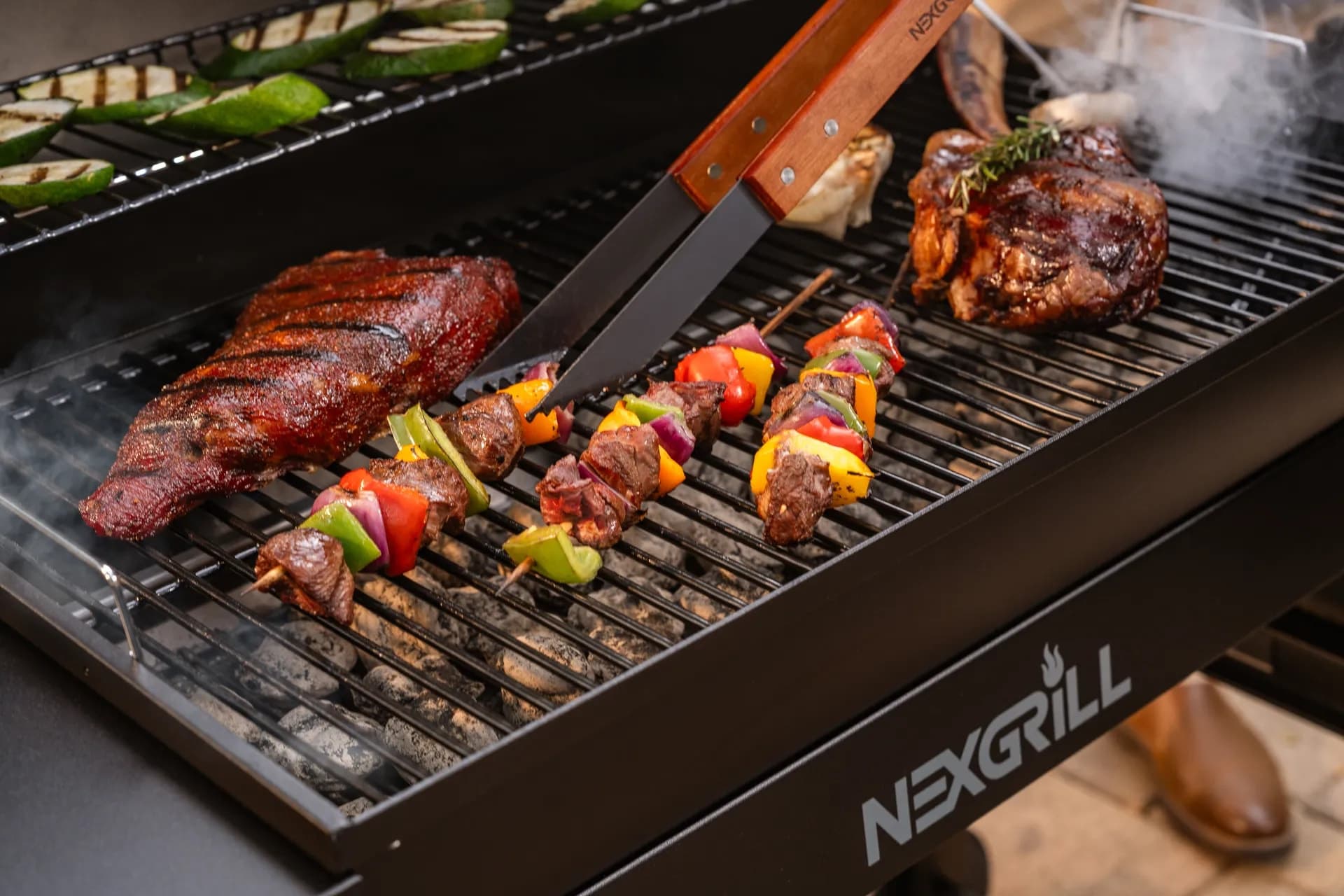
Different foods require different temperatures to bring out their best flavors and textures. For instance, thicker cuts of meat like steaks and pork chops benefit from high heat to create a delicious crust while keeping the inside juicy. On the other hand, delicate items like fish and vegetables require lower, more controlled temperatures to prevent burning and ensure even cooking.
Recommended internal temperature for grilled fish.
Key Temperature Ranges for Grilling
For successful grilling, it's important to understand the key temperature ranges and their corresponding uses:
- Low Heat (225°F - 275°F): Ideal for smoking and slow-cooked dishes like ribs or brisket.
- Medium Heat (325°F - 375°F): Best for chicken, grilling techniques, and fish.
- High Heat (400°F - 450°F): Used for searing steaks and quick-cooking items like burgers.
| Food Type | Optimal Temperature | Cooking Technique |
|---|---|---|
| Steak | 450°F | Searing |
| Chicken | 375°F | Grilling |
| Fish | 350°F | Grilling |
Tip: Use a meat thermometer to ensure precise cooking.
Factors Affecting Grilling Temperatures
Grilling isn't just about setting the grill to a specific temperature; several factors can influence how heat is distributed and retained:
- Grill Type: Gas, charcoal, and electric grills each have different heat dynamics.
- Weather Conditions: Wind and ambient temperature can affect grilling times and temperatures.
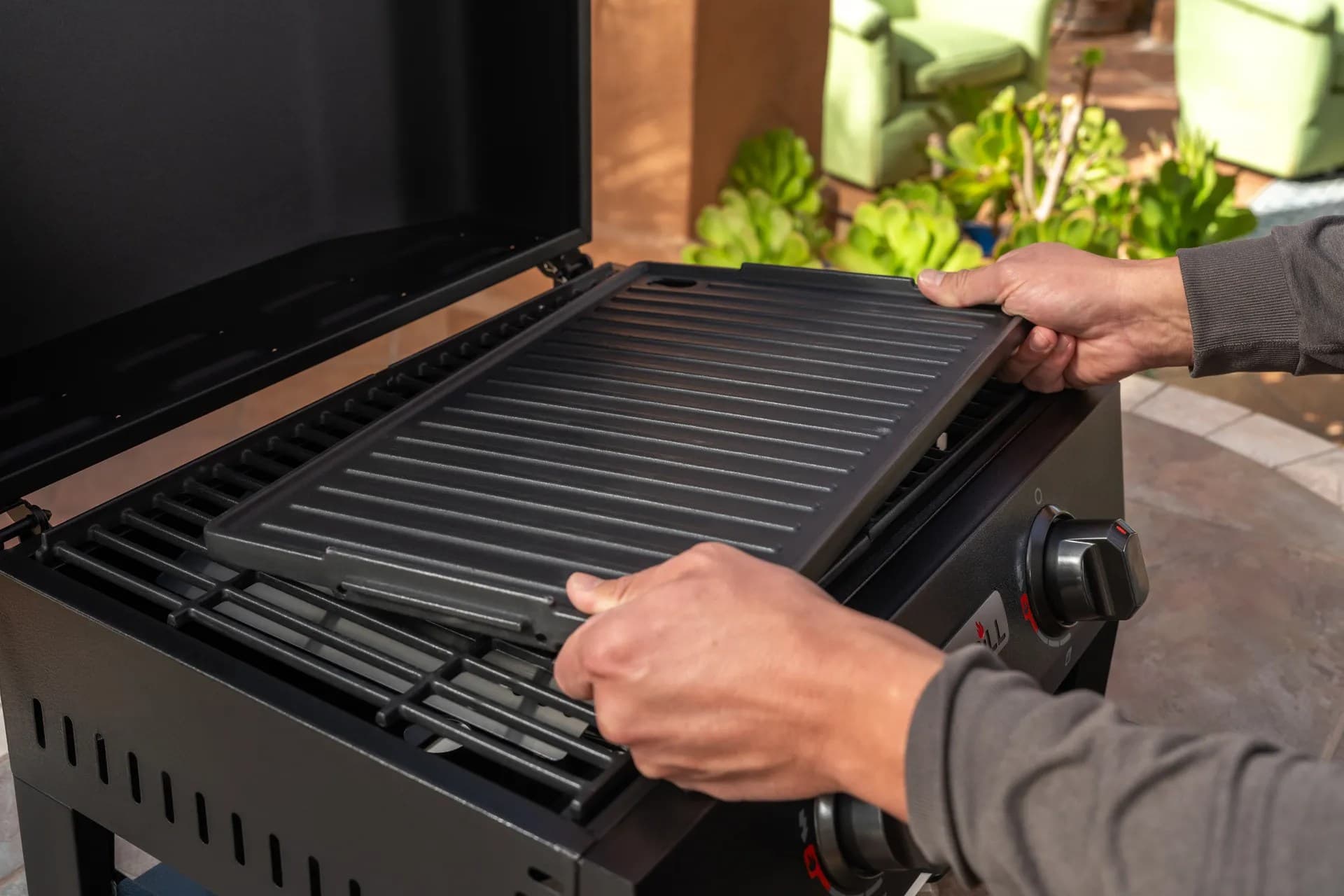
- Grate Material: Stainless steel and cast iron retain heat differently.
Understanding these variables allows you to adjust your grilling technique to achieve consistent results, regardless of conditions.
Warning: Avoid opening the grill lid too often; it causes temperature fluctuations.
Try comparing two products side by side below to see which fits best:
Advanced Techniques for Temperature Control
Once you've weighed two options against each other, mastering advanced grilling techniques can further refine your control over cooking temperatures. Techniques such as indirect grilling and using a two-zone setup allow for greater flexibility and precision.
Indirect grilling involves placing the food away from the heat source, creating an oven-like environment perfect for slow-roasting meats. This method is ideal for larger cuts that require longer cooking times without burning the exterior.
| Technique | Best For | Heat Source |
|---|---|---|
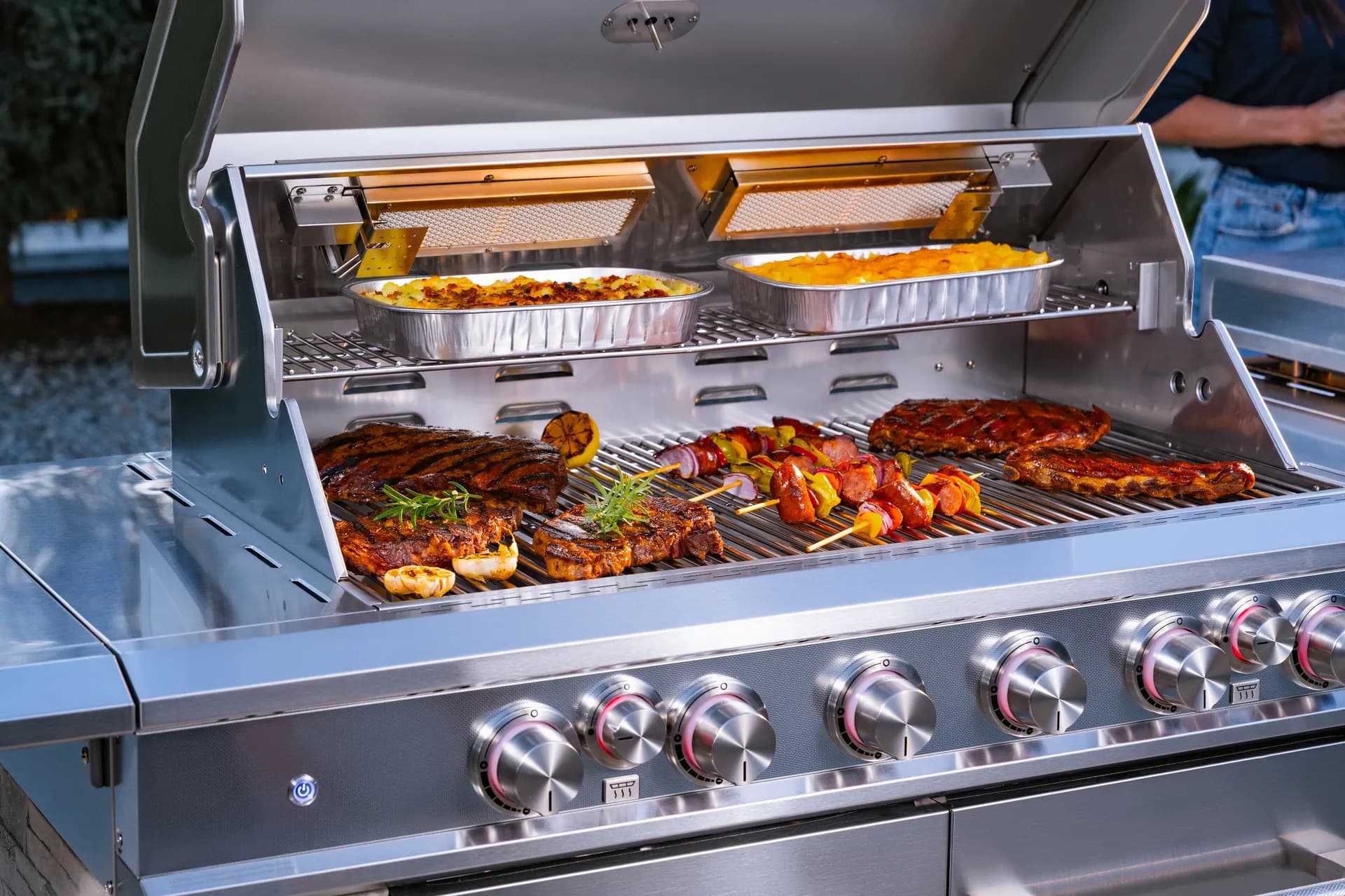
| Indirect Grilling | Large cuts of meat | Charcoal |
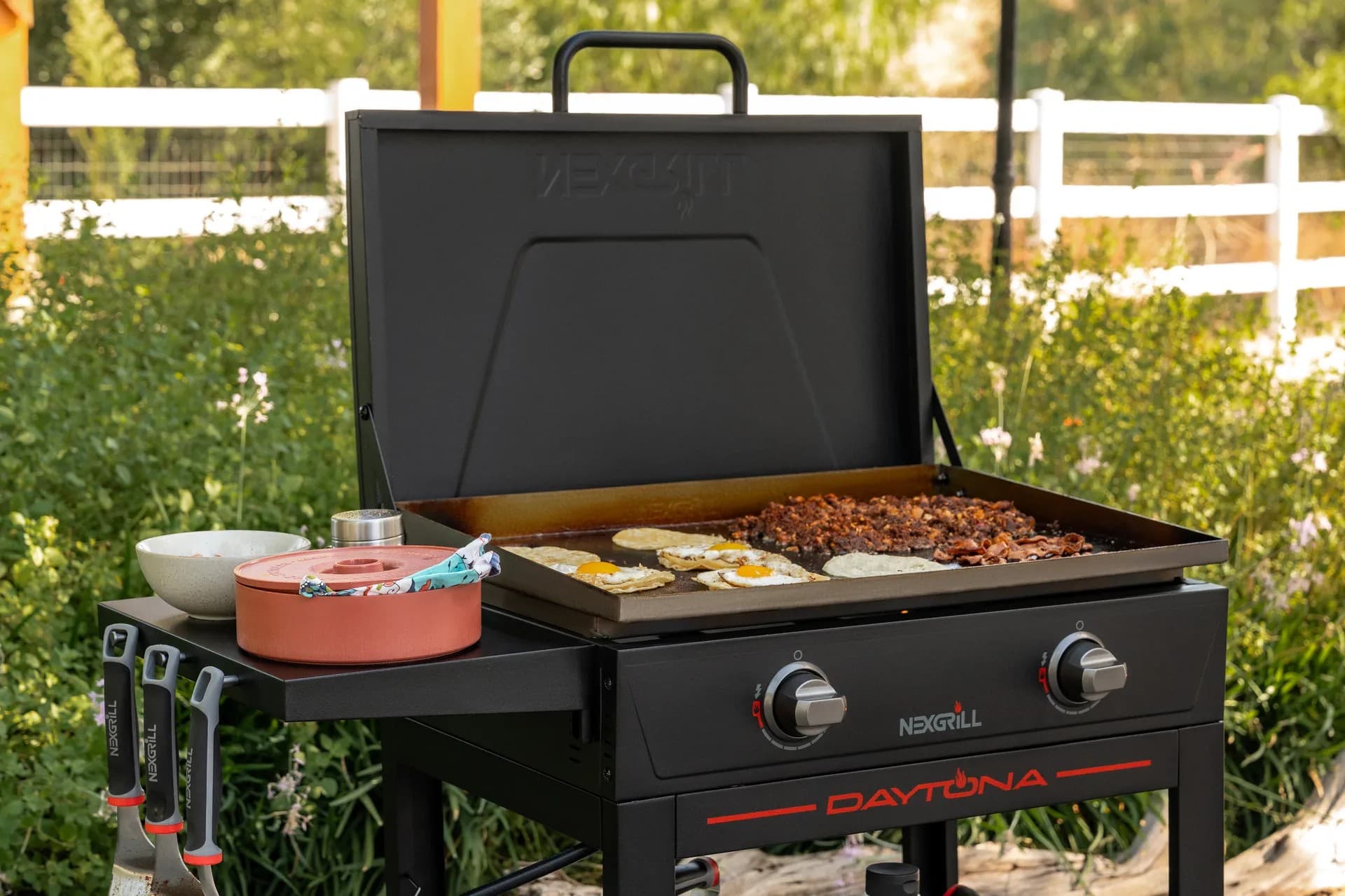
| Two-Zone Grilling | Variable cooking | Gas |
Two-Zone Grilling
This technique offers a high-heat zone for searing and a low-heat zone for finishing. It allows you to start cooking at a high temperature to achieve a crust, then move the food to a cooler area to finish cooking through.
By leveraging these techniques, grillers can better manage temperature control and adapt to different food requirements. It is important to remember that patience and practice are key to mastering these methods.
Practical Tips for Consistent Grilling
Consistency in grilling comes from not only knowing the right temperatures but also applying practical tips that enhance the overall grilling experience. Here are some expert suggestions:
- Preheat the Grill: Always allow the grill to reach the desired temperature before adding food.
- Use a Thermometer: Instant-read thermometers provide accurate internal temperature readings.
- Rest the Meat: Let meat rest after grilling to allow juices to redistribute.
These practices ensure that each dish is cooked to perfection, with enhanced flavors and textures.
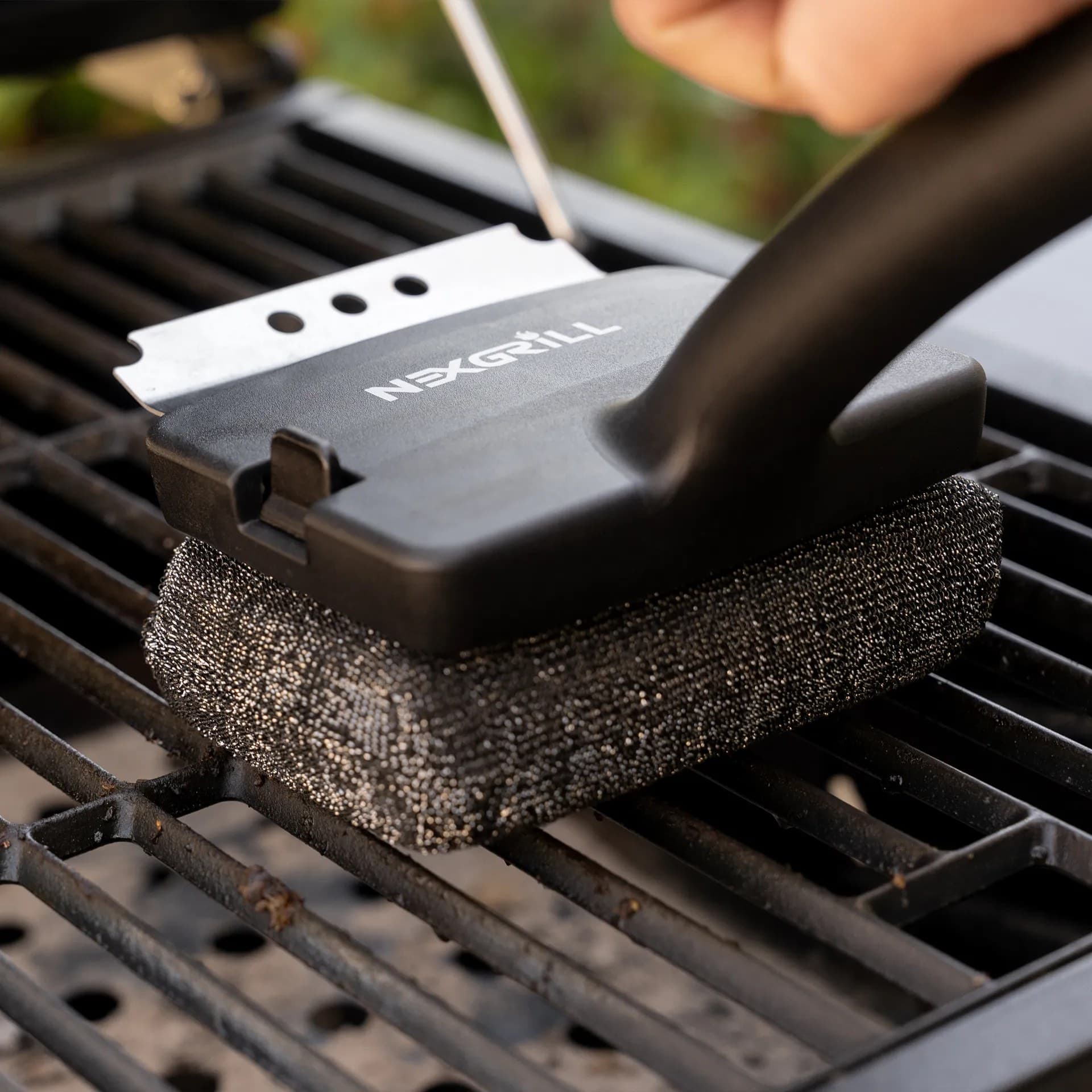
Tip: Clean the grill grates before and after each use for better heat transfer and flavor.
Conclusion: Elevate Your Grilling Game
Achieving the best grilling temperatures requires a combination of understanding, technique, and practice. By mastering temperature control, you can turn every grilling session into a culinary success. Whether you're a novice or an experienced griller, these insights and techniques will help you elevate your grilling game.
Explore more about grilling techniques and Nexgrill products at Nexgrill.