Discover top-rated grill tool sets tailored for every grilling enthusiast's needs.
Here's what sets us apart from the competition
We position ourselves as delivering high-end outdoor cooking features and performance without premium-brand pricing, emphasizing “Quality Grills. Unbelievable Value.”
We offer gas grills, pellet grills, griddles, smokers, pizza ovens, portable/tabletop grills, electric grills, accessories, and replacement parts — allowing customers to stay within one ecosystem for all outdoor cooking needs.
We differentiate ourselves through smart grilling products like the Oakford smart pellet grill, including app-connected cooking controls and modern outdoor cooking technology.

Expert tips, buying guides, comparisons, and inspiration for choosing and getting the most out of your grill.

Practical guides for cleaning, maintenance, common grill issues, and performance optimization.

Step-by-step grilling recipes, cooking techniques, and meal ideas for every occasion and skill level.

Backyard entertaining ideas, seasonal grilling inspiration, and stories that celebrate outdoor cooking culture.

Helpful articles covering grilling tools, cookware, maintenance gear, and must-have accessories for outdoor cooking.

Find griddle recipes, cooking techniques, cleaning tips, and outdoor meal ideas designed for Nexgrill griddles.
Find answers to common questions
Nexgrill offers a variety of accessories including grill tools, covers, cooking utensils, and replacement parts designed to enhance your grilling experience.
Many Nexgrill accessories are widely compatible with various grill brands, but it is recommended to check the specifications for proper fit and functionality.
To maintain your Nexgrill accessories, regularly clean them with warm soapy water, avoid using abrasive materials that could scratch the surface, and store them in a dry place when not in use.
Yes, Nexgrill accessories can be purchased separately from the grills, allowing customers to customize their grilling setup as needed.
Instructions for using Nexgrill accessories are typically included in the packaging, and additional resources can be found on the Nexgrill website or in the product user manuals.
In This Article
Essential Grill Tools
Top-Rated Grill Tool Sets
Choosing the Right Set
A good grill tool set does more than help you flip food. It shapes the whole rhythm of outdoor cooking: how confidently you turn a delicate fish filet, how cleanly you move a tri-tip to the cooler side of the grate, how safely you baste, slice, and serve when the heat is high and the crowd is hungry. For most backyard cooks in the United States, the best grill tool sets are the ones that remove friction without cluttering the prep table with gadgets you will never touch. That is why the smartest buying decision starts with your real cooking habits, not with the largest bundle on the shelf.
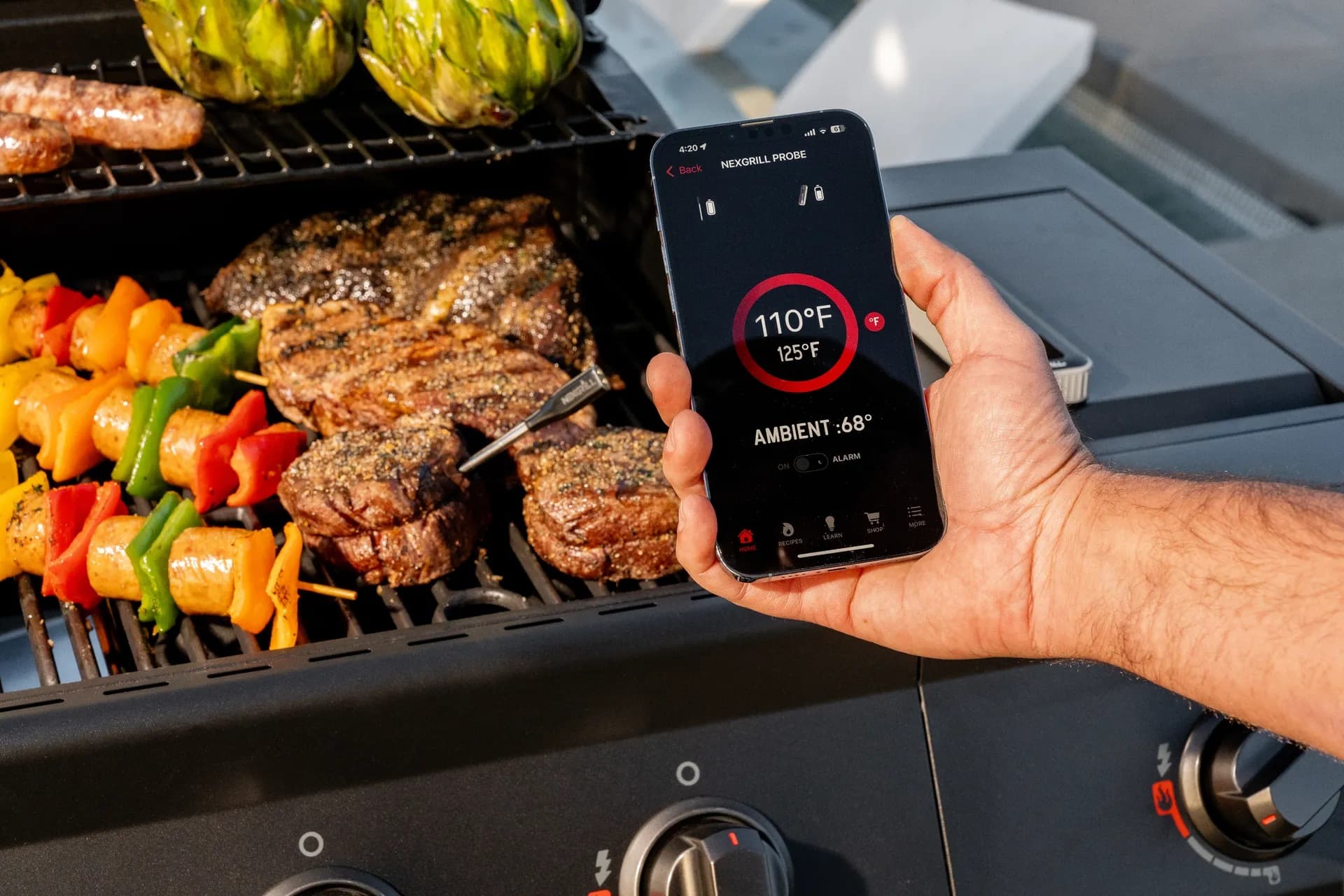
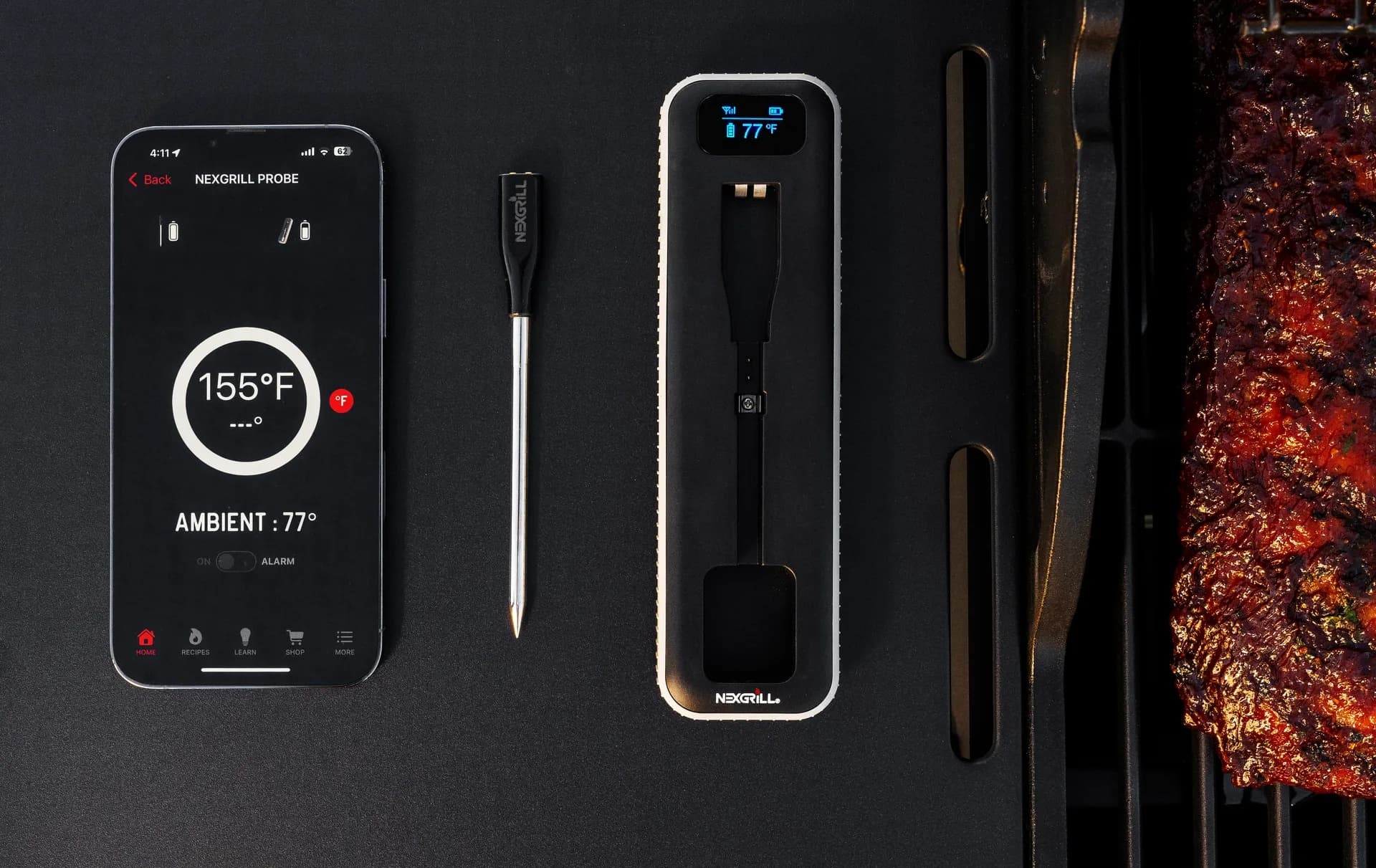
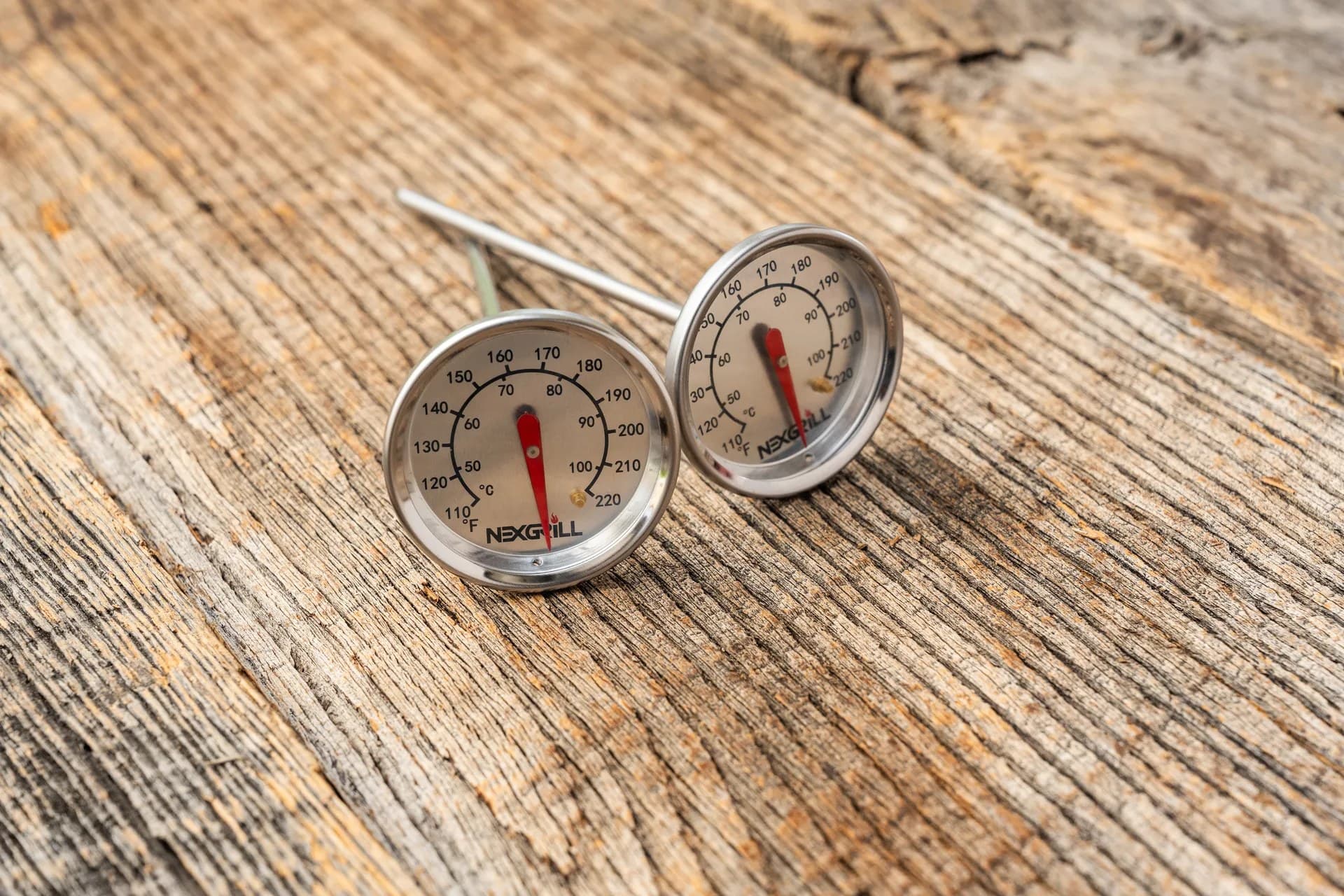
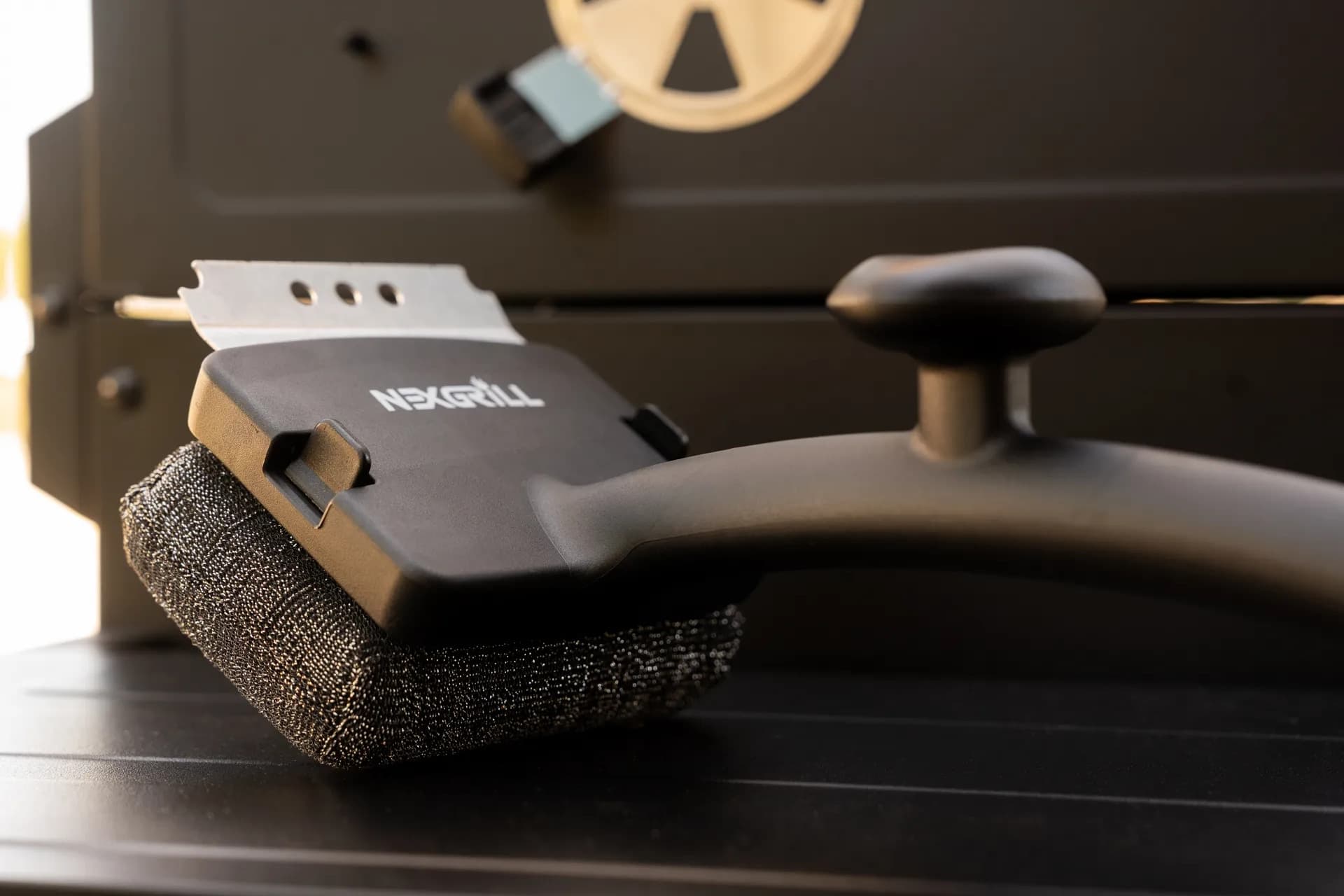
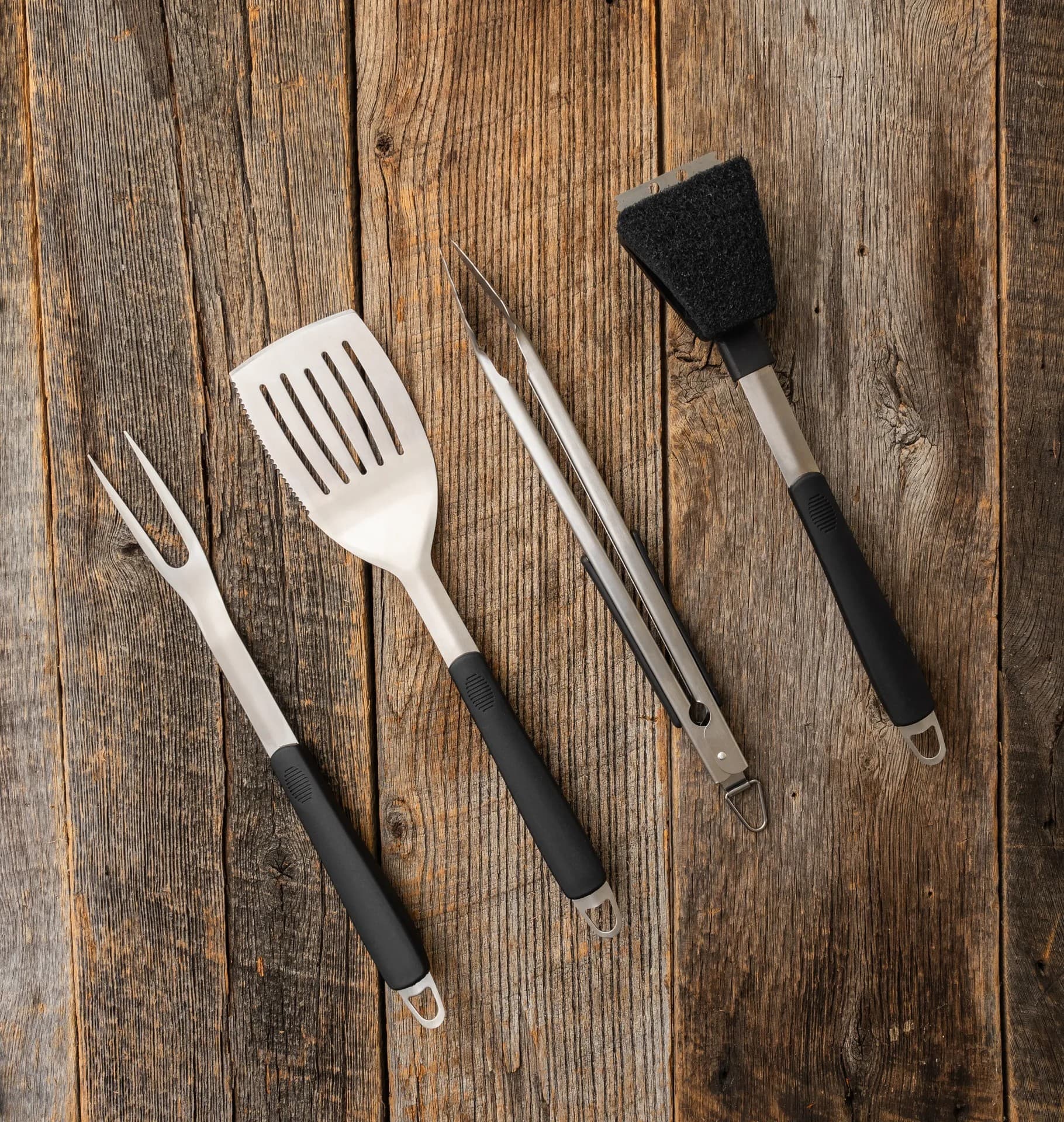
Grill tool sets usually include the core utensils that cover the essential steps of outdoor cooking: turning, gripping, cleaning, seasoning, and serving. The exact mix varies, but the best sets are built around a few dependable pieces: a sturdy spatula, locking tongs, a grill fork or carving fork, a basting brush, and sometimes a grill brush, meat thermometer, skewers, or corn holders. The difference between a frustrating set and a truly useful one is rarely the number of pieces; it is whether every piece is built to survive heat, grease, repeated washing, and a little careless storage after a long weekend cookout.
Tip: the most useful grill tool set is usually the one that matches your cooking style. If you cook steaks, burgers, and vegetables on a gas grill, prioritize turning tools and long handles. If you smoke or cook indirectly, prioritize a brush, thermometer, and carving tools.
For Nexgrill shoppers, this topic connects naturally to value. Nexgrill’s brand DNA emphasizes approachable, dependable outdoor cooking that welcomes both experienced grillers and casual backyard hosts, which is exactly the mindset that should guide tool selection as well. A set should feel useful on a Tuesday night for chicken thighs, not only on a holiday cookout. That is why it helps to think of grill tools as part of your cooking system, alongside the grill itself, your prep space, and the food you usually make. Nexgrill’s brand messaging also reflects this practical, inclusive spirit: outdoor cooking is about gathering people and making the experience easier to enjoy, not harder to manage.
In 2026, the conversation around grill accessories has shifted away from novelty toward durability, ergonomics, and easier cleanup. That matters because many buyers now want fewer, better tools rather than bulky kits full of duplicate utensils. The best grill tool sets support the actual work of grilling: control, safety, and speed. If you can move food confidently, keep your hands away from heat, and avoid flimsy handles or weak hinges, you will notice the difference from the first cook.
Before comparing specific sets, it helps to evaluate the features that matter most in real use. First, look at material quality. Stainless steel is the standard for a reason: it resists corrosion better than plated metals, it is easier to clean, and it usually holds up better when exposed to grease, marinades, and outdoor storage. That said, stainless steel is not a guarantee of quality on its own. Thickness, joint construction, and the way the handle is finished all matter. A thin stainless spatula can still flex too much when lifting heavy steaks, while a well-made tool with a modest amount of flex can feel more precise.
Second, pay attention to handle design and length. Longer handles help keep your knuckles farther from the grate, which is especially useful on high-output gas grills or when you are cooking over direct heat. Handles should also provide a secure grip when your hands are greasy or damp. Some of the best-reviewed sets in accessory roundups focus on that comfort factor because a tool that twists or slides in your hand becomes annoying long before it becomes unsafe. Reviewers in accessory roundups from outlets like Popular Science and TechGearLab consistently emphasize practical handling, tool balance, and durability over flashy extras. Their guidance supports a simple point: a set that feels stable and comfortable is more valuable than a set that looks impressive in the box.
Core qualities that matter most: material strength, handle comfort, and tool balance.
Third, inspect the working surfaces. Spatulas should have enough blade width to support burgers or fish without tearing them apart. Tongs should open smoothly and lock securely if they are designed to lock. Brushes should have bristles or scraping edges that are suitable for your grate material. If you use cast iron, porcelain-coated grates, or stainless steel grates, you want a brush style that cleans effectively without being overly aggressive. Fourth, think about storage. Hanging loops, compact carrying cases, and easy-to-stow designs are useful if your outdoor kitchen space is limited. A tool set that lives in a drawer and still stays organized will get used more often than a large kit that ends up scattered across the patio.
| Feature | Why it matters | Best fit |
|---|---|---|
| Stainless steel construction | Helps resist rust and simplify cleanup | Frequent grillers and outdoor storage |
| Long handles | Improves safety around direct heat | Gas grills and high-heat searing |
| Balanced weight | Makes turning and lifting more controlled | Steaks, burgers, vegetables, fish |
| Hanging loops or case | Keeps the set organized between uses | Smaller patios and compact storage |
A final feature worth considering is whether the set includes pieces you will actually use weekly. A basting brush can be great if you glaze ribs or chicken, but less important if you mainly grill steaks. A carving fork is helpful for roasts and larger cuts, but not essential for smash burgers. The best grill tool sets are therefore not always the biggest; they are the ones with the best ratio of useful pieces to storage space and cost.
The most useful way to evaluate top-rated grill tool sets in 2026 is by use case. Instead of treating every bundle as equal, separate them into a few practical categories. That approach matches how most buyers actually shop: some want a starter kit for weekend grilling, some want a more complete set for frequent entertaining, and some want a higher-end collection built for repeated use across seasons. Review roundups from Proven Pantry, Popular Science, and TechGearLab all point toward the same broad conclusion: the strongest grill tool sets deliver a combination of sturdy construction, dependable grip, and tools that are genuinely useful rather than decorative.
| Set Type | Typical Contents | Best For | What to Watch |
|---|---|---|---|
| Starter grill set | Spatula, tongs, fork, brush | New grill owners and casual cooks | Weak hinges, thin handles, short tools |
| Complete set | Core tools plus thermometer, skewers, basting brush, brush | Frequent hosts and multi-course cooks | Extra pieces you may never use |
| Premium set | Heavier-gauge tools, comfort handles, storage case | Serious grillers who cook often | Price versus actual durability |
If you are looking for a practical benchmark, the best sets usually favor stainless steel cooking tools with solid gripping edges and handles that stay comfortable during longer cooks. The most useful sets in 2026 also tend to include a sharp, well-shaped spatula rather than a novelty blade, and tongs that can pick up both a thick steak and a slippery vegetable skewer. In reviews, these are the kinds of details that separate a kit someone uses once from a kit that becomes part of the regular grilling routine.
Another trend to watch is packaging and organization. Some of the better-reviewed sets are sold in cases or roll-ups, which makes them attractive for tailgating, cabin trips, or storing in a garage without losing pieces. That convenience matters more than many buyers expect. A grill tool set that is easy to keep together saves time when you are getting ready for a cookout and reduces the odds that your favorite tong ends up mixed into a kitchen drawer.
Choosing the right grill tool set starts with how you cook, not how the box is labeled. If you grill two nights a week for a family of four, you need different tools than someone who hosts summer parties every other weekend. Start by estimating your cooking frequency, the type of grill you use, and the foods you prepare most often. Gas grill users often want fast-access tools that allow quick flipping and turning, while charcoal cooks may want longer-handled pieces and a stronger brush because they spend more time managing heat and ash.
Tip: if you are buying one set to cover most situations, choose a core four-piece kit first. Add specialty pieces later only if your menu proves you need them.
A useful way to shop is to divide buyers into three profiles. First, the casual weekend griller should prioritize simplicity: a dependable spatula, a pair of locking tongs, a brush, and a sturdy fork or serving tool. Second, the frequent host should look for a broader set with a thermometer, basting brush, and maybe skewers or corn holders if they cook for groups. Third, the enthusiast or aspiring pitmaster should concentrate on build quality, handle comfort, and storage system rather than sheer piece count. That buyer will likely use the same tools repeatedly and will feel the difference between a balanced stainless tool and a cheap set quickly.
Budget should also guide your choice, but not in a simple cheapest-versus-expensive way. There are inexpensive sets that perform well for occasional use, and premium sets that justify their price through thicker metal, better grip, and longer service life. The mistake is buying a large low-cost set that includes weak pieces you will replace later. In practice, a mid-range set with fewer but better tools can be the better value for a U.S. household that grills regularly during spring and summer.
Finally, think about compatibility with your grill and cooking style. A long spatula is especially helpful on larger gas grills with deep grates, while a compact set may be more useful for portable grilling and small patios. If you often cook delicate items like fish, vegetables, or shell-on shrimp, a spatula with a thin leading edge is more valuable than a heavy-duty fork. If you do a lot of skewers or grilled vegetables, tongs with a precise tip matter more than extra accessories.
Good maintenance extends the life of grill tools and keeps them safer to use. The most important rule is to clean tools soon after cooking, while grease and sauce residue are still easier to remove. Warm water, dish soap, and a non-scratch sponge are usually enough for stainless tools. If your set has wooden handles, avoid soaking them for long periods, and dry them promptly. The goal is not a complicated routine; it is consistent care that prevents buildup, staining, and corrosion.
Warning: do not store tools while they are still wet, especially if they have mixed materials or decorative coatings. Trapped moisture is one of the fastest ways to create rust spots and handle damage.
Inspect moving parts and edges every few uses. Tongs should close evenly and not snag. Brushes should retain their shape and cleaning edge. Spatulas should not bend at the neck or develop looseness where the handle joins the blade. If a tool begins to wobble or feel unsafe, replace it before it becomes a problem during a hot cook. This is especially important when you are cooking with children nearby or serving guests at an active backyard gathering.
Storage habits matter as much as washing. A dedicated drawer organizer, hanging rack, or case can keep your best pieces easy to find and ready for the next cook. If you store tools outdoors, make sure they are protected from rain and direct sun. Even good stainless tools last longer when they are not left exposed all season. For households that grill often, a quick end-of-season inspection can be useful: clean the set deeply, check for bent edges or dull brushes, and sort out any pieces that should be replaced before next summer.
Taken together, these habits preserve both performance and value. A well-maintained grill tool set feels better in the hand, works more predictably, and supports a smoother cooking experience whenever friends and family are gathered around the fire.
Try comparing two products side by side below to see which fits best:
Once you've weighed two options against each other, material quality becomes the deciding factor that often separates a decent purchase from a long-term keeper. Grill tool sets live in one of the harshest environments in the house: high heat, acidic marinades, grease, moisture, and frequent washing. In that setting, the most practical material is usually stainless steel, but even stainless tools vary widely in performance. A set with polished, thin stainless pieces may look premium at first glance yet feel unstable the moment you lift a heavy brisket or press a burger patty. By contrast, a slightly less flashy set made from thicker gauge steel can feel far more dependable in daily use.
Material quality should be judged as a system, not a single label on the packaging. Look at the thickness of the blade or head, the firmness of the joint, and the way the handle is attached. When a spatula flexes too much, it becomes harder to slide under food cleanly. When tongs feel hollow or thin at the hinge, they can lose precision after repeated use. When brush heads use materials that do not match the grate surface, they may wear out too quickly or clean too aggressively. The best grill tool sets are built to keep their shape under pressure because shape is function in grilling.
Material choices affect safety, control, and how long the set stays useful.
In practical terms, stainless steel is usually the safest bet for buyers who want a durable, low-drama set. It resists corrosion better than many plated alternatives and tends to clean up more easily after sauce-heavy or oily cooks. That said, stainless sets can still disappoint if the handles are poorly finished or if the tool geometry is awkward. Some premium kits mix stainless working ends with silicone or heat-resistant grips to improve comfort. Those combinations can be excellent, provided the grip material is well bonded and easy to sanitize. If you plan to wash tools frequently or leave them in a garage or outdoor cabinet, material resilience matters even more.
Ergonomics may sound like a small detail, but it is one of the biggest reasons people keep using a tool set after the novelty wears off. A comfortable handle lets you work quickly, maintain control, and reduce hand fatigue during longer cooks. That is especially important for people who host family dinners or neighborhood gatherings, where the actual grilling time may stretch well past an hour. The handle should feel secure even if your hands are damp from rinsing produce or slick from oiling grates. If you have ever struggled to open stiff tongs while balancing a tray of food, you already know why this matters.
The best handle designs consider both grip and leverage. Longer handles create a safer distance from direct heat, but they should still feel balanced so the tool does not become front-heavy or awkward. Some buyers prefer textured grips because they prevent slipping, while others want smooth handles that are easy to wipe clean. There is no single ideal shape for every griller, but there is a clear rule: the handle should disappear into the task. You should be thinking about the food, not about how hard you have to hold the utensil.
Tip: if a tool feels too short in the store, it usually feels even shorter once you are standing over a hot grill at full temperature.
Another ergonomic detail is the action of the tool itself. Tongs should open with enough resistance to be controlled but not so much that they fight your hand. A spatula should have a grip that supports both lifting and quick turning. A fork or carving tool should not force the wrist into an awkward angle. These are small differences, but they add up quickly over a long season. Buyers who grill several times a week often notice that the right handle design reduces hand strain and makes the entire outdoor cooking routine smoother.
The debate between complete and essential sets is really a question of storage, budget, and how often you grill. Essential sets focus on the tools most households use constantly: spatula, tongs, fork, and maybe a brush. Complete sets add extras such as skewers, corn holders, basting brushes, bottle openers, cleaning tools, or dedicated thermometers. The added pieces can be useful, but only if they reflect your cooking habits. Otherwise, they become clutter.
| Set Style | Pros | Trade-offs | Best For |
|---|---|---|---|
| Essential set | Simple, affordable, easy to store | Fewer specialty tools included | Everyday grillers and first-time buyers |
| Complete set | Covers more cooking scenarios | Can include pieces you rarely use | Frequent hosts and families |
| Premium curated set | Better materials and finish | Higher upfront cost | Enthusiasts and high-frequency use |
For many U.S. buyers, an essential set is the smarter first purchase because it covers the majority of weeknight and weekend grilling without overcomplicating storage. A complete set makes more sense if you routinely entertain, cook diverse menus, or want a single gift-ready bundle that supplies a new outdoor cook with everything at once. The key is to avoid paying for accessories that duplicate tools you already own in the kitchen. If your home already has dependable tongs and a brush, you may not need another oversized kit.
Budget is where buyers often either overcorrect or underspend. The lowest-priced sets can be tempting, especially when they advertise a large number of pieces, but the value equation changes fast if the tools bend, rust, or feel awkward after a few uses. A practical budget strategy is to decide what you need to last and what you can add later. Spend first on the core tools you will reach for every cook, then treat specialty items as optional upgrades.
As a rough U.S. buying framework, basic sets typically sit in the lower price tier, mid-range sets add better handles and more durable stainless construction, and premium sets command a higher price because of thicker material, better finishing, and better organization. The right choice depends on how often you grill. If you cook only a few times per month, a reasonably priced set with reliable basics may be enough. If you grill three or four times a week during warm months, paying more for comfort and durability often makes more sense because you will feel the difference every time you use it.
Warning: a big accessory count can hide weak value. Ten tools that work poorly are worse than four tools you trust.
When comparing prices, also account for replacement cost. If a bargain brush wears out quickly or a thin spatula warps, the true cost of ownership rises. A better-made set may feel more expensive on the day you buy it, but it can be the cheaper choice over a full grilling season. This is especially relevant for buyers who keep their equipment outdoors or transport it for camping and tailgating. Durability is not just a feature; it is part of the price.
The best place to buy depends on whether you value selection, convenience, or the ability to inspect the set details carefully. Major home improvement stores, specialty grilling retailers, and reputable online marketplaces all have advantages. Buying from a brand site or a well-known retailer can make it easier to compare sizes, read specifications, and understand what is included. Online shopping also gives you access to customer feedback and third-party review roundups, which can be especially helpful when you are deciding between similarly priced sets.
If you shop online, read the product dimensions closely. Handle length, total weight, and piece count can vary more than buyers expect. Review photos and descriptions to confirm whether a set includes a storage case, brush, or thermometer. The return policy also matters for accessories because a tool that feels fine in a photo may feel different in your hand. The convenience of e-commerce is useful, but only when paired with careful comparison.
Info: reputable buying guides from Proven Pantry, Popular Science, and TechGearLab can help you narrow the field before you purchase, especially if you are deciding between basic, complete, and premium sets.
For Nexgrill shoppers, the ideal purchase path is often straightforward: start with the grilling style you already use, compare the sets that support that style, and buy the one that will feel natural in weekly use. The right accessory set should make it easier to gather friends, cook with confidence, and spend less time fumbling for tools and more time enjoying the food and company. That aligns with Nexgrill’s broader brand spirit of making outdoor cooking accessible, communal, and dependable.
Here's what sets us apart
We position ourselves as delivering high-end outdoor cooking features and performance without premium-brand pricing, emphasizing “Quality Grills. Unbelievable Value.”
We offer gas grills, pellet grills, griddles, smokers, pizza ovens, portable/tabletop grills, electric grills, accessories, and replacement parts — allowing customers to stay within one ecosystem for all outdoor cooking needs.
We differentiate ourselves through smart grilling products like the Oakford smart pellet grill, including app-connected cooking controls and modern outdoor cooking technology.
Don't just take our word for it
Keep reading
From our catalog