Discover the best grill thermometers to achieve perfect cooking results every time.
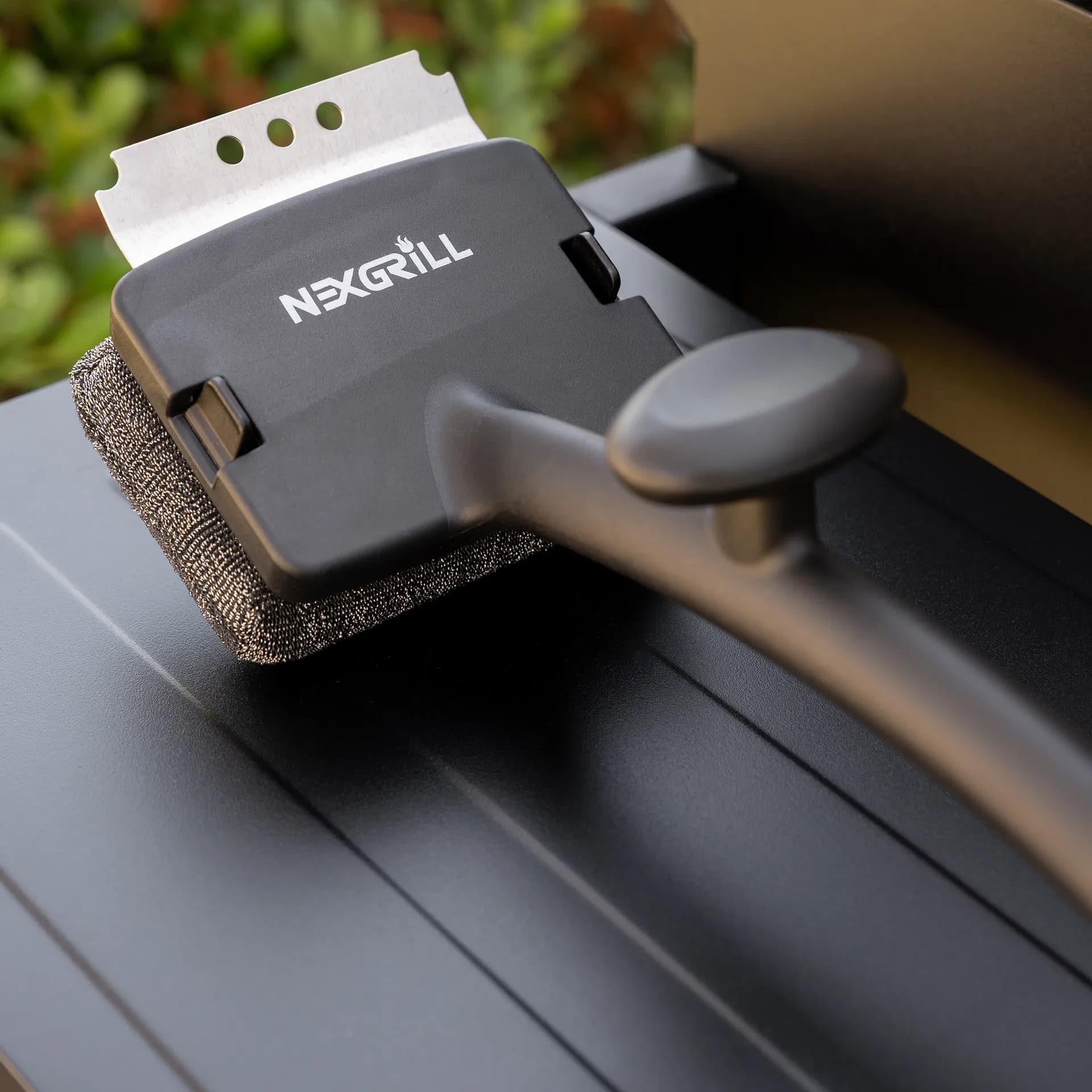
Here's what sets us apart from the competition
We position ourselves as delivering high-end outdoor cooking features and performance without premium-brand pricing, emphasizing “Quality Grills. Unbelievable Value.”
We offer gas grills, pellet grills, griddles, smokers, pizza ovens, portable/tabletop grills, electric grills, accessories, and replacement parts — allowing customers to stay within one ecosystem for all outdoor cooking needs.
We differentiate ourselves through smart grilling products like the Oakford smart pellet grill, including app-connected cooking controls and modern outdoor cooking technology.
Expert tips, buying guides, comparisons, and inspiration for choosing and getting the most out of your grill.
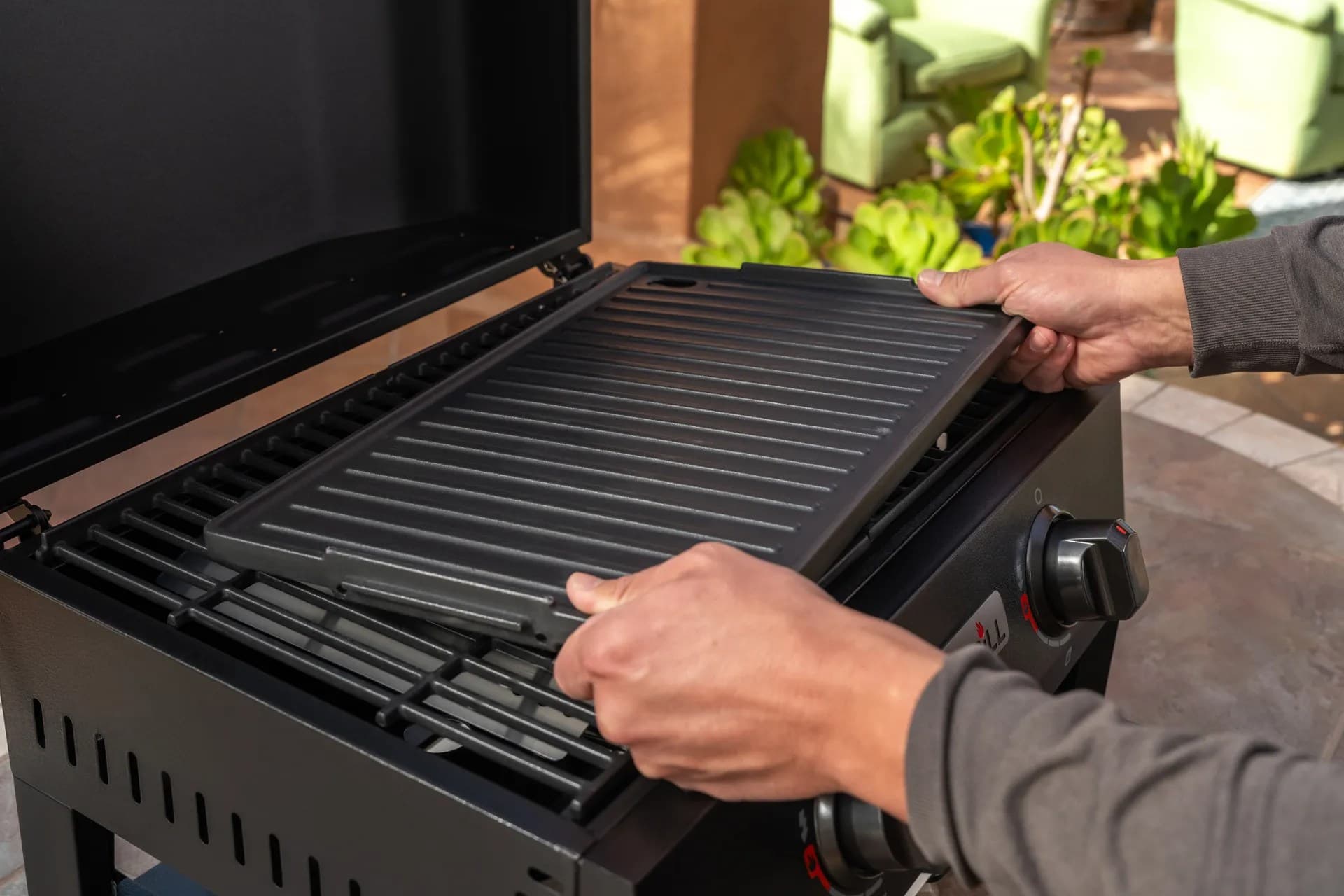
Practical guides for cleaning, maintenance, common grill issues, and performance optimization.
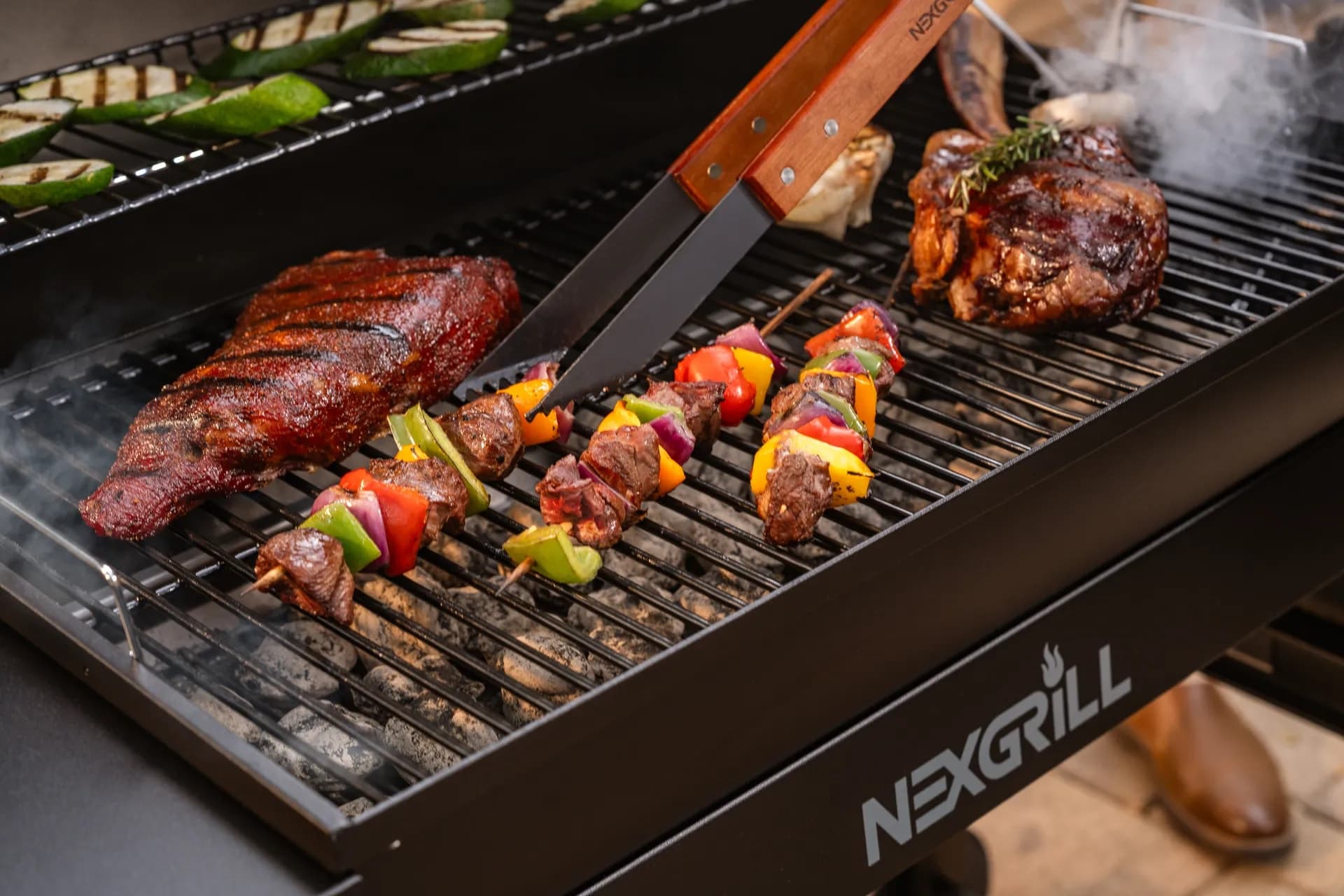
Step-by-step grilling recipes, cooking techniques, and meal ideas for every occasion and skill level.

Backyard entertaining ideas, seasonal grilling inspiration, and stories that celebrate outdoor cooking culture.
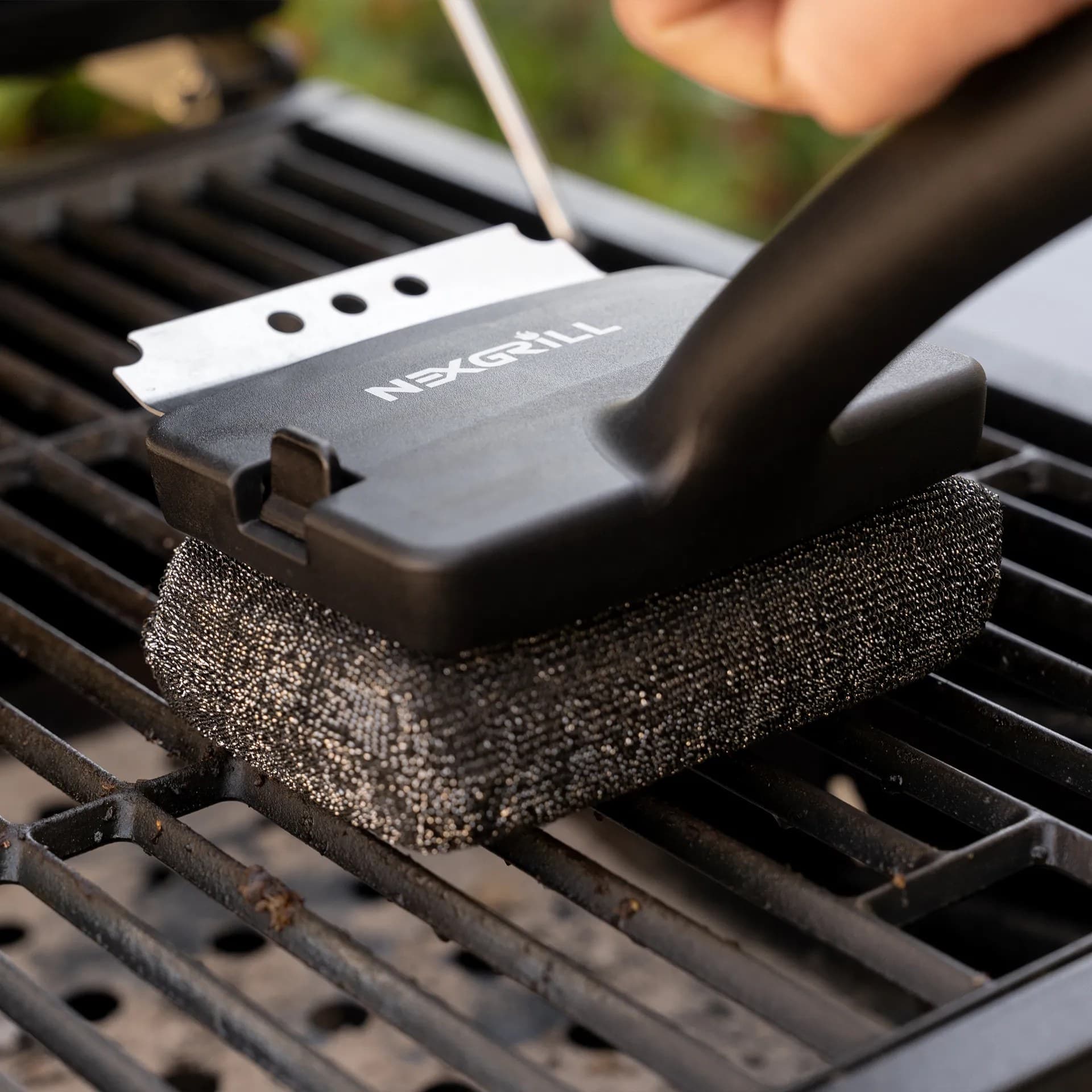
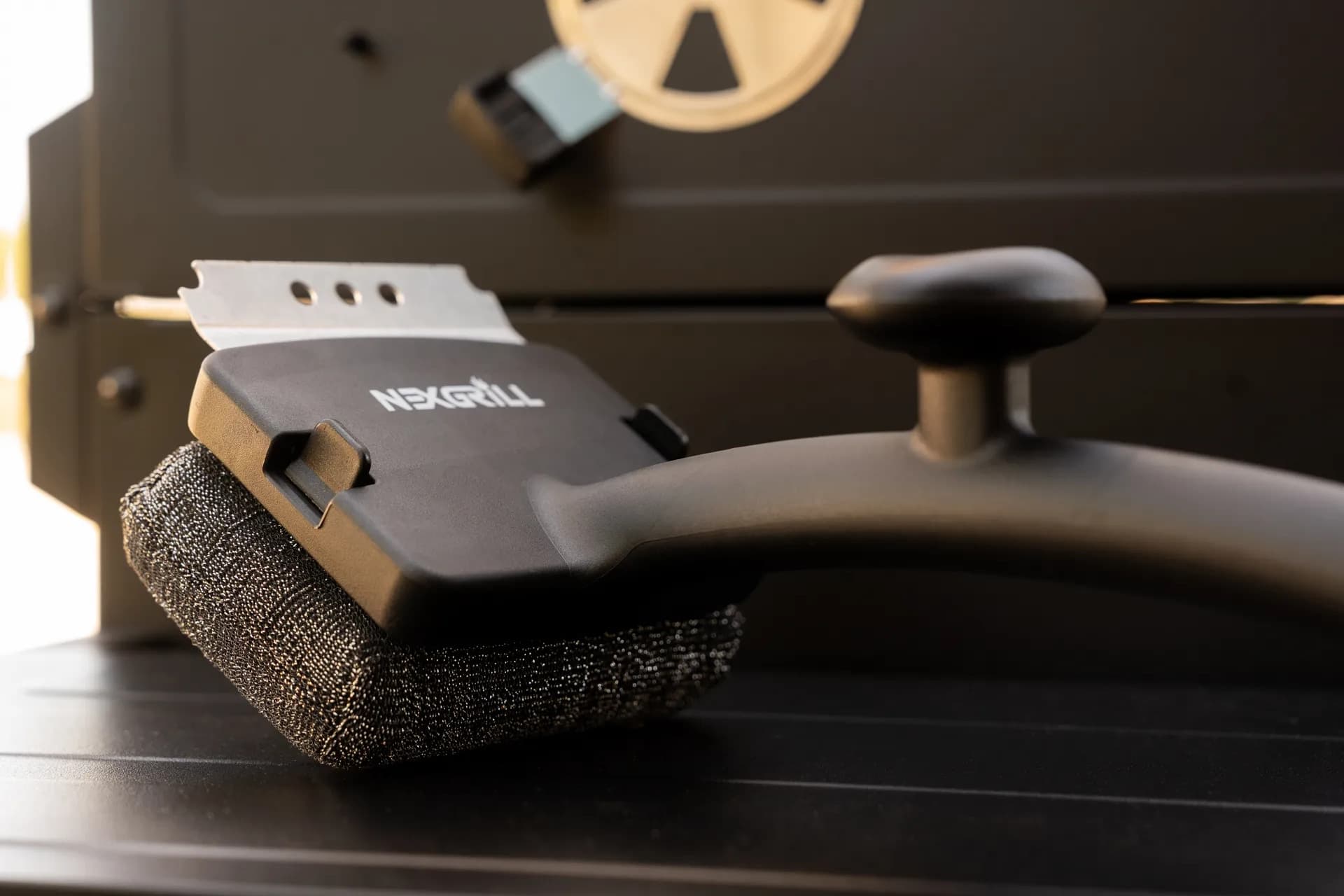
Helpful articles covering grilling tools, cookware, maintenance gear, and must-have accessories for outdoor cooking.
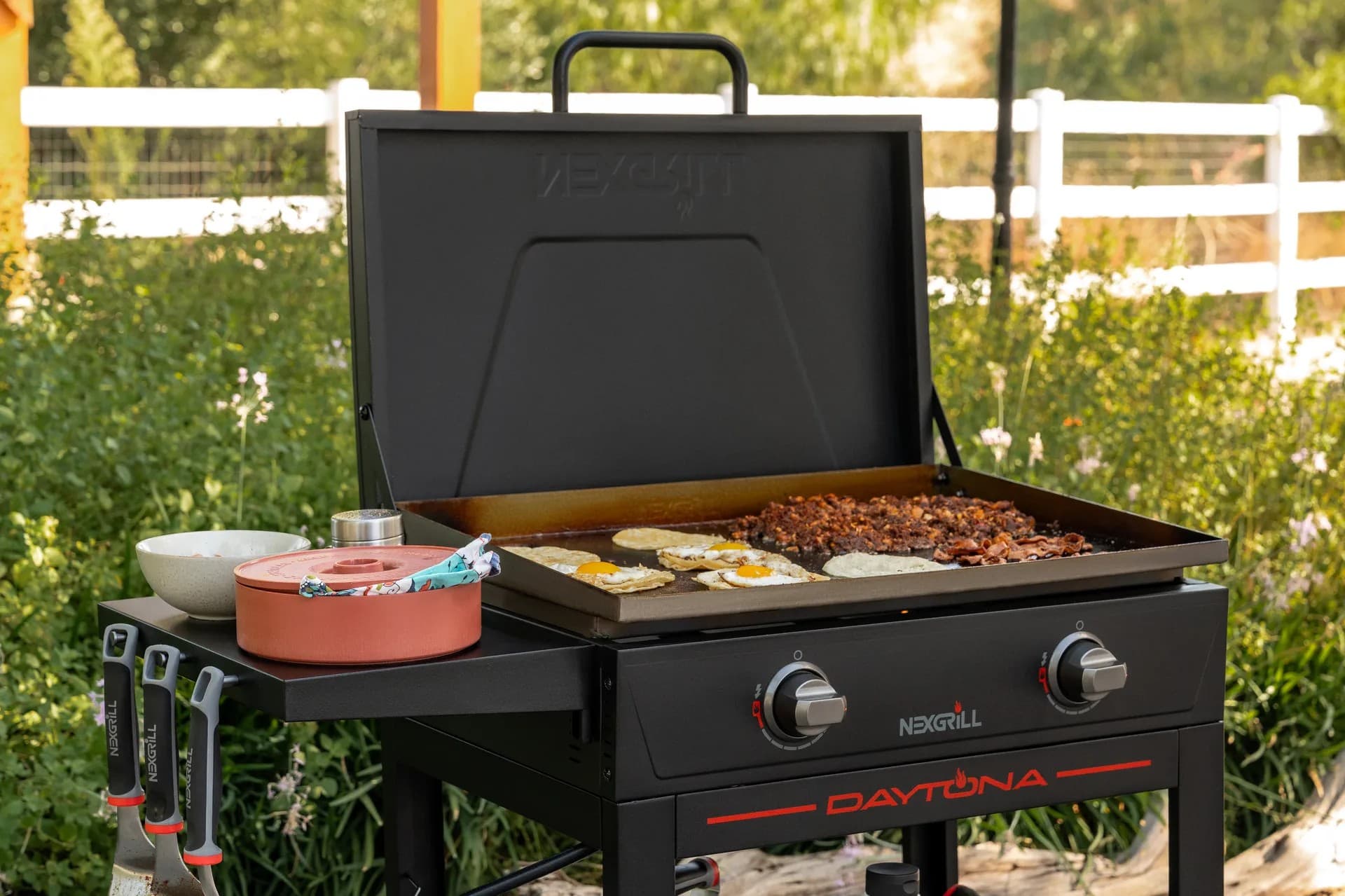
Find griddle recipes, cooking techniques, cleaning tips, and outdoor meal ideas designed for Nexgrill griddles.
Find answers to common questions
Nexgrill offers a variety of accessories including grill tools, covers, cooking utensils, and replacement parts designed to enhance your grilling experience.
Many Nexgrill accessories are widely compatible with various grill brands, but it is recommended to check the specifications for proper fit and functionality.
To maintain your Nexgrill accessories, regularly clean them with warm soapy water, avoid using abrasive materials that could scratch the surface, and store them in a dry place when not in use.
Yes, Nexgrill accessories can be purchased separately from the grills, allowing customers to customize their grilling setup as needed.
Instructions for using Nexgrill accessories are typically included in the packaging, and additional resources can be found on the Nexgrill website or in the product user manuals.
In This Article
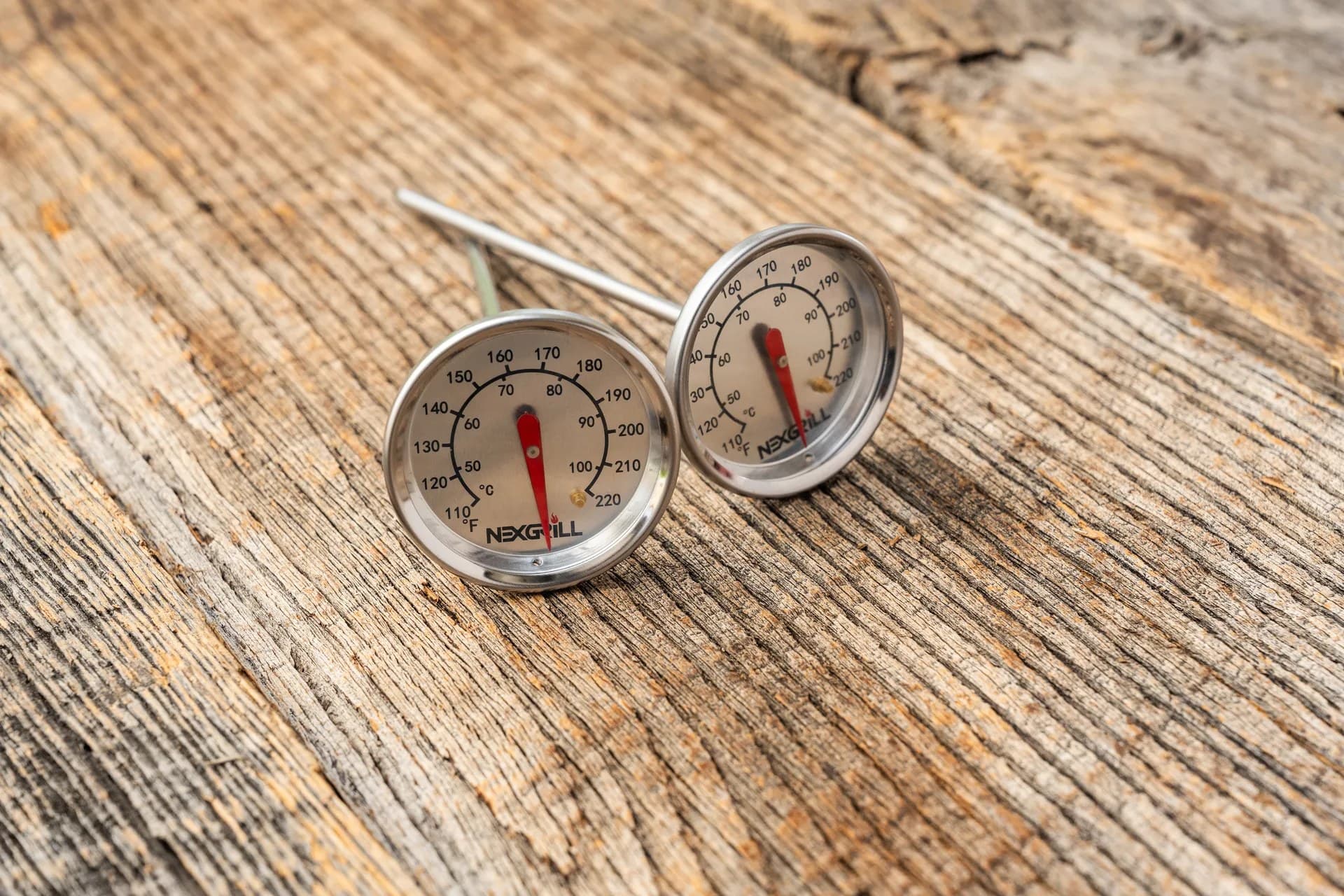
Instant-Read Thermometers
Leave-In Probe Thermometers
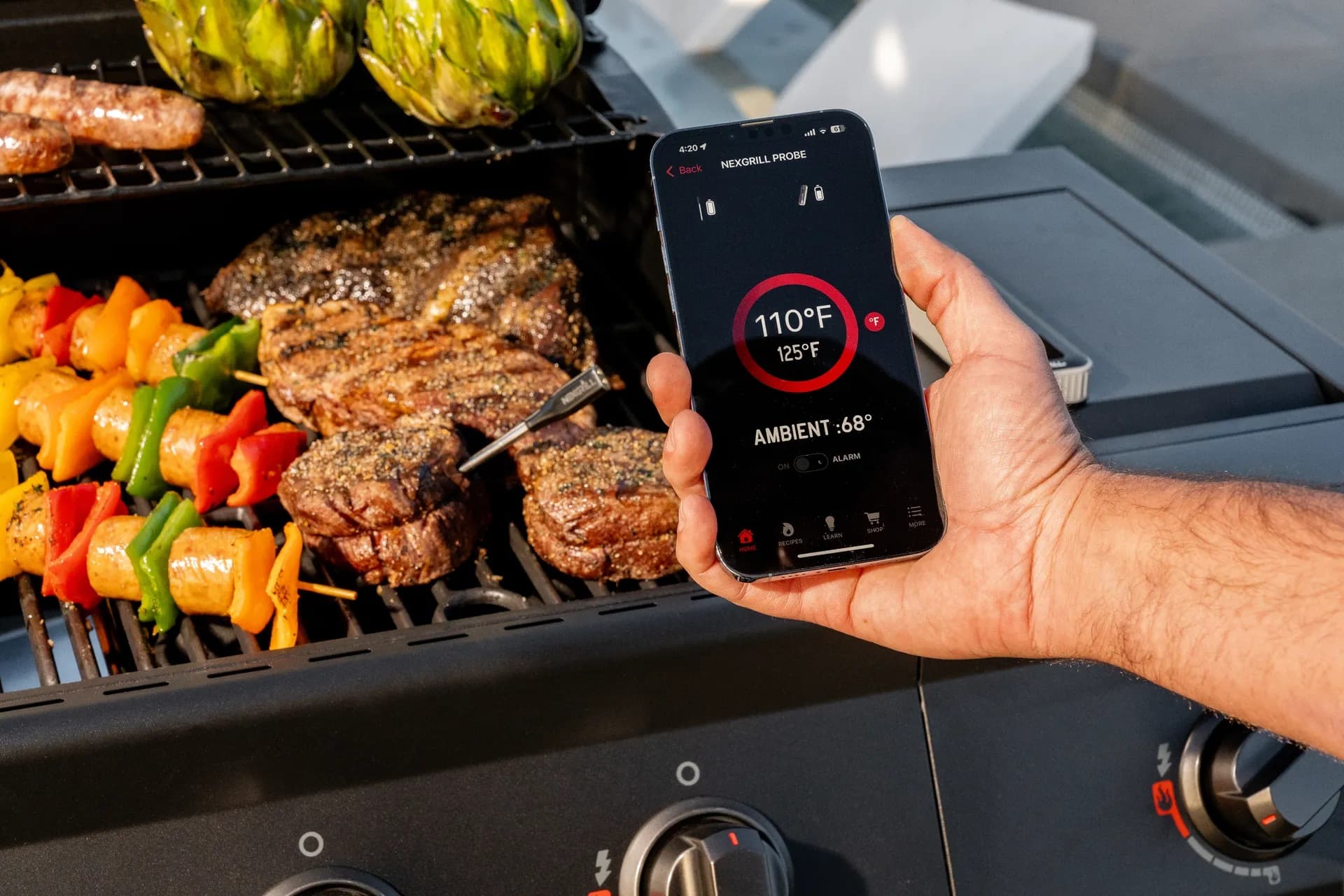
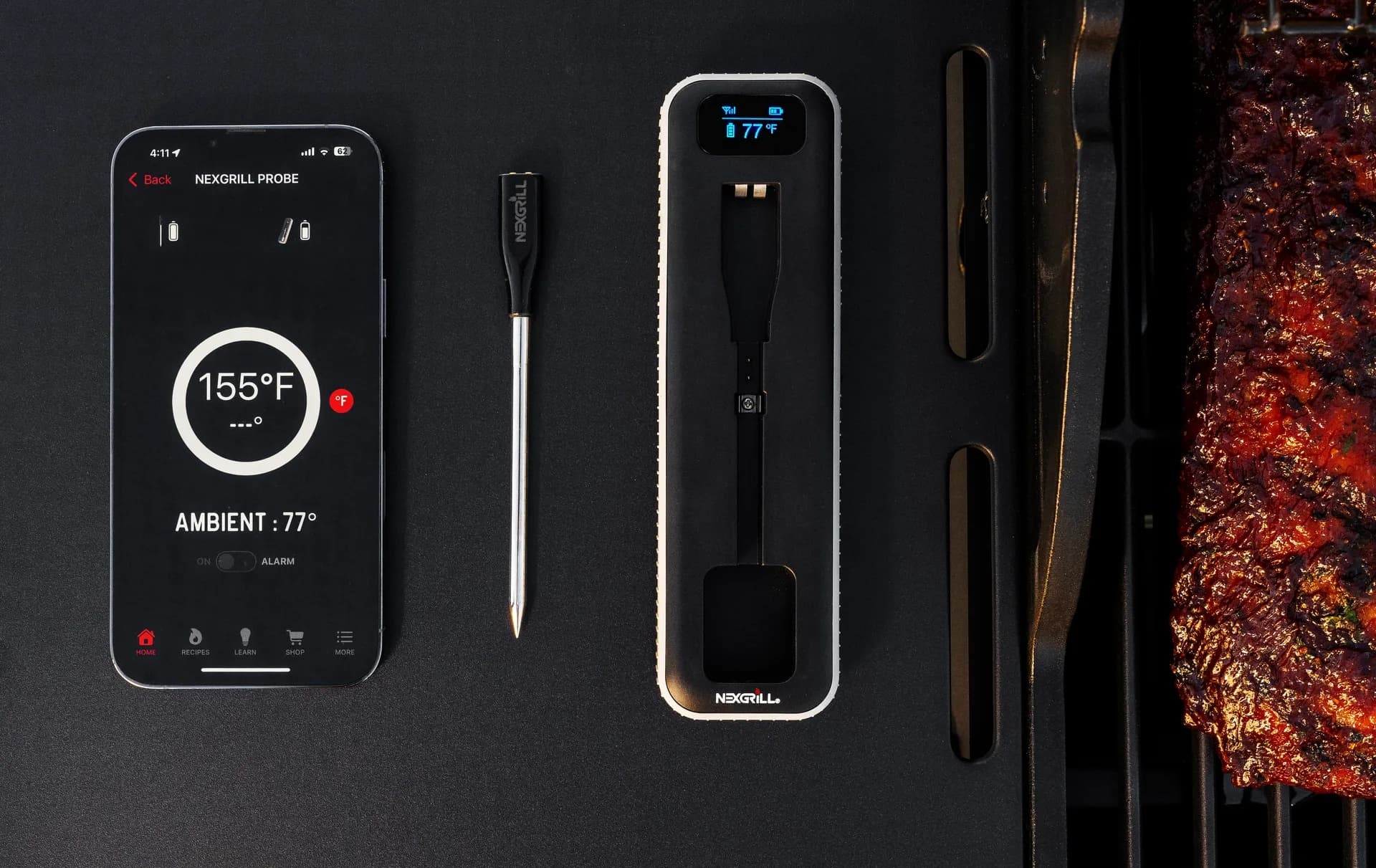
Wireless Meat Thermometers
A grill thermometer is the difference between guessing and knowing. When you are cooking steak for a small backyard dinner, smoking ribs for a long afternoon, or trying to land poultry at the right doneness without drying it out, temperature is the only signal that consistently tells the truth. Color, juices, and cooking time can all mislead you, especially when wind, lid openings, or uneven heat zones change the pace of the cook. A good thermometer helps you make cleaner decisions, cut down on overcooking, and serve food with more confidence.
That is why top-rated grill thermometers are evaluated on more than just speed. The best models combine accuracy, readable displays, probe durability, smart alerting, and a format that matches how you actually grill. Some people need a fast instant-read tool for the final check before resting a steak. Others want a leave-in probe that stays in the meat the entire time. Many grillers now prefer wireless meat thermometers because they can monitor a brisket or pork shoulder from inside the house without hovering over the cook. Each style solves a different problem, and the right one depends on your habits.
Accurate temperature readings matter most when the margin for error is small. Chicken, thick chops, and smoked roasts can go from perfect to dry in a narrow temperature range.
A meaningful accuracy target for serious home grillers when checking doneness at the finish line.
For Nexgrill readers, the practical takeaway is simple: choose a thermometer that supports the way you cook, not the way marketing photos make grilling look. If you often sear burgers and steaks on a gas grill, speed matters because you want a quick reading after a short lid lift. If you smoke on a pellet grill or cook larger cuts on a charcoal setup, probe stability and alarm functions may matter more than split-second response time. Grilling precision starts with temperature, but it also depends on how easily you can gather that temperature without disrupting the cook.
The main thermometer formats are built around different workflows. Instant-read thermometers are designed for quick spot checks and are ideal when you are verifying doneness near the end of a cook. Leave-in probe thermometers stay in the food during the entire cooking process and are especially helpful for roasts, ribs, and other longer cooks where steady monitoring is more useful than repeated opening and closing of the lid. Wireless meat thermometers add remote monitoring, usually through a base unit or smartphone app, which is valuable when you are multitasking, entertaining, or running a low-and-slow session that can last several hours.
| Type | Best use | Main advantage | Trade-off |
|---|---|---|---|
| Instant-read | Steaks, burgers, chops, final checks | Fast reading in seconds | Not meant to stay in the meat |
| Leave-in probe | Roasts, chicken, pork, ribs | Continuous monitoring | Cable management and lid routing matter |
| Wireless | Long cooks, multitasking, app tracking | Remote alerts and convenience | More setup, batteries, and app dependence |
Instant-read tools are the closest thing to a precision instrument for everyday grilling. They are compact, easy to store, and often the fastest way to learn whether a burger has reached a safe internal temperature or whether a steak is ready to rest. Leave-in probe thermometers are more like a steady companion for the whole cook. Because they remain inserted, they are better suited for situations where you need to monitor a temperature curve rather than one single reading. Wireless meat thermometers go one step further by making temperature tracking more flexible. For busy households, that convenience can matter as much as the display itself.
A thermometer can only help if it matches the cook. A fast instant-read model is not a substitute for a probe setup during a six-hour smoke.
When shoppers look for top-rated grill thermometers, they usually want a short list of what actually works well in real grilling conditions. The strongest products generally fall into three categories: a fast instant-read option for finishing touches, a dependable leave-in probe thermometer for routine grilling, and a wireless setup for longer or more hands-off cooks. The best choice is usually not the most expensive one; it is the one with the right mix of speed, temperature range, readability, and alarm logic for your style of cooking.
| Category | What top-rated models usually include | Typical U.S. price range | Who benefits most |
|---|---|---|---|
| Instant-read | Quick response, backlit screen, foldable probe, strong water resistance | $15-$50 | Weeknight grillers, steak fans, quick-check cooks |
| Leave-in probe | Dual probes, high/low alerts, readable receiver or base | $25-$80 | Rib, roast, and poultry cooks |
| Wireless | Bluetooth or Wi-Fi connectivity, app notifications, multiple channels | $50-$200+ | Low-and-slow cooks, entertainers, multitaskers |
In practice, top-rated models tend to stand out for consistency rather than novelty. A well-designed instant-read thermometer should give you a stable number quickly enough that you are not leaving the lid open too long. A leave-in probe thermometer should keep tracking accurately while the grill environment changes. Wireless options earn their keep when the app or receiver is reliable, the connection is stable across the distance you need, and the alerts are meaningful rather than noisy. That is why the best thermometers often feel almost invisible during the cook: they simplify decisions instead of creating more of them.
Choosing the right thermometer comes down to five practical questions: what you cook, how often you cook, how much detail you want, where you grill, and how much setup you will tolerate. For a homeowner who grills burgers and chicken breasts twice a week, an instant-read thermometer may be enough. For someone who smokes pork shoulder on weekends, a leave-in probe setup is more useful. For a person who works in the yard, entertains guests, or steps away during long cooks, wireless monitoring can be the better investment.
The price question matters, but not in a simple cheapest-versus-best way. A budget instant-read can be a smart buy if you only need final doneness checks, while a more expensive wireless thermometer may be worth it if it prevents overcooking a $60 brisket. Think in terms of protected value: a thermometer that helps preserve a good cut of meat pays for itself through reduced waste and better results. If you are comparing models for a gas grill or a pellet setup, also consider how the thermometer fits your cooking station. A large receiver, long probe cables, or app alerts may suit one patio layout better than another.
If you only buy one thermometer, choose the type that matches your most common cook. A tool used often is always more valuable than a fancy tool used rarely.
Thermometers last longer when they are treated like precision tools instead of general utensils. After each use, wipe the probe clean carefully and avoid forcing water into seams, screens, or charging ports. If your thermometer has a removable probe or cable, inspect it regularly for kinks, cracking, or heat damage. Those small wear signs often appear before a failure and can save you from trusting a bad reading during a cook. It is also smart to keep probes away from direct flame unless the manufacturer specifically says they are built for that exposure.
For better long-term performance, store the thermometer in a dry spot, replace batteries before they weaken, and calibrate the unit when your readings seem off. Many grillers forget that temperature tools can be affected by everyday handling: a dropped unit, a bent probe tip, or a cable caught in a hot lid can all change how accurately the thermometer performs. If you regularly cook in the United States during cold mornings or humid summers, also pay attention to how the device behaves in seasonal conditions. A display that is easy to read in bright afternoon sunlight may be harder to see at night, and a cable that works in mild weather may become stiffer in colder air.
A clean, reliable thermometer helps you build repeatable habits. Once you trust the numbers, you can focus more on technique: managing zones, resting meat properly, and deciding when to open the lid and when to leave it alone. That confidence is what separates casual guessing from precise grilling. Try comparing two products side by side below to see which fits best:
Once you've compared two thermometers side by side, the next step is figuring out which advanced features actually make a difference in real grilling. Not every extra function is worth paying for, and some features sound more impressive in a product listing than they feel in a backyard cookout. The most useful upgrades tend to be the ones that reduce uncertainty: better alerts, stronger connectivity, easier calibration, multiple probes, and clearer data display. If you grill often, those details can save time and prevent mistakes that are expensive in both ingredients and effort.
Wireless thermometers are a good example. A Bluetooth or Wi-Fi model can be extremely helpful when you are cooking on a pellet grill or managing a slow smoke on charcoal. The real value is not just the ability to check your phone. It is the freedom to know whether the pit temperature is drifting or the meat has hit target without walking back and forth to the patio every few minutes. Some models also offer graphing or trend tracking, which gives you a better sense of how the cook is progressing over time. That is especially useful for larger cuts where temperature rise can plateau before the final climb.
The best advanced feature is often a good alarm system. If the alerts are late, noisy, or confusing, the rest of the hardware matters less.
Multiple probes are another high-value feature. They let you monitor more than one piece of meat or track both the food and the ambient grill temperature at the same time. That matters when you are cooking chicken thighs on one side and vegetables on another, or when you want to understand whether your grill is running hotter on one zone than another. For many home grillers, this is the point where a thermometer starts acting less like a gadget and more like a control system. It helps you make deliberate decisions instead of reacting to surprises.
| Advanced feature | Why it helps | Best fit |
|---|---|---|
| Bluetooth or Wi-Fi connectivity | Remote checks and alerts | Long cooks and multitasking |
| Dual probes | Monitor food and ambient heat simultaneously | Smoking and zone cooking |
| Backlit screen | Easier reading at dusk or night | Evening grilling |
| Calibration support | Helps maintain trust in readings | Frequent users |
In the real world, the best comparisons come down to use case rather than brand buzz. An instant-read model can be the best-rated thermometer for a steak lover because it is fast, compact, and easy to grab repeatedly. A leave-in probe thermometer can outperform a flashier wireless unit if you mostly smoke ribs and want dependable alerts without needing an app. A premium wireless setup can make sense for anyone who enjoys long cooks, has a busy household, or wants to step away from the grill while still tracking progress. The right match depends on whether your pain point is speed, continuity, or convenience.
For most U.S. backyard grillers, pricing tends to rise with added convenience, not necessarily with raw accuracy. A basic instant-read may cost around the price of a restaurant appetizer, while a smart wireless thermometer can climb into a much higher range because of app support, multiple channels, and connectivity features. That does not make the inexpensive option inferior. It just means you should buy the simplest tool that solves the problem you have today. If you do not smoke meat often, paying for a four-probe wireless platform may not be the smartest use of your budget.
| Model style | Strength | Possible downside | Best value scenario |
|---|---|---|---|
| Instant-read | Fast, simple, portable | Cannot monitor continuously | Weeknight grilling and steak finishing |
| Leave-in probe | Continuous temperature oversight | Cable routing can be awkward | Roasts, poultry, ribs |
| Wireless smart | Remote tracking and alerts | More setup and battery dependence | Long smokes and entertaining |
User reviews usually reveal the things spec sheets leave out. For grill thermometers, that means probe durability, app reliability, battery life, and whether the device stays accurate after repeated use. Many owners praise thermometers that are simple to read in bright sunlight and fast enough to check food without delaying service. Others are happiest with wireless models that send clear notifications and keep a stable connection as they move around the yard. Negative reviews often cluster around the same problems: fragile probes, laggy apps, short battery life, or displays that are hard to read when the grill is hot and the cook is moving quickly.
If you are shopping carefully, look for review patterns rather than one-off complaints. A single bad review may say more about shipping or misuse than the product itself. But if many users mention inaccurate readings after a few months, weak probe insulation, or unreliable alerts, that is a stronger sign to look elsewhere. In the U.S. market, where buyers often compare products across big-box stores and online marketplaces, consistency across reviews is a more useful signal than star count alone. It helps to think like a repeat cook: would this thermometer still be useful after the third cook of the month, not just the first one?
User feedback is most valuable when it describes repeat use. Comments about a first impression are less useful than comments about month-three reliability.
Accessories can make a thermometer easier to use and extend its life. Replacement probes are worth considering because probe tips and cables take the most abuse. Protective sleeves and cases help with storage and transport, which matters if you cook at a tailgate, campground, or neighbor’s house. Some thermometers also benefit from magnetic mounting, clip-on receivers, or stand brackets that keep the display visible while you work at the grill.
If your setup includes a Nexgrill gas grill, pellet smoker, or griddle, it can also help to think about where the thermometer will live between cooks. A thermometer that is always easy to find is more likely to get used, and a thermometer that gets used more often will give you better results over time. That makes organization part of cooking performance. Battery storage, probe wraps, and labeled accessories may sound minor, but they reduce friction and help turn temperature control into a habit instead of a hassle.
Basic thermometer care checklist:1. Inspect probe tips before every cook.2. Keep cables away from direct flame and hot grates.3. Replace weak batteries before long smoking sessions.4. Store probes dry and untangled.5. Recheck calibration if readings begin to drift.The best grill thermometer is the one that makes your cooking calmer, faster, and more accurate. Instant-read models are ideal when you need a quick answer at the finish line. Leave-in probes shine when the cook is long enough to justify continuous monitoring. Wireless thermometers are worth considering if you want remote alerts and the flexibility to step away from the grill without losing control. Each option has a place, and the right one depends on your budget, your cooking style, and how often you rely on temperature to guide the meal.
If you want a tool that improves precision without overcomplicating your setup, start by matching the thermometer to the food you cook most often. That single decision will do more for your results than chasing every advanced feature at once. Once you know whether you need speed, monitoring, or remote convenience, it becomes much easier to pick a thermometer that feels like a natural part of your grilling routine.
Here's what sets us apart
We position ourselves as delivering high-end outdoor cooking features and performance without premium-brand pricing, emphasizing “Quality Grills. Unbelievable Value.”
We offer gas grills, pellet grills, griddles, smokers, pizza ovens, portable/tabletop grills, electric grills, accessories, and replacement parts — allowing customers to stay within one ecosystem for all outdoor cooking needs.
We differentiate ourselves through smart grilling products like the Oakford smart pellet grill, including app-connected cooking controls and modern outdoor cooking technology.
Don't just take our word for it
Keep reading
From our catalog