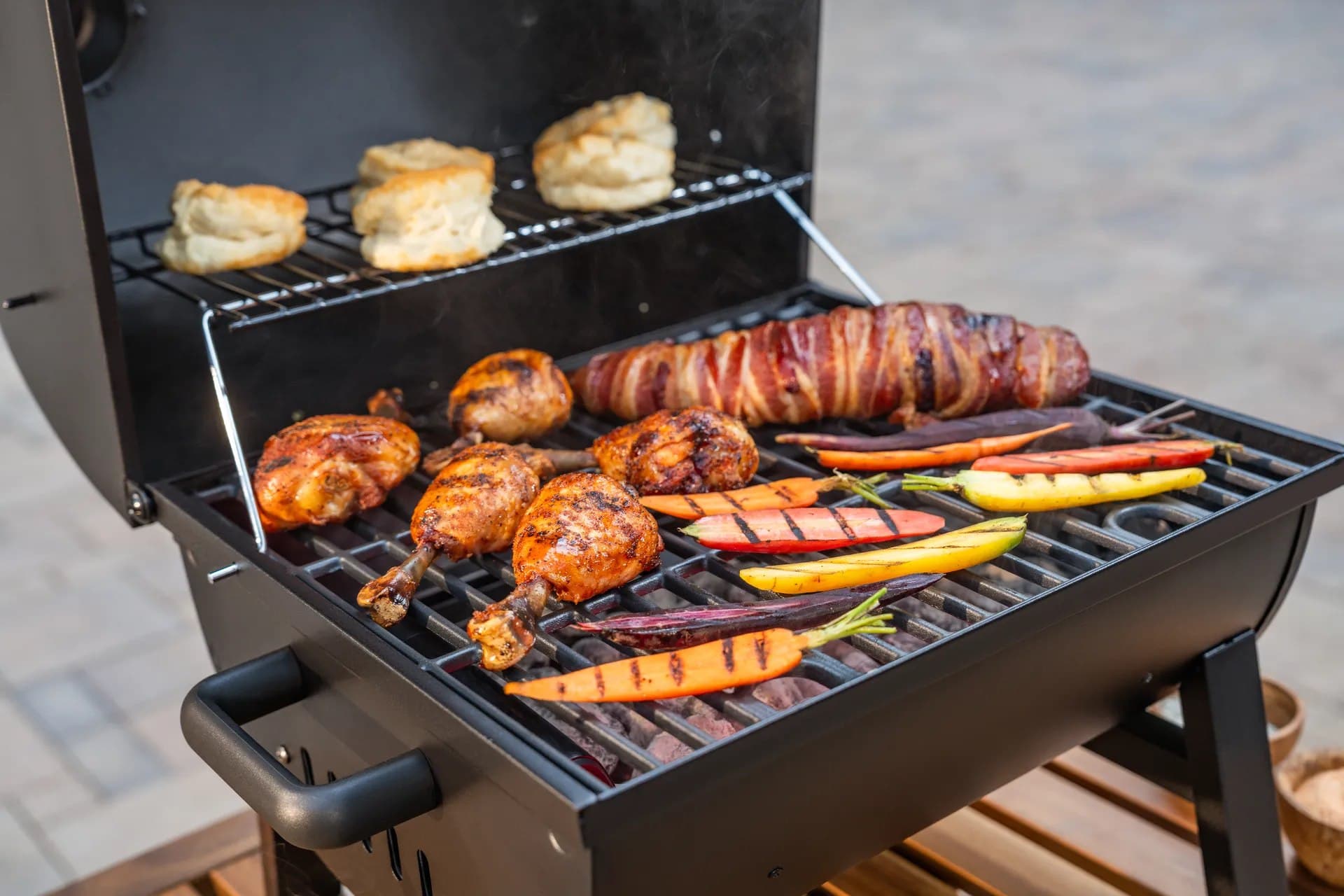
Delicious and nutritious dishes to enjoy on your charcoal grill while supporting your weight loss goals.

Here's what sets us apart from the competition
We position ourselves as delivering high-end outdoor cooking features and performance without premium-brand pricing, emphasizing “Quality Grills. Unbelievable Value.”
We offer gas grills, pellet grills, griddles, smokers, pizza ovens, portable/tabletop grills, electric grills, accessories, and replacement parts — allowing customers to stay within one ecosystem for all outdoor cooking needs.
We differentiate ourselves through smart grilling products like the Oakford smart pellet grill, including app-connected cooking controls and modern outdoor cooking technology.
Expert tips, buying guides, comparisons, and inspiration for choosing and getting the most out of your grill.
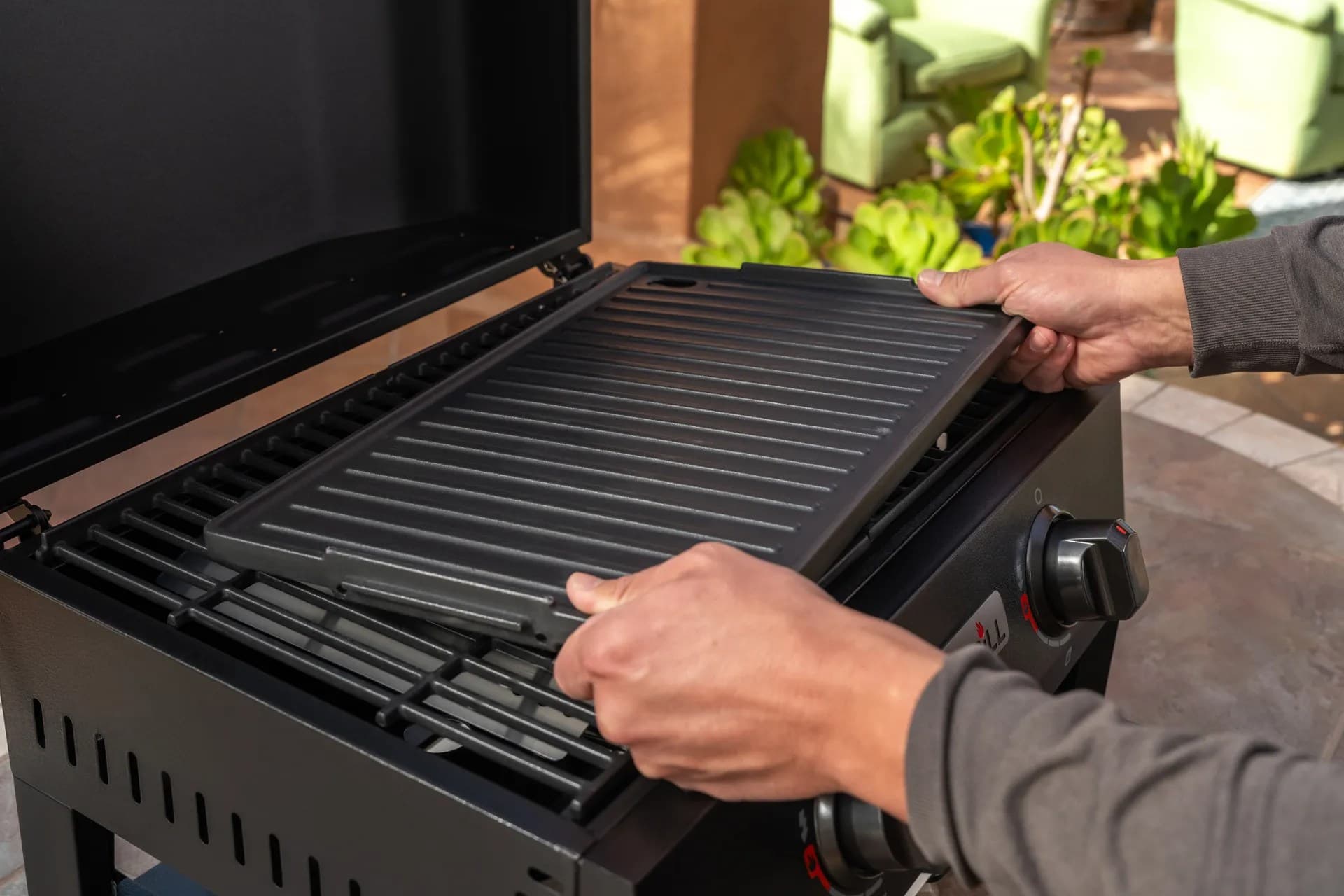
Practical guides for cleaning, maintenance, common grill issues, and performance optimization.
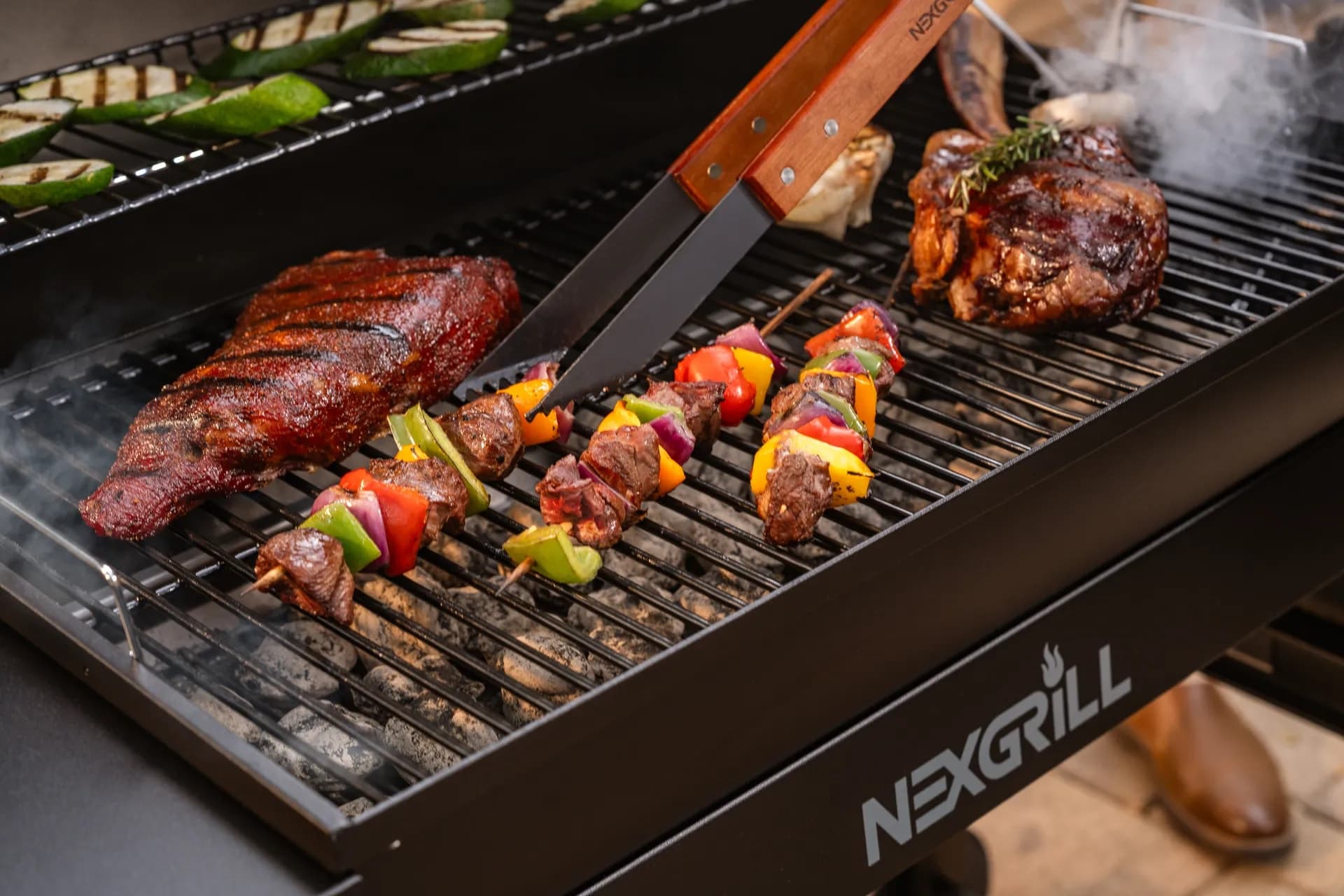
Step-by-step grilling recipes, cooking techniques, and meal ideas for every occasion and skill level.
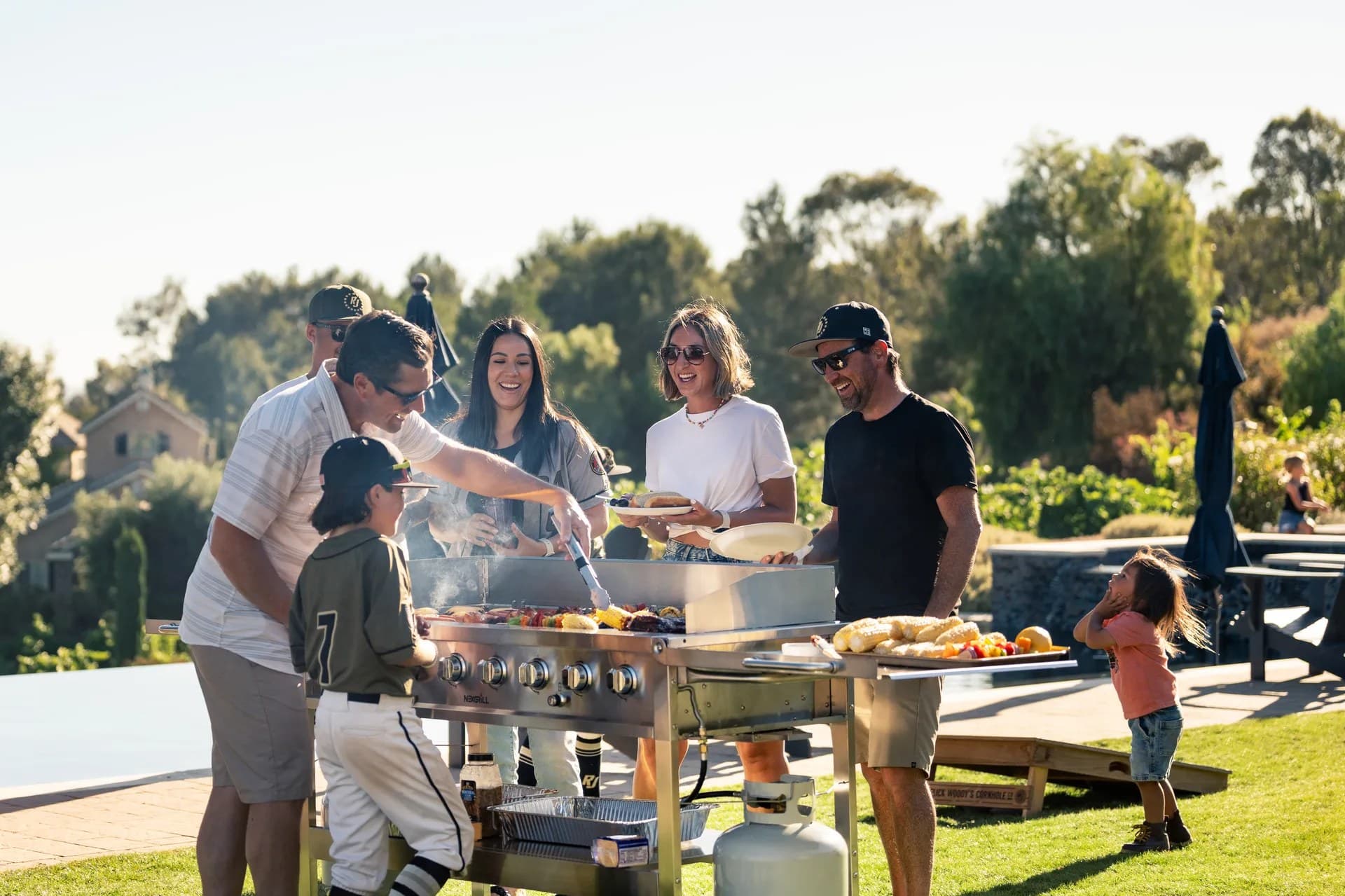
Backyard entertaining ideas, seasonal grilling inspiration, and stories that celebrate outdoor cooking culture.
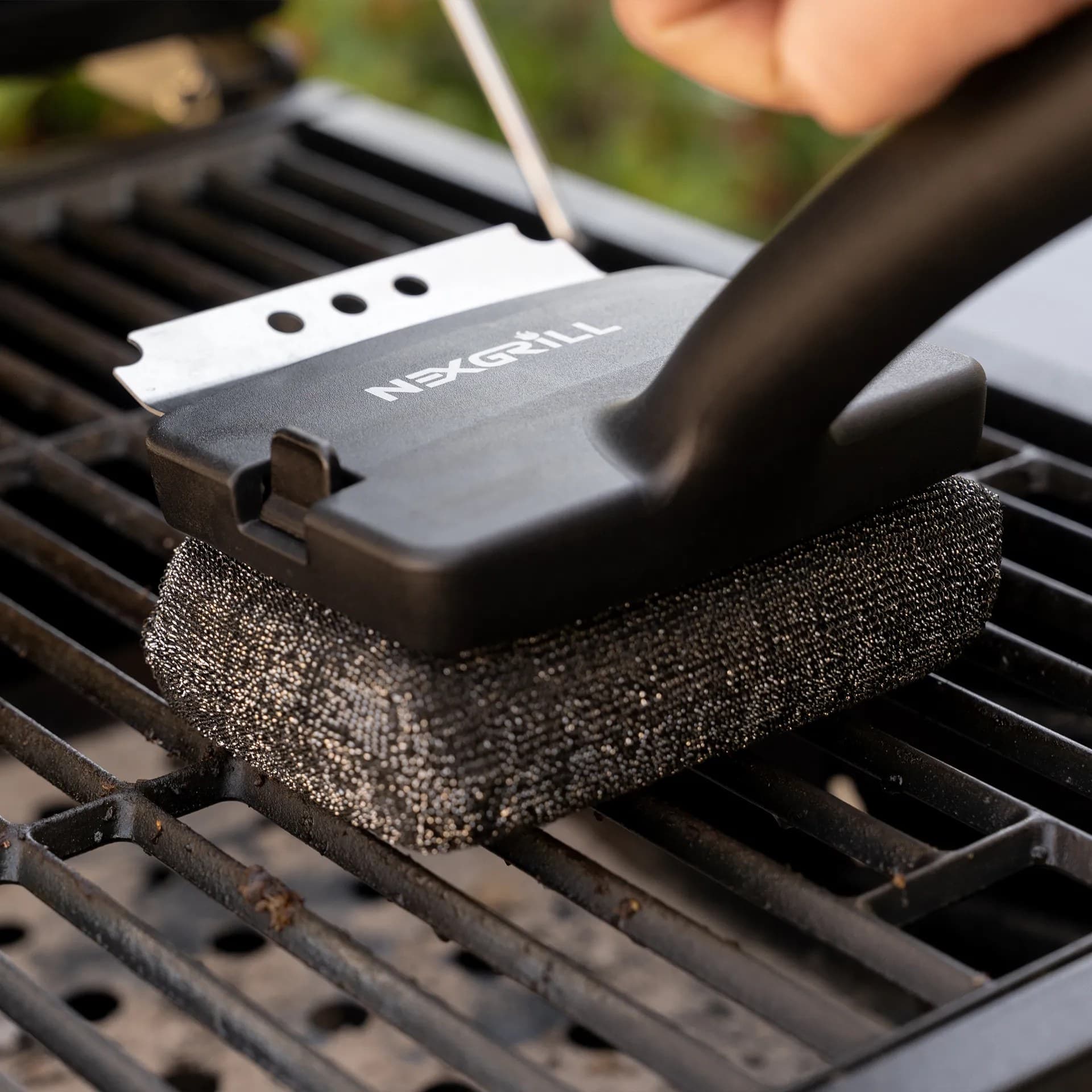
Helpful articles covering grilling tools, cookware, maintenance gear, and must-have accessories for outdoor cooking.
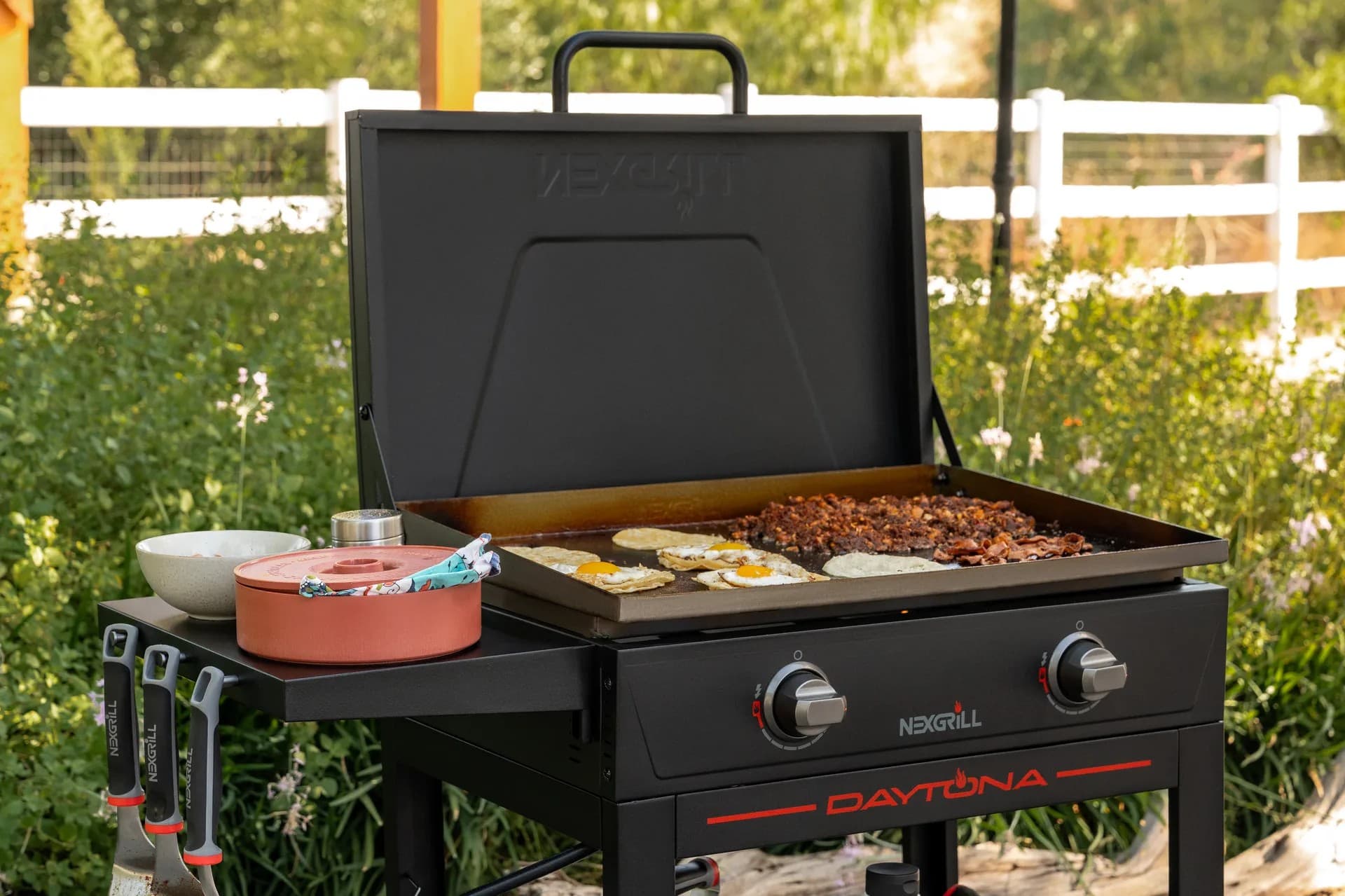
Find griddle recipes, cooking techniques, cleaning tips, and outdoor meal ideas designed for Nexgrill griddles.
Find answers to common questions
Nexgrill equipment is suitable for a variety of recipes including meats, vegetables, and even pizzas. Popular options include marinated steaks, grilled vegetables, and shrimp skewers.
To enhance the flavor of grilled vegetables, consider marinating them in olive oil, herbs, and spices before grilling. Alternatively, you can season them with salt and pepper during grilling for a more straightforward approach.
To achieve perfect grill marks, preheat your grill to a high temperature and ensure that the food is dry before placing it on the grill. Avoid moving the food too early, as it needs to sear properly to form those classic grill marks.
Using a meat thermometer is the most accurate way to ensure your grilled meat is at the desired temperature. For instance, chicken should reach an internal temperature of 165°F while medium-rare beef is typically at 135°F.
To clean your Nexgrill after cooking, allow it to cool and then use a grill brush to remove any residue from the grates. You can also wipe down the exterior with a damp cloth and mild soap to keep it looking its best.
In This Article
Grilled Lemon Herb Chicken
Fresh Herb Grilled Salmon
Lean Beef Skewers with Vegetables
Healthy charcoal grilling works because it naturally pushes you toward simpler ingredient lists, lighter portions, and stronger flavor from heat, smoke, herbs, and acidity instead of heavy sauces. That combination is especially useful when your goal is weight loss. Instead of building meals around creamy dressings, sugary glazes, or oversized carb sides, you can center the plate on lean protein, colorful vegetables, and a marinade that adds bold taste without adding many calories. The result is food that feels satisfying, looks abundant, and supports a calorie-conscious eating plan without turning dinner into diet food.
For many home cooks, charcoal grilling also changes how meals are portioned. Because you are typically cooking individual portions on skewers, fillets, cutlets, or vegetable planks, it becomes easier to serve exactly what you need and avoid the extra serving creep that often happens with casseroles, fried foods, or buffet-style dinners. Charcoal’s direct heat also produces strong browning and smoky flavor, which means a modest amount of seasoning can taste more complex than the same ingredients cooked indoors. That is a practical advantage when you want a healthier meal to still feel special enough for a weekend cookout.
Weight-loss-friendly grilling is less about restriction and more about technique: choose lean ingredients, control portions, and build flavor with herbs, citrus, spice, and smoke.
This guide focuses on recipes that fit a realistic United States home grilling routine. It is written for readers who want meals that are lighter but still filling, and for anyone who wants to use a charcoal grill more intentionally as part of a healthier weeknight rhythm. You do not need complicated prep or expensive specialty ingredients to do that. In fact, the best results often come from familiar proteins like chicken breast, salmon, shrimp, lean beef, and mushrooms, paired with vegetables that hold up well over open heat. Each of those ingredients can deliver strong satiety and good texture when cooked correctly.
Charcoal grilling can be a smart fit for weight loss because it encourages direct cooking with minimal added fat. When food is grilled over hot coals, excess fat can drip away from proteins rather than pooling in a pan. That does not make grilled food automatically low calorie, but it does remove one common source of hidden fat that can add up fast in sautéed or breaded recipes. It also helps create a crisp, browned exterior without needing flour coatings or heavy frying oils.
Another advantage is the flavor payoff. Smoke, char, and caramelization can make simple foods feel more indulgent. That matters because successful weight-loss cooking is often about making a repeatable meal pattern you actually enjoy. If grilled chicken, salmon, or vegetables feel bland, you are less likely to stick with them. Charcoal gives you enough flavor intensity that you can rely on lower-calorie ingredients and still keep meals appealing. A lemon-herb chicken breast or a spicy shrimp skewer can feel like a complete meal, not a compromise.
of grilled protein, vegetables, and a smart side can replace a much heavier barbecue meal.
Charcoal also supports a rhythm of meal prep that suits calorie control. You can grill several portions at once, chill leftovers, and build lunches around them later in the week. That makes it easier to plan around protein targets and avoid grabbing high-calorie convenience meals when you are busy. In a practical sense, grilling can be a batch-cooking tool as much as a dinner method. The key is to use it deliberately: keep portions balanced, choose the right cuts, and resist the temptation to stack every plate with rich sides just because the grill is hot.
| Ingredient choice | Why it helps for weight loss | Best charcoal use |
|---|---|---|
| Chicken breast | High protein, naturally lean, easy to portion | Fast direct grilling with brief rest time |
| Salmon | Satisfying fats, rich flavor, strong meal presence | Medium heat to prevent drying |
| Shrimp | Very lean, quick-cooking, easy to season | Short cook time on skewers or basket |
| Portobello mushrooms | Low calorie, meaty texture, adds volume | Direct grilling with simple brushing |
Protein is the anchor of a weight-loss-friendly grill meal because it helps keep you full and makes it easier to control overall calories. The best choices are usually lean cuts that still stay tender under high heat. Chicken breast is the most obvious option, but not the only one. Skinless chicken thighs can work in moderate portions if you prefer more flavor, though they are less lean. Fish and shellfish are also excellent because they cook quickly and pair well with bright, fresh seasonings. Salmon has more fat than white fish, yet that fat is part of what makes it satisfying, so a reasonable fillet portion can fit a balanced meal very well.
Lean beef can absolutely belong in a healthy grilling plan if you choose wisely. Look for sirloin, top round, or extra-lean cuts that are easy to cube for skewers. The point is not to remove red meat completely but to use a cut that provides rich flavor in a smaller portion. When paired with peppers, onions, zucchini, or cherry tomatoes, a modest amount of beef goes further and feels more substantial. That makes it easier to build a plate with protein and produce rather than relying on a large slab of meat.
If your protein is heavily marbled or breaded, the calorie count can climb quickly. For weight loss, keep the focus on lean cuts and simple preparation.
One of the easiest ways to keep grilled protein healthy is to think in terms of balance instead of restriction. A 4- to 6-ounce portion of chicken, fish, shrimp, or lean beef can be enough when the plate also includes vegetables and a lighter side like a tomato salad or grilled asparagus. That approach creates satisfaction without the oversized servings that often show up at cookouts. It also makes your meal easier to repeat, which matters more for long-term results than any single perfect dinner.
Vegetables are the part of a healthy charcoal meal that can add volume, color, and texture without pushing calories too high. For weight loss, that is a major benefit. A plate filled with peppers, zucchini, onions, mushrooms, asparagus, eggplant, or cherry tomatoes looks generous and tastes layered, especially after a quick char. Because vegetables take on smoke and caramelization so well, they can become more craveable than many people expect. That makes them useful not just as a side dish, but as a structural part of the meal.
The best grilled vegetables for this style are the ones that can withstand direct heat without collapsing. Thick slices of zucchini, bell pepper strips, halved onions, and whole mushrooms are especially easy. Corn is tasty, but because it is starchier, it usually belongs in a measured portion rather than as the main vegetable on a weight-loss plate. If you want even more volume, build a mixed platter with several vegetables and a little fresh herb finish after grilling. The contrast between charred edges and fresh cilantro, parsley, dill, or basil can make the dish feel restaurant-worthy without rich sauce.
A helpful mindset is to use vegetables to take up space on the plate before you add starches. If you eat a large portion of grilled vegetables first, it is easier to stay satisfied with a moderate amount of protein and a smaller serving of bread, potatoes, or rice. That small sequencing habit can make a meaningful difference for people who are trying to manage intake without feeling deprived. Vegetables also help meals look complete, which reduces the urge to keep adding extra calories just because the plate seems too empty.
For lighter grilling, marinades should do two jobs: add flavor and protect moisture. Acidic ingredients such as lemon juice, lime juice, vinegar, or yogurt can brighten the food and tenderize lean proteins. Olive oil should be used thoughtfully, not eliminated entirely, because a small amount helps carry flavor and improve browning. The trick is to keep the oil modest and let aromatics do the heavy lifting. Garlic, ginger, black pepper, paprika, cumin, chili flakes, rosemary, thyme, oregano, and dill can all create depth without relying on sugar-heavy bottled sauces.
For weight loss, dry rubs are often underrated. A rub made from smoked paprika, garlic powder, onion powder, black pepper, and a little salt can create excellent crust on chicken or beef while adding almost no calories. Herbs and citrus zest also work very well because they bring fragrance without sweetness. If you do use a sauce, consider brushing it on lightly at the end of cooking rather than soaking the food before it hits the grill. That keeps sugars from burning too early and helps you control how much ends up on the plate.
A good healthy marinade should be flavorful enough that you do not need a heavy finishing sauce. Let the grill, herbs, and acid do the work.
If you want a simple formula, think in terms of one acid, one oil, one herb, and one spice family. Lemon, a teaspoon or two of olive oil, parsley or oregano, and garlic can carry chicken. Lime, cumin, cilantro, and chili powder can work beautifully with shrimp. Dijon, rosemary, and black pepper suit salmon well. This kind of structure keeps cooking easy and repeatable, which is useful if you are trying to build healthier habits into a busy schedule rather than just making one special dinner.
Three reliable starting points for a weight-loss-focused charcoal menu are lemon herb chicken, fresh herb salmon, and lean beef skewers with vegetables. Each one is high in flavor and easy to portion. Grilled chicken gives you a straightforward lean-protein dinner, salmon offers richness that can help keep you satisfied, and beef skewers provide a heartier feel while still making vegetables the visual center of the plate. These recipes are also flexible, so you can scale them for one person, a family dinner, or meal prep for the week.
What makes these recipes especially practical is that they use ingredients many households already keep on hand. That reduces the barrier to cooking at home, which is one of the best habits for managing weight over time. You are not dependent on specialty products or complicated steps. You can season, grill, rest, and serve. If you build a weekly rhythm around a few recipes like these, the process becomes easier and the results become more consistent.
can cover chicken, fish, and beef nights without adding unnecessary complexity.
Healthy grilling also means safe grilling. Preheat your charcoal fully so the food sears cleanly rather than steaming on weak heat. Use clean grates to reduce sticking and to avoid residue from older cooks. Keep raw proteins separate from finished food, and use separate utensils if possible to prevent cross-contamination. For lean meats, avoid overcooking because dryness often tempts people to add extra sauce or butter afterward. A brief rest after grilling helps juices redistribute and improves texture without adding calories.
You should also pay attention to charring. Some browning is part of the appeal of charcoal cooking, but heavy blackened spots are not the goal. A medium, even char gives flavor without sacrificing texture or creating a burnt taste that encourages heavy condiments. For vegetables, a little blistering is ideal. For chicken and beef, use the coals for direct sear and then move the food to a slightly cooler zone if it needs more time. That two-zone approach helps you cook through without drying out the leanest cuts.
Finally, think about what happens after the grill. Serve with lemon wedges, fresh salsa, chopped herbs, or a simple yogurt-based drizzle instead of calorie-dense dressings. Keep the rest of the plate light and colorful. That way, grilling supports your goals in a way that feels practical, flavorful, and sustainable. Try comparing two recipes side by side below to see which fits best for your calorie target, prep time, and taste preferences.
Grilled lemon herb chicken is one of the easiest healthy charcoal recipes to make well because it gives you a lot of flavor from a short ingredient list. Start with boneless, skinless chicken breasts or trimmed cutlets so the final portion stays lean. A simple marinade of lemon juice, a small amount of olive oil, minced garlic, chopped parsley, oregano, black pepper, and a pinch of salt is enough to carry the dish. The acid brightens the meat, while the herbs give it a fresh finish that feels lighter than a traditional barbecue sauce. This is the kind of recipe that works on a busy weeknight but still feels deliberate enough for weekend cooking.
For the best texture, marinate the chicken for at least 30 minutes and up to 4 hours in the refrigerator. Too much time in an acidic marinade can make the surface mushy, especially if the cutlets are thin. Grill over medium-hot coals so the outside gets color without overcooking the center. Chicken breast is at its best when it is just cooked through and rested briefly before slicing. If you slice it on the bias and serve it with grilled zucchini or a tomato-cucumber salad, you get a plate that feels abundant without being heavy.
A lean chicken recipe stays satisfying when the herbs are fresh and the grill marks are confident. You do not need a sugary glaze to make it memorable.
| Chicken prep choice | Benefit | Best use |
|---|---|---|
| Whole breast | Simple to portion and high in protein | Meal prep or family dinner |
| Cutlets | Cooks quickly and evenly | Weeknight grilling |
| Skewered chunks | Easy to pair with vegetables | Mixed grill platter |
Fresh herb grilled salmon is a smart option when you want a healthier meal that still feels rich and satisfying. Salmon has more natural fat than chicken or shrimp, but that is part of why it works well for weight management: a moderate portion can feel complete, especially when paired with vegetables. A light coating of olive oil, chopped dill, parsley, chives, lemon zest, black pepper, and a touch of garlic is enough to season the fish without masking its flavor. Because salmon is delicate, the goal is gentle heat and careful handling rather than aggressive charring.
It helps to use a fish basket, foil with perforations, or a well-oiled grate if the fillets are skin-on. Grill skin-side down first so the fish firms up and releases more easily. Keep the lid closed when possible to create even heat and reduce the risk of drying the exterior before the center is done. Salmon pairs especially well with asparagus, green beans, and grilled lemon halves. If you want a complete weight-loss-friendly plate, serve a 5- to 6-ounce fillet with two vegetables and skip heavy cream sauces. A spoonful of yogurt-dill sauce can add freshness without making the meal feel rich.
is a practical salmon portion for a filling, balanced grill dinner.
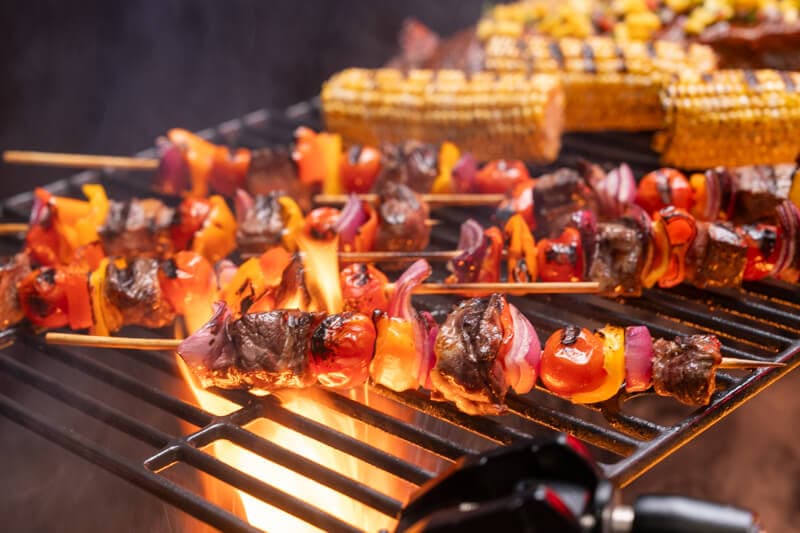
Lean beef skewers with vegetables give you the feeling of a classic grill meal while keeping the portions more controlled. The key is choosing a lean cut such as sirloin or top round, trimming visible fat, and cutting the beef into even pieces so it cooks at the same speed as the vegetables. Pair the beef with bell peppers, red onions, zucchini, cherry tomatoes, or mushrooms. The vegetables help stretch the meal visually and nutritionally, which is valuable when your goal is to feel full without overdoing calories. A marinade of balsamic vinegar, garlic, black pepper, and rosemary can add a savory depth that works beautifully over charcoal.
Skewers are useful because they naturally control the ratio of meat to produce. Instead of serving a large steak and then adding vegetables as an afterthought, the ingredients cook together and present as one balanced portion. That setup is particularly helpful for family meals, because it makes the healthier choice the easier choice. Grill over direct heat until the vegetables are tender and the beef is browned but not overcooked. If you want extra color, finish the skewers with chopped parsley or a squeeze of lemon right before serving.
A grilled vegetable platter is one of the most underrated tools for weight loss because it can dramatically increase the volume of a meal without adding much energy density. Use a mix of zucchini, yellow squash, asparagus, mushrooms, bell peppers, onions, and eggplant. Brush lightly with oil, season with salt, pepper, and herbs, and grill until tender with visible char. The goal is not to make every vegetable identical; it is to create enough texture variety that the platter feels abundant and satisfying. Vegetables can also help you moderate portions of richer foods by giving you something substantial to eat alongside them.
If you are serving a grilled vegetable platter as a main side, add a finishing element after grilling such as basil, parsley, mint, or a squeeze of citrus. That fresh top note makes the platter feel finished rather than plain. You can also use the vegetables as a base for leftover chicken or shrimp the next day, which makes meal prep easier and helps prevent waste. In practical terms, a well-made vegetable platter is less a side dish and more a calorie-control strategy that still feels like real food.
Grilled shrimp skewers are ideal when you want something light, fast, and high in flavor. Shrimp cooks quickly, which makes it easy to avoid overcooking and keeps the final meal lean. Toss peeled shrimp with olive oil, garlic, lemon juice, smoked paprika, and a little salt, then thread them onto skewers with chunks of zucchini or bell pepper if you want extra volume. Because shrimp has a mild, sweet flavor, it works well with bold spice blends and fresh herbs. A quick grill over direct heat usually gives you the best texture; once shrimp turn opaque and firm, they are ready.
This recipe is a good option for readers who want a lower-calorie dinner that still feels special. It can be served with a large salad, grilled corn in a modest portion, or a tomato-based salsa. Since shrimp is naturally lean, the main calorie considerations come from what you add to it, so keep the marinade light and avoid butter-heavy finishes. That approach gives you a clean, satisfying meal that is easy to repeat throughout the week.
Grilled Portobello mushrooms are useful in a healthy charcoal plan because they add a meaty texture and deep umami flavor with very few calories. They can serve as a side, a vegetarian main, or a bun substitute for a lighter meal. Brush the mushroom caps with a small amount of olive oil, balsamic vinegar, garlic, and black pepper, then grill until tender. The mushrooms absorb smoke well and develop a hearty texture that pairs nicely with grilled peppers, onions, or a slice of tomato. If you want to make them more filling, serve them with a small portion of quinoa or a bean salad, but keep the overall plate balanced.
Portobellos are especially useful for mixed households where some diners want meat and others want a vegetarian option. They also help round out a healthy menu because they are filling without being calorie dense. On a charcoal grill, their surface browning creates a deep flavor that can stand in for richer ingredients. That makes them one of the easiest ways to make a healthy grill dinner feel complete for everyone at the table.
Healthy charcoal grilling depends as much on technique as it does on ingredients. Start with clean grates and a properly preheated bed of coals so food sears quickly and releases more easily. Use tongs instead of a fork to turn proteins, because piercing the meat can cause juices to escape and make lean cuts dry. Keep a cooler section of the grill available so you can move food away from direct heat if it finishes too quickly on the outside. That is especially important for chicken breasts and thicker fish fillets.
Another useful habit is to season in layers. Put a modest amount of salt into your marinade or rub, then finish with herbs, citrus, or a light sauce after grilling. That creates enough flavor without making food taste overly salty or heavy. For sauces, choose small portions of yogurt-based, salsa-based, or herb-forward options instead of thick creamy toppings. And when building the whole meal, remember that your side dishes matter as much as the entrée. A charcoal-grilled chicken breast paired with grilled vegetables and a fresh salad will usually support weight-loss goals better than the same chicken served with buttery bread and rich potato salad.
Avoid adding sugary glazes too early. On charcoal, sugar can burn before the protein finishes cooking, leaving you with bitter flavor and extra calories you did not need.
Here's what sets us apart
We position ourselves as delivering high-end outdoor cooking features and performance without premium-brand pricing, emphasizing “Quality Grills. Unbelievable Value.”
We offer gas grills, pellet grills, griddles, smokers, pizza ovens, portable/tabletop grills, electric grills, accessories, and replacement parts — allowing customers to stay within one ecosystem for all outdoor cooking needs.
We differentiate ourselves through smart grilling products like the Oakford smart pellet grill, including app-connected cooking controls and modern outdoor cooking technology.
Don't just take our word for it
Keep reading
From our catalog