A comprehensive guide to understanding the benefits of WiFi connectivity in modern grilling.

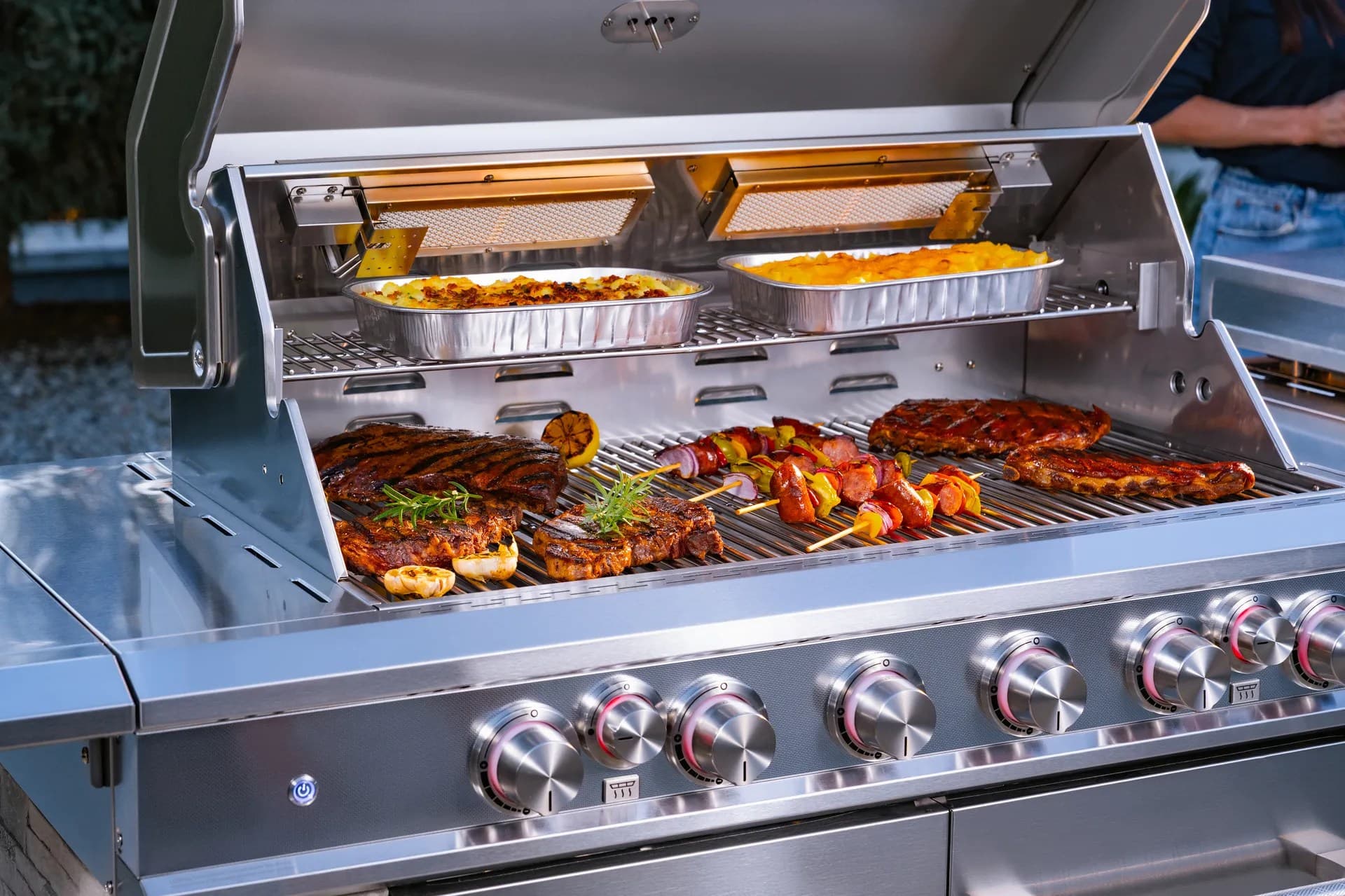
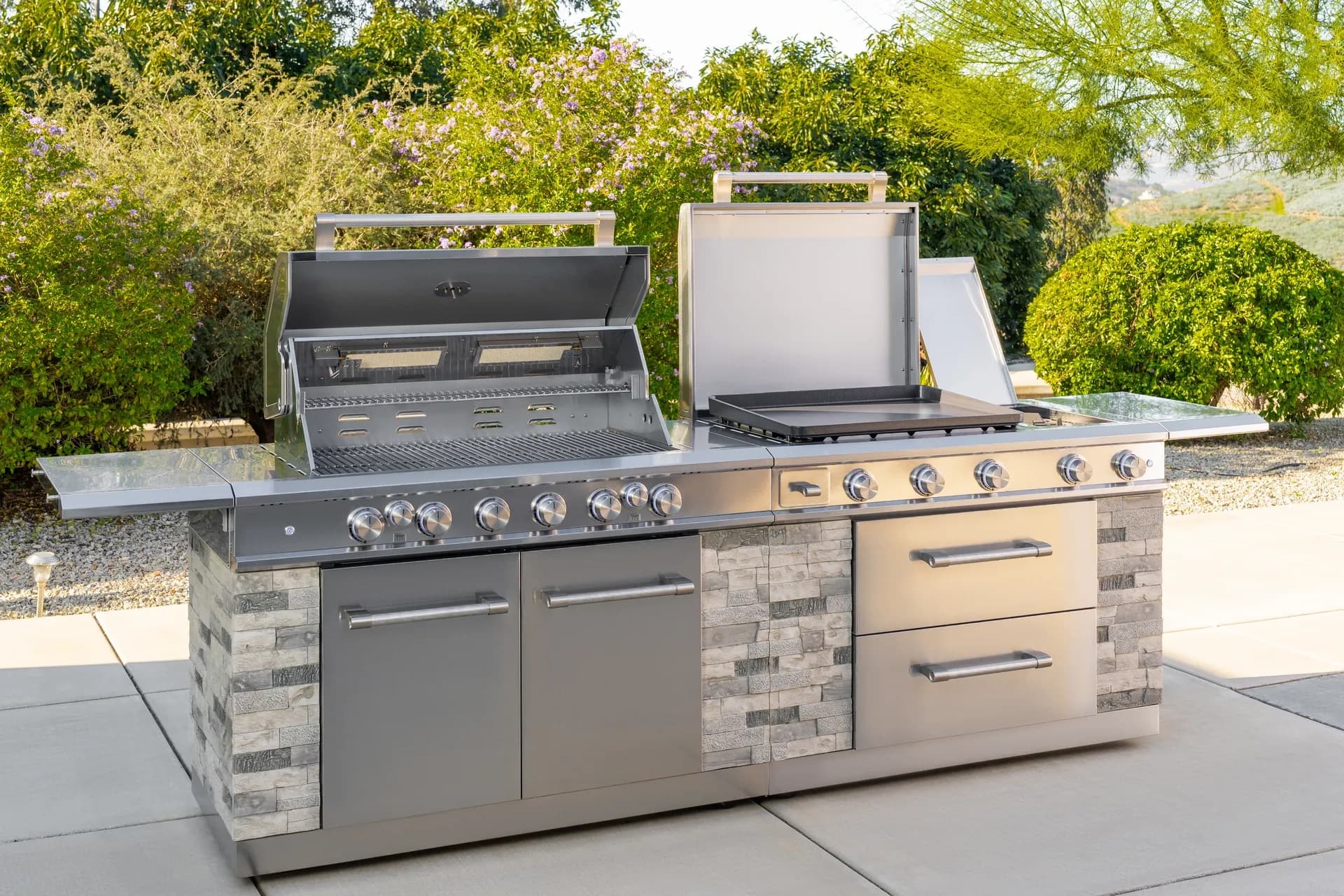
From sizzling breakfasts to smash burgers and teppanyaki-style dinners, the Daytona Pro 5 Burner NitroGuard™ Griddle delivers powerful heat, fast cooking, and a durable cooking surface built for every backyard cookout. Watch how easy outdoor cooking can be.
Here's what sets us apart from the competition
We position ourselves as delivering high-end outdoor cooking features and performance without premium-brand pricing, emphasizing “Quality Grills. Unbelievable Value.”
We offer gas grills, pellet grills, griddles, smokers, pizza ovens, portable/tabletop grills, electric grills, accessories, and replacement parts — allowing customers to stay within one ecosystem for all outdoor cooking needs.
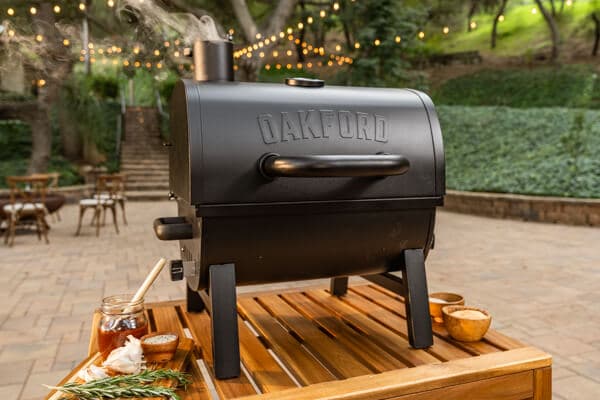
We differentiate ourselves through smart grilling products like the Oakford smart pellet grill, including app-connected cooking controls and modern outdoor cooking technology.
Expert tips, buying guides, comparisons, and inspiration for choosing and getting the most out of your grill.
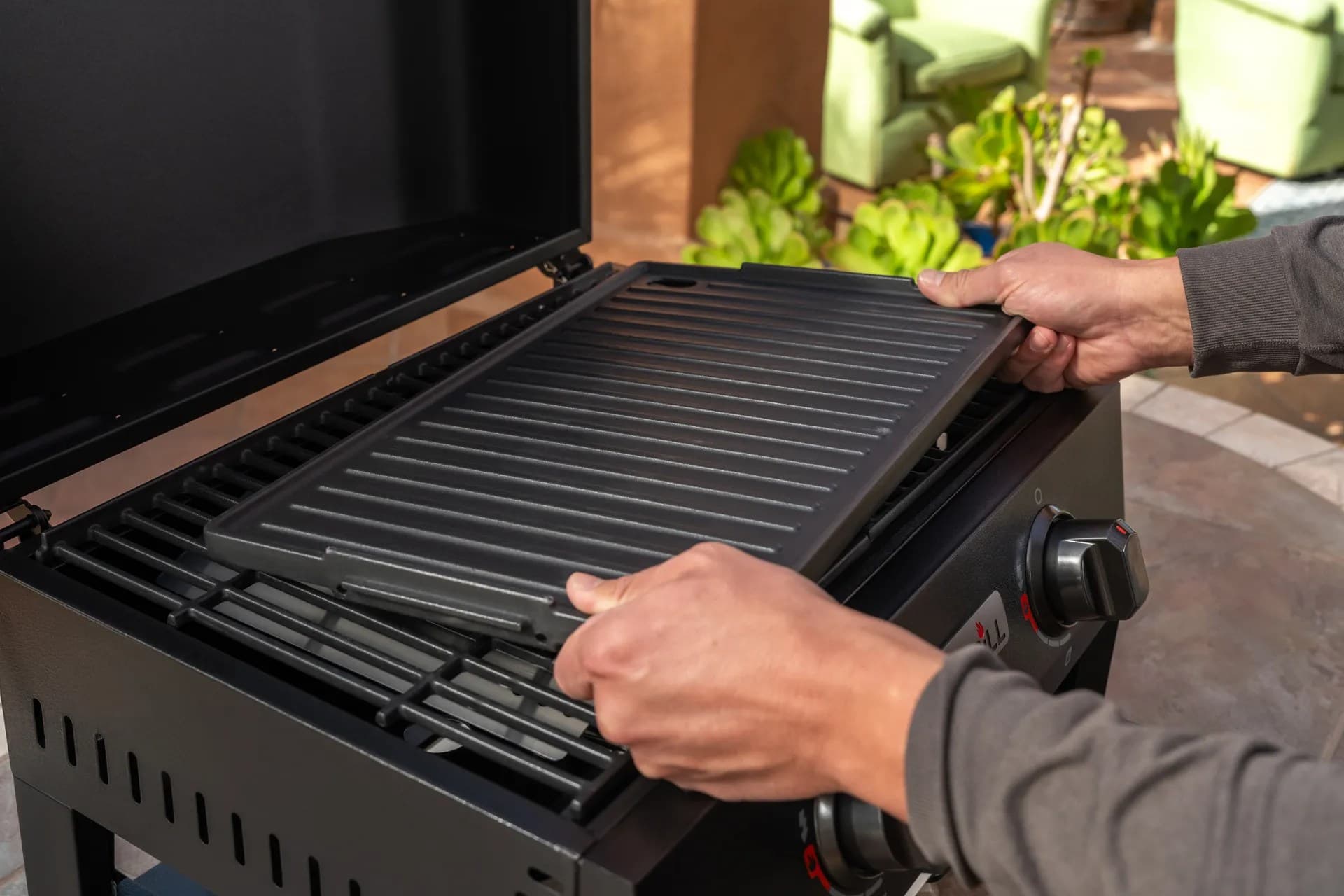
Practical guides for cleaning, maintenance, common grill issues, and performance optimization.
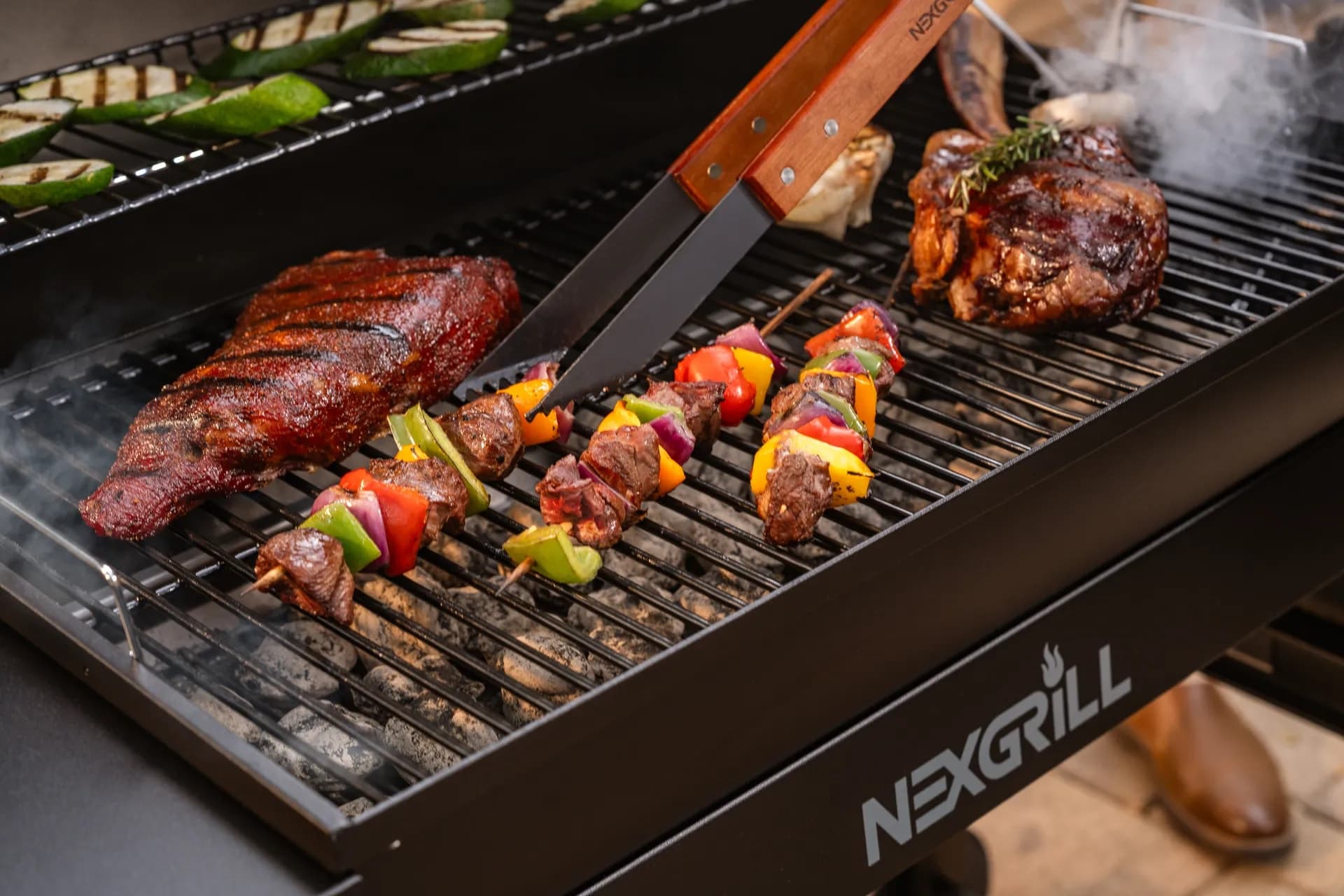
Step-by-step grilling recipes, cooking techniques, and meal ideas for every occasion and skill level.

Backyard entertaining ideas, seasonal grilling inspiration, and stories that celebrate outdoor cooking culture.
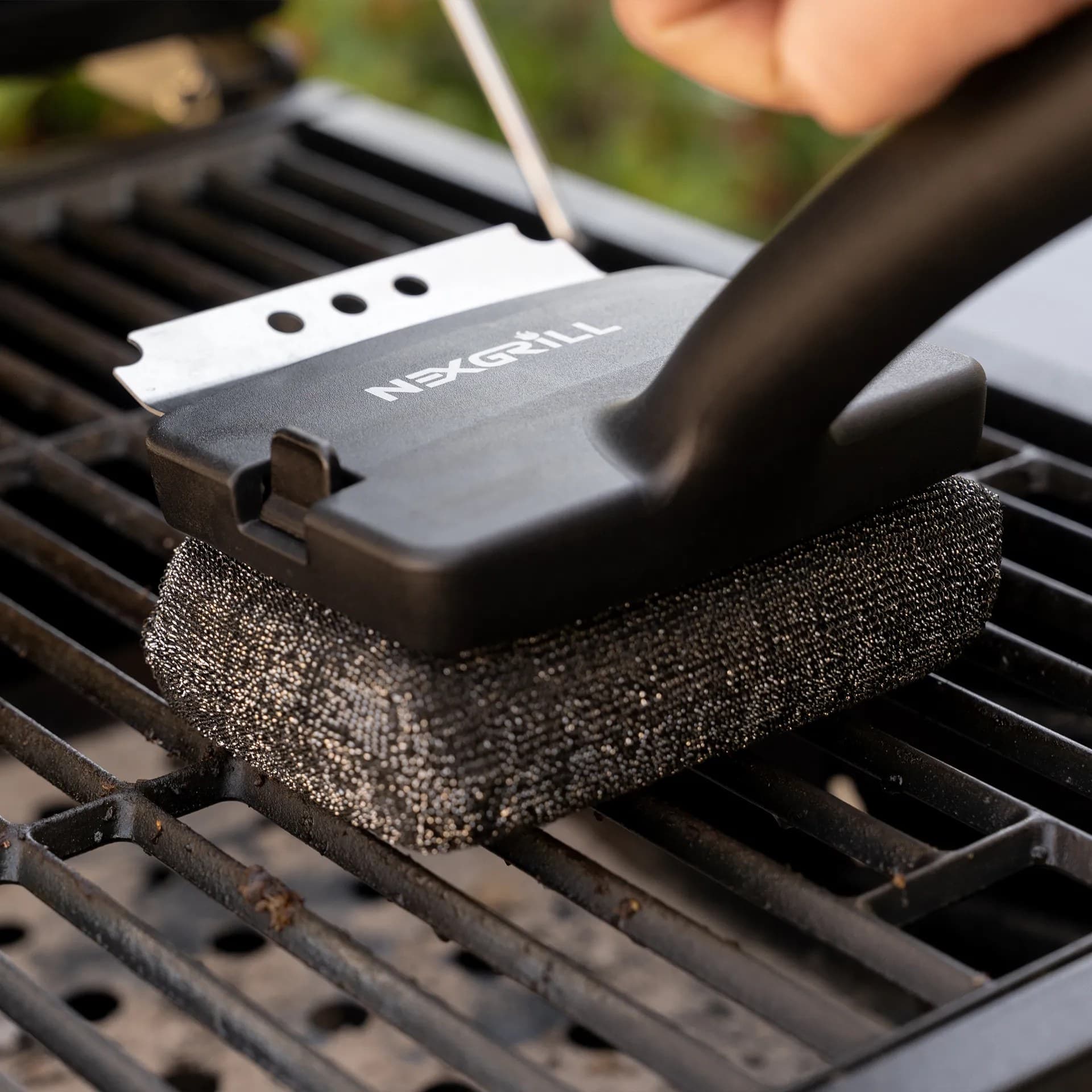
Helpful articles covering grilling tools, cookware, maintenance gear, and must-have accessories for outdoor cooking.
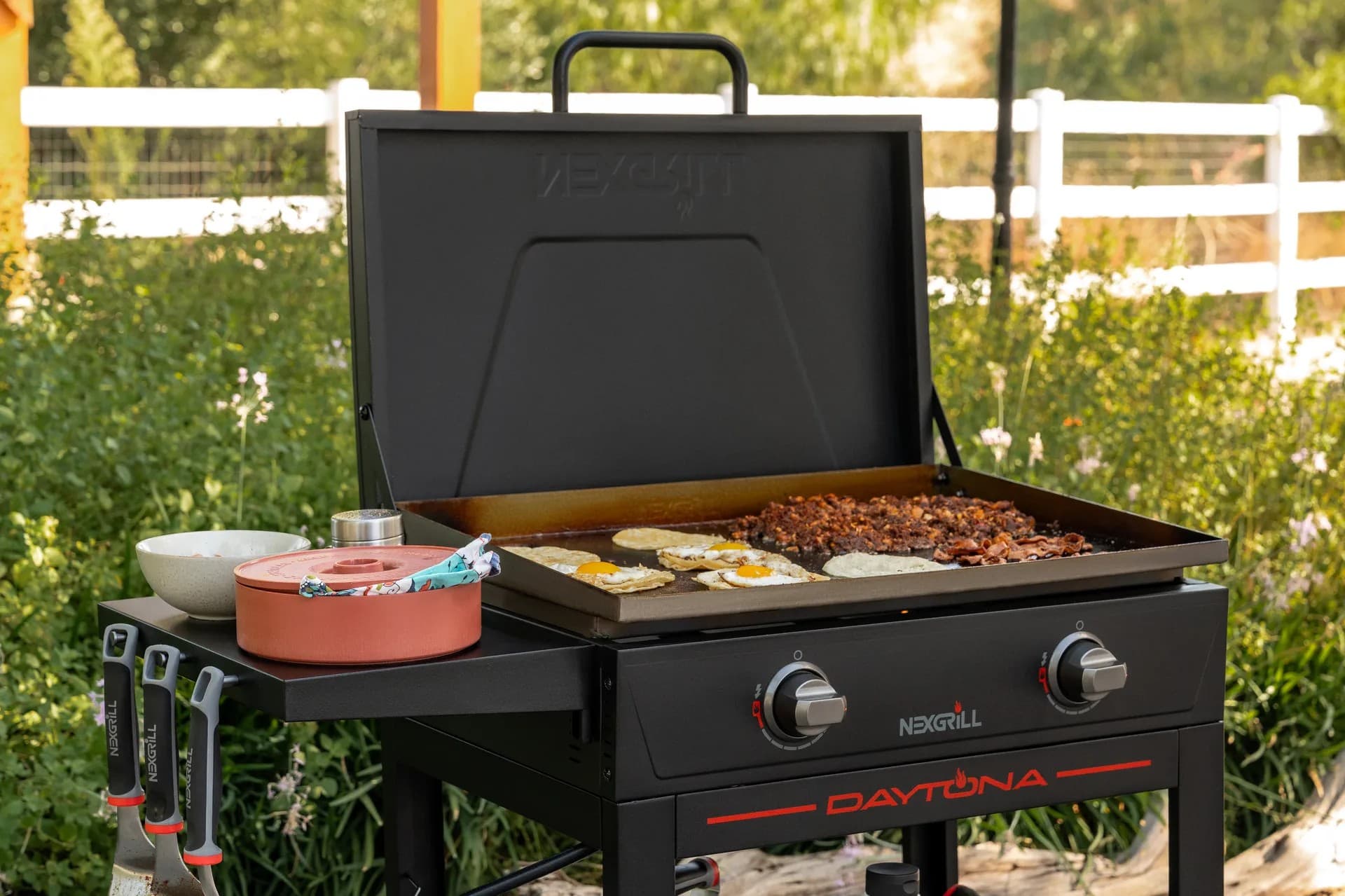
Find griddle recipes, cooking techniques, cleaning tips, and outdoor meal ideas designed for Nexgrill griddles.
Find answers to common questions
Gas grills provide instant heat and precise temperature control, making them easier to use. Charcoal grills offer a smoky flavor and high heat for searing but require more time to heat up and manage.
Pellet grills combine the convenience of gas with the flavor of wood, allowing for smoking, baking, and grilling. Traditional gas grills, however, are quicker to start and often easier to clean.
Charcoal grills typically reach higher temperatures quicker than gas grills, making them better for searing meat. However, high-quality gas grills can also provide adequate heat for effective searing.
Nexgrill offers models designed specifically for gas, charcoal, and pellets, allowing users to choose based on their cooking style and flavor preferences. Each type is built to optimize the characteristics of its respective fuel.
Choosing between gas and charcoal grills depends on your cooking preferences and lifestyle. If you value convenience and quick cooking, a gas grill may suit you better; if you prefer the taste and experience of traditional grilling, a charcoal grill would be ideal.
In This Article
Remote Control
Enhanced Precision
Recipe Integration
WiFi-enabled grills change the cooking experience by putting temperature monitoring, alerting, and in some cases control logic into your phone instead of leaving everything to memory and guesswork. For a lot of backyard cooks, that is the real benefit of WiFi grills: not just novelty, but fewer trips in and out of the house, fewer overcooked proteins, and a clearer picture of what is happening inside the cooker while you focus on guests, side dishes, or prep. In practical terms, WiFi turns the grill from a stand-alone appliance into part of a larger cooking workflow. You can watch a brisket stall, track a roast’s internal temperature, or nudge the pit temperature without standing over the lid the entire time.
That convenience matters even more when grilling is part of a larger gathering. Nexgrill’s brand position is centered on making outdoor cooking welcoming, approachable, and social, not intimidating. The company describes grilling as a shared experience where “everyone’s invited,” and that mindset fits well with connected cooking because it lets the host stay engaged with the table instead of being tethered to the firebox. Nexgrill also emphasizes practical outdoor cooking products that are accessible to a wide range of users, from first-time buyers to more experienced grillers looking for versatile equipment .
The best WiFi grill benefit is not “hands-off cooking.” It is better visibility, which leads to better decisions while food is cooking.
A connected grill is especially helpful for cooks who juggle more than one task at once. If you are managing a weeknight dinner, answering the door, or watching children in the yard, the phone-based view of live temperatures and alerts can make grilling feel less like a race against the clock. It also reduces the temptation to keep lifting the lid. Every time a lid opens, heat escapes and the cooking environment changes. WiFi monitoring helps you check progress without creating that disruption. Over time, that can improve consistency because you are responding to data rather than estimating by instinct.
There is also a learning benefit. New grillers often struggle with the difference between dome temperature, grate temperature, and internal food temperature. A WiFi-enabled system helps bridge that gap by showing temperature trends in real time. Instead of relying only on instinct, users can begin to understand how their grill behaves during preheat, sear, smoke, and rest phases. That makes connected grilling useful not only for convenience but also for skill-building. In that sense, the technology supports both the casual cook and the more advanced enthusiast who wants repeatable results.
The first major advantage is remote monitoring. A WiFi-connected grill can send temperature updates and alerts to your smartphone, which means you do not need to stand by the grill for the entire cook. For low-and-slow barbecue, this is particularly valuable because the difference between a steady cook and a forgotten one can be a long drive from the grill to the kitchen. Remote monitoring also helps during busy entertaining. If you are hosting in the backyard, you can mingle while still keeping tabs on food progress, then return to the grill only when the app says it is time.
Can replace repeated lid checks, clipboard notes, and guesswork during a cook.
The second advantage is precision. WiFi doesn’t automatically make a grill hot or smokeless, but it gives you more accurate control over the conditions you are creating. That matters for proteins that are sensitive to temperature swings, such as chicken breasts, salmon, pork tenderloin, or reverse-seared steaks. With connected grilling, you can set expectations more clearly: a target cooking range, a desired internal finish temperature, and alerts that tell you when to move from one step to another. For many users, this is where the technology pays off most clearly: not by making the meal fancier, but by making it easier to hit the result you actually wanted.
A third benefit is recipe support and guided cooking. Many WiFi grill platforms pair temperature control with step-by-step recipe flows, timers, or target milestones that reduce uncertainty for cooks who do not want to memorize every method. That is especially useful for households that cook a mix of quick dinners and weekend projects. One night might call for burgers and vegetables, while the weekend might be dedicated to a longer smoke. The app can help users switch between those modes without treating every meal like a brand-new learning curve. For busy families, that can be the difference between a grill that gets used often and one that sits outside as a seasonal accessory.
WiFi connectivity also helps make multi-zone cooking easier to manage. On a larger grill, different areas may be used for direct heat, indirect heat, or warming. A phone-based interface can help you keep the zones organized, especially when you are cooking several items with different timing needs. That is useful for example when one side of the grill is searing vegetables while the other is finishing thicker cuts more gently. Even if the grill does not automate the process completely, the visibility reduces the mental load of keeping track of multiple foods at once.
If you cook for mixed experience levels, WiFi features can make the grill easier to share because the app gives everyone the same temperature reference.
When shoppers look at WiFi-enabled grills, they usually compare more than connectivity alone. They also want to know whether the cooking format suits their routine. Nexgrill’s outdoor cooking lineup includes models that appeal to different use cases, including pellet smoking, gas grilling, and flat-top cooking. While not every product in the catalog is WiFi-connected, the broader family shows how connected grilling fits into a practical outdoor-cooking portfolio rather than standing apart as a gimmick. The Oakford pellet smoker line is the most natural fit for cooks who want longer, more controlled cooks, while griddle owners may prioritize fast, versatile meal prep over smoke-heavy methods .
| Model type | Best use case | Why WiFi helps |
|---|---|---|
| Pellet smoker grill | Brisket, ribs, pork shoulder, chicken | Long cooks benefit from remote temp monitoring and alerts |
| Gas grill | Weeknight meals, quick searing, family dinners | Convenient temperature visibility during faster cooks |
| Flat-top griddle | Breakfast, smash burgers, vegetables, stir-fry | Useful when coordinating multiple foods and timing windows |
For cooks who value smoke flavor and long-duration control, pellet-smoker-style products are usually the clearest match for smart connectivity because they are built around a temperature-managed burn system. If you are preparing meat that stays on for hours, the ability to see trends and receive alerts has obvious value. For families who care more about dinner speed, a connected gas grill can still make sense, especially if the app simplifies probe tracking and lid-open discipline. For breakfast cooks and backyard hosts who want high-volume versatility, a griddle can be a strong option because the challenge is often not only temperature, but timing across several foods at once.
Nexgrill’s product pages show how different formats serve different needs. The Oakford Pro 875 Pellet Smoker Grill and Oakford 1125 Pro Pellet Smoker Grill are built for larger smoke-oriented cooks, while the Daytona griddle lineup serves cooks who want broad, flat cooking surfaces. That distinction matters because the WiFi benefit is strongest when the cooking style itself rewards continuous oversight. A connected smoker offers more obvious returns than a simple burger-only setup, but connected guidance can still be useful whenever precision matters and the cook lasts long enough to benefit from alerts and trend data .
The first thing to evaluate is what you actually want the WiFi system to do. Some buyers only need remote temperature readouts. Others want full app-guided cooking, alarms, and recipe integration. Those are not the same level of feature depth, and it is better to decide early which experience matters most. If your main goal is fewer trips outside, a simpler connected setup may be enough. If you want structured help with smoking or long roasts, look for a platform that supports multi-probe monitoring and clear target alerts.
The second consideration is cooking style. A WiFi-enabled grill makes the most sense when your regular menu benefits from timing and temperature management. If you mostly cook quick-sear burgers on Saturdays, you may appreciate the feature but not depend on it. If you frequently cook ribs, pork shoulder, whole chickens, or reverse-seared steaks, the value rises because those recipes reward close temperature control. In practical terms, ask yourself whether the app will help you better cook the meals you already make, rather than just adding complexity.
The third factor is size and layout. A connected grill that is too small for your household can leave you using the features on paper but not in practice. Nexgrill’s lineup shows how different configurations support different cooking volumes, from compact two-burner gas grills to larger multi-burner setups and larger pellet-smoker formats . If you entertain often, make sure the cooking area and heat zones match the size of the groups you cook for. If you cook for two or three people, prioritize a grill that is efficient and easy to manage rather than oversized.
A WiFi feature set is only valuable if it fits your actual cooking habits. More connectivity is not always better if you mainly cook fast, simple meals.
Try comparing two products side by side below to see which fits best:
Once you have compared two options side by side, the next question is what the software and sensors actually add to the cook. The advanced value of WiFi grills is not just remote access. It is the way the system can organize an entire session: preheat notifications, temperature alerts, cook progression reminders, and in some cases recipe steps that guide you from start to finish. That is particularly helpful for cooks who want a repeatable process rather than a loose set of habits. When the app is well designed, it can act like a quiet assistant instead of another gadget demanding attention.
A major advanced feature is probe-based monitoring. Food probes let you watch the internal temperature of the main protein without constantly opening the lid or guessing by texture alone. This is crucial for expensive cuts such as brisket, rib roast, turkey breast, and thick pork chops, where a few degrees can change the final result. In a WiFi-connected environment, probe data becomes more useful because you can step away without losing track of where the food stands. If you are hosting a family dinner and need to step inside, the phone continues to carry the temperature story for you.
The smartest grill setups reduce uncertainty. They do not try to replace the cook; they make the cook’s judgment easier and faster.
Another advanced capability is data tracking across stages of the cook. Some connected systems retain temperature histories or preset programs so you can repeat successful cooks later. That matters more than people expect. A griller who nails a pork shoulder once may want to duplicate that result the next month, and trend-based data makes it easier to remember what happened the last time. Even without formal analytics, live logs can help users see how fast the grill recovers after a lid opening or how quickly a setpoint stabilizes after a change.
WiFi connectivity also improves collaboration. If one person is prepping food and another is tending the grill, both can stay informed. That is a subtle but meaningful home benefit. Instead of asking “Is it ready yet?” every few minutes, the household can work from the same visible temperature data. For larger gatherings, this can reduce mistakes such as pulling meat too early or letting side dishes sit too long while waiting on the main course. In other words, connected grilling can lower stress not only for the pit master but for everyone helping with the meal.
Real-world users often describe WiFi grilling in very practical terms: less hovering, fewer surprises, and more confidence with longer cooks. A common pattern is that first-time owners start by using the app mainly for temperature alerts, then gradually trust it for longer or more ambitious meals. That progression makes sense because the clearest win is psychological as much as technical. When you know the grill will tell you if something changes, you spend less energy checking and rechecking. That makes hosting feel easier and makes the cooking process feel more under control.
Experienced cooks tend to value a different set of benefits. They often already know how to manage a lid, manage airflow, and read a piece of meat. What WiFi gives them is efficiency. They can continue doing other work while watching a cook’s trend line, which is especially useful during holiday meals or long weekend sessions. For those users, the technology is not replacing skill; it is preserving their attention for the parts of the cook where skill matters most. That is why connected grills often appeal to both beginners and experienced pitmasters: the same data serves different levels of confidence.
Many users report that the biggest change is not taste alone, but how calmly they cook. That matters when the meal is part of a bigger gathering.
Some owners also appreciate how WiFi features make it easier to hand off part of the process. If one adult needs to leave the patio for a moment, or if a second person wants to check on the food without learning the whole setup, the app can serve as a common reference point. That reduces the “only one person knows what is happening” problem that often appears with traditional grilling. In households where multiple people share cooking duties, this is a surprisingly useful benefit.
Traditional grills still have a strong case. They are straightforward, familiar, and often less expensive up front. For many cooks, that simplicity is exactly the appeal. You open the lid, check the food, adjust the burners or vents, and keep going. There is nothing wrong with that approach. But WiFi-enabled grills introduce a different kind of value: a better information loop. Instead of making every decision based on feel, smell, and a manual thermometer, you can see live temperature updates and react more precisely.
| Feature | WiFi-enabled grill | Traditional grill |
|---|---|---|
| Temperature visibility | Live app readouts and alerts | Manual checks with lid lifts or separate thermometers |
| Convenience | Higher for long cooks and hosting | Higher for simple, quick meals with no setup |
| Learning curve | Moderate, because apps and probes add steps | Lower, because controls are usually direct |
| Best fit | Busy hosts, long cooks, precision-minded users | Occasional grillers, simplicity-first buyers |
The trade-off is that connected grilling depends on more setup. You need an app, a network connection, and some comfort with digital interfaces. For many people, that is easy enough. For others, it can feel unnecessary if all they want is a fast burger night. Traditional grills also avoid the risk of overcomplicating a simple meal. If the point of the cook is speed and ease, not precision or long monitoring, then a basic grill can remain the smarter purchase.
Still, the balance shifts when the meal becomes more ambitious. A WiFi grill is often a better choice for larger proteins, slow smokes, or cooks where timing matters across several dishes. The more a meal depends on coordination, the more the digital layer earns its keep. That is why many buyers end up seeing WiFi as an upgrade path rather than a replacement for every grill style. It is best thought of as a capability that supports certain cooking goals extremely well.
A WiFi-enabled grill is worth considering if you want better visibility, more confidence, and less hovering during the cook. The technology is most useful for people who host often, cook long-duration recipes, or want help staying organized while preparing multiple foods at once. It is also a strong fit for newer grillers who want guidance and for experienced cooks who want to preserve their attention without sacrificing control. In that sense, the appeal is broad, but the strongest value comes when the grill becomes part of a repeatable cooking routine.
If you mostly cook fast meals and enjoy a simple, hands-on process, a traditional grill may still be the better match. But if you want your grill to act more like a reliable cooking partner, the WiFi layer can make a meaningful difference. It is not about turning grilling into a phone-first experience. It is about giving you cleaner information at the moments when food, timing, and attention all matter at once. For many households, that makes outdoor cooking feel easier, calmer, and more consistent.
Here's what sets us apart
We position ourselves as delivering high-end outdoor cooking features and performance without premium-brand pricing, emphasizing “Quality Grills. Unbelievable Value.”
We offer gas grills, pellet grills, griddles, smokers, pizza ovens, portable/tabletop grills, electric grills, accessories, and replacement parts — allowing customers to stay within one ecosystem for all outdoor cooking needs.
We differentiate ourselves through smart grilling products like the Oakford smart pellet grill, including app-connected cooking controls and modern outdoor cooking technology.
Don't just take our word for it
Keep reading
From our catalog