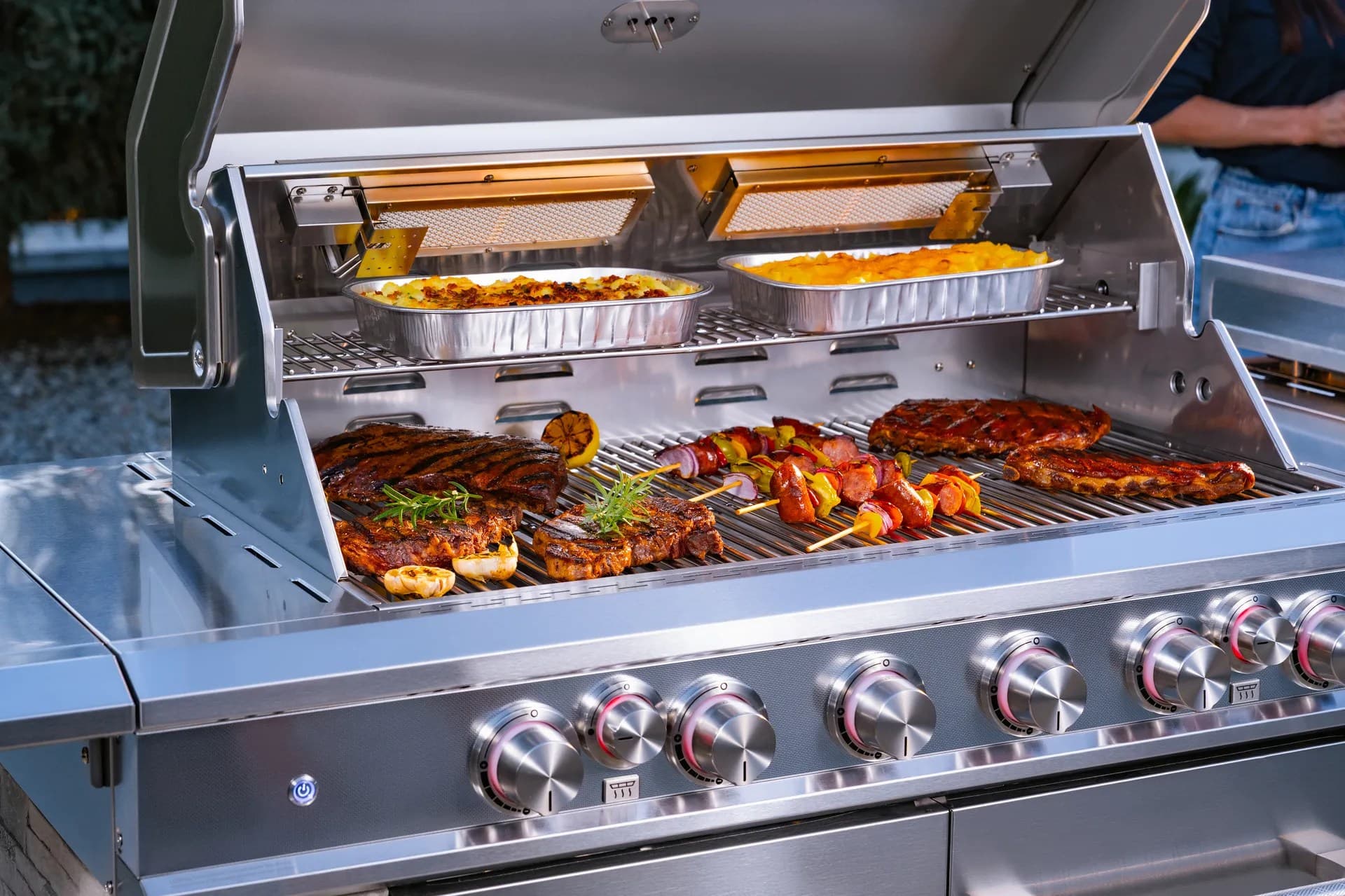
Extend the life of your grill with these expert maintenance strategies.
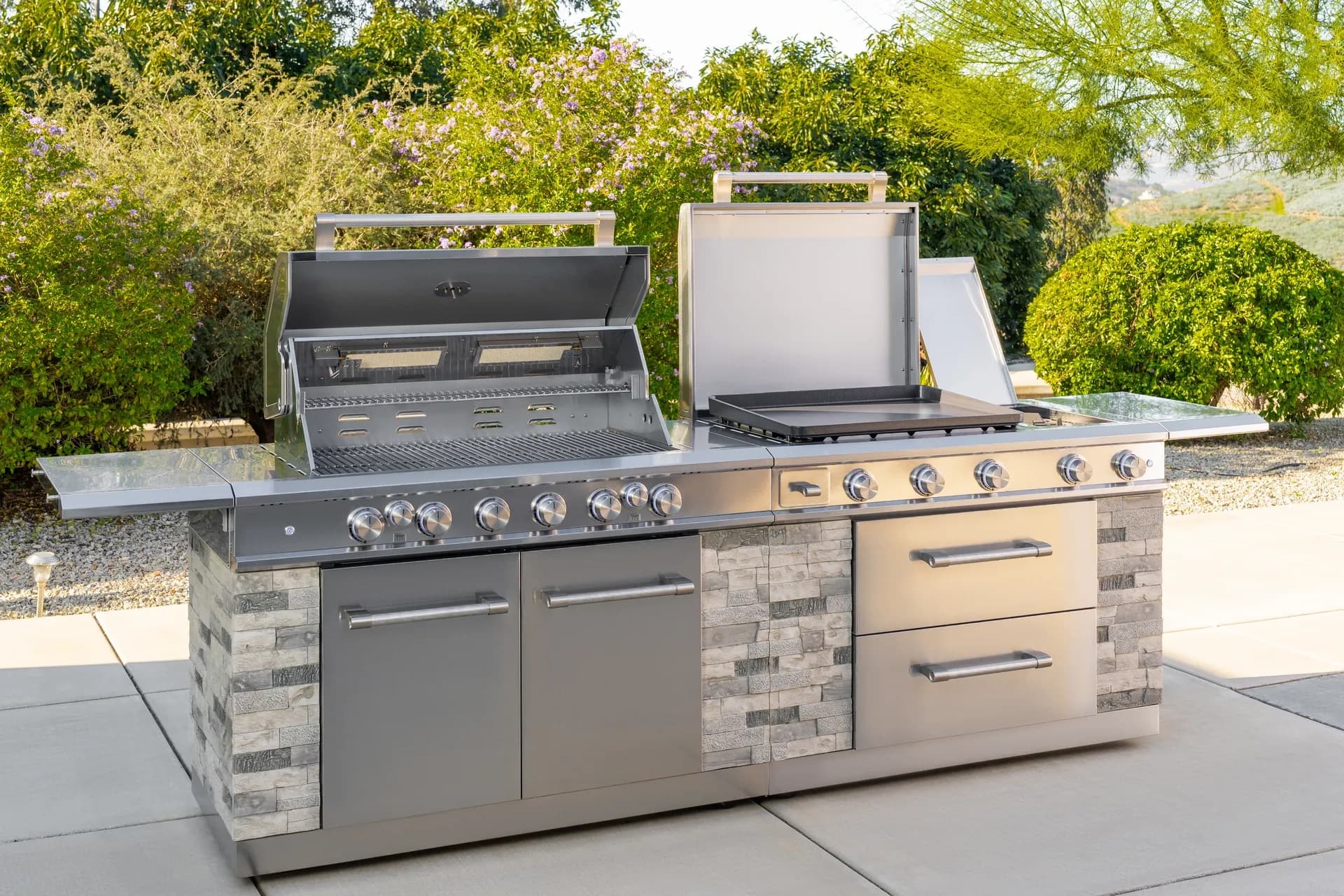
From sizzling breakfasts to smash burgers and teppanyaki-style dinners, the Daytona Pro 5 Burner NitroGuard™ Griddle delivers powerful heat, fast cooking, and a durable cooking surface built for every backyard cookout. Watch how easy outdoor cooking can be.
Here's what sets us apart from the competition
We position ourselves as delivering high-end outdoor cooking features and performance without premium-brand pricing, emphasizing “Quality Grills. Unbelievable Value.”
We offer gas grills, pellet grills, griddles, smokers, pizza ovens, portable/tabletop grills, electric grills, accessories, and replacement parts — allowing customers to stay within one ecosystem for all outdoor cooking needs.
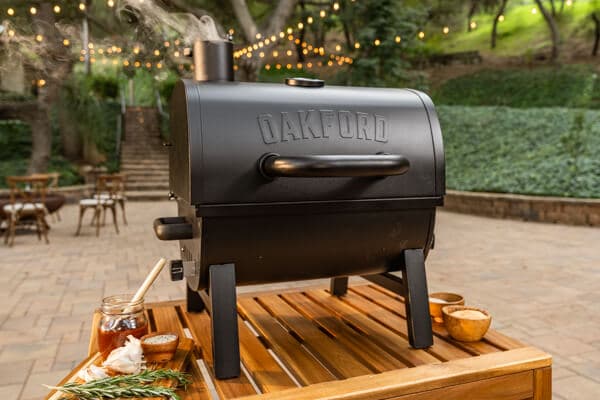
We differentiate ourselves through smart grilling products like the Oakford smart pellet grill, including app-connected cooking controls and modern outdoor cooking technology.
Expert tips, buying guides, comparisons, and inspiration for choosing and getting the most out of your grill.
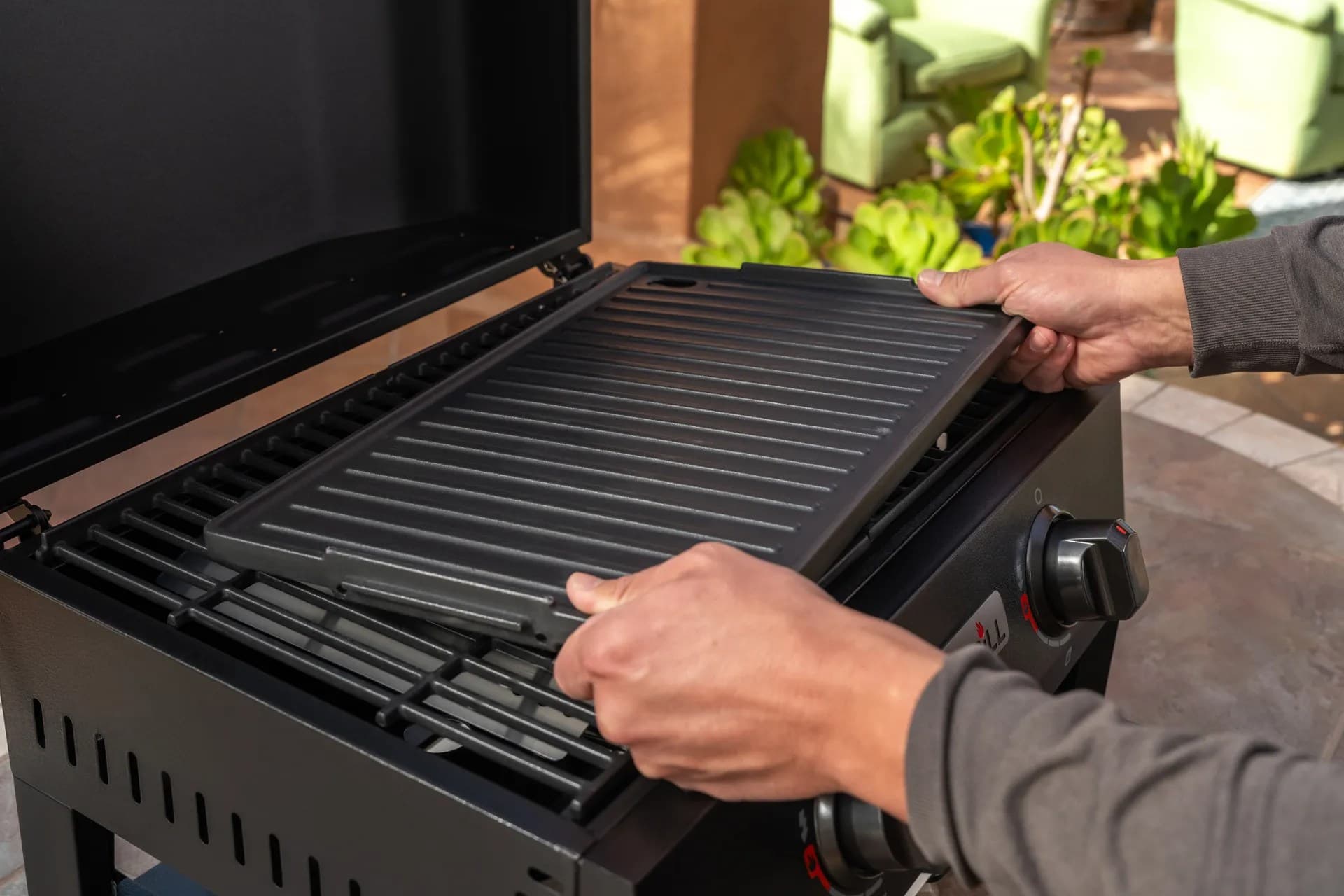
Practical guides for cleaning, maintenance, common grill issues, and performance optimization.
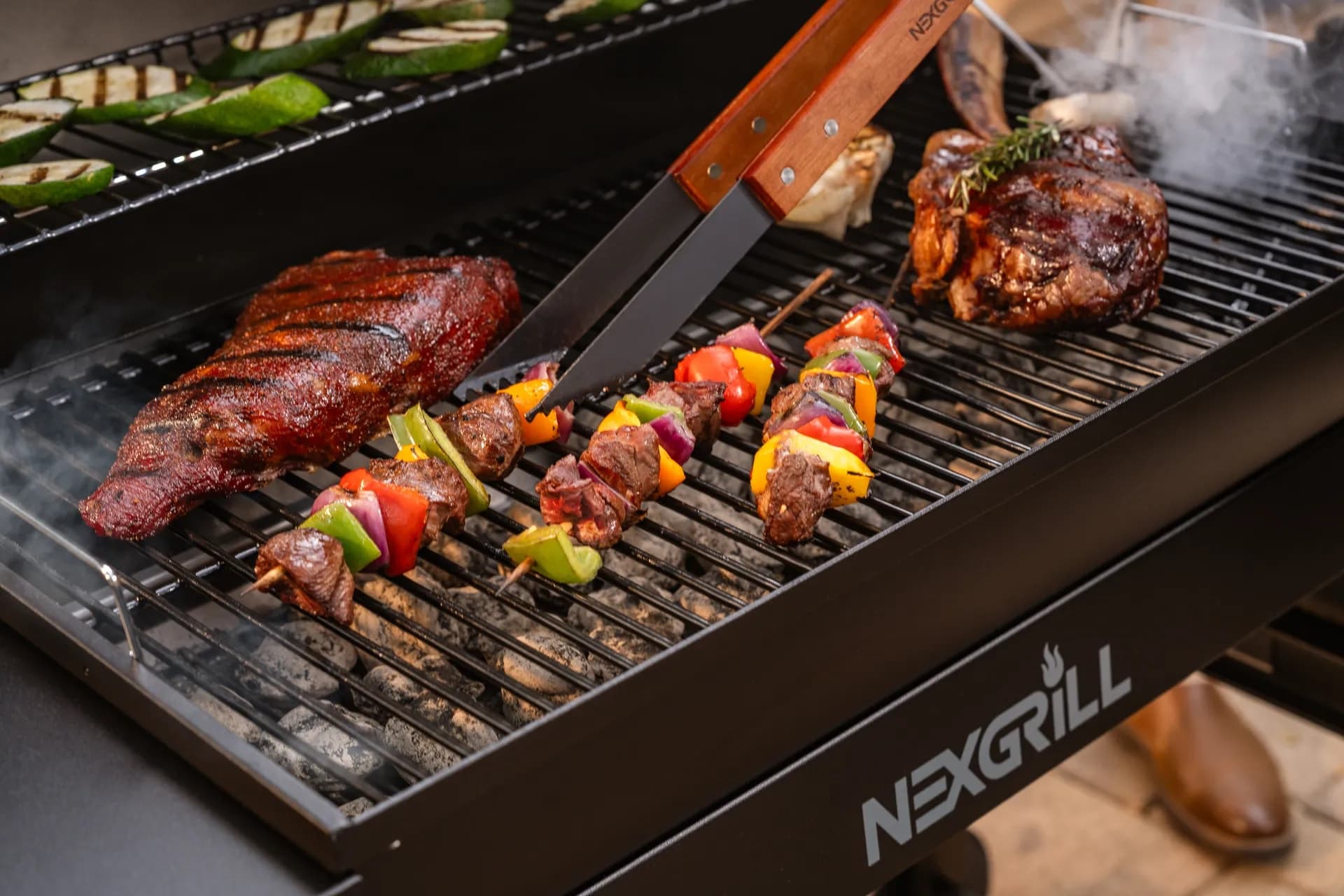
Step-by-step grilling recipes, cooking techniques, and meal ideas for every occasion and skill level.

Backyard entertaining ideas, seasonal grilling inspiration, and stories that celebrate outdoor cooking culture.
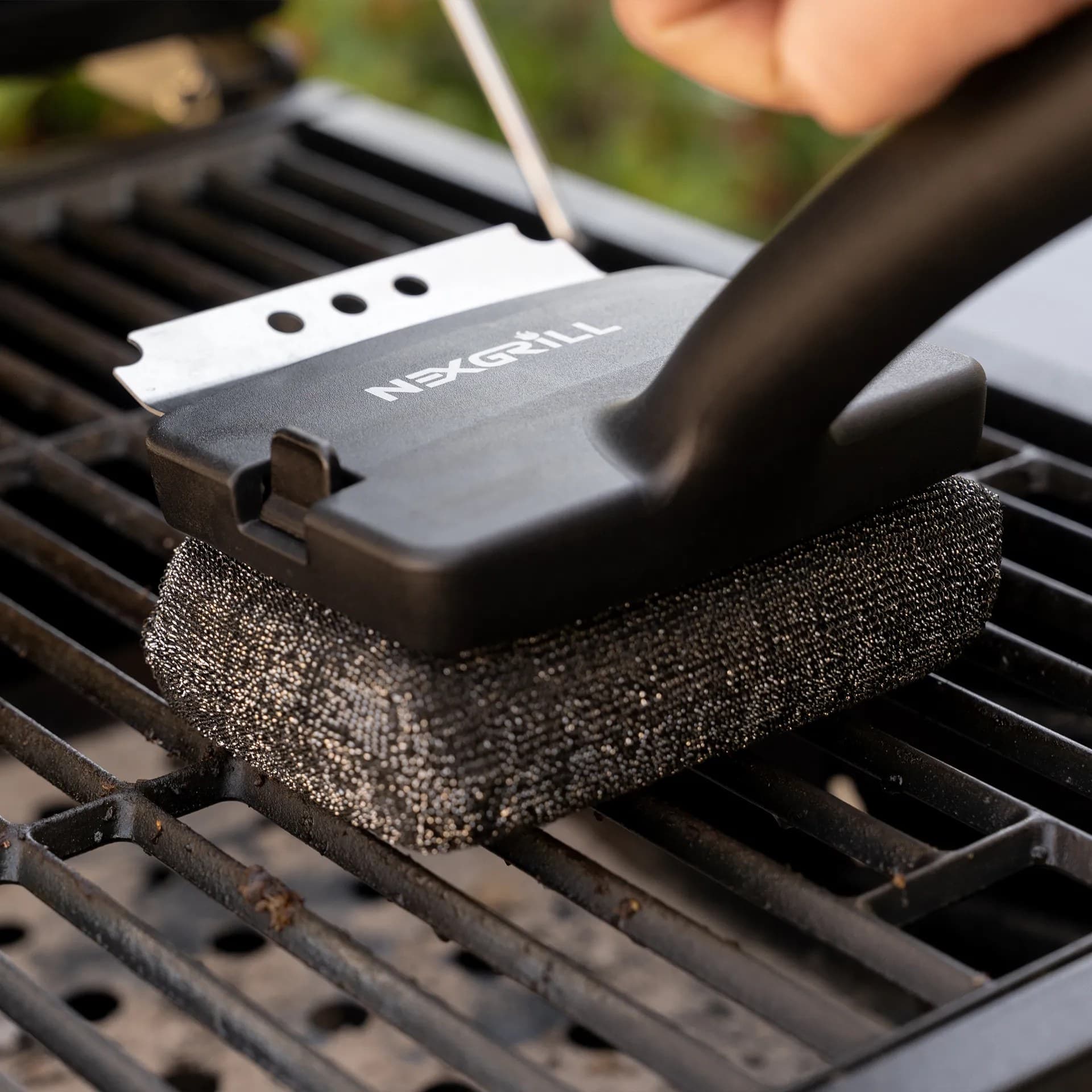
Helpful articles covering grilling tools, cookware, maintenance gear, and must-have accessories for outdoor cooking.
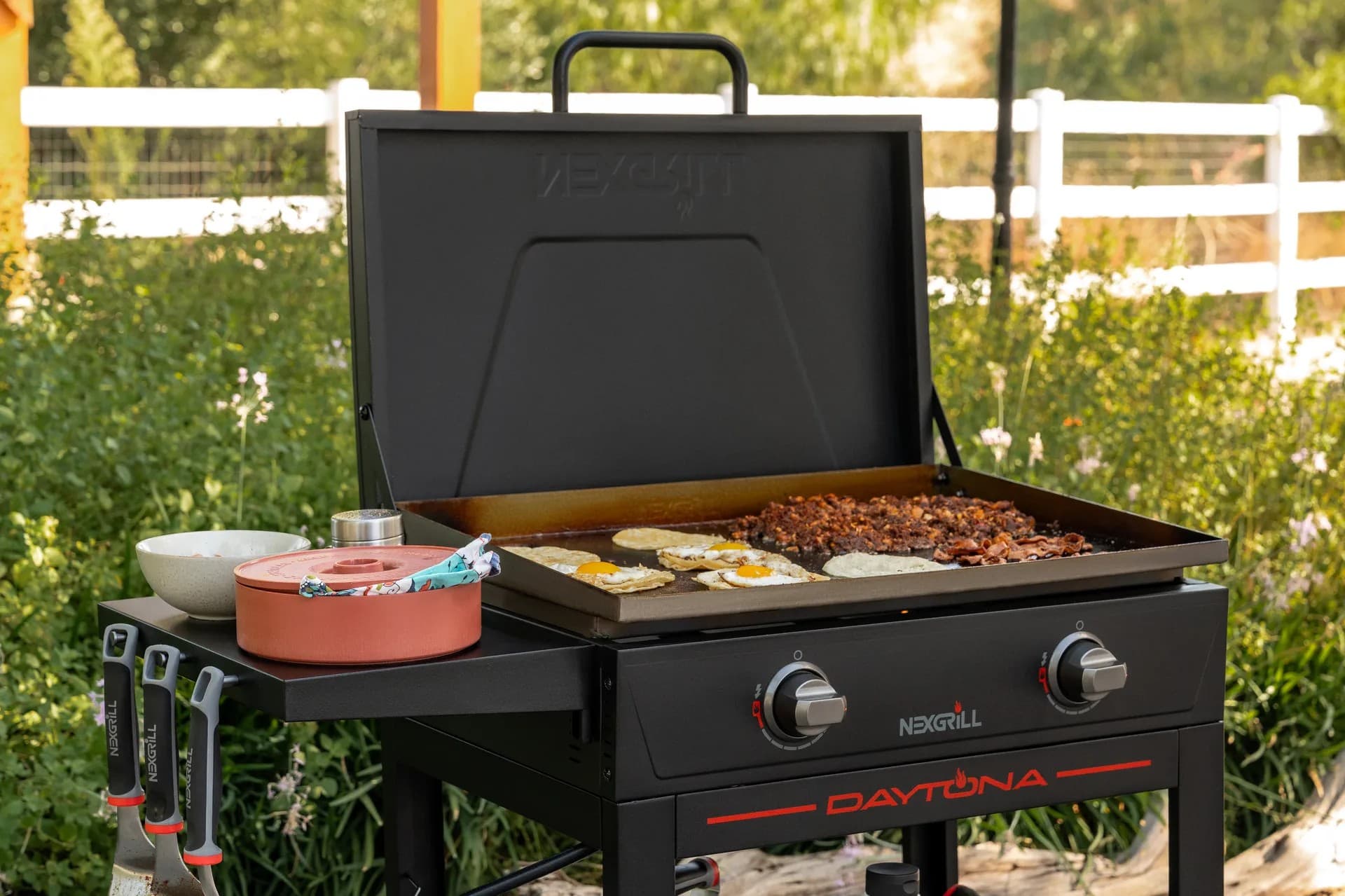
Find griddle recipes, cooking techniques, cleaning tips, and outdoor meal ideas designed for Nexgrill griddles.
Find answers to common questions
Gas grills provide instant heat and precise temperature control, making them easier to use. Charcoal grills offer a smoky flavor and high heat for searing but require more time to heat up and manage.
Pellet grills combine the convenience of gas with the flavor of wood, allowing for smoking, baking, and grilling. Traditional gas grills, however, are quicker to start and often easier to clean.
Charcoal grills typically reach higher temperatures quicker than gas grills, making them better for searing meat. However, high-quality gas grills can also provide adequate heat for effective searing.
Nexgrill offers models designed specifically for gas, charcoal, and pellets, allowing users to choose based on their cooking style and flavor preferences. Each type is built to optimize the characteristics of its respective fuel.
Choosing between gas and charcoal grills depends on your cooking preferences and lifestyle. If you value convenience and quick cooking, a gas grill may suit you better; if you prefer the taste and experience of traditional grilling, a charcoal grill would be ideal.
In This Article
Regular Cleaning
Seasoning Grates
Proper Storage
A barbecue grill’s lifespan is not a single number stamped on the lid, because two grills that look similar on day one can age very differently depending on how they are used and stored. For most homeowners, longevity is less about one dramatic failure and more about how long the grill keeps heating evenly, igniting reliably, and resisting corrosion without turning everyday cooking into a chore. In practical terms, a well-cared-for grill should feel predictable: burners light when you expect them to, grates recover heat after each batch of food, the cart remains stable, and grease management stays manageable instead of messy. That sense of predictability is the real marker of a grill that is aging well.
Nexgrill’s brand philosophy puts people and real-life use at the center of the outdoor cooking experience, which is a useful lens for thinking about longevity too. A grill that lasts is not just one that survives outdoors; it is one that continues to invite people to gather, cook, and share meals with confidence. Nexgrill’s own brand guidance emphasizes dependability, accessibility, and a casual, welcoming approach to grilling, which aligns with the idea that ownership should be practical rather than complicated . That matters because the longest-lasting grill is often the one people actually maintain consistently, not the one they only admire on the patio.
Longevity is measured in performance, not just calendar time.
The most useful way to think about lifespan is to divide it into three parts: structural life, cooking-system life, and ownership life. Structural life is how long the frame, lid, shelves, and cabinet resist wear from weather and regular use. Cooking-system life is how long burners, igniters, heat plates, grates, and grease-handling parts keep performing well. Ownership life is the period during which the grill remains worth using because it is still convenient, cleanable, and efficient enough for your routine. A grill may still look acceptable while the cooking system is already declining, and that is why long-term value depends on what is happening beneath the surface.
A healthy grill lights quickly, distributes heat across the cooking area in a way you can control, and recovers temperature after you open the lid or add cold food. It also resists corrosion in the areas that collect moisture and grease, especially the firebox, burner tubes, grease tray, and lower shelf. If those areas stay functional, the grill can often continue serving for many seasons even if it has a few cosmetic blemishes. That is why grill longevity is partly a maintenance story and partly a design story: durable construction gives you a stronger starting point, but regular care decides how much of that potential you actually keep.
Several factors influence how long a barbecue grill remains dependable, and they do not all carry the same weight. The first is material quality. Stainless steel components, coated steel frames, and heavier grates tend to tolerate outdoor exposure better than thin, lightweight parts that flex or discolor quickly. The second is how the grill is used. A family that grills twice a month and covers the unit after each cook will usually see a different aging pattern than someone who leaves the grill uncovered through summer humidity, winter rain, and pollen season. The third is fuel and heat behavior. Frequent high-heat searing without cleanup can bake grease into hard deposits, while regular low-and-slow cooking can expose parts to soot and buildup that need timely removal.
Heat, moisture, and grease are the three forces that usually shorten a grill’s useful life fastest. Limiting exposure to all three is more effective than focusing on one issue alone.
Storage environment is another major factor. A grill kept under an overhang or inside a dry shed between uses will generally age more gracefully than one left directly under tree drip, sprinkler spray, or standing moisture on a deck. Even small, repeated exposures matter over time because water finds seams, fasteners, and welds. That is why grill longevity is often decided not by a single storm but by the accumulation of ordinary days. If the unit is near salt air, pool chemicals, or constant humidity, attention to cleaning and covering becomes even more important because corrosion tends to advance faster in those conditions.
| Factor | How it shortens life | Best response |
|---|---|---|
| Weather exposure | Moisture collects on seams, fasteners, and burners | Use a fitted cover and store dry when possible |
| Grease buildup | Creates hot spots, odors, and corrosion points | Clean trays, grates, and firebox regularly |
| Heavy use | Burners, igniters, and grates wear faster | Inspect core parts more often during peak season |
| Low-quality materials | Frames warp, coatings chip, and rust advances faster | Choose heavier, corrosion-resistant construction |
Design choices also affect longevity. Grills with accessible grease trays, straightforward burner layouts, and removable cooking parts are easier to maintain because people are more likely to service them. This is where product design and user behavior meet. A grill that is easy to clean and inspect is more likely to be cleaned and inspected. That principle is especially relevant for buyers comparing models at Nexgrill, where a practical layout can make ongoing care simpler and more realistic for everyday owners. If you want a grill to last, the purchase decision should include not just cooking area and burner count, but how easy the grill will be to keep in good condition over time.
The most effective longevity tips are the ones that fit naturally into your routine after cooking. The first habit is to clean while the grill is still warm, not after residue has hardened into a brittle layer. Warm grates release residue more easily, and a quick brushing or scraping session prevents buildup from becoming a season-long problem. The second habit is to empty grease and ash promptly. Grease that sits in trays or lower chambers does more than create odor; it can hold moisture, attract debris, and accelerate wear in hidden areas. The third habit is to inspect the parts you rely on most: igniters, burner ports, fasteners, and grate surfaces.
A five-minute post-cook routine often prevents the kind of buildup that turns into expensive part replacement later.
Seasoning cast-iron grates is another high-value step because it helps protect the surface from moisture while improving food release. Use a thin coat of high-smoke-point oil after cleaning, then heat the grates so the oil bonds into a light protective layer. The key is thinness: a heavy coating can become sticky and attract residue. For stainless cooking surfaces, the goal is not seasoning in the cast-iron sense but keeping the surface clean, dry, and free from acidic residue that can dull the finish over time. In both cases, the principle is the same: create fewer opportunities for corrosion and easier cleanup next time.
Another practical tip is to protect moving and connecting parts before they become troublesome. Check hinges, cart hardware, side shelf supports, and wheel assemblies for looseness. A grill that rocks, binds, or shifts under load is harder to use safely and more likely to suffer avoidable stress. Tightening hardware periodically is a small job that pays off because vibration, movement, and weather cycles all loosen fasteners over time. If your grill has a lid thermometer or accessory brackets, keep those areas clear of grease and debris so they remain functional rather than becoming cosmetic clutter.
Try comparing two products side by side below to see which fits best:
Once you've weighed two options against each other, the next question is whether your current grill is quietly asking for attention. The clearest sign is inconsistency. If the grill used to heat evenly but now one side cooks faster, or if the ignition takes longer than it should, those are not random quirks. They usually point to blocked burner ports, worn igniters, or accumulated residue affecting airflow and heat transfer. A grill that once lit on the first try and now takes multiple attempts is telling you that the cooking system needs inspection, not just another attempt to "try harder."
Another important sign is visible wear in areas that matter more than the lid paint. Flaking around the firebox, rust at fasteners, bent heat plates, thinning grates, or a grease tray that no longer slides properly are all signs that maintenance should move from occasional to immediate. Odors can also reveal problems. A stale, acrid smell after cleaning usually means old grease is trapped somewhere warm, while a metallic or burnt smell can suggest deteriorating parts or surfaces that need attention. You should also watch for changes in food quality. If food starts picking up an off flavor, the grill may need a deeper cleaning or part replacement before the issue becomes worse.
Do not ignore a grill that heats unevenly for several cooks in a row. Repeated uneven heat usually means a component issue, not bad luck.
There is also a practical age signal. When small fixes keep stacking up, the grill is moving from "normal upkeep" into "repair mode." If you are repeatedly replacing igniters, burner tubes, grates, or trays, the grill may still be usable, but it is no longer low-effort ownership. At that point, the cost of time and replacement parts matters as much as the cost of the grill itself. Many owners keep a unit in service too long simply because it still turns on, but longevity is not about whether the grill can be coaxed into working today. It is about whether it remains dependable enough to justify the effort tomorrow.
A seasonal schedule keeps grill care from becoming an afterthought. In spring, focus on the transition from storage to active use. Remove the cover, check for moisture damage, and inspect burners, hoses, ignition parts, and the grease path before the first serious cookout. This is also the right time to check wheels, cart stability, and shelf hardware so the grill feels secure during the busy season. Spring cleaning is not just about appearance; it is about confirming that the unit can handle repeated use without surprises.
During summer, when cooking frequency usually rises, shorten the interval between inspections. Clean grates after each use, empty collection trays regularly, and watch for grease flare-ups or heat patterns that seem different from earlier in the season. Mid-summer is a good time to test the ignition system, especially if you have noticed slower starts. If you grill several times a week, the parts that seem fine in May may need attention by August simply because the grill has been working harder.
Fall is the best time to reset the grill before weather becomes less forgiving. Perform a more complete cleaning, remove loose debris from the interior, dry all accessible surfaces, and make sure the cover still fits correctly. If you store the grill outdoors through the colder months, this is the season to correct any small issues that could become larger once moisture and temperature swings increase. Winter storage should emphasize dryness and ventilation. A cover helps, but a cover over a dirty grill can trap grime and moisture, so always clean before putting the unit away for a long stretch.
| Season | Priority tasks | Why it matters |
|---|---|---|
| Spring | Inspect burners, ignition, grease tray, hoses, and hardware | Prepares the grill for heavy use after storage |
| Summer | Brush grates, empty trays, monitor heat patterns | Keeps performance steady during frequent cooking |
| Fall | Deep clean, dry surfaces, check cover fit | Prevents weather from settling in over winter |
| Winter | Store dry, shelter from standing moisture | Reduces corrosion and hidden damage |
If your schedule is irregular, use a simple rule: inspect the grill before a long stretch of downtime and again before the first major use after that downtime. That habit catches problems before they become inconvenient. It also helps you avoid one of the biggest longevity mistakes, which is assuming that a grill stored "out of sight" is also safe "out of mind." Outdoor appliances age quietly when neglected, and by the time an issue is obvious, it has often been developing for weeks or months.
If you are buying a new grill with longevity in mind, durability should be judged by serviceability as much as by appearance. Look for a model with sturdy construction, parts you can access without unnecessary disassembly, and a layout that makes cleaning realistic after weeknight dinners or weekend gatherings. Heavier lids, reinforced carts, corrosion-resistant hardware, and practical grease handling are all strong indicators that a grill is designed for repeated use rather than just a good first impression. The best durability is the kind you can maintain without needing a complicated routine every time you cook.
For many buyers, the right choice depends on how the grill will actually be used. A casual backyard cook who grills burgers, vegetables, and chicken every few weeks may prioritize a straightforward gas model with fewer parts to manage. A frequent host may benefit from a larger cooking surface and a more robust frame that can handle heavier use. Someone who values year-round outdoor cooking should pay close attention to weather resistance and how the grill stores or covers. Nexgrill’s broader lineup reflects that range of use cases, which is useful because longevity is easier to achieve when the product fits the owner’s habits from the start. Nexgrill’s brand positioning also emphasizes accessible quality and real-world usability, meaning the best fit is often the model that balances value with the features you will actually keep up with over time .
A durable grill should make maintenance easier, not harder. If a model feels difficult to clean from the start, that difficulty usually grows over time.
In the United States, a practical buying mindset usually comes down to total ownership value in USD, not just sticker price. A slightly better-built grill can be a smarter purchase if it reduces part replacements, keeps ignition consistent, and avoids early corrosion. That does not mean you need to buy the most expensive option available; it means you should match build quality to how much cooking you actually do. For example, a small household that grills occasionally may not need the biggest frame on the market, but a family that entertains often will likely save frustration by choosing a model that can handle repeated use without feeling overworked.
Here's what sets us apart
We position ourselves as delivering high-end outdoor cooking features and performance without premium-brand pricing, emphasizing “Quality Grills. Unbelievable Value.”
We offer gas grills, pellet grills, griddles, smokers, pizza ovens, portable/tabletop grills, electric grills, accessories, and replacement parts — allowing customers to stay within one ecosystem for all outdoor cooking needs.
We differentiate ourselves through smart grilling products like the Oakford smart pellet grill, including app-connected cooking controls and modern outdoor cooking technology.
Don't just take our word for it
Keep reading
From our catalog