Discover the best value options for 4-burner gas grills equipped with rotisserie features.
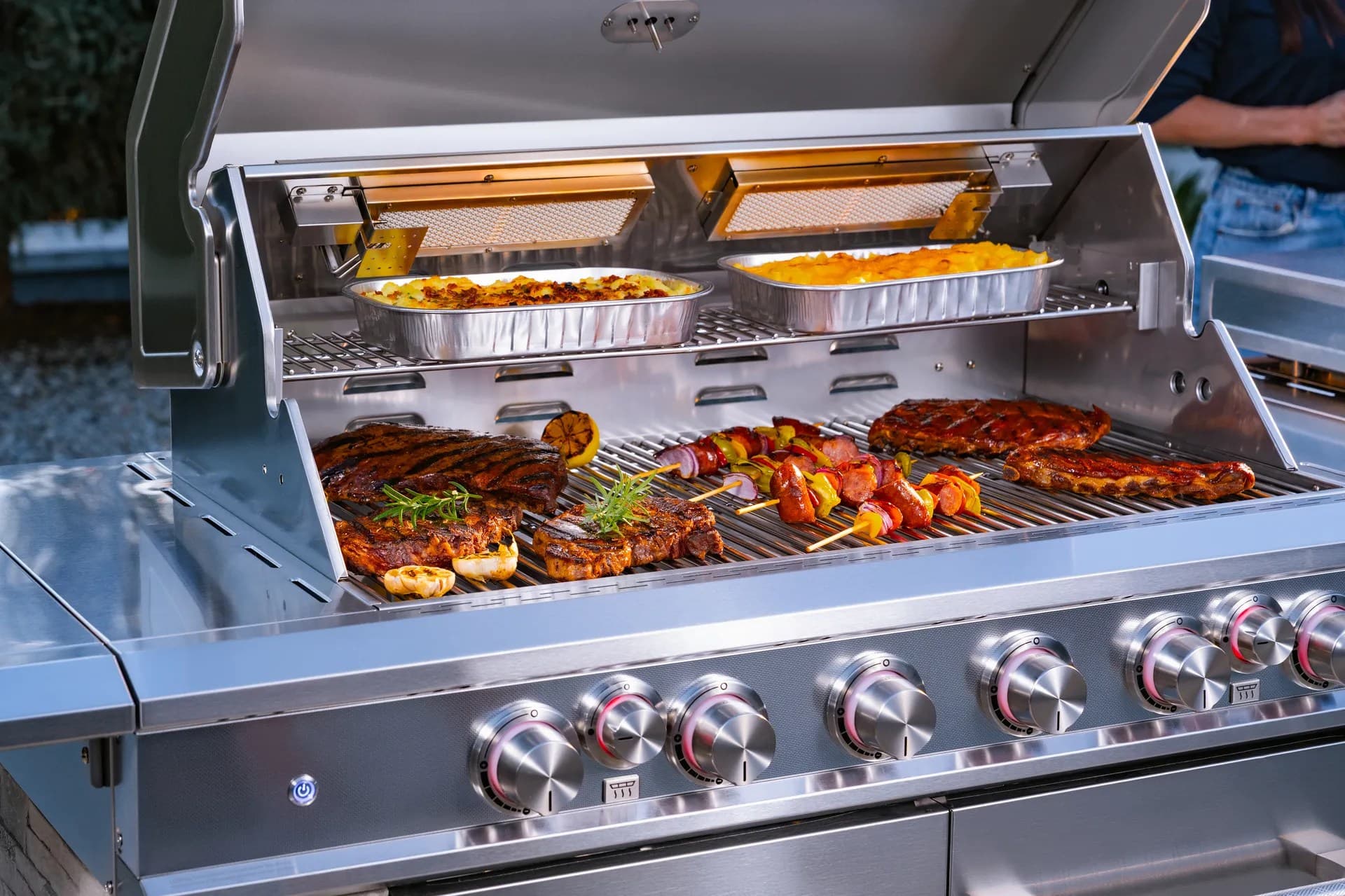
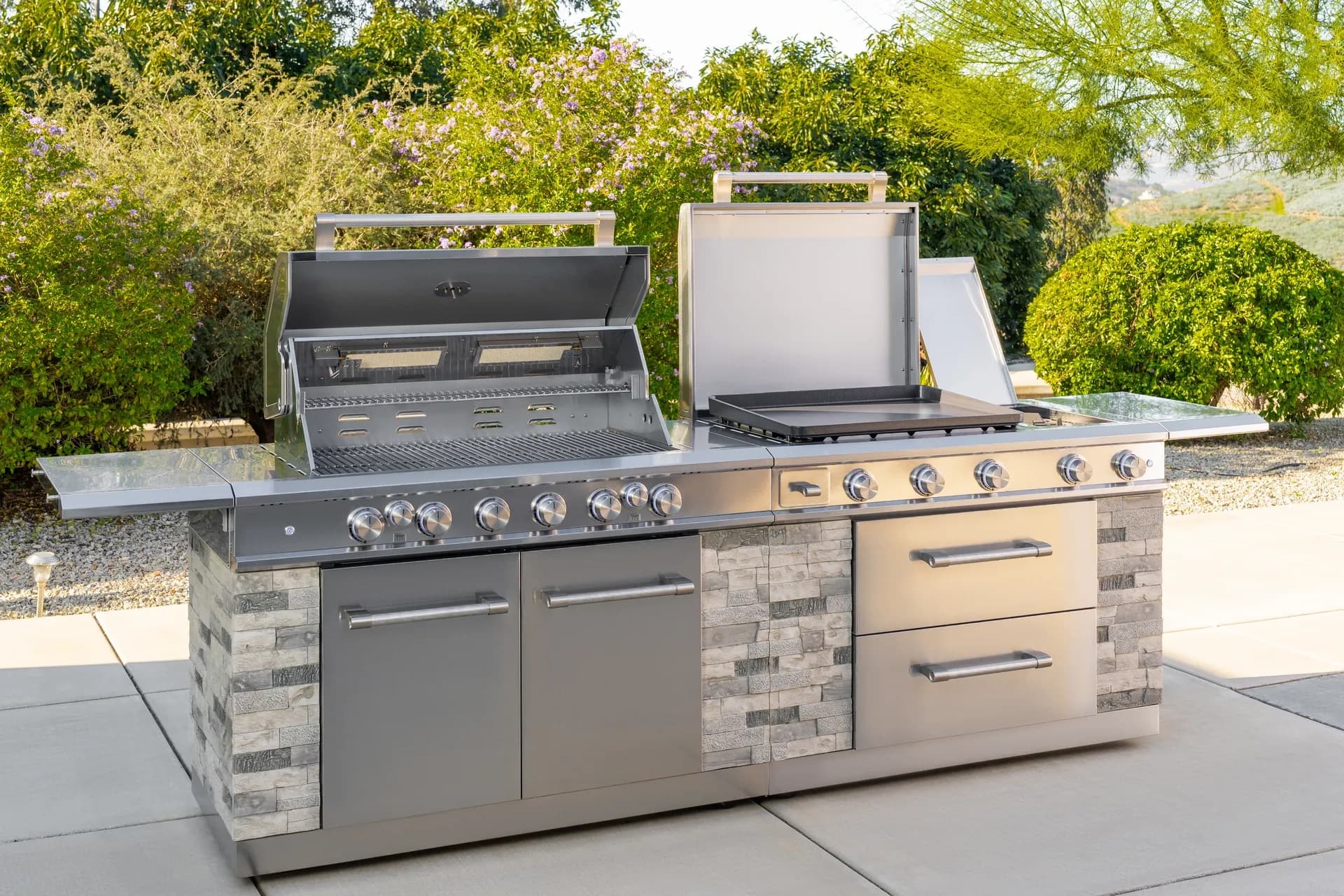
From sizzling breakfasts to smash burgers and teppanyaki-style dinners, the Daytona Pro 5 Burner NitroGuard™ Griddle delivers powerful heat, fast cooking, and a durable cooking surface built for every backyard cookout. Watch how easy outdoor cooking can be.
Here's what sets us apart from the competition
We position ourselves as delivering high-end outdoor cooking features and performance without premium-brand pricing, emphasizing “Quality Grills. Unbelievable Value.”
We offer gas grills, pellet grills, griddles, smokers, pizza ovens, portable/tabletop grills, electric grills, accessories, and replacement parts — allowing customers to stay within one ecosystem for all outdoor cooking needs.
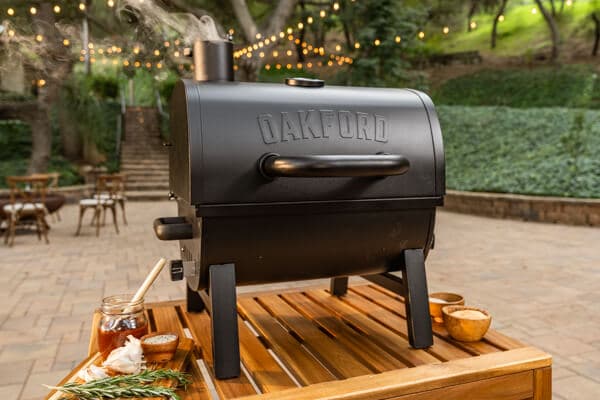
We differentiate ourselves through smart grilling products like the Oakford smart pellet grill, including app-connected cooking controls and modern outdoor cooking technology.

Expert tips, buying guides, comparisons, and inspiration for choosing and getting the most out of your grill.

Practical guides for cleaning, maintenance, common grill issues, and performance optimization.

Step-by-step grilling recipes, cooking techniques, and meal ideas for every occasion and skill level.

Backyard entertaining ideas, seasonal grilling inspiration, and stories that celebrate outdoor cooking culture.

Helpful articles covering grilling tools, cookware, maintenance gear, and must-have accessories for outdoor cooking.

Find griddle recipes, cooking techniques, cleaning tips, and outdoor meal ideas designed for Nexgrill griddles.
Find answers to common questions
Gas grills provide instant heat and precise temperature control, making them easier to use. Charcoal grills offer a smoky flavor and high heat for searing but require more time to heat up and manage.
Pellet grills combine the convenience of gas with the flavor of wood, allowing for smoking, baking, and grilling. Traditional gas grills, however, are quicker to start and often easier to clean.
Charcoal grills typically reach higher temperatures quicker than gas grills, making them better for searing meat. However, high-quality gas grills can also provide adequate heat for effective searing.
Nexgrill offers models designed specifically for gas, charcoal, and pellets, allowing users to choose based on their cooking style and flavor preferences. Each type is built to optimize the characteristics of its respective fuel.
Choosing between gas and charcoal grills depends on your cooking preferences and lifestyle. If you value convenience and quick cooking, a gas grill may suit you better; if you prefer the taste and experience of traditional grilling, a charcoal grill would be ideal.
In This Article
Diverse Grilling Options
Price Comparisons
User Reviews
A 4-burner gas grill with a rotisserie is one of the most practical upgrades for backyard cooking because it combines everyday grilling capacity with a slow-turning cooking method that excels at whole chickens, pork roasts, and other larger cuts. The 4-burner layout gives you enough heat zones to cook directly over flame, indirectly in a cooler zone, or both at once, which matters when you want more control than a basic two-burner model can offer. The rotisserie feature adds another layer of versatility: instead of relying only on radiant heat from below, the food rotates through the heat cycle so juices redistribute and the exterior browns more evenly.
For shoppers comparing price, the real question is not just how much the grill costs up front, but what is included in that price. Some models ship with a rotisserie kit, while others require you to buy the motor, spit rod, and forks separately. That difference can change the true cost by a meaningful amount, especially when you start comparing entry-level grills against heavier, stainless-steel units with more durable components. A buyer focused only on sticker price may overlook the total setup cost, while a buyer focused only on premium construction may pay for features they will not use every week. The best value usually sits in the middle: a grill with stable heat, a dependable rotisserie package, and enough working space to justify the footprint.
Rotisserie cooking is easiest to enjoy when the grill has enough width for the spit to clear the burners comfortably and enough rear or side clearance for the motor assembly.
Nexgrill buyers often compare this category with a value-first mindset because the brand is known for offering accessible outdoor cooking options that still feel practical for families and frequent entertainers. That matters in this category: a rotisserie-equipped grill should not be judged only by burner count, but also by how smoothly the grill supports different cook styles in real use. If you mostly grill burgers and vegetables, the rotisserie may be an occasional bonus. If you regularly cook whole poultry or roasts for gatherings, it becomes a core feature worth paying for. This article focuses on that purchase decision, not just the hardware itself, so you can estimate where the value is strongest before comparing models side by side.
burners give you the zone control most shoppers want in a rotisserie-capable backyard grill.
When you shop this category, the strongest candidates usually fall into three buckets: value-oriented grills that make rotisserie cooking affordable, midrange models that balance construction and convenience, and heavier-duty grills aimed at frequent entertainers. A good comparison starts with what the rotisserie system actually includes. Some grills have a rear infrared burner and a full rotisserie kit. Others offer a rotisserie-ready design, meaning the spit and motor may be sold separately. The difference affects price and can affect how complete the experience feels out of the box.
| Model Type | Typical Price Range in USD | What You Usually Get | Best Fit |
|---|---|---|---|
| Entry-level 4-burner with rotisserie-ready design | $350-$550 | Basic burner setup, lighter materials, rotisserie may be extra | Budget buyers who want occasional rotisserie use |
| Midrange 4-burner with included rotisserie kit | $550-$900 | Motor, spit rod, forks, better heat control, sturdier grates | Most households, weekend hosts, repeat users |
| Premium 4-burner with heavier build | $900-$1,500+ | More stainless steel, stronger cabinetry, more refined controls | Frequent grillers who want durability and convenience |
In practical terms, the best product for the money is often the one that includes the rotisserie components in the advertised price and still leaves room in the budget for a cover, fuel, and a roasting pan or drip tray. On a 4-burner grill, the rotisserie is not just a novelty feature; it becomes a way to cook larger cuts without giving up the ability to sear or hold side dishes at the same time. That is why many buyers see the added cost as justified when they regularly cook for four to eight people.
The most useful way to think about 4-burner gas grill with rotisserie price is to break it into cost bands rather than chase the lowest number. In the United States market, a realistic price range for a 4-burner grill with rotisserie capability often starts in the mid-$300s for more basic setups and moves beyond $1,000 for heavier models with better materials or more robust included accessories. The key price pressure points are burner quality, lid and cart construction, grate material, and whether the rotisserie motor is bundled in.
A shopper comparing prices should also look for hidden value. For example, a grill priced at $699 that includes a rotisserie kit can be a better deal than a $599 grill that requires a separate $120 motor kit plus a $40 spit rod set. Likewise, stainless-steel accents may sound like a small upgrade, but they can make a difference in longevity and appearance if the grill will live outdoors most of the year. In this category, the cheapest grill is not automatically the best buy, especially if you cook rotisserie meals enough to care about even loading, motor stability, and easy cleanup.
If a seller lists only the grill price, confirm whether the rotisserie motor, counterbalance, and forks are included. Those accessories can change the total by more than $100.
The first feature to evaluate is usable width. A rotisserie system needs enough interior space for the food to rotate without hitting the lid, warming rack, or burner tubes. Next is heat layout. A rear infrared burner is especially useful because it helps brown the outside of the roast while the rotation keeps the interior cooking evenly. If the grill uses standard burners only, rotisserie cooking can still work well, but you will rely more on indirect heat management and careful burner setup.
Materials matter just as much as burner count. A 4-burner grill with thin sheet metal may look attractive on the page but lose heat faster, which makes rotisserie cooking less stable on windy days or in cooler weather. Heavier lids, improved grates, and stainless components often improve the feel of the grill, but they also influence how consistent the cooking environment remains over time. Another feature worth paying for is ignition quality. A reliable start matters more when you are warming a rotisserie setup that you plan to leave running for an hour or more.
Rotisserie cooking is popular for a reason: it gives you consistent browning while reducing the need to constantly turn or reposition food. The rotation exposes all sides of the meat to heat more evenly, which can help reduce hot spots and improve presentation. Many home cooks also like the way rotisserie chicken or roast develops a self-basting effect, since the surface juices naturally move around the food as it turns. That does not mean every cut is ideal for rotisserie, but it does mean the method offers a specific texture and look that basic grilling cannot easily match.
For families, the rotisserie benefit is partly about convenience. Once the food is balanced and the motor is running, you can focus on side dishes or monitor the grill less intensely than with direct high-heat cooking. For hosts, the visual appeal matters too. A turning roast creates a centerpiece effect that feels more complete than a standard grate-only cookout. If the grill is your main outdoor kitchen tool, the rotisserie feature can extend how often you use the grill beyond burgers and steaks.
Try comparing two products side by side below to see which fits best:
Once you've weighed two options against each other, the next step is to understand how these grills behave after the honeymoon period. User reviews for 4-burner rotisserie grills tend to focus on three things: how evenly the motor keeps the spit moving, how much setup is required before the first cook, and whether the grill holds temperature well enough for longer roasts. That feedback is useful because a product can look excellent on paper while still being awkward in real backyards. Expert review sites also tend to reward sturdy construction, manageable cleaning, and practical layout over flashy extras that get used only once or twice a year.
Across retail feedback, the most satisfied owners are usually those who matched the grill size to their actual cooking habits. Buyers who cook whole chickens, prime rib, or pork shoulders often praise the rotisserie for producing even color and a more relaxed cook. On the other hand, complaints often center on undersized motors, flimsy forks, or grills that feel too light to hold heat properly in cooler weather. That is why price should always be evaluated alongside build quality and not treated as a separate number divorced from the cooking experience. A lower-priced grill can be a smart purchase if it is used for occasional rotisserie meals, but not if you expect frequent, large-scale roasting.
| Feedback Area | What Buyers Usually Praise | Common Complaints |
|---|---|---|
| Rotisserie motor | Smooth rotation, quieter operation | Weak torque, uneven balance with larger roasts |
| Heat retention | Stable temperatures and good browning | Heat loss in windy conditions or thin lids |
| Cleanup | Removable trays and easy-access drip management | Grease buildup around the rear burner area |
Expert opinions usually align with this pattern. Reviewers frequently give better marks to grills that make the rotisserie process simple rather than complicated. A good grill should let you mount the spit without awkward angles, balance food with minimal guesswork, and clean the cooking chamber without a long disassembly process. That is especially important for households that want to use the feature regularly instead of saving it for holidays.
When comparing Monument, Bull, and Duro, the main distinction is how each brand approaches value, material quality, and feature packaging. Monument is often positioned as a value-conscious option for shoppers who want a feature-rich 4-burner setup without moving into premium pricing too quickly. Bull typically appeals to buyers who want a more robust build and a more upscale outdoor-kitchen feel, which can push the price higher but often comes with a stronger sense of durability. Duro is often discussed in the context of practical midrange performance, where the goal is to provide dependable cooking and rotisserie capability without an overly complicated control scheme.
For a budget-minded buyer, Monument may be the first stop because the category often emphasizes affordability and accessible features. For someone creating a long-term outdoor setup, Bull may justify a higher investment because the grill can feel more integrated into a built-out space. Duro can make sense for shoppers who want straightforward performance and are less interested in premium cabinetry or showpiece styling. The best brand is not the one with the biggest name; it is the one whose construction level and included rotisserie accessories match your actual cooking frequency.
Which option suits you depends on how you cook and how often you use the rotisserie. If you are a budget-conscious household that wants the feature occasionally, choose an entry-level 4-burner grill only if the total package still includes enough room and a reliable motor or at least a clear upgrade path. If you host friends and family several times a month, a midrange model with a stronger lid, better grates, and included rotisserie hardware usually makes the most sense. If you plan to cook roasts regularly or leave the grill exposed to weather for long stretches, a heavier premium option can be worth the extra spend because the grill is more likely to stay comfortable and consistent over time.
A simple way to narrow the field is to compare the total ownership cost, not only the sale price. Estimate the grill, rotisserie accessories, cover, and any delivery or assembly fees. Then ask whether the cooking result you want is occasional, frequent, or centerpiece-level entertaining. That framing helps you avoid paying for more capacity than you need or underbuying and ending up frustrated by weak heat control.
Keeping a rotisserie grill in good shape is mostly about grease control, motor care, and regular inspection. After each use, let the grill cool enough to handle safely, then remove the spit, forks, and drip tray components if possible. Clean these parts before grease hardens, because dried residue is much harder to remove later. The motor housing should stay dry and free of splatter, and the spit rod should be wiped down so it spins smoothly the next time.
It also helps to inspect the balance of the load before every cook. Unevenly trussed poultry or off-center roasts put stress on the motor and can shorten component life. A grill cover is a smart investment if the unit lives outdoors, because moisture and debris can quickly affect ignition parts and finish quality. Finally, if your grill uses a rear burner for the rotisserie, keep that burner area clean and clear so flame starts and airflow remain consistent.
If you want the best 4-burner gas grill with rotisserie price for the money, focus on the complete package rather than the lowest advertised number. The best value is usually a grill that includes the rotisserie system, offers reliable temperature control, and uses materials sturdy enough to hold up through repeat cooks. For casual users, a more affordable model can be a very smart purchase if the rotisserie is truly a feature you will use. For frequent entertainers, paying more for better heat retention and a smoother motor can improve the entire experience.
A practical final rule: if the grill will mostly handle weeknight dinners, buy for efficiency and convenience. If it will anchor weekend gatherings, buy for build quality and rotisserie confidence. That is the balance that usually delivers the most satisfaction in this category.
Here's what sets us apart
We position ourselves as delivering high-end outdoor cooking features and performance without premium-brand pricing, emphasizing “Quality Grills. Unbelievable Value.”
We offer gas grills, pellet grills, griddles, smokers, pizza ovens, portable/tabletop grills, electric grills, accessories, and replacement parts — allowing customers to stay within one ecosystem for all outdoor cooking needs.
We differentiate ourselves through smart grilling products like the Oakford smart pellet grill, including app-connected cooking controls and modern outdoor cooking technology.
Don't just take our word for it
Keep reading
From our catalog