Exploring the Benefits of 4-Burner Gas Grills with Griddles
Discover how a grill/griddle combo can elevate your outdoor cooking experience.
In This Article
Versatile Cooking Options
Top Models Reviewed
Maintenance Tips
Introduction to 4-Burner Gas Grills with Griddles
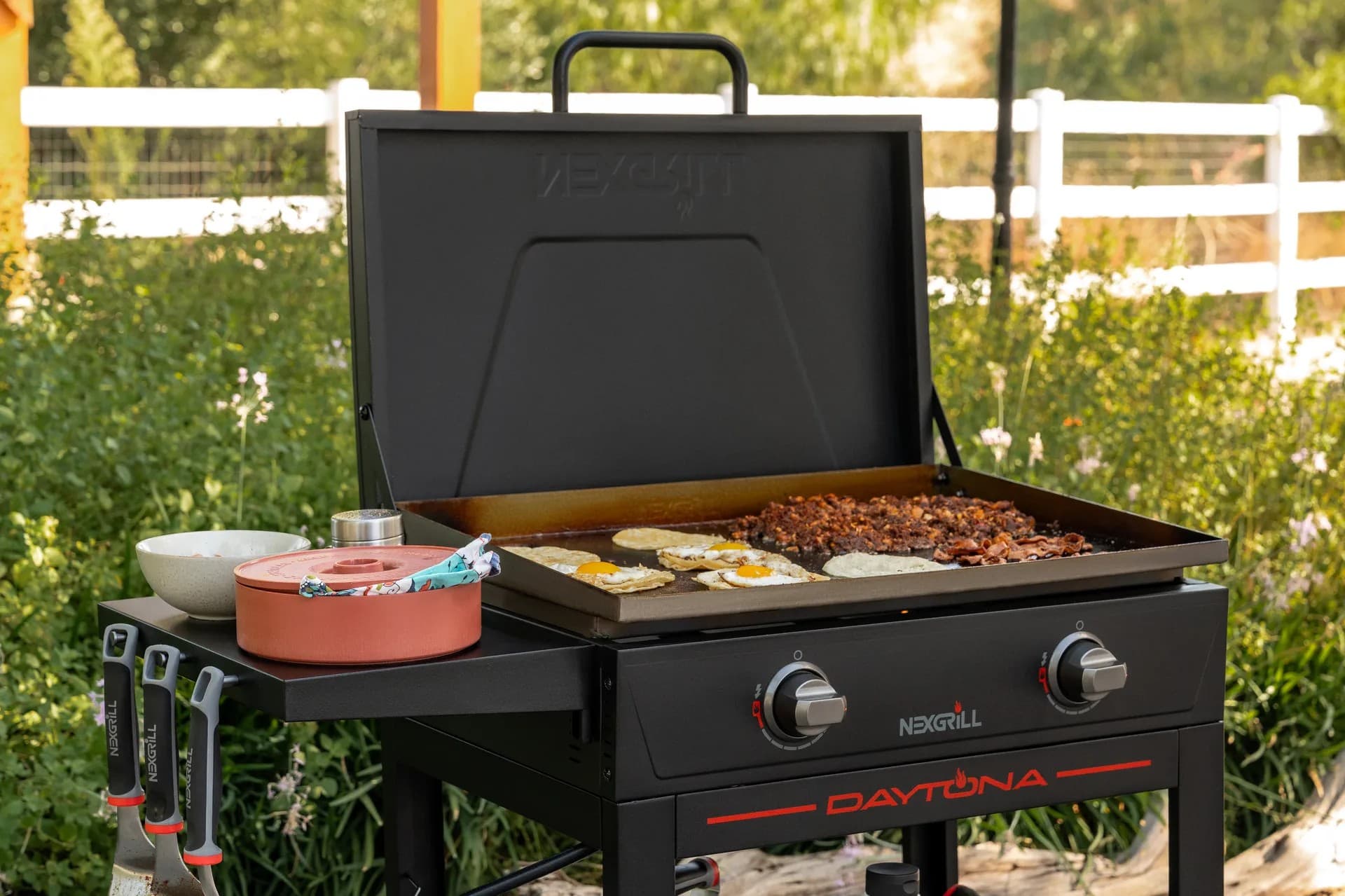
A 4-burner gas grill with a griddle gives home cooks a practical middle ground between a classic backyard grill and a dedicated flat-top. Instead of choosing one cooking surface and living with that limitation, you get a setup that can handle both direct grilling and broad-surface cooking in the same meal. That matters because real outdoor cooking is rarely one-dimensional. On a busy weekend morning, you may want eggs, bacon, hash browns, and pancakes all at once. By dinner, the same appliance can switch to steaks, chicken, shrimp, and vegetables. For families and hosts who cook for mixed tastes, the flexibility is the real reason these combos keep growing in popularity.
Nexgrill’s brand approach is built around making outdoor cooking feel accessible, welcoming, and practical rather than intimidating. That philosophy fits grill/griddle combos especially well, because the format removes a lot of the friction that comes with separate appliances. Instead of trying to justify two pieces of outdoor equipment, you can buy one station that supports more meals and more styles of cooking. Nexgrill’s broader product lineup also shows how this category fits into a real-world backyard setup: buyers can look across griddles, gas grills, and pellet smokers in one collection, then choose based on how they actually cook rather than how a product is marketed.
The best 4-burner grill/griddle combo is not the one with the biggest number on the box. It is the one that gives you enough controlled heat zones, usable surface area, and durable materials for how you cook week after week.
This article takes a practical angle: what makes a 4-burner gas grill with griddle genuinely useful, how leading models compare, and what owners actually need to know to keep one working well. That includes the features that matter most, the trade-offs between brands, and the types of meals each setup tends to handle best. If you are comparing a standalone grill to a combo unit, the goal is not just to find the cheapest option. It is to understand whether the mixed cooking surface will save you time, expand your menu, and fit your patio without becoming complicated to use.
Independent burners give you the zone control needed to grill and griddle at the same time.
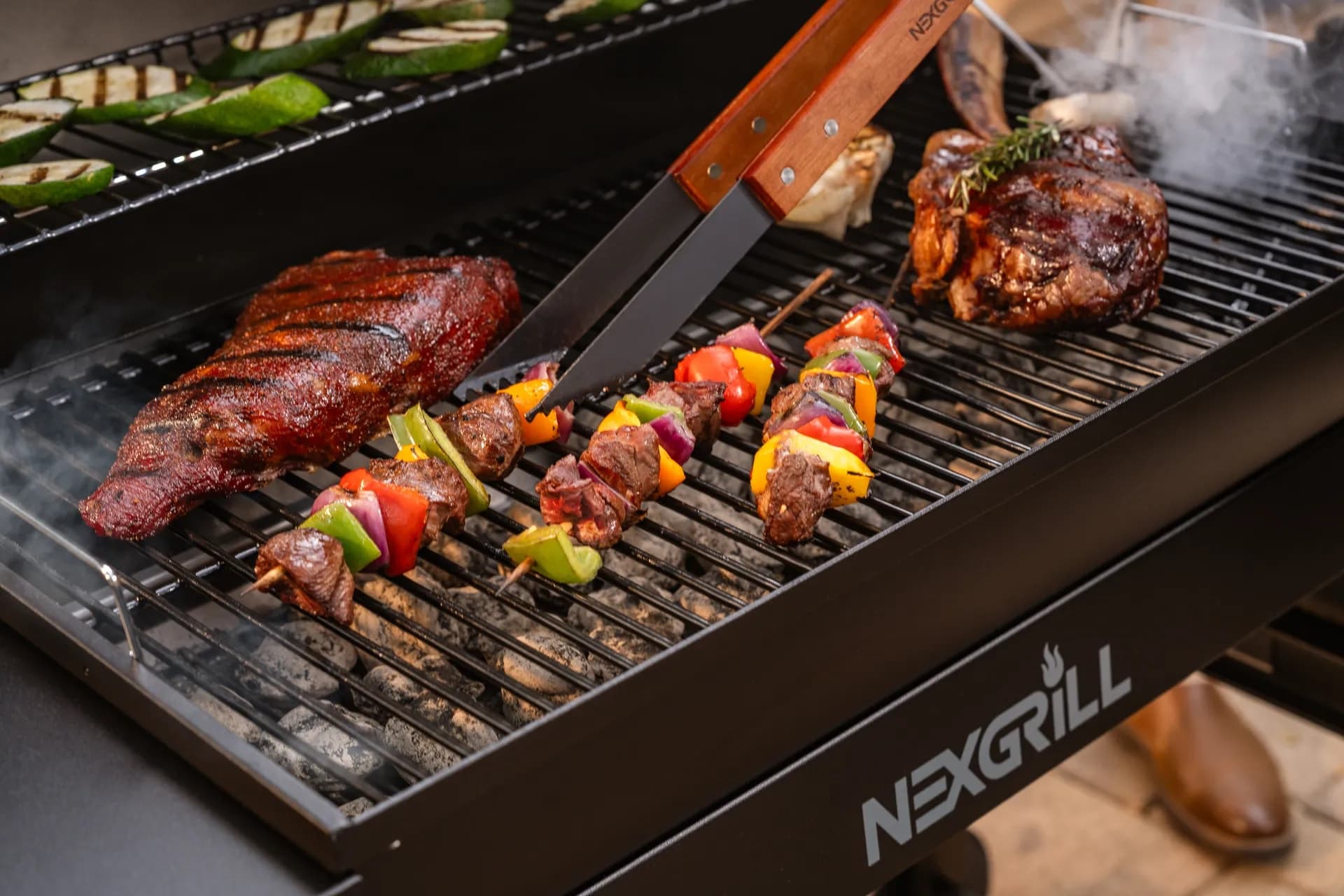
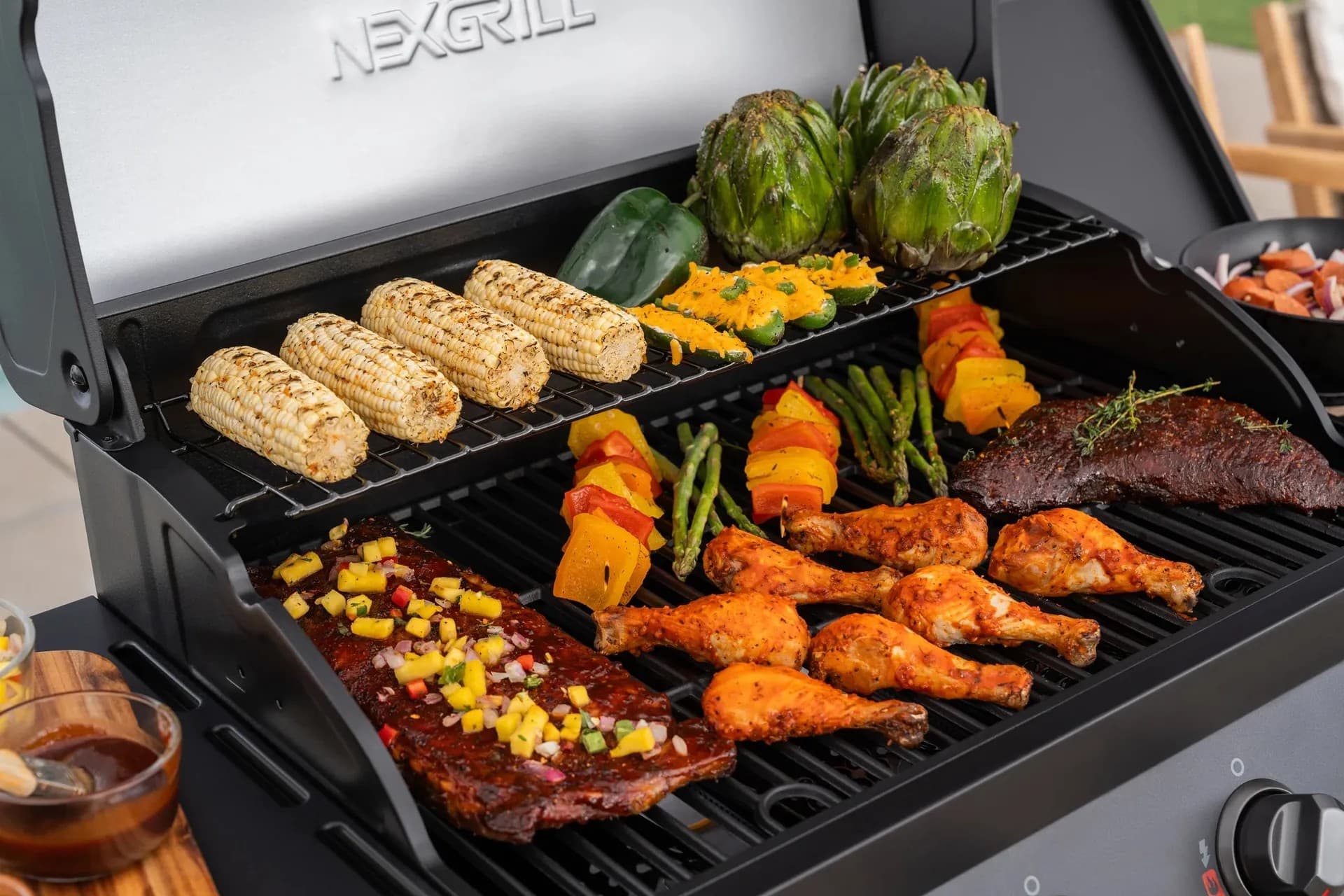
For many households, the biggest win is timing. A griddle heats quickly and creates a broad, even cooking field for foods that would fall through grates or benefit from contact heat. A grill side gives you char, drip-through flavor, and the ability to cook proteins the traditional way. Four burners let you divide the surface into zones, keep delicate food warm, and run hotter areas for searing. That kind of flexibility is especially useful when breakfast, lunch, and dinner all happen on the same equipment.
Key Features to Consider
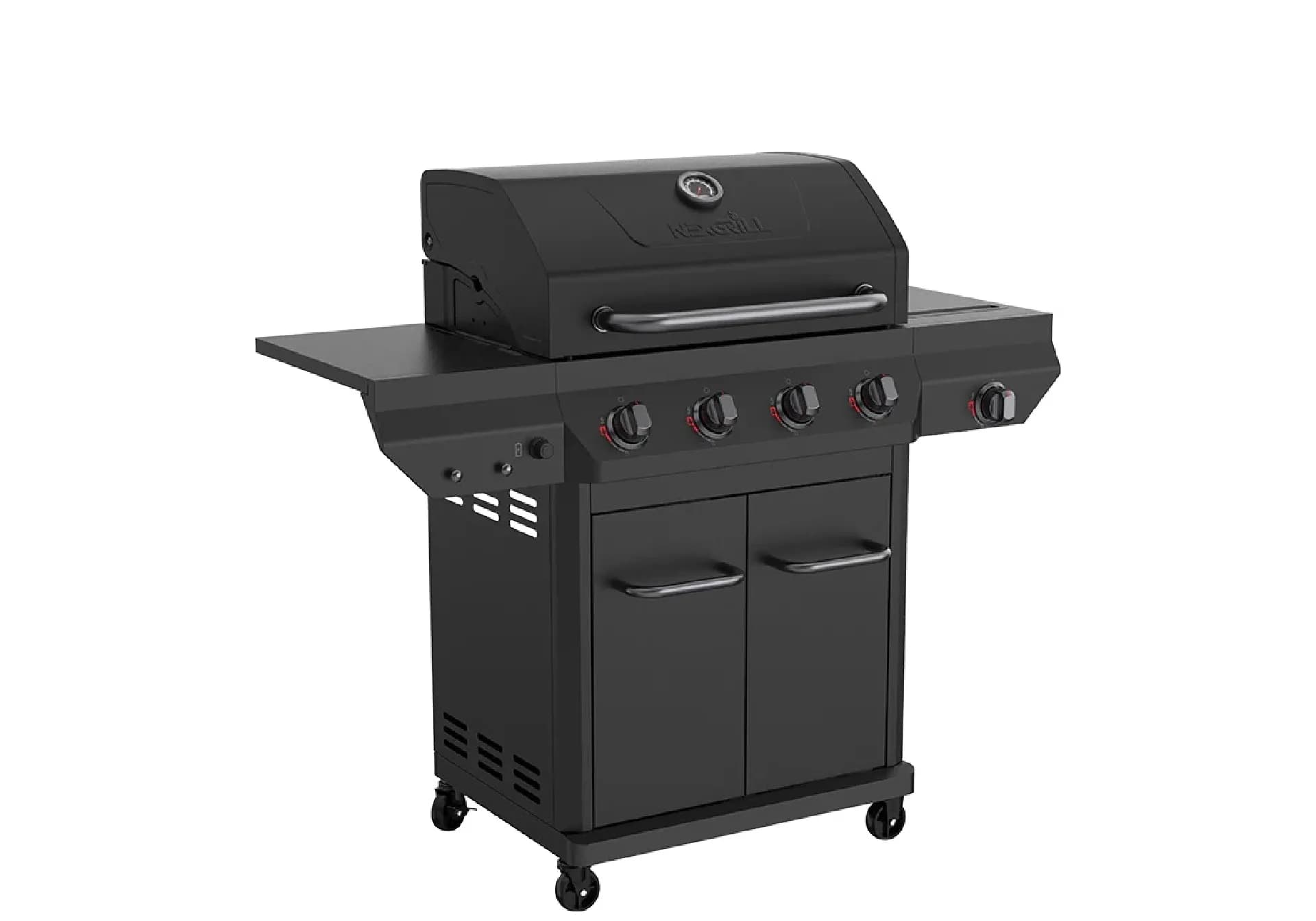
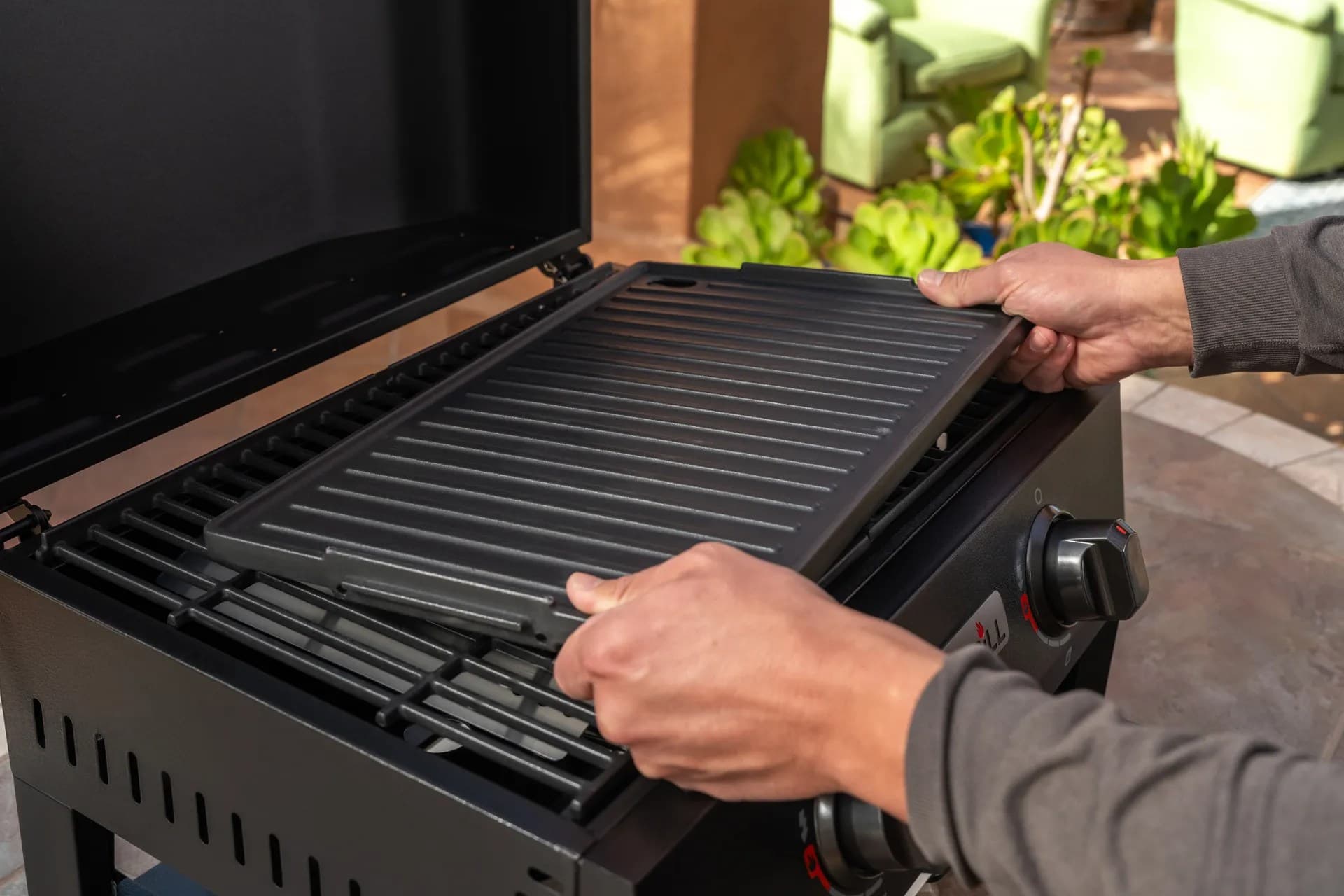
When evaluating a 4-burner gas grill with griddle, start with the cooking layout. Some models place the griddle in the center and keep grill grates on the sides; others use a swap-in plate design that lets you change part of the surface as needed. A fixed hybrid layout is usually better for people who want to cook both surfaces during the same session. A swap-in design can work for buyers who mainly grill but want occasional griddle capability. The right choice depends on whether versatility means simultaneous cooking or flexible conversion.
BTU output is worth checking, but it should never be the only metric. A higher BTU number can mean faster heat-up, but heat retention, burner layout, and the thickness of the cooking surface matter just as much. In practical terms, a well-designed 4-burner combo should preheat evenly across the zones you use most, then recover heat quickly when you add cold food. If you plan to smash burgers or cook breakfast foods, consistent heat on the griddle side matters more than raw output alone. For steaks and chops, the grate side should maintain steady high heat without large hot spots.
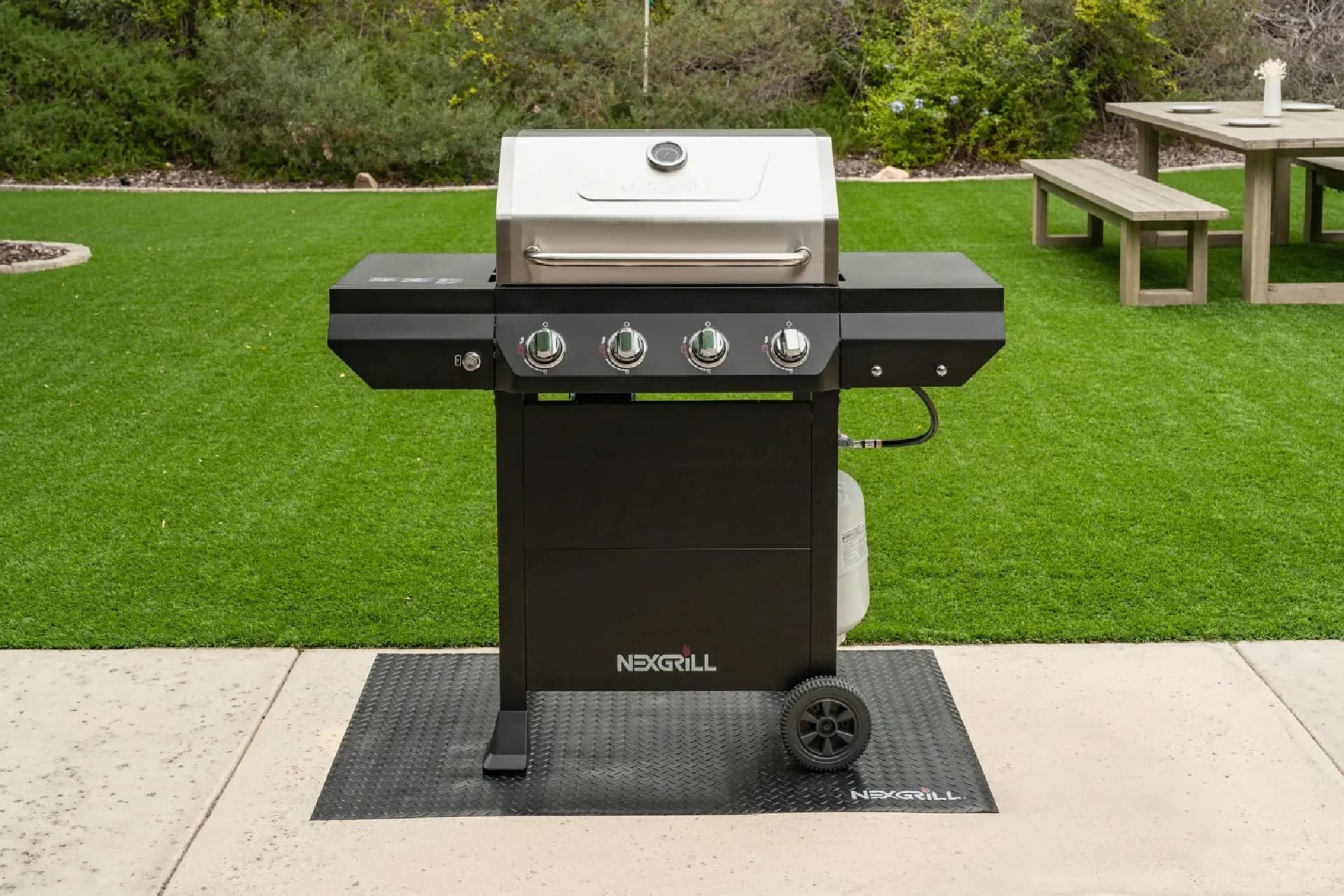
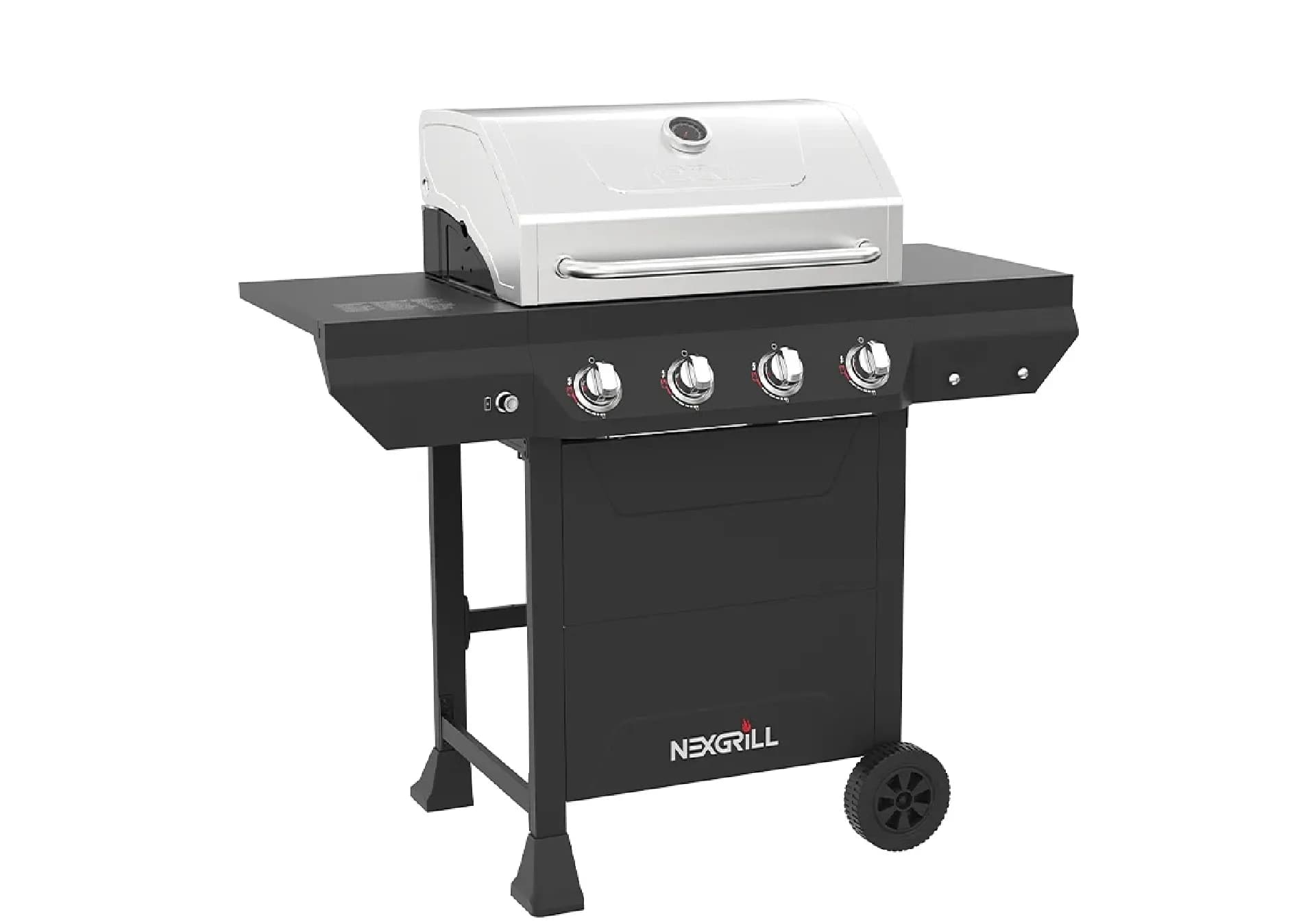
Material quality is another key factor. Stainless steel components tend to resist corrosion better in U.S. backyards that see rain, humidity, coastal air, or seasonal storage conditions. Porcelain-coated cast-iron grates can offer strong heat retention and solid searing, while smooth steel griddle plates are easier to use for eggs, pancakes, and chopped vegetables. Look for easy-to-clean grease management, sturdy side shelves, and a cart that feels stable when you move trays, pans, or cast-iron cookware around the grill. A combo unit is only convenient if the whole platform feels like one well-balanced workstation.
Capacity also deserves a careful look. A 4-burner layout is usually the sweet spot for families who cook for 4 to 8 people without moving up to an oversized commercial-style appliance. If you host larger gatherings, you may want the extra room because the griddle can absorb a lot of breakfast volume while the grill side handles proteins in batches. But if your patio is compact, the footprint may matter more than total output. Measure your space before comparing specs so you are not forced to sacrifice prep room or maneuverability later.
| Feature | Why it matters | What to prioritize |
|---|---|---|
| Burner count | Supports multi-zone cooking | Four independently controlled burners |
| Cooking surface | Determines meal volume and layout | Enough room for both grill and griddle use |
| Surface material | Affects heat retention and cleanup | Porcelain-coated or stainless materials |
| Grease management | Keeps flavor cleaner and cleanup easier | Removable trays or front-access collection |
| Cart and shelves | Improves workflow during cooking | Stable frame, side prep space, storage |
Another feature to study is ignition. If a combo unit is meant to simplify cooking, the startup process should be quick and reliable. Electronic ignition is the common expectation now, but the better designs are the ones that light consistently after storage, cleaning, and weather exposure. It is also worth looking at lid design on the griddle side, because a cover can help retain heat, support some off-heat steaming or melting tasks, and shield the cooking surface when the unit is not in use.
Top Models Comparison
The easiest way to compare 4-burner gas grill with griddle options is by looking at how each model approaches the balance between grill space, griddle space, and build quality. Royal Gourmet offers several gas grill and griddle-focused products that tend to attract budget-minded buyers who want broad utility without moving into premium pricing. Char-Broil’s gas grill lineup is often positioned around familiar grilling performance and a wide retail footprint, which appeals to shoppers who want an established brand with straightforward operation. Nexgrill’s collection is broader in outdoor cooking style, and that matters if you want a brand that already thinks in terms of grill, griddle, and other backyard formats as part of one ecosystem.
For a shopper comparing these categories, the practical question is not which brand is best in the abstract. It is which one fits your menu. If you mostly cook breakfast foods, burgers, fajitas, and chopped vegetables, a griddle-forward design deserves more weight than a classic grate-heavy design. If you prioritize burgers, kebabs, and steaks but still want flat-top versatility, a grill-first model with a griddle insert or half-surface griddle can be enough. In other words, choose based on your most frequent cooking scenario, not your most ambitious one.
| Brand | Likely strength | Best for | Watch for |
|---|---|---|---|
| Royal Gourmet | Value-oriented layouts and combo-friendly formats | Buyers who want versatility at an approachable price | Check surface materials and cart stability carefully |
| Char-Broil | Broad gas grill selection and recognizable grilling format | Users who want familiar operation and mainstream availability | Make sure the griddle area is large enough for your menu |
| Nexgrill | Outdoor-cooking variety across grills and griddles | Shoppers comparing multiple backyard cooking styles in one brand | Match the model to your preferred cooking zone split |
A useful comparison technique is to think in meals rather than features. For breakfast-for-a-crowd, the best model is the one that can keep eggs warm without overcooking them while still moving potatoes and bacon at a steady pace. For dinner, it is the one that lets you sear vegetables on one side while the grill side handles protein. That meal-based lens exposes differences that spec sheets can hide. Try comparing two products side by side below to see which fits best:
Benefits of Grill/Griddle Combos
Once you've weighed two options against each other, the real value of a grill/griddle combo becomes easier to see. The biggest benefit is not simply having two surfaces. It is being able to cook different foods at the same time without forcing them to share the same technique. A griddle lets you manage fragile items like eggs, diced onions, mushrooms, tortillas, and seafood with direct contact heat, while the grill side gives you the high-heat browning and char that many cooks still want for meat and vegetables. That split makes meal planning more efficient because one appliance can replace the need to move between a skillet, a grill, and sometimes even a stovetop.
The combo format also changes how you host. Instead of cooking in waves and trying to keep everything hot, you can stage the meal across separate zones. In a typical U.S. backyard scenario, one side of the grill can handle chicken thighs or burgers while the griddle side runs hash browns, peppers, and sautéed onions. On another day, you might use the griddle for pancakes and bacon while the grill side warms naan or chars fruit. That kind of flexibility is why combo units often feel more useful over time than single-purpose outdoor appliances.
There is also a workflow benefit. If your appliance has good prep space and reliable ignition, cooking becomes more like managing a station than babysitting multiple pans. You can move from one temperature zone to another, keep sauces warm on a low burner, and finish foods at the exact point they are ready. For households that like to cook for mixed preferences, this matters. Some guests want their food well done, others want a lighter sear, and some want vegetarian items kept separate from meat. A grill/griddle combo provides a practical way to accommodate those differences without making the cook work harder than necessary.
Tip: Use the griddle side for foods that benefit from even contact heat and the grate side for foods where char and drip-through flavor matter most.
In brand terms, this kind of flexibility fits Nexgrill’s emphasis on approachable outdoor cooking and shared meals. The company’s brand language centers on inclusion, togetherness, and making grilling accessible rather than exclusive, which is a strong fit for products that help families cook more types of food with less complexity . That does not mean every combo is the same, but it does help explain why grill/griddle platforms resonate with both beginners and experienced users. They feel less like a specialty tool and more like a backyard workhorse.
Maintenance Tips for Longevity
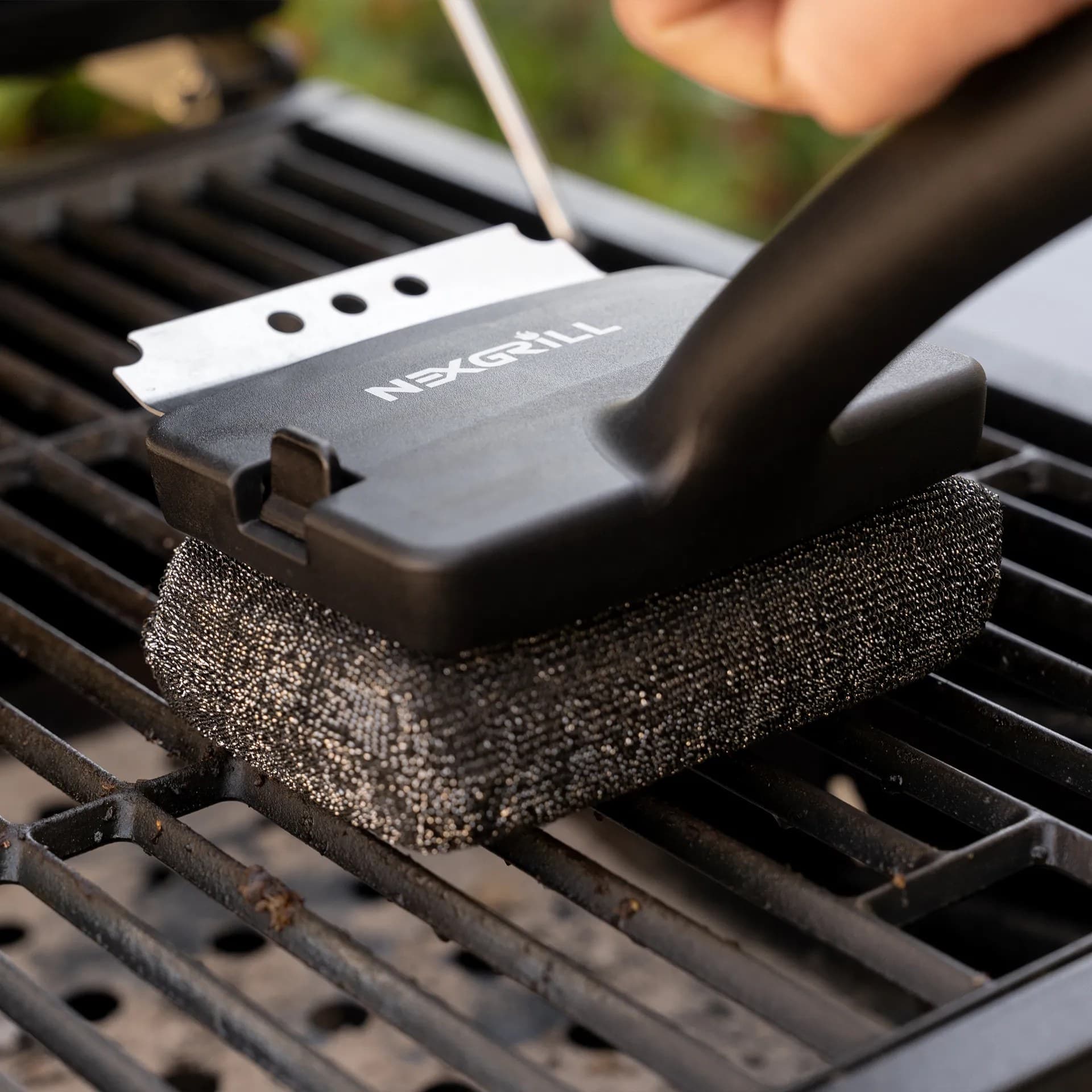
Good maintenance starts the same day you first use the unit. After each cook, scrape the griddle while it is still warm so residue comes off cleanly instead of baking into the surface. For the grill grates, brush away loose debris after preheating or right after cooking, depending on the grate material and the manufacturer’s recommendations. The key is consistency. Letting grease and food residue build up can affect flavor, slow heat recovery, and create cleanup jobs that become harder over time.
For the burners and grease management system, periodic inspection is just as important as surface cleaning. Make sure grease trays are emptied before they overflow, check that drain paths are not blocked, and inspect ignition parts and gas connections for wear after long storage periods. If your grill stays outdoors, use a fitted cover and store the unit in a dry, level location when possible. Weather, humidity, and seasonal temperature swings can shorten the life of moving parts and finish materials faster than regular cooking will.
If you want a simple upkeep routine, think in three layers: after each cook, deep clean the cooking surfaces and empty grease collection; monthly, inspect burners and hardware; seasonally, check the cart, hoses, lid, and finish for corrosion or loosened fittings. That rhythm keeps the appliance cooking evenly and helps you catch small issues before they become expensive ones. It also protects the griddle surface, which is often the first part of a combo to show wear if it is not properly dried and oiled after cleaning.
Warning: Never leave water sitting on a griddle plate after cleaning. Moisture is one of the fastest ways to encourage rust on exposed cooking steel.
User Reviews and Testimonials
User feedback on 4-burner gas grills with griddles tends to cluster around a few recurring themes: convenience, family-friendly meal range, and the difference a flat-top surface makes on weekends. Owners often like that breakfast gets easier, since pancakes, eggs, and potatoes can all cook at once without juggling multiple pans. Many reviewers also mention that dinner feels less chaotic because the griddle side can handle vegetables and small items that would otherwise fall through grates. That practical benefit shows up more clearly in day-to-day use than in product photos.
Shoppers also talk about setup and cleaning. Positive reviews usually mention easy ignition, steady heat across the cooking surface, and a cart or prep area that feels stable when loading trays and plates. Less favorable comments usually point to uneven hot spots, cleanup that becomes harder if residue is ignored, or disappointment when the griddle area is smaller than expected. Those comments are useful because they reveal the difference between a good spec sheet and a good cooking experience. If you see repeated mention of even heating and simple cleanup, that usually signals a better-designed combo.
A common testimonial pattern looks like this: first-time combo buyers are surprised by how often they use the griddle side, while experienced grillers appreciate the ability to split cooking jobs between surfaces. That is a good sign that the category creates value beyond novelty. It is not just a grill with an extra attachment. For many households, it becomes the default outdoor cooker for everything from weekday breakfast sandwiches to weekend family dinners. That versatility, not a single feature, is what usually earns repeat use.
Conclusion
A 4-burner gas grill with griddle is best viewed as a flexibility upgrade. If you want more control over how and what you cook outdoors, the combo format can be a smart investment. Compare burner layout, cooking surface materials, grease management, and overall build quality, then choose the model that matches your most common meals rather than the most impressive spec on paper.