Explore features, top models, maintenance tips, and accessories to enhance your grilling experience.
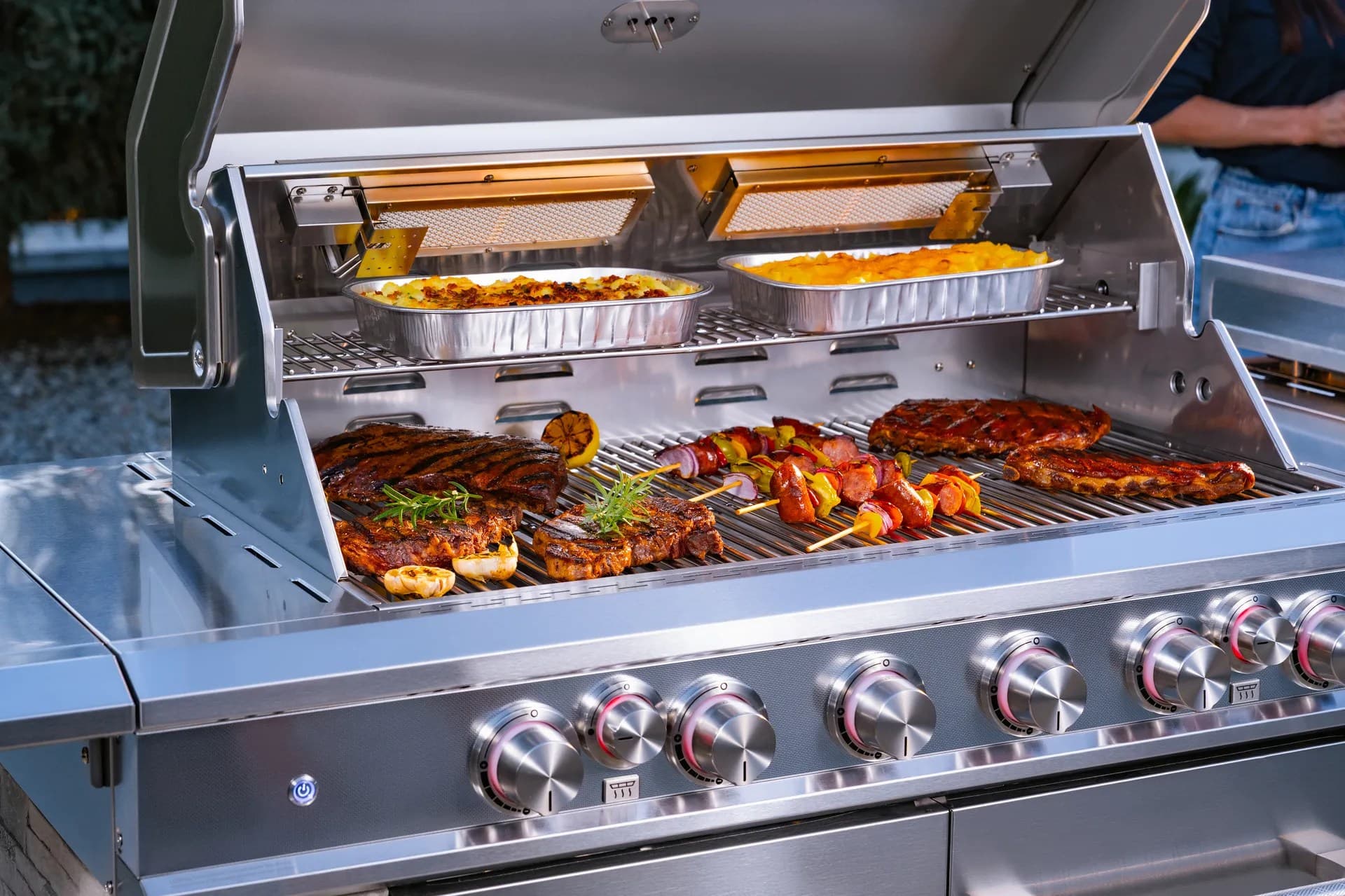
From sizzling breakfasts to smash burgers and teppanyaki-style dinners, the Daytona Pro 5 Burner NitroGuard™ Griddle delivers powerful heat, fast cooking, and a durable cooking surface built for every backyard cookout. Watch how easy outdoor cooking can be.
Here's what sets us apart from the competition
We position ourselves as delivering high-end outdoor cooking features and performance without premium-brand pricing, emphasizing “Quality Grills. Unbelievable Value.”
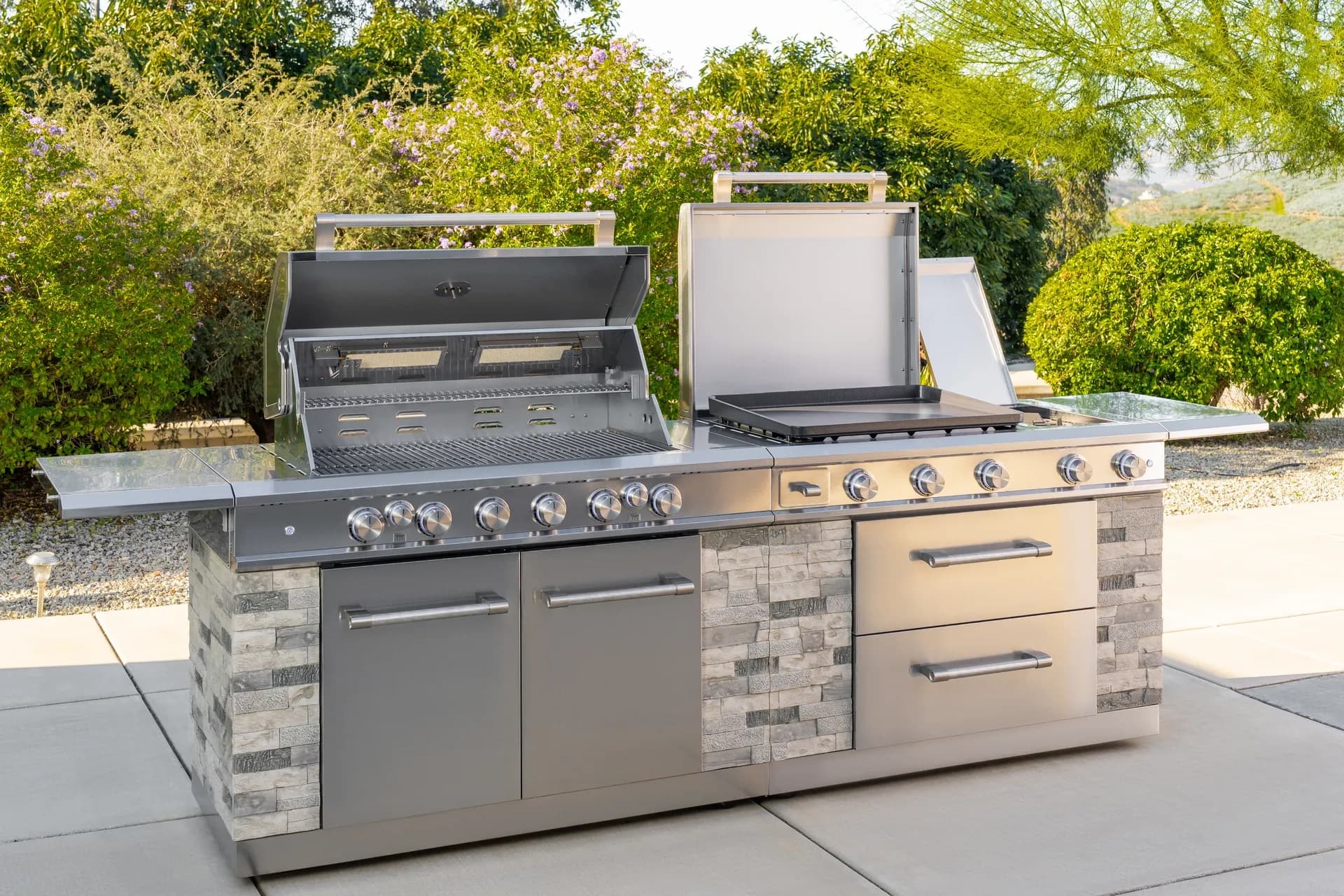
We offer gas grills, pellet grills, griddles, smokers, pizza ovens, portable/tabletop grills, electric grills, accessories, and replacement parts — allowing customers to stay within one ecosystem for all outdoor cooking needs.
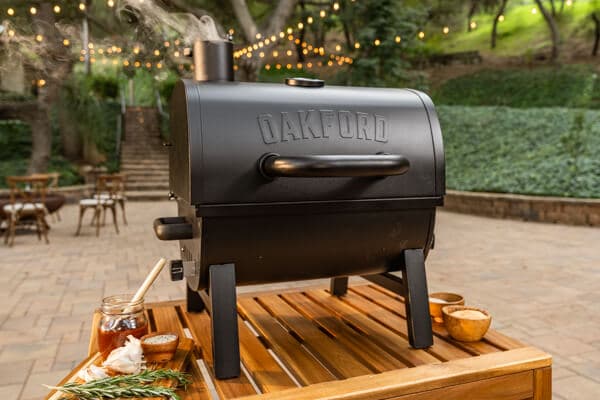
We differentiate ourselves through smart grilling products like the Oakford smart pellet grill, including app-connected cooking controls and modern outdoor cooking technology.
Expert tips, buying guides, comparisons, and inspiration for choosing and getting the most out of your grill.
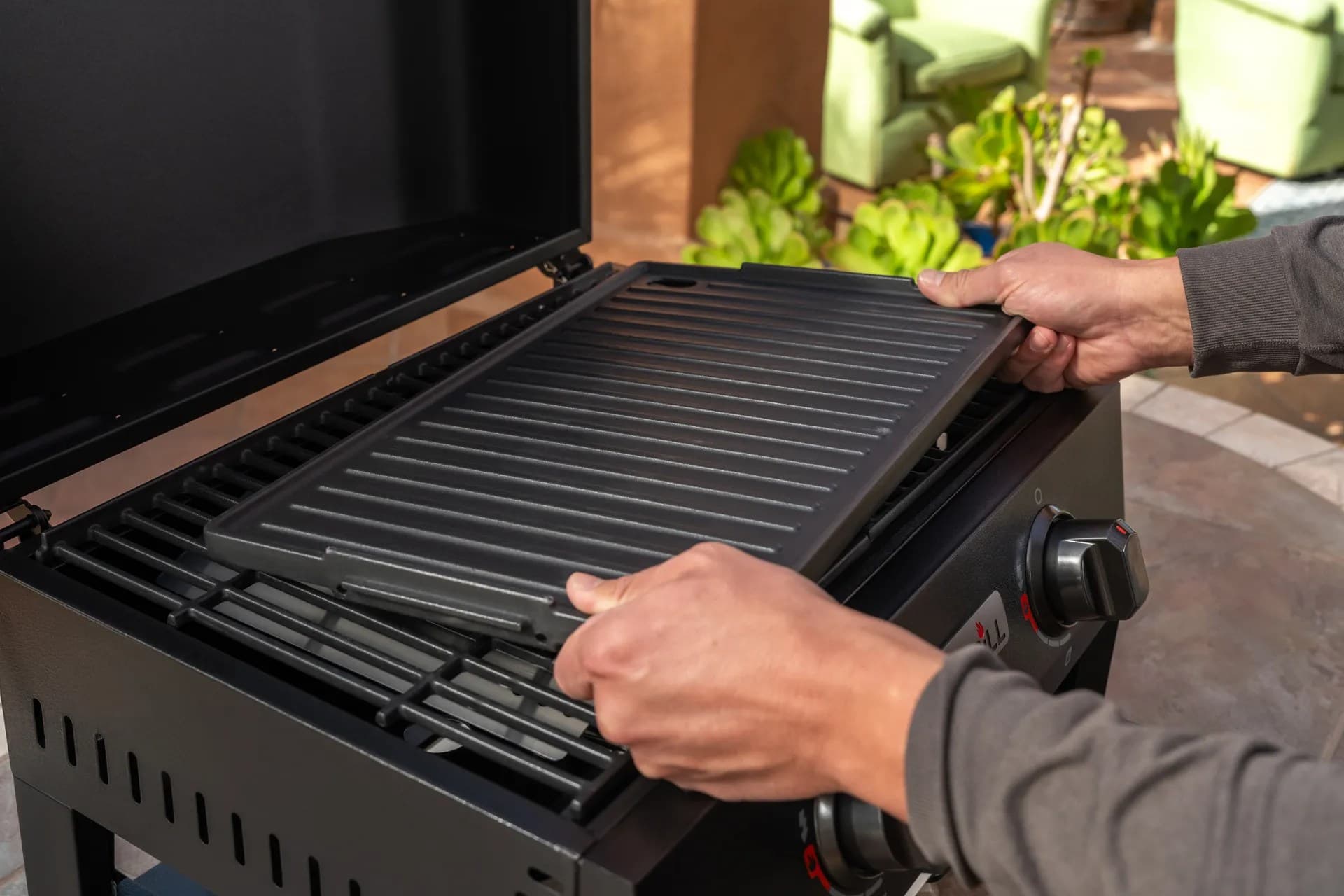
Practical guides for cleaning, maintenance, common grill issues, and performance optimization.
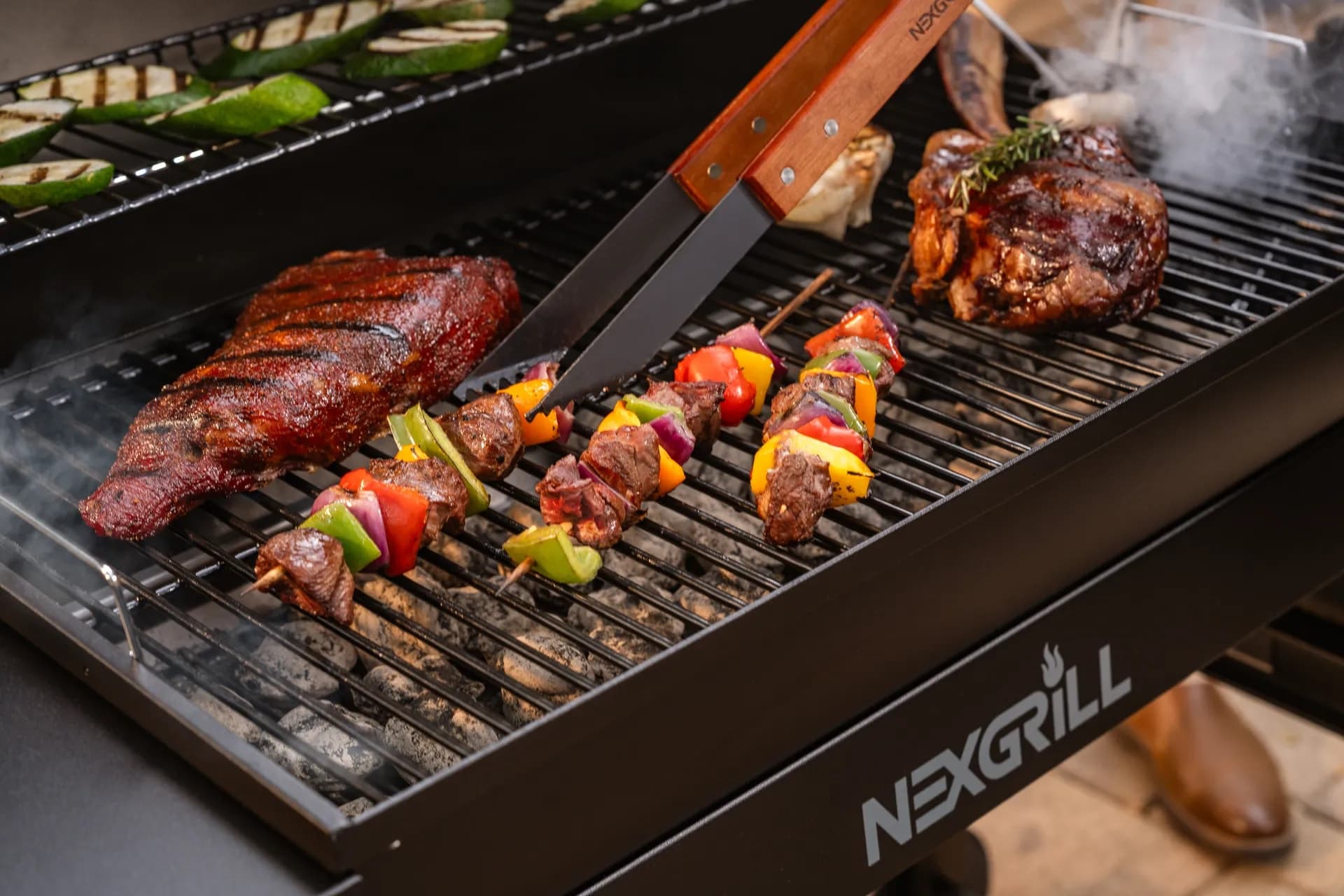
Step-by-step grilling recipes, cooking techniques, and meal ideas for every occasion and skill level.

Backyard entertaining ideas, seasonal grilling inspiration, and stories that celebrate outdoor cooking culture.
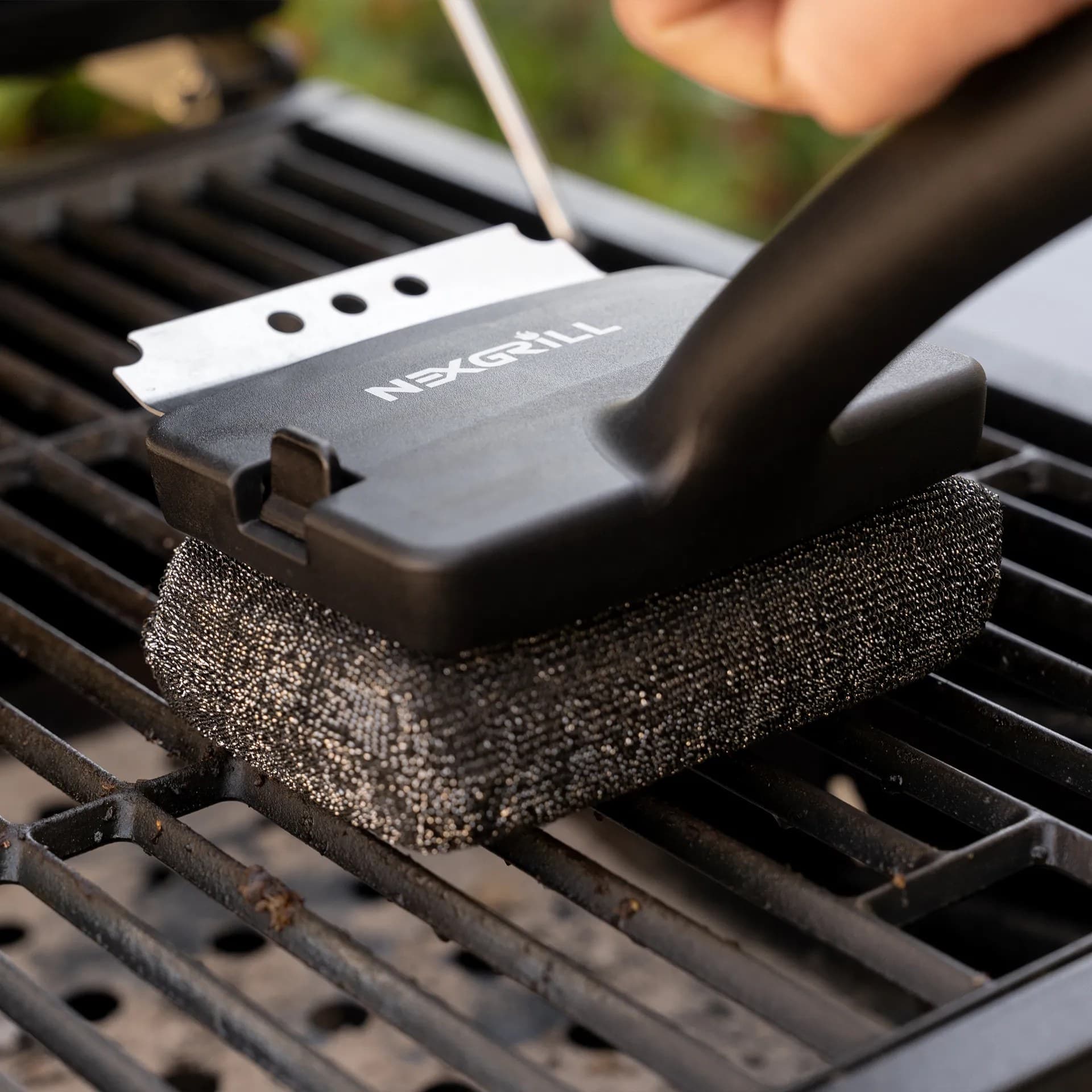
Helpful articles covering grilling tools, cookware, maintenance gear, and must-have accessories for outdoor cooking.
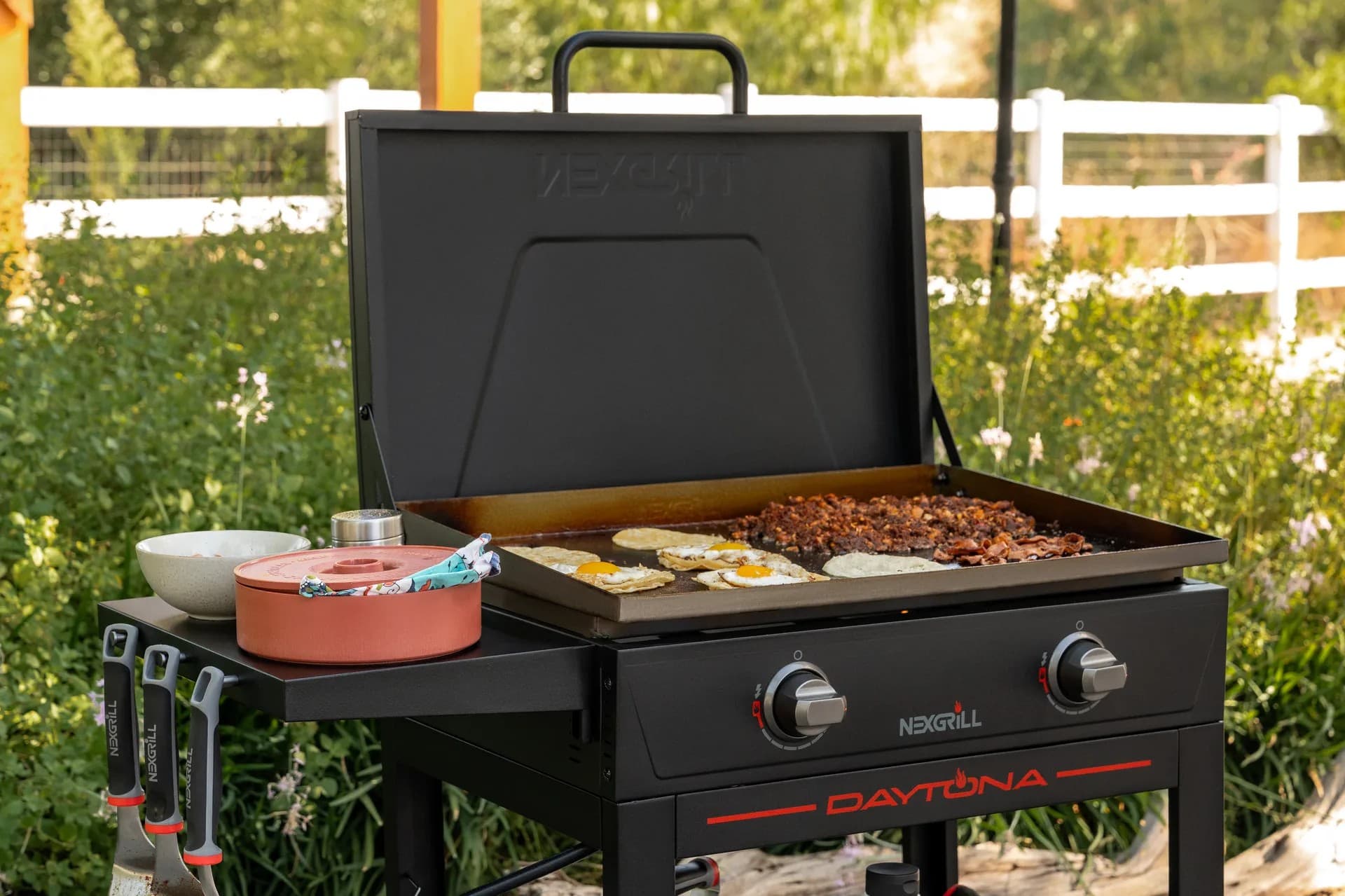
Find griddle recipes, cooking techniques, cleaning tips, and outdoor meal ideas designed for Nexgrill griddles.
Find answers to common questions
Gas grills provide instant heat and precise temperature control, making them easier to use. Charcoal grills offer a smoky flavor and high heat for searing but require more time to heat up and manage.
Pellet grills combine the convenience of gas with the flavor of wood, allowing for smoking, baking, and grilling. Traditional gas grills, however, are quicker to start and often easier to clean.
Charcoal grills typically reach higher temperatures quicker than gas grills, making them better for searing meat. However, high-quality gas grills can also provide adequate heat for effective searing.
Nexgrill offers models designed specifically for gas, charcoal, and pellets, allowing users to choose based on their cooking style and flavor preferences. Each type is built to optimize the characteristics of its respective fuel.
Choosing between gas and charcoal grills depends on your cooking preferences and lifestyle. If you value convenience and quick cooking, a gas grill may suit you better; if you prefer the taste and experience of traditional grilling, a charcoal grill would be ideal.
In This Article
Key Features
Top Models
Maintenance Tips
A 29-inch heavy-duty charcoal grill sits in a sweet spot that many backyard cooks appreciate: big enough to handle family cookouts, durable enough to survive repeated high-heat sessions, and compact enough to fit on a patio or deck without taking over the entire space. For buyers who want the flavor and ritual of charcoal without stepping up to an oversized offset smoker or a full outdoor kitchen, this category offers a practical middle ground. The term heavy-duty matters here. It usually signals thicker steel, sturdier legs or cart frames, more substantial grates, and a body that is intended to hold heat more consistently than lightweight portable grills.
That extra build quality changes the experience in ways that matter every weekend. Better heat retention helps food sear more predictably. A stronger frame makes it easier to move the grill when needed without feeling wobbly. More robust lids and dampers often improve the operator’s control over airflow, which is especially important for charcoal because airflow is what drives temperature. In practical terms, a 29-inch model is often large enough to cook for 6 to 10 people comfortably, depending on the grate layout and whether the grill includes warming racks or split-level cooking zones. That makes it a strong fit for households that host often but still want a grill that feels manageable day to day.
Nexgrill’s brand philosophy emphasizes approachable outdoor cooking that brings people together, and that perspective fits charcoal grilling especially well. A large charcoal cooker is not just a heat source; it becomes the center of the backyard, a place where timing, technique, and shared meals turn into a routine. Around a grill like this, the real value is not just price or size. It is the combination of durability, cooking confidence, and the kind of versatility that lets you sear steaks one night, roast chicken the next, and slow-cook ribs on the weekend. The sections below break down what makes this grill class worth considering, how popular models compare, what maintenance habits actually extend service life, and which accessories deliver the most practical payoff.
A size range that often balances family-friendly capacity with usable patio footprint in U.S. homes.
The first feature most buyers notice is cooking surface area, but a smart purchase requires looking beyond raw square inches. On a 29-inch charcoal grill, the grate width typically allows for a meaningful amount of food without crowding. That matters because charcoal grilling depends on airflow around each item. If burgers, bone-in chicken, and vegetables are packed too tightly, you lose the ability to manage browning and doneness across different zones. The best layouts create enough room for direct heat on one side and a cooler area on the other, so you can sear first and finish more gently.
Material quality is the second major differentiator. Heavy-duty charcoal grills often use thicker-gauge steel, porcelain-coated components, or cast-iron grates. Each material has trade-offs. Cast iron excels at heat retention and searing but needs seasoning and protection from rust. Porcelain-coated grates are easier to clean but can chip if handled roughly. Stainless steel parts resist corrosion better in humid climates, though lower grades may discolor over time. For U.S. buyers in coastal or rainy regions, corrosion resistance may matter as much as cooking performance because a grill that looks good in spring can deteriorate quickly if it spends winters exposed to the elements.
Temperature control on charcoal is less about knobs and more about airflow management. Adjustable vents, a tight-fitting lid, and a firebox that does not leak too much air are essential. In a 29-inch unit, these details influence whether you can maintain a steady roasting temperature or end up chasing hot spots. Good heavy-duty designs also include ash management features, such as a removable ash pan or easy-dump tray, because ash buildup restricts airflow and makes cleanup slower. A deeper charcoal bed can improve long cooks, while split grates or adjustable charcoal trays can help you vary the heat profile without moving food constantly.
Look for practical build details as well: sturdy wheels for patio mobility, side shelves for prep space, a lid handle that stays cool enough for brief use, and a firebox shape that supports even heat distribution. These are not flashy features, but they shape the difference between a grill that feels like a project and one that feels dependable. If you are comparing options, prioritize the parts that influence heat retention, ash cleanup, and structural stability before cosmetic add-ons.
| Feature | Why it matters | What to prefer |
|---|---|---|
| Cooking area | Controls how many foods you can cook at once | Enough room for direct and indirect zones |
| Body thickness | Helps retain heat and reduce warping | Thicker steel or heavy-gauge construction |
| Grate material | Affects searing, cleanup, and rust resistance | Cast iron for heat, stainless for easier upkeep |
| Airflow system | Controls charcoal burn rate and temperature | Adjustable intake and exhaust vents |
| Ash removal | Keeps the fire burning cleanly and cleanup simple | Removable ash pan or slide-out tray |
Heavy-duty is not just a marketing phrase. In this category, thickness, stability, and airflow control usually matter more than an extra accessory shelf or decorative trim.
When readers compare leading 29-inch heavy-duty charcoal grills, they are usually balancing three priorities: build strength, heat control, and how much work the grill creates after the food comes off. A useful way to compare the category is by use case rather than by chasing a single winner. Weber, Nexgrill, and Dyna-Glo each tend to appeal to a different kind of buyer, and the best choice depends on whether you want a polished kettle-style system, a value-focused large-format grill, or a heavier backyard workhorse with more surface area and added storage. Because retail configurations change, focus on the construction style and core feature set instead of assuming every model in a brand line performs the same way.
Weber’s 29-inch-class options are often associated with refined airflow, dependable lid fit, and consistent temperature behavior. Buyers who value predictability usually like that. The trade-off is that premium construction can push the price higher, especially once you add carts, grates, or covers. Dyna-Glo frequently attracts shoppers who want a larger footprint and straightforward charcoal performance without a premium-brand price tag. These units can be appealing for cooks who want to load more food over the fire, but they may require a little more attention to seasoning, rust prevention, and post-cook cleanup. Nexgrill often occupies the practical middle, with designs intended to deliver accessible value, sturdy everyday use, and features that fit real backyard routines rather than overcomplicating the experience.
A direct comparison should ask who the grill is for. If you mostly cook for a small group and want crisp temperature stability, a well-sealed Weber-style kettle may feel ideal. If your household values size and you regularly host extended family, a Dyna-Glo-style larger body can make more sense. If you want a balanced option that supports frequent grilling without paying for features you will rarely use, a Nexgrill heavy-duty model is often the most practical lane. One thing to remember is that charcoal grills reward active management. Even the best model will not behave like a gas grill. The best grill is the one whose airflow, body thickness, and cleanup process align with how you actually cook.
| Brand / Style | Typical strength | Typical trade-off | Best for |
|---|---|---|---|
| Weber-style kettle | Excellent lid fit and reliable temperature control | Often higher cost for the feature set | Cooks who value precision and familiarity |
| Nexgrill heavy-duty charcoal | Strong value and practical backyard usability | May be simpler than premium competition | Families seeking balance of durability and price |
| Dyna-Glo large-format charcoal | Expanded cooking space and rugged presence | More metal to maintain and season | Frequent hosts and high-volume cooking |
A heavy-duty charcoal grill can last for years, but only if you treat ash, moisture, and grease as regular maintenance issues instead of occasional annoyances. The most effective habit is simple: remove ash after the grill cools completely. Ash absorbs moisture from the air and can accelerate corrosion if it sits in the firebox too long. For that reason, emptying the ash pan or drawer after each use is one of the most valuable things you can do. The next step is to brush grates while they are still warm, then wipe them with a lightly oiled cloth if the surface material calls for it. That reduces buildup and keeps the next cook cleaner.
Seasonal storage matters too. If you live where winters are wet, snowy, or highly humid, a fitted cover is worth the investment. Covers help, but only if the grill is dry before it is closed up. Trapping moisture under a cover defeats the purpose. Check fasteners, hinges, and vent hardware at the start of each season, and look for early signs of rust around welds or exposed edges. Small rust spots are easier to treat than structural damage. If your grill has cast-iron grates, re-oil them after cleaning. If the grill has porcelain-coated parts, avoid harsh metal scrapers that can chip the surface.
The lifespan question depends on materials and care. A well-built 29-inch heavy-duty charcoal grill can often serve reliably for many seasons, but the difference between average and excellent lifespan usually comes down to how consistently the owner manages moisture, covers the grill, and keeps airflow paths clear. That is why maintenance is not a chore at the end of ownership; it is part of the value equation from day one.
A dry firebox, clean grate, and clear vents do more for long-term performance than most expensive accessories ever will.
The right accessories make a 29-inch grill easier to use and easier to protect. Start with a high-quality cover that fits the grill’s dimensions closely. A loose cover can flap in wind and let moisture enter; a tight, breathable cover helps preserve the finish. Next, add a long-handled ash tool and a sturdy charcoal chimney starter. Those two items improve safety and make fire management more predictable, especially for beginners. A reliable instant-read thermometer is another must-have because charcoal heat can vary across the grate, and temperature guessing leads to overcooked food more often than bad recipes do.
For cooks who want to expand the grill’s capability, rotisserie kits can be valuable if the grill body is designed to support them. They turn the grill into a more even roasting chamber for chicken or smaller roasts, which is useful when you want a different result from standard direct grilling. Heat-resistant gloves, grill baskets for vegetables, and a two-zone charcoal setup tool also make the grill more flexible. If you are buying for a household that entertains often, a prep cart or side table can matter more than another decorative feature because it keeps serving and staging organized.
Accessories should solve a real problem. A cover protects the finish, thermometers improve accuracy, and tools improve fire control. That is why the best accessory budget is usually a small one that covers protection, safety, and measurement before novelty.
Avoid buying accessories before you confirm the grill’s grate size, lid clearance, and attachment points. A well-made accessory that does not fit is just clutter.
A 29-inch heavy-duty charcoal grill is a strong choice for buyers who want ample cooking room, solid construction, and the flavor advantages that charcoal can deliver. The best models do more than hold coals. They manage airflow well, resist wear, and make cleanup simple enough that you want to use them regularly. If you compare materials, evaluate the fire management system, and choose accessories that support protection and accuracy, you can narrow the field quickly and avoid paying for features that do not improve your actual backyard cooking.
Try comparing two products side by side below to see which fits best:
Once you have compared two options, the next useful step is to pay attention to the language real owners use after a few months of cooking. Reviews for 29-inch heavy-duty charcoal grills usually split into three themes: how stable the grill feels during use, whether the heat stays manageable across longer cooks, and how much effort cleanup requires after a weekend of entertaining. The most valuable testimonials are not the one-line ratings that simply say “great grill.” They are the comments that mention specific habits, such as how well the lid seals, how quickly the grate gets hot, or whether the ash system actually keeps the firebox clear.
A common positive pattern is that buyers appreciate the sense of permanence. They like that a heavier grill does not dance around when the lid is opened, and they often mention that thicker bodies help the grill feel less flimsy in windy weather. Another frequent compliment is cooking confidence. Owners tend to note that once they learn airflow and charcoal placement, the grill responds predictably. That matters because charcoal can intimidate some first-time buyers. A well-built 29-inch unit tends to calm that learning curve, especially when it includes a lid that closes securely and vents that respond cleanly.
The most common criticisms are also useful. Some users discover that a large grill takes longer to heat thoroughly than expected, especially if they overload the charcoal basket. Others note that heavy-duty construction still needs routine care, and that neglecting ash removal or cover use can shorten the life of even a solid grill. In other words, owner feedback often reinforces the same lesson: the grill itself matters, but user habits matter almost as much. For a buyer, that means the best testimonial is one that describes a long-term ownership pattern, not just a first-week impression.
When reading reviews, look for comments about year-two performance, not just unboxing day excitement.
Once you are comfortable with the basics, a 29-inch heavy-duty charcoal grill can support a surprising range of techniques. Two-zone cooking is the foundation. Stack most of your charcoal on one side to create a high-heat area, then leave the other side cooler for finishing thicker cuts or resting food away from direct flames. This setup is especially helpful for chicken thighs, pork chops, and bone-in steaks because it lets you sear aggressively without burning the exterior before the center is done. For larger gatherings, a wider grate makes zone separation more practical because you can move food back and forth without running out of room.
Another useful approach is the snake or fuse method for longer cooks. By arranging charcoal in a curved line around part of the firebox, you can create a steady, slow burn for ribs or brisket-style projects. This works best when the grill lid fits well and the vents can be adjusted gradually. For cooks who want more texture, consider finishing over live coals after an indirect roast. That last step gives vegetables, chicken skin, or skewers a firmer char and better surface color.
A heavy-duty grill also helps with moisture management. Because thicker bodies hold heat more consistently, they make it easier to maintain a stable environment for covered roasting. If you pair that with a thermometer and discipline about lid lifting, you can get more repeatable results than casual users often expect from charcoal. The key is to treat the grill as a controllable system, not a guess-and-check box of coals.
| Technique | Best use | Why a 29-inch grill helps |
|---|---|---|
| Two-zone cooking | Searing then finishing thicker foods | Extra width makes hot and cool zones easier to manage |
| Snake method | Low-and-slow ribs or roasts | Large body space supports longer charcoal paths |
| Reverse sear | Steaks and thick chops | Ample grate room allows staged cooking without crowding |
Safety starts with placement. A charcoal grill should sit on a stable, noncombustible surface with enough clearance from railings, siding, awnings, and overhanging branches. Because a 29-inch heavy-duty unit is typically larger and heavier than a portable grill, it should also be positioned where it can stay level. An uneven grill can affect airflow, coal distribution, and stability when the lid is open. Before lighting, inspect the firebox, grates, and charcoal arrangement so you know where hotspots and openings are.
The next safety issue is ignition. Use a charcoal chimney starter or other approved lighting method rather than relying on uncontrolled accelerants. Once the grill is lit, keep children and pets away from the working area and use heat-resistant gloves when adjusting vents, grates, or coal baskets. Many backyard accidents happen because cooks underestimate how long charcoal and ash remain hot after the meal is done. Always allow enough cool-down time before emptying ashes or moving the grill. If you store charcoal nearby, keep it dry and sealed away from moisture and ignition sources.
You should also be careful with food safety. Charcoal grills can produce excellent high heat, but uneven zones can create undercooked spots if you do not monitor internal temperatures. A thermometer is the most practical safety accessory in this category because it helps you verify doneness rather than guessing. That is particularly important for poultry and thicker cuts. Good grilling safety is not dramatic; it is a routine of calm, repeatable habits that protect both the cook and the meal.
Never empty hot ash into a plastic bin or near dry leaves. Even when it looks cold, ash can hide heat for hours.
Charcoal grilling changes with the seasons, and a heavy-duty 29-inch grill gives you more margin for those changes because the thicker body tends to buffer heat loss better than lightweight alternatives. In summer, the main challenge is often overfiring. Hot ambient temperatures can make the grill run hotter than expected, so you may need to reduce charcoal volume or shorten preheat times. In winter, the opposite happens. Cold wind strips heat away, which means longer ignition times and more charcoal to reach the same cooking temperature. A heavier grill with a better-fitting lid helps, but windbreak placement and disciplined vent control still matter.
Rain and humidity create another seasonal challenge: moisture. Wet charcoal lights slowly, and humid storage conditions increase the chance of rust on grates, hinges, and ash trays. This is why off-season care should include a full dry-out before covering the grill, plus a quick inspection after storms or snowmelt. Spring is the best time to re-season grates, tighten hardware, and replace worn thermometer inserts or gaskets if your model uses them. Fall is a good time to deep clean and prepare for lower-temperature cooks like turkey, pork shoulder, or squash dishes that suit cooler weather entertaining.
Seasonal awareness also changes how you plan recipes. Summer favors faster foods and shorter fire management windows, while fall and winter reward longer cooks that make use of the grill’s heat retention. A 29-inch heavy-duty charcoal grill can handle both, but the operator should adapt charcoal volume, airflow, and cover use to the weather rather than using the same setup year-round.
Sustainability in charcoal grilling is mostly about reducing waste, extending product life, and using fuel more efficiently. The most sustainable grill is often the one you keep in service for many seasons. That means choosing a model with durable construction and replacing parts such as grates or thermometers instead of discarding the entire unit after a few rough winters. Buying a heavy-duty grill with repairable components is a practical sustainability decision because longevity reduces landfill turnover.
Fuel choice matters too. Using the right amount of charcoal for the cook reduces leftover waste, and learning proper zone management can prevent you from burning more fuel than necessary. Lump charcoal and briquettes each have different burn characteristics, so the more efficiently you match the fuel to the meal, the less you throw away. Cleaning ash responsibly is another small but meaningful habit. Let ashes cool fully, dispose of them according to local rules, and avoid dumping partially spent coals into the trash. If your grill allows it, reusing small amounts of unburned charcoal can also reduce waste on subsequent cooks.
Finally, sustainability includes care for the cooking experience itself. A grill that is maintained well cooks more evenly, which means fewer ruined meals and less food waste. That is a practical, backyard-level form of sustainability that many shoppers overlook. When a grill lasts longer and performs more consistently, the environmental and financial benefits work together.
Here's what sets us apart
We position ourselves as delivering high-end outdoor cooking features and performance without premium-brand pricing, emphasizing “Quality Grills. Unbelievable Value.”
We offer gas grills, pellet grills, griddles, smokers, pizza ovens, portable/tabletop grills, electric grills, accessories, and replacement parts — allowing customers to stay within one ecosystem for all outdoor cooking needs.
We differentiate ourselves through smart grilling products like the Oakford smart pellet grill, including app-connected cooking controls and modern outdoor cooking technology.
Don't just take our word for it
Keep reading
From our catalog