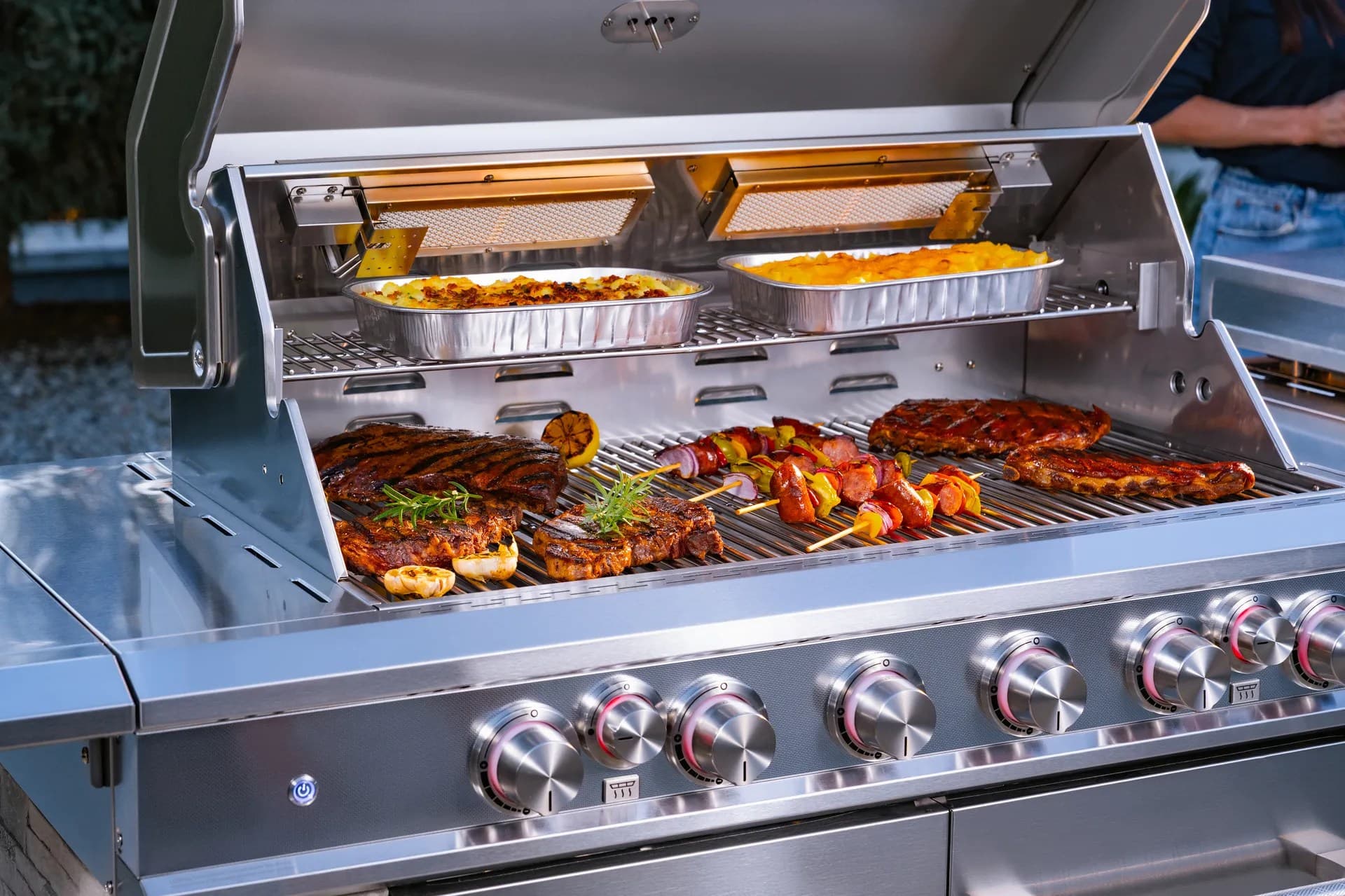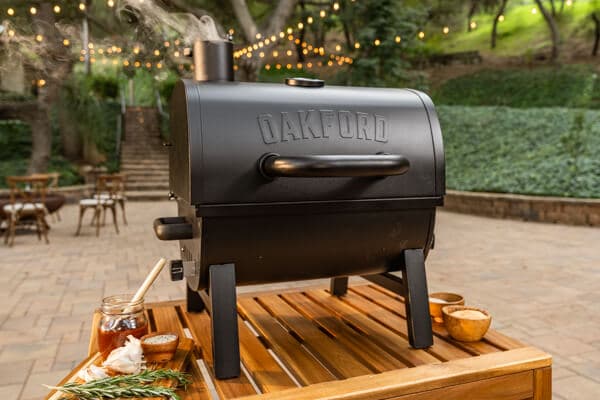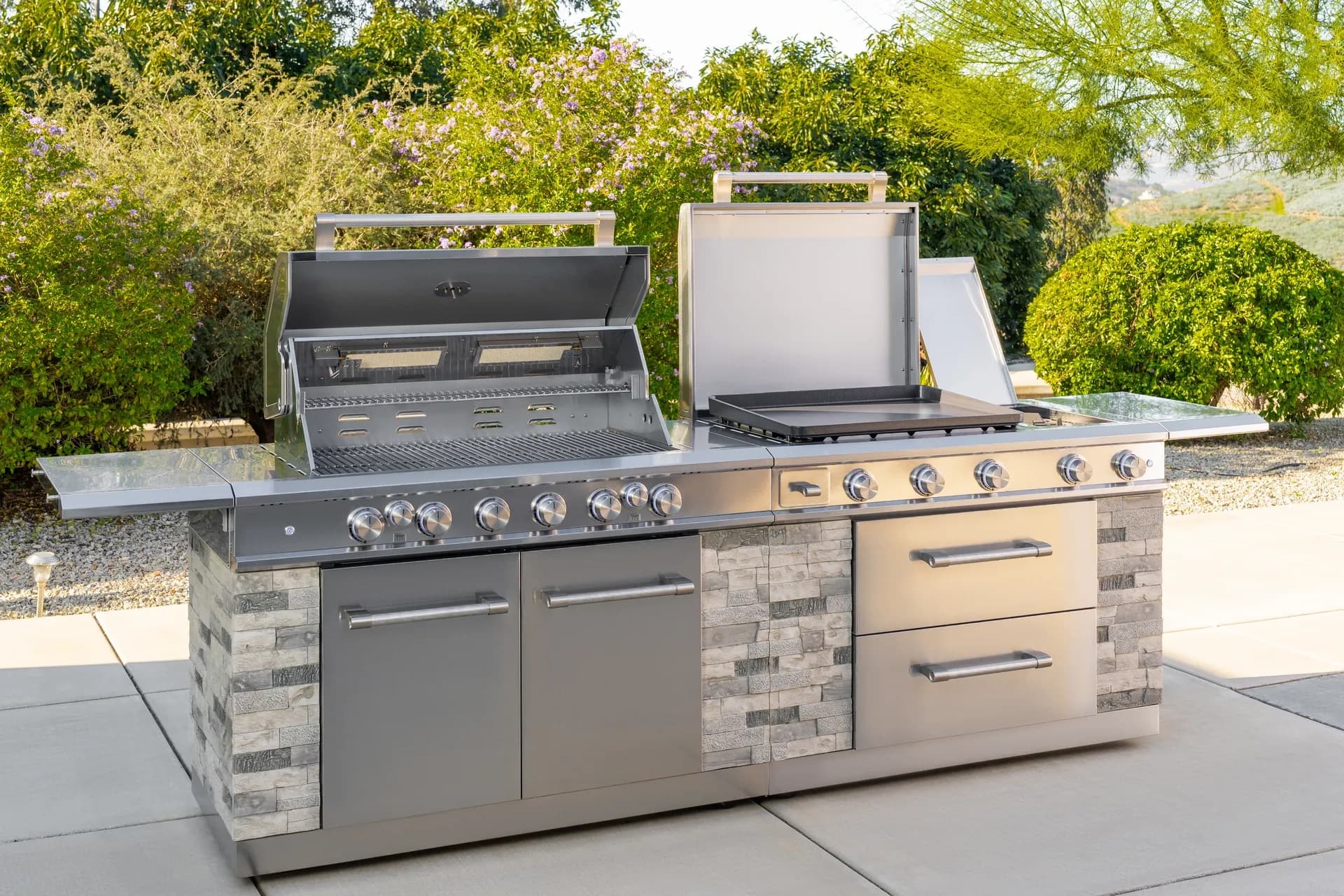
Discover the perfect blend of size and performance for your outdoor cooking adventures.
From sizzling breakfasts to smash burgers and teppanyaki-style dinners, the Daytona Pro 5 Burner NitroGuard™ Griddle delivers powerful heat, fast cooking, and a durable cooking surface built for every backyard cookout. Watch how easy outdoor cooking can be.
Here's what sets us apart from the competition
We position ourselves as delivering high-end outdoor cooking features and performance without premium-brand pricing, emphasizing “Quality Grills. Unbelievable Value.”
We offer gas grills, pellet grills, griddles, smokers, pizza ovens, portable/tabletop grills, electric grills, accessories, and replacement parts — allowing customers to stay within one ecosystem for all outdoor cooking needs.
We differentiate ourselves through smart grilling products like the Oakford smart pellet grill, including app-connected cooking controls and modern outdoor cooking technology.
Expert tips, buying guides, comparisons, and inspiration for choosing and getting the most out of your grill.
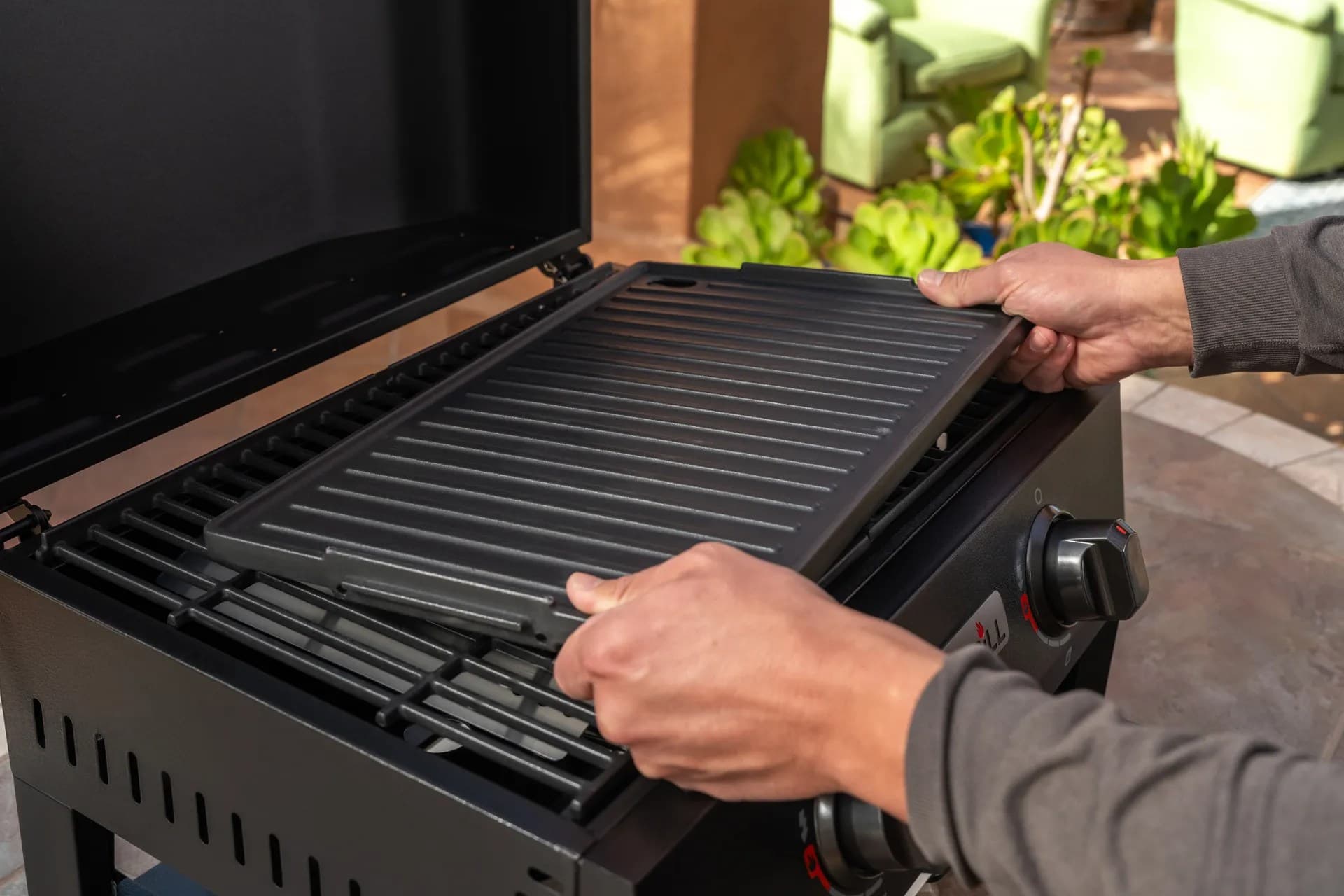
Practical guides for cleaning, maintenance, common grill issues, and performance optimization.
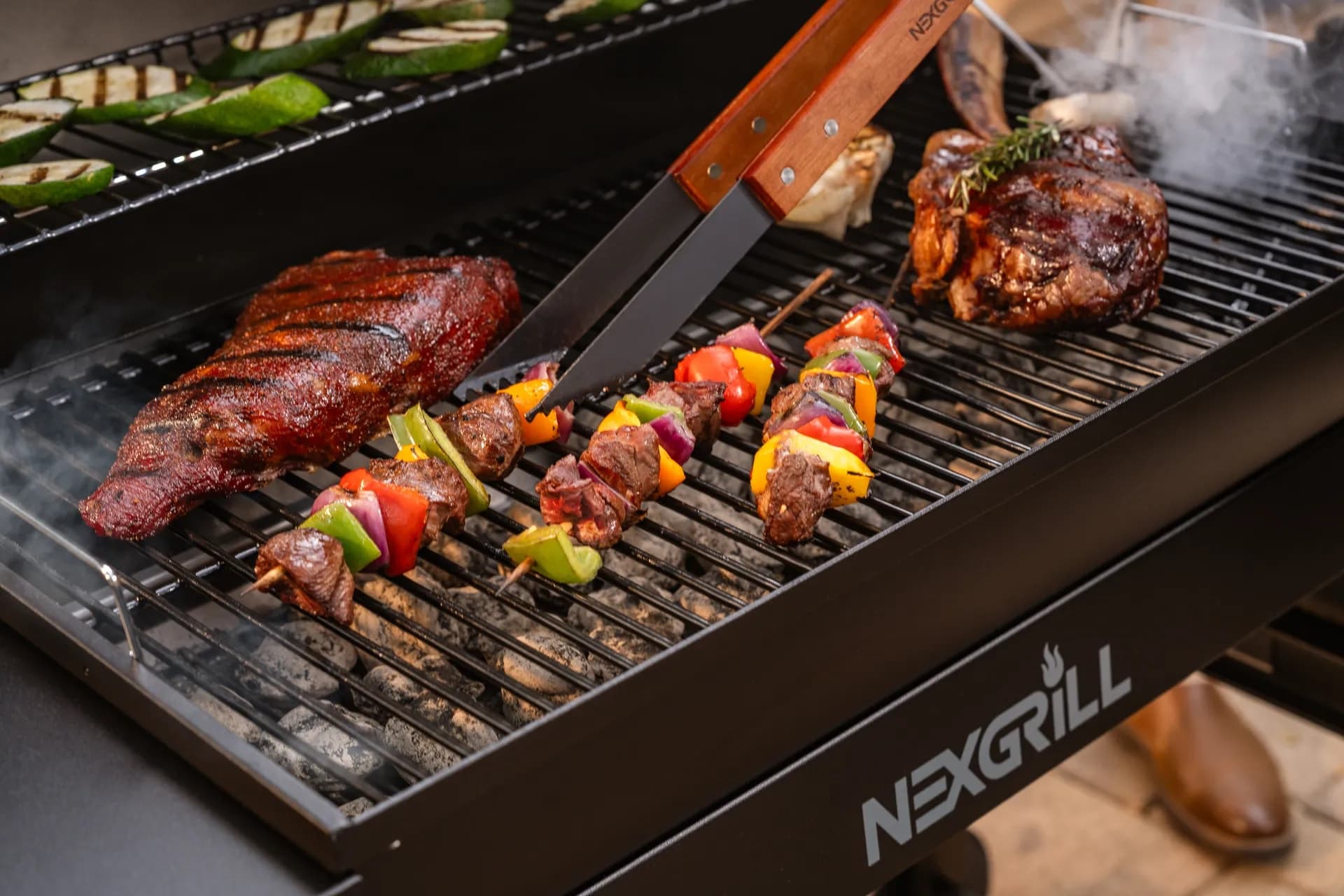
Step-by-step grilling recipes, cooking techniques, and meal ideas for every occasion and skill level.

Backyard entertaining ideas, seasonal grilling inspiration, and stories that celebrate outdoor cooking culture.
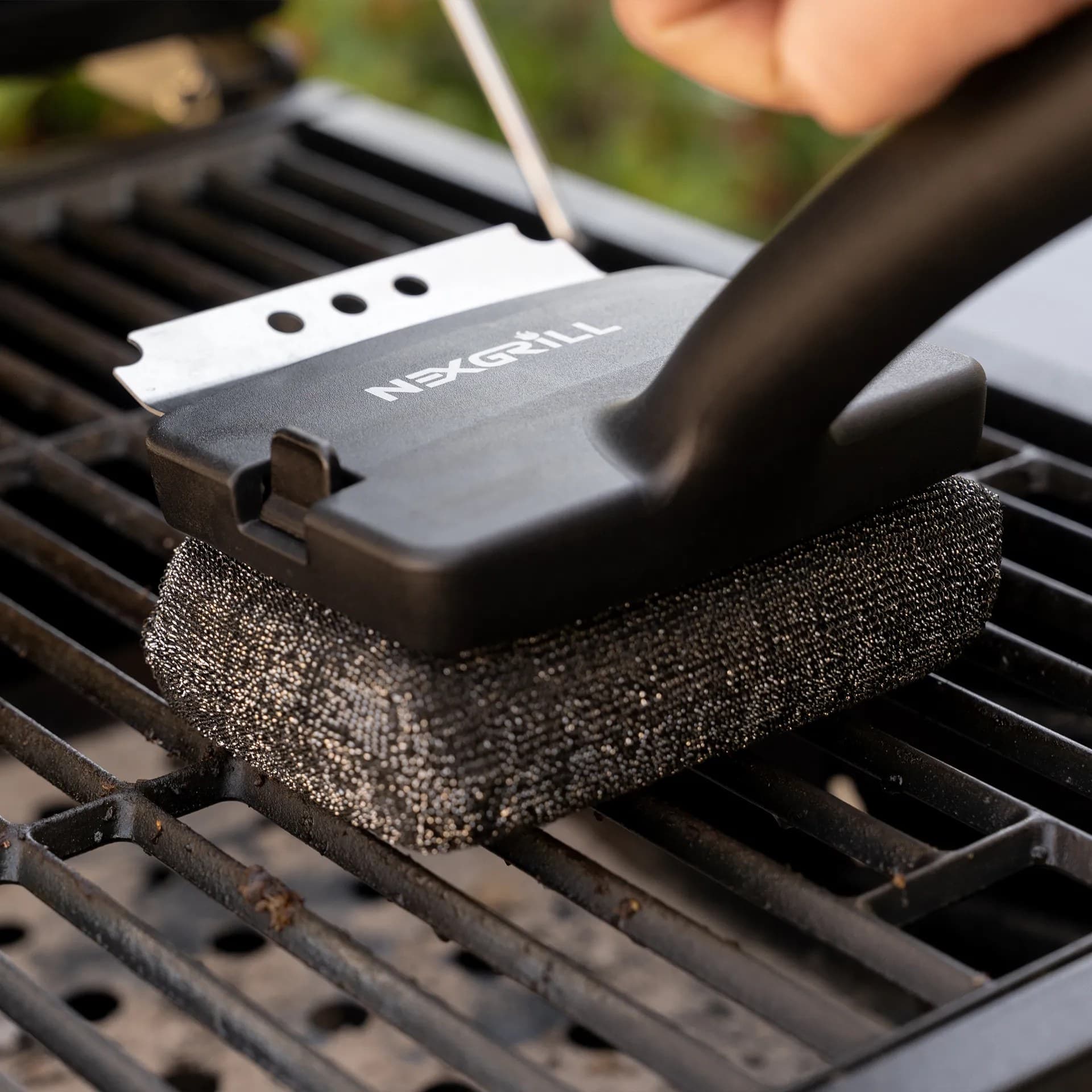
Helpful articles covering grilling tools, cookware, maintenance gear, and must-have accessories for outdoor cooking.
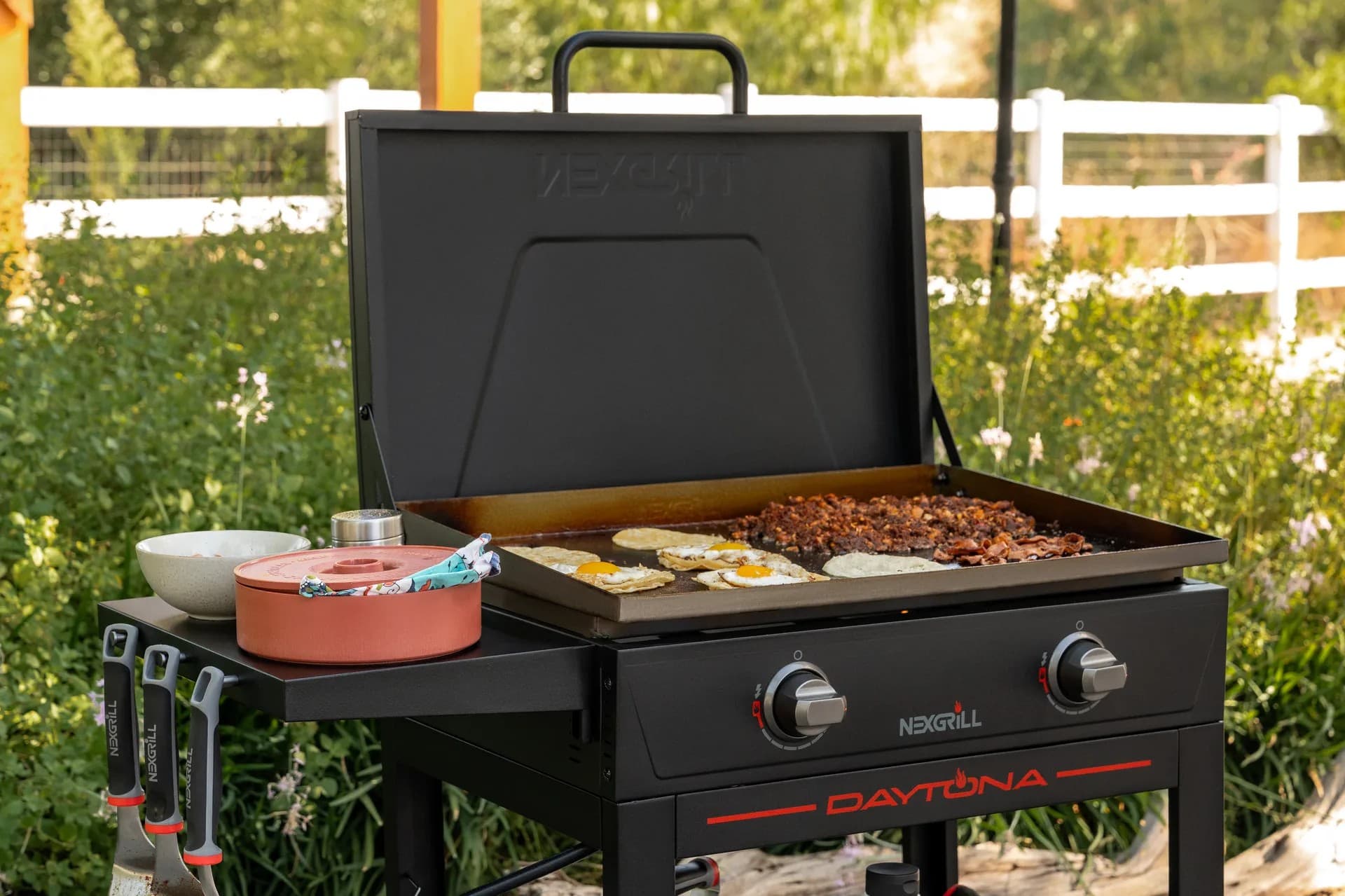
Find griddle recipes, cooking techniques, cleaning tips, and outdoor meal ideas designed for Nexgrill griddles.
Find answers to common questions
Gas grills provide instant heat and precise temperature control, making them easier to use. Charcoal grills offer a smoky flavor and high heat for searing but require more time to heat up and manage.
Pellet grills combine the convenience of gas with the flavor of wood, allowing for smoking, baking, and grilling. Traditional gas grills, however, are quicker to start and often easier to clean.
Charcoal grills typically reach higher temperatures quicker than gas grills, making them better for searing meat. However, high-quality gas grills can also provide adequate heat for effective searing.
Nexgrill offers models designed specifically for gas, charcoal, and pellets, allowing users to choose based on their cooking style and flavor preferences. Each type is built to optimize the characteristics of its respective fuel.
Choosing between gas and charcoal grills depends on your cooking preferences and lifestyle. If you value convenience and quick cooking, a gas grill may suit you better; if you prefer the taste and experience of traditional grilling, a charcoal grill would be ideal.
In This Article
Optimal Cooking Space
Versatile Cooking Options
Durability and Design
A 29-inch charcoal grill sits in a sweet spot that many outdoor cooks overlook. It is large enough to handle a meaningful weekend menu for a family or small gathering, but it is still compact enough to fit on many patios, decks, and side yards without taking over the entire space. For shoppers who want the flavor and ritual of charcoal without moving up to a huge barrel-style cooker, this size often feels practical from day one. It offers more flexibility than a small portable unit, yet it avoids the bulk and fuel demands of oversized models that can be harder to justify for everyday use.
What makes this format appealing is not only the footprint, but the way it supports different grilling habits. A 29-inch charcoal grill can work for hot-and-fast burgers, chicken thighs, vegetables, and steak, but it can also support indirect cooking for ribs, whole chickens, or a slower cook on one side while the other side stays hotter. That versatility matters for people who want one grill to do more than a single job. It also matches the way many households actually cook outdoors: a quick weeknight meal one day, then a longer cook for guests the next. Nexgrill’s brand approach emphasizes accessible outdoor cooking that brings people together, and that social, shared-meal mindset is a natural fit for a grill size built for practical gatherings rather than showpiece use
A balanced size for family cooking, guest-ready meals, and everyday charcoal flavor
Info: When comparing this size to smaller grills, look beyond the diameter alone. Cooking grate shape, ash handling, lid clearance, and vent placement can change how useful the grill feels in real use.
The best way to think about a 29-inch charcoal grill is as a middle-ground solution. It is large enough to create zones for direct and indirect cooking, which is essential if you like to manage several foods at once. It is also usually easier to learn on than a very large cooker because the fire management is more forgiving. You still get the hands-on charcoal experience, but with a scale that does not overwhelm first-time users. For buyers who want a real charcoal flavor profile without committing to a competition-level pit, this is a compelling entry point.
The most valuable features in a 29-inch charcoal grill are the ones that improve day-to-day cooking, not just the ones that sound impressive on a product page. Cooking area is the obvious starting point. A 29-inch class grill typically gives you enough room to arrange food in layers of heat intensity. That means you can sear protein over the hottest section, move items to a cooler side to finish, and keep vegetables or buns warm without scorching them. For families, that flexibility matters more than a raw size number because it reduces the need to cook in multiple rounds.
Material quality is the next major factor. Charcoal grills live in a harsher environment than many indoor appliances because they deal with direct flame, heavy heat cycling, grease, and outdoor weather. Look for a fire bowl and lid made from durable steel, cast-iron cooking grates for heat retention, and sturdy leg construction that stays stable when the grill is fully loaded. A well-built 29-inch grill should feel solid when the lid is opened and closed, not flimsy or top-heavy. Even if the finish starts at a budget-friendly price point, the hardware and structural design should still inspire confidence during repeated use.
| Feature | Why it matters on a 29-inch grill | What to check |
|---|---|---|
| Cooking space | Determines whether you can grill for a family in one round | Usable grate area, not just outside width |
| Grate material | Affects searing and heat retention | Cast iron or heavy stainless steel |
| Airflow control | Helps manage temperature over long cooks | Adjustable vents and a tight-fitting lid |
| Ash management | Makes cleanup faster and maintains airflow | Accessible ash tray or easy-empty design |
Temperature control on a charcoal grill is more about airflow than knobs. A 29-inch model is especially useful because the larger cooking surface can support multiple heat zones at once. That gives you more room to manage flare-ups and move food around without feeling crowded. If the grill has dependable vents, a fitted lid, and enough clearance above the grate, you can experiment with everything from high-heat searing to slower smoke-infused cooking. This is where charcoal shines: the grill becomes a tool for shaping flavor, not just applying heat. Nexgrill’s grilling culture is built around that kind of communal, flexible cooking experience, where the food can be adjusted around the moment rather than forced into one rigid method
Tip: If you cook for mixed groups, a 29-inch charcoal grill makes it easier to hold one side hot for searing while the other side stays gentler for vegetables, buns, or delicate fish.
A 29-inch charcoal grill is best understood by comparison. Smaller charcoal grills, often in the 18- to 22-inch range, are easier to move and quicker to heat, but they can feel cramped when you are cooking for more than two or three people. You may find yourself juggling food, rotating pieces more often, and sacrificing the flexibility needed for indirect cooking. On the other hand, larger 36-inch-plus grills provide more capacity, but they usually demand more charcoal, more storage space, and more attention when you are just cooking a simple dinner for four. The 29-inch format narrows that gap nicely. It gives you a more generous surface without pushing you into a heavy-duty category that may be overkill for everyday use.
Compared with gas grills, a charcoal grill of this size asks for more involvement but gives back more character in the finished food. Gas is convenient and fast, while charcoal rewards patience and attention with deeper smoke and a more hands-on cooking rhythm. For many backyard cooks, that trade-off is the point. A 29-inch charcoal grill is not trying to replace a gas grill; it offers a different type of experience. It is the better choice when flavor and cooking ritual matter more than push-button simplicity. It also appeals to households that enjoy the weekend ceremony of building a fire, waiting for coals to settle, and cooking together as part of the event itself.
If your main priority is portability, a 29-inch charcoal grill may feel too anchored to one spot. But if your priority is a dependable outdoor centerpiece for regular use, it can be the right scale. It is big enough to feel substantial and social, yet not so massive that it becomes inconvenient. That middle ground is why it often fits families who have outgrown a small portable grill but are not ready for a huge patio installation. For many buyers, that balance is the real value proposition.
When shoppers compare 29-inch charcoal grills, they usually encounter a mix of traditional kettle-style designs, barrel-style cookers, and more utility-focused backyard models. Brand selection matters because it often reflects how the grill is intended to be used. Some brands lean into classic charcoal simplicity, while others emphasize heavier construction, easier ash cleanup, or more precise airflow management. In the current market, consumers often compare names such as Nexgrill, Keyo, and other mass-market outdoor cooking brands to find the best balance of size, price, and sturdiness. Consumer Reports recommends comparing build quality, heat consistency, and ease of cleaning before focusing only on appearance or price, which is especially relevant in this size category where feature differences can be subtle but important
| Brand / model style | Typical strength | Best fit |
|---|---|---|
| Nexgrill charcoal lineup | Accessible value with practical backyard features | Families who want dependable outdoor cooking without overspending |
| Keyo-style mid-size charcoal grills | Straightforward design and familiar layout | Buyers who want a simple cooking setup |
| Heavier barrel or cart-style models | More room for indirect cooking and fuel management | Frequent grillers and hosts who cook larger menus |
Nexgrill’s broader outdoor cooking identity is useful here because it centers practical grilling for real households. The brand’s messaging stresses togetherness, accessibility, and a welcoming cooking experience, which aligns well with a mid-size charcoal grill that can become the center of a family meal rather than a niche enthusiast tool
If you are comparing brands, pay attention to what the grill includes out of the box. Some models ship with basic racks and minimal cleanup features, while others include helpful extras such as heat deflectors, side shelves, ash systems, or sturdier wheels. These details may seem minor at first, but they shape how often you actually enjoy using the grill. A good 29-inch grill should feel like a regular part of your outdoor routine, not a special-occasion appliance that is cumbersome to set up every time.
Warning: Do not compare brands only by size label or price tag. Two 29-inch grills can cook very differently if one has thin metal, weak airflow control, or a shallow fire bowl.
Try comparing two products side by side below to see which fits best:
Once you have weighed two options against each other, the next step is to think about how a 29-inch charcoal grill performs in real homes, not just in spec sheets. User feedback tends to cluster around the same practical themes: how quickly the grill is ready, whether the heat is even across the grate, how easy it is to clean after a cook, and whether the size actually feels useful rather than merely impressive. For families, the appeal is usually the ability to cook a full meal without splitting it into multiple batches. For more experienced charcoal users, satisfaction often comes from the grill’s ability to create distinct heat zones and hold a stable fire long enough for a longer cook.
Many positive reviews for mid-size charcoal grills mention that the grill becomes the default choice for weekend meals because it is large enough to feel efficient but not so large that prep becomes a chore. Owners often value the social aspect too: a 29-inch grill naturally keeps people gathered around the cook area, which fits the kind of inclusive outdoor atmosphere Nexgrill emphasizes in its brand voice and campaign messaging about gathering people around the fire
Info: Real-world satisfaction usually comes from fit, workflow, and cleanup. A grill that is easy to light but awkward to ash out rarely becomes a long-term favorite.
The most common criticisms are also useful. Some users find that grills in this size range can still be draft-sensitive, meaning wind affects temperature more than they expected. Others note that lower-cost models may require more attention when closing the lid or adjusting airflow, especially during longer smoking sessions. That does not mean the size is a problem; it simply means the build quality and ventilation design need to match the way you actually cook. For buyers who use charcoal a few times a year, even a basic 29-inch model may be more than enough. For frequent grillers, the extra spend on better materials and easier cleanup usually pays back in convenience.
A 29-inch charcoal grill will last longer and perform better if you treat maintenance as part of the cooking routine rather than a separate weekend project. The most important habit is clearing ash after the grill has fully cooled. Ash absorbs moisture, and moisture can accelerate corrosion inside the fire bowl and around the lower body of the grill. Removing ash also preserves airflow, which directly affects how evenly the coals burn on your next cook. For a grill this size, that matters because the larger fire area can collect more residue than a compact unit.
Cooking grates should be brushed while still warm, then wiped down as needed once cooled. If your grates are cast iron, seasoning them lightly with a thin coat of oil after cleaning can help reduce sticking and limit surface rust. For stainless steel grates, avoid aggressive scrubbing that can scratch the finish unnecessarily. The key is consistency: a little care after each cook prevents a major cleanup later. The Spruce Eats recommends routine charcoal grill cleaning, ash removal, and periodic inspection of the firebox and vents to keep the unit operating properly over time
| Maintenance task | How often | Why it matters |
|---|---|---|
| Remove ash | After each fully cooled cook | Protects airflow and reduces corrosion risk |
| Brush grates | After every cook | Prevents buildup and improves flavor |
| Inspect vents and lid fit | Monthly in active season | Supports stable temperature control |
| Use a cover | Whenever the grill is stored outdoors | Helps protect from rain, dust, and UV exposure |
Storage also matters. Even a well-built charcoal grill can suffer if it sits in standing water or is left uncovered through changing weather. A fitted cover helps, but the grill should ideally be stored on a level surface with proper drainage. Check hardware periodically for rust or loosening, especially on wheels, handles, and dampers. If you cook often, make a quick inspection part of your prep: look for blockages in vents, residue near the ash path, and any damage to the grate supports before loading fresh charcoal.
Tip: If you use your grill weekly, a five-minute post-cook cleanup is much easier than trying to recover a neglected firebox after a month of buildup.
A 29-inch charcoal grill is especially good for recipes that benefit from both direct heat and a little breathing room. One of the simplest ways to use it well is to think in zones. Start with a hot side for searing and a cooler side for finishing. That approach works beautifully for bone-in chicken thighs, thick pork chops, and flank steak. Sear first over the hotter section, then move the food to indirect heat until it reaches the right internal temperature. This method reduces flare-ups and gives you better control over doneness without drying out the exterior.
For a practical family meal, try cedar-plank salmon with grilled asparagus and lemon wedges. The grill’s wider surface lets you keep the fish on one side while vegetables cook nearby, and the charcoal adds a gentle smoky character that complements the salmon without overpowering it. Another strong option is a mixed kebab spread: chicken, peppers, onions, and mushrooms. Because the grill is large enough to support multiple skewers at once, you can cook proteins and vegetables together while still managing separate doneness levels. For longer cooks, use a banked-coal setup and roast a small whole chicken or a rack of ribs with indirect heat. The greater width of the grill helps keep the food away from direct flame while maintaining enough space for airflow.
Food Network highlights charcoal grilling as a strong match for everything from proteins to vegetables and seasonal sides, and that versatility is exactly where this grill size earns its keep If you want an easy starting formula, use this approach:
1. Preheat charcoal until the coals are mostly covered with gray ash.2. Create a two-zone fire: one side hotter, one side cooler.3. Sear protein on the hot side for color and crust.4. Move food to indirect heat to finish gently.5. Rest meat before slicing so juices redistribute.This structure works for burgers too, but the real advantage of a 29-inch charcoal grill appears when you move beyond the standard burger-and-hot-dog routine. Try grilled peaches for dessert, charred romaine for a salad course, or a tray of corn brushed with chili-lime butter. Because the grill is spacious enough to stage different items at different rates, you can turn one cook into a complete meal without feeling rushed. That is what makes the size appealing: it gives you room to cook with intention.
A 29-inch charcoal grill is a strong choice for shoppers who want the flavor and flexibility of charcoal in a size that fits ordinary backyard life. It is big enough to serve a family and small group with confidence, yet manageable enough that it does not demand a dedicated outdoor kitchen setup. If you value a grill that can move between quick sears, indirect cooking, and relaxed weekend meals, this size delivers a useful middle ground.
If you are comparing brands, focus on the details that affect everyday satisfaction: grate quality, vent control, ash cleanup, lid fit, and overall build stability. Those are the features that determine whether the grill feels enjoyable after the first season or frustrating after the first few uses. For many buyers, the best 29-inch charcoal grill is the one that balances durability, straightforward operation, and enough cooking space to keep friends and family fed without overcomplicating the process. That aligns well with Nexgrill’s broader philosophy of making outdoor cooking approachable, communal, and dependable
Here's what sets us apart
We position ourselves as delivering high-end outdoor cooking features and performance without premium-brand pricing, emphasizing “Quality Grills. Unbelievable Value.”
We offer gas grills, pellet grills, griddles, smokers, pizza ovens, portable/tabletop grills, electric grills, accessories, and replacement parts — allowing customers to stay within one ecosystem for all outdoor cooking needs.
We differentiate ourselves through smart grilling products like the Oakford smart pellet grill, including app-connected cooking controls and modern outdoor cooking technology.
Don't just take our word for it
Keep reading
From our catalog