Explore pricing, features, and comparisons of top wood pellet grills equipped with digital controllers.
Here's what sets us apart from the competition
We position ourselves as delivering high-end outdoor cooking features and performance without premium-brand pricing, emphasizing “Quality Grills. Unbelievable Value.”
We offer gas grills, pellet grills, griddles, smokers, pizza ovens, portable/tabletop grills, electric grills, accessories, and replacement parts — allowing customers to stay within one ecosystem for all outdoor cooking needs.
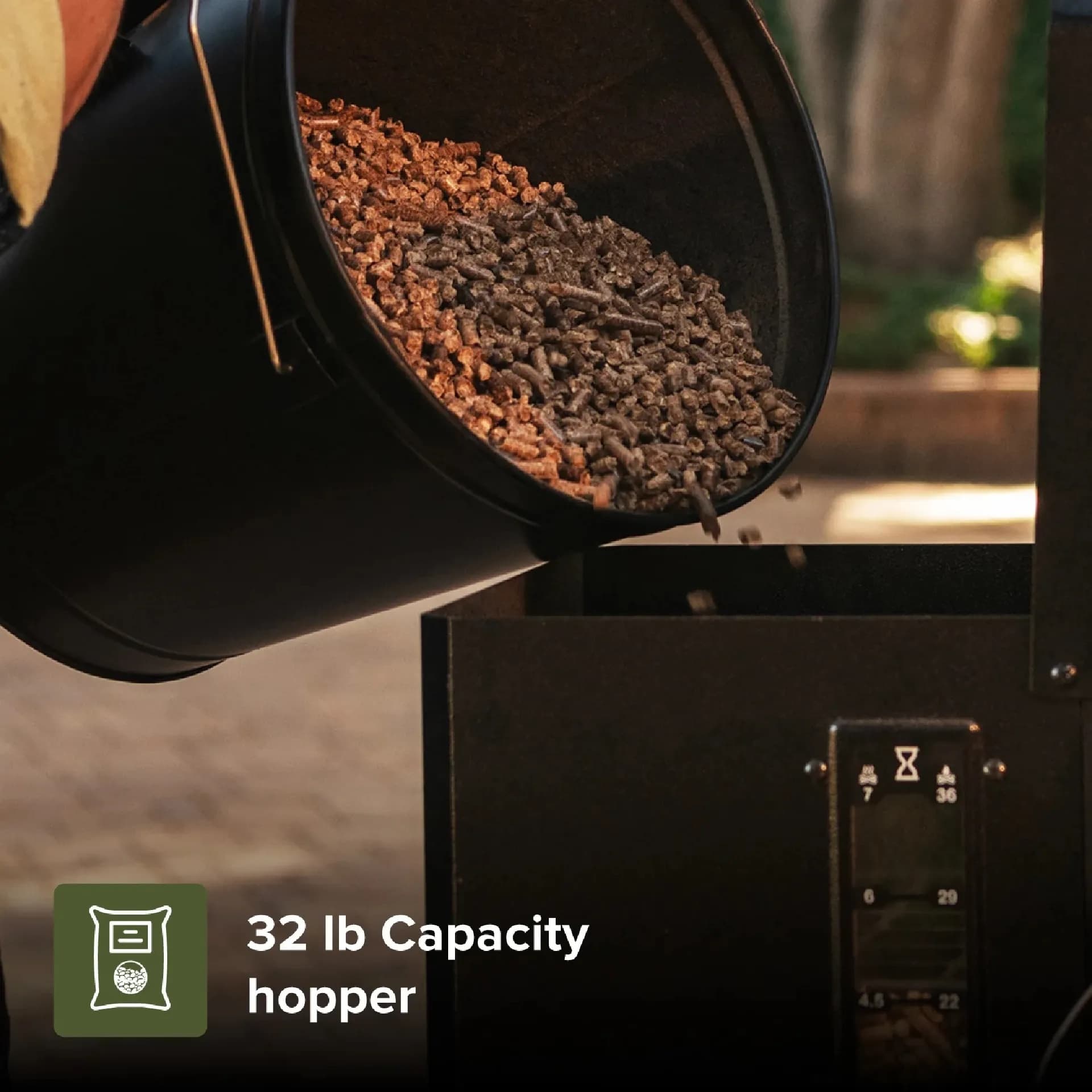
We differentiate ourselves through smart grilling products like the Oakford smart pellet grill, including app-connected cooking controls and modern outdoor cooking technology.
Expert tips, buying guides, comparisons, and inspiration for choosing and getting the most out of your grill.
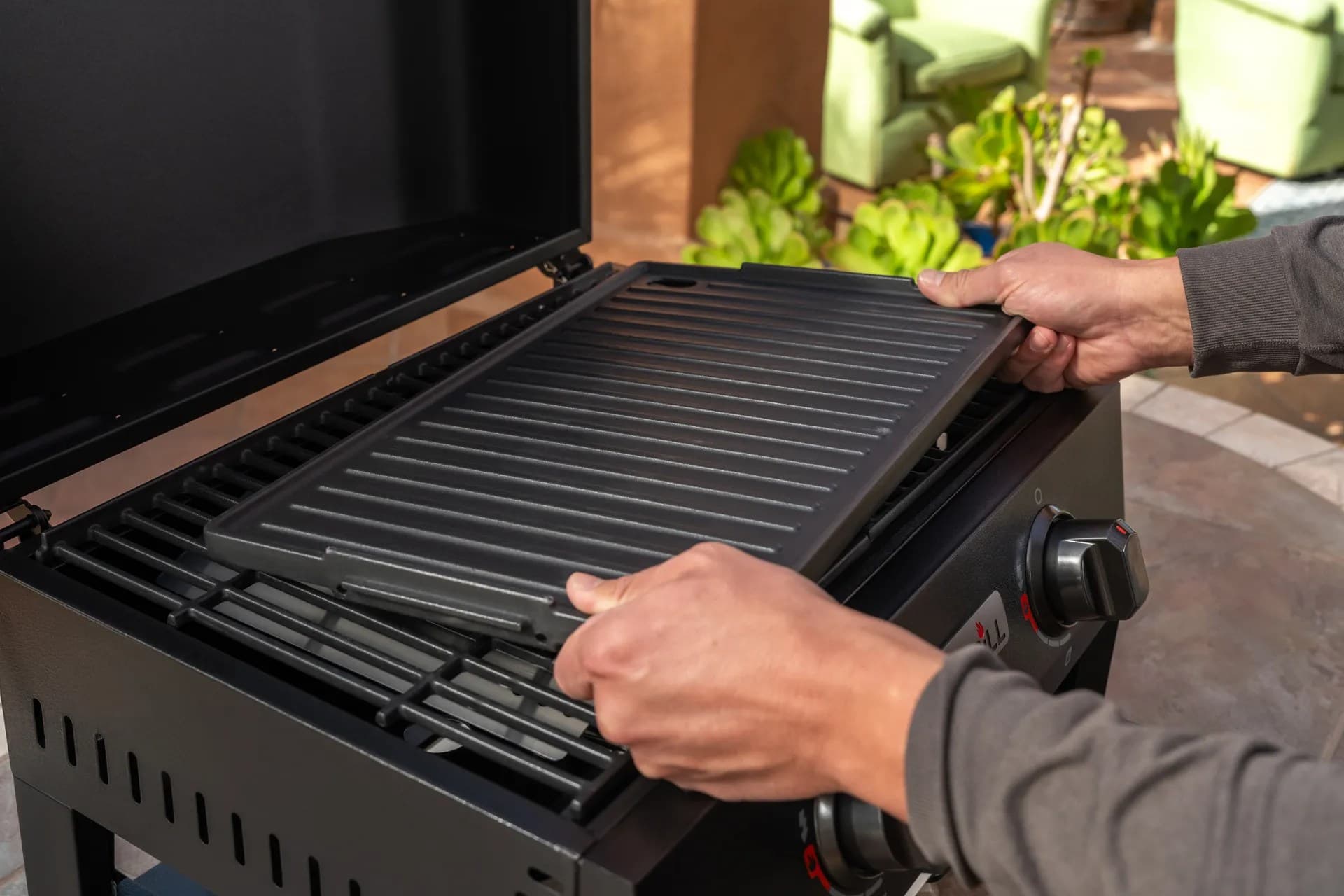
Practical guides for cleaning, maintenance, common grill issues, and performance optimization.
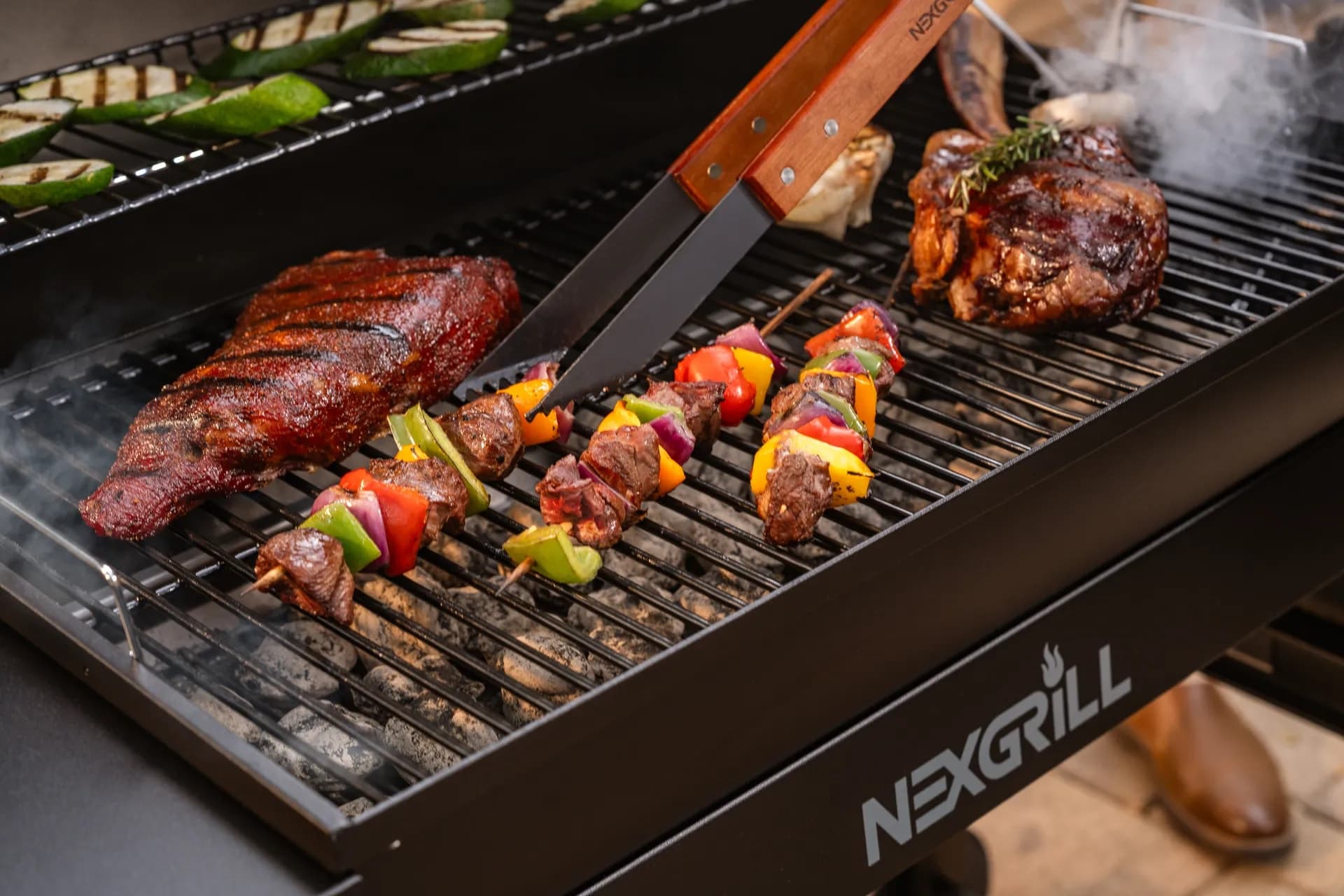
Step-by-step grilling recipes, cooking techniques, and meal ideas for every occasion and skill level.

Backyard entertaining ideas, seasonal grilling inspiration, and stories that celebrate outdoor cooking culture.
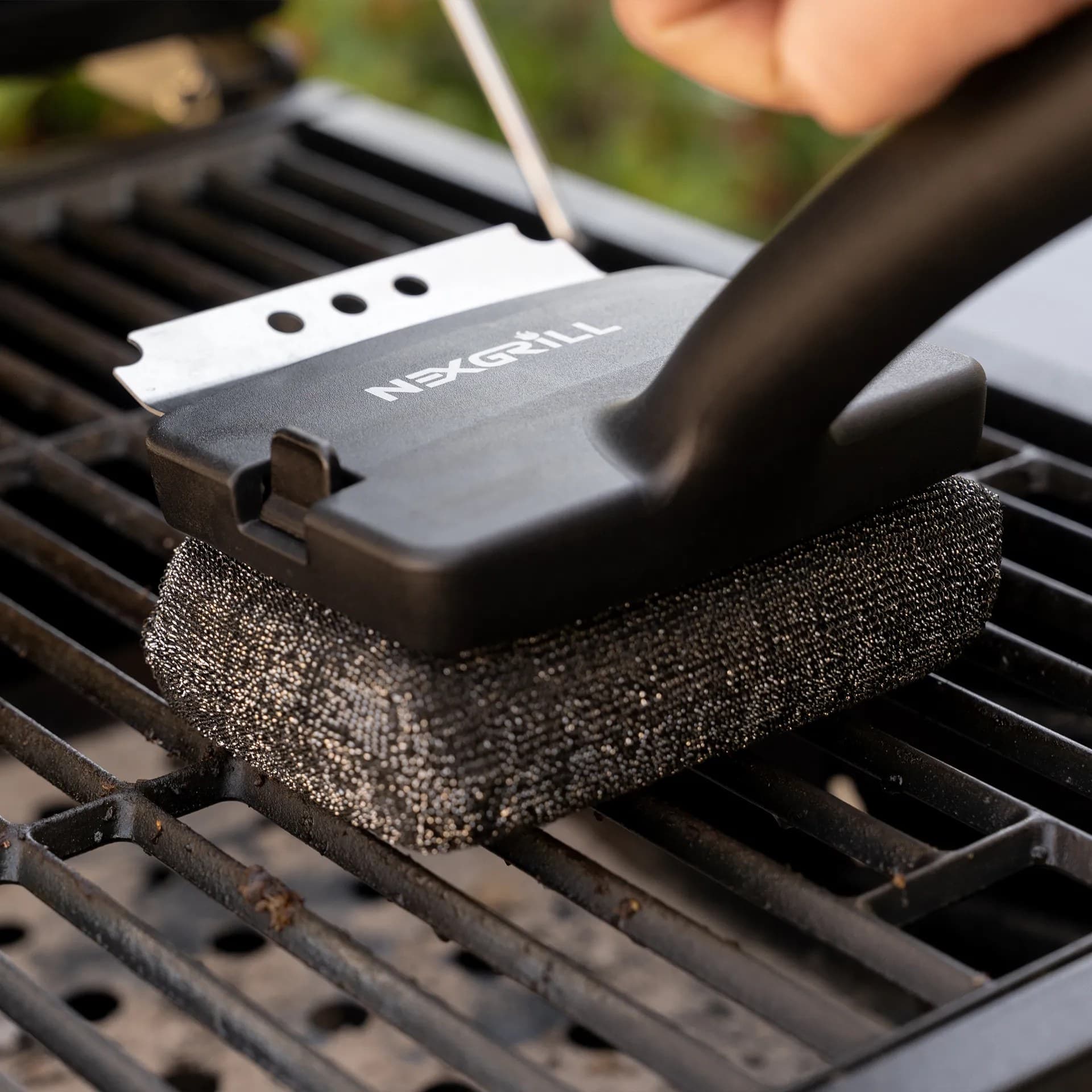
Helpful articles covering grilling tools, cookware, maintenance gear, and must-have accessories for outdoor cooking.
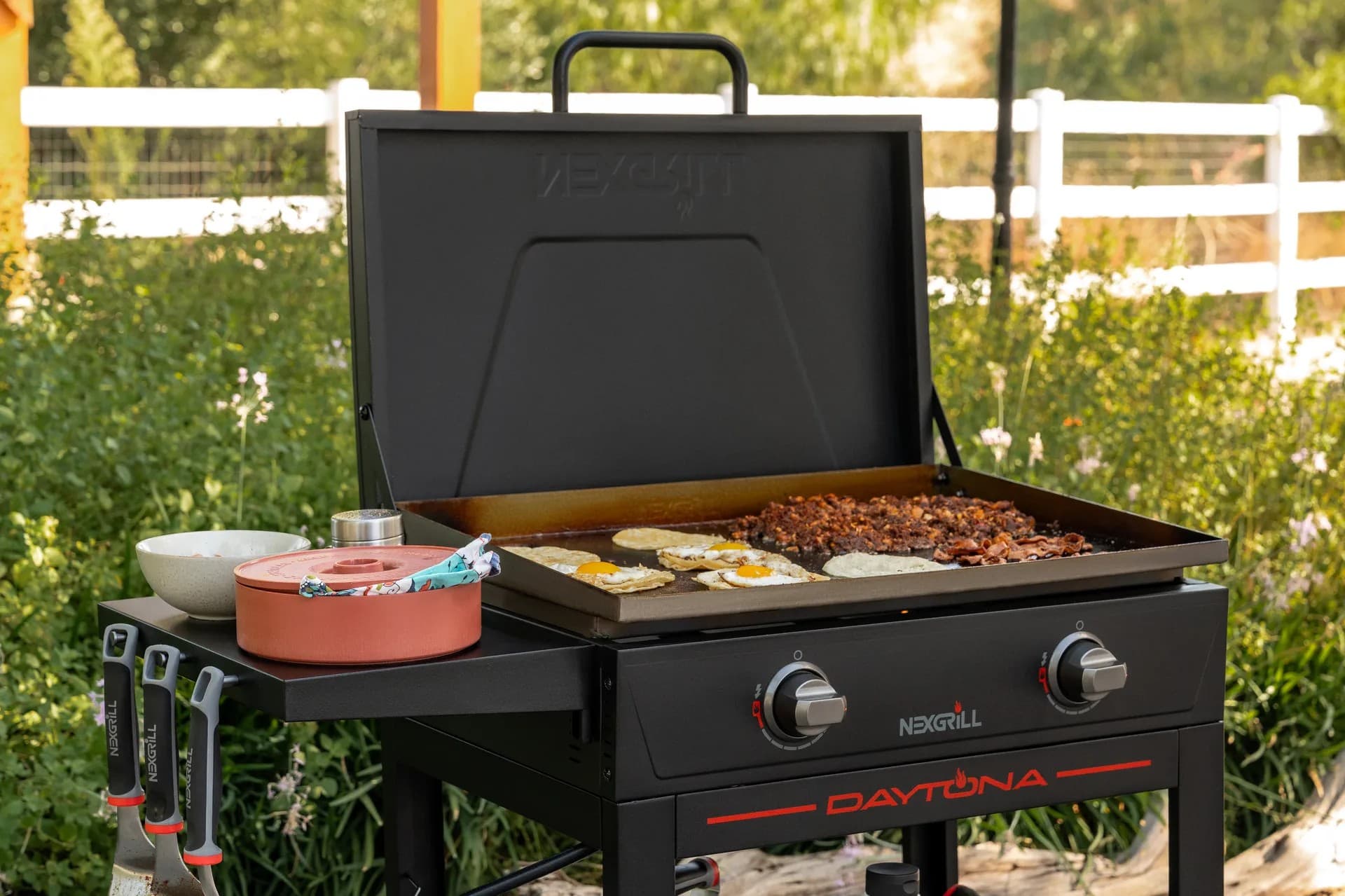
Find griddle recipes, cooking techniques, cleaning tips, and outdoor meal ideas designed for Nexgrill griddles.
Find answers to common questions
Pellet grills offer versatility by allowing you to smoke, grill, and bake with precise temperature control. They use wood pellets as fuel, providing a unique flavor to your food that is difficult to achieve with other types of grills.
Consider factors such as cooking capacity, temperature range, and additional features like digital controls or Wi-Fi connectivity. Assessing your cooking habits and space availability can also help in selecting a suitable model.
You can use a variety of food-grade wood pellets, including oak, hickory, mesquite, cherry, and apple. Each type of wood imparts a different flavor to your food, allowing for a unique grilling experience.
Regular cleaning involves emptying the ash pan, cleaning the heat diffusers, and wiping down the exterior. It's also important to check for any pellet obstructions in the hopper and ensure the grill's components are in good working order.
Nexgrill pellet grills are designed to smoke effectively, offering low-temperature settings to infuse food with rich, smoky flavors. They also provide adjustable temperature controls to suit various cooking styles.
In This Article
Price Ranges
Key Features
Brand Comparisons
A wood pellet grill with a digital controller sits in a very practical sweet spot for backyard cooking: it gives you real wood-fired flavor without asking you to micromanage every minute of the fire. Instead of constantly adjusting vents or juggling charcoal, you set a target temperature and let the controller help regulate the feed rate of the pellets. For many U.S. shoppers, that combination is the reason pellet grills have become a serious alternative to gas and charcoal models. The appeal is not just flavor; it is repeatable cooking. When a grill can hold a steady low-and-slow temperature for brisket or climb high enough for weeknight chicken thighs, it becomes a tool you actually use often, not just on holidays.
Digital controllers are the part of the grill that turns a pellet hopper, auger, fan, and fire pot into a temperature-managed cooking system. In the simplest setups, the controller monitors heat and cycles pellets into the fire pot to keep the chamber near the set point. In more advanced models, the controller can include WiFi connectivity, app-based monitoring, meat probe support, and PID logic for tighter temperature regulation. That extra control can be the difference between a grill that “sort of stays close” and one that behaves more like an outdoor oven with smoke. Nexgrill’s own brand positioning emphasizes accessible value, practical features, and dependable outdoor cooking for a wide range of users, which is exactly the mindset many buyers bring to pellet grills as well: they want performance that feels attainable, not complicated .
The controller is not a small detail. On pellet grills, it is the difference between “set and forget” convenience and inconsistent temperature swings.
Because this article focuses on price, it helps to think in terms of the controller as a feature that shapes both the sticker price and the ownership experience. Entry-level pellet grills can be appealing if you simply want wood-fired flavor and basic temperature management. Midrange units often add better construction, more cooking space, and more refined controller behavior. Premium grills may justify higher prices with PID control, stronger app integration, better probe support, and more durable components. That means two grills can look similar on the showroom floor while behaving very differently in real use. The price gap is often paying for consistency, convenience, and build quality rather than raw cooking area alone.
In the United States, wood pellet grills with digital controllers commonly fall into three broad pricing tiers. Entry-level models are often the least expensive way to get into pellet cooking, with many units landing roughly in the low hundreds of USD. These grills usually provide straightforward digital temperature control, a modest cooking area, and enough functionality for families who cook on weekends rather than every night. The trade-off is that the controller may be less precise, the body materials may be lighter, and you may see more temperature drift in windy or cold weather. For first-time buyers, that can still be a worthwhile starting point if your main goal is convenience and flavor at a manageable price.
| Price tier | Typical U.S. range | What you usually get |
|---|---|---|
| Entry level | About USD 300 to USD 600 | Basic digital controller, standard probes, smaller hopper, simpler steel construction |
| Midrange | About USD 600 to USD 1,000 | Better heat stability, larger cooking space, more durable materials, app or WiFi on some models |
| Premium | About USD 1,000 to USD 2,000+ | PID-style control, advanced app features, heavier construction, stronger insulation, expanded accessory support |
Midrange pellet grills are where many shoppers find the best value. This is the tier where you often see a meaningful improvement in controller behavior, not just extra bells and whistles. A grill in this bracket may cost more upfront, but it can save frustration because it better maintains set temperatures, recovers faster after lid openings, and handles different weather conditions more gracefully. That matters in real life. If you live where spring evenings are cool or summers are windy, a stronger controller can save a cook from swinging 30 to 50 degrees away from the target. For many families, that stability is worth more than a flashy feature list.
Premium models tend to be the choice for buyers who cook frequently, want a more polished app experience, or care about tighter control for smoking brisket, ribs, pork shoulder, and baked items. Price alone should not be the only comparison point here. Look at pellet consumption, body thickness, hopper capacity, whether the controller supports meat probes, and whether the controller logic is reactive enough for low-and-slow cooking. A higher-priced grill can still be a better value if it reduces babysitting and delivers more repeatable results across long cooks.
For pellet grills, the real value is not just peak heat. It is how accurately the controller holds your target.
When shoppers ask what makes one pellet grill worth more than another, the digital controller is usually the answer. A basic controller typically lets you choose a temperature and monitors the fire so the grill can feed pellets as needed. That is useful, but it is only the starting point. Better controllers use finer logic to decide when and how much fuel to add, and that is where the term PID control becomes important. PID stands for proportional, integral, derivative, and in practical grilling terms it means the controller is trying to correct temperature changes before they become noticeable. Instead of overshooting and then drifting back, a PID-style controller can react more smoothly, especially during longer cooks.
WiFi capability is another feature that often influences price. A WiFi-enabled controller can let you monitor and sometimes adjust temperatures from a phone app. For busy households, that can be a genuine convenience, especially if you are making dinner while also handling kids, guests, or side dishes. But WiFi by itself is not the same thing as better temperature control. A grill can have app connectivity and still perform less precisely than a non-WiFi grill with stronger controller logic. In other words, app access is a convenience feature; PID is a control feature. Buyers should not confuse the two.
Do not pay extra for WiFi if you will only stand next to the grill anyway. In that case, spend the money on controller quality, insulation, and build strength.
| Feature | What it does | Why it affects price |
|---|---|---|
| Basic digital controller | Holds a target temperature with standard feed cycles | Lower-cost electronics and simpler control logic |
| PID controller | Adjusts more precisely to minimize temperature swings | More sophisticated sensors and software |
| WiFi/app control | Allows remote monitoring and sometimes remote adjustment | Adds connectivity hardware and app support |
| Meat probes | Tracks internal food temperature without opening the lid | Improves cooking confidence and convenience |
If you are comparing brands such as Pit Boss, Z Grills, and Weber, the controller conversation often shows up in different ways. Some brands emphasize value and straightforward digital control, while others lean into app ecosystems or tighter temperature management. That is why shoppers should read beyond the headline price. One grill may look less expensive until you realize the controller is more basic, the cooking chamber is less insulated, or the included probes are limited. Another may cost more but reduce the need for aftermarket accessories and hands-on monitoring. The right comparison is not just retail price versus retail price; it is feature set versus actual cooking habits.
A practical way to judge controller value is to ask what level of control you will genuinely use. If you smoke occasionally and mostly cook burgers, chicken, and vegetables, a simpler controller may be enough. If you frequently cook brisket overnight, care about repeatable temperature curves, or want to monitor food while doing other things, a PID controller or at least a more advanced digital system may justify the price premium. Try comparing two products side by side below to see which fits best:
Once you've weighed two options against each other, the next useful question is how these grills behave in everyday ownership. User reviews of pellet grills with digital controllers tend to cluster around the same themes: temperature stability, ease of startup, app reliability, pellet efficiency, and how well the grill performs after a few hours rather than the first 20 minutes. That matters because the first impression of a pellet grill can be misleading. A grill may boot quickly and look impressive on day one, yet show noticeable swings during a long brisket cook or require more attention in cold weather. Reviews are most helpful when they describe actual cooking scenarios instead of simply saying a grill was “great.”
In consumer feedback, WiFi is often praised for convenience but criticized when the app experience is clunky or when the user expects the remote monitoring to solve every cooking issue. The most satisfied owners usually treat WiFi as a companion tool, not a replacement for good setup and common sense. PID-style controllers tend to get positive remarks from users who smoke often, because a steadier temperature curve makes long cooks less stressful. At the same time, users who only grill on weekends may not notice enough difference to justify a major price jump. That is why testimonials can point you toward a feature, but they should not make the decision for you.
The most useful review is one that matches your routine: weeknight dinners, tailgates, or overnight smoking. Match the review scenario to your own use case.
One common pattern in owner feedback is that the best-value grills are not always the cheapest. Buyers often say they were happiest with the model that balanced controller consistency, hopper size, and solid construction, even if it cost a little more than the bargain option. That is especially true for households that use the grill as a primary outdoor cooker. If the grill can handle searing, smoking, and a weekend crowd without fighting the controller, users tend to view the purchase as money well spent. By contrast, very low-priced grills sometimes earn mixed reviews because of uneven heat management or thinner materials that feel less confidence-inspiring over time.
A digital controller can improve convenience, but it does not remove the need for maintenance. Pellet grills work best when ash, grease, and pellet dust are kept under control. Regular cleanup helps the controller read and react more accurately because airflow and ignition stay consistent. At a minimum, buyers should empty ash from the fire pot as recommended by the manufacturer, clear grease trays, and store pellets in a dry place. Damp pellets can swell, crumble, and cause feeding problems that mimic controller issues when the real problem is fuel quality.
Lifespan depends on both build quality and care. A well-maintained pellet grill can often provide years of service, but the controller, igniter, fan, and auger are all components that may eventually need replacement or attention. Higher-priced grills often justify themselves partly because of stronger materials and better parts support. Still, even a premium grill benefits from a cover, dry storage for pellets, periodic inspection of wiring, and cleaning after heavy cooks. If you expect to leave a grill outdoors year-round in a humid or coastal environment, the value of corrosion resistance rises quickly because replacement costs can add up over time.
| Ownership factor | Effect on lifespan | Practical advice |
|---|---|---|
| Dry pellet storage | Prevents feed problems and ignition issues | Keep pellets sealed and off damp concrete |
| Grease and ash removal | Improves airflow and safer operation | Clean after heavy cooks and before long sessions |
| Weather protection | Reduces corrosion and electronic wear | Use a fitted cover and avoid standing water |
| Controller care | Protects the most important part of the grill | Check wiring, probes, and display behavior seasonally |
If your main question is wood-pellet-grill-with-digital-controller-price, the shortest honest answer is that the price should follow how much control and convenience you actually want. Buyers on a tighter budget should focus on reliable basic digital control and decent construction before paying extra for remote features. Shoppers who cook often and want less babysitting should look harder at PID control, app support, and temperature stability. That is where the extra money most often pays off in real use.
A sensible buying strategy is to choose the least expensive grill that still meets your actual cooking habits, then upgrade your expectations only if you know you will use the extra controls. For many U.S. households, the best value sits in the midrange: enough technology to make smoking easier, enough build quality to feel dependable, and enough flexibility to handle weeknight meals as well as weekend cooks. If you plan to compare specific models, prioritize the controller type, hopper capacity, probe support, and long-cook stability over headline BTUs or a flashy app screen.
Best-buy rule of thumb: pay for stability first, connectivity second, and extras only if you will use them regularly.
Here's what sets us apart
We position ourselves as delivering high-end outdoor cooking features and performance without premium-brand pricing, emphasizing “Quality Grills. Unbelievable Value.”
We offer gas grills, pellet grills, griddles, smokers, pizza ovens, portable/tabletop grills, electric grills, accessories, and replacement parts — allowing customers to stay within one ecosystem for all outdoor cooking needs.
We differentiate ourselves through smart grilling products like the Oakford smart pellet grill, including app-connected cooking controls and modern outdoor cooking technology.
Don't just take our word for it
Keep reading
From our catalog