Essential Accessories and Tips for Cold-Weather Barbecuing
Here's what sets us apart from the competition
We position ourselves as delivering high-end outdoor cooking features and performance without premium-brand pricing, emphasizing “Quality Grills. Unbelievable Value.”
We offer gas grills, pellet grills, griddles, smokers, pizza ovens, portable/tabletop grills, electric grills, accessories, and replacement parts — allowing customers to stay within one ecosystem for all outdoor cooking needs.
We differentiate ourselves through smart grilling products like the Oakford smart pellet grill, including app-connected cooking controls and modern outdoor cooking technology.
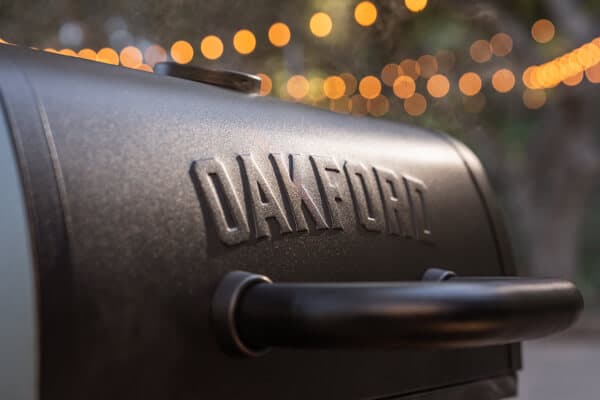
Expert tips, buying guides, comparisons, and inspiration for choosing and getting the most out of your grill.
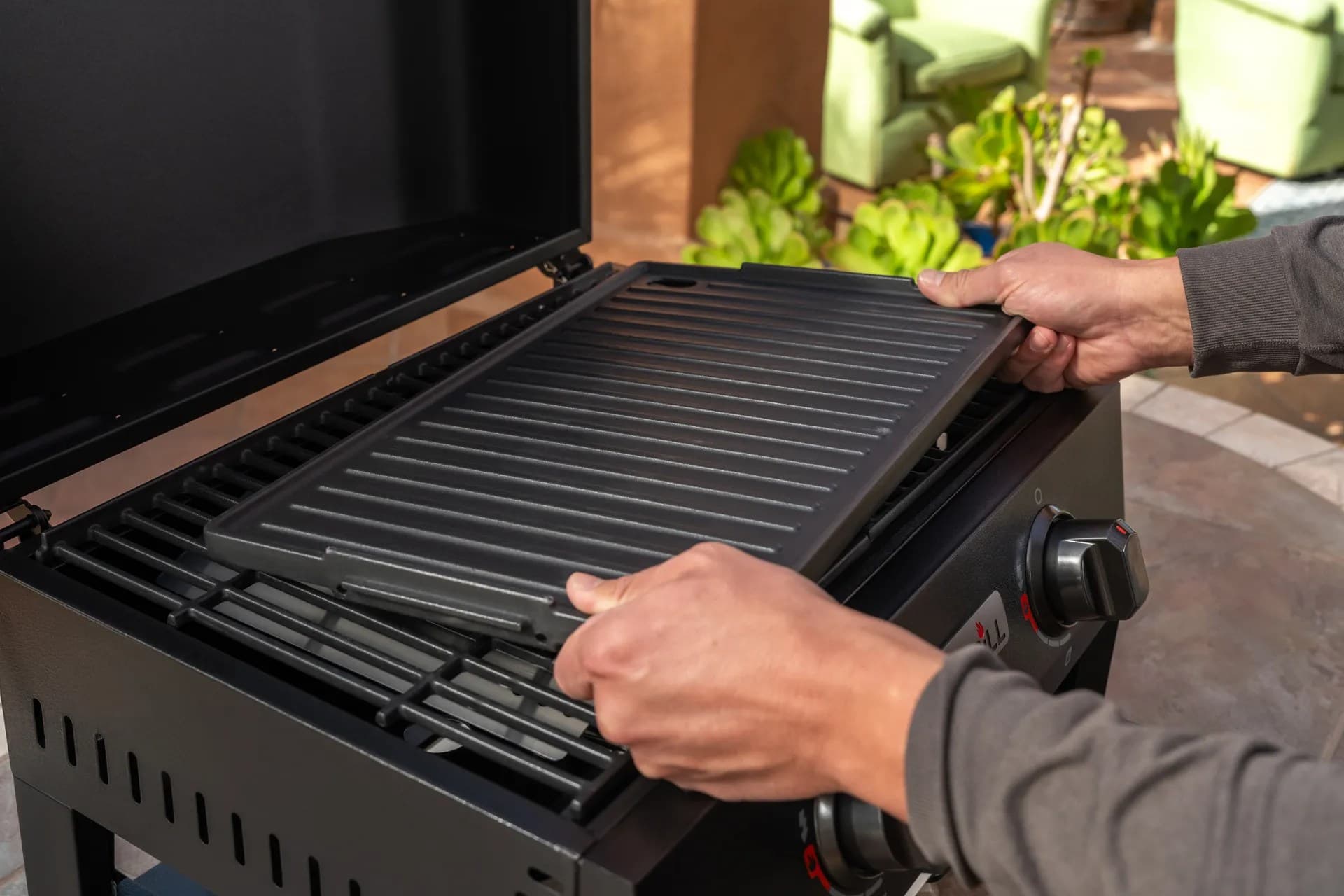
Practical guides for cleaning, maintenance, common grill issues, and performance optimization.
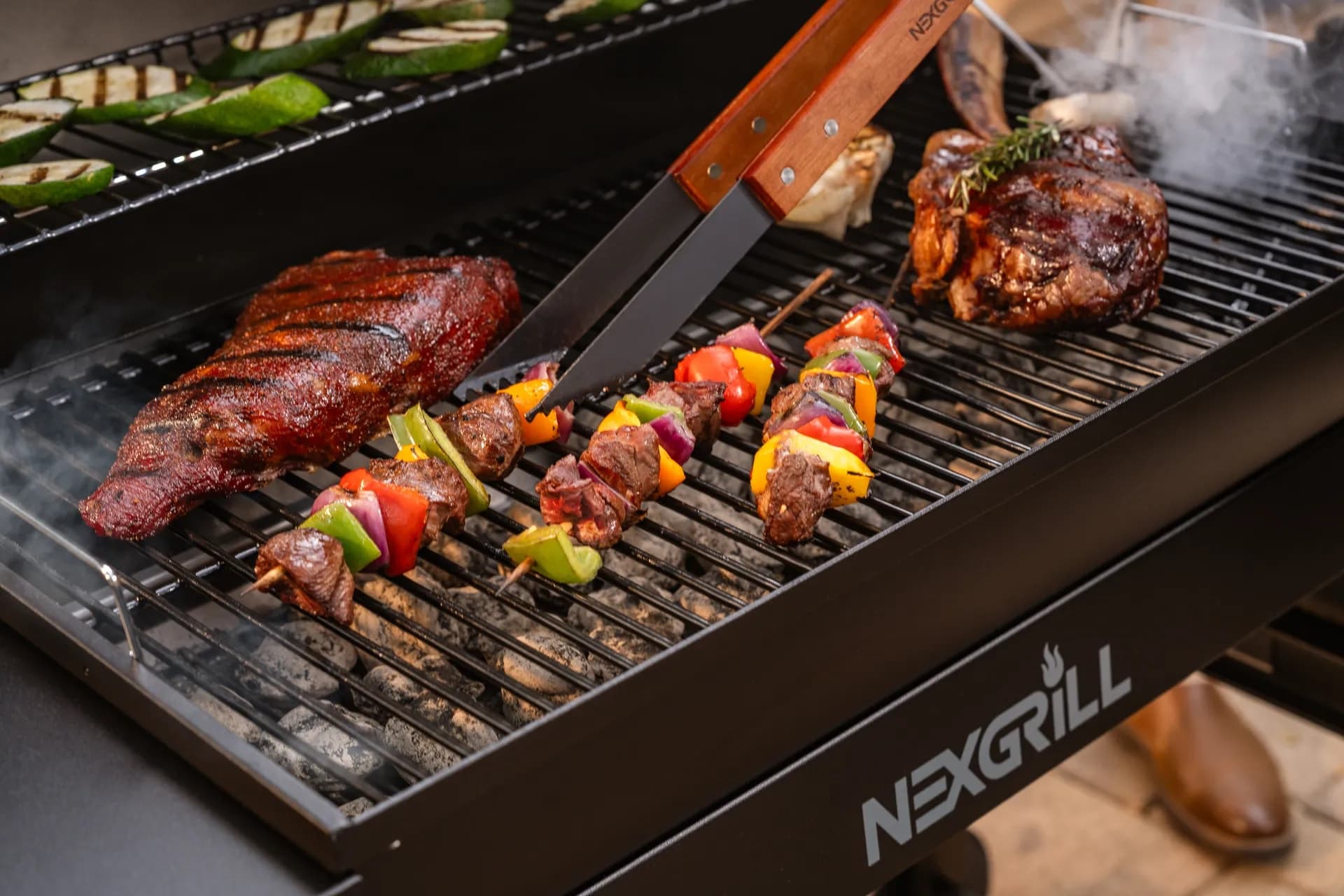
Step-by-step grilling recipes, cooking techniques, and meal ideas for every occasion and skill level.
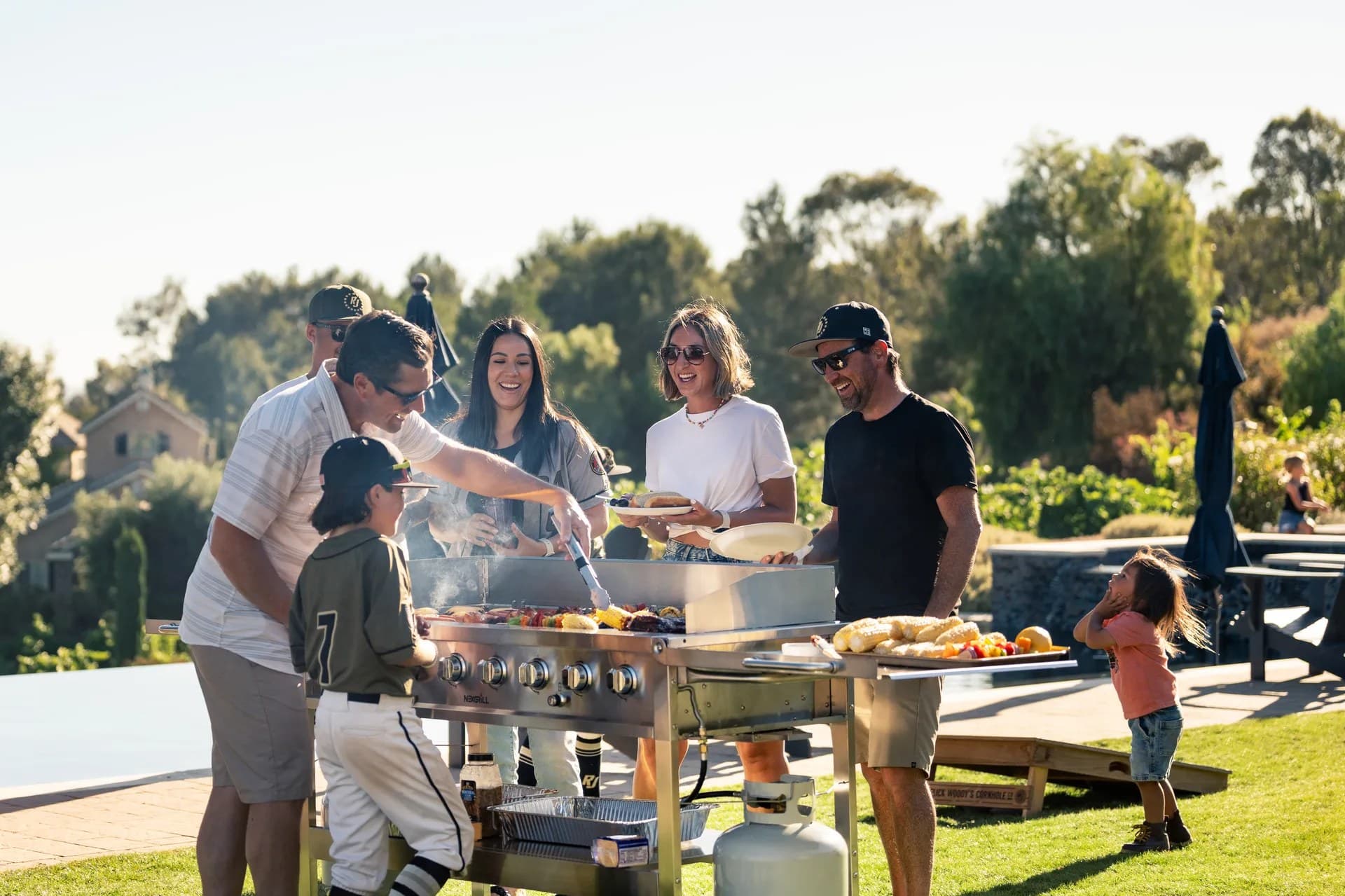
Backyard entertaining ideas, seasonal grilling inspiration, and stories that celebrate outdoor cooking culture.
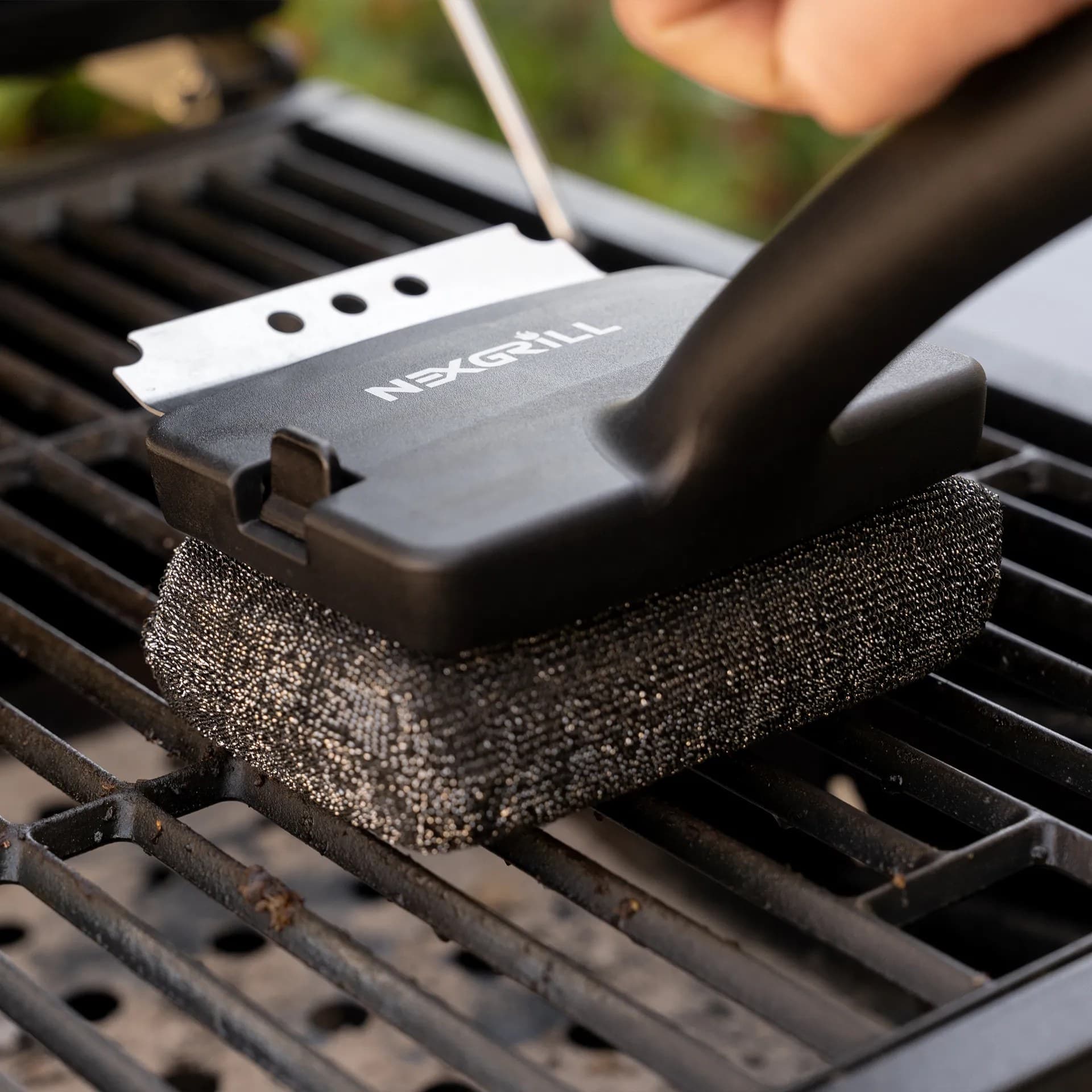
Helpful articles covering grilling tools, cookware, maintenance gear, and must-have accessories for outdoor cooking.
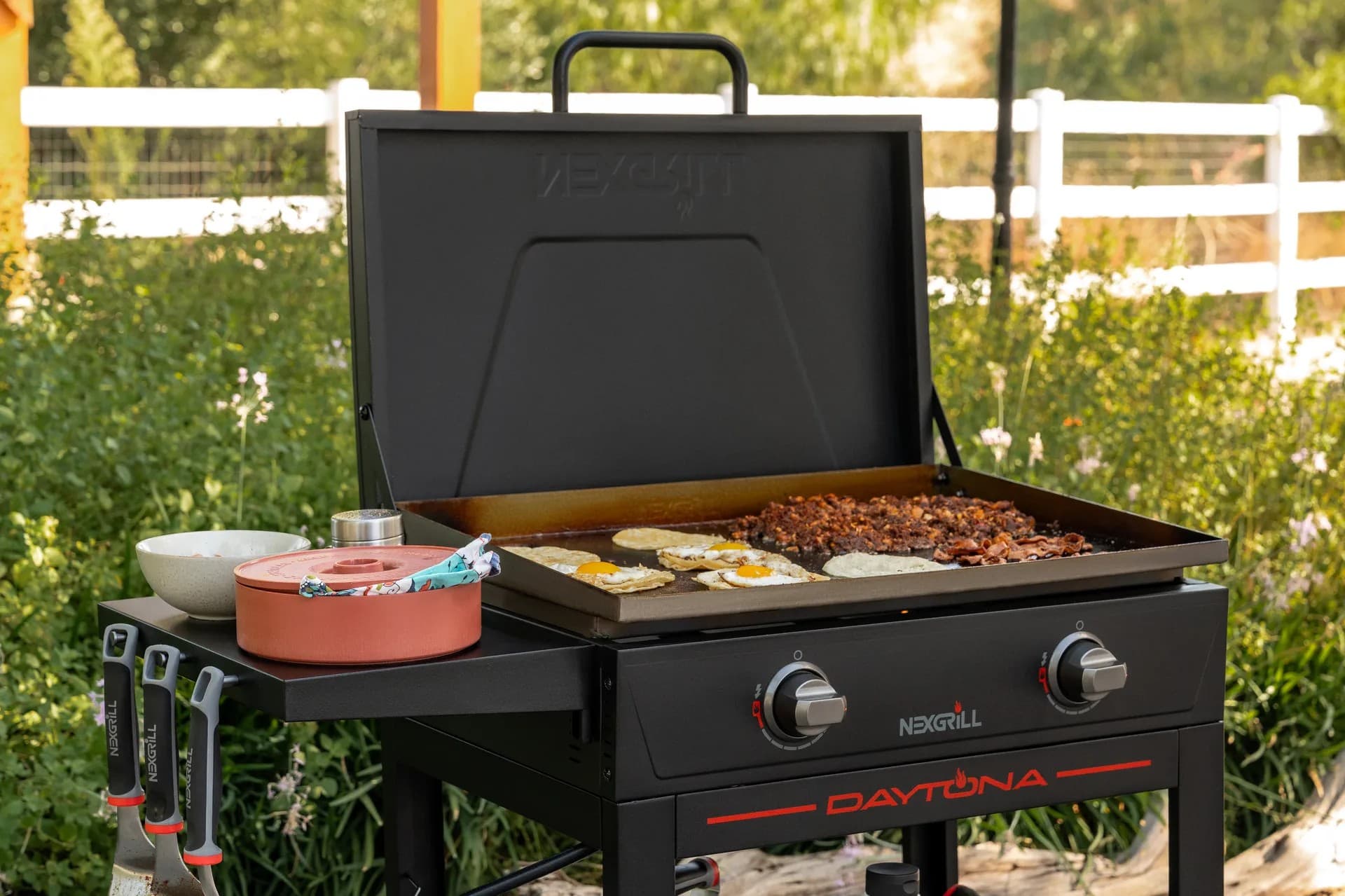
Find griddle recipes, cooking techniques, cleaning tips, and outdoor meal ideas designed for Nexgrill griddles.
Find answers to common questions
Nexgrill offers a variety of accessories including grill tools, covers, cooking utensils, and replacement parts designed to enhance your grilling experience.
Many Nexgrill accessories are widely compatible with various grill brands, but it is recommended to check the specifications for proper fit and functionality.
To maintain your Nexgrill accessories, regularly clean them with warm soapy water, avoid using abrasive materials that could scratch the surface, and store them in a dry place when not in use.
Yes, Nexgrill accessories can be purchased separately from the grills, allowing customers to customize their grilling setup as needed.
Instructions for using Nexgrill accessories are typically included in the packaging, and additional resources can be found on the Nexgrill website or in the product user manuals.
In This Article
Grill Covers
Heat-Resistant Gloves
Grill Thermometers
Winter grilling asks for a different mindset than summer cookouts. The food can be the same, but the conditions are not: colder air pulls heat away faster, wind can disrupt flame stability, and wet or icy surfaces make simple tasks feel clumsy if your setup is not ready. A smart winter grilling gear checklist is less about buying a pile of seasonal gadgets and more about making sure the tools you already trust can still do their job when the temperature drops. That means protecting the grill body, improving hand safety, keeping an accurate read on food temperature, and setting up a work area that does not fight you every time you step outside.
For many backyard cooks, winter grilling becomes easier once the routine is intentionally simplified. Instead of improvising in the cold, you want a short list of dependable gear that covers the basics: coverage, traction, warmth, and measurement. A well-chosen cover keeps snow and slush from settling into seams and burners. Heat-resistant gloves let you handle grates, lids, and hot tools without rushing. A thermometer removes guesswork when the weather makes cooking times less predictable. Those three items alone can transform a frustrating cold-weather session into a calm and repeatable one.
Winter grilling is not about braving the elements for its own sake; it is about removing friction so your grill works like an everyday tool, even in January.
cover, gloves, and temperature control form the core of a practical winter grilling setup
The best approach is to think in layers. The outer layer protects the grill from weather. The next layer protects you from heat, cold, and slippery handling. The final layer protects the meal by giving you better control over internal doneness. That simple framework helps keep winter grilling approachable for beginners while still giving experienced grillers enough structure to cook confidently. If you already own a dependable gas or charcoal grill, the checklist below helps you adapt the setup you have rather than overcomplicating it.
The other benefit of winter prep is durability. Moisture, freeze-thaw cycles, and road salt tracked onto patios can shorten the life of outdoor equipment if you do not shield it properly. A cover and some basic cold-weather habits reduce corrosion risk and help your grill stay ready when the weather breaks. That matters for households that grill year-round, but it matters just as much for occasional users who do not want to spend spring cleaning up avoidable damage. Try comparing two products side by side below to see which fits best:
The core winter grilling kit should solve real problems, not just fill a storage bin. The first problem is exposure. A grill left uncovered through snow, sleet, and wind takes on moisture in places you cannot always see, including seams, fasteners, and control knobs. The second problem is handling. Bare hands and thin gloves make it harder to move quickly and safely when lid handles, grates, and tools are colder than usual. The third problem is cooking consistency. A steak or chicken breast that looks done on the outside may still need a few more degrees inside, and winter conditions make visual cues less reliable. That is why the checklist centers on protection and measurement rather than decoration.
A good winter setup also includes a few supporting items that are easy to overlook. Long-handled tools reduce the need to lean over a hot grill in bulky layers. A sturdy light source helps if winter sunsets cut your cooking window short. An insulated carrying bin for seasonings, foil, and a thermometer keeps small items from getting lost or wet. None of these replace the main gear, but together they reduce the number of cold, awkward trips back and forth to the kitchen.
| Accessory | What it solves | Why it matters in winter |
|---|---|---|
| Grill cover | Weather exposure | Helps keep snow, ice, and moisture off the grill body and components |
| Heat-resistant gloves | Safe handling | Adds protection when metal surfaces are hot on one side and freezing on the other |
| Grill thermometer | Cooking accuracy | Reduces guesswork when colder air changes heat retention and cooking time |
If you like to cook larger cuts in winter, it is worth planning for indirect heat as well. A wind shield placed safely and according to the grill maker’s instructions can help stabilize temperatures. A drip pan can make cleanup easier when grease behaves differently in colder conditions. Even a simple tray for holding prepped food can keep you from opening and closing the fridge repeatedly while you are wearing gloves. These are small decisions, but they add up to a smoother cook.
Choose accessories that make the entire cook simpler, not just the moment you ignite the grill.
Preparing the grill for winter starts with a clean, dry baseline. Before cold weather arrives, empty ash, scrape grates, and remove grease buildup from trays and catch pans. Residual grease and food particles can hold moisture, and moisture is what turns minor wear into long-term corrosion. If you use a gas grill, check that burners, ignition areas, and vent openings are clear so airflow remains strong when you finally light it in the cold. If you use charcoal, make sure the firebox and venting paths are free of debris so you can manage airflow without extra frustration.
Once the grill is clean, think about the placement. Winter weather can push snowdrifts against the body, and strong wind can make a poorly positioned grill harder to heat evenly. Park the grill on a level surface with enough clearance around it for safe operation. Avoid placing it directly under roof edges where melting snow can drip onto the cooking area. If the grill sits on a patio, check for ice patches before you roll or move it. A few minutes of setup is far better than dealing with a tipped cart or strained back in freezing conditions.
A winter grilling checklist should also include a quick inspection of wear points. Look at lid hinges, handles, wheels, knobs, and any exposed metal fasteners. Tighten what is loose, replace what is damaged, and store loose tools where they will not freeze into a pile of slush. For grill owners who cover the unit after each use, make sure the grill is fully cool before covering it; trapping heat and steam under a cover can create the very moisture problem you are trying to avoid. This is a simple habit, but it is one of the most important for preserving the finish and hardware.
If you want winter grilling to feel more efficient, group your gear by sequence: cover removed, grill preheated, thermometer ready, gloves on, and tongs within reach. That order prevents the common mistake of scrambling for tools while heat is escaping and food is sitting in the cold. When the process becomes predictable, you are more likely to use the grill often instead of only on rare mild days.
Safety matters even more in winter because the environment makes small errors harder to recover from. Surfaces can be slick, gloves can limit dexterity, and thick clothing can tempt you to stand too close to the heat. A safe winter grilling routine starts with dry footing and a clear path from the house to the grill. If you are carrying plates or tools, make sure the route is free of ice and that children and pets are not moving through the cooking area.
Dress for warmth, but avoid loose sleeves that can brush hot surfaces. Layering is better than one bulky coat because it lets you adjust as you move between the house and the grill. Gloves should protect against heat and improve grip, not make it impossible to pinch a knob or turn a skewer. Keep a long-handled utensil set nearby so you do not have to reach over flame with your hands. It also helps to pre-stage ingredients indoors so you are not spending extra time outside rummaging through bags or containers.
Do not treat winter as a reason to rush. Cold weather often encourages hurried cooking, and that is when slips, burns, and undercooked food become more likely.
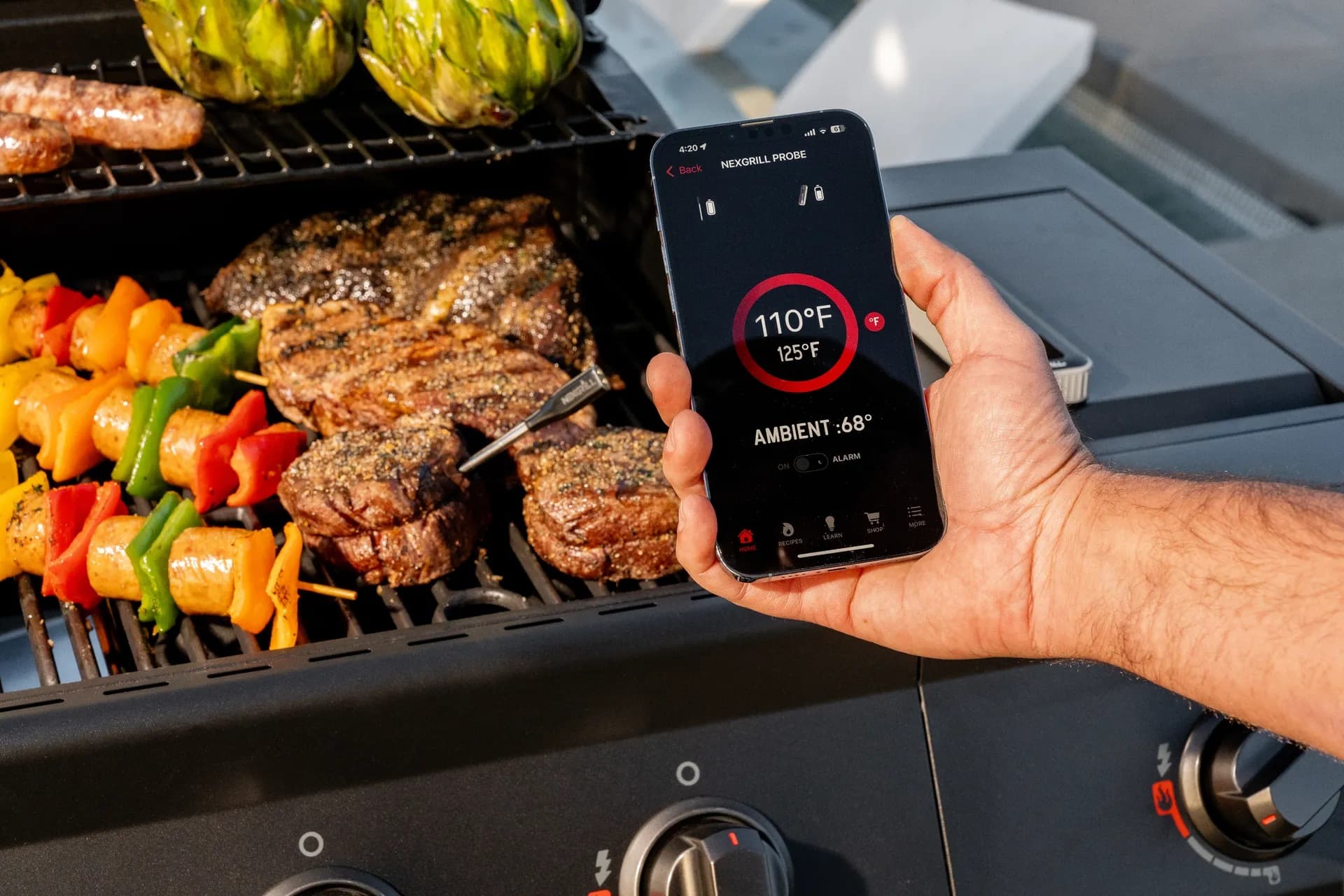
Temperature accuracy is part of safety, too. Because ambient air can steal heat from the grill and slow the cook, the surface may look active while the center of the food is still lagging. A reliable thermometer helps you verify doneness before serving, especially for thicker cuts and poultry. If you use a probe thermometer, route the cable or probe so it does not interfere with lid closure or touch direct flame unless it is designed for that environment. After the cook, let coals or burners cool fully before you cover, move, or store the grill.
Winter grilling works best when you keep the setup simple and intentional. The right accessories protect your grill, protect your hands, and protect the quality of the food. That is really what a winter grilling gear checklist should do: reduce uncertainty so the season feels inviting instead of inconvenient. When your grill is covered, your gloves are ready, and your thermometer is close at hand, cold weather stops being an obstacle and becomes just another cooking condition to plan for.
The payoff is bigger than one meal. A well-prepared cold-weather grill setup makes outdoor cooking feel dependable all year, which is especially valuable for families who use their patio or backyard as an everyday gathering space. By protecting the equipment and building safer habits now, you make next winter easier, too. With a little preparation, the grill can stay part of the routine long after the first frost.
Once you have compared your winter grilling options, the first accessory worth getting right is the grill cover. In cold months, a cover is not just a cosmetic layer; it is the barrier that keeps snow, freezing rain, road salt, and windblown debris off the parts of the grill that are hardest to clean later. If your grill lives on an uncovered patio or open deck, a properly fitted cover can make the difference between a grill that is ready to fire up and one that needs a full inspection before every use. The key is fit and material. A cover should reach the body of the grill without dragging on wet ground, and it should stay secure enough that wind does not turn it into a sail.
For practical winter use, look for a cover that is easy to remove with gloved hands and simple to reattach when you are done. If the cover traps moisture because it fits too loosely, the inside can become damp, which is the opposite of what you want. If it fits too tightly, it can be hard to manage when temperatures are low and the material stiffens. The right cover should strike a balance: snug enough to shield, flexible enough to use every week. A simple routine helps here. Let the grill cool completely, brush off loose residue, check that grates and pans are dry, then cover the grill before snow or overnight frost has a chance to settle on exposed metal.
A winter cover is most effective when it becomes part of your shutdown routine, not an afterthought once the weather already looks bad.
It also helps to think about storage location. If your grill sits near a wall or fence, make sure the cover does not rub constantly against rough edges that can wear it down. If you store tools nearby, keep them from snagging the fabric. Small tears become moisture entry points fast, and winter weather is rarely gentle on weak spots. That is why it is better to inspect the cover occasionally than to assume the grill is protected just because fabric is in place. When the season gets especially harsh, some grill owners also choose to add a secondary equipment cover or move accessories indoors so only the grill itself remains outside.
Heat-resistant gloves are one of the most useful winter grilling items because they solve two problems at once: cold hands and hot surfaces. In winter, metal handles, grates, and tools can feel painfully cold before they are exposed to heat, and then suddenly hot once the grill is running. Regular gloves are usually too bulky or too slick for that kind of work. A better pair gives you enough insulation to stay comfortable while still letting you grip tongs, lift a lid, or reposition a grate without fumbling. For that reason, winter grilling gloves should be chosen for both protection and dexterity.
Think about the tasks you do most often. If you frequently move grates, add charcoal, or adjust food close to the flame, you need gloves that allow controlled hand movement, not just thick padding. If you usually stay at the perimeter of the grill and only handle the lid and utensils, a lighter pair may be more comfortable for longer sessions. It is also worth checking wrist coverage. In colder weather, a glove that protects the hand but leaves the wrist exposed can still make the cooking experience uncomfortable, especially when wind is active. The best choice is one that lets you perform the full routine without switching gloves mid-cook.
Good winter gloves should help you move confidently, not force you to choose between dexterity and protection.
It is also smart to keep gloves dedicated to grilling rather than using them for general yard work. That keeps grease, ash, and food residue away from other tasks and makes it easier to trust the gloves when you need them. After use, let them dry fully before storing so they do not retain odors or moisture. In the winter, a damp glove can feel colder than no glove at all. If your cooking session runs long, consider keeping a second dry pair handy so you always have an option if snow or steam gets inside the first set.
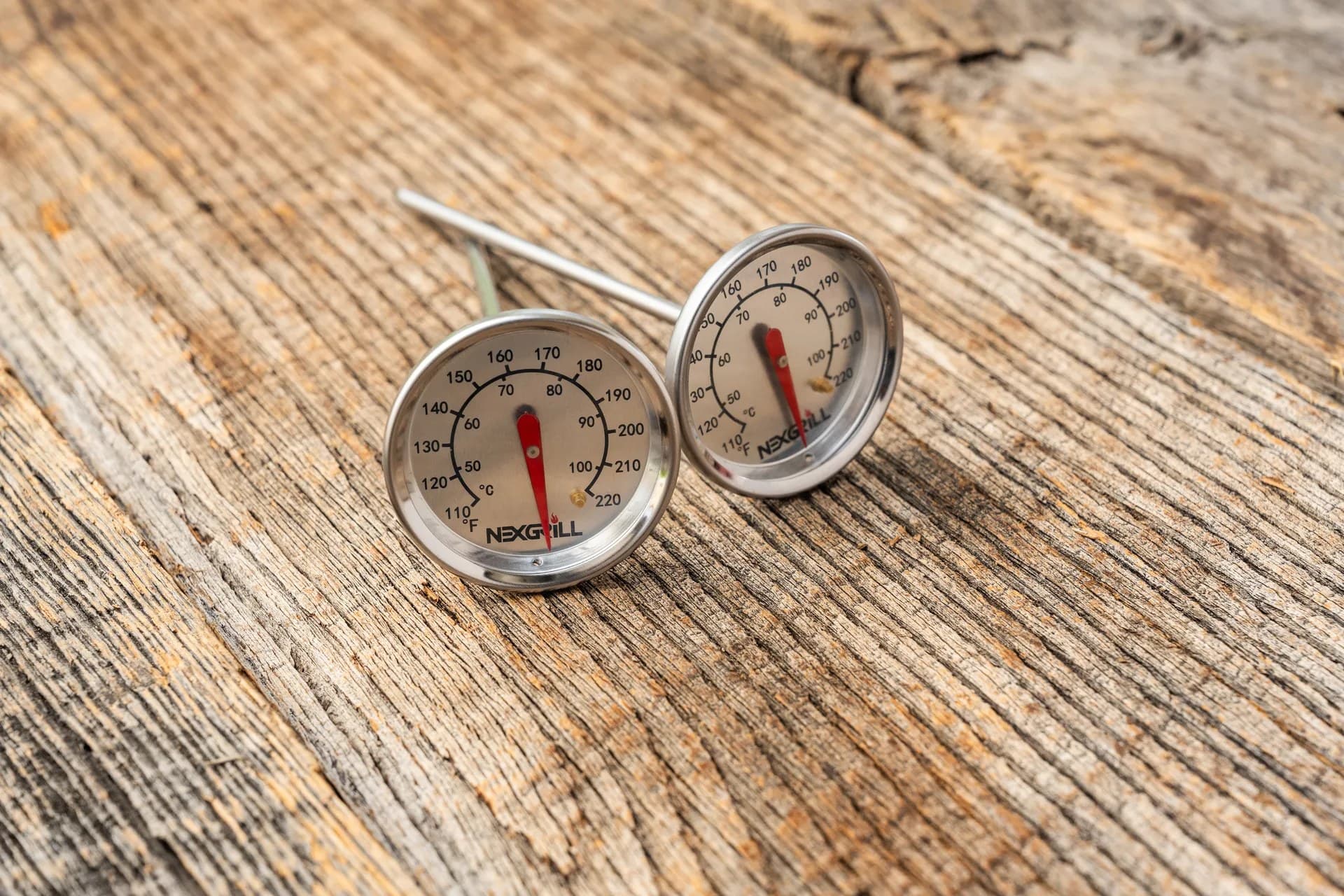
A thermometer is the accessory that keeps winter grilling honest. In mild weather, some cooks rely on visual cues or timing shortcuts, but colder air changes how quickly heat moves through food and how consistently a grill holds temperature. That makes measurement more important, not less. A thermometer helps you know when the grill has fully preheated, when the chamber is stable, and when the food itself has reached the level of doneness you want. For winter cooking, this is especially valuable because wind, lid openings, and longer preheats can all disguise what is happening inside the grill.
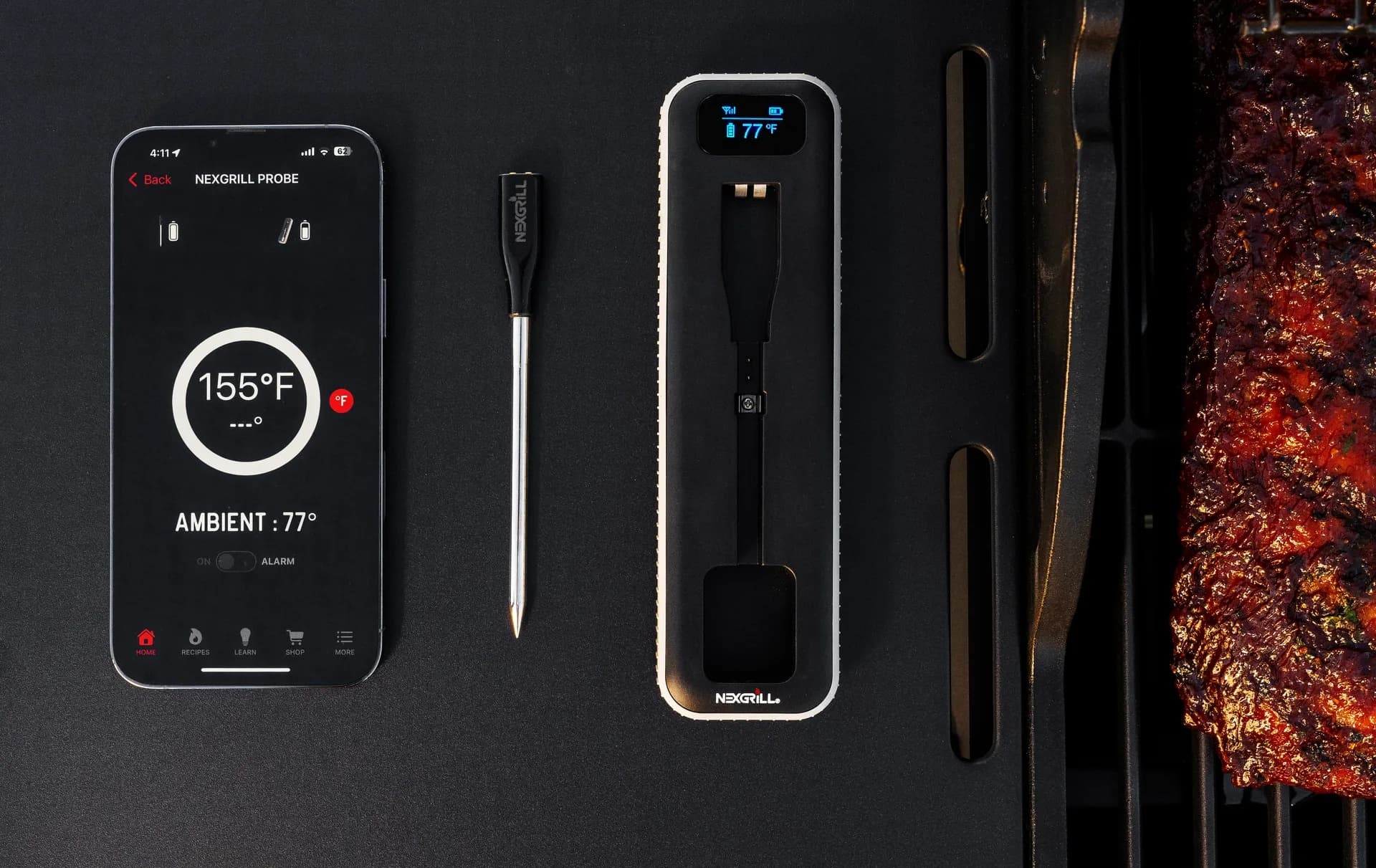
The most useful approach is to match the thermometer to the job. Instant-read models are ideal for checking steaks, chicken pieces, and other foods that cook relatively quickly. Probe-style thermometers are helpful for roasts, larger cuts, or any cook that requires you to watch temperature over time without opening the lid constantly. If your grill has a built-in gauge, treat it as a general reference, not the only source of truth. Built-in gauges can tell you the direction of the cook, but a separate thermometer gives a more direct reading of the food itself.
| Thermometer type | Best use | Winter advantage |
|---|---|---|
| Instant-read | Quick checks on smaller cuts | Reduces time spent with the lid open in cold air |
| Probe thermometer | Longer cooks and roasts | Tracks doneness without repeated checking |
| Built-in gauge | General chamber awareness | Useful for context, but not a substitute for food temperature |
When temperatures are low, accuracy helps prevent two common mistakes: overcooking because the grill feels slower than expected, and undercooking because the exterior looks finished before the interior is done. That is why a thermometer belongs at the top of the winter checklist rather than at the bottom. It preserves confidence, shortens guesswork, and gives you a repeatable benchmark every time you cook outdoors.
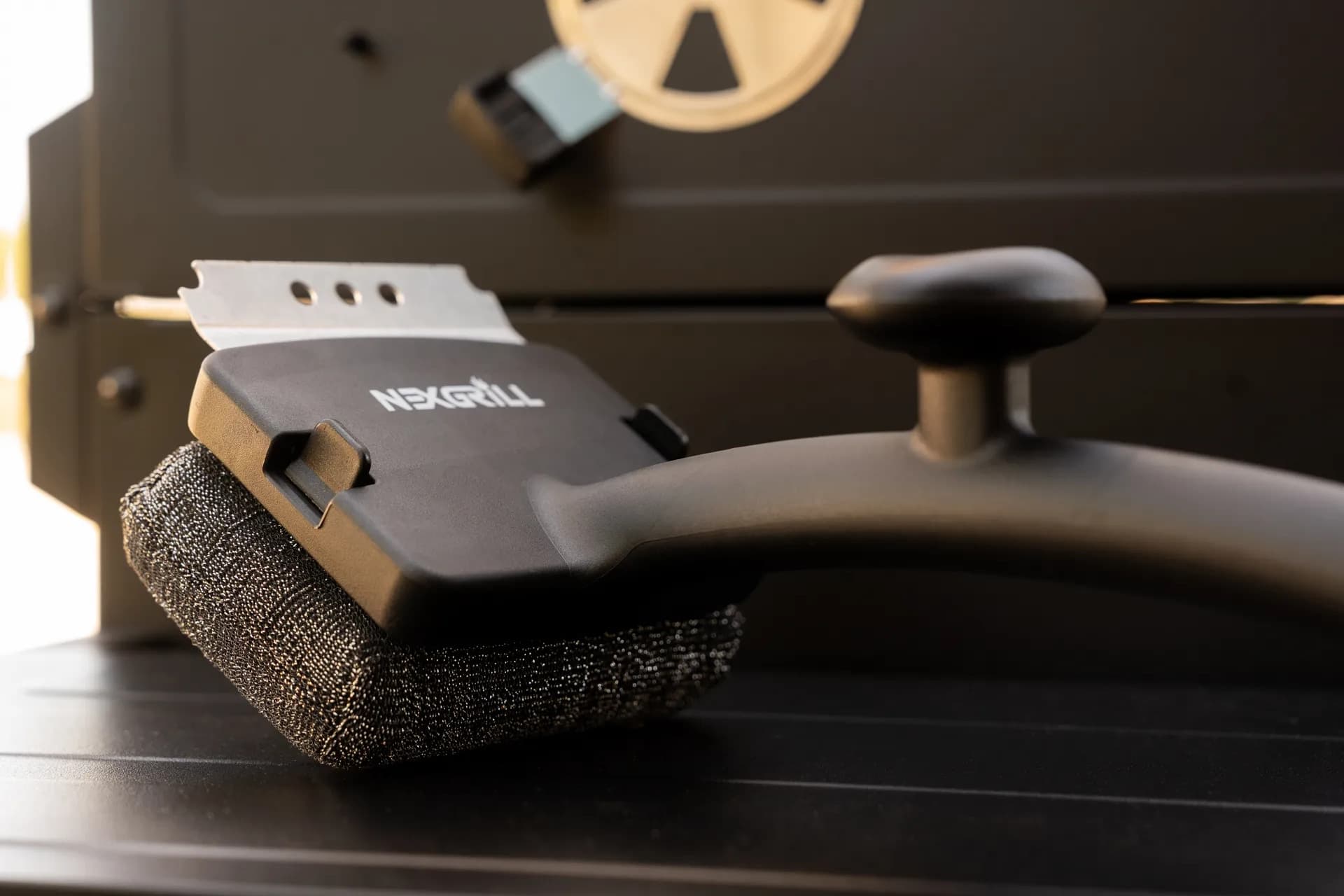
After the essentials, a few supporting accessories can make winter grilling feel much more manageable. A grill-side light is useful when daylight disappears early, and it can help you check color and doneness without squinting into the dark. A sturdy tool rack or prep tray keeps tongs, spatulas, seasonings, and foil organized so you do not lose track of them in gloves or pockets. A scraper or brush designed for your grate material also deserves a place in the kit because it makes post-cook cleanup faster, which matters more when you would rather get back inside quickly.
You may also want a small insulated bin or tote for holding items you use every time you grill. Keeping salt, pepper, rubs, and paper towels together reduces the number of trips indoors. For grillers who cook in windy areas, a windscreen or sheltered placement can help improve consistency, though it should only be used if it is safe and appropriate for your grill model and local conditions. Another practical addition is a tray for preheated serving plates; that lets food move from grill to table without losing heat as quickly in the cold. None of these accessories are required, but they all support a smoother routine and a more enjoyable cook.
Avoid overbuying gear you will not actually use. The best winter accessories are the ones that save time, improve control, or make cleanup easier.
Cold-weather barbecuing becomes much more approachable when the gear and the routine work together. A sturdy cover protects the investment. Gloves protect comfort and control. A thermometer protects the food. Add a few support items that fit your actual cooking habits, and winter grilling starts to feel less like a challenge and more like a normal extension of your outdoor kitchen. That is the real value of a winter grilling gear checklist: it helps you cook with confidence instead of improvising in the cold.
If you want the shortest path to better winter results, start with the items that solve the biggest problems first. Protect the grill from the elements, make handling safer, and measure temperatures accurately. Once those pieces are in place, the rest of the season becomes much easier to enjoy. Around the grill, even winter can feel like the right time to gather.
Here's what sets us apart
We position ourselves as delivering high-end outdoor cooking features and performance without premium-brand pricing, emphasizing “Quality Grills. Unbelievable Value.”
We offer gas grills, pellet grills, griddles, smokers, pizza ovens, portable/tabletop grills, electric grills, accessories, and replacement parts — allowing customers to stay within one ecosystem for all outdoor cooking needs.
We differentiate ourselves through smart grilling products like the Oakford smart pellet grill, including app-connected cooking controls and modern outdoor cooking technology.
Don't just take our word for it
Keep reading
From our catalog