Gas vs Charcoal: Which is Cheaper to Run?
Explore the cost-effectiveness of gas and charcoal barbecues for your outdoor cooking needs.
In This Article
Fuel Cost Comparison
Maintenance Insights
Environmental Considerations
Understanding the Costs of Gas and Charcoal Barbecues
When choosing between gas and charcoal barbecues, the cost of operation is a key consideration. Both types of grills have their own financial implications, influenced by fuel prices, initial purchase costs, and maintenance expenses. This section explores these aspects to help you make an informed decision.
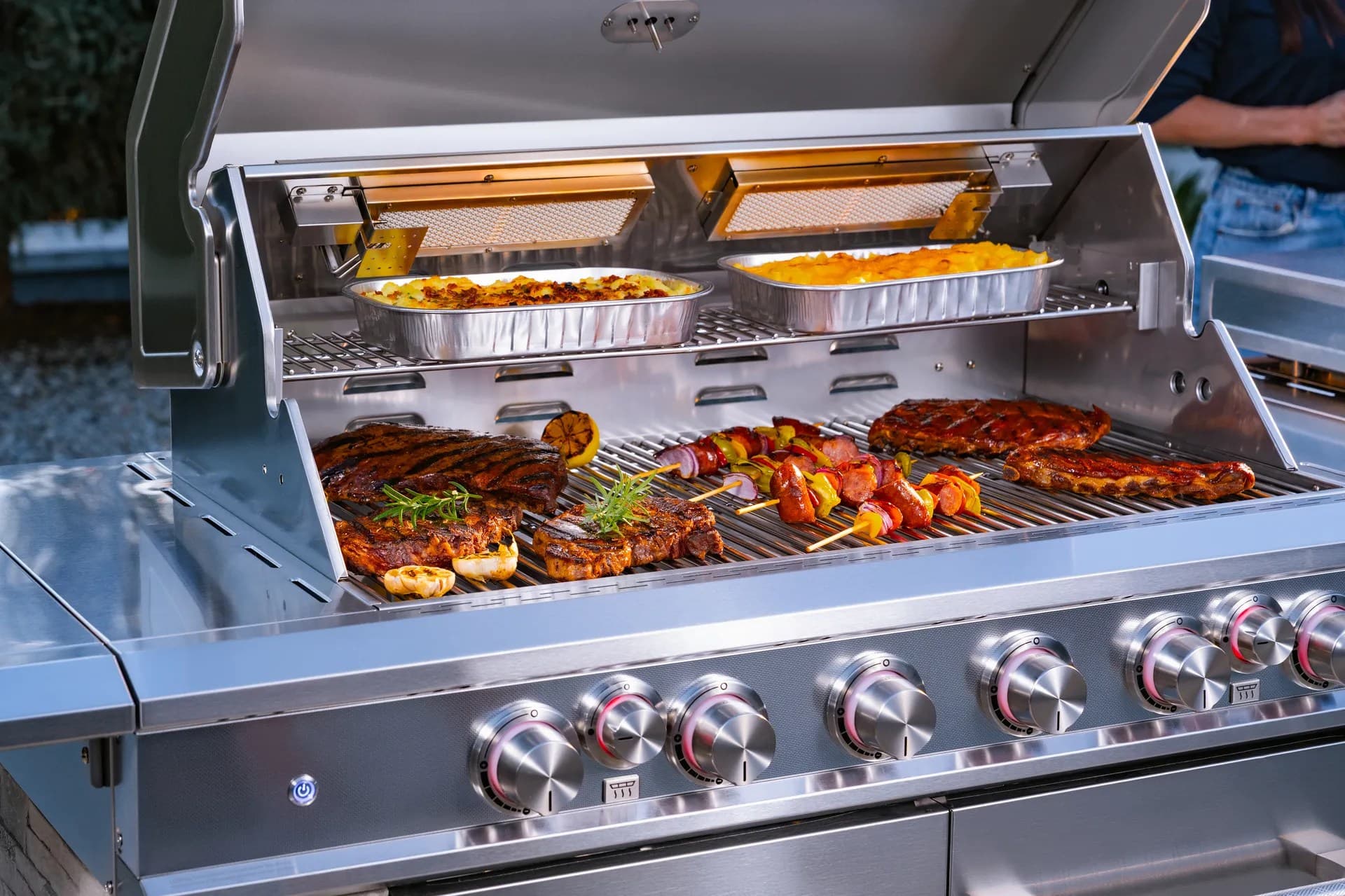
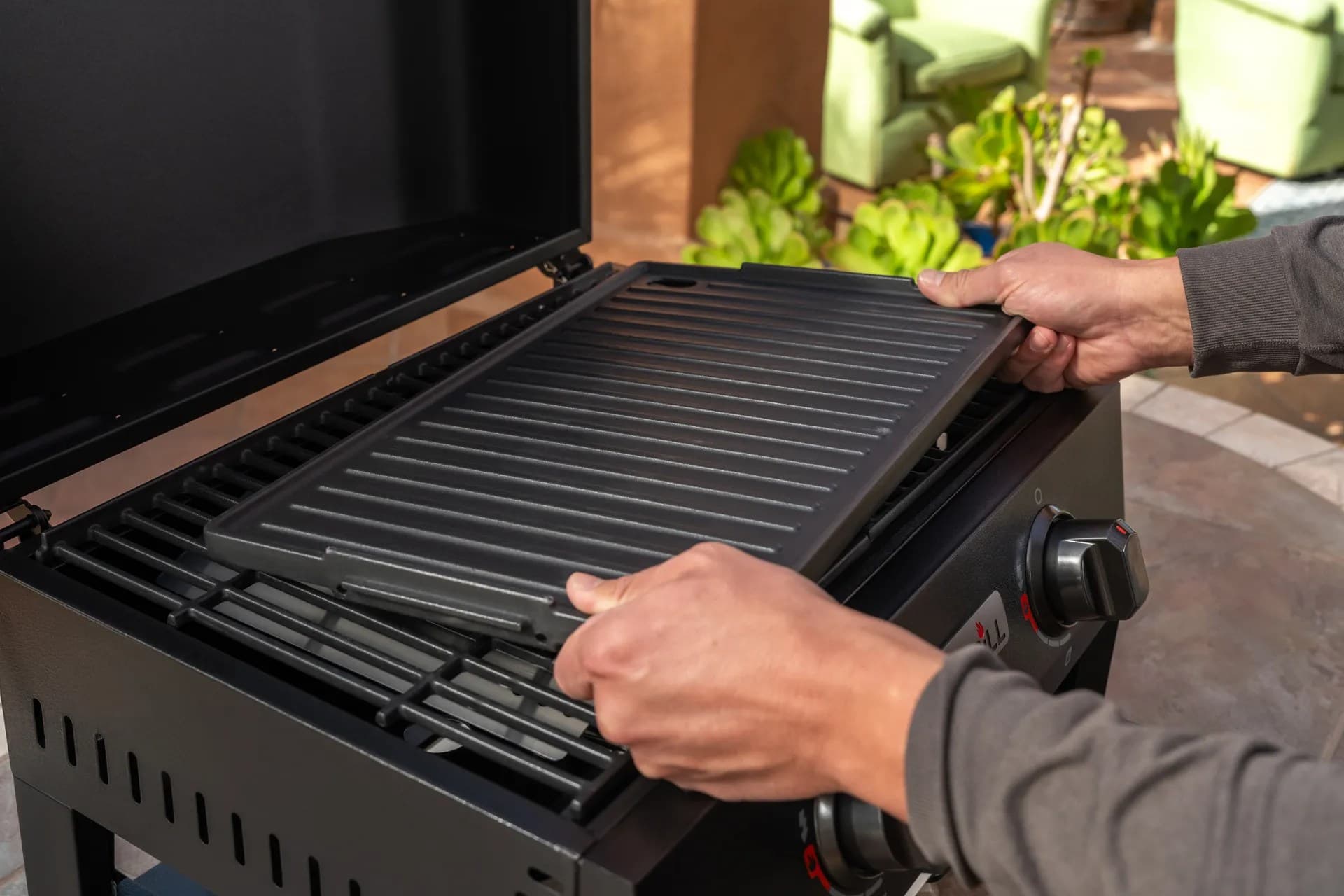
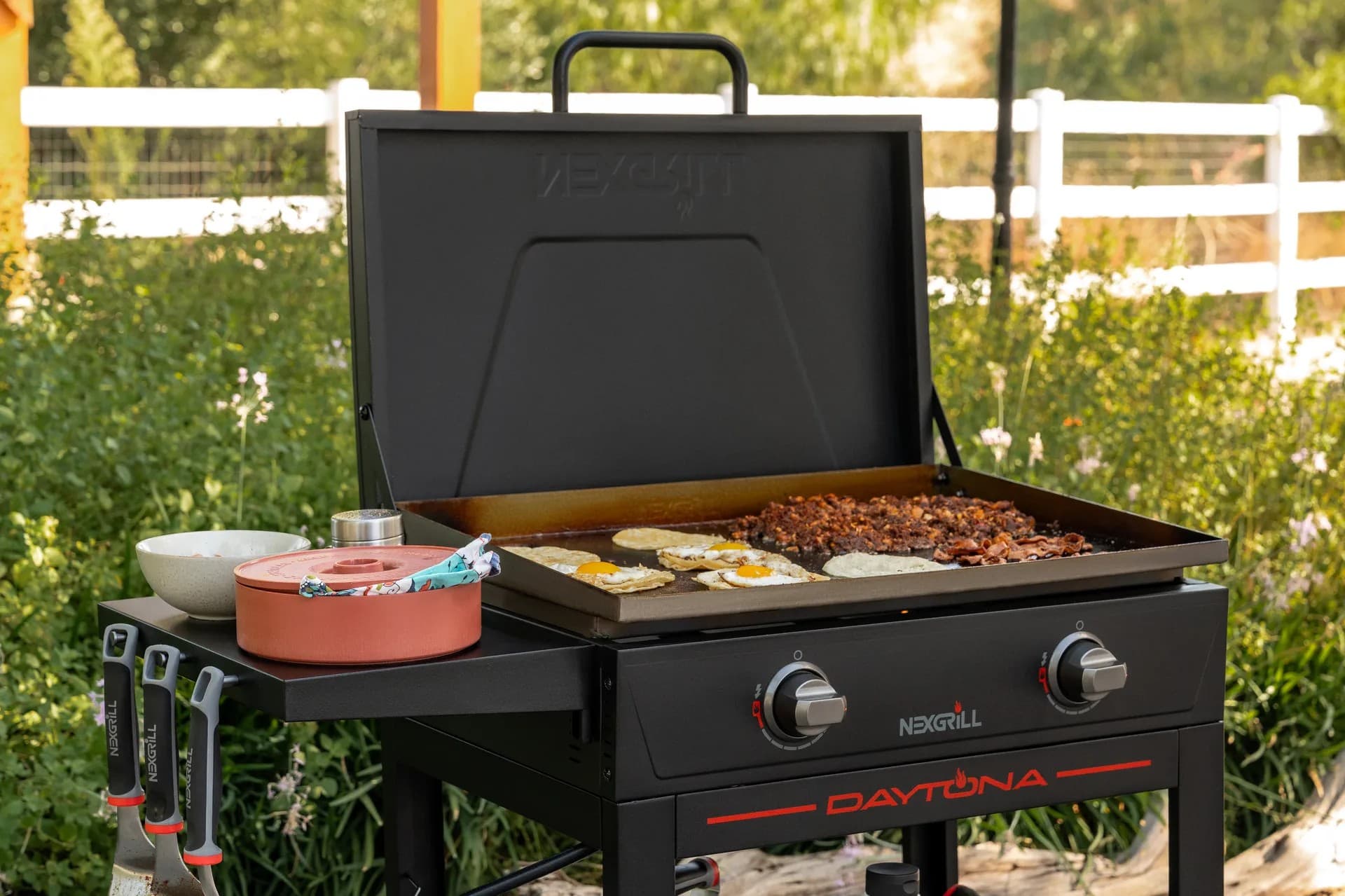
Gas barbecues typically run on propane or natural gas. Propane tanks are widely available and easy to replace, while natural gas requires a connection to your home’s supply. The initial cost of setting up a gas grill can be higher due to the need for a gas line or propane tank, but the running costs are generally lower in the long term.
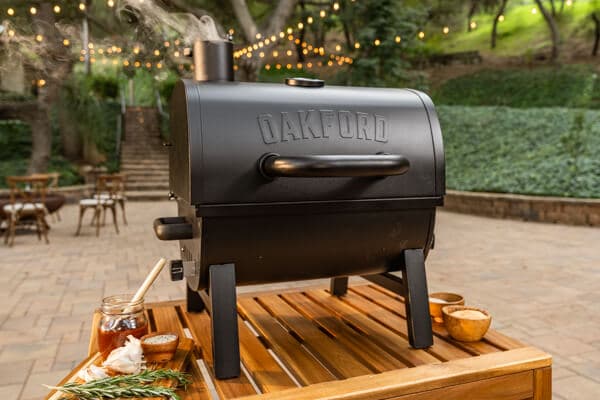
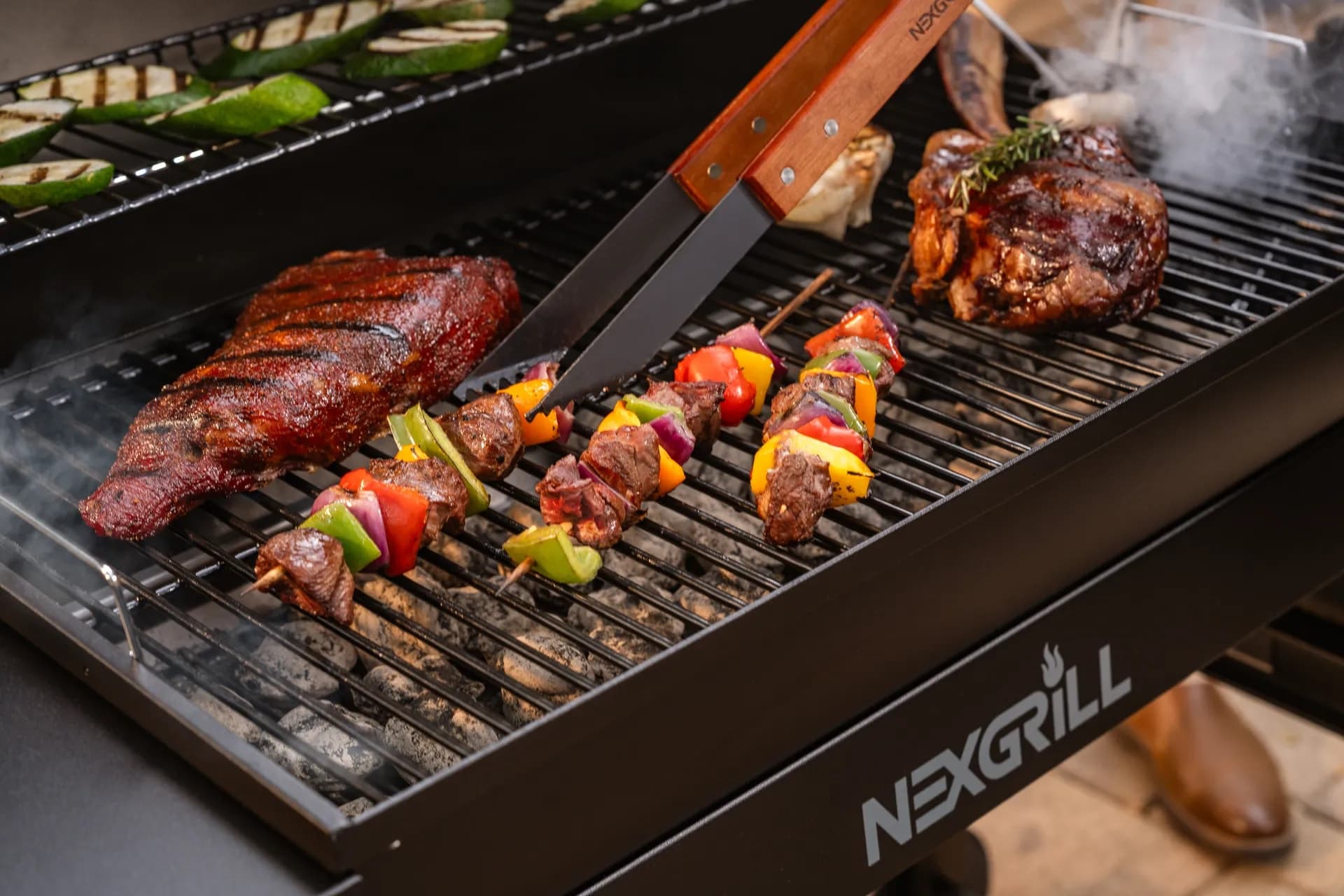
On the other hand, charcoal grills rely on charcoal briquettes or lump charcoal. These are often cheaper to purchase in small quantities but can become more expensive over time, especially for frequent grillers. The cost can also fluctuate with market changes and availability.
Fuel Costs: A Deep Dive
To understand the real cost of running these grills, let's break down the fuel expenses. Gas grills, using either propane or natural gas, can be more economical in the long run. A standard 20-pound propane tank costs around $15-20 to refill and can last for 18-20 hours of cooking. Natural gas is often cheaper, especially if you already have a home connection.
| Fuel Type | Cost per Unit | Average Duration | Cost per Hour |
|---|---|---|---|
| Propane | $15-20 per tank | 18-20 hours | $0.83-$1.11 |
| Natural Gas | Varies | Continuous | Lower |
| Charcoal | $10-12 per bag | 2-3 hours | $3.33-$6.00 |
Charcoal, while offering a unique flavor, can be more expensive per cook. A 20-pound bag of charcoal, costing about $10-12, might only last 2-3 grilling sessions. This makes the cost per hour significantly higher than gas.
Tip: Consider how often you’ll be using the grill. Frequent grillers might find gas more economical over time.
Maintenance and Longevity
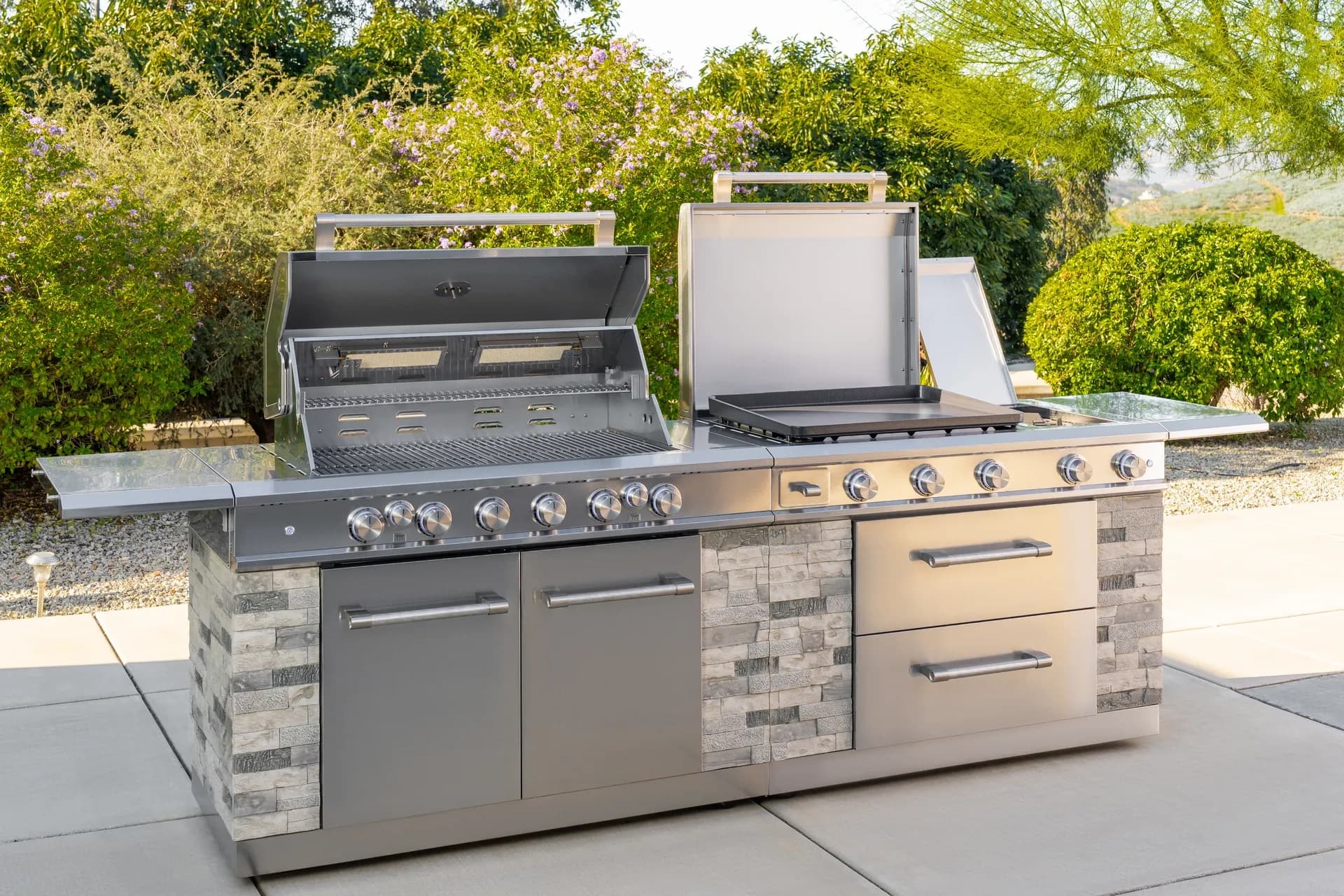
Beyond fuel costs, maintenance and longevity also play crucial roles in the total cost of ownership. Gas grills typically require regular checks of burners and connections for safety, but they generally have fewer components that wear out over time. Many gas grills, especially those from reputable brands like Nexgrill, are designed with durability in mind, featuring sturdy frames and rust-resistant materials.
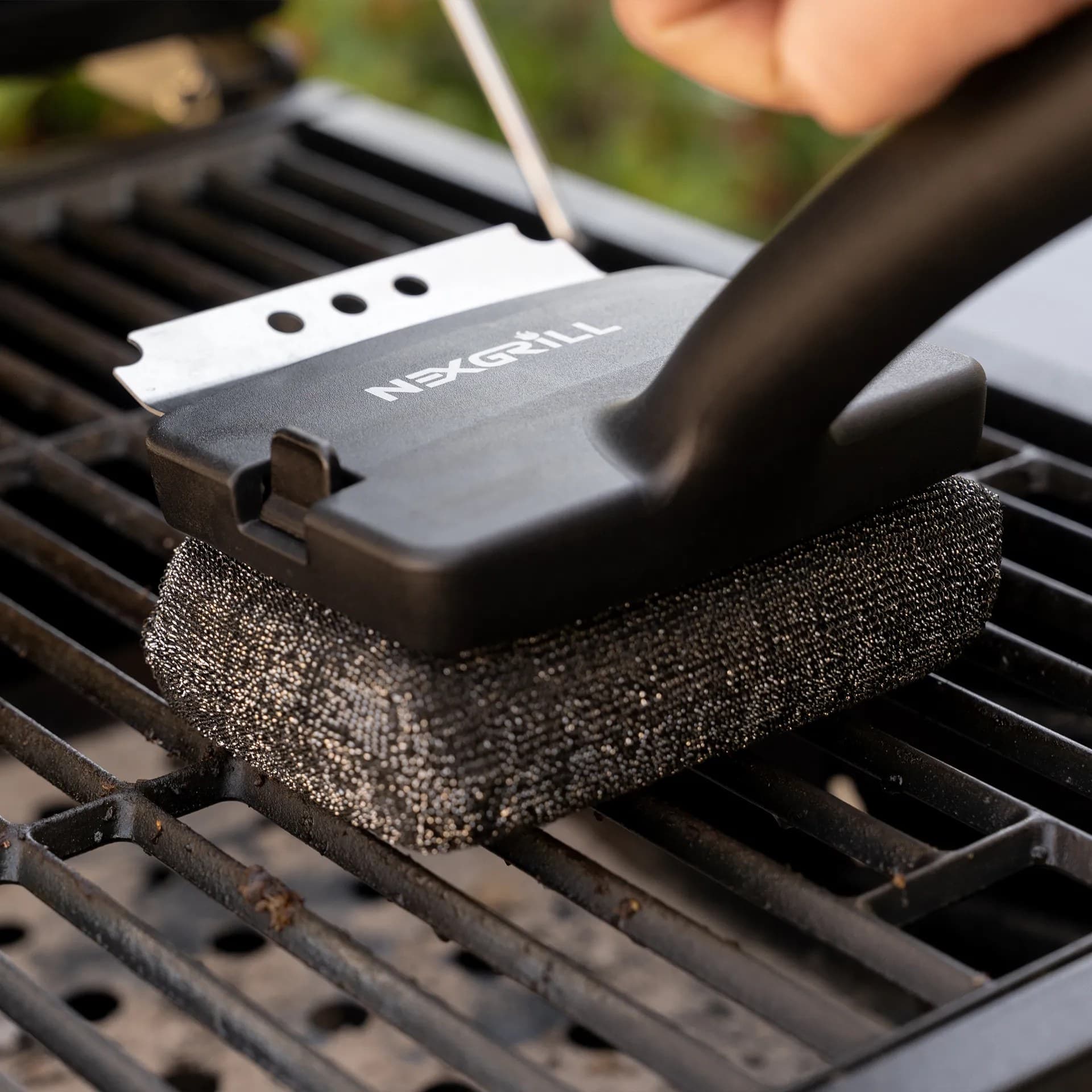
Charcoal grills, while simpler in design, can require more frequent cleaning due to ash buildup. Over time, components like grates and the charcoal basket may need replacement. However, their simpler mechanics often mean fewer failures.
Environmental Impact
Environmental considerations are also important. Gas grills produce fewer emissions compared to charcoal grills, which release more carbon dioxide and particulate matter. If sustainability is a priority, gas might be the preferred option.
Info: Gas grills are generally considered more environmentally friendly due to lower carbon emissions.
Which Option Suits You?
The decision between gas and charcoal ultimately depends on your personal preferences and grilling habits. Consider how often you grill, the importance of flavor, and your budget.
- For frequent grillers with a focus on cost and ease, gas may be the better option.
- If you value the smoky flavor and enjoy the grilling process, charcoal could be worth the extra cost.
- Consider the availability of fuel sources in your area as well as the initial investment cost.
Ultimately, both types of grills offer unique benefits that can enhance your outdoor cooking experience. Consider your priorities and choose a grill that aligns with your lifestyle.
of grill owners choose gas for convenience.