Beginner's Guide to Grilling: Ignite Your Grilling Journey
A comprehensive guide for beginners to start grilling with confidence and skill.
In This Article
Choosing Your Grill
Mastering Heat Zones
Experiment with Flavors
Understanding the Essentials of Grilling
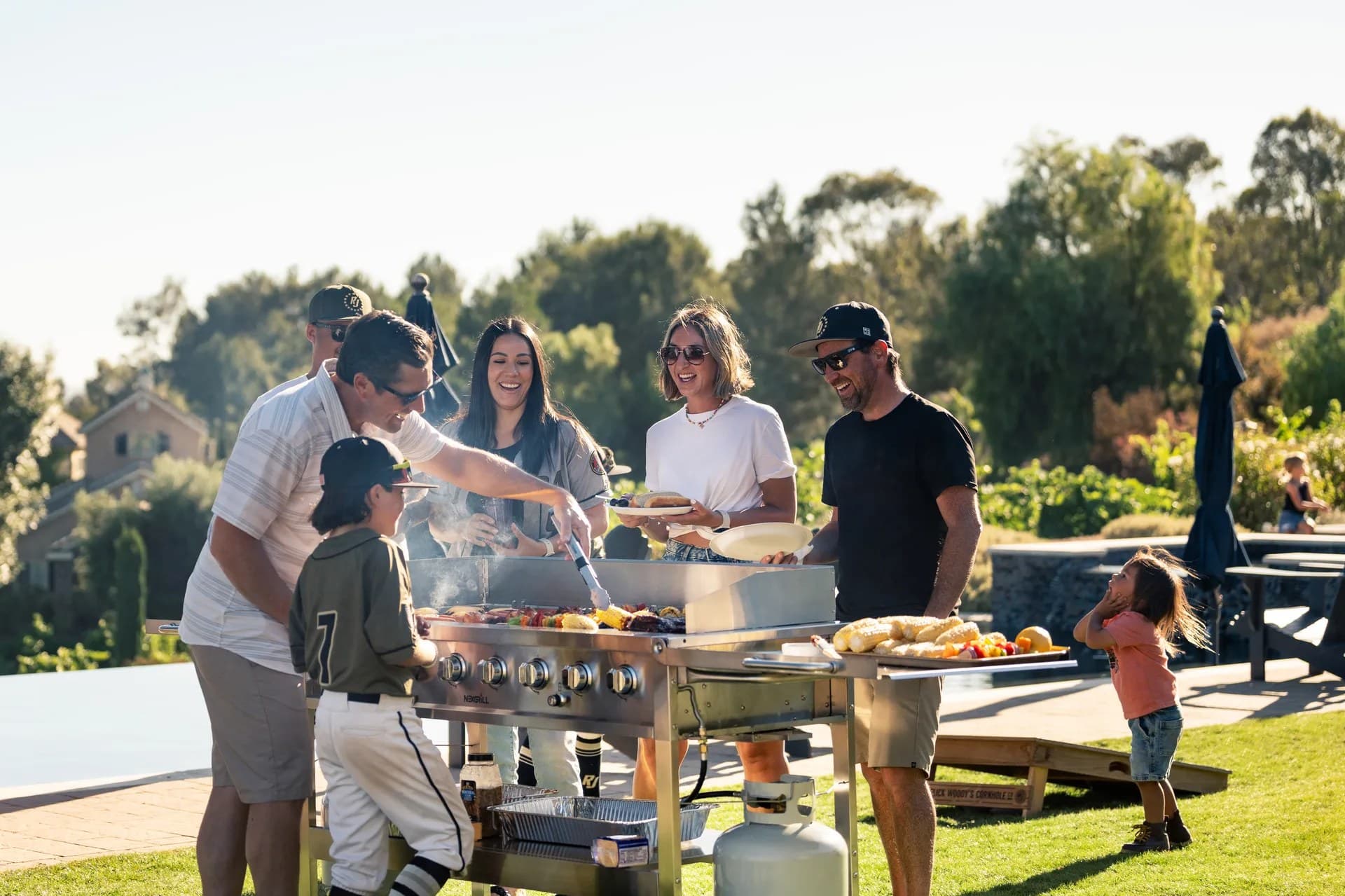
Grilling is more than just a cooking method; it's a beloved tradition that brings people together. For beginners, the world of grilling might seem daunting, but with the right knowledge and tools, anyone can master it. Grilling offers a unique experience, combining the primal appeal of fire with the modern joy of culinary creativity. At the heart of grilling is the grill itself, which can vary widely in type and functionality.
Choosing Your First Grill
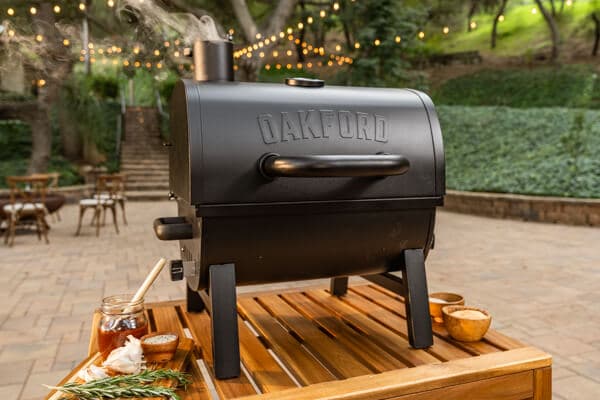
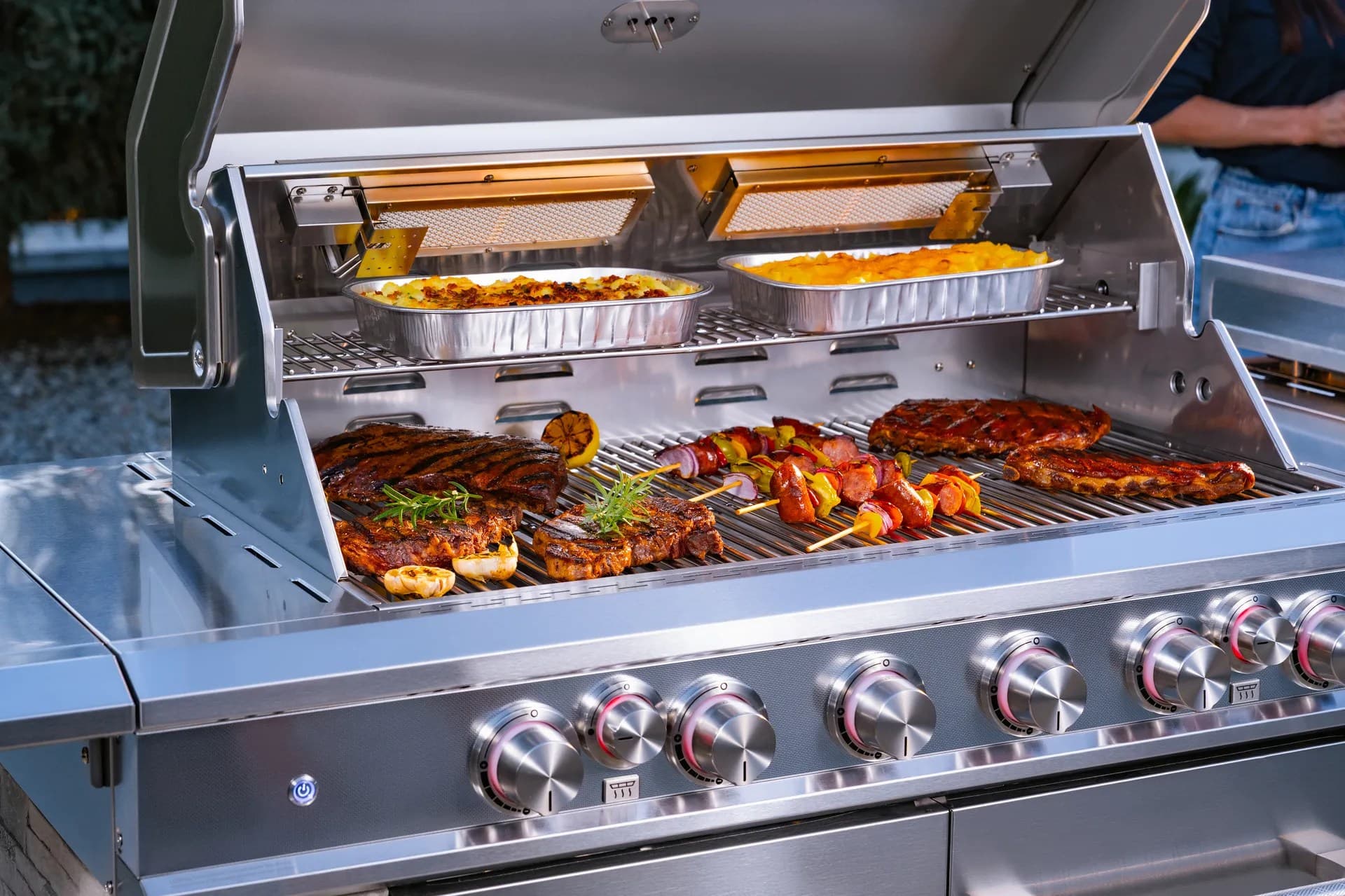
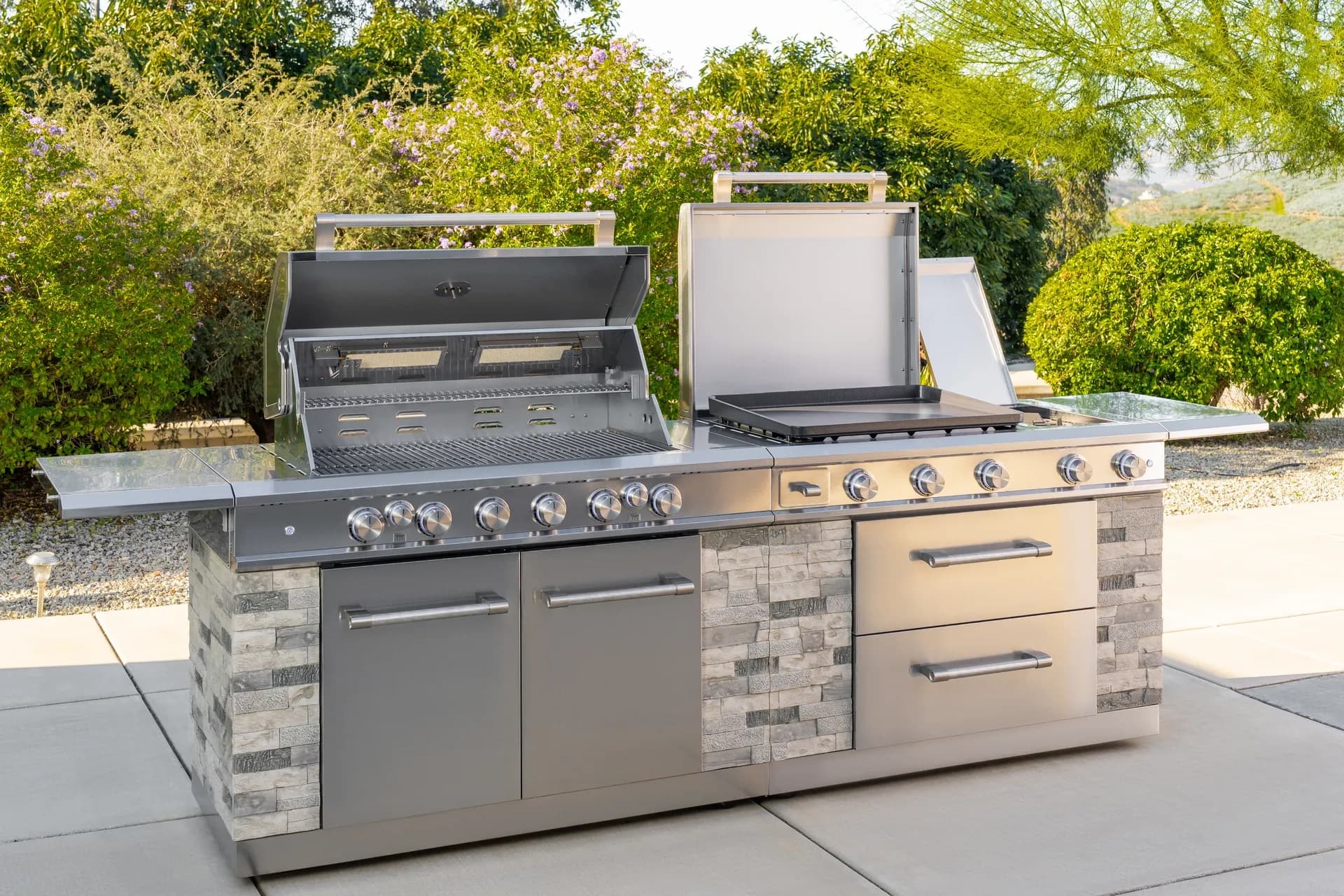
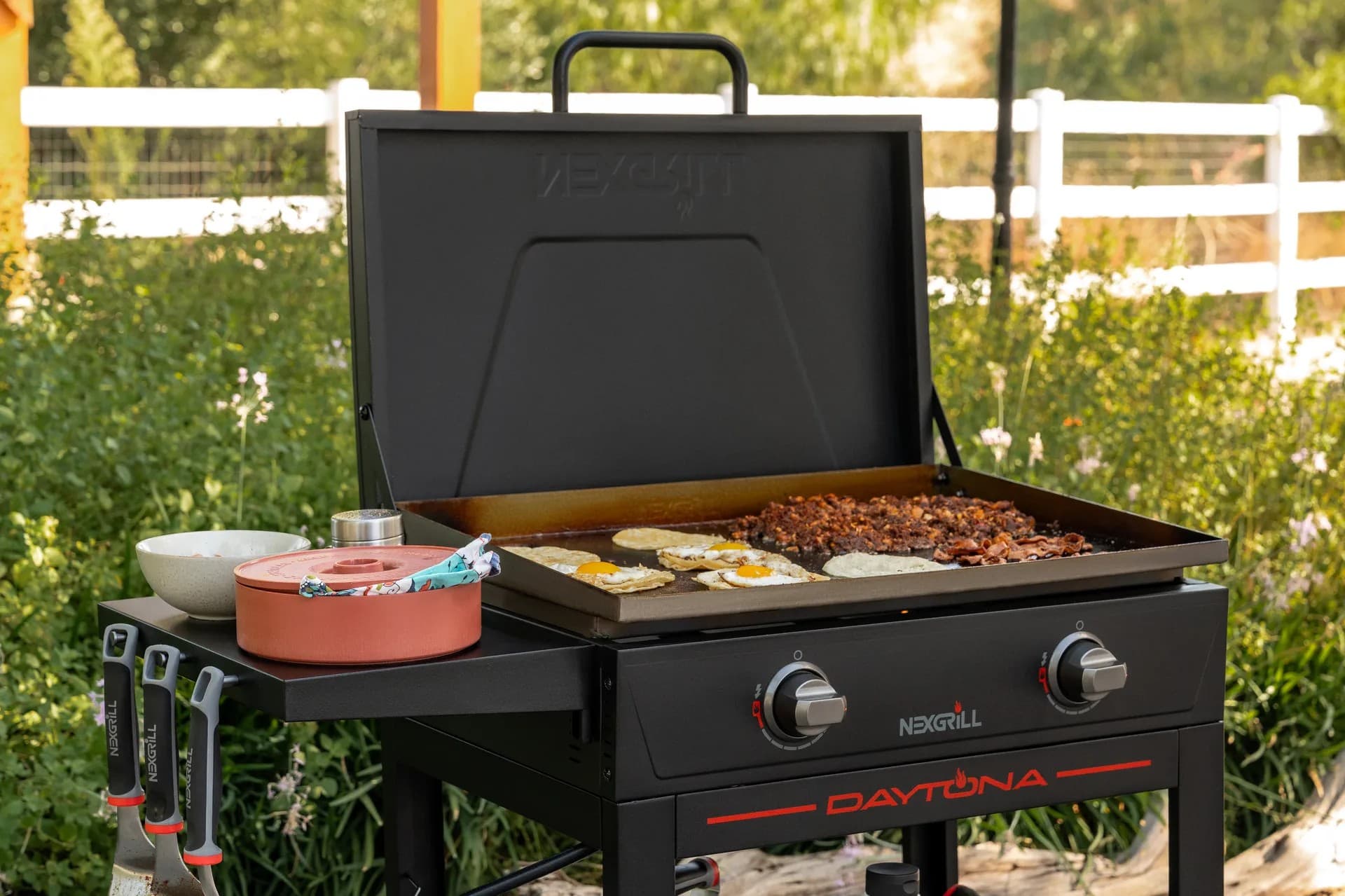
When starting your grilling journey, choosing the right grill is crucial. There are several types to consider:
- Gas Grills: Known for convenience and control, they heat up quickly and offer precise temperature management, making them beginner-friendly.
- Charcoal Grills: While they require more effort to start, they provide a rich, smoky flavor that many grill enthusiasts cherish.
- Electric Grills: Ideal for those with limited outdoor space, offering ease of use without the need for propane or charcoal.
Each type has its own advantages. Charcoal grills are perfect for those who prioritize convenience, whereas charcoal grills are for those who enjoy a more hands-on approach. Electric grills serve as a practical choice for urban dwellers.
| Grill Type | Pros | Cons |
|---|---|---|
| Gas | Easy to use, quick heating | Less smoky flavor |
| Charcoal | Rich flavor, traditional | Longer prep time |
| Electric | Indoor use, no fuel needed | Limited flavor |
Essential Tools for Beginners
Equipping yourself with the right tools can make grilling easier and more enjoyable. Start with the basics:
- Tongs: A good pair of tongs is essential for flipping and moving food.
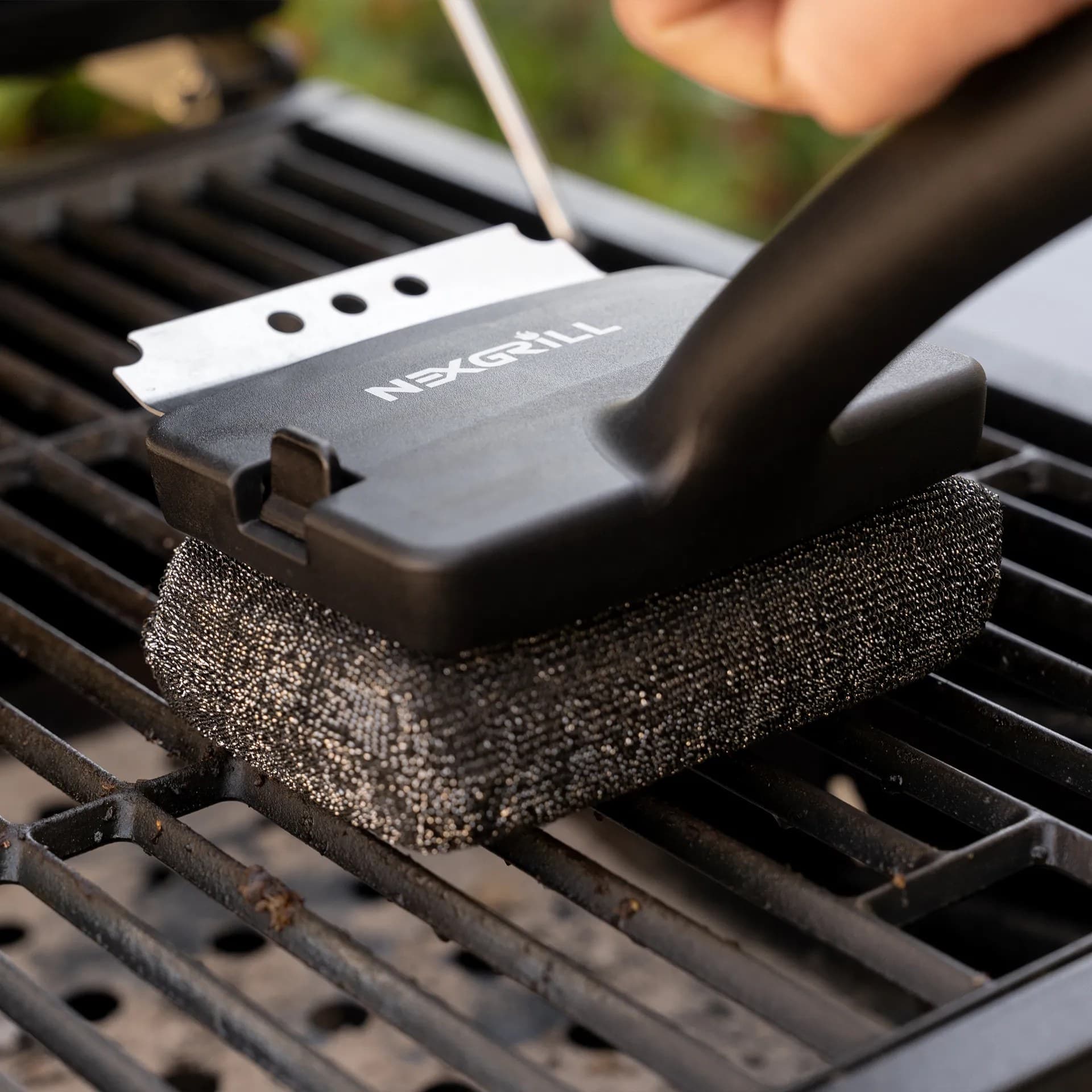
- Grill Brush: Keep your grill clean to ensure better flavor and hygiene.
- Meat Thermometer: Ensures your food is cooked to the perfect temperature.
- Spatula: Ideal for flipping burgers and other flat items.
These tools are the backbone of any grill master’s toolkit and will help you navigate your grilling adventures with confidence.
Tip: Invest in high-quality stainless steel tools for durability and ease of maintenance.
Understanding Heat Zones
Mastering heat zones is a fundamental skill in grilling. It involves creating different temperature areas on your grill to cook various foods simultaneously. This technique provides flexibility and control, allowing you to sear meats on high heat while gently cooking vegetables on a cooler side.
For gas grills, simply adjust the burner settings. For charcoal grills, manipulate the coal arrangement. Understanding and using heat zones effectively can greatly enhance your grilling results.
Preparing Your Grill for the First Cook
Before you fire up your grill for the first time, it's crucial to prepare it properly. This ensures not only the longevity of your grill but also the quality of the food you prepare. Start by thoroughly cleaning the grates with a grill brush, ensuring that any residual manufacturing oils are removed. Next, preheat your grill to burn off any remaining residues.
Seasoning Your Grill
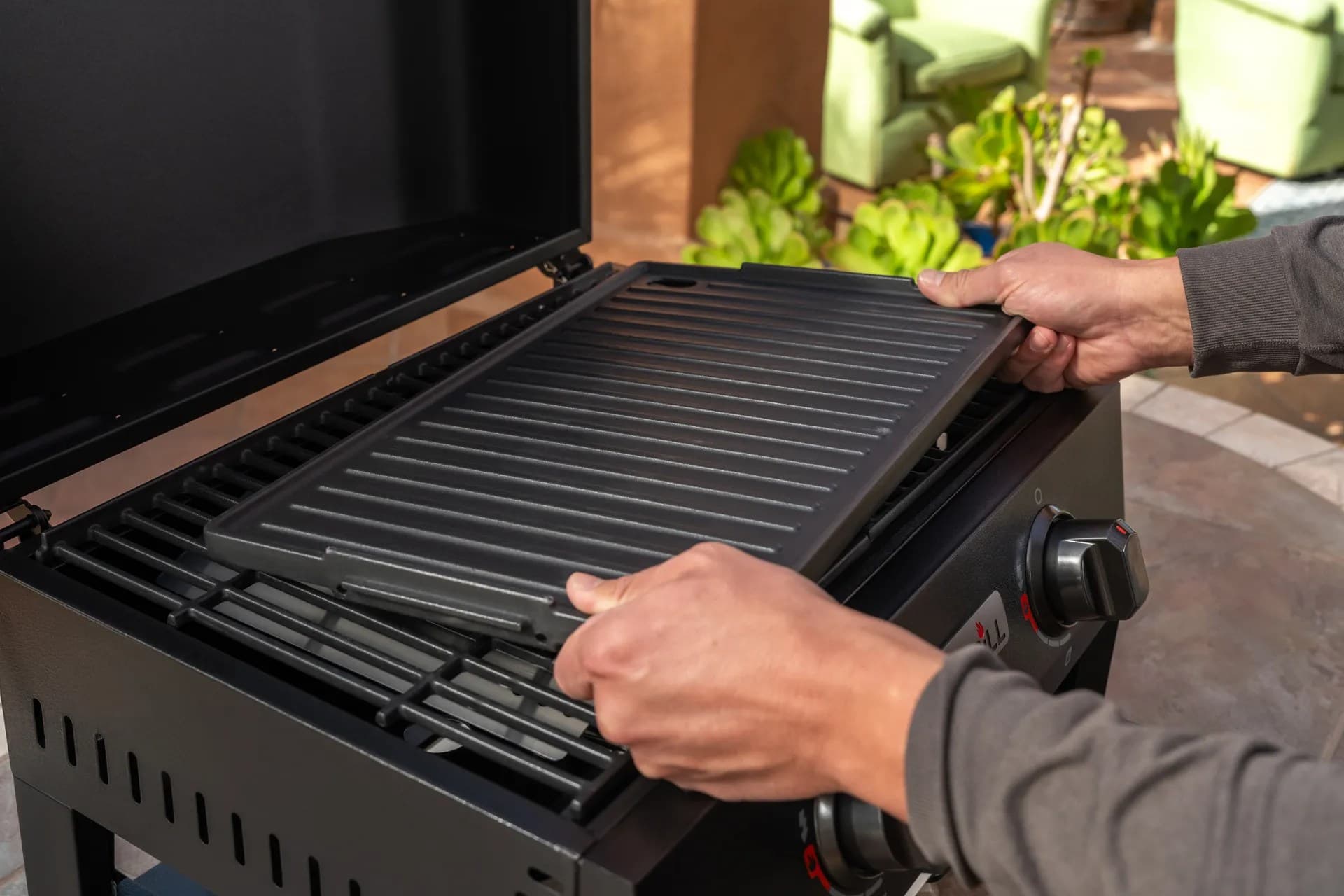
Seasoning is a vital step for new grills, especially those with cast iron grates. This process involves applying a thin layer of vegetable oil to the grates and heating them to a high temperature for about 15 minutes. This not only creates a non-stick surface but also adds a layer of protection against rust.
Tip: Repeat seasoning every few months to maintain optimal grill performance and prevent rust.
Mastering Basic Grilling Techniques
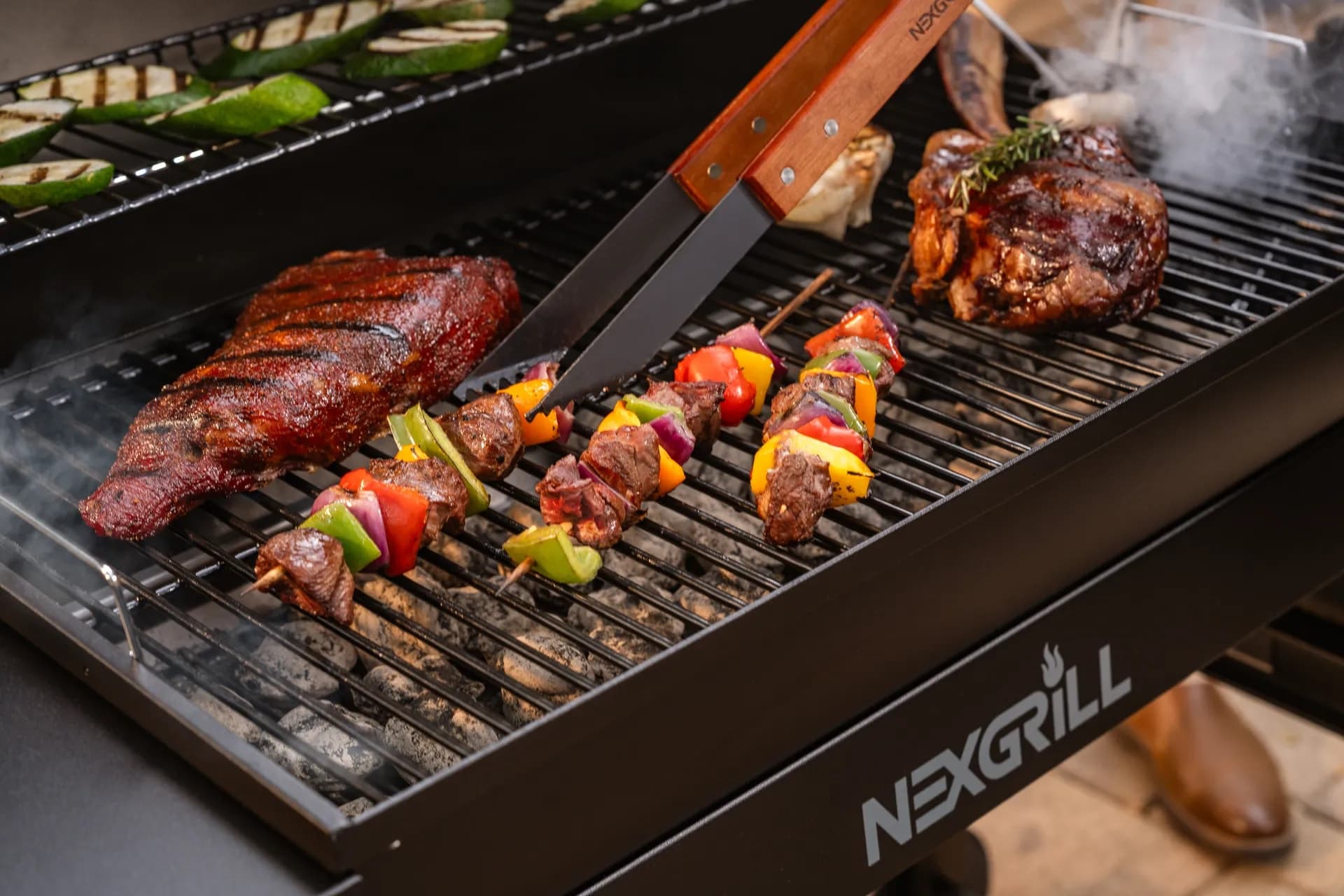
Once your grill is ready, it's time to learn basic grilling techniques. Start with direct cooking, which is ideal for foods that cook quickly, like burgers and hot dogs. Place them directly over the heat source and keep an eye on them to avoid overcooking.
Indirect cooking is another technique, perfect for larger cuts of meat like chicken or ribs. Arrange the food away from the heat source and close the lid, creating an oven-like environment for thorough cooking.
Troubleshooting Common Grilling Issues
Beginners often face challenges such as flare-ups, uneven cooking, or sticking food. To prevent flare-ups, trim excess fat from meats. Use a meat thermometer to ensure even cooking, and always preheat your grill to reduce sticking.
| Issue | Solution |
|---|---|
| Flare-ups | Trim fat, use a spray bottle of water |
| Uneven cooking | Rotate food, use heat zones |
| Food sticking | Preheat grill, oil grates |
Culinary Creativity: Experimenting with Flavors
As you grow more comfortable with grilling basics, begin experimenting with marinades, rubs, and different wood chips for smoking. These elements can add depth and complexity to your dishes, making your grilling uniquely yours.
Start with simple marinades using olive oil, vinegar, and herbs. For a smoky flavor, try using mesquite or hickory wood chips. Remember, grilling is as much about creativity as it is about technique.
Once you've weighed two options against each other, here's what else matters: expanding your grilling repertoire by exploring cuisines from around the world. From Korean BBQ to Mediterranean kebabs, the possibilities are endless.