Charcoal vs Gas: The Ultimate Comparison for Grilling Enthusiasts
A comprehensive guide to choosing between charcoal and gas grills based on flavor, convenience, and health.
In This Article
Flavor Profile Differences
Ease of Use
Health Considerations
Quick Verdict: Charcoal vs Gas
If you want the shortest answer, choose charcoal when flavor and hands-on cooking are the priority, and choose gas when speed, control, and weeknight convenience matter more. In blind taste tests, charcoal often gets a small edge for smoke aroma and the deeply browned crust it can create, but that advantage comes with slower startup, more cleanup, and a steeper learning curve. Gas is usually easier for beginners, faster for spontaneous meals, and simpler to keep at a predictable temperature. For many households, the “best” grill is the one that matches how often you cook, how much time you want to spend setting up, and how much cleanup you are willing to do after dinner.
Practical rule: if you grill once or twice a month and care most about a classic barbecue profile, charcoal earns its place. If you grill several times a week or want dinner on the table fast, gas is the more forgiving choice.
Typical gas preheat advantage over charcoal setup time can be much larger on a busy weeknight.
A useful way to compare them is not by loyalty, but by workflow: charcoal asks you to build the fire, manage ash, and work with live coals; gas asks you to turn a knob, wait for the grates to heat, and cook with steady flame. That difference affects flavor, cost, maintenance, and safety more than almost any marketing claim ever will. Try comparing two products side by side below to see which fits best:
Flavor Profiles: What Makes Each Unique?
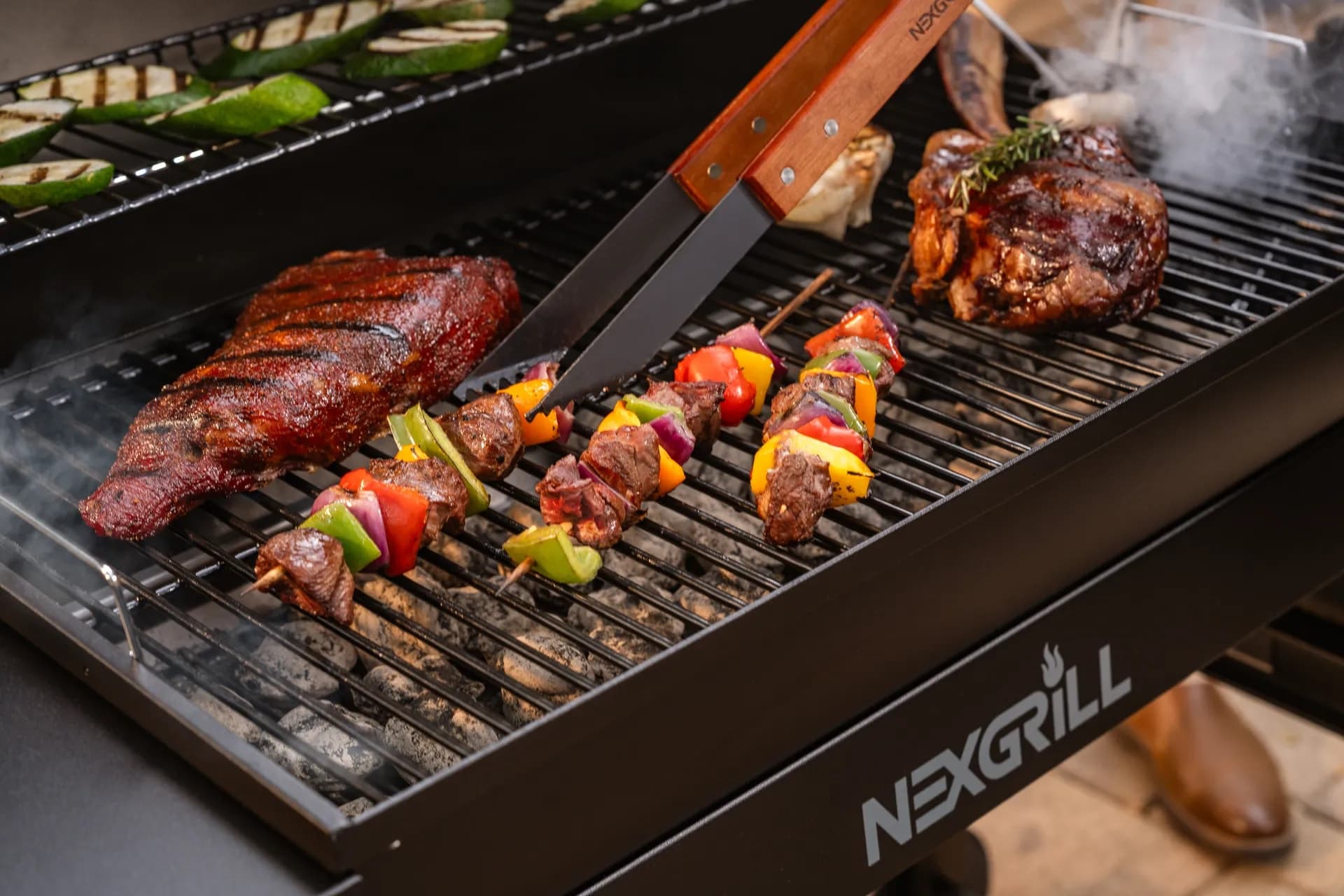
Charcoal’s flavor advantage comes from combustion and smoke interaction. As briquettes or lump charcoal burn, they create a wider range of smoky compounds that settle on food and contribute to the classic backyard-barbecue taste many people recognize immediately. That does not mean every charcoal cook tastes better, but it does mean charcoal can produce a more distinctive grilled aroma, especially on steaks, chicken skin, pork chops, and vegetables that benefit from direct radiant heat.
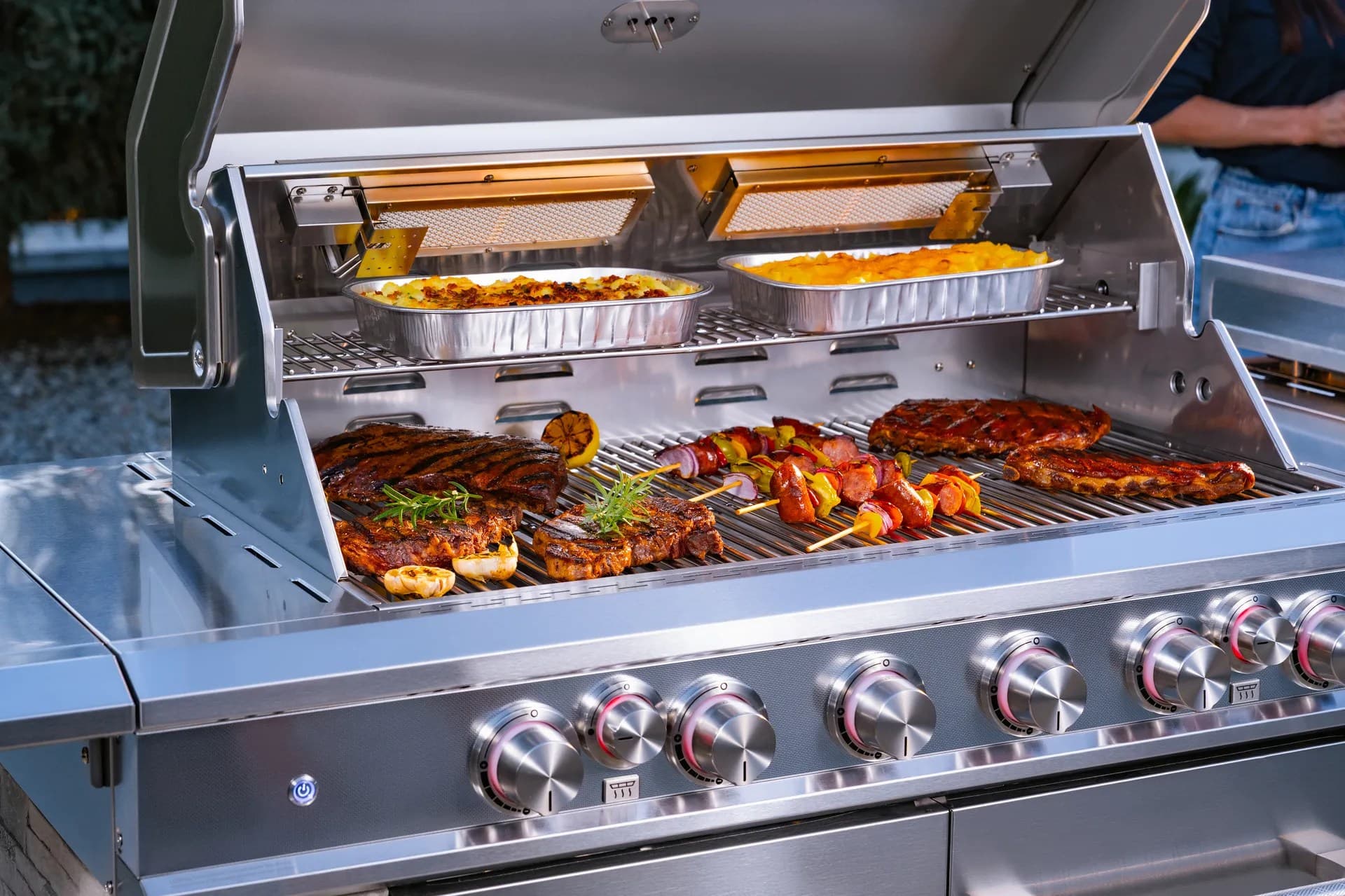
Gas grills can still produce excellent food, but the flavor is cleaner and less smoky by default. The upside is that the food tastes more like the ingredient itself, which some cooks prefer for fish, delicate vegetables, and sauces or marinades that should stay front and center. A gas grill also makes it easier to add smoke flavor deliberately with wood chips or a smoker box, instead of getting whatever smoke the fuel happens to create. In other words, charcoal builds smoky character into the process, while gas gives you a cleaner blank canvas.
| Factor | Charcoal | Gas |
|---|---|---|
| Flavor | Smokier, more traditional barbecue profile | Cleaner flavor with less natural smoke |
| Temperature control | More manual, requires practice | Fast and precise with knobs |
| Cleanup | Ash removal required | Grease management is simpler |
| Startup | Slower, needs lighting time | Much faster for spontaneous cooks |
Consumer taste comparisons often land in the same place: charcoal has a slight edge for classic grilled flavor, but the margin is smaller than many people expect. Once food is heavily seasoned, sauced, or cooked over wood smoke, the difference narrows. That is why your favorite cut and your cooking method matter just as much as the fuel.
Temperature Control: Ease vs Mastery
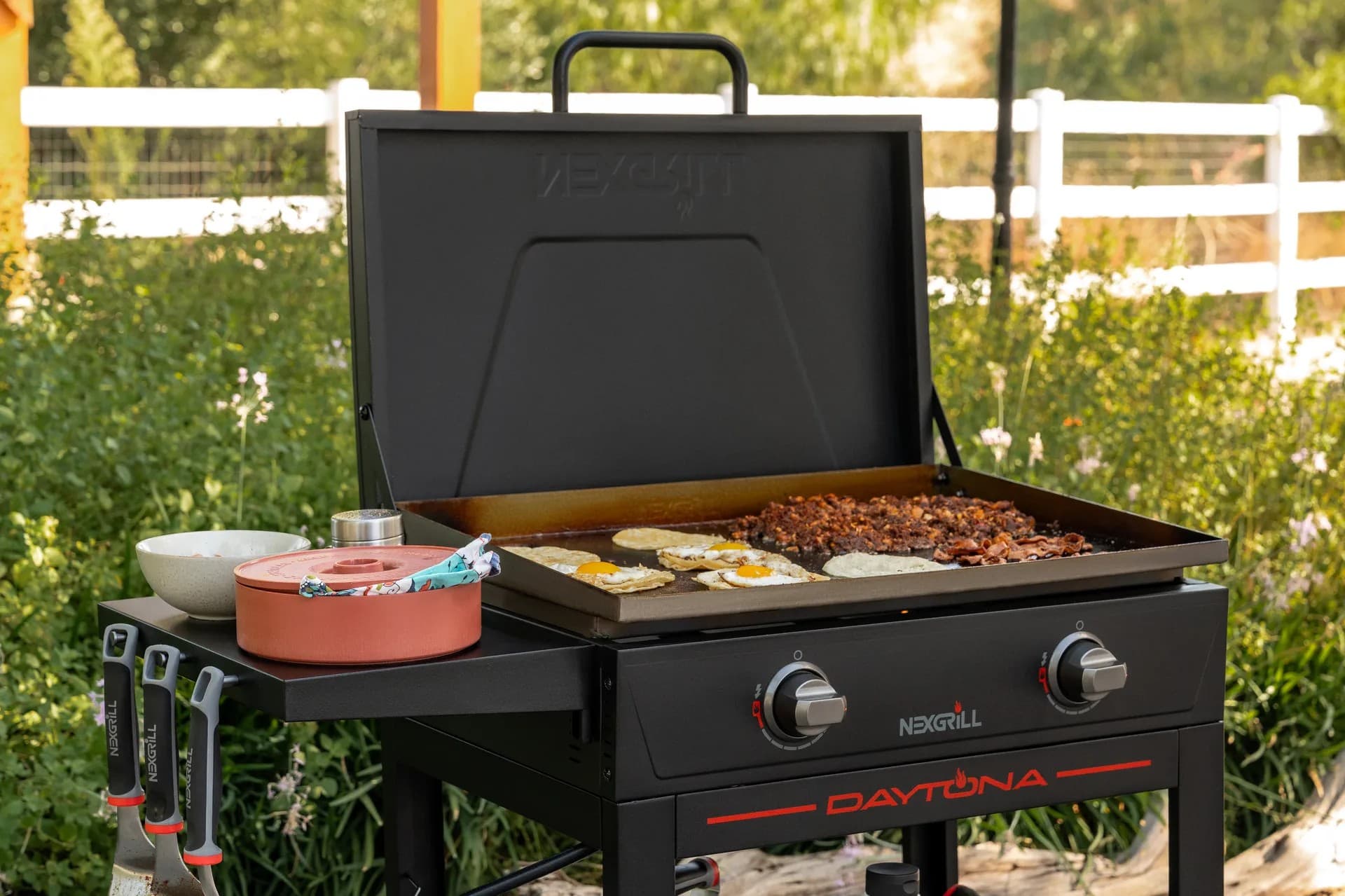
Gas wins on precision. Turn the burner up or down and the change is immediate, which makes it easier to hold medium heat for chicken thighs, lower heat for vegetables, or high heat for searing. This predictability is especially helpful if you cook mixed meals and need one zone for direct heat and another for gentle finishing. For new grillers, gas removes a lot of uncertainty from the process.
Charcoal, by contrast, rewards patience and observation. You learn to read vent positions, coal spacing, and lid behavior. Once you understand those variables, charcoal can achieve excellent searing temperatures and versatile heat zones, but the learning curve is real. Temperature swings are part of the experience, which is part of the appeal for some cooks and a deal-breaker for others.
Common mistake: buying charcoal for “better flavor” but expecting gas-like precision. Charcoal can do a lot, but it asks you to manage the fire instead of simply setting a dial.
Startup Time: Which Is Quicker?
If you are cooking on a schedule, gas is the clear winner. A propane grill can be ready quickly after ignition and preheating, which is why it works so well for weeknight burgers, quick vegetables, or last-minute dinner plans. Charcoal usually needs more time for lighting, ash formation, and full heat development before food goes on the grate.
That delay is not just about waiting; it changes how you plan meals. With gas, the grill can live in the same mental category as a stovetop burner outdoors. With charcoal, grilling becomes an activity you prepare for, which is great for weekend cooking sessions and less ideal when everyone is already hungry. If convenience is your deciding factor, this one point may settle the debate.
Cleanup and Maintenance: Gas vs Charcoal
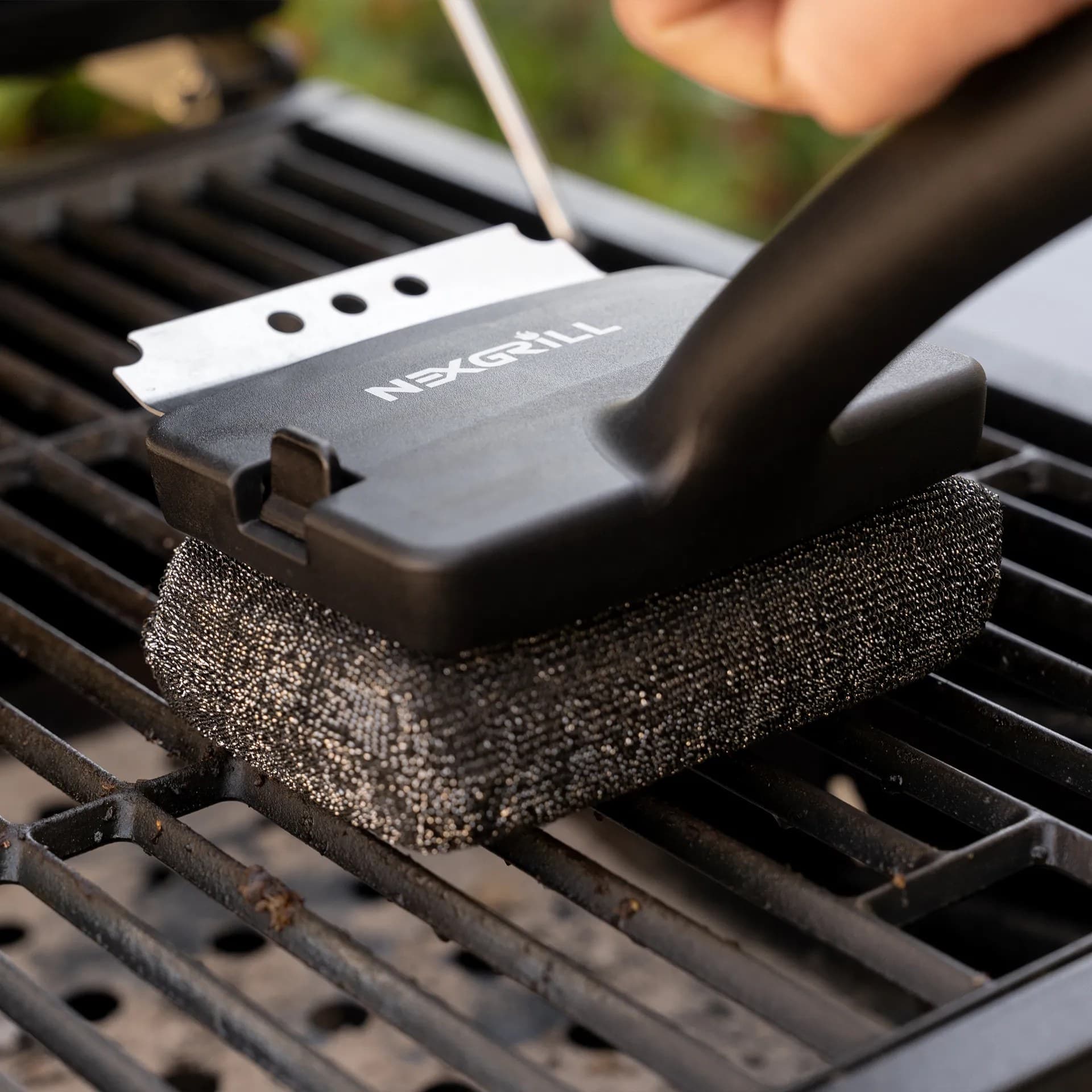
Cleanup is one of the biggest long-term differences. Charcoal leaves ash, partially burned pieces, and grease mixed into a residue that has to be removed regularly to preserve airflow and reduce mess. That extra step is manageable, but it adds friction after every cook. Gas grills usually leave you with grease management and grate cleaning, which is simpler and faster for most households.
Maintenance also affects lifespan. Charcoal units are exposed to intense heat and residue, so ash management matters. Gas grills have burners, ignition parts, and fuel connections that should be checked periodically, but the day-to-day cleanup burden is generally lower. If you want a grill that feels easier to keep ready between uses, gas has the advantage here.
Cost Analysis: Upfront vs Running Costs
Charcoal grills can be inexpensive to buy, and many basic models are widely accessible. However, charcoal is a recurring fuel expense, and the cost per cook rises over time depending on how much fuel you use. Gas grills often cost more upfront, especially if you choose larger models or stainless-steel builds, but propane refills or natural gas use can be more economical across frequent cooks. The real comparison is not sticker price alone; it is total ownership cost over a grilling season.
A practical example helps. If you grill 30 times in a season, and each charcoal cook uses a significant portion of a bag, you may spend steadily on fuel even if the grill itself was cheap. A gas grill may ask for a bigger initial investment, but after that, each meal can be more predictable in cost. For occasional users, charcoal’s lower entry price may be enough to justify it. For frequent users, gas often catches up and can become the more efficient buy.
Tip: estimate your costs by dividing annual fuel spend by the number of cooks. The grill that feels cheaper in the store may not be cheaper by the end of summer.
Safety and Health: What You Need to Know
Both grill types require care, but the risk profile is different. Charcoal produces more smoke and combustion byproducts, including compounds associated with higher formation of HCAs and PAHs when food is exposed to high heat, dripping fat, and direct flame. Gas is generally cleaner in that sense because it burns more efficiently, though flare-ups can still happen if grease accumulates or food drips heavily onto burners.
The healthiest approach is not to treat one grill as safe and the other as unsafe. Instead, manage exposure by trimming excess fat, avoiding unnecessary charring, preheating properly, and using indirect heat for thicker cuts. Ventilation matters too: never use any grill in an enclosed area, and keep outdoor setups away from overhangs and combustible surfaces. Safety is about combustion control, not fuel label loyalty.
If health is your top concern, gas has the cleaner edge overall, especially for frequent use. If flavor and tradition matter more, charcoal can still fit into a balanced cooking routine as long as you keep temperatures under control and avoid heavy charring.
Who Should Choose Charcoal Grills?
Charcoal is the better pick for grillers who want the process to feel like part of the meal. If you like tending a fire, adjusting vents, and working toward a smoky finish, charcoal gives you more of that hands-on rhythm. It suits weekend cooks, backyard hosts, and anyone who sees grilling as an event rather than a quick appliance task. It is also a good match for people who mainly cook steaks, burgers, bone-in chicken, or skewers and want a deeper barbecue profile.
Charcoal is also a smart choice if you value lower upfront cost and do not mind buying fuel more often. For a household that grills a handful of times per month, the extra setup time may feel like a fair trade for the flavor reward. The main caution is that charcoal works best for cooks who are willing to learn fire management. If you want a fire that behaves predictably without much intervention, charcoal may feel more demanding than fun.
Mistake to avoid: choosing charcoal solely because it sounds more authentic. Authenticity is useful only if you enjoy the process enough to repeat it regularly.
Who Should Choose Gas Grills?
Gas is the better fit for families, frequent grillers, and anyone who wants the most reliable path from “hungry” to “served.” If your schedule is tight, you cook after work, or you often prepare side dishes alongside the main protein, gas offers the easiest control and the fastest payoff. It is especially practical for beginners because there is less guesswork around ignition, temperature recovery, and heat zones.
Gas also makes sense when you grill a wide range of foods: vegetables, fish, sausages, kebabs, and more delicate items benefit from steady heat. Cleanup is easier, startup is faster, and the learning curve is much shallower. If your goal is to grill more often with less friction, gas usually becomes the better long-term habit. For many homes, that convenience is worth the higher purchase price.
Considerations for Pellet Grills
Pellet grills sit between charcoal and gas in a useful way. They are not the strongest pure-charcoal flavor match, but they add wood-fired character while giving you electronic temperature control that feels closer to gas. For grillers who want smoke flavor without constant babysitting, pellets are a strong third option. They are especially appealing for low-and-slow cooks, like ribs, brisket, or pulled pork, where stable temperature matters more than quick startup.
The trade-off is cost and complexity. Pellet grills usually cost more than basic gas or charcoal units, and you are adding electricity plus pellet fuel to the equation. They also depend on moving parts and controls, which means more to learn and maintain. If you want smoke flavor with more automation, pellets deserve a serious look. If you want the most affordable path to either flavor or speed, charcoal and gas still define the ends of the spectrum.
Final Thoughts on Your Grilling Choice
The right answer depends on what frustrates you less. Charcoal gives you the most traditional barbecue experience, a smoky flavor edge, and strong searing potential, but it asks for patience and attention. Gas gives you the fastest setup, the easiest control, and the simplest cleanup, but it trades away some of that fire-driven character. If you grill for ritual and flavor, choose charcoal. If you grill for speed and consistency, choose gas. If you want a middle path, pellet grills may offer the best compromise for your cooking style.
A sensible checklist is straightforward: decide how often you cook, how much time you want to spend lighting and cleaning, how important smoke flavor really is to you, and whether your budget is better spent upfront or gradually through fuel. That framework will usually point you toward the right fuel type faster than any debate thread ever could.
FAQ: Common Questions Answered
Is charcoal better than gas for flavor? Usually yes, but only by a modest margin, and the difference is most noticeable on simply seasoned foods cooked hot and fast.
Is gas healthier than charcoal? In general, gas produces fewer combustion byproducts and less smoke exposure, though safe cooking habits matter with both.
Which grill is easier for beginners? Gas is easier because it heats faster, controls more predictably, and leaves less ash behind.
Which grill is cheaper over time? It depends on how often you cook. Charcoal is often cheaper to buy, while gas can be cheaper to run for frequent grilling.