How Long Should You Run a New Propane Grill Before Cooking?
Ensure safety and enhance flavor with proper pre-cooking procedures.
In This Article
Pre-Heating Essentials
Safety Precautions
Optimize Flavor
Understanding the Importance of Pre-Heating a New Propane Grill
When you purchase a new propane grill, it's crucial to properly pre-heat it before you start cooking. This process not only ensures that the grill is working correctly but also helps to burn off any residual manufacturing oils or coatings that may be present on the grill components.
Why is Pre-Heating Necessary?
Pre-heating is essential to achieve even cooking temperatures across the grill surface. A consistent temperature is vital for cooking food properly and avoiding cold spots that can lead to undercooked meals.
Tip: Always pre-heat your grill with the lid closed to conserve energy and speed up the process.
Burning Off Manufacturing Residues
Manufacturers often apply protective oils and coatings to prevent rust and damage during transport and storage. Running your grill at a high temperature for 15-20 minutes before cooking helps eliminate these residues, ensuring they don't impart unwanted flavors to your food.
Step-by-Step Guide to Pre-Heating Your New Grill
- Open the lid and remove any packaging materials.
- Check that the propane tank is securely connected and has enough fuel.
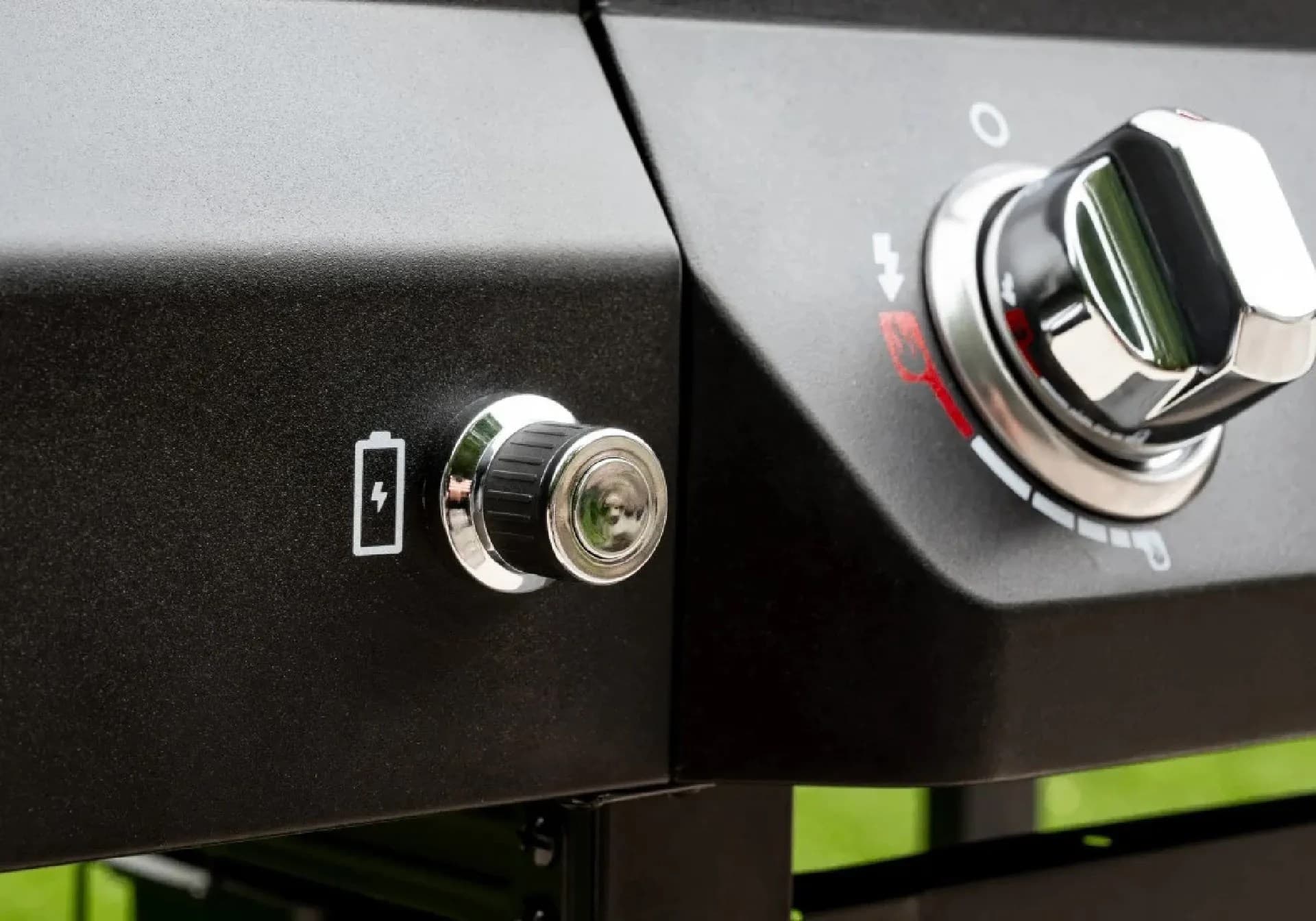
- Turn on the grill by igniting the burners and setting them to high.
- Close the lid and let the grill pre-heat for 15-20 minutes.
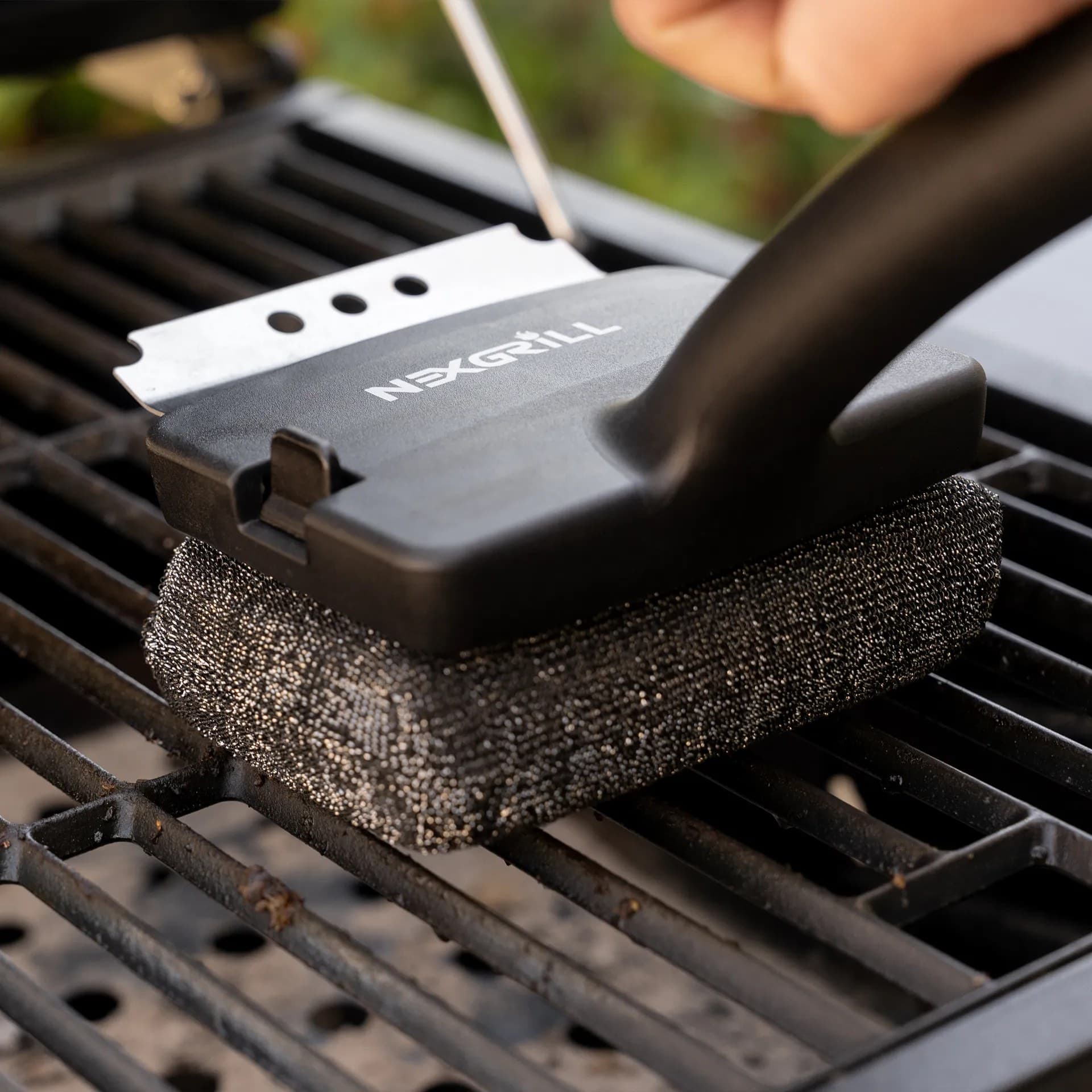
- Once the time has elapsed, use a grill brush to clean the grates.
| Step | Action |
|---|---|
| 1 | Open lid, remove packaging |
| 2 | Check propane connection |
| 3 | Ignite burners, set to high |
| 4 | Close lid, pre-heat 15-20 mins |
| 5 | Brush grates clean |
Info: Pre-heating also sterilizes the grill, killing any bacteria that may be present.
Common Mistakes to Avoid
One common mistake is not allowing the grill to heat sufficiently, leading to uneven cooking. Additionally, forget to check the propane levels can result in incomplete cooking sessions.
By following these steps and understanding their importance, you'll ensure a safer and more enjoyable grilling experience right from the start.
Try comparing two products side by side below to see which fits best:
Once You've Weighed Two Options, Here's What Else Matters
After comparing different grill models, the next step is to consider additional factors that influence your overall grilling experience. These include grill maintenance, safety checks, and optimizing cooking techniques for the best results.
Regular Maintenance for Longevity
Regularly maintaining your grill ensures it operates efficiently and extends its lifespan. This involves cleaning the burners, checking for gas leaks, and ensuring the ignition system works properly.
Safety Checks and Tips
- Inspect gas lines and connections for leaks using a soapy water solution.
- Ensure the grill is on a stable, non-flammable surface.
- Never leave the grill unattended while in use.
Warning: Never use a propane grill indoors or in an enclosed space due to carbon monoxide risks.
Optimizing Cooking Techniques
To maximize flavor and texture, consider using different cooking zones on the grill. For instance, searing meats at high temperatures followed by slow cooking on a lower setting can enhance taste and tenderness.
| Technique | Description |
|---|---|
| Searing | High heat for browning |
| Indirect Cooking | Low heat for even cooking |
| Smoking | Adding wood chips for flavor |
Choosing the Right Accessories
Accessories can greatly enhance your grilling experience. Consider investing in a quality grill cover, temperature probes, and grilling baskets to expand your cooking capabilities.
By following these comprehensive guidelines, you will not only prolong the life of your grill but also ensure every meal is cooked to perfection, making your grilling sessions enjoyable and satisfying.