Discover innovative tools that elevate your grilling experience.
Here's what sets us apart from the competition
We position ourselves as delivering high-end outdoor cooking features and performance without premium-brand pricing, emphasizing “Quality Grills. Unbelievable Value.”
We offer gas grills, pellet grills, griddles, smokers, pizza ovens, portable/tabletop grills, electric grills, accessories, and replacement parts — allowing customers to stay within one ecosystem for all outdoor cooking needs.
We differentiate ourselves through smart grilling products like the Oakford smart pellet grill, including app-connected cooking controls and modern outdoor cooking technology.

Expert tips, buying guides, comparisons, and inspiration for choosing and getting the most out of your grill.
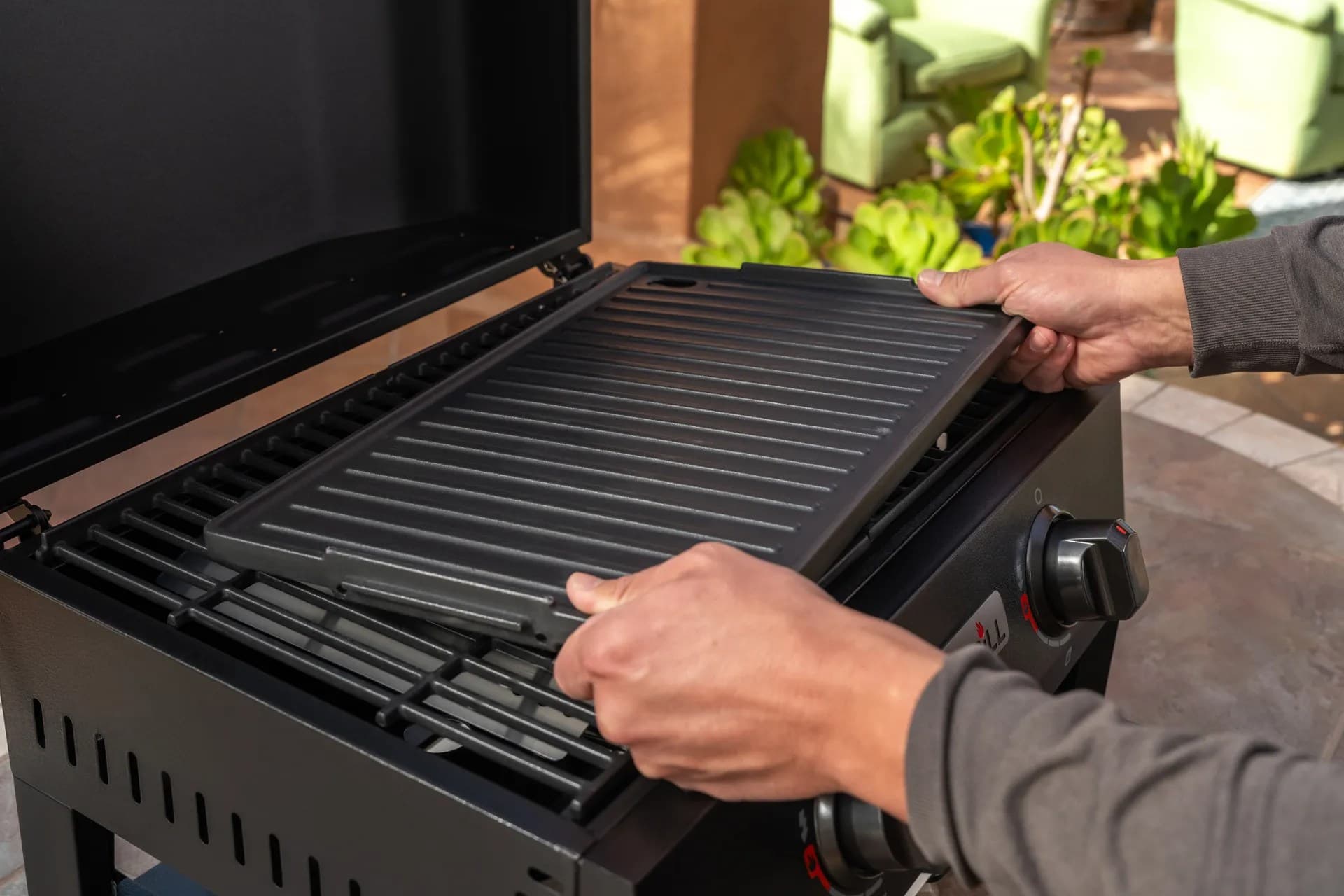
Practical guides for cleaning, maintenance, common grill issues, and performance optimization.
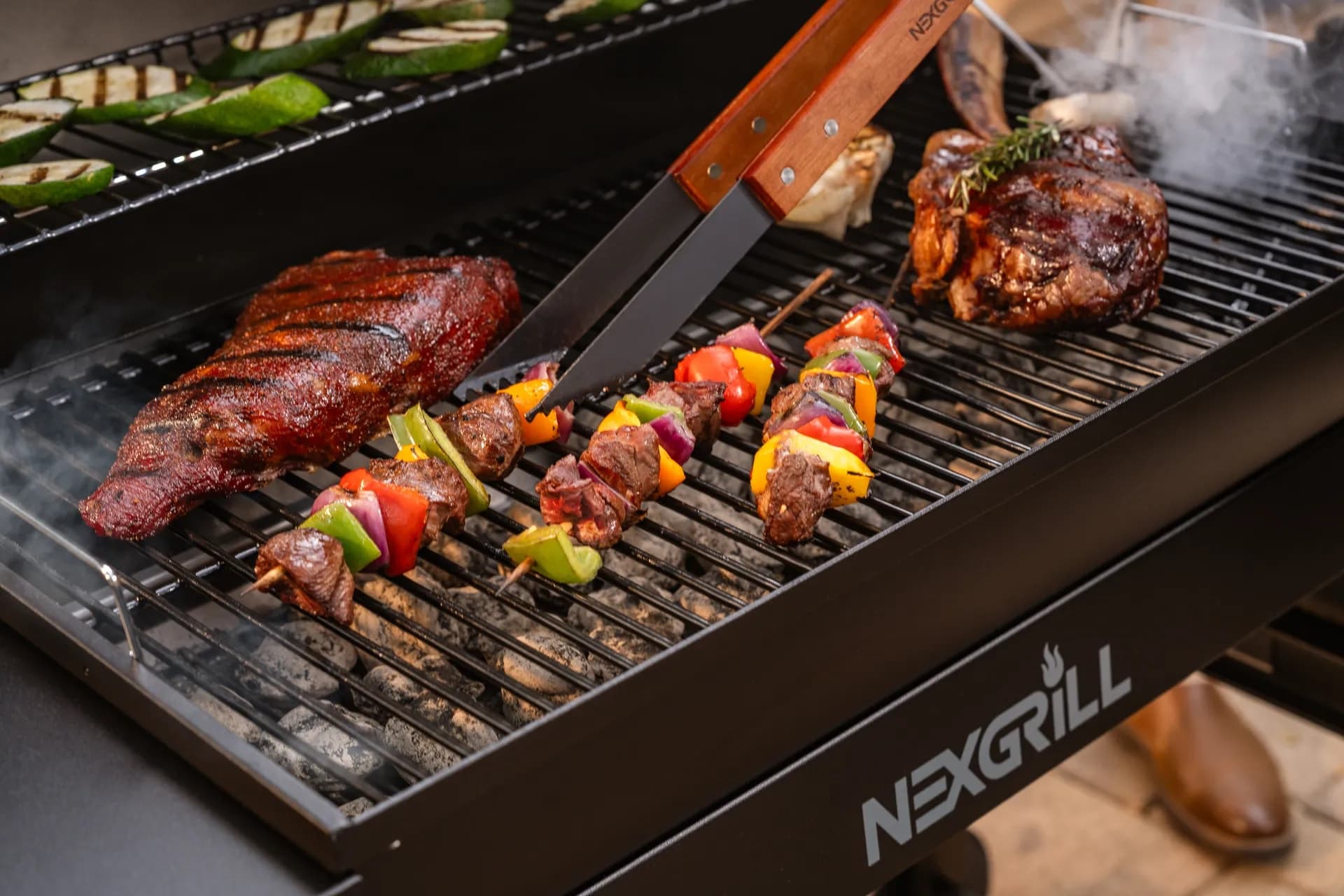
Step-by-step grilling recipes, cooking techniques, and meal ideas for every occasion and skill level.

Backyard entertaining ideas, seasonal grilling inspiration, and stories that celebrate outdoor cooking culture.
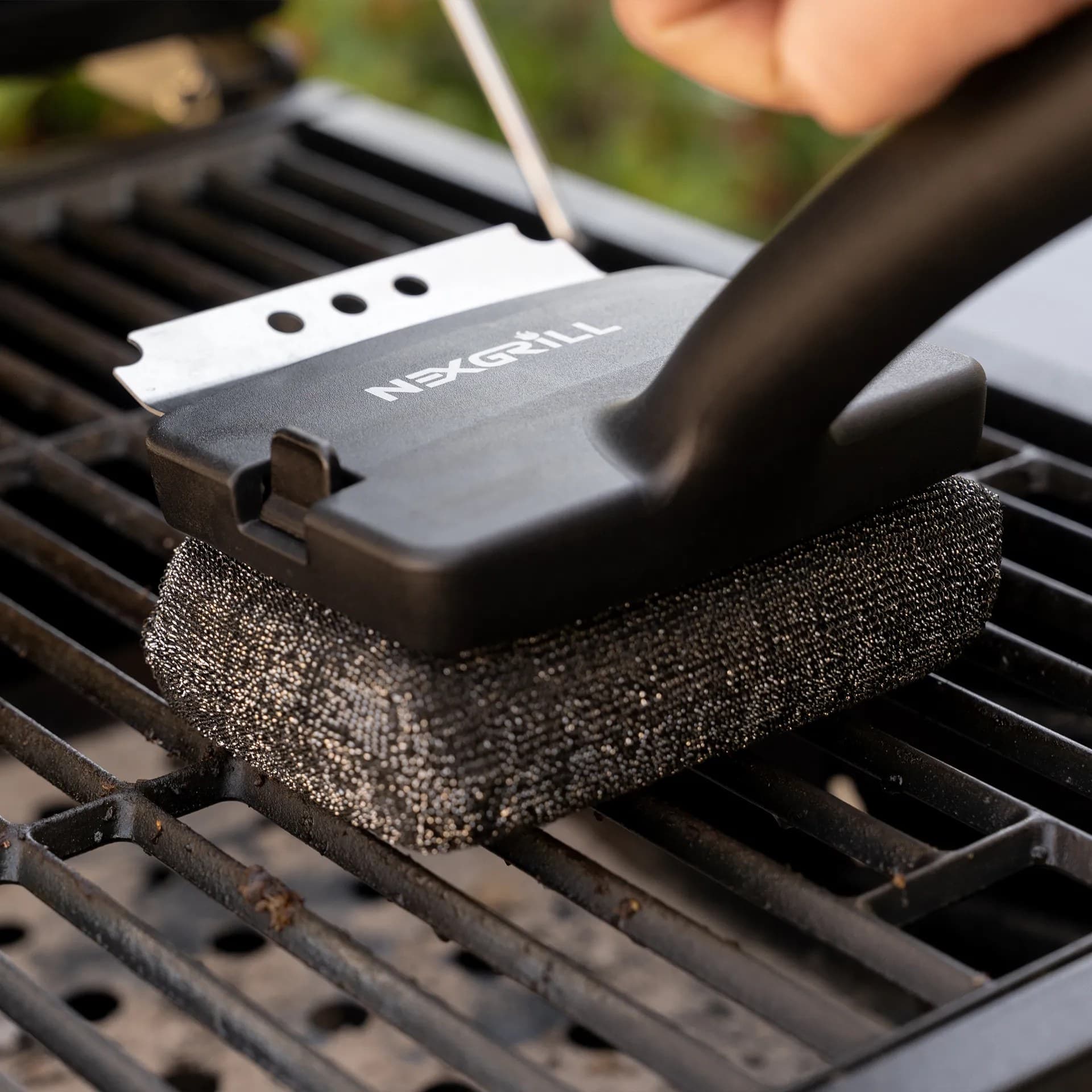
Helpful articles covering grilling tools, cookware, maintenance gear, and must-have accessories for outdoor cooking.
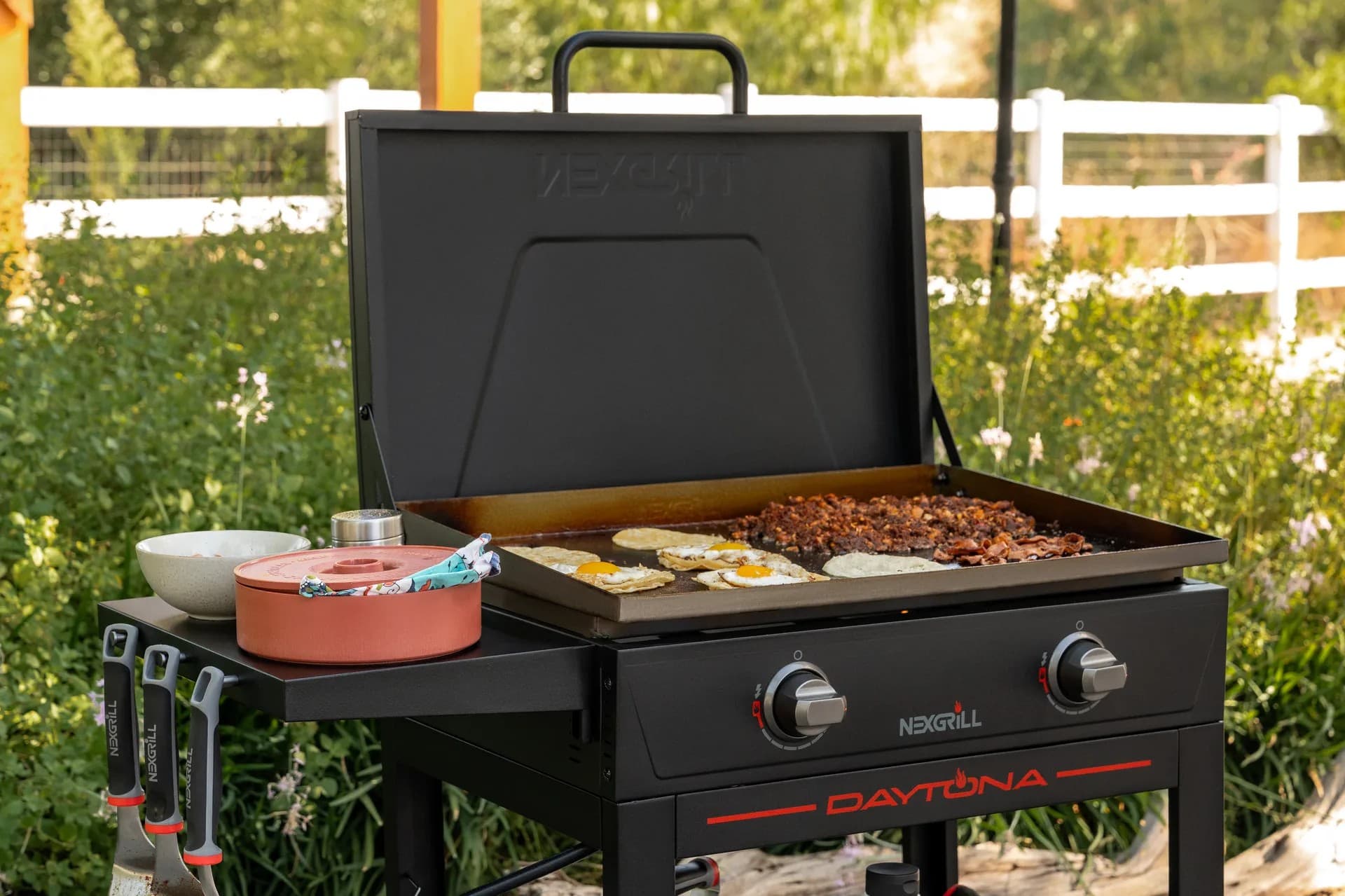
Find griddle recipes, cooking techniques, cleaning tips, and outdoor meal ideas designed for Nexgrill griddles.
Find answers to common questions
Nexgrill offers a variety of accessories including grill tools, covers, cooking utensils, and replacement parts designed to enhance your grilling experience.
Many Nexgrill accessories are widely compatible with various grill brands, but it is recommended to check the specifications for proper fit and functionality.
To maintain your Nexgrill accessories, regularly clean them with warm soapy water, avoid using abrasive materials that could scratch the surface, and store them in a dry place when not in use.
Yes, Nexgrill accessories can be purchased separately from the grills, allowing customers to customize their grilling setup as needed.
Instructions for using Nexgrill accessories are typically included in the packaging, and additional resources can be found on the Nexgrill website or in the product user manuals.
In This Article
Smart Meat Thermometers
Grill Cleaning Robots
Solar-Powered Grills
The fastest way to make a backyard cookout feel more controlled, more repeatable, and honestly more enjoyable is not necessarily a bigger grill. It is usually a better set of tools that solve specific problems at the grill. That is what makes unique grill gadgets worth exploring: they reduce guesswork, save time, and improve the way food turns out on busy weeknights and during longer weekend cook sessions. For many home cooks, the right accessory can be the difference between constantly checking the lid and confidently running the entire meal from a chair on the patio.
At Nexgrill, the most useful accessories are the ones that fit real cooking habits. A smart thermometer helps when you are juggling burgers, chicken, and vegetables at once. A cleaning robot matters when you cook often and do not want grease buildup to become a weekly chore. A solar-powered grill is less common, but it represents a real shift in how outdoor cooking products may evolve around efficiency and sustainability. Unique grilling tools can also fill small gaps that standard spatulas and tongs do not address, such as better moisture control, more consistent smoke distribution, or easier food transfer from prep area to grates.
This article focuses on gadgets that add measurable value rather than novelty for novelty’s sake. If a tool does not improve temperature control, reduce effort, broaden what you can cook, or help preserve your grill, it is not especially useful for most households. The best accessories are practical in a way that is easy to feel after one or two uses. That is why experienced grillers often build their toolkit around specific outcomes: more accurate doneness, less cleanup, better flavor application, and a smoother cooking workflow from prep to plate.
Useful grill gadgets should solve a real pain point, not just add another gadget to store in the garage.
core benefits to look for: precision, convenience, sustainability, and flavor control
The market for grilling accessories has expanded because cooks now expect more from their equipment. Many people want the speed of gas grilling with the confidence of restaurant-style temperature checks. Others want tools that reduce the amount of manual effort involved in upkeep. And some are simply looking for small, clever additions that make home grilling feel more flexible without requiring a full equipment upgrade. In that sense, unique grill gadgets are less about replacing a grill and more about extending what your current setup can do.
For Nexgrill customers, this kind of accessory-driven thinking fits especially well because the brand serves both casual grillers and more experienced outdoor cooks. A beginner may want a single tool that removes uncertainty, while a more advanced user may be interested in stacking several accessories into a more refined workflow. Either way, the best place to start is with gadgets that make temperature, cleanup, and flavor easier to manage. Try comparing two products side by side below to see which fits best:
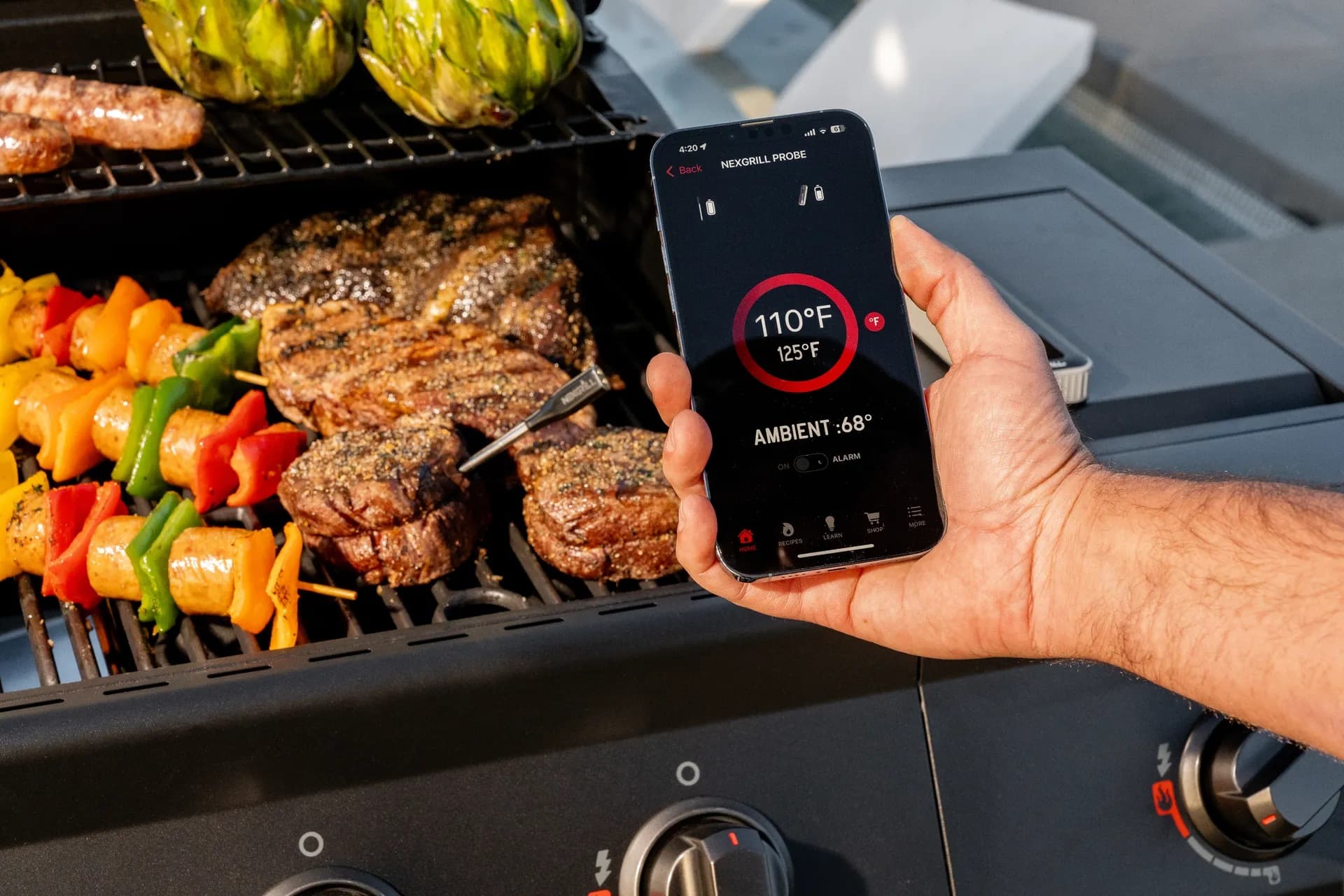
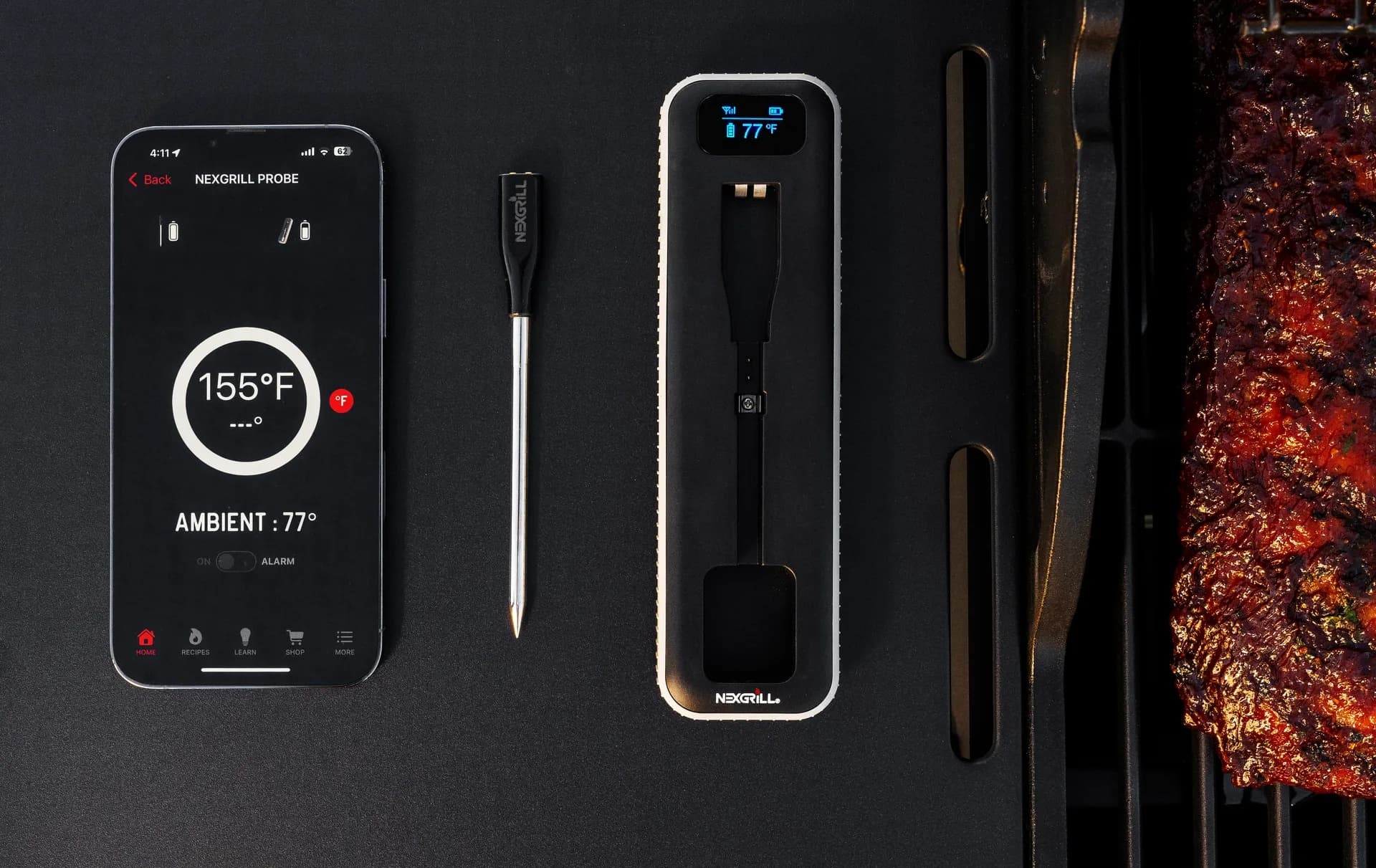
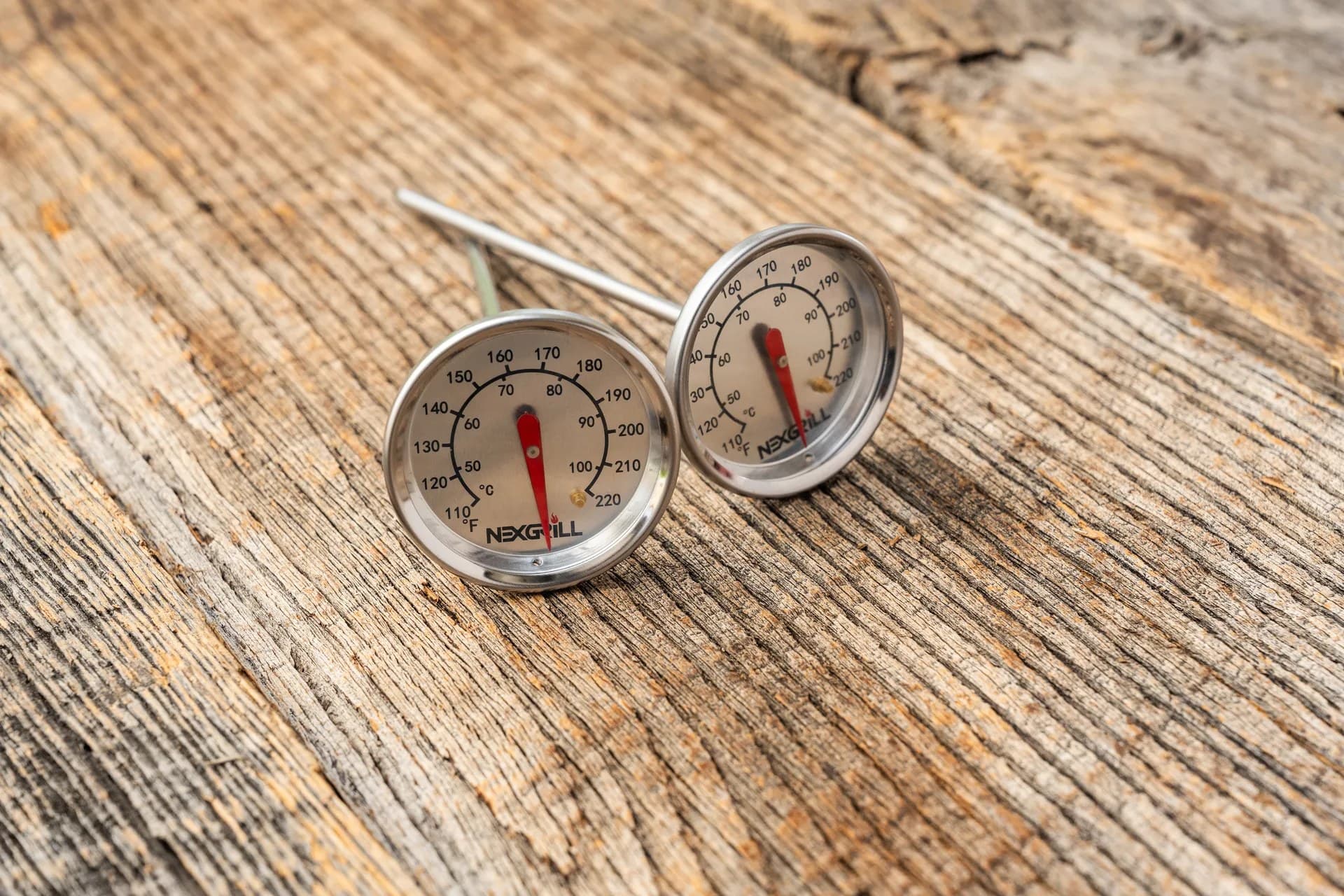
Smart meat thermometers are one of the clearest examples of a grill gadget that earns its place. Traditional instant-read thermometers are still useful, but smart models add remote monitoring, multiple probes, app alerts, and trend tracking so you can keep an eye on several foods at once. That matters when you are cooking chicken breasts to a safe final temperature while also trying not to overcook salmon, or when a pork shoulder needs a long, steady roast and your attention is being pulled inside to prep sides. The practical value is simple: you spend less time opening the lid and more time cooking with confidence.
In real backyard use, a smart thermometer is especially helpful for people who do not want to stand next to the grill the entire time. Many systems can connect to a phone through Bluetooth or Wi-Fi, letting the cook step inside, keep an eye on the temperature curve, and receive alerts when the food reaches a target range. This reduces the chance of overcooking from distraction, which is one of the most common reasons home-grilled protein turns out dry. It also supports better planning because you can estimate when food will be ready instead of guessing.
There is another important advantage: smart thermometers make it easier to learn. Watching how fast a cut rises in temperature, and how long it holds once removed from heat, teaches habits that improve future grilling sessions. Over time, users begin to understand how grill lid position, outside temperature, wind, and food thickness all affect cook time. That kind of feedback loop is far more valuable than a single number on a display. It turns every cook into a small lesson in heat management.
If you cook proteins frequently, a smart thermometer is one of the highest-impact upgrades you can make without changing your grill.
When evaluating these thermometers, pay attention to probe count, app reliability, range, charging method, and whether the device can handle the full temperature span you use most often. A model with a single probe may be enough for weeknight chicken thighs, but multi-probe systems are better for mixed menus or larger cuts. The probe wire quality also matters because it is exposed to heat, grease, and repeated use. In short, the best thermometer is not the one with the most features on paper; it is the one that fits the way you actually cook.
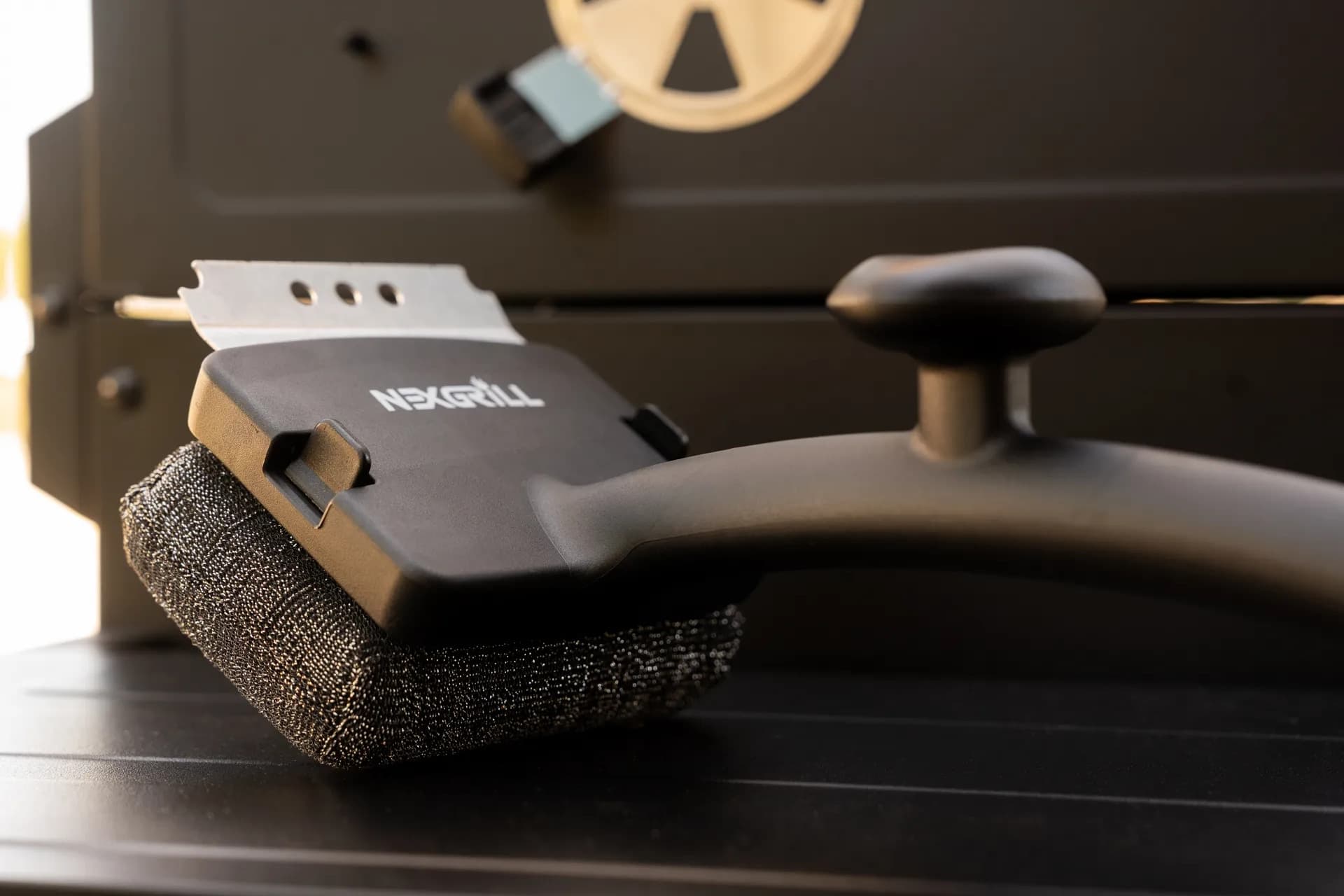
Grill cleaning robots sound futuristic, but the concept is straightforward: automate the repetitive work of removing residue, scrubbing grates, and managing surface debris after cooking. For households that grill often, post-cook cleanup can become the least enjoyable part of the experience. A robot or automated cleaner can reduce the friction involved in maintenance, especially when the grill is used several times a week and the grates need attention after each session. The main appeal is not magic; it is consistency.
These devices are most compelling for owners who value convenience and are willing to invest in a specialized tool for a specific task. Imagine finishing a burger night and instead of dealing with a full manual scrub immediately, you run a cleaning tool that handles the first pass. That first pass is often the hardest part because it loosens carbonized residue before it becomes harder to remove. In busy households, that can be enough to keep the grill ready for the next meal without turning cleaning into a late-night project.
Not every grill and not every cleaning robot will pair the same way, so buyers should focus on grate type, size compatibility, heat tolerance, and how much manual finishing is still required. Some solutions work best as a pre-cleaning aid, while others aim to reduce scrubbing time significantly. The point is to make upkeep easier and more predictable, which can also support better food quality. A cleaner cooking surface generally means less old residue affecting flavor, less flare-up risk from buildup, and fewer unpleasant surprises the next time you preheat.
Even the best cleaning robot usually complements manual care; it is designed to reduce effort, not eliminate all cleaning.
For buyers comparing this category, the smartest question is what stage of cleanup the gadget improves. Does it remove loose debris? Can it tackle stuck-on residue? Does it work on your grate material? Can it be stored easily near the grill? The answers matter because grill maintenance gadgets are useful only when they fit your workflow. If cleaning currently feels like a barrier to grilling more often, a robot-style accessory may have more practical value than a decorative add-on or a redundant utensil.
Solar-powered grills represent one of the most interesting directions in outdoor cooking because they bring energy use and cooking style into the same conversation. In simple terms, the appeal is that sunlight becomes part of the cooking process, which can reduce dependence on traditional fuel sources in specific use cases. This does not mean solar grilling replaces every gas or charcoal setup, but it does point to a future where outdoor cooking can be more energy-aware. For people who care about sustainability, that is a meaningful development, even if it is still a niche category.
The biggest practical limitation is that solar cooking depends on conditions. Strong sun, proper angle, and sufficient exposure are all part of the equation, which makes these grills better suited for certain climates and certain cooking styles. They are most interesting for slower, thoughtful cooks rather than fast searing. That makes them different from the standard backyard gas grill experience, and buyers should approach them with realistic expectations. A solar-powered grill is not usually about cooking a dozen burgers in a hurry; it is about demonstrating that cooking can happen with a different energy model.
For some households, the value is educational as much as culinary. Families may use solar cooking to talk about energy use, renewable resources, and how environmental choices affect everyday activities. For others, the appeal is experimental. They may want to try a new method that broadens the range of what outdoor cooking can mean. In either case, the gadget category is a reminder that grilling is not just about heat output. It can also be about how that heat is generated and managed.
Solar-powered cooking is best viewed as a specialized option for certain conditions, not a one-size-fits-all replacement for gas or charcoal.
Because the category is less common, buyers should compare build quality, reflectivity or panel design, ease of positioning, and expected cooking times. A good solar cooker also needs to be practical to set up and stable enough for outdoor use. If a model is difficult to align or too fragile for repeated use, the novelty fades quickly. The most useful units are the ones that make renewable cooking accessible, not complicated.
Beyond thermometers, cleaners, and renewable-energy concepts, a useful grilling setup often includes clever tools that improve the way food is handled, seasoned, or finished. These are the accessories that do not always get the attention of a major gadget launch, but they can quietly make the biggest difference in daily cooking. Think of tools that help manage delicate fish, distribute marinades more evenly, hold food at the right angle, or simplify transfer from prep station to grate.
One practical example is a tool designed for better flavor application. Basting brushes with heat-resistant bristles, injector-style seasoning tools, and spice application accessories can help home cooks improve consistency. If you have ever noticed that one steak seems better seasoned than another, you already understand the appeal. Precision in flavor delivery matters just as much as precision in temperature. A better tool makes it easier to build repeatable results instead of relying on guesswork or uneven hand application.
Another useful direction is food handling. Grill baskets, rib racks, flexible spatulas, and lift-and-turn tools all solve awkward moments when food is too fragile or too small for standard tongs. That matters for vegetables, shrimp, sliced peppers, or smaller cuts that can fall through grates. When an accessory helps you cook more types of food confidently, it increases the range of meals you can make on the grill without frustration. Over time, that means the grill becomes a more versatile part of the kitchen rather than a tool used only for a few standard items.
The best unique grill tools expand your menu as much as they improve your technique.
If you are deciding which accessories matter most, start with the food you cook most often. Seafood lovers need different support than people who regularly make chicken wings or skewers. People who host brunch need different tools than people who focus on weeknight steaks. That is why unique grill gadgets are best selected by use case, not by novelty label. A good accessory should remove a bottleneck, improve a repeat task, or help you cook something you otherwise avoid.
The most worthwhile grill gadgets are the ones that make outdoor cooking feel smoother, more accurate, and more flexible. Smart thermometers improve confidence and reduce overcooking. Cleaning robots and automated maintenance tools reduce the burden of care. Solar-powered grills point toward a different, more sustainable future for outdoor cooking. Unique grilling tools expand what you can prepare and how efficiently you can do it. Together, these accessories show that grilling innovation is not only about bigger grills or higher heat; it is about making every step of the process easier to manage.
For Nexgrill customers, the smartest approach is to choose gadgets that fit real habits and real meals. If you grill often, temperature precision may be your top priority. If you delay cleanup, a maintenance-focused tool may provide the fastest payoff. If you enjoy experimenting, a solar or specialty accessory may bring new inspiration to your routine. The right gadget should earn its storage space by doing something better than your current setup already does.
Once you know which problem you want to solve, comparing tools becomes much easier. Look for the accessory that matches your cooking style, your available space, and the foods you prepare most often. That mindset turns shopping from a novelty hunt into a practical upgrade path, which is the best way to get lasting value from unique grill gadgets.
Once you have compared a few tools side by side, the next step is figuring out which accessories genuinely fit your grilling routine. That is especially important with unique grill gadgets, because the category can include everything from practical precision tools to experimental products that are interesting but not always essential. A good accessory should do more than look clever on a product page. It should save time, sharpen results, or open up a new way to cook that feels useful enough to repeat every week.
Cutting-edge grilling accessories are most valuable when they solve the hidden frustrations of outdoor cooking. Maybe you are tired of overchecking the lid and losing heat every few minutes. Maybe cleanup takes longer than the meal itself. Maybe you want to cook with a lower environmental footprint. Or maybe you simply want to make your grill more adaptable so it can handle breakfast, lunch, dinner, and a few specialty dishes in between. Each of those goals points to a different kind of gadget, which is why the best buying decisions are based on use case rather than hype.
For a brand like Nexgrill, this topic matters because many grill owners begin with a core appliance and gradually build around it. Accessories become the bridge between a standard grill and a more tailored outdoor cooking station. The right combination can improve not only the food but also the experience of using the grill: less waiting, fewer mistakes, and more confidence when cooking for family or friends. In that sense, innovative accessories are less about “extra features” and more about building a system that fits the way you cook.
Smart meat thermometers are one of the few grill accessories that deliver immediate, measurable value. A probe thermometer tells you what is happening inside the food, which is information your eyes cannot provide. Smart versions take that further by sending the data to a phone or base unit so you can monitor temperatures without hovering over the grill. That is especially helpful during longer cooks, when timing matters less than steady progress and repeated lid openings can interfere with heat stability.
A practical example is a family dinner where you are grilling bone-in chicken, vegetables, and a couple of steaks at the same time. A smart thermometer can track the chicken’s internal temperature while you focus on finishing the vegetables and searing the steaks. Rather than checking each item manually and guessing, you can rely on alerts when targets are approaching. For home cooks, that means fewer dry cuts, fewer undercooked surprises, and a smoother flow from grill to table.
This category is especially useful for proteins that reward accuracy. Chicken, pork chops, pork shoulder, brisket, and salmon all benefit from knowing the real internal temperature rather than using cooking time alone. The advantage is not just accuracy; it is repeatability. Once you learn how a particular cut behaves on your grill, you can recreate the same result more reliably. That is valuable for beginners who want more confidence and for experienced cooks who want to reduce variability.
Choose a smart thermometer based on how many foods you cook at once, not just on app features.
The most important buying criteria are probe count, alert speed, connectivity range, and durability. A single-probe model may be perfectly adequate if you mostly grill one protein at a time. Multi-probe units are better if you prepare several items together or like comparing different sections of a larger cut. The app should be straightforward to read, because the point of a smart thermometer is to reduce friction. If the device is difficult to pair or the notifications are unreliable, the convenience advantage disappears quickly.
There is also an educational angle. Over time, smart thermometers show how quickly your grill gains and loses heat, how weather conditions affect cooking time, and how food thickness changes the curve. That feedback can help you make better decisions even when you are not using the thermometer. So while the obvious benefit is temperature accuracy, the hidden benefit is a better understanding of how your equipment performs in real conditions.
Grill cleaning robots are designed for cooks who want to spend more time enjoying the meal and less time dealing with the aftermath. Cleanup is a real barrier for many people, especially after a long cook session with sticky sauces, rendered fat, or charred residue. A robotic or semi-automated cleaner can help handle the repetitive part of the job, making the grill easier to reset for the next use. The appeal is straightforward: less manual scrubbing and more consistent post-cook upkeep.
A useful way to think about these gadgets is as time-savers that protect your routine. If you grill on weeknights, a long cleanup can discourage future use. If the tool reduces that effort by even a noticeable margin, it may improve how often you actually fire up the grill. That matters because accessories should make cooking easier to sustain, not just more interesting to discuss. For frequent grillers, reducing cleanup friction can have a bigger effect on overall satisfaction than a flashy add-on that only gets used occasionally.
These cleaners are most effective when matched correctly to the grill surface and grate style. Buyers should examine whether the robot works with cast iron, stainless steel, or other grate materials, and whether it is intended for light residue or heavier buildup. A cleaner that is easy to dock, charge, and store will also feel more practical over time. Since maintenance tools are used after the meal, convenience matters almost as much as cleaning performance.
A cleaning robot is most useful when it shortens the first pass, which is often the hardest part of grill maintenance.
If you are comparing options, ask whether the device is meant to replace manual care or simply support it. Most households will still need to brush, wipe, or inspect the grill after the automated step. That is fine. The point is to reduce the intensity of the task and keep the grill in better shape between cooks. For people who grill often, that can help preserve cooking performance and keep the surface in better condition overall.
Solar-powered grills sit at the intersection of outdoor cooking and energy efficiency. They are not the most common type of grill gadget, but they offer a compelling idea: using renewable energy to prepare food. That makes them interesting for homeowners who want to explore lower-fuel cooking methods or reduce the dependence on traditional heat sources in certain scenarios. The technology is specialized, but the concept is easy to understand and increasingly relevant to consumers who think about sustainability when buying appliances.
The practical reality is that solar cooking depends heavily on weather, placement, and time. Strong sunlight and the ability to angle the unit properly matter a great deal. As a result, solar grills usually make the most sense for slow cooking or experimental outdoor meals rather than fast-paced searing. That distinction is important because it sets expectations correctly. A solar-powered unit can be a fascinating and useful part of an outdoor setup, but it is not a direct replacement for every gas or charcoal recipe.
For the right user, though, the value is real. Families may appreciate the educational aspect of cooking with sunlight. Hobbyists may enjoy experimenting with a technique that feels different from conventional grilling. Some users may simply like the idea of a more resource-conscious outdoor cooking approach. In each case, the gadget’s strength is that it changes the conversation around grilling from fuel consumption to renewable energy use.
Solar grills are best for cooks who value experimentation and sustainability as much as speed.
When evaluating this category, focus on how easy the grill is to position, how stable it is outdoors, and what level of cooking performance you can reasonably expect in common conditions. Build quality matters because a solar cooker needs to survive outdoor exposure while maintaining alignment and efficiency. If setup feels cumbersome, it will be used less often. The best models are the ones that make renewable cooking approachable instead of complicated.
Some of the most valuable grill gadgets are not high-tech at all. They are the specialized tools that make certain foods easier to cook, season, flip, or serve. These are the accessories that expand the menu rather than just improving a single process. For example, a well-designed grill basket can help you handle vegetables, shrimp, or smaller cuts that would otherwise be awkward on open grates. A flexible turner can make delicate items easier to move without tearing. A marinade injector can help distribute flavor more evenly inside thicker cuts of meat.
This category stands out because it can change what you feel comfortable attempting on the grill. When the right tool is available, cooks are more likely to try foods that are delicate, irregularly shaped, or otherwise annoying to manage with standard tongs. That means a more versatile outdoor cooking routine. Instead of relying on the same handful of proteins every time, you can branch into seafood, vegetables, breakfast items, skewers, and mixed plates with better control.
Flavor-focused gadgets also deserve attention. Basting brushes with heat-resistant materials, seasoning shakers designed for even application, and injector tools for marinades all help improve consistency. They are useful because flavor is often uneven when applied manually under time pressure. Better tools make it easier to season every portion correctly and support the kind of repeatable results that make home grilling feel more professional.
If a tool helps you cook something you usually avoid, it is probably more useful than a flashy gadget you only admire online.
When choosing among unique grilling tools, match the tool to the food. Seafood needs gentle handling. Vegetables need surface control. Larger cuts need sturdy flipping and lifting. Small items need containment. The best accessory is not the most complicated one; it is the one that removes the most annoying part of the cook. That is how a collection of small gadgets can quietly improve the entire outdoor cooking experience.
Innovative grill gadgets are most valuable when they fit naturally into the way you already cook. Smart thermometers help you hit doneness more accurately and with less stress. Grill cleaning robots reduce the drag of cleanup and make maintenance more manageable. Solar-powered grills offer a different model of outdoor cooking rooted in renewable energy. Unique tools for seasoning, flipping, holding, and transferring food help expand your menu and improve consistency. Together, these accessories make grilling more controlled, more convenient, and more adaptable.
The best approach is to start with the weak point in your current routine. If timing and temperature are your biggest challenges, begin there. If upkeep keeps you from using the grill as often as you would like, focus on maintenance tools. If you want to explore new cooking methods, specialty accessories may be the most rewarding purchase. The goal is not to own every gadget available; it is to choose the ones that make your real outdoor cooking experience better.
That practical mindset creates better results and better value. Unique grill gadgets are most useful when they are selected for function, not novelty. Once you identify the problems you want to solve, it becomes much easier to build a smarter accessory setup that supports the way you grill today and the meals you want to make next.
Here's what sets us apart
We position ourselves as delivering high-end outdoor cooking features and performance without premium-brand pricing, emphasizing “Quality Grills. Unbelievable Value.”
We offer gas grills, pellet grills, griddles, smokers, pizza ovens, portable/tabletop grills, electric grills, accessories, and replacement parts — allowing customers to stay within one ecosystem for all outdoor cooking needs.
We differentiate ourselves through smart grilling products like the Oakford smart pellet grill, including app-connected cooking controls and modern outdoor cooking technology.
Don't just take our word for it
Keep reading
From our catalog