A comprehensive guide to the best pellet grills available, featuring in-depth reviews, brand comparisons, and expert recommendations.
Here's what sets us apart from the competition
We position ourselves as delivering high-end outdoor cooking features and performance without premium-brand pricing, emphasizing “Quality Grills. Unbelievable Value.”
We offer gas grills, pellet grills, griddles, smokers, pizza ovens, portable/tabletop grills, electric grills, accessories, and replacement parts — allowing customers to stay within one ecosystem for all outdoor cooking needs.
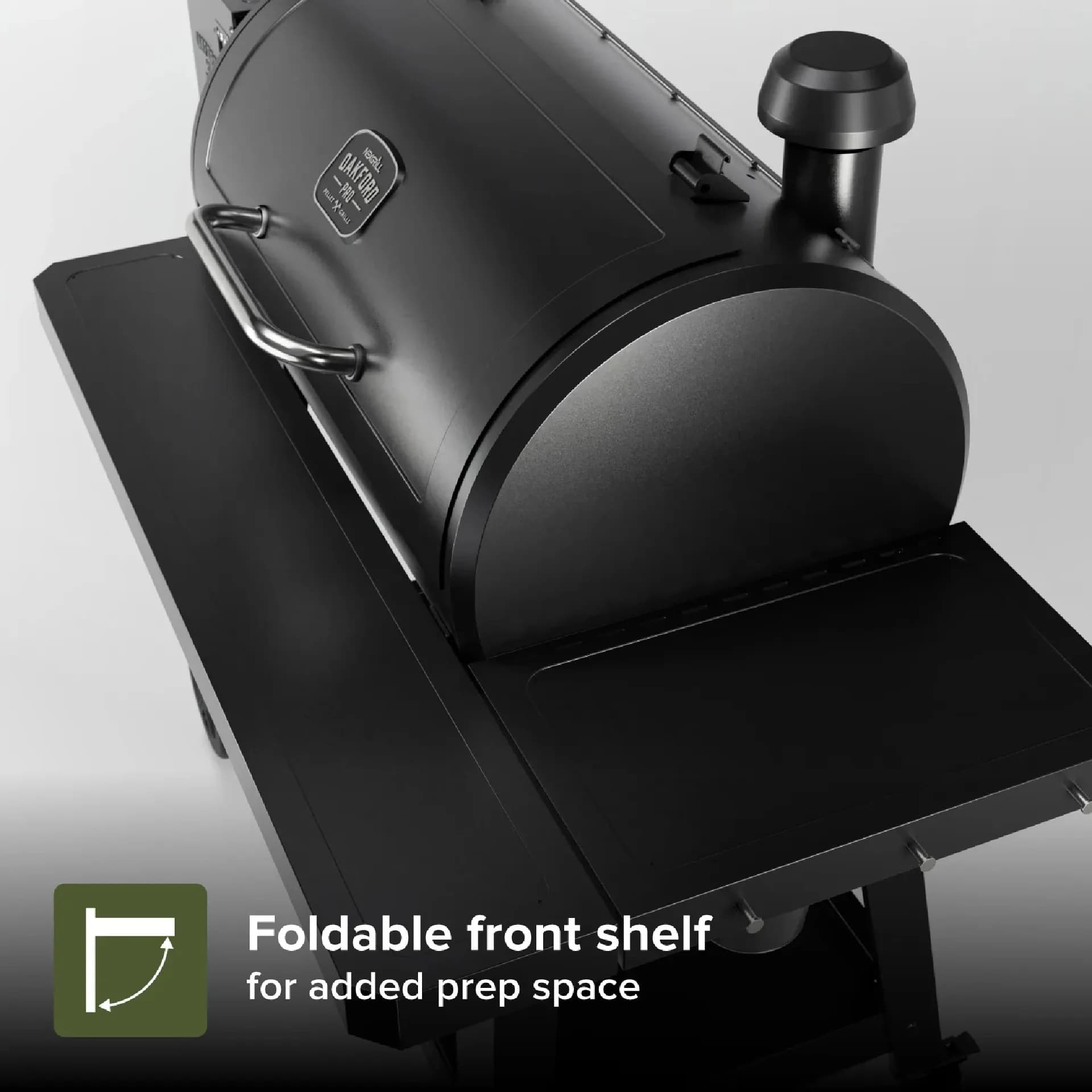
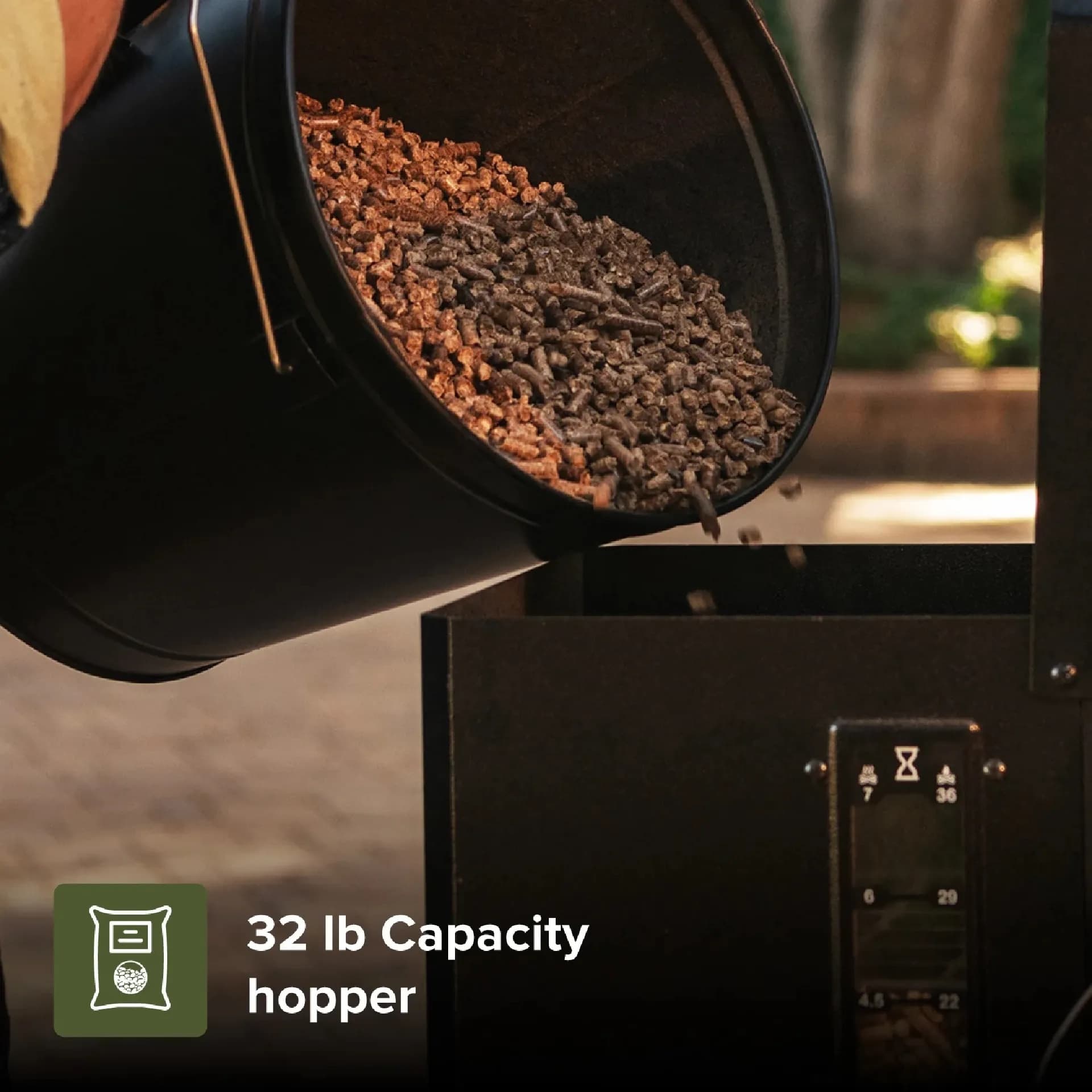
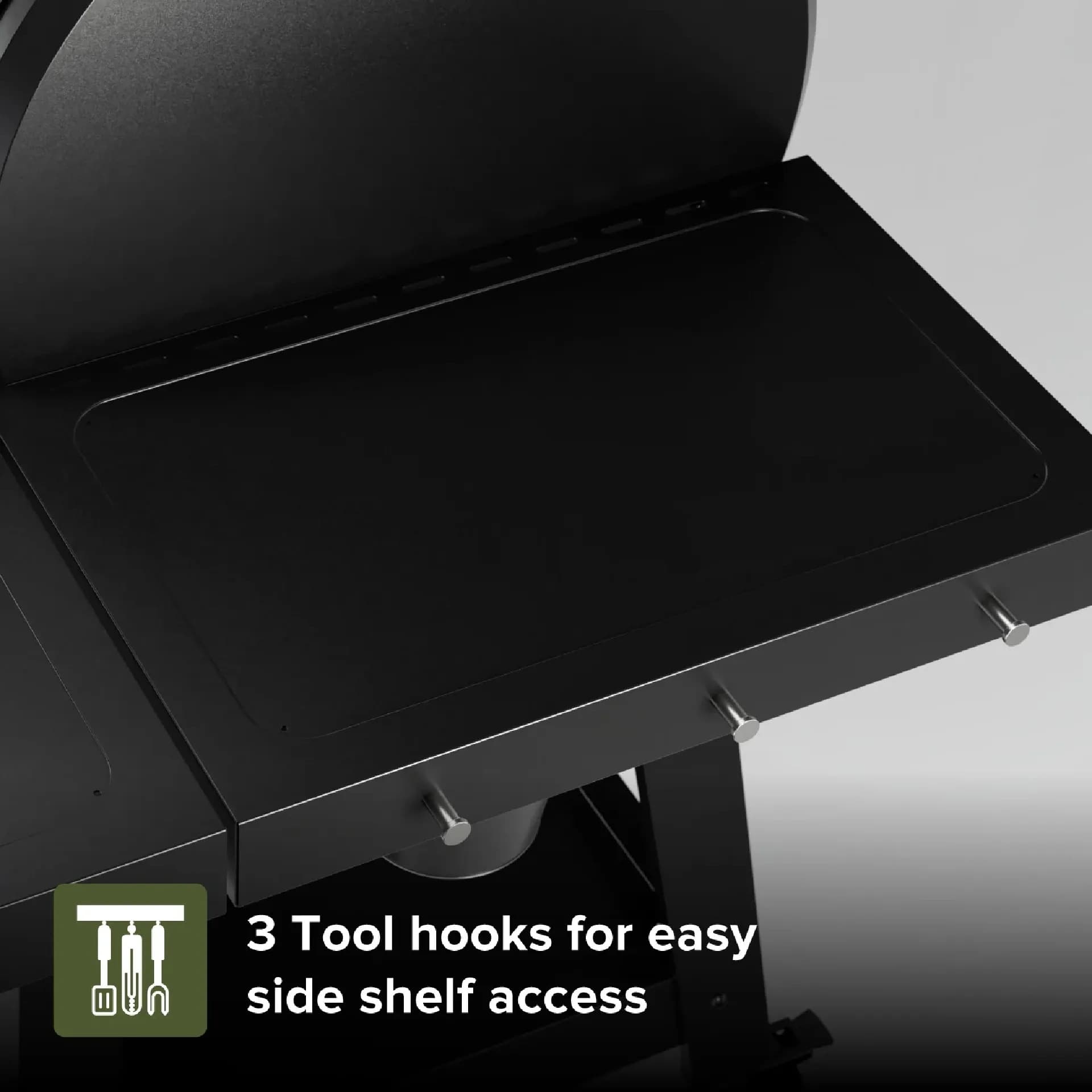
We differentiate ourselves through smart grilling products like the Oakford smart pellet grill, including app-connected cooking controls and modern outdoor cooking technology.
Expert tips, buying guides, comparisons, and inspiration for choosing and getting the most out of your grill.
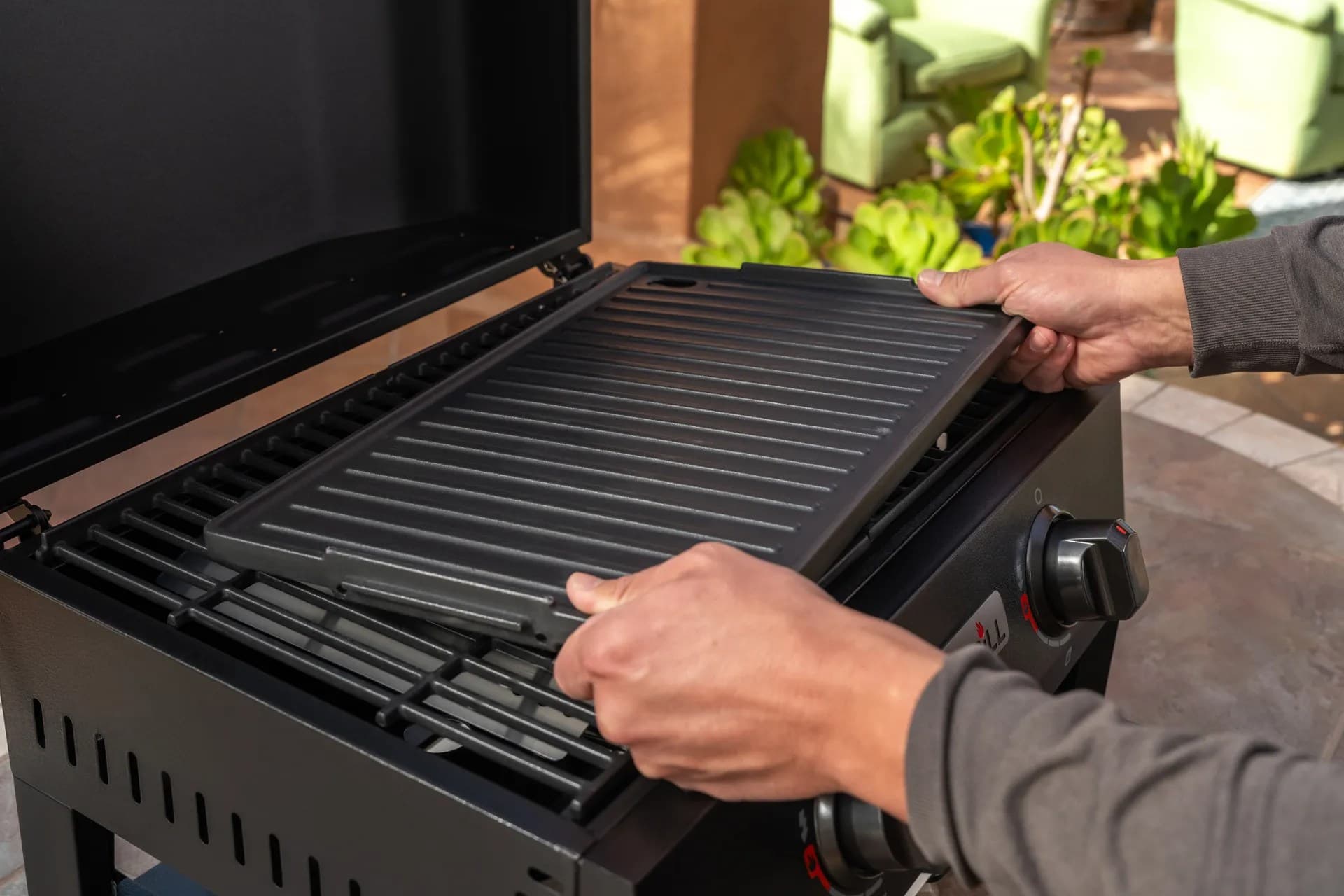
Practical guides for cleaning, maintenance, common grill issues, and performance optimization.
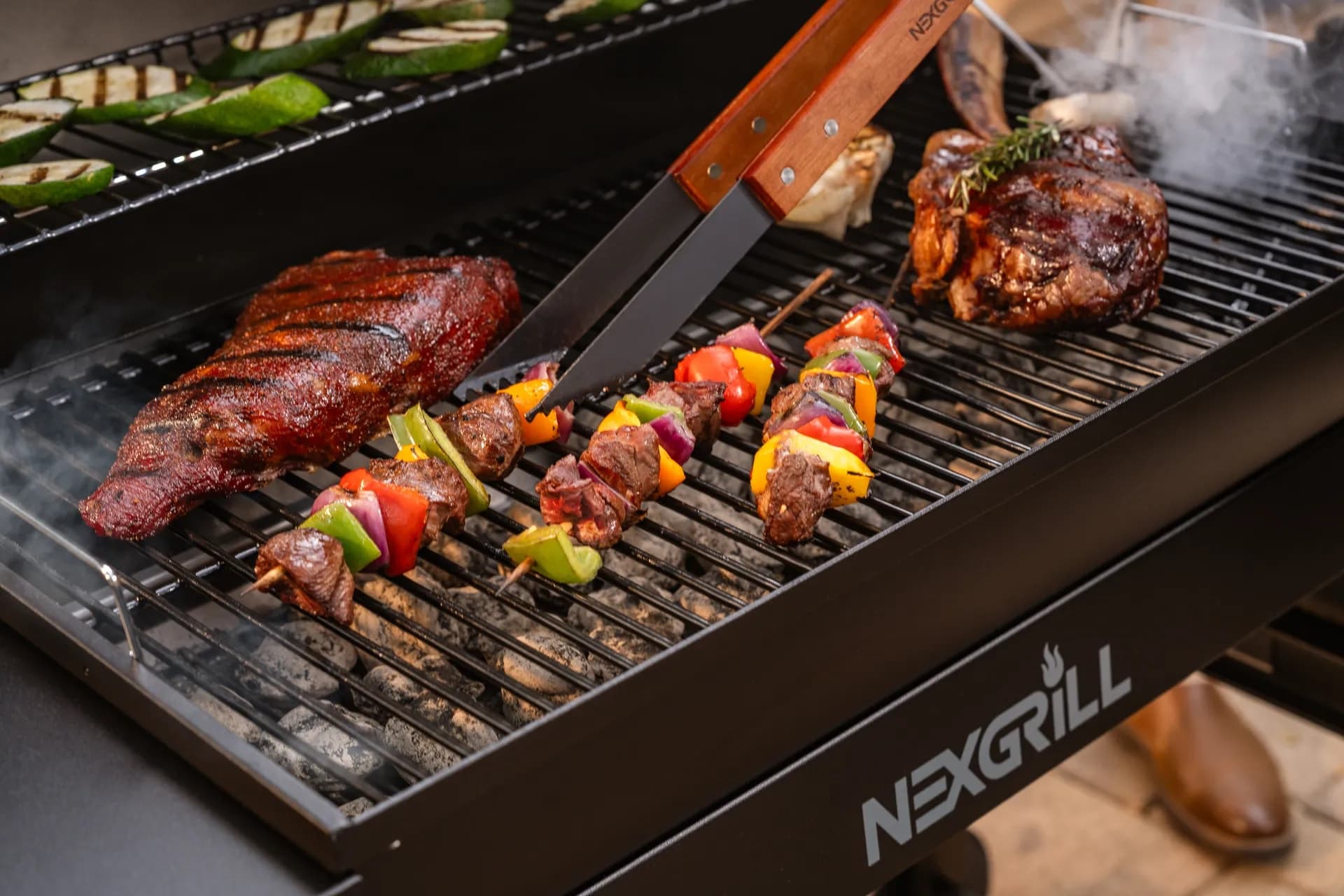
Step-by-step grilling recipes, cooking techniques, and meal ideas for every occasion and skill level.

Backyard entertaining ideas, seasonal grilling inspiration, and stories that celebrate outdoor cooking culture.
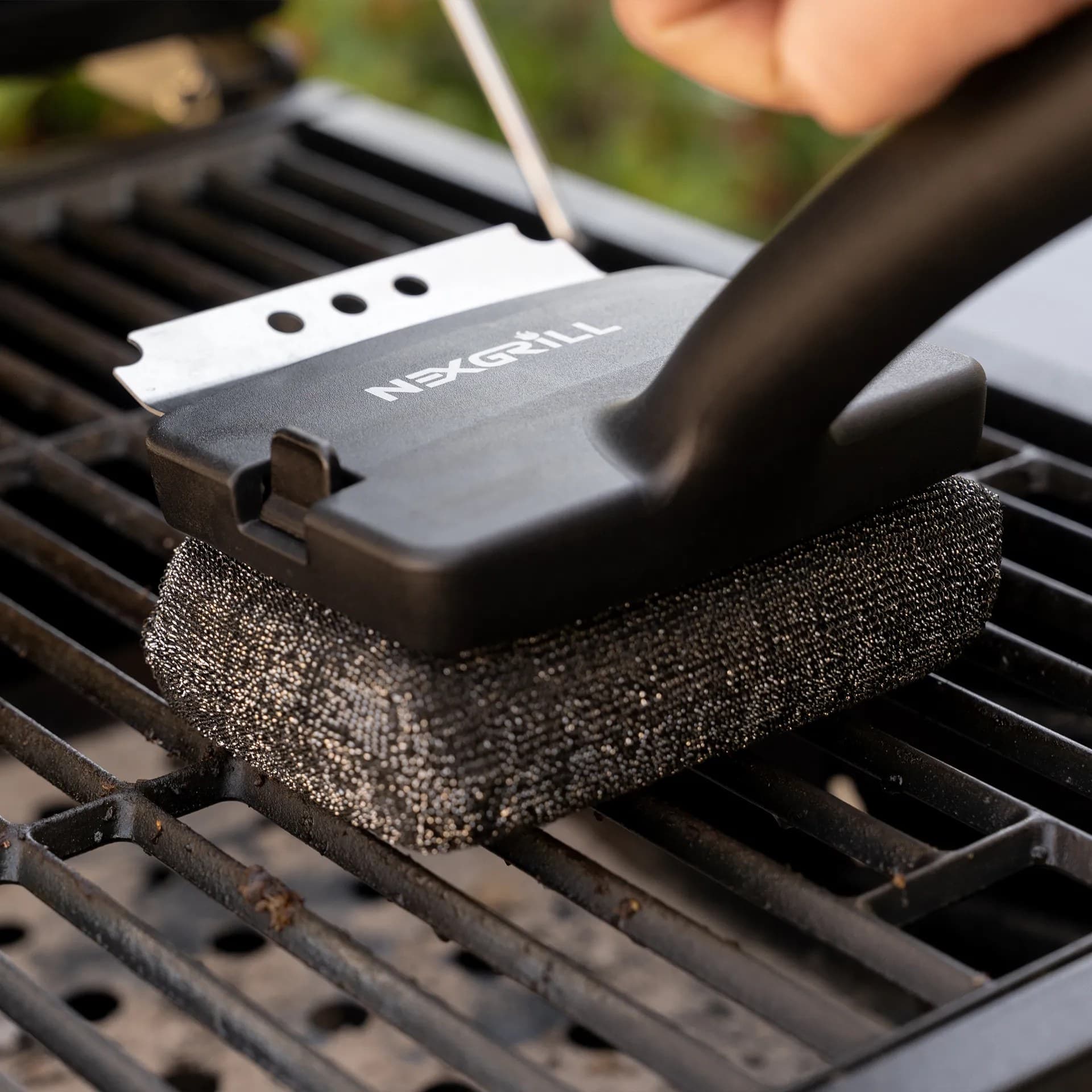
Helpful articles covering grilling tools, cookware, maintenance gear, and must-have accessories for outdoor cooking.
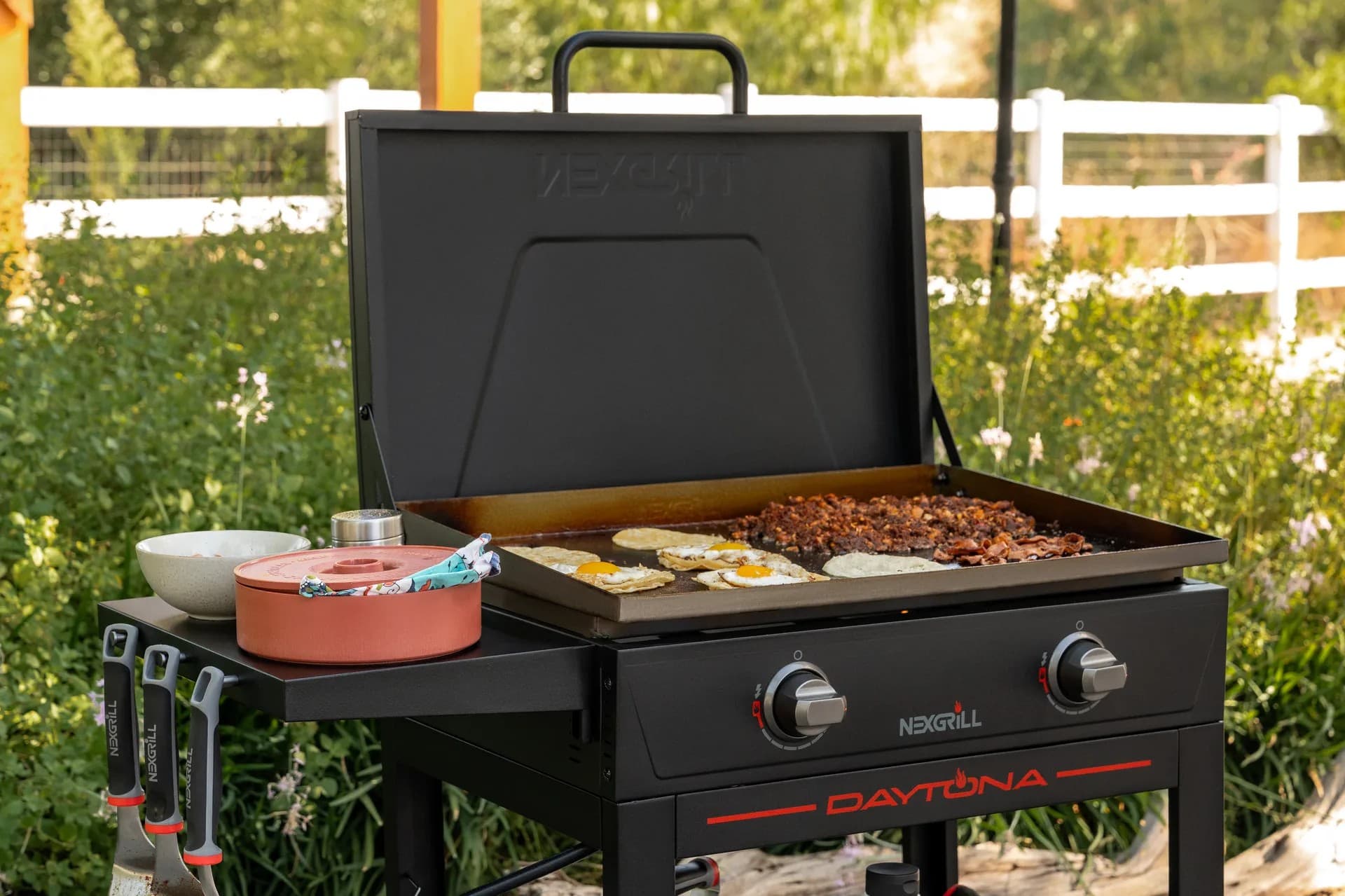
Find griddle recipes, cooking techniques, cleaning tips, and outdoor meal ideas designed for Nexgrill griddles.
Find answers to common questions
Pellet grills offer versatility by allowing you to smoke, grill, and bake with precise temperature control. They use wood pellets as fuel, providing a unique flavor to your food that is difficult to achieve with other types of grills.
Consider factors such as cooking capacity, temperature range, and additional features like digital controls or Wi-Fi connectivity. Assessing your cooking habits and space availability can also help in selecting a suitable model.
You can use a variety of food-grade wood pellets, including oak, hickory, mesquite, cherry, and apple. Each type of wood imparts a different flavor to your food, allowing for a unique grilling experience.
Regular cleaning involves emptying the ash pan, cleaning the heat diffusers, and wiping down the exterior. It's also important to check for any pellet obstructions in the hopper and ensure the grill's components are in good working order.
Nexgrill pellet grills are designed to smoke effectively, offering low-temperature settings to infuse food with rich, smoky flavors. They also provide adjustable temperature controls to suit various cooking styles.
In This Article
Recteq RT-700
Traeger Pro 575
Pit Boss 700FB
Pellet grills have earned their place in modern backyards because they solve a problem many BBQ fans eventually run into: how to get real wood-fired flavor without spending the entire cook tending a fire. For readers comparing the top pellet grills for BBQ, the appeal is usually a mix of convenience, temperature stability, and versatility. A good pellet grill can smoke ribs at low heat, roast chicken evenly, and still run hot enough to finish a steak or crisp a tray of vegetables. That balance is why pellet cooking has moved from a niche category into a serious option for both casual weekend cooks and more technical pitmasters.
The best way to think about pellet grills is as controlled wood-fired cookers. They feed hardwood pellets into a burn pot automatically, then use a controller and fan to regulate heat. That makes them much easier to use than an offset smoker, but also different from a standard gas grill. Instead of managing charcoal baskets or constantly adjusting vents, you set a target temperature and let the grill do the heavy lifting. In practical terms, that means pellet grills are often the easiest route to consistent barbecue, especially if you want to cook brisket overnight or smoke pork shoulder without hovering over the firebox every 20 minutes.
The trade-off is that pellet grills are not all built the same. Some models focus on app control and user-friendliness, others emphasize heavy steel construction and precise heat recovery, and some aim to hit a value price point without feeling stripped down. That is why the model list matters. When people search for top-pellet-grills-bbq, they are rarely just asking which grill is biggest. They want to know which one holds temperature best in real weather, which one is easiest to clean after a long cook, which one gives the best value per dollar, and which one is actually worth the upgrade from entry level to premium.
Pellet grills are most useful when you want repeatable results across low-and-slow smoking, roasting, and weeknight grilling without the learning curve of live-fire management.
This guide is built for buyers who want a clearer view of the market, not just a simple ranked list. You will see how the leading brands differ in controller quality, hopper design, cooking space, build materials, and overall ownership experience. That matters because in the pellet-grill category, features that sound minor on a spec sheet often determine how enjoyable the grill is after month six, not just on day one. If you are choosing your first pellet grill, focus on how forgiving the cooker is when the weather changes. If you already own one and want to upgrade, focus on recovery speed, lid sealing, and accessory ecosystem.
A strong pellet grill shortlist should include at least one premium precision cooker, one highly user-friendly mainstream model, and one value-focused option that does not feel compromised. That is why the common comparison set often includes Recteq, Traeger, Pit Boss, Weber, and Camp Chef. Each serves a different buyer profile, and each shines in a different part of the cooking process. Instead of treating all pellet grills as equivalent, it helps to judge them by how they behave in real use: startup time, temperature swings, ease of ash cleanup, smoke production, usable cooking area, and how well they handle both low-and-slow and hot grilling.
| Model | Best for | Notable strengths | Typical trade-off |
|---|---|---|---|
| Recteq RT-700 | Serious backyard pitmasters | Heavy-duty build, tight temperature control, large hopper | Higher upfront cost |
| Traeger Pro 575 | First-time pellet buyers | Easy app experience, broad support network, straightforward controls | Less premium construction than top-tier rivals |
| Pit Boss 700FB | Value shoppers | Spacious cooking area, good feature mix for the price | More variability in consistency and finish |
| Weber SmokeFire series | Users who want familiar Weber handling | Strong brand support, broad temperature range | Learning curve around ash and grease management |
| Camp Chef Woodwind series | Feature-focused cooks | Convenient cleanup, modular extras, flexible cooking | Add-ons can raise total cost |
The Recteq RT-700 is often singled out because its appeal is not flashy marketing; it is the sense that the grill is overbuilt for the money. Buyers who prioritize temperature steadiness and a spacious hopper tend to like it because it supports longer cooks with less babysitting. It is the kind of grill that makes sense if you routinely smoke brisket, pork butt, or multiple racks of ribs and want fewer interruptions during the cook. The Pro 575 from Traeger, on the other hand, wins on usability. Its interface and app ecosystem are easy to understand, which matters more than people expect when they are starting out. A pellet grill should lower friction, not add it.
Pit Boss occupies a very different lane. Models like the 700FB are popular because they deliver a broad cooking footprint and practical features at an approachable price. If your main objective is feeding a family, hosting neighborhood cookouts, or learning pellet grilling without committing premium dollars, Pit Boss often lands on the shortlist. The main thing to check is whether the specific model gives you the level of consistency and finish quality you want, because value pricing can sometimes mean more variability from unit to unit than premium competitors.
If your main frustration is uneven smoke or wide temperature swings, do not shop by cooking area alone. Controller quality and insulation matter just as much as size.
Traeger, Pit Boss, and Recteq are the comparison most buyers want because they represent three different philosophies. Traeger leans into ease of use and mainstream appeal. Pit Boss leans into value and bigger-feeling feature sets for the money. Recteq leans into premium build quality and performance consistency. None of those approaches is automatically best, but one is usually best for a specific type of buyer. Understanding that difference saves money and avoids disappointment later.
Traeger is often the most approachable starting point. The cooking workflow is intuitive, and that is valuable when you are learning how pellet grills behave across weather, pellet brands, and different foods. For many owners, Traeger is the cooker that makes pellet grilling feel simple enough to become a routine. If you want predictable operation, a familiar user interface, and broad community support, Traeger is a safe choice. The trade-off is that the brand’s mainstream positioning can mean you are paying partly for simplicity and ecosystem strength rather than the heaviest possible build.
Pit Boss usually appeals to people who want more grill for the dollar. The 700FB style of product is attractive because you can often get a large cooking area and multiple cooking modes without moving into premium pricing. That makes it a smart pick for tailgaters, backyard entertainers, and families who want one machine to smoke, roast, and grill. Where buyers should be careful is in expecting premium-level fit and finish from a value-oriented cooker. It can still be a good buy, but the purchase decision should be based on what it offers at its price point, not on a comparison to high-end pellet pits.
Recteq is the brand for the buyer who keeps asking whether the grill will hold temp during a long cook on a cold night. The RT-700 is frequently praised because it feels engineered around control and durability, not just convenience. For people who cook large cuts often, or who want a grill that feels stable across long smoking sessions, that confidence is worth paying for. Recteq also tends to attract the buyer who wants a more premium ownership experience overall, including a heavier chassis and a sense that the grill is built for years of use rather than a short upgrade cycle.
Camp Chef deserves mention because it often wins on ownership convenience. Many cooks appreciate models in that lineup for cleanup-friendly design, modular add-ons, and practical tools that reduce the chores after the cook. Weber is also relevant because the brand’s reputation for service and familiar product design matters to buyers who prefer established retail support. In a buyer’s mind, the right question is not “Which brand is best?” but “Which brand best matches how I cook on a normal week, not just on a perfect weekend?”
The best pellet grill buying guide starts with cooking behavior, not accessories. First, decide what kind of food you will cook most often. If you want brisket, ribs, pork shoulder, and whole chicken, you need stable low-and-slow performance. If you want burgers, steaks, and weeknight mixed meals, you should pay more attention to temperature range, searing capability, and how fast the grill recovers when the lid opens. That is where a lot of first-time buyers go wrong: they buy the biggest hopper or the most app features instead of the cooker that matches their real menu.
| Buying criterion | Why it matters | What to look for |
|---|---|---|
| Temperature control | Determines smoke quality and cook consistency | Stable controller, narrow swing, reliable startup |
| Cooking area | Affects how much food you can cook at once | Usable grate space, not just total square inches |
| Build quality | Impacts heat retention and lifespan | Thicker metal, solid lid, durable wheels, sturdy cart |
| Cleaning system | Affects routine ownership effort | Ash access, grease management, easy grate removal |
| Connectivity | Useful for remote monitoring and alerts | Wi-Fi app that is actually dependable, not just decorative |
Second, think about cleanup and maintenance. Pellet grills create ash, grease, and pellet dust, and those are not side issues. If cleanup is annoying, you will grill less often. Look for a design that lets you vacuum the fire pot easily, remove grease safely, and access internal parts without a long teardown. Third, do not overvalue maximum temperature claims. Pellet grills are excellent at controlled cooking, but not every model excels at direct searing. If searing matters a lot, read carefully to see whether the grill can get hot enough for your expectations or if you will need a separate searing solution.
Price ranges in the United States often tell you more about materials and controller quality than about marketing language. Entry-level pellet grills may look attractive to first-time buyers, but they can cost more in frustration if the controller is jumpy or cleanup is awkward. Midrange models are often the best value for most households because they balance durability and features. Premium models make sense if you cook often, cook large cuts, or want a more consistent result in variable weather. In other words, value is not the lowest ticket price; it is the grill that stays useful after the novelty wears off.
For maintenance, the simplest habit is consistency. Empty ash after cooks, keep pellets dry, and inspect the hopper and auger area regularly so moisture or clumping does not interfere with feed. If you live in a wet or humid part of the United States, pellet storage matters as much as grill brand. A top-tier cooker still struggles if damp pellets break apart before they reach the fire pot.
A good buying rule: choose the smallest pellet grill that comfortably fits your real cook size, then spend the remaining budget on controller quality and build.
Real-world feedback usually follows a familiar pattern. Owners of the Traeger Pro 575 often praise how quickly they got comfortable using it, especially if it was their first pellet grill. Many describe it as a cooker that encourages more weeknight barbecue because it feels simple to start and manage. That ease of use is a real asset for families who want reliable results without a long learning curve.
Recteq RT-700 owners frequently focus on steadiness. Their praise tends to center on long cooks that do not require constant intervention. When someone says a pellet grill “just holds temp,” that usually means they are experiencing the main reason premium buyers pay more. The satisfaction comes not from a gimmick, but from not having to think about the grill every few minutes.
Pit Boss users often talk about value in practical terms. They like getting more room to cook and enough flexibility to handle family meals, game-day spreads, and casual smoking projects without spending premium money. That said, testimonials also reveal the importance of buying with realistic expectations. Value grills can be excellent purchases, but they are best when the buyer cares more about what the cooker lets them do than about a luxury-feeling finish.
If you want the shortest possible answer, here it is: choose Traeger for the easiest entry into pellet grilling, Pit Boss for strong value and cooking space, and Recteq if your priority is control and premium build quality. Camp Chef and Weber belong in the conversation when cleanup convenience, brand familiarity, or feature balance matters to you.
For most households, the best pellet grill is the one that matches your cooking style before it matches your wish list. A first-time buyer who wants confidence and convenience will probably be happiest with a Traeger Pro 575. A budget-conscious griller who wants room to cook may lean toward the Pit Boss 700FB. A serious BBQ enthusiast who wants a more robust and steady cooker may prefer the Recteq RT-700. The right choice is the one you will actually use often, not the one that only looks impressive on paper.
If you are still narrowing the field, compare two models side by side based on temperature stability, usable cooking area, cleanup, and total ownership cost. That is the fastest way to move from broad research to a practical shortlist.
Pellet grills have earned their place in modern backyards because they solve a problem many BBQ fans eventually run into: how to get real wood-fired flavor without spending the entire cook tending a fire. For readers comparing the top pellet grills for BBQ, the appeal is usually a mix of convenience, temperature stability, and versatility. A good pellet grill can smoke ribs at low heat, roast chicken evenly, and still run hot enough to finish a steak or crisp a tray of vegetables. That balance is why pellet cooking has moved from a niche category into a serious option for both casual weekend cooks and more technical pitmasters.
The best way to think about pellet grills is as controlled wood-fired cookers. They feed hardwood pellets into a burn pot automatically, then use a controller and fan to regulate heat. That makes them much easier to use than an offset smoker, but also different from a standard gas grill. Instead of managing charcoal baskets or constantly adjusting vents, you set a target temperature and let the grill do the heavy lifting. In practical terms, that means pellet grills are often the easiest route to consistent barbecue, especially if you want to cook brisket overnight or smoke pork shoulder without hovering over the firebox every 20 minutes.
The trade-off is that pellet grills are not all built the same. Some models focus on app control and user-friendliness, others emphasize heavy steel construction and precise heat recovery, and some aim to hit a value price point without feeling stripped down. That is why the model list matters. When people search for top-pellet-grills-bbq, they are rarely just asking which grill is biggest. They want to know which one holds temperature best in real weather, which one is easiest to clean after a long cook, which one gives the best value per dollar, and which one is actually worth the upgrade from entry level to premium.
Pellet grills are most useful when you want repeatable results across low-and-slow smoking, roasting, and weeknight grilling without the learning curve of live-fire management.
This guide is built for buyers who want a clearer view of the market, not just a simple ranked list. You will see how the leading brands differ in controller quality, hopper design, cooking space, build materials, and overall ownership experience. That matters because in the pellet-grill category, features that sound minor on a spec sheet often determine how enjoyable the grill is after month six, not just on day one. If you are choosing your first pellet grill, focus on how forgiving the cooker is when the weather changes. If you already own one and want to upgrade, focus on recovery speed, lid sealing, and accessory ecosystem.
A strong pellet grill shortlist should include at least one premium precision cooker, one highly user-friendly mainstream model, and one value-focused option that does not feel compromised. That is why the common comparison set often includes Recteq, Traeger, Pit Boss, Weber, and Camp Chef. Each serves a different buyer profile, and each shines in a different part of the cooking process. Instead of treating all pellet grills as equivalent, it helps to judge them by how they behave in real use: startup time, temperature swings, ease of ash cleanup, smoke production, usable cooking area, and how well they handle both low-and-slow and hot grilling.
| Model | Best for | Notable strengths | Typical trade-off |
|---|---|---|---|
| Recteq RT-700 | Serious backyard pitmasters | Heavy-duty build, tight temperature control, large hopper | Higher upfront cost |
| Traeger Pro 575 | First-time pellet buyers | Easy app experience, broad support network, straightforward controls | Less premium construction than top-tier rivals |
| Pit Boss 700FB | Value shoppers | Spacious cooking area, good feature mix for the price | More variability in consistency and finish |
| Weber SmokeFire series | Users who want familiar Weber handling | Strong brand support, broad temperature range | Learning curve around ash and grease management |
| Camp Chef Woodwind series | Feature-focused cooks | Convenient cleanup, modular extras, flexible cooking | Add-ons can raise total cost |
The Recteq RT-700 is often singled out because its appeal is not flashy marketing; it is the sense that the grill is overbuilt for the money. Buyers who prioritize temperature steadiness and a spacious hopper tend to like it because it supports longer cooks with less babysitting. It is the kind of grill that makes sense if you routinely smoke brisket, pork butt, or multiple racks of ribs and want fewer interruptions during the cook. The Pro 575 from Traeger, on the other hand, wins on usability. Its interface and app ecosystem are easy to understand, which matters more than people expect when they are starting out. A pellet grill should lower friction, not add it.
Pit Boss occupies a very different lane. Models like the 700FB are popular because they deliver a broad cooking footprint and practical features at an approachable price. If your main objective is feeding a family, hosting neighborhood cookouts, or learning pellet grilling without committing premium dollars, Pit Boss often lands on the shortlist. The main thing to check is whether the specific model gives you the level of consistency and finish quality you want, because value pricing can sometimes mean more variability from unit to unit than premium competitors.
If your main frustration is uneven smoke or wide temperature swings, do not shop by cooking area alone. Controller quality and insulation matter just as much as size.
Traeger, Pit Boss, and Recteq are the comparison most buyers want because they represent three different philosophies. Traeger leans into ease of use and mainstream appeal. Pit Boss leans into value and bigger-feeling feature sets for the money. Recteq leans into premium build quality and performance consistency. None of those approaches is automatically best, but one is usually best for a specific type of buyer. Understanding that difference saves money and avoids disappointment later.
Traeger is often the most approachable starting point. The cooking workflow is intuitive, and that is valuable when you are learning how pellet grills behave across weather, pellet brands, and different foods. For many owners, Traeger is the cooker that makes pellet grilling feel simple enough to become a routine. If you want predictable operation, a familiar user interface, and broad community support, Traeger is a safe choice. The trade-off is that the brand’s mainstream positioning can mean you are paying partly for simplicity and ecosystem strength rather than the heaviest possible build.
Pit Boss usually appeals to people who want more grill for the dollar. The 700FB style of product is attractive because you can often get a large cooking area and multiple cooking modes without moving into premium pricing. That makes it a smart pick for tailgaters, backyard entertainers, and families who want one machine to smoke, roast, and grill. Where buyers should be careful is in expecting premium-level fit and finish from a value-oriented cooker. It can still be a good buy, but the purchase decision should be based on what it offers at its price point, not on a comparison to high-end pellet pits.
Recteq is the brand for the buyer who keeps asking whether the grill will hold temp during a long cook on a cold night. The RT-700 is frequently praised because it feels engineered around control and durability, not just convenience. For people who cook large cuts often, or who want a grill that feels stable across long smoking sessions, that confidence is worth paying for. Recteq also tends to attract the buyer who wants a more premium ownership experience overall, including a heavier chassis and a sense that the grill is built for years of use rather than a short upgrade cycle.
Camp Chef deserves mention because it often wins on ownership convenience. Many cooks appreciate models in that lineup for cleanup-friendly design, modular add-ons, and practical tools that reduce the chores after the cook. Weber is also relevant because the brand’s reputation for service and familiar product design matters to buyers who prefer established retail support. In a buyer’s mind, the right question is not “Which brand is best?” but “Which brand best matches how I cook on a normal week, not just on a perfect weekend?”
The best pellet grill buying guide starts with cooking behavior, not accessories. First, decide what kind of food you will cook most often. If you want brisket, ribs, pork shoulder, and whole chicken, you need stable low-and-slow performance. If you want burgers, steaks, and weeknight mixed meals, you should pay more attention to temperature range, searing capability, and how fast the grill recovers when the lid opens. That is where a lot of first-time buyers go wrong: they buy the biggest hopper or the most app features instead of the cooker that matches their real menu.
| Buying criterion | Why it matters | What to look for |
|---|---|---|
| Temperature control | Determines smoke quality and cook consistency | Stable controller, narrow swing, reliable startup |
| Cooking area | Affects how much food you can cook at once | Usable grate space, not just total square inches |
| Build quality | Impacts heat retention and lifespan | Thicker metal, solid lid, durable wheels, sturdy cart |
| Cleaning system | Affects routine ownership effort | Ash access, grease management, easy grate removal |
| Connectivity | Useful for remote monitoring and alerts | Wi-Fi app that is actually dependable, not just decorative |
Second, think about cleanup and maintenance. Pellet grills create ash, grease, and pellet dust, and those are not side issues. If cleanup is annoying, you will grill less often. Look for a design that lets you vacuum the fire pot easily, remove grease safely, and access internal parts without a long teardown. Third, do not overvalue maximum temperature claims. Pellet grills are excellent at controlled cooking, but not every model excels at direct searing. If searing matters a lot, read carefully to see whether the grill can get hot enough for your expectations or if you will need a separate searing solution.
Price ranges in the United States often tell you more about materials and controller quality than about marketing language. Entry-level pellet grills may look attractive to first-time buyers, but they can cost more in frustration if the controller is jumpy or cleanup is awkward. Midrange models are often the best value for most households because they balance durability and features. Premium models make sense if you cook often, cook large cuts, or want a more consistent result in variable weather. In other words, value is not the lowest ticket price; it is the grill that stays useful after the novelty wears off.
For maintenance, the simplest habit is consistency. Empty ash after cooks, keep pellets dry, and inspect the hopper and auger area regularly so moisture or clumping does not interfere with feed. If you live in a wet or humid part of the United States, pellet storage matters as much as grill brand. A top-tier cooker still struggles if damp pellets break apart before they reach the fire pot.
A good buying rule: choose the smallest pellet grill that comfortably fits your real cook size, then spend the remaining budget on controller quality and build.
Real-world feedback usually follows a familiar pattern. Owners of the Traeger Pro 575 often praise how quickly they got comfortable using it, especially if it was their first pellet grill. Many describe it as a cooker that encourages more weeknight barbecue because it feels simple to start and manage. That ease of use is a real asset for families who want reliable results without a long learning curve.
Recteq RT-700 owners frequently focus on steadiness. Their praise tends to center on long cooks that do not require constant intervention. When someone says a pellet grill “just holds temp,” that usually means they are experiencing the main reason premium buyers pay more. The satisfaction comes not from a gimmick, but from not having to think about the grill every few minutes.
Pit Boss users often talk about value in practical terms. They like getting more room to cook and enough flexibility to handle family meals, game-day spreads, and casual smoking projects without spending premium money. That said, testimonials also reveal the importance of buying with realistic expectations. Value grills can be excellent purchases, but they are best when the buyer cares more about what the cooker lets them do than about a luxury-feeling finish.
If you want the shortest possible answer, here it is: choose Traeger for the easiest entry into pellet grilling, Pit Boss for strong value and cooking space, and Recteq if your priority is control and premium build quality. Camp Chef and Weber belong in the conversation when cleanup convenience, brand familiarity, or feature balance matters to you.
For most households, the best pellet grill is the one that matches your cooking style before it matches your wish list. A first-time buyer who wants confidence and convenience will probably be happiest with a Traeger Pro 575. A budget-conscious griller who wants room to cook may lean toward the Pit Boss 700FB. A serious BBQ enthusiast who wants a more robust and steady cooker may prefer the Recteq RT-700. The right choice is the one you will actually use often, not the one that only looks impressive on paper.
If you are still narrowing the field, compare two models side by side based on temperature stability, usable cooking area, cleanup, and total ownership cost. That is the fastest way to move from broad research to a practical shortlist.
Here's what sets us apart
We position ourselves as delivering high-end outdoor cooking features and performance without premium-brand pricing, emphasizing “Quality Grills. Unbelievable Value.”
We offer gas grills, pellet grills, griddles, smokers, pizza ovens, portable/tabletop grills, electric grills, accessories, and replacement parts — allowing customers to stay within one ecosystem for all outdoor cooking needs.
We differentiate ourselves through smart grilling products like the Oakford smart pellet grill, including app-connected cooking controls and modern outdoor cooking technology.
Don't just take our word for it
Keep reading
From our catalog