Tabletop Grill Assembly Instructions Made Easy
Your step-by-step guide to assembling various tabletop grills safely and efficiently.

In This Article
Types of Tabletop Grills
Essential Tools for Assembly
Safety Precautions
Introduction to Assembly Importance
Assembling a tabletop grill correctly is crucial for ensuring safety, functionality, and longevity. Proper assembly not only enhances the grill's performance but also prevents potential hazards during cooking. This guide aims to provide you with comprehensive assembly instructions that will help you set up your grill with ease.
Whether you're a first-time grill owner or a seasoned outdoor cooking enthusiast, understanding the nuances of your grill's assembly can make a significant difference in your grilling experience. By following these instructions, you can ensure that your grill operates smoothly and safely, providing you with many enjoyable cooking sessions.
Types of Tabletop Grills
Tabletop grills come in various types, each with its own assembly requirements and benefits. The three primary types are gas, electric, and charcoal grills. Each type offers distinct cooking methods and requires specific assembly techniques.
| Grill Type | Fuel Source | Assembly Note |
|---|---|---|
| Gas Grill | Propane or natural gas | Requires connecting gas lines safely |
| Electric Grill | Electricity | Simpler assembly, plug into an outlet |
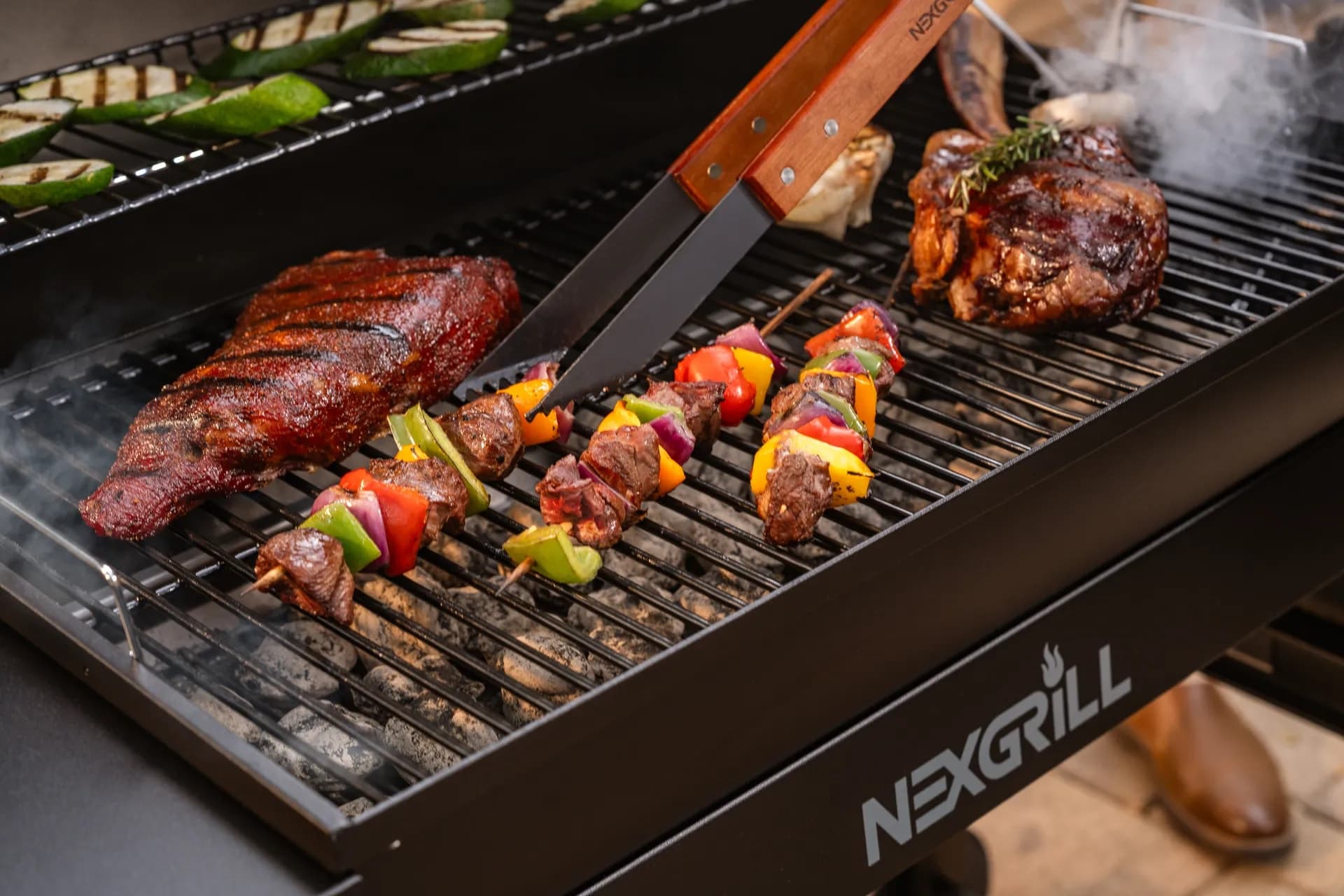
| Charcoal Grill | Charcoal | Assembly focuses on heat control |
Understanding these differences helps you prepare for the specific assembly needs of your grill type, allowing you to set it up more efficiently and safely.
Preparation for Assembly
Before you begin assembling your tabletop grill, it's essential to gather all necessary tools and follow specific safety precautions. Proper preparation can streamline the process and prevent mishaps.
- Read the manual: Ensure you have the correct assembly instructions for your specific grill model.
- Check all parts: Verify that all components are present and undamaged.
- Gather tools: Common tools needed include a screwdriver, wrench, and pliers.
Tip: Organize parts according to the assembly steps to avoid confusion during the process.
Additionally, ensure you have a clean, flat workspace to spread out the parts and tools. This will help you avoid losing small components and facilitate a smoother assembly process.
Step-by-Step Assembly Instructions
Follow these detailed steps to assemble your tabletop grill efficiently. Always refer to your specific model's manual for any variations.
- Attach the legs: Secure the grill legs using the provided screws and a wrench. Ensure they are tightly fastened to support the grill's weight.
- Install the burner or heating element: For gas grills, connect the burner to the gas line securely. For electric grills, attach the heating element as per instructions.
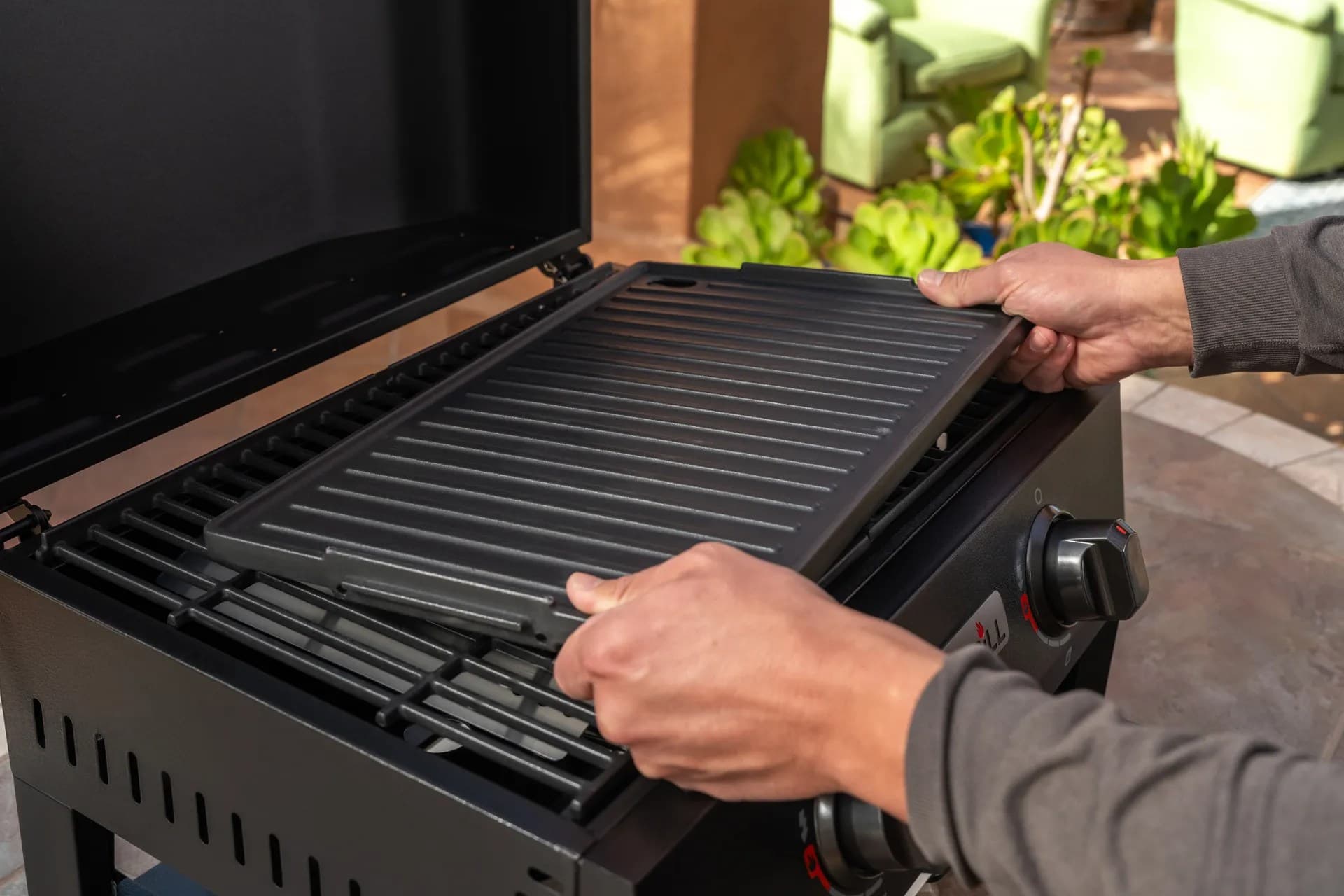
- Mount the grill grates: Place the cooking grates onto the grill frame, ensuring they fit snugly and securely.
- Connect the fuel source: Attach the propane tank or plug in the electric cord. Ensure all connections are secure and leak-free.
For a visual aid, consider watching instructional videos available on the grill manufacturer's website.
Common Mistakes to Avoid
Avoid these frequent pitfalls to ensure a safe and effective assembly:
- Skipping the manual: Always read the manual thoroughly before starting.
- Over-tightening screws: This can damage parts and affect the grill's stability.
- Incorrect part placement: Double-check each step before securing components.
Post-Assembly Maintenance Tips
Maintaining your grill after assembly is vital for longevity and performance. Regular cleaning and inspections can prevent issues before they arise.
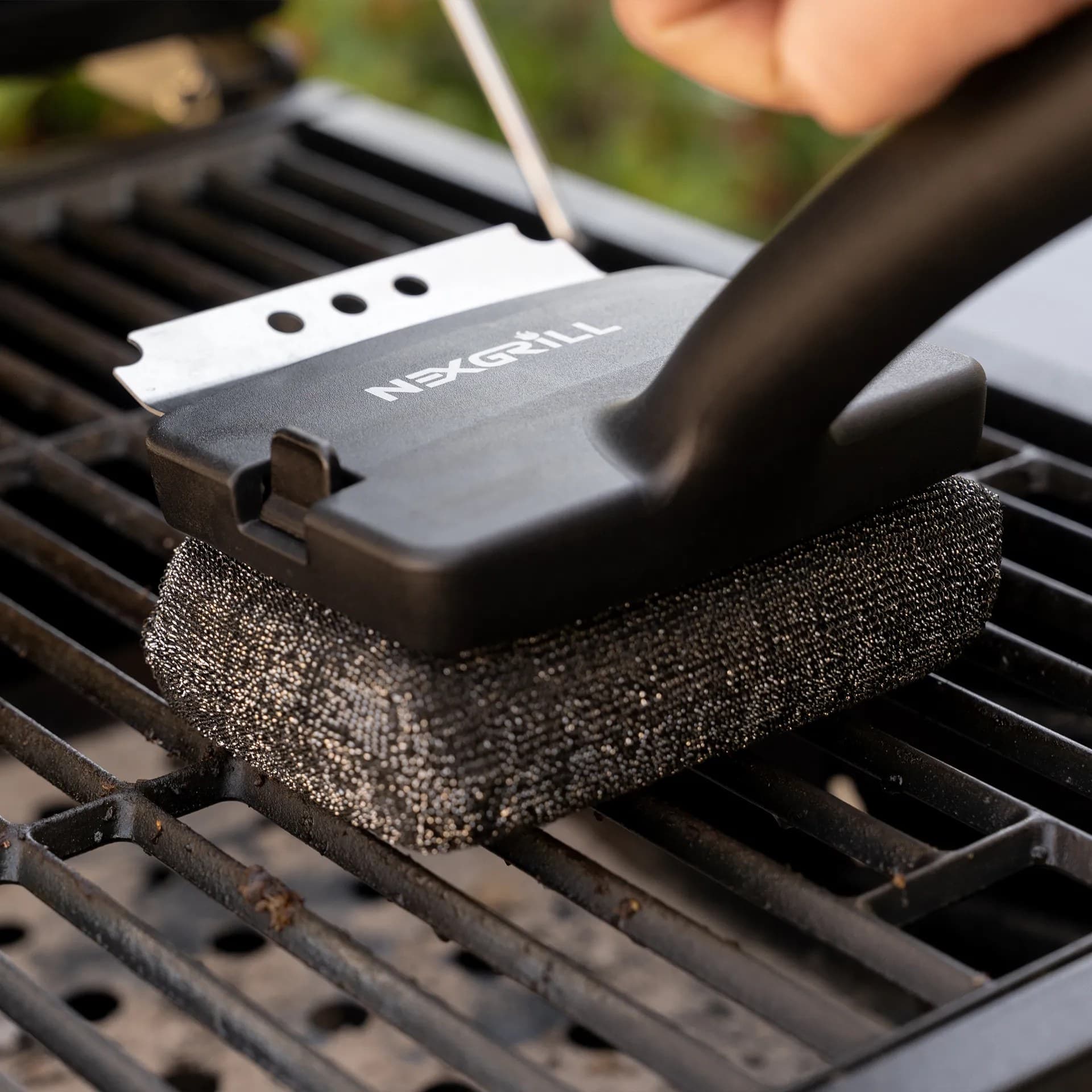
- Clean grates after each use to prevent buildup and ensure even cooking.
- Check connections regularly for gas leaks or electrical faults.
- Store the grill in a dry place when not in use to prevent rust and corrosion.
FAQs
Here are answers to some common questions about tabletop grill assembly:
- What surfaces are suitable for a tabletop grill? Ensure it's placed on a stable, heat-resistant surface.
- Where can I find replacement parts? Check the manufacturer's website or authorized dealers.
Conclusion
By following these assembly instructions, you can enjoy a safe and efficient grilling experience. For more detailed guides, visit the manufacturer's resources online. Remember, proper assembly and maintenance are key to maximizing your grill's potential.