The Ultimate Guide to Tabletop Grills with Deep Fryers
Discover the benefits, features, and buying tips for combo grill and fryer units.
In This Article
Combo Convenience
Fuel Options
Safety First
Introduction to Tabletop Grills with Deep Fryers
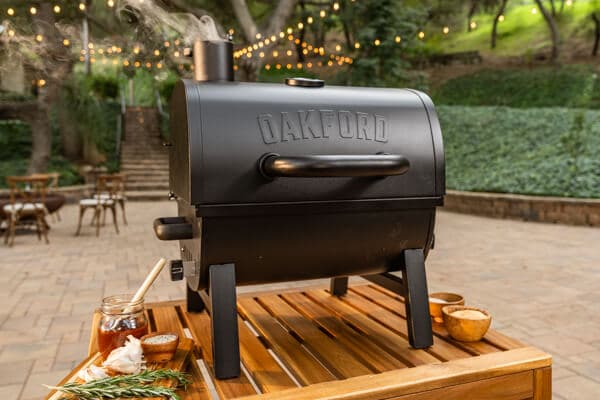
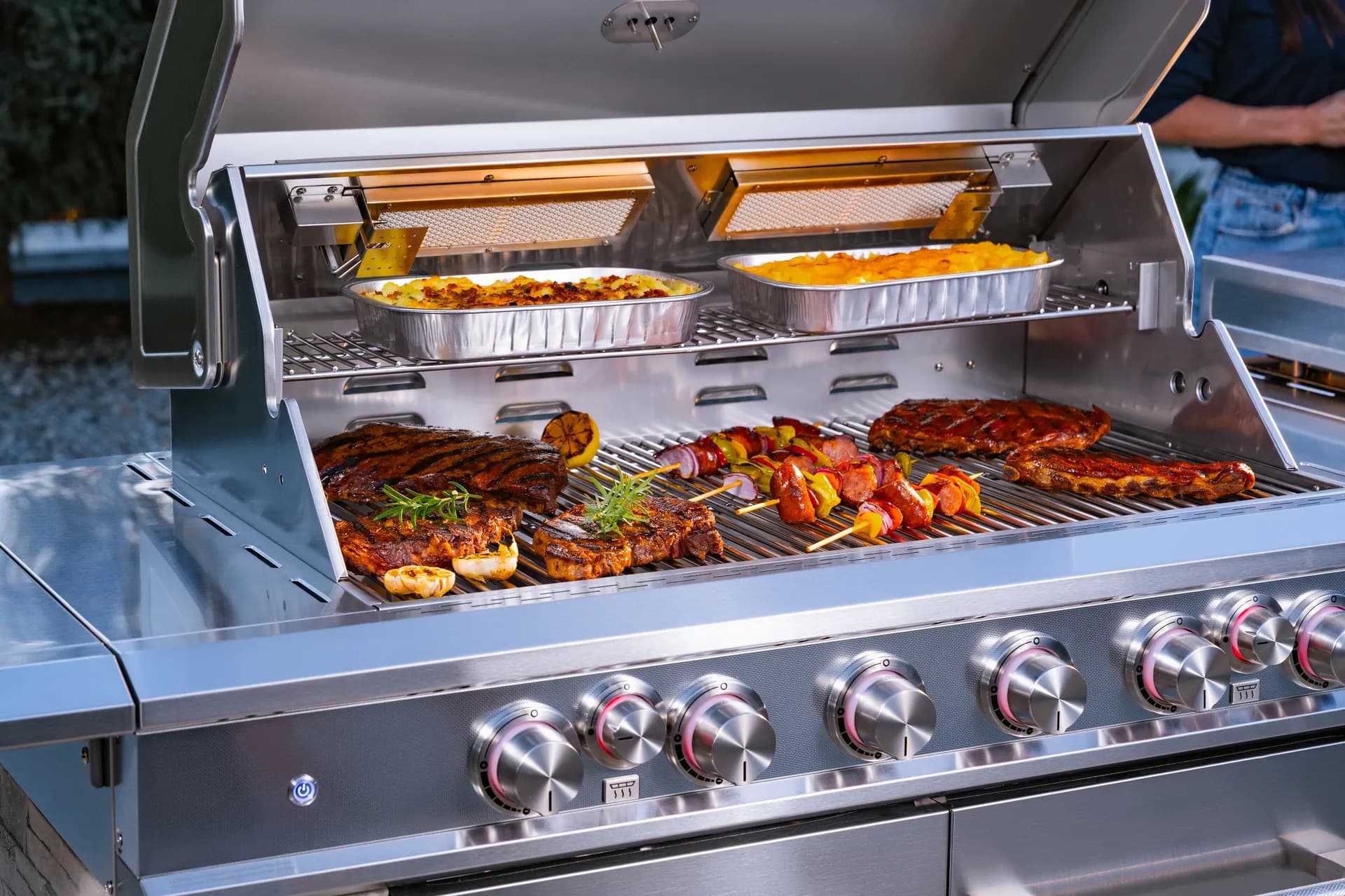
A tabletop grill with deep fryer is built for cooks who want more than one outdoor cooking move without setting up a full-size backyard station. These compact combo units are especially appealing for tailgating, camping, balcony-adjacent patios with outdoor-only cooking zones, and backyards where storage space is tight but menu ambition is not. Instead of hauling out a separate grill, fryer, and fuel setup, you can keep one manageable appliance on a sturdy table or cart and switch between searing, crisping, and frying as the meal demands. That convenience is the main reason shoppers compare these units in the first place.
The best models do not just save space; they help simplify timing. Burgers can finish on the grill while fries or wings cook in the fryer pot, which is exactly why these units have become popular with hosts who cook for mixed crowds. The tradeoff is that combo units require more attention to setup, oil handling, and heat control than a standard tabletop grill. If you are expecting a plug-and-play indoor appliance, this is not it. If you want an outdoor cooking station that can handle two very different cooking methods in one footprint, a combo unit can be a smart buy.
Quick reality check: the fryer side changes how you plan the meal. Oil preheating, safe placement, and cleanup matter just as much as burner count or grate size.
In the market, you will see propane-powered combo units, electric fryer attachments, and hybrid layouts with side-burner fryer pots. Brands commonly searched by shoppers include Blackstone, Royal Gourmet, Crown Verity, Costway, NUUK, and FEASTO. Their specs vary a lot, so the smartest comparison is not brand alone; it is fuel type, fryer capacity, and how much cooking space you truly need for your typical group size.
Why Choose a Combo Unit?
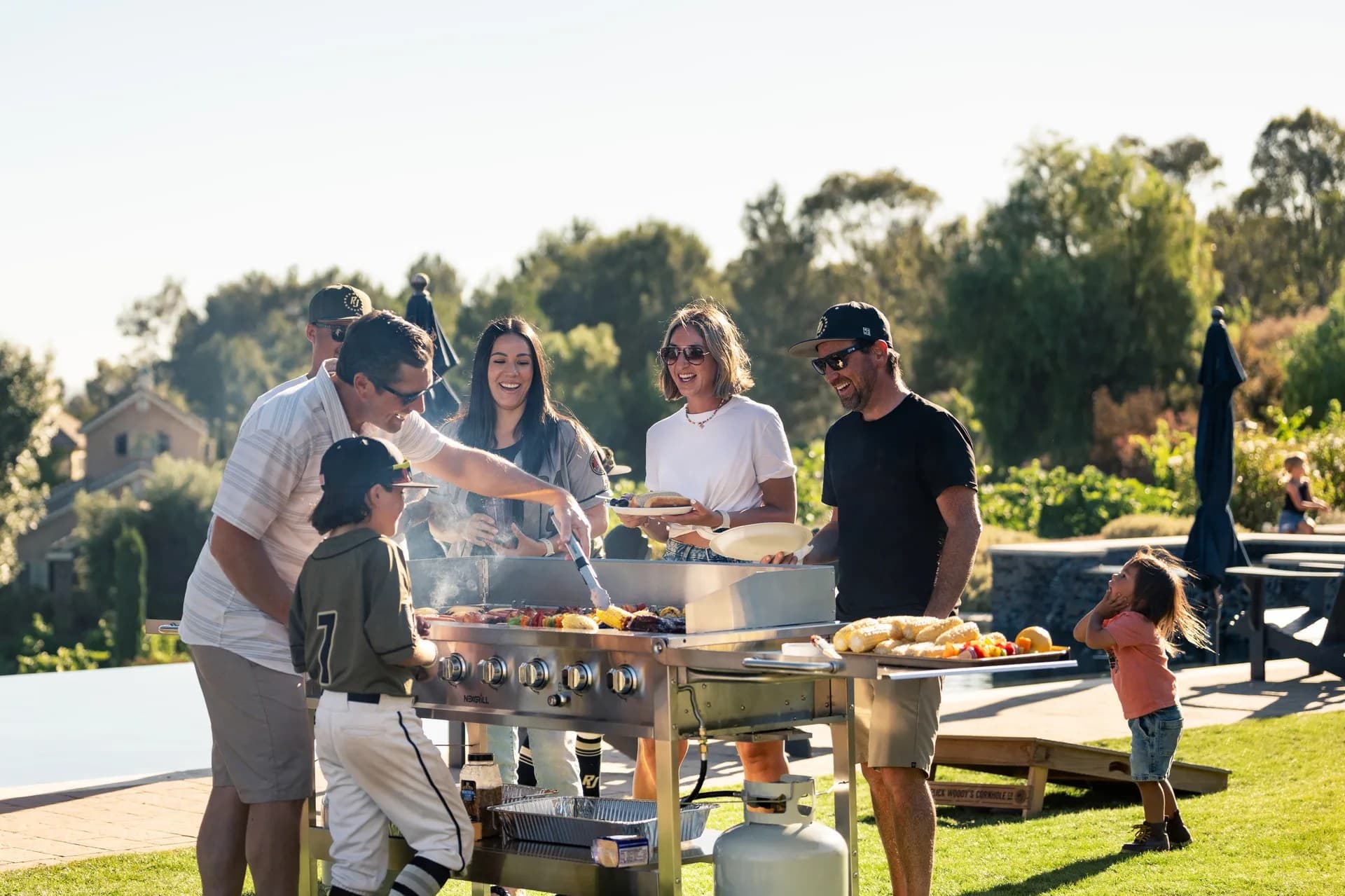
The biggest reason to choose a combo unit is efficiency. A separate griddle, standalone fryer, and extra fuel tank can take over a patio or tailgate setup fast. A tabletop grill with deep fryer reduces that footprint while still letting you serve fried appetizers or sides alongside grilled mains. That matters when you are cooking for a small crew and need to move fast, but it also matters for casual hosts who want flexibility without paying for a full outdoor kitchen.
One setup can handle both direct grilling and hot-oil frying outdoors.
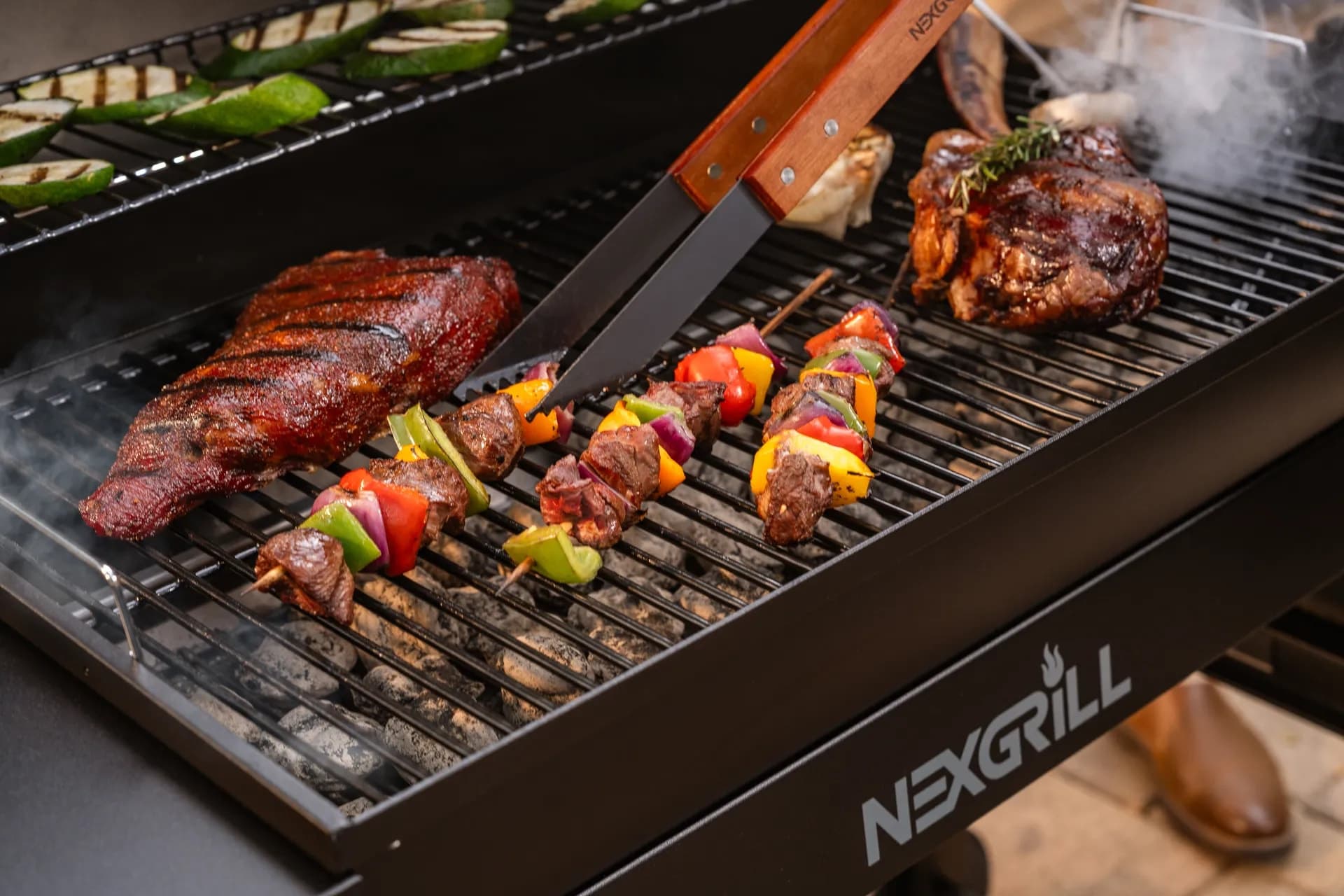
Combo units also change the menu. On the grill side, you can keep using grates for steaks, chicken, vegetables, or kebabs; on the fryer side, you can cook onion rings, fish, wings, fries, or dough-based snacks with crisp texture that is hard to replicate on a grill alone. For hosts who like serving variety at once, that flexibility can be more valuable than raw BTU numbers. It is also helpful when you are feeding guests with different preferences, since not everyone wants the same cooking style.
Do not buy based only on “biggest pot” marketing. A larger fryer needs more oil, more preheat time, and more storage discipline after use.
A separate grill and fryer can still make sense for serious volume cooking, but a combo unit usually wins on convenience, transport, and budget for everyday outdoor entertaining. The best way to think about it is simple: separate units maximize specialization, while combo units maximize practicality. For many buyers, practicality is the better fit.
Comparison Table of Top Models
| Model style | Fuel | Typical output | Fryer capacity | Cooking surface | Best for |
|---|---|---|---|---|---|
| Tabletop propane combo with side fryer | Propane | Usually 20,000-60,000 BTUs total | Typically 1.5-4 quarts | About 17-28 inches | Tailgates and small patios |
| Griddle-first combo unit | Propane | Often 30,000-60,000 BTUs | Usually 2-4 quarts | 28-36 inches | Families cooking breakfast and lunch outdoors |
| Electric fryer-grill combo | Electric | Lower heat than propane models | Varies by model; often smaller oil loads | Compact tabletop footprint | Patios with power access and lighter-duty frying |
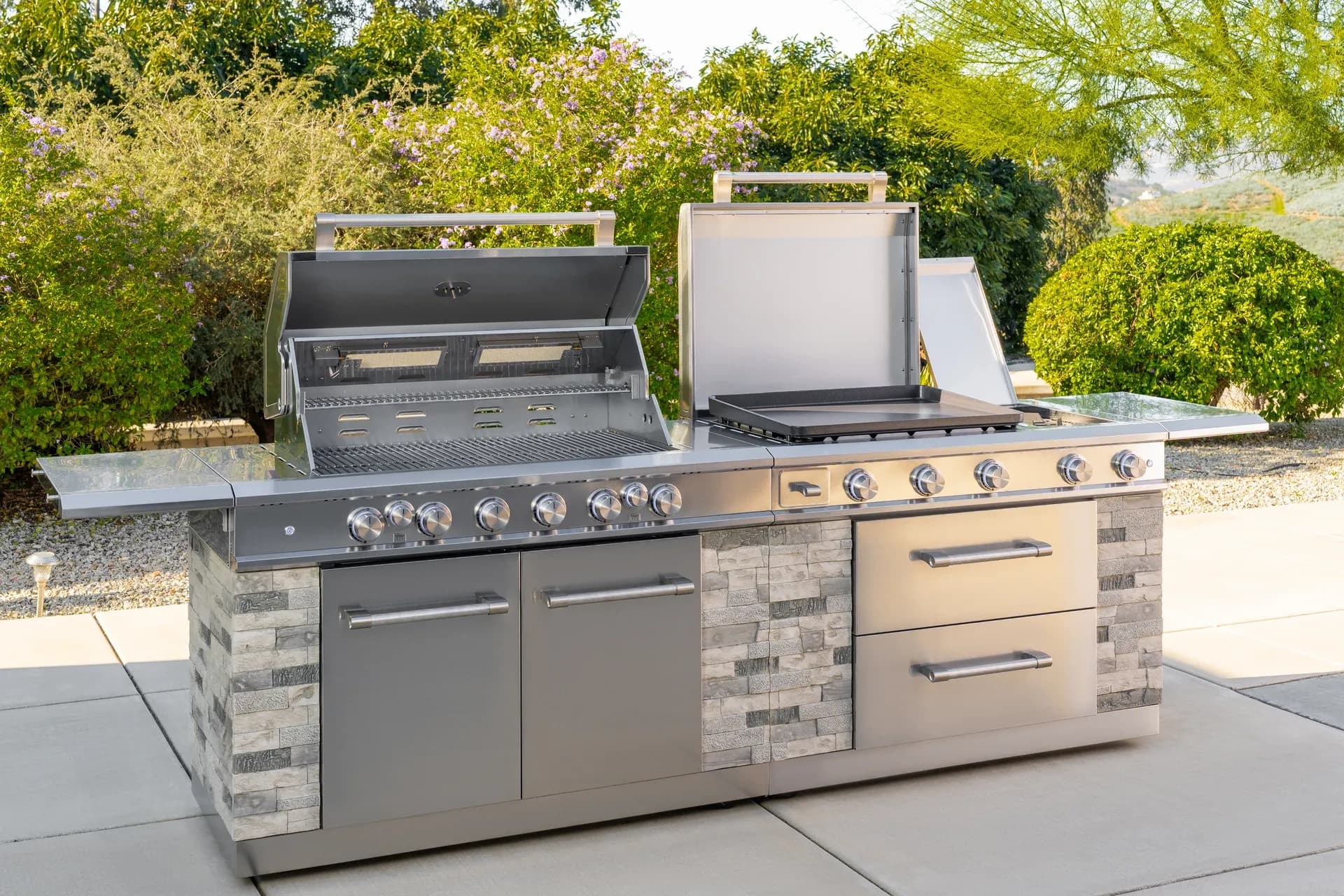
| Premium cart-style combo | Propane | Higher-output multi-burner design | Often dual-pot or larger single-pot layouts | Larger than true tabletop units | Crowds, frequent entertaining, and longer cook sessions |
This table is a starting point, not a substitute for checking the actual spec sheet. Some compact units focus on portability and use a smaller fry pot; others stretch toward a 28-inch or larger cook surface and give the fryer its own burner. If you are comparing models side by side, the key question is whether the grill surface or the fryer capacity is the primary reason you are buying.
How to Choose the Right Grill and Fryer Combo
Start with capacity. A family of four that wants fries or wings as a side can usually do well with a 1.5- to 3-quart fryer pot, while a crowd at a tailgate or backyard party often benefits from 3 to 4 quarts or more. In practical terms, smaller pots are easier to heat and manage; larger pots let you cook more at once but demand more oil and more careful temperature recovery after food is added.
Then decide on fuel. Propane is the most common choice because it delivers fast heat, easy portability, and strong burner output for both grilling and frying. Electric units can be convenient where power is available and local rules or venue limitations make gas less appealing, but they usually give up some high-heat performance and are less flexible when you are away from an outlet. For most tabletop combo shoppers, propane is the more practical default.
If you want a true outdoor travel setup, look for a model with stable legs, locking wheels, or a foldable cart. Portability matters more than a glossy finish once the unit is packed in a truck.
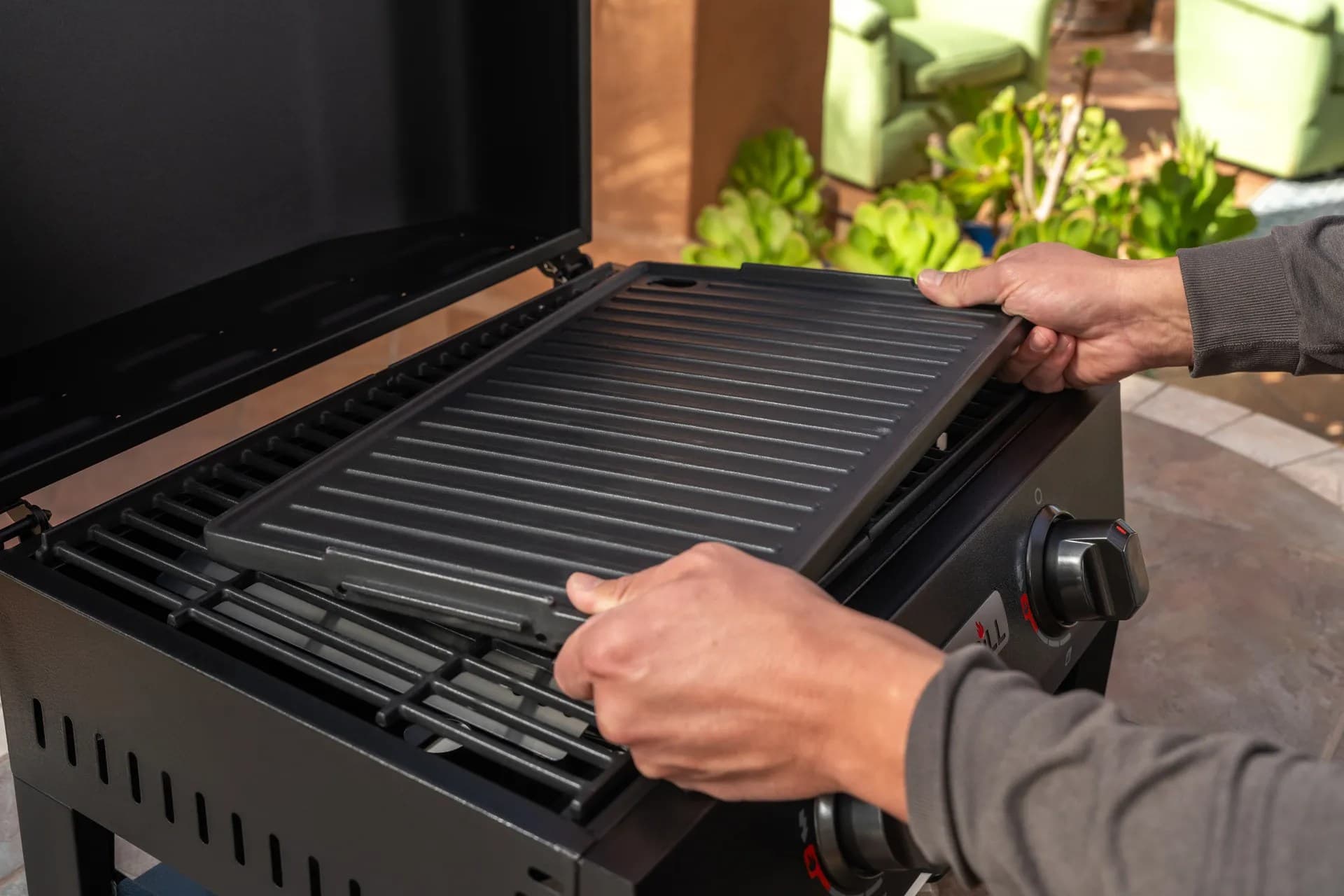
Grate material and fry-pot construction matter too. Stainless steel is usually easier to keep clean and resists corrosion better than bare steel, while cast iron can hold heat well but needs more attentive care. Finally, think about the whole footprint: if you are buying for a deck, travel trailer, or tailgate canopy, measure the tabletop depth and check the clearance needed for hoses, burner knobs, and a safe work area around hot oil.
Try comparing two products side by side below to see which fits best:
Top Picks by Use Case
Once you've weighed two options against each other, the next step is matching the combo unit to how you actually cook. That is where many buyers get more value than they expected. A budget-minded shopper who wants fries for game day does not need the same setup as someone cooking for a large neighborhood cookout. The right choice depends on whether you care most about speed, frying capacity, or portability.
Best for tailgates and short cook sessions
Look for a compact propane tabletop combo with a smaller fry pot, quick ignition, and a manageable burner layout. These models heat up quickly, fit in a vehicle more easily, and are less of a burden when you only need enough food for a few people. The sweet spot is usually a small-to-mid fryer with a 17- to 28-inch cooking platform.
Best for family meals and weekend hosting
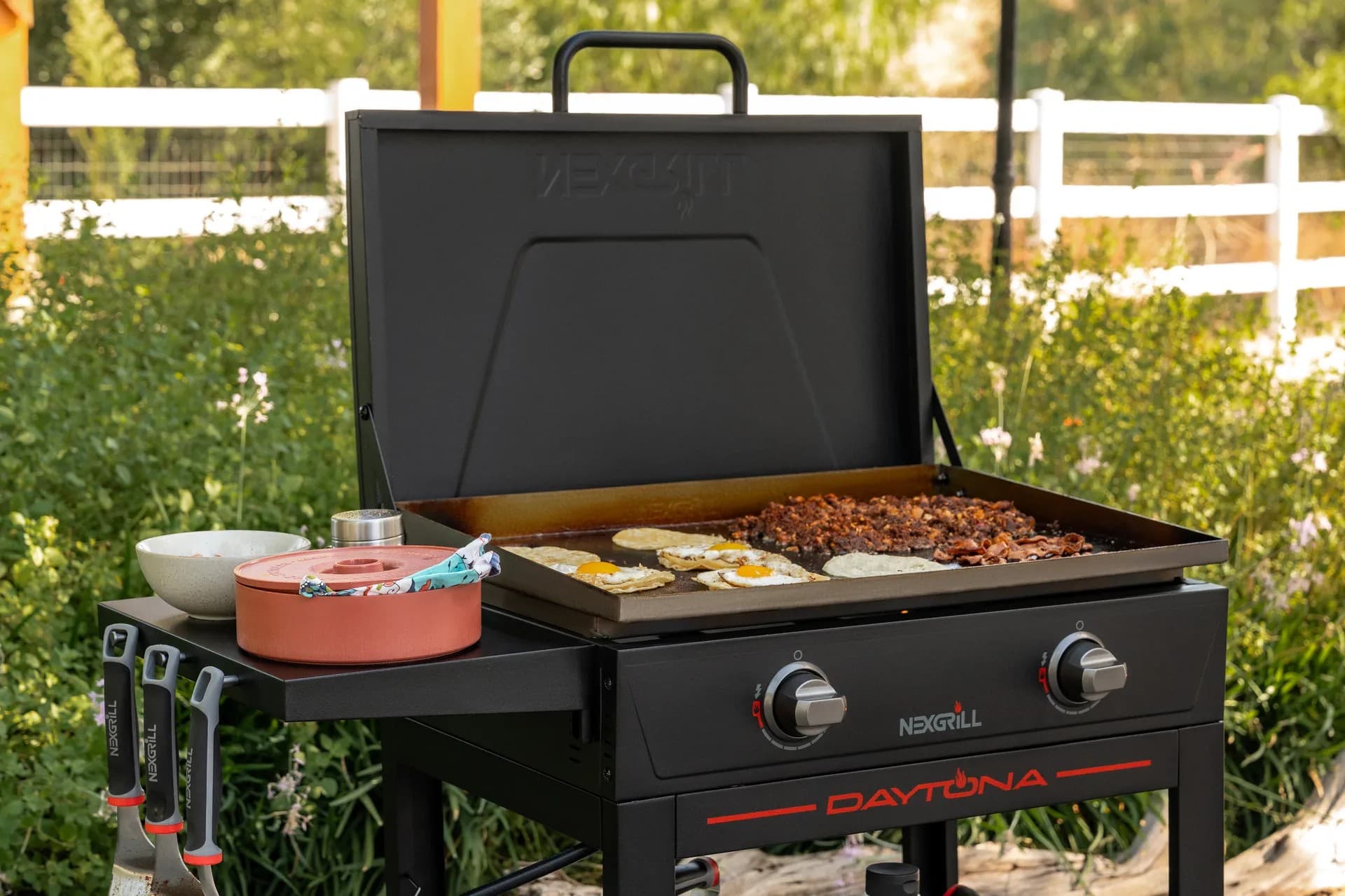
A mid-size griddle-and-fryer combo makes more sense if you regularly cook breakfast, burgers, or mixed appetizers for a household. Aim for stronger heat output, a fry pot large enough to handle multiple batches, and enough prep space to keep raw and cooked food separated. This is where a 28-inch or larger surface starts to pay off.
Best for crowds and frequent entertaining
If you are serving a party, consider a more premium cart-style combo with higher BTU output, better stability, and either a larger fry pot or dual-pot configuration. Dual tanks can be useful if you need to fry different foods at different temperatures, but they also raise complexity, cost, and cleanup time.
Setting Up Your Combo Grill and Fryer
A safe setup starts with location. Use the unit outdoors only, on a flat, noncombustible surface, with space around it so heat can escape and people can move without brushing against hot metal or splashing oil. Avoid cramped decks, overhangs, garages, and enclosed patios. For propane models, check hose condition, regulator connections, and cylinder placement before each cook. For electric units, use only an outdoor-rated extension cord if the manufacturer allows one, and keep the power source away from splashes.
Never position a fryer where the pot could be knocked over by traffic, pets, or a passing cooler. Hot oil is far less forgiving than dry heat.
When you are actually cooking, preheat the fryer slowly and avoid overfilling the pot. Oil expands as it heats, and food displacement can cause overflow if you start too high. Keep a thermometer handy and work in batches so oil temperature recovers. For the grill side, preheat the grates fully before placing food; that helps with browning and keeps meats from sticking.
Safety Precautions for Outdoor Frying
The safety basics are simple but non-negotiable: keep water away from hot oil, never leave the fryer unattended, and keep children and pets outside the cooking zone. Use long utensils, dry food, and stable footwear. If food has surface moisture, pat it dry before frying so oil does not spit. This is especially important with frozen items, which should be handled according to package directions and never dropped into oil while still packed with excess ice.
A small extinguisher and a clear shutdown plan are not optional extras when hot oil is involved. Prepare them before ignition, not after.
Outdoor frying also means respecting carbon monoxide risks from fuel-burning equipment. That is one reason these units belong outside only. If you are near structures or under a partial cover, leave generous ventilation and follow the manufacturer’s clearance guidance. Never use the fryer on a deck if the surface cannot safely handle heat, grease spills, and prolonged high temperatures.
Cleaning and Oil Care Tips
Good oil care saves money and improves food quality. After cooling fully, strain oil through a fine filter or cheesecloth if you plan to reuse it, then store it in a sealed, labeled container away from heat and light. Replace oil sooner if it smells rancid, darkens too much, or foams excessively. Frying oil can usually be reused several times for similar foods if it stays clean and has not been overheated.
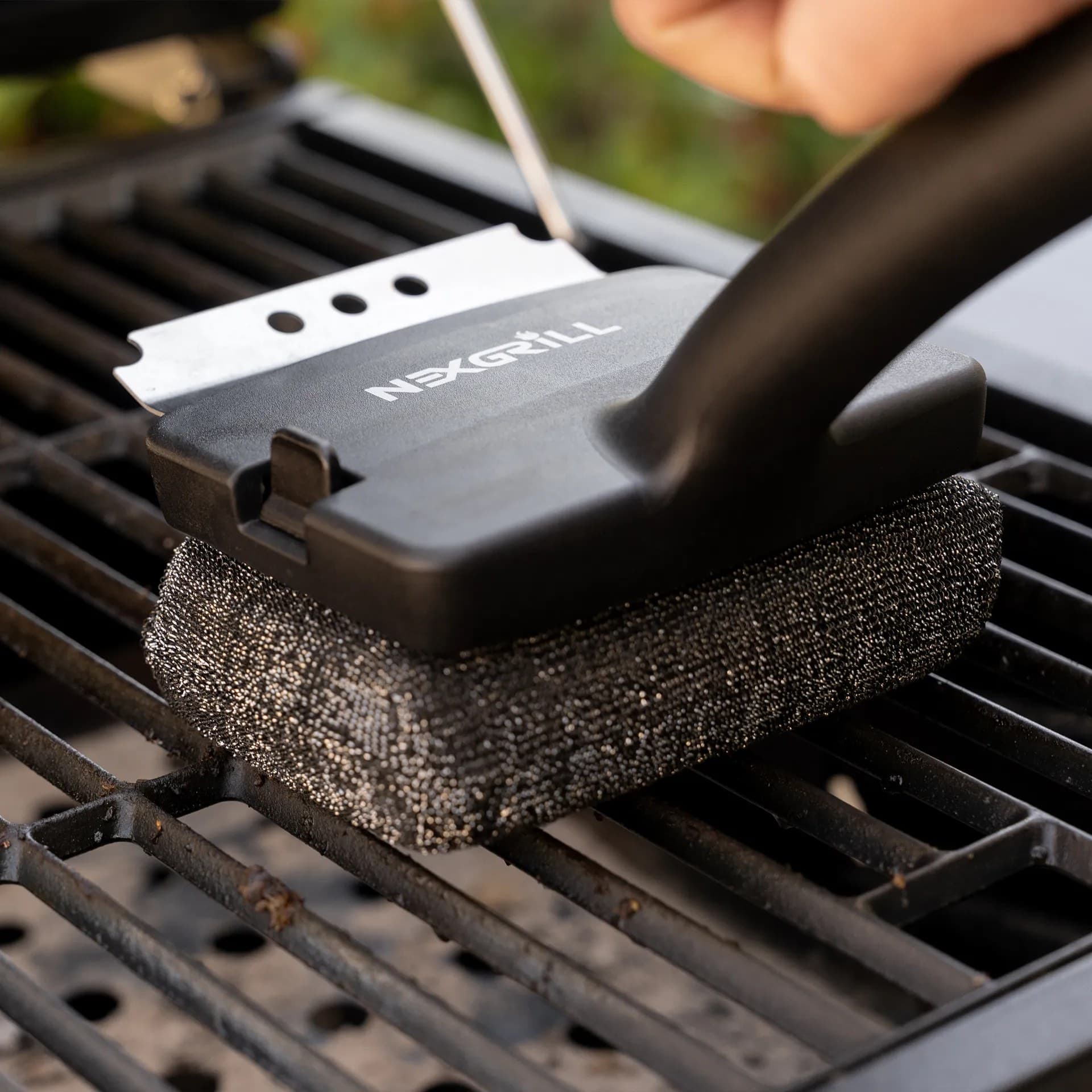
Clean the fryer pot, baskets, and surrounding surfaces after each use. Grease buildup around burner areas can create smoke and make future cooks harder to manage. On the grill side, scrape grates while they are still warm, then wipe down stainless surfaces once they cool. For combo units, this habit matters because grease and oil residue can cross-contaminate flavor and create a mess much faster than on a single-purpose grill.
Common Mistakes to Avoid
| Mistake | Why it matters | Better approach |
|---|---|---|
| Choosing only by price | Cheap units can have weak burners or unstable frames | Check capacity, material, and stability first |
| Overfilling the fryer | Raises spill and flare-up risk | Fill below the max line and fry in batches |
| Using wet food | Causes oil splatter | Dry food thoroughly before frying |
| Ignoring cleanup | Shortens lifespan and hurts flavor | Filter oil and clean after every session |
A final mistake is assuming every combo unit is meant for the same job. Some are better as light-duty tabletop helpers, while others are built more like compact outdoor cooking stations. Read the dimensions, check the fuel system, and match the unit to your actual cooking style before you buy.
Conclusion: Elevate Your Outdoor Cooking
A tabletop grill with deep fryer gives you a lot of cooking range in a compact format, but the value comes from choosing the right balance of capacity, fuel type, and portability. For some shoppers, the best setup is a compact propane unit that travels well and handles weekend fries. For others, a larger combo with stronger burners and more stable cart support makes better sense for regular entertaining.
If you focus on the details that actually affect use - pot size, heat output, cleanup effort, and outdoor safety - you can buy a combo unit that feels practical from the first cook through the hundredth. Compare models carefully, keep frying outdoors, and treat oil care as part of the cooking process, not an afterthought.