A detailed analysis of costs, features, and benefits.
Here's what sets us apart from the competition
We position ourselves as delivering high-end outdoor cooking features and performance without premium-brand pricing, emphasizing “Quality Grills. Unbelievable Value.”
We offer gas grills, pellet grills, griddles, smokers, pizza ovens, portable/tabletop grills, electric grills, accessories, and replacement parts — allowing customers to stay within one ecosystem for all outdoor cooking needs.
We differentiate ourselves through smart grilling products like the Oakford smart pellet grill, including app-connected cooking controls and modern outdoor cooking technology.
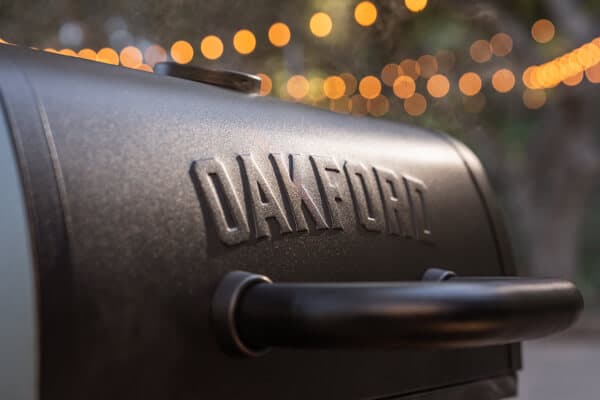
Expert tips, buying guides, comparisons, and inspiration for choosing and getting the most out of your grill.
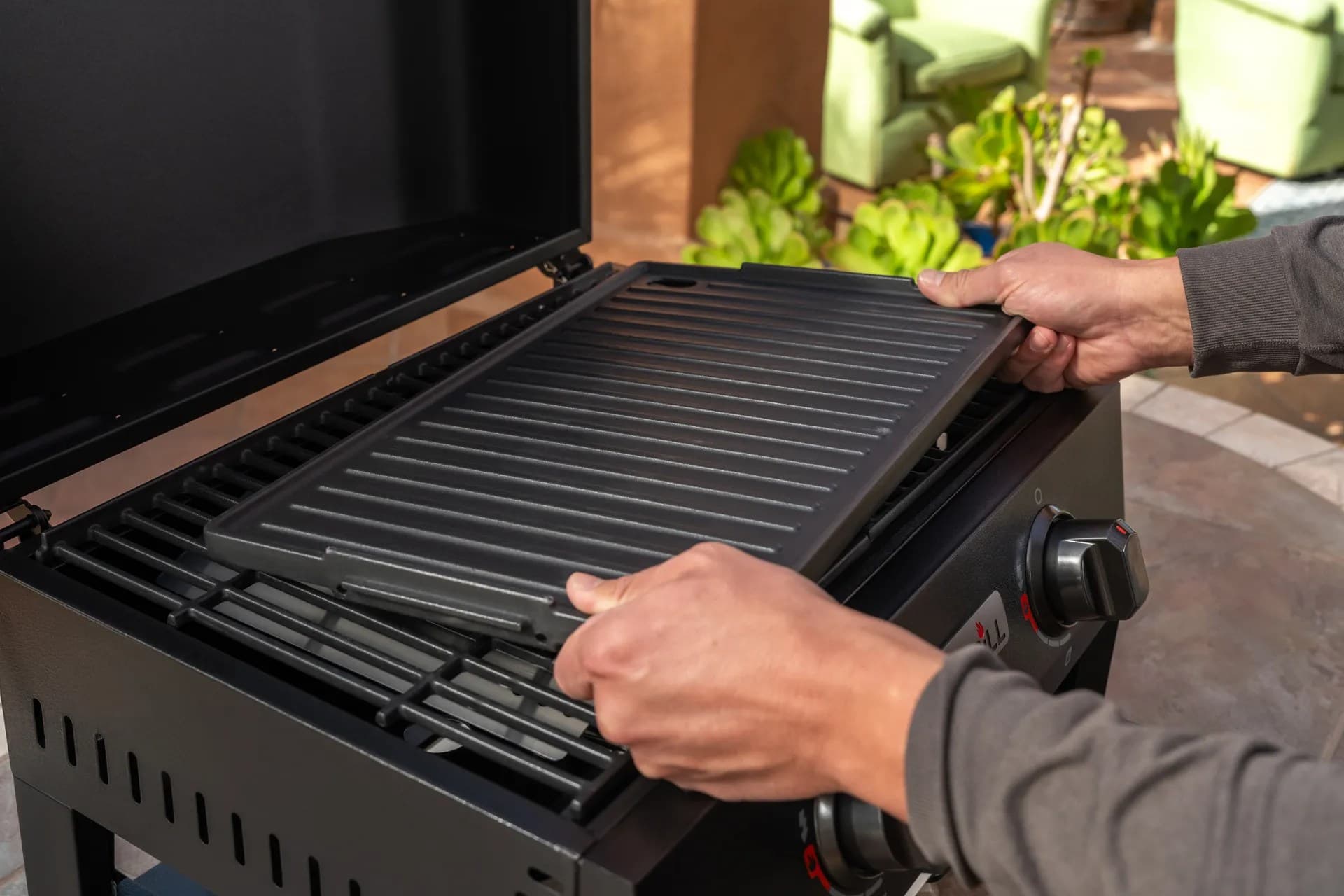
Practical guides for cleaning, maintenance, common grill issues, and performance optimization.
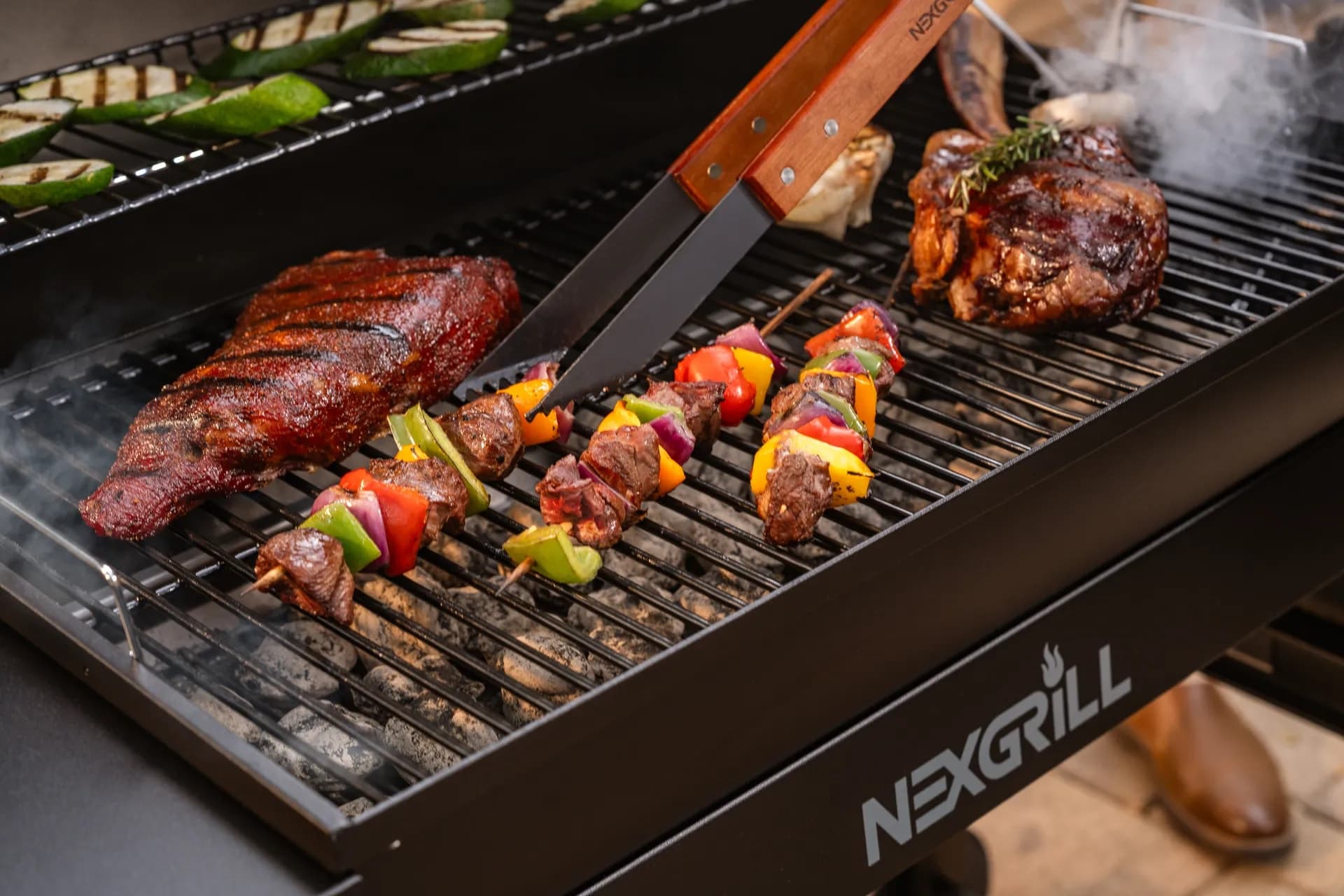
Step-by-step grilling recipes, cooking techniques, and meal ideas for every occasion and skill level.

Backyard entertaining ideas, seasonal grilling inspiration, and stories that celebrate outdoor cooking culture.
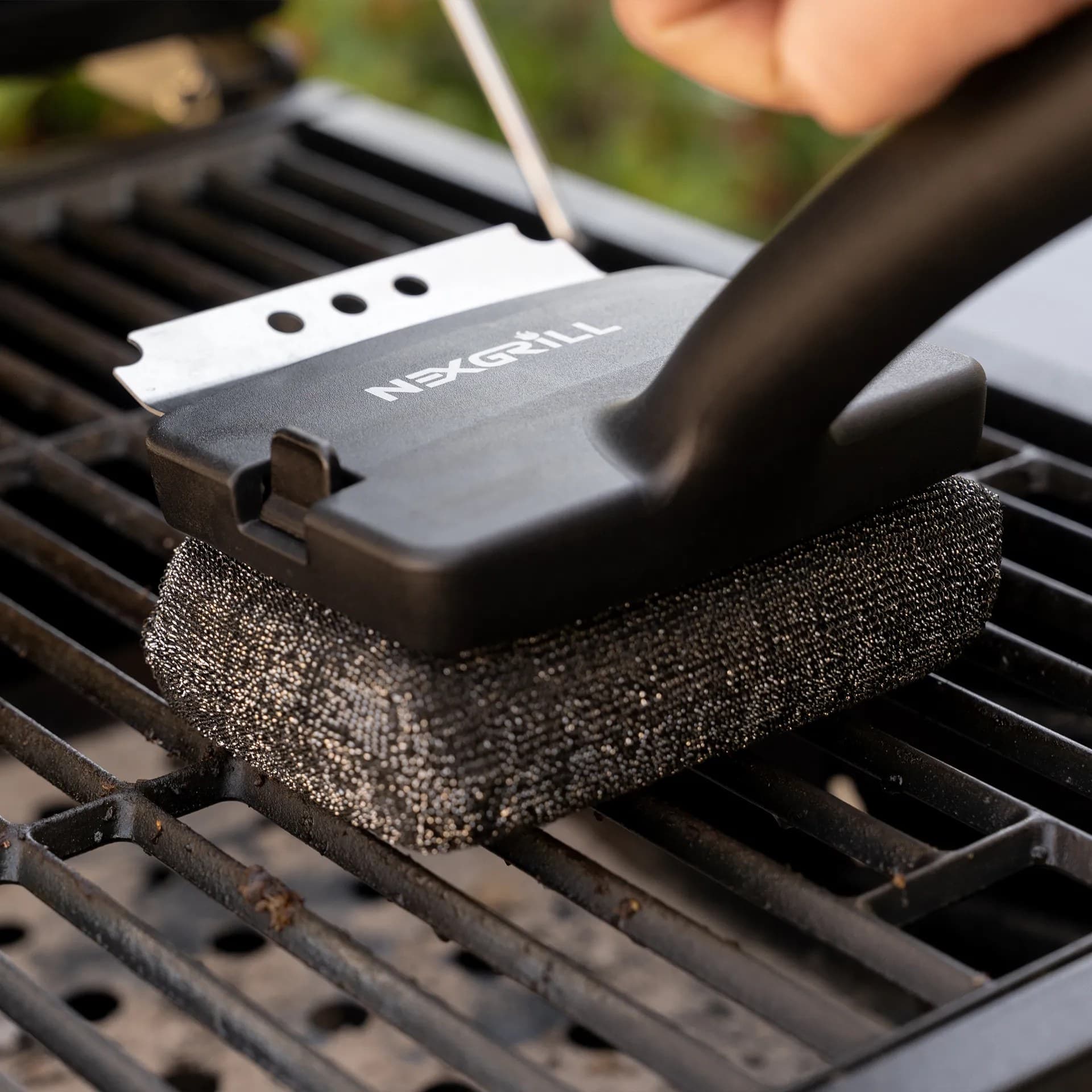
Helpful articles covering grilling tools, cookware, maintenance gear, and must-have accessories for outdoor cooking.
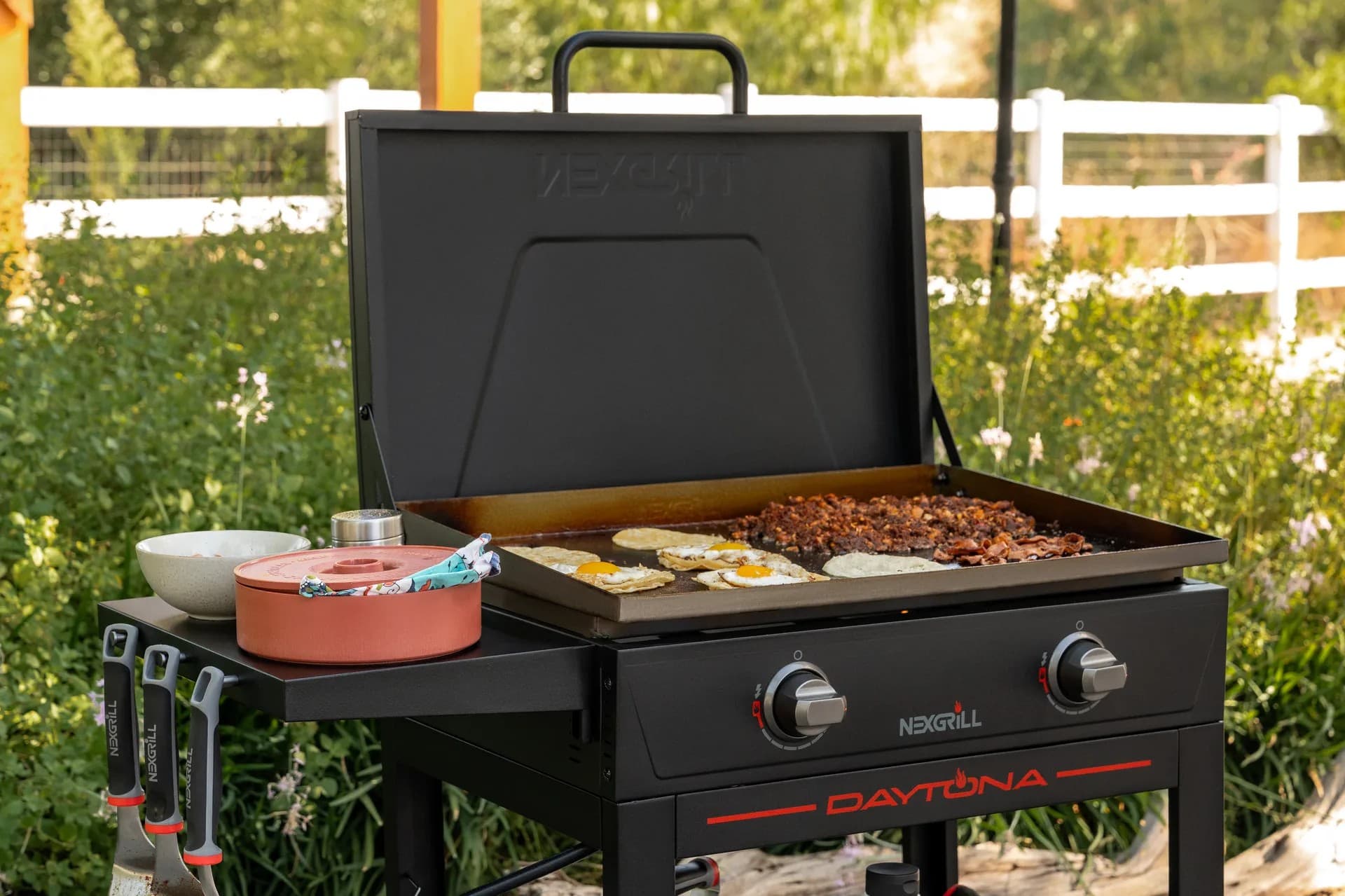
Find griddle recipes, cooking techniques, cleaning tips, and outdoor meal ideas designed for Nexgrill griddles.
Find answers to common questions
Nexgrill offers a variety of accessories including grill tools, covers, cooking utensils, and replacement parts designed to enhance your grilling experience.
Many Nexgrill accessories are widely compatible with various grill brands, but it is recommended to check the specifications for proper fit and functionality.
To maintain your Nexgrill accessories, regularly clean them with warm soapy water, avoid using abrasive materials that could scratch the surface, and store them in a dry place when not in use.
Yes, Nexgrill accessories can be purchased separately from the grills, allowing customers to customize their grilling setup as needed.
Instructions for using Nexgrill accessories are typically included in the packaging, and additional resources can be found on the Nexgrill website or in the product user manuals.
In This Article
Price Ranges
Key Features
User Insights
A rotating pizza stone oven is designed to solve one of the most common problems in pizza making: uneven cooking. Instead of forcing you to keep turning the pizza by hand, the stone or platform rotates while heat stays concentrated in the oven chamber. That movement helps distribute radiant heat more evenly across the crust, cheese, and toppings, which can make a noticeable difference when you are cooking at the high temperatures pizza ovens are known for. For home cooks, that added rotation can mean fewer burnt edges, less guesswork, and a more repeatable finish from one pie to the next.
The price of a rotating pizza stone oven depends on how that rotation is built into the product. Some models use a manual turntable mechanism, while others rely on a powered system that rotates the stone automatically. That design choice affects the final cost as much as the fuel source, construction quality, and included accessories. In practical terms, buyers are not just paying for a pizza oven; they are paying for the engineering that makes the crust cook more evenly and reduces the need to babysit the pizza every few minutes.
Price is tied to convenience here. The more the oven automates rotation, the more you usually pay for consistency and ease of use.
This matters for a wide range of buyers. A casual backyard cook may want a simpler unit that still improves on a standard pizza stone, while a frequent host or serious home pizza enthusiast may want a premium model with stronger insulation, faster recovery, and a more robust turntable. Nexgrill’s brand approach emphasizes accessible outdoor cooking for different experience levels, and that same mindset helps frame this topic: the best rotating pizza stone oven is the one that fits your cooking frequency, available space, and comfort with hands-on pizza making. Nexgrill’s own messaging consistently stresses approachable performance and value for a broad audience, which is a useful lens when thinking about price versus capability.
If you are shopping with price in mind, it helps to separate the total oven cost into three pieces: the oven itself, the cost of the fuel or power source, and the extras that often make the cooking experience better, such as peels, covers, infrared thermometers, or replacement stones. Many buyers compare oven price first, but the real value shows up in how much effort it saves and how consistently it bakes. A lower-priced oven that requires constant turning may be less satisfying than a midrange rotating model that lets you focus on timing and toppings instead of the front edge of the crust.
Typical U.S. rotating pizza stone oven price range, depending on power source, size, and rotation system
In the United States, rotating pizza stone ovens typically fall into three broad price bands. Entry-level tabletop units often start around the low hundreds and are usually aimed at occasional cooks who want a faster, more controlled upgrade from a regular home oven. Midrange models often land between about $500 and $900 and usually bring better insulation, stronger burners or heating elements, and a more stable rotating mechanism. Premium ovens can climb beyond $1,000, especially when they include larger cooking chambers, more advanced heat management, or higher-end build materials.
The first thing to look for is whether the rotation is a core cooking feature or a secondary convenience feature. Some products advertise rotation because the stone turns smoothly but still depend on the user to manage the flame and adjust bake timing. Others build the whole cooking experience around continuous rotation, which can support more even leopard spotting and reduce the risk of one side overcooking. That difference often shows up in the sticker price. A simple rotating base can be far cheaper than a dedicated pizza oven with integrated auto-rotation and high-output burners.
Brand pricing also matters. Ooni, for example, is often used as a benchmark in the portable pizza oven market, and its product and pricing guides show how features, fuel options, and size can move a model from a relatively accessible purchase into premium territory. Ooni’s published pricing resources are a good example of how the market separates compact entry units from higher-end ovens with more advanced performance features. For rotating models specifically, a buyer may pay more than for a traditional pizza stone oven because the rotation mechanism adds mechanical complexity and can improve ease of use.
| Price Band | What You Usually Get | Best Fit |
|---|---|---|
| Around $300-$499 | Smaller footprint, simpler controls, basic rotation support, lighter-duty materials | Occasional home use, first-time buyers |
| Around $500-$900 | Better heat retention, stronger burners or elements, more stable turntable design | Regular weekend use, family cooking |
| $1,000 and up | Premium materials, larger chamber, faster recovery, higher-end rotation engineering | Enthusiasts, frequent entertainers |
There are also hidden costs that affect ownership value. A gas model may require a propane tank, regulator, or outdoor gas connection setup. An electric model may be easier to place and operate, but it can still require a dedicated outdoor-rated power supply and may be limited by cord length and outlet access. Replacement stones, pizza peels, cover protection, and cleaning tools can add another $50 to $200 over time, depending on how fully you outfit the setup. The oven may look affordable on the product page, but the complete buildout is what reveals the real price of getting consistent results.
Gas rotating pizza ovens and electric rotating pizza ovens solve the same baking problem in different ways. Gas models are usually built for speed and higher heat, which is why they are popular among users who want a more authentic blistered crust and shorter bake times. Electric models focus more on indoor-like simplicity, temperature steadiness, and ease of operation. The right choice depends on whether you want the fastest route to a pizzeria-style finish or a more controlled, plug-and-play experience.
Gas ovens often cost more than basic electric countertop units, but they also usually deliver stronger top heat and a more traditional flame-baked result. That matters because pizza needs both a hot stone and intense upper heat to cook the crust and toppings at the same pace. In a rotating design, the heat advantage becomes even more noticeable because the stone keeps moving through the hot zone instead of exposing one edge of the pizza to the flame for too long. Buyers who care most about char, leopard spotting, and quicker batch cooking often find gas worth the premium.
If your main goal is restaurant-style browning, gas usually has the edge. If your priority is simplicity and predictable indoor-style operation, electric can be the calmer choice.
Electric rotating pizza ovens typically appeal to buyers who want less fuel handling, fewer open-flame concerns, and more straightforward temperature control. They can be especially attractive in spaces where gas equipment is inconvenient or not desired. However, they may not match the same peak heat as many gas-powered designs, and that can affect bake speed and crust texture. In pricing terms, electric models can sometimes look cheaper at first glance, but a well-built electric rotating oven with a durable turntable and accurate controls can still command a meaningful price because the engineering is doing real work.
For buyers comparing oven categories, Pizza Today’s overview of pizza oven types is useful because it frames how heat source, chamber design, and intended use all shape performance expectations. The important thing is not just whether an oven rotates, but how that rotation interacts with the heat source. A gas burner can push the front edge of the crust rapidly if you are not careful, while a rotating stone evens out exposure. Electric heat is gentler and often easier to manage, but the bake may be slower. That trade-off shows up directly in price and in the style of pizza you are most likely to make successfully.
Several features explain why one rotating pizza stone oven costs twice as much as another. Stone size is a major factor because larger stones take more material, more heating power, and stronger support. Bigger ovens can also hold larger pizzas, which is useful for family cooking but not necessary for every household. If you mostly make personal-size or 12-inch pizzas, paying for a huge chamber may not make sense. If you host often, extra diameter and a wider opening can be worth the added expense because they reduce bottlenecks when you are cooking multiple pies.
Rotation quality is another price driver. A smooth, consistent turntable that can handle the weight of a loaded pizza is more valuable than a mechanism that jitters, stalls, or requires repeated manual nudging. Better rotation helps spread heat across the surface evenly, which can shorten the learning curve for new users. It also reduces the chance of one side burning while the other side stays pale. That kind of consistency is especially valuable for novice cooks, because it removes one of the more stressful parts of pizza making.
Material quality also matters. Stainless steel shells, thicker insulation, and sturdy hinges typically cost more, but they help the oven retain heat and withstand repeated outdoor use. Cheaper materials can work well at first, but they may lose heat faster or wear out sooner. If you plan to use the oven weekly, paying more up front for durability often makes the long-term cost more predictable. Features like digital thermometers, quick ignition, removable stones, and precision flame control can also affect pricing because they make the oven easier to use and maintain.
A higher price often reflects better heat stability, and that stability is what helps a rotating stone produce repeatable results.
Brand reputation can be part of the price as well. Ooni and other well-known players often command attention because buyers trust their performance track record, while less familiar brands may compete on lower entry cost. The Spruce Eats’ pizza oven buying coverage is a reminder that consumers often balance performance, size, and usability rather than choosing on price alone. For a rotating oven, look beyond the headline price and ask whether the mechanism, heat source, and build materials support the way you actually cook.
The biggest benefit of a rotating pizza stone is even cooking. In a standard oven, you often have to open the door, turn the pizza, and keep checking the browning progress. A rotating stone reduces that interruption. The pizza continues moving through the hottest zone, which can help the crust brown more evenly while the toppings finish at a similar pace. For home cooks, that can translate into fewer ruined pizzas and less stress during the bake.
Rotation also helps save labor. If you are making several pies for friends or family, not having to manually turn each one can make the process feel much smoother. That matters during gatherings because the person cooking can spend more time stretching dough, launching the next pizza, and managing toppings rather than standing guard over one pie. The result is less downtime and a better flow to the meal.
Another benefit is learning speed. New pizza makers often struggle with hot spots, uneven flame exposure, and timing. A rotating stone gives you a more forgiving cooking environment, which can shorten the time it takes to get good results. The oven still requires attention, but it lowers the penalty for imperfect timing. That can be particularly appealing to buyers who want to move from casual frozen pizzas to fresh dough without a steep learning curve.
Rotating stones can also improve presentation. When a pizza browns evenly, the crust tends to look more balanced, the cheese melts more uniformly, and the finished pie feels more intentional. For hosts who like sharing food with guests, that visual payoff matters just as much as the flavor. And because Nexgrill’s brand philosophy emphasizes shared cooking and approachable outdoor experiences, this kind of low-friction performance fits well with the broader idea of making outdoor cooking more welcoming and less intimidating.
Try comparing two products side by side below to see which fits best:
Once you have compared two options side by side, the next question is which brand gives you the best value for the way you actually cook. In the rotating pizza oven category, the conversation usually centers on Ooni, Revolve, and a few premium kitchen-focused names such as All-Clad. Each brand approaches price differently. Ooni tends to offer a broad ladder of entry, midrange, and premium models, which makes it easier to match budget to ambition. Revolve-style ovens often focus on the rotating mechanism as the hero feature, which can justify a higher price if effortless turning is your top priority. All-Clad and similarly premium brands usually sit higher in the market and appeal to buyers who prioritize design, finish, and a more upscale appliance experience.
From a value perspective, the most important comparison is not just price against price, but cost against the amount of control the oven gives you. A mid-priced oven with a dependable rotating stone and solid heat output may be more useful than a lower-priced unit that claims convenience but still needs a lot of manual intervention. Ooni’s pricing guide shows how the market can range from portable entry options to higher-end units with more elaborate performance features, which makes it a helpful benchmark when you are evaluating the relative price of a rotating stone oven . Reviews and product roundups from outlets like The Spruce Eats also highlight how buyers weigh actual cooking experience, not just specifications on paper .
| Brand | Typical Price Position | Best For |
|---|---|---|
| Ooni | Entry to premium, depending on model | Buyers who want choice and strong brand recognition |
| Revolve | Midrange to premium | Users who value automatic or assisted rotation |
| All-Clad | Premium | Design-conscious buyers and appliance-focused kitchens |
In practical terms, the best brand choice depends on your pizza habits. If you make pizza occasionally and want a straightforward setup, a lower-priced Ooni-style entry model may be enough, especially if you are comfortable managing the turn manually or semi-manually. If you want the oven to do more of the work so you can focus on launching the next pie or entertaining guests, a Revolve-style rotating unit may feel worth the premium. If you care about the appliance blending into a higher-end outdoor kitchen or you prefer a polished, premium look, the higher price of an All-Clad-style model may make sense even if it is not the cheapest option.
User reviews often reveal the real reason one oven costs more than another. Buyers consistently pay more when they believe a product saves time, reduces mistakes, or produces more repeatable results. That is especially true for rotating designs, where the reduction in manual turning can be felt immediately during the first few cooks. The question is not whether a rotating oven works; it is whether the added convenience is worth the premium compared with a traditional stone oven or a lower-priced rotating alternative.
Customer feedback around rotating pizza stone ovens tends to cluster around a few repeated themes. First, users often praise even browning and better control over crust color. Second, many say the oven feels less stressful to use because they spend less time rotating the pizza by hand. Third, some buyers note that the price feels justified only after they make several pies in one session and realize how much smoother the process becomes.
Common user comments in product reviews and cooking forums often sound like this: “I finally got an evenly cooked crust without burning one side,” or “The rotation made it much easier to host pizza night.” These comments matter because they speak directly to the value proposition. A rotating oven does not just cook pizza; it changes the rhythm of the cooking experience. When the oven works well, users feel more confident trying higher hydration doughs, more elaborate toppings, and back-to-back cooks.
Negative feedback usually centers on price, learning curve, or expectations. Some owners decide that the extra cost is not worth it if they only make pizza a few times a year. Others discover that a rotating stone still requires good dough prep, proper preheating, and attention to bake timing. In other words, the oven reduces labor, but it does not eliminate technique. That is an important distinction for buyers trying to judge value honestly.
User reviews are most useful when they describe frequency of use. A rotating oven feels more valuable the more often you cook with it.
A frequent concern is whether a rotating pizza stone is worth the extra money over a standard stone. The short answer is that it depends on your tolerance for hands-on cooking. If you enjoy managing the pizza manually and only cook one pie at a time, a traditional oven can still be excellent value. If you want less babysitting and more consistent results, the rotating feature can justify the higher price.
Another common question is whether gas or electric is better for value. Gas usually wins for speed and high-heat pizza character, while electric often wins for simplicity and predictable operation. The “better” choice is the one that fits your setup and your preferred style of pizza. There is also the question of maintenance cost. Rotating components may require more care than a plain stone, especially if flour, grease, or food debris collects around the turning system. Keeping the oven clean and dry matters more when moving parts are involved.
Buyers also ask whether a premium oven cooks faster enough to offset the price difference. In many cases, the answer is not about speed alone. The real gain is consistency: fewer burned edges, better topping balance, and less disruption during the bake. That is a softer benefit, but for regular pizza makers it often becomes the deciding factor.
A rotating pizza stone oven is worth considering if you want more even results, less manual turning, and a cooking experience that feels smoother from launch to finish. The price premium makes the most sense for people who cook pizza often enough to benefit from the convenience. For occasional use, a less expensive oven may be the smarter buy. For frequent pizza nights, the rotating mechanism can pay off through better consistency and less effort.
When evaluating value, focus on the whole package: heat output, rotation quality, stone size, build materials, and the extras you will actually use. That is where the real price story lives. The best purchase is rarely the cheapest one on the shelf; it is the model that matches your habits, your space, and your appetite for great pizza.
Here's what sets us apart
We position ourselves as delivering high-end outdoor cooking features and performance without premium-brand pricing, emphasizing “Quality Grills. Unbelievable Value.”
We offer gas grills, pellet grills, griddles, smokers, pizza ovens, portable/tabletop grills, electric grills, accessories, and replacement parts — allowing customers to stay within one ecosystem for all outdoor cooking needs.
We differentiate ourselves through smart grilling products like the Oakford smart pellet grill, including app-connected cooking controls and modern outdoor cooking technology.
Don't just take our word for it
Keep reading
From our catalog