Protecting Your Grill from Weather: Essential Tips and Best Practices
Ensure your grill's longevity and performance by safeguarding it against the elements with these expert recommendations.
In This Article
Invest in a Quality Grill Cover
Optimal Storage Locations
Regular Maintenance
Understanding the Impact of Weather on Grills
Weather damage rarely shows up all at once. It starts as a little discoloration on a lid, a sticky hinge, or a faint orange edge where water has pooled under a side shelf. Over time, that exposure becomes a bigger performance problem: burners clog faster, ignition components become less reliable, and the finish on the grill body begins to lose the protective layer that helps keep rust from spreading. For a grill that lives outdoors in the United States, the real threat is not just rain. It is the cycle of wet, dry, hot, cold, and dirty air that keeps attacking the same surfaces again and again.
Different weather patterns create different types of wear. In humid coastal areas, salt in the air can speed up corrosion on metal hardware and fasteners. In snowy or rainy regions, standing moisture often settles into seams, cart legs, and the underside of cabinets. In hot, sunny states, ultraviolet exposure can fade paint, dry out plastic components, and make a cover brittle if it is not built for long-term outdoor use. Even in dry climates, windblown dust and temperature swings can work their way into vents and joints. That is why protecting your grill from weather should be treated as a routine ownership habit rather than a once-a-season chore.
Moisture, sunlight, and temperature swings are the main drivers of grill wear.
Nexgrill’s own brand position emphasizes being dependable, casual, and built for real life, which fits weather protection well: the goal is not to baby your grill, but to create simple habits that help it stay ready when you are. Nexgrill’s outdoor cooking lineup includes gas grills, griddles, charcoal options, and pellet smokers, so the right protection strategy should match the fuel type and the way the unit is used. A patio grill that gets used twice a week needs a different care routine than a pellet smoker that may sit idle between long cooks. The better you understand how the elements affect the exact materials on your grill, the better you can prevent small issues from turning into expensive replacements. Nexgrill’s brand guidelines also reinforce a practical, people-first approach to outdoor cooking centered on dependability and shared experiences around the fire. That mindset supports a smarter ownership habit: protect the equipment so the gathering can happen when it matters most
A weather-aware maintenance plan should begin with visibility. After storms, inspect the lid seams, cart base, control panel, and the lower frame where water tends to linger. If your grill sits on a deck, check whether runoff from nearby railings or gutters is directing water toward the cart. If it is on pavers or concrete, make sure the grill is not sitting in a low spot where water collects. Small placement corrections matter because repeated contact with standing water is one of the fastest ways to shorten the life of outdoor steel components.
Choosing the Right Grill Cover for Maximum Protection
A good grill cover is not just a dust shield. It is the first line of defense against rain, UV exposure, pollen, soot, tree sap, and the slow grime that settles on outdoor equipment. The most effective cover is the one that fits the actual shape of the grill, closes in the right places, and allows some airflow so trapped moisture does not become its own problem. A cover that is too loose can flap in the wind and rub against painted surfaces. A cover that is too tight can expose corners, side shelves, or a smoker chimney to weather. Fit is therefore about more than measurements; it is about how the cover behaves in real conditions.
Material choice matters as much as fit. Vinyl-backed fabrics can offer strong water resistance, but not every coated material breathes equally well. Lightweight fabric may be easy to handle, yet it may not survive repeated sun exposure or sharp wind edges for long. Heavier materials often hold up better, especially if seams are reinforced and the underside has a lining that reduces abrasion on the grill finish. If you live in a hot climate, look for UV resistance so the cover does not crack early. If you live where winters are wet, choose a cover with a secure fastening system so it stays in place during storms and thaw cycles.
Tip: A slightly vented cover usually protects better than a fully sealed one because it helps reduce condensation buildup under the fabric.
Another detail many owners overlook is how a cover interacts with accessories. Side burners, folding shelves, rotisserie brackets, warming shelves, and smoker boxes can create irregular shapes that stretch the cover in certain areas. If you own a larger multi-burner model, griddle, or smoker, take the time to look at the highest point and widest point of the assembled unit before buying a cover. For example, a full-size gas grill with a side burner or a larger smoker cabinet will need more vertical clearance than a compact two-burner cart grill. The cover should drape smoothly without dragging excessively on the ground, because ground contact can wick moisture upward and collect dirt on the lower hem.
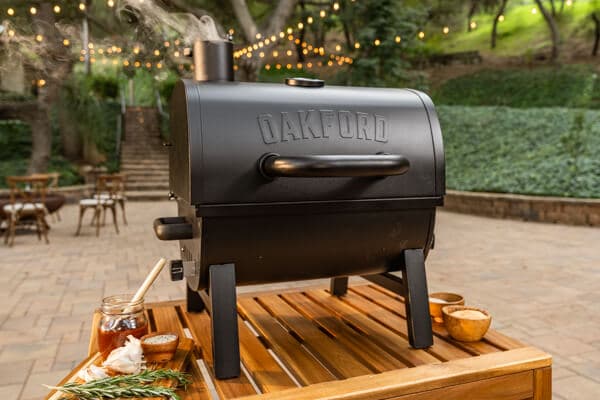
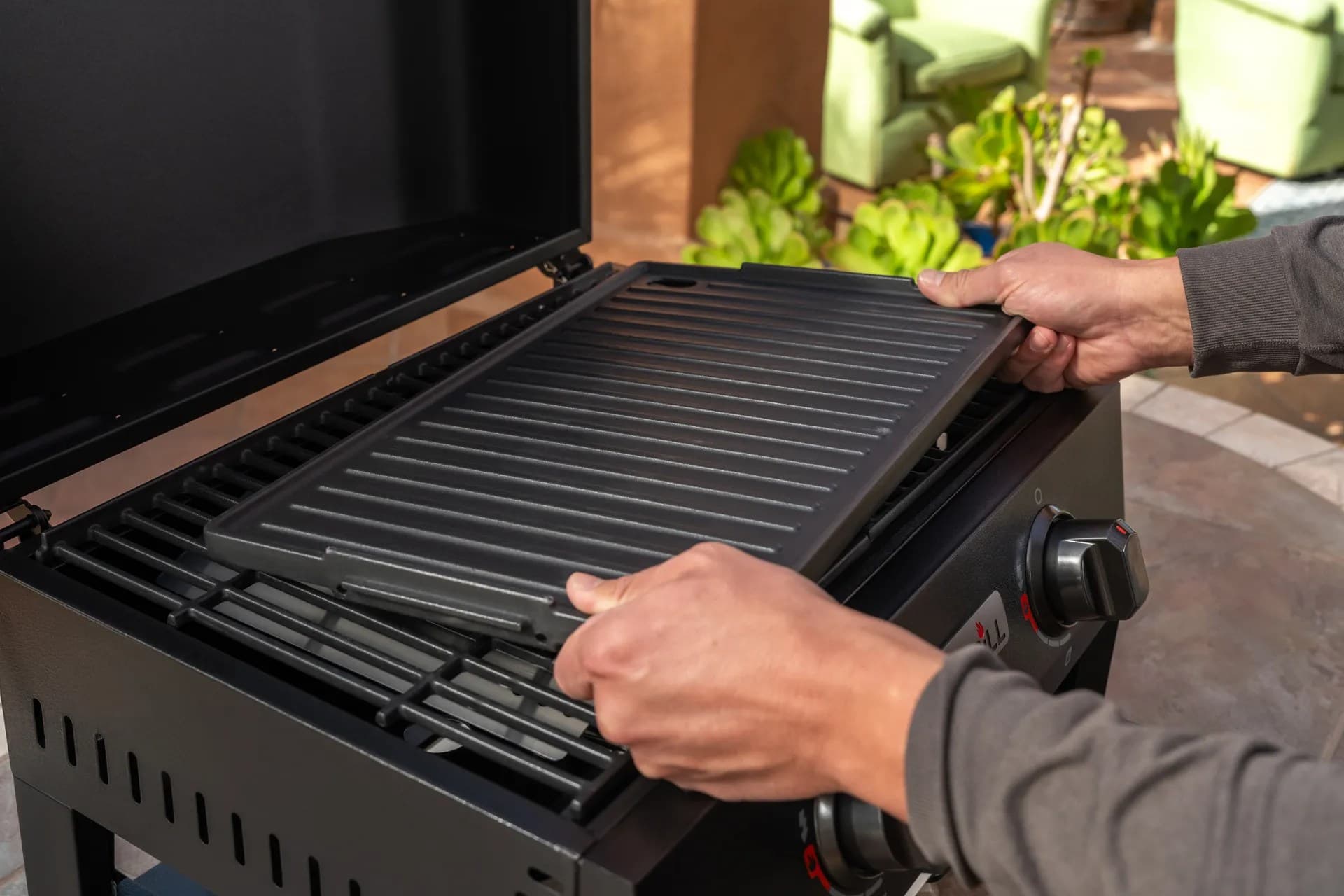
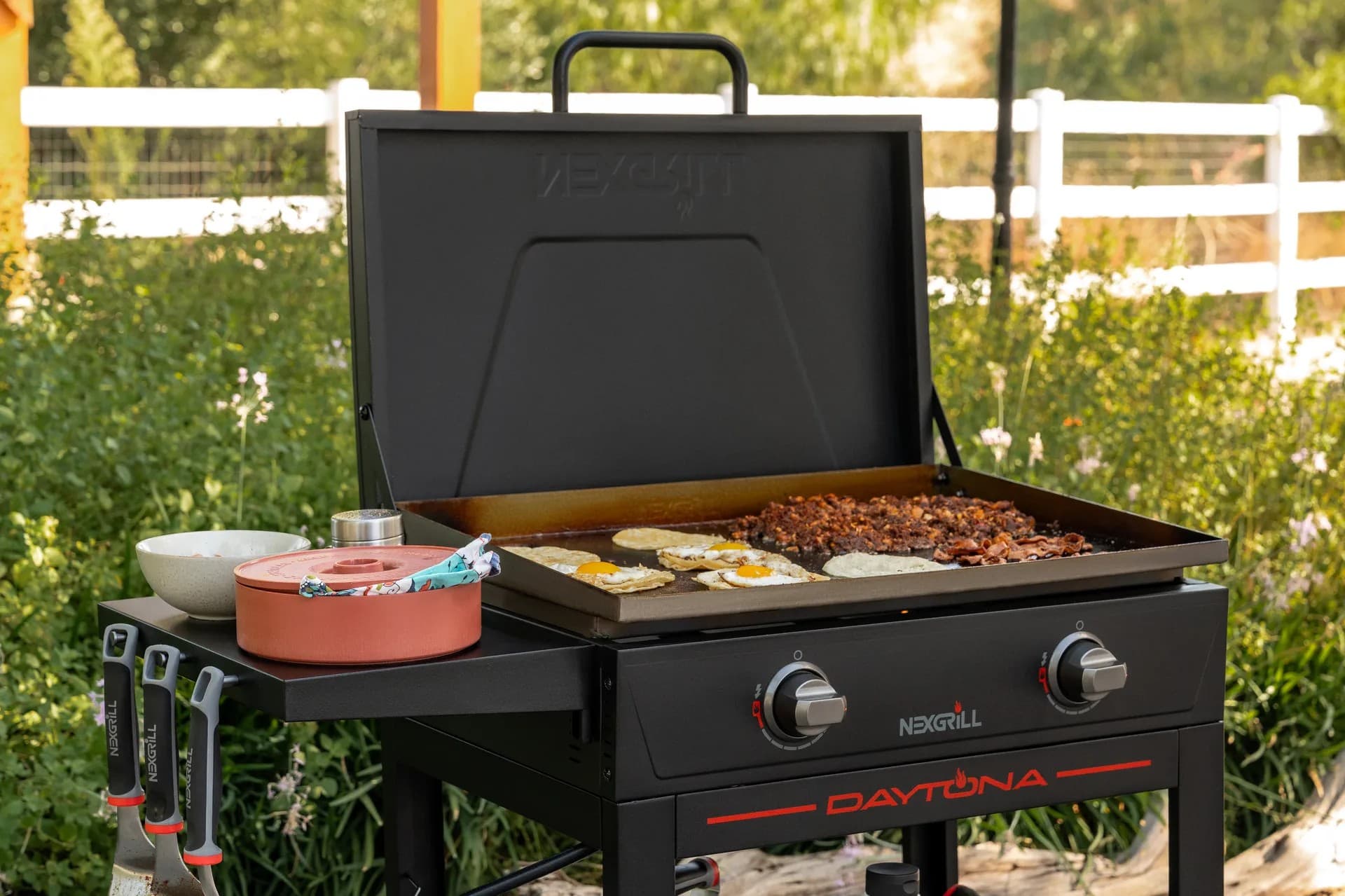
For Nexgrill owners, this is especially relevant because the product range includes compact grills, larger four-burner setups, pellet smokers, and flat-top griddles. A one-size assumption can lead to either poor coverage or unnecessary wear. The most practical approach is to match the cover to the footprint and features of the exact model rather than the general category. If you use a griddle like the Daytona series, the flat cooking surface and lid height should be considered together so the cover does not press directly on the top. If you use a pellet smoker such as the Oakford line, the body shape, chimney, and hopper area all affect the way the cover sits. The brand’s broader outdoor lineup shows why protection should be model-specific instead of generic
When you shop, think of a cover as part of the grill system, not an accessory you buy last. A cover that is easier to put on and remove will actually get used consistently, which matters more than a technically superior product that becomes annoying in daily life. In weather protection, consistency beats perfection. The best cover is the one that stays on when the weather turns and comes off easily when it is time to cook.
Optimal Storage Solutions to Shield Your Grill
Storage decisions often do more damage than the weather itself. A grill left fully exposed in a backyard corner will age much faster than one stored under a covered patio or tucked into a sheltered area between uses. The ideal storage setup depends on how often you grill, how much space you have, and whether your grill is propane, charcoal, pellet, or flat-top. A patio roof, awning, or garage can provide excellent shelter, but only if the grill is cool, fuel-safe, and positioned where airflow is not restricted.
For homeowners with covered patios, the goal is to keep the grill dry without crowding it into a tight alcove. Heat, smoke, and humidity still need a place to move. If you store a grill too close to walls or upholstery, grease residue and heat can create preventable wear on nearby surfaces. A dry, shaded, well-ventilated spot is the sweet spot. In snowy climates, this may mean rolling the grill into a sheltered garage or storage bay for the off-season. In coastal or tropical climates, it may mean placing the grill where sea spray or heavy rain cannot reach it directly, while still allowing enough room for the unit to breathe.
Info: If you move your grill indoors for storage, make sure it is completely cool, the fuel source is secured, and the grease tray has been cleaned before relocating it.
Mobile storage can help too. Many cart-style grills and griddles are easier to protect if they can be rolled under shelter after use. That convenience matters for families who grill during the week and do not want to wrestle with a heavy cover every time. A model like a two-burner gas grill or a foldable-cart griddle can be easier to protect simply because the storage process is less work. Bigger outdoor setups, including pellet smokers and four-burner grills, may require a more deliberate storage routine, especially when they stay outside year-round.
Think about what surfaces sit beneath the grill as well. Decking, composite boards, pavers, and concrete all respond differently to moisture and grease drips. Using a stable, level base helps reduce water pooling under the cart and makes it easier to roll the unit in and out of shelter. If your outdoor space has a slope, consider repositioning the grill so rainwater moves away from the wheels and lower frame rather than toward them. The storage location should protect not only the visible cooking chamber but also the hidden parts that are easiest to forget, such as casters, control boxes, valve stems, and frame joints.
The real advantage of thoughtful storage is that it turns weather protection into a habit rather than a seasonal emergency. A grill that is stored with intention is easier to maintain, quicker to inspect, and less likely to surprise you with rust, sticking lids, or corroded hardware when grilling season returns.
Essential Maintenance Practices to Extend Grill Lifespan
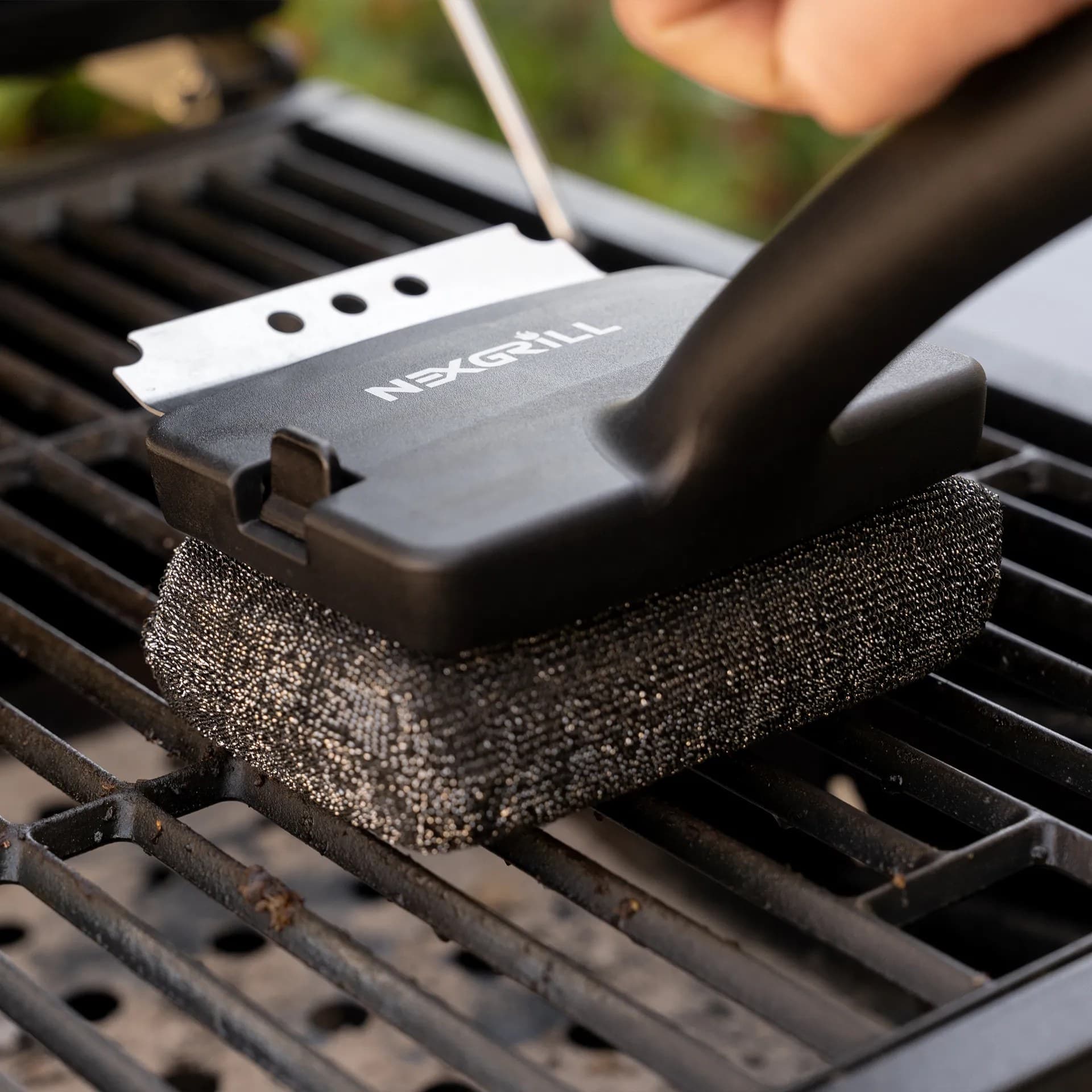
Weather protection is not only about blocking rain or sun. It also depends on how well you maintain the surfaces that have already been exposed. A clean grill resists corrosion better than a dirty one because grease, ash, salt, and food residue hold moisture against metal. That is why the most effective maintenance plan pairs physical protection with regular cleaning. After each cook, brush the grates while they are still warm, empty or scrape out residue where appropriate, and remove anything that could trap moisture overnight.
For gas grills, inspect burner ports, igniters, and hose connections on a routine basis. Moisture and debris can interfere with ignition and produce uneven flame patterns. For charcoal grills, ash should never be left sitting for long periods because it can absorb humidity and speed up corrosion in the firebox. For pellet grills, keep the hopper and burn area dry and clean because damp pellets and residue can create ignition or feeding issues. Each fuel type has its own weak points, but the principle is the same: remove anything that helps water linger.
Warm grates, dry parts, and clear ash reduce moisture-related wear.
A light protective wipe on exterior metal surfaces can also help in weather-prone areas. Use products intended for outdoor metal care and avoid anything that leaves a slippery film where food-contact surfaces may sit. Pay attention to hinges, handle mounts, bolts, and cart corners, because those are common starting points for surface rust. If you notice chipped paint or exposed metal, address it quickly before rust spreads. Small touch-ups are easier and cheaper than replacing panels later.
There is also an inspection rhythm worth keeping. After a strong storm, glance at the wheels, lower frame, lid, and side shelves. After a heat wave, check whether seals or plastic components have dried out. After a period of high humidity, open the grill and make sure no condensation has formed in a closed chamber. These quick checks take only a few minutes, but they reveal whether your current protection strategy is actually working. In practice, weather protection is less about a single product and more about a chain of simple behaviors: cover it, store it well, clean it promptly, and inspect it before damage becomes visible from across the patio.
Try comparing two products side by side below to see which fits best:
Seasonal Considerations: Protecting Your Grill Year-Round
Once you've compared two grills side by side, the next question is how your protection routine should change as the weather changes. The answer is not the same in every season, and that is where many owners lose ground. Spring often brings pollen, storm runoff, and big temperature swings. Summer adds relentless UV exposure and heat that can age covers and dry out finishes. Fall layers in leaf debris, moisture, and longer overnight dampness. Winter is the most punishing for grills that sit unused, especially in regions where freeze-thaw cycles repeatedly expand and contract moisture around seams, screws, and frame joints.
A seasonal protection plan should be practical, not complicated. In spring, clear the grill top and surrounding area so pollen and organic debris do not collect in burners or under lids. In summer, keep the cover on during bright sun but check that it is not baking onto hot metal after a cook. In fall, remove leaves and acorns from the lid, side shelves, and undercarriage because organic debris traps moisture and stains finishes. In winter, the best move in cold states is often to store the grill in the most sheltered location available and to check the cover after snow or ice storms so heavy buildup does not stretch seams or force water toward the lower frame.
Warning: Never pack a grill away while it is damp inside. Trapped condensation can do more damage than a brief rainstorm.
If you live in the South or along the Gulf Coast, humidity is a year-round issue rather than a seasonal one. That means the grill should be opened and aired out regularly, even if you use a cover. If you live in the desert Southwest, you may worry less about rain but more about sun and dust. In that case, the cover matters because it blocks UV and keeps fine grit out of moving parts. In the Midwest and Northeast, a combination of snow, slush, road salt carried by wind, and repeated freeze-thaw cycles can be especially hard on carts and fasteners. Each climate asks for a slightly different answer, but every climate benefits from routine checks.
Nexgrill’s outdoor cooking lineup gives a good real-world example of why this matters. A compact two-burner grill used on a small patio may be easy to move under shelter before a storm. A larger four-burner gas grill with a side burner may live outside more often because it is anchored in a bigger entertaining area. A pellet smoker like an Oakford model may spend longer periods idle between long cook sessions, which makes dry storage and cover management even more important. A griddle can be vulnerable in a different way because its flat-top surface needs to stay clean and dry to avoid surface spotting. The protection method should therefore track the way the grill is actually used, not just its category.
Addressing Common Weather-Related Grill Issues
The signs of weather damage are often subtle long before they become obvious. Rust around screws or cart bolts may start as a small discoloration. A lid that used to open smoothly may begin to squeak because moisture has entered the hinge area. A gas grill may light less evenly after weeks of humidity and pollen buildup. A cover may start to hold water in a low spot, creating a damp pocket that keeps the grill surface wet even after the rain has passed. These issues are common, but they are not inevitable if you respond early.
When you see surface rust, act immediately. Light rust can often be cleaned off before it spreads deeper into the metal. If rust appears after a storm, dry the area thoroughly and inspect the surrounding paint or coating for damage. On painted steel, chipped edges are especially important because they expose raw metal. On stainless components, fingerprints, salt, and water spots should be removed regularly because they can eventually leave discoloration that is harder to reverse. If moisture gets into an ignition system, disconnect the fuel source and allow the components to dry fully before trying again. A forced ignition attempt can make a small weather problem seem like a bigger mechanical failure.
Tip: Keep a small inspection kit nearby with a soft brush, microfiber cloth, and rust-safe cleaner so you can address weather damage the same day you spot it.
The underside of the grill is the part most owners forget. Wheels collect grime, frames hold standing moisture, and the lower shelf often becomes the place where drips and condensation accumulate. That is also where weather damage tends to hide until it has progressed. If your grill has a propane tank cabinet or enclosed storage, inspect the bottom edges and vent openings. If it is a cart-style grill, look at caster mounts and the base of the legs. If it is a pellet smoker, inspect the hopper area and any seams around the body where rainwater might pool. Weather problems usually begin where cleanup is least convenient.
Expert Recommendations for Grill Care in Various Climates
The best grill care plan depends on the climate you actually live in, not the climate you wish you had. In humid coastal regions, prioritize corrosion resistance and frequent drying. In dry inland regions, prioritize UV protection and dust management. In rainy northern regions, prioritize drainage, winter storage, and careful post-storm inspections. In all cases, use a cover that fits securely, protect the grill from direct ground moisture, and keep the cooking chamber clean enough that residue does not become a sponge for weather.
For a home in Florida or along the Texas coast, a grill that is used often should be covered after every cook and opened regularly so trapped humidity can escape. A sheltered location becomes especially valuable because salt air can accelerate wear on hardware and exposed metal. For a home in Arizona or Nevada, the cover should emphasize UV resistance and dust protection, and the grill should be checked for brittle components that may crack after long sun exposure. For a home in Minnesota, Michigan, or upstate New York, the off-season may justify moving the grill under a covered structure or into a garage when possible, then reconditioning the grates and cleaning the underside before spring use.
Coastal, desert, and winter climates each need different protection priorities.
A few practical habits apply everywhere. Let the grill cool completely before covering it, because heat and trapped moisture create condensation. Keep the ground beneath the grill as dry and level as possible, because standing water eventually works upward. Clean spills promptly, because sugar, sauce, grease, and salt all attract moisture and shorten the life of exposed metal. Inspect the cover itself at least a few times each season, because a torn seam or stretched strap can quietly undo the rest of your protection plan. If the grill is a major part of weekend cooking or family gatherings, it is worth giving it the same attention you would give any other outdoor appliance that is expected to last through multiple seasons.
Nexgrill’s brand values around dependability and togetherness are a useful lens here. Outdoor cooking works best when the equipment is ready when people are ready. Protecting the grill from weather is not about polishing it for display; it is about preserving the everyday usefulness of the tool that brings people together. A grill that survives rain, sun, and seasonal shifts with fewer surprises is a grill that stays part of the routine instead of becoming a repair project.