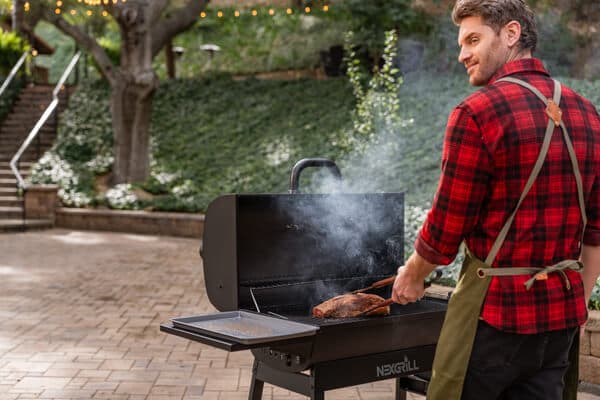
Explore the features, pricing, and user experiences of cordierite pizza ovens.

Here's what sets us apart from the competition
We position ourselves as delivering high-end outdoor cooking features and performance without premium-brand pricing, emphasizing “Quality Grills. Unbelievable Value.”
We offer gas grills, pellet grills, griddles, smokers, pizza ovens, portable/tabletop grills, electric grills, accessories, and replacement parts — allowing customers to stay within one ecosystem for all outdoor cooking needs.
We differentiate ourselves through smart grilling products like the Oakford smart pellet grill, including app-connected cooking controls and modern outdoor cooking technology.
Expert tips, buying guides, comparisons, and inspiration for choosing and getting the most out of your grill.
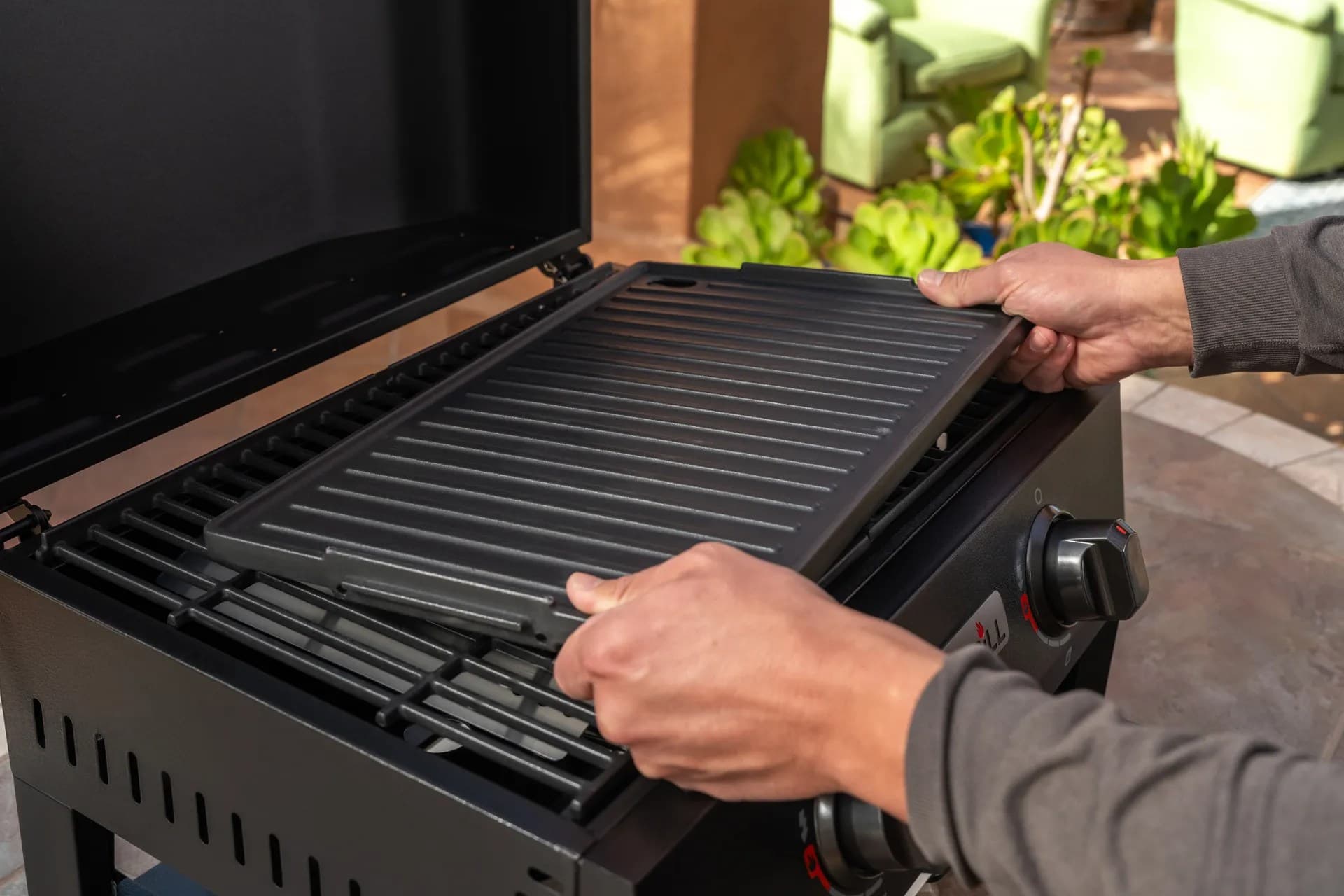
Practical guides for cleaning, maintenance, common grill issues, and performance optimization.
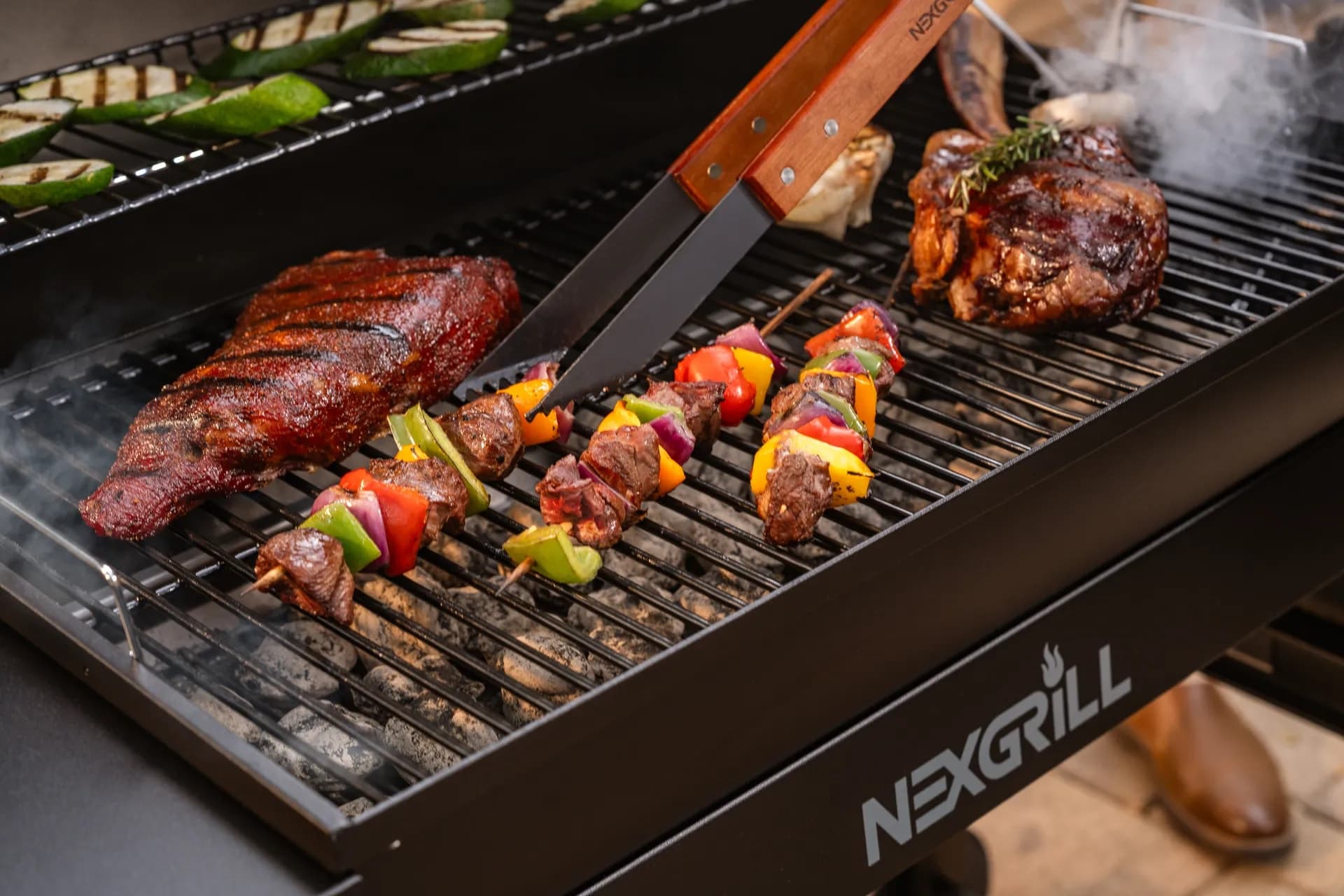
Step-by-step grilling recipes, cooking techniques, and meal ideas for every occasion and skill level.

Backyard entertaining ideas, seasonal grilling inspiration, and stories that celebrate outdoor cooking culture.
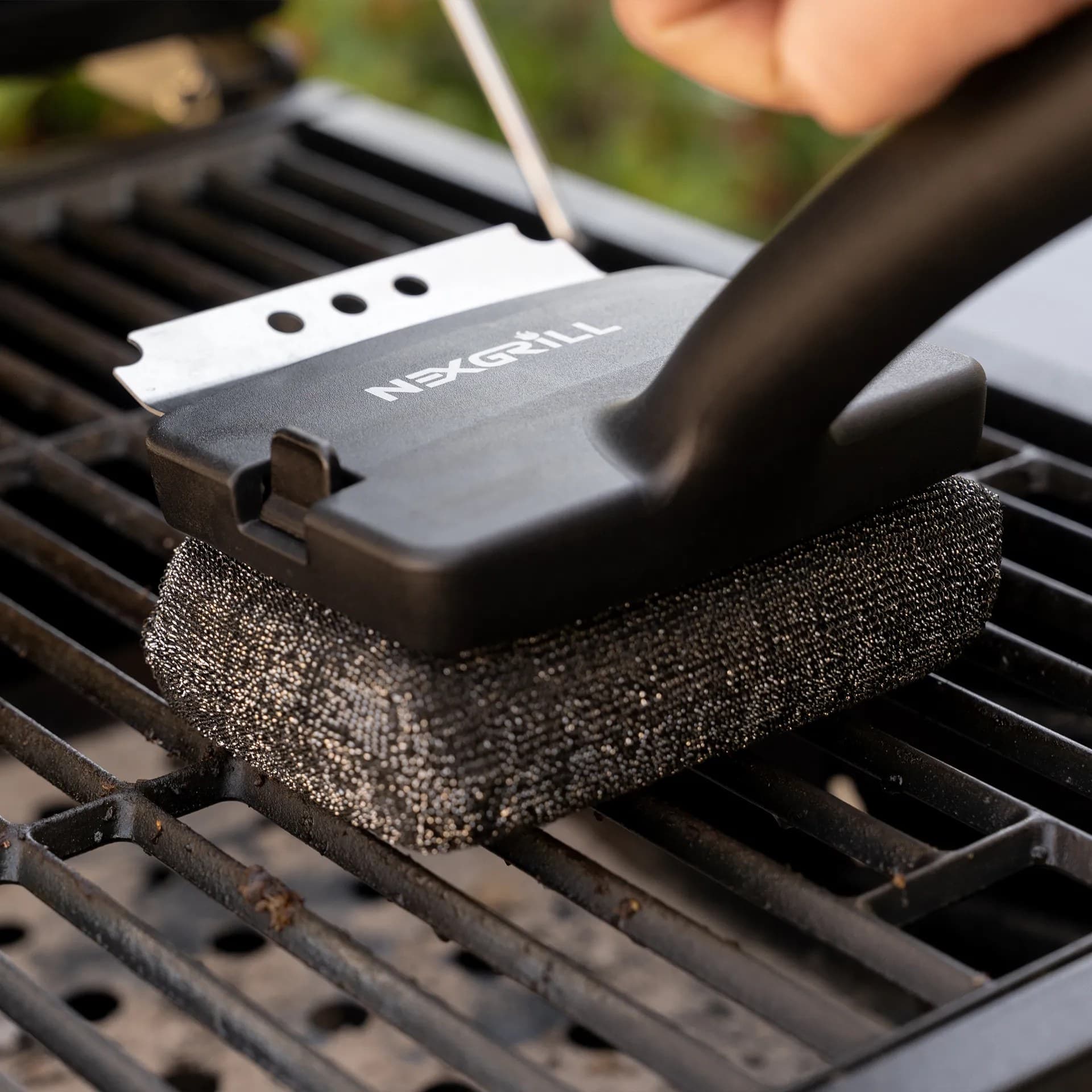
Helpful articles covering grilling tools, cookware, maintenance gear, and must-have accessories for outdoor cooking.
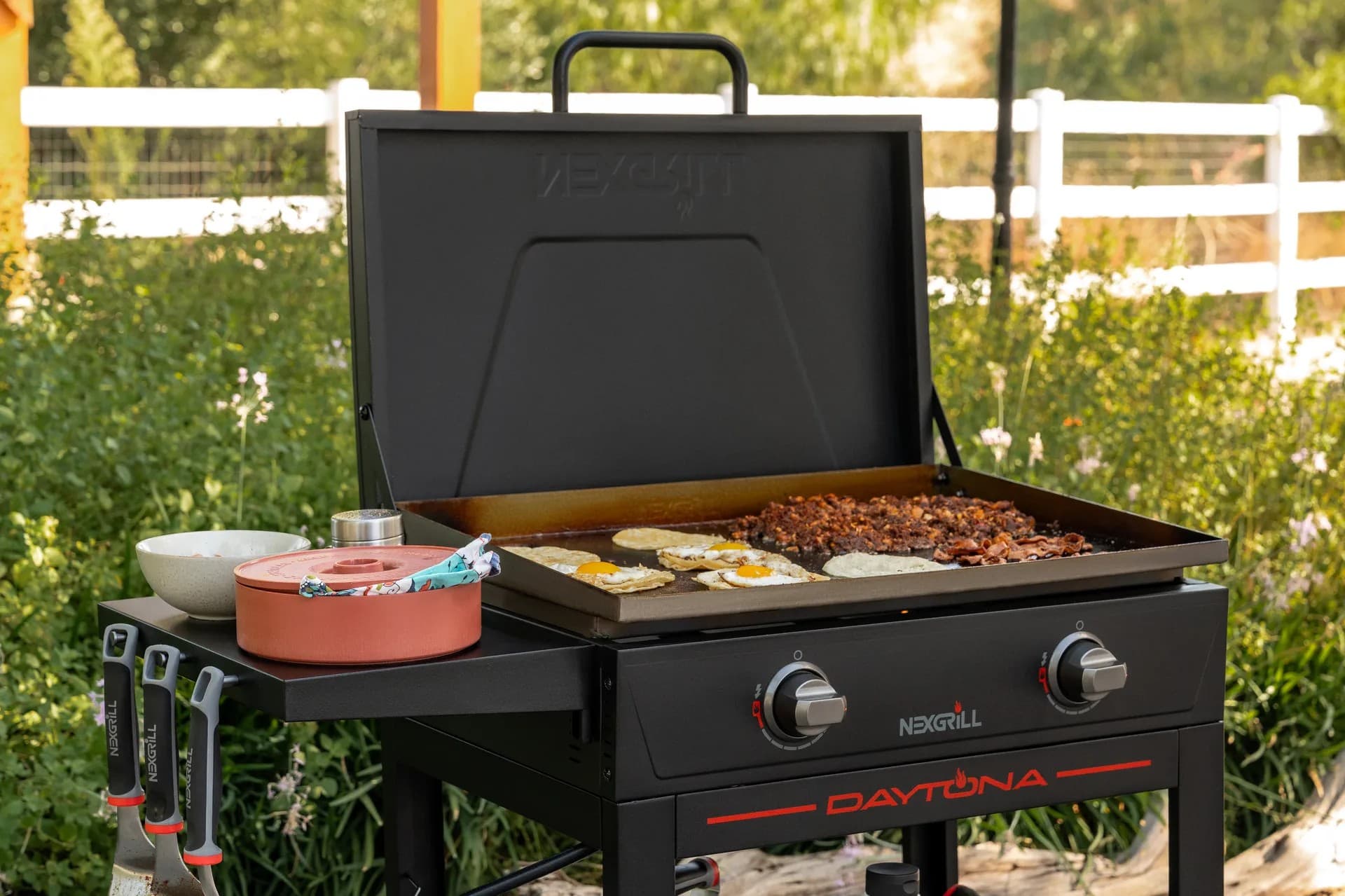
Find griddle recipes, cooking techniques, cleaning tips, and outdoor meal ideas designed for Nexgrill griddles.
Find answers to common questions
Nexgrill offers a variety of grills including gas, charcoal, and pellet grills, catering to different cooking preferences and styles.
Nexgrill is headquartered in California and serves a global market, primarily through retail partnerships such as Home Depot.
Yes, replacement parts are available for various Nexgrill products, and you can find them on the Nexgrill website or through authorized retail partners.
You can reach out to Nexgrill for support through their contact page on the website, where you will find options for phone and email inquiries.
Nexgrill products come with specific warranty terms, which can vary by product; it is recommended to check the warranty details on the product page or in the user manual.
In This Article
Durability and Heat Retention
Price Comparison
User Reviews Insights
If you are comparing a pizza oven with cordierite stone price, it helps to start with the material itself. Cordierite is a heat-resistant ceramic mineral that has become a favorite cooking surface for pizza ovens because it can handle repeated high temperatures without warping as easily as many other baking surfaces. In practical terms, that means it is built for the kind of fast, intense heat that pizza needs: enough stored energy in the stone to drive moisture out of the dough and create a crisp base while the toppings finish cooking above it.
Unlike a thin metal tray or a basic baking sheet, a cordierite stone acts as a thermal buffer. It absorbs heat from the oven and releases it steadily into the dough. That even transfer is a big reason home cooks often notice better browning on the bottom of the crust and fewer soggy centers. For people who want something closer to a pizzeria result at home, this material is one of the most useful upgrades you can look for.
Cordierite is valued less for appearance and more for performance: it is a working surface designed to manage extreme heat, repeated use, and fast recovery between pizzas.
The reason cordierite appears so often in pizza ovens is simple: it balances durability with thermal behavior. It is not the only material used for stones, but it is one of the most practical choices for home pizza ovens because it can be used in gas, electric, and some wood-fired designs depending on the oven’s build. That versatility matters when you are looking at price, because the stone itself is only one part of the overall value equation. Oven insulation, burner output, dome height, and included accessories all affect how much you will pay and how well the oven performs.
For buyers in the United States, cordierite pizza ovens are usually positioned in the entry-level-to-midrange segment, though some premium models use the stone as part of a more feature-rich system. The stone may be removable for easier cleaning, or it may sit as a fixed cooking deck inside the oven. Either way, cordierite is popular because it gives consistent results without requiring special handling every time you cook. If your main goal is reliable crust texture with a manageable learning curve, this material deserves serious attention.
The biggest benefit of cordierite is heat retention. Pizza dough needs a hot, stable cooking surface to set quickly, and cordierite stores enough energy to support that process. When preheated correctly, it helps create the bottom crust structure before toppings overcook. That is especially important for thin-crust pizzas, Neapolitan-inspired pies, and high-moisture toppings like fresh mozzarella or vegetables. The result is a better balance of crispness, chew, and lift in the crust.
A second advantage is thermal shock resistance. Many pizza cooks are used to moving between ambient temperature, a hot oven, and then a cool-down period after cooking. Cordierite is designed to tolerate those swings better than more fragile stone materials. That does not make it indestructible, but it does make it more forgiving when compared with surfaces that can crack if exposed to abrupt temperature changes.
Another practical benefit is versatility. Cordierite is used not only in standalone pizza ovens but also in ovens and accessories where owners want a durable stone surface for bread, flatbreads, calzones, and reheating leftovers without turning them leathery. That broader use case matters because it improves the real value of the oven purchase. You are not just buying a surface for Friday night pizza; you are buying a cooking deck that can support a wider range of high-heat baking tasks.
Cordierite helps deliver crisp crusts by storing and releasing heat steadily during fast pizza bakes.
Cordierite also compares favorably with some ceramic stones in durability. Ceramic can perform well, but it is often more sensitive to cracking if dropped or exposed to uneven heating. In a home kitchen or backyard setting, that difference matters. If a family is moving a stone in and out of an oven, loading pizzas with a peel, or cooking several pies in a row, a tougher stone can be the difference between years of use and a frustrating replacement cycle.
The price of a pizza oven with cordierite stone is easier to justify when you look at what the stone does for the entire cooking process. Many users find that the oven feels more responsive because the stone supports quicker recovery after each pizza is launched. That means less wait time between bakes, which is especially helpful when cooking for a group. For backyard gatherings, that efficiency can matter more than raw horsepower on a spec sheet. Try comparing two products side by side below to see which fits best:
When evaluating price, it helps to separate the stone from the oven itself. A cordierite cooking surface may come in budget portable ovens, compact countertop units, or larger backyard ovens with better insulation and more refined heat control. In the U.S. market, basic cordierite-equipped pizza ovens often start in the low hundreds, while more capable home models can move well above that depending on size, fuel type, and included features. The stone does not set the price alone, but it contributes to the performance tier the oven can support.
| Oven Type | Typical U.S. Price Range | What You Usually Get | Best Fit |
|---|---|---|---|
| Portable entry-level cordierite oven | $150-$300 | Smaller cooking area, simpler controls, fast setup | Casual cooks and occasional weekend use |
| Midrange backyard pizza oven | $300-$700 | Better insulation, stronger heat retention, more consistent baking | Families and frequent home entertainers |
| Premium multi-feature oven | $700-$1,500+ | Larger build, advanced temperature management, accessory bundle | Enthusiasts who want more control and higher output |
Those ranges are estimates, but they reflect a common pattern in the market: the more an oven emphasizes insulation, fuel flexibility, and speed between pies, the more the price tends to rise. A lower-cost oven may still include a cordierite stone, but it may also have thinner walls or less efficient airflow. In contrast, a higher-priced unit often offers a better cooking environment overall, which can matter more than the material alone.
Brand positioning also influences pricing. Some brands bundle cordierite stones into ovens aimed at easy home use, while others market them as part of a more serious outdoor cooking setup. The same material can appear in products with very different price points because of construction quality, burner's output, and oven capacity. That is why a careful comparison is worth your time: two ovens can both say cordierite, but one may be designed for occasional use while the other is built for repeated family pizza nights.
Once you have weighed two options against each other, the next question is what actual owners say after a few weeks or months of use. User reviews of cordierite pizza ovens tend to cluster around a few themes: crust quality, ease of cleaning, heat consistency, and whether the stone holds up after repeated use. These are practical concerns, not abstract ones, because a pizza oven is judged by how reliably it can produce a browned bottom without burning the top.
A common positive review pattern is that cordierite stones help home cooks feel more confident. Users often report that pizzas release cleanly once the stone is fully preheated and lightly floured or dusted with semolina, and they appreciate the fact that the cooking surface seems to recover heat fairly well between pies. For families cooking several pizzas in one session, that recovery can be the difference between the first pizza and the last pizza feeling like they came from the same oven.
Another recurring comment is that the stone improves versatility beyond pizza. Owners mention flatbreads, roasted vegetables, reheated slices, and even artisan bread as useful applications. That broad use makes the oven feel like a more complete outdoor cooking investment. In review language, this usually shows up as “worth the price” because the buyer uses it more than expected. That is an important signal when judging price, since value is not only about the initial cost but also about how many cooking jobs the oven can handle over time.
Many negative reviews are not about the stone itself but about preheating mistakes, overcrowding the peel, or trying to cook before the deck has fully stabilized.
Where users sometimes get disappointed is in expectations. A cordierite surface improves results, but it does not eliminate technique. If the oven is not fully preheated, the dough can stick or bake unevenly. If too much flour is left on the stone, it can scorch and create off flavors. If the oven’s heat source is underpowered, the stone may not store enough energy for back-to-back pizza production. Reviews that mention these problems often reveal a mismatch between what the buyer expected and what the oven was actually designed to do.
On the durability side, users usually respond well when they treat the stone correctly. Most complaints about cracking come from sudden thermal stress, physical impact, or misuse such as placing a cold, damp stone into a very hot oven. That means review quality is influenced heavily by owner habits. Buyers who understand cordierite’s strengths and limits tend to report strong satisfaction. Buyers who expect it to behave like a metal baking pan often do not.
For people comparing brands, reviews are especially useful when they mention how long the stone stayed flat, how well it held temperature after multiple pizzas, and whether it cleaned up without becoming stained or rough. Those details tell you much more than star ratings alone. If a midrange model has consistent praise for heat retention and predictable crust browning, it may be a better purchase than a higher-priced oven with flashy extras that do not improve the actual bake.
Cordierite is durable, but it still needs sensible care. The best maintenance approach is simple: let the stone cool naturally, remove debris after use, and avoid soaking it in water. Abrupt temperature changes are one of the fastest ways to shorten the life of any pizza stone, including cordierite. If you need to clean after a spill, wait until the stone is completely cool before wiping it down.
Dry cleaning is usually best. A stiff brush, plastic scraper, or dry cloth can remove baked-on crumbs and surface flour without adding moisture. If residue remains, a light wipe with a barely damp cloth is safer than submerging the stone or scrubbing it with harsh soap. Most owners learn that a seasoned-looking stone with some discoloration is normal. Stains do not necessarily mean poor performance; they often reflect repeated high-heat use.
Avoid cold water, wet cloths on a blazing-hot stone, or moving it straight from heat to a cold surface.
It also helps to protect the stone from impact. Even though cordierite resists thermal shock well, it can still chip or crack if dropped, knocked against a hard edge, or stacked with heavy accessories. Store removable stones flat when possible, and do not place heavy cast iron pieces on top of them in storage. If the oven design requires the stone to stay in place, inspect it occasionally for visible cracks or uneven wear.
Another useful habit is to keep excess oil off the stone. A little flour or semolina is fine for launching pizza, but pooling grease can darken the stone and make cleanup harder. When cooking toppings that release a lot of oil, use restraint so the stone does not become saturated. The goal is a cooking surface that remains dry enough to heat evenly and release food cleanly.
A cordierite stone performs best when you treat preheating as part of the recipe. Give the oven enough time to bring the stone fully up to temperature before launching the first pizza. A stone that looks hot is not always hot enough; the deck needs time to absorb and stabilize heat. For many home pizza ovens, that means waiting longer than you might expect rather than rushing the first bake.
Dough hydration also matters. Very wet dough can be delicious, but it demands a hotter, more stable stone and confident launching technique. If you are new to pizza making, a moderately hydrated dough is often easier to manage and less likely to stick. Dusting the peel with flour or semolina helps, but too much flour can burn and leave bitter spots, so aim for a light, even coating rather than a heavy layer.
| Cooking Habit | Why It Helps | Common Mistake to Avoid |
|---|---|---|
| Full preheat before launch | Improves bottom browning and reduces sticking | Starting too early because the oven looks hot |
| Light peel dusting | Helps dough slide without adding excess burnt flour | Using too much flour or cornmeal |
| Rotate during bake if needed | Balances hot spots in ovens with uneven flame patterns | Leaving one side exposed to heat too long |
| Cook one test pizza first | Lets you learn the oven before serving guests | Assuming the first launch will be perfect |
For families or hosts, the best practical approach is to treat the first pizza as calibration. Watch how quickly the crust colors, how the cheese melts, and whether the far edge needs turning. Once you understand the heat pattern, the rest of the session becomes much easier. This is one reason many people like cordierite-equipped ovens: they reward careful setup with repeatable results, but they do not require professional-level technique.
A pizza oven with cordierite stone price is best judged by performance, not material alone. Cordierite earns its reputation because it helps stabilize heat, supports crisp crusts, and stands up well to regular high-temperature cooking. When you compare models, focus on the full cooking system: stone quality, oven insulation, heat source, size, and how the oven fits your typical pizza nights.
If you want the most practical value, start with how often you will cook and how many people you usually serve. Occasional users may be satisfied with a lower-cost unit that includes a cordierite stone, while frequent hosts may find that paying more for stronger heat retention and better construction is worthwhile. The best purchase is the one that matches your cooking style, your space, and your patience level.
For deeper reading on cordierite benefits and pizza oven pricing, see the sources below.
Here's what sets us apart
We position ourselves as delivering high-end outdoor cooking features and performance without premium-brand pricing, emphasizing “Quality Grills. Unbelievable Value.”
We offer gas grills, pellet grills, griddles, smokers, pizza ovens, portable/tabletop grills, electric grills, accessories, and replacement parts — allowing customers to stay within one ecosystem for all outdoor cooking needs.
We differentiate ourselves through smart grilling products like the Oakford smart pellet grill, including app-connected cooking controls and modern outdoor cooking technology.
Don't just take our word for it
Keep reading
From our catalog