Explore the best options and tips for outdoor cooking enthusiasts.
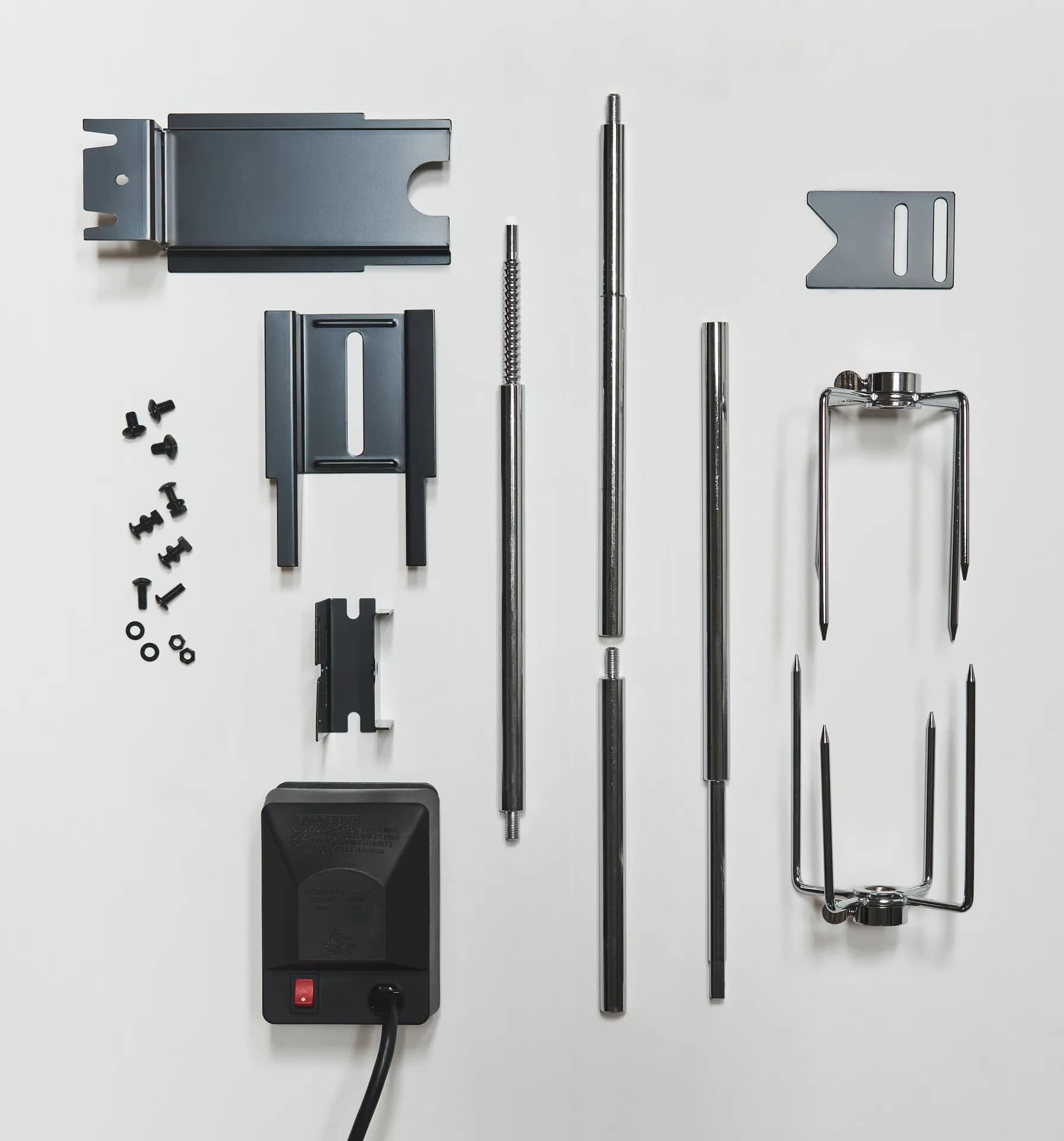
Here's what sets us apart from the competition
We position ourselves as delivering high-end outdoor cooking features and performance without premium-brand pricing, emphasizing “Quality Grills. Unbelievable Value.”
We offer gas grills, pellet grills, griddles, smokers, pizza ovens, portable/tabletop grills, electric grills, accessories, and replacement parts — allowing customers to stay within one ecosystem for all outdoor cooking needs.
We differentiate ourselves through smart grilling products like the Oakford smart pellet grill, including app-connected cooking controls and modern outdoor cooking technology.
Expert tips, buying guides, comparisons, and inspiration for choosing and getting the most out of your grill.
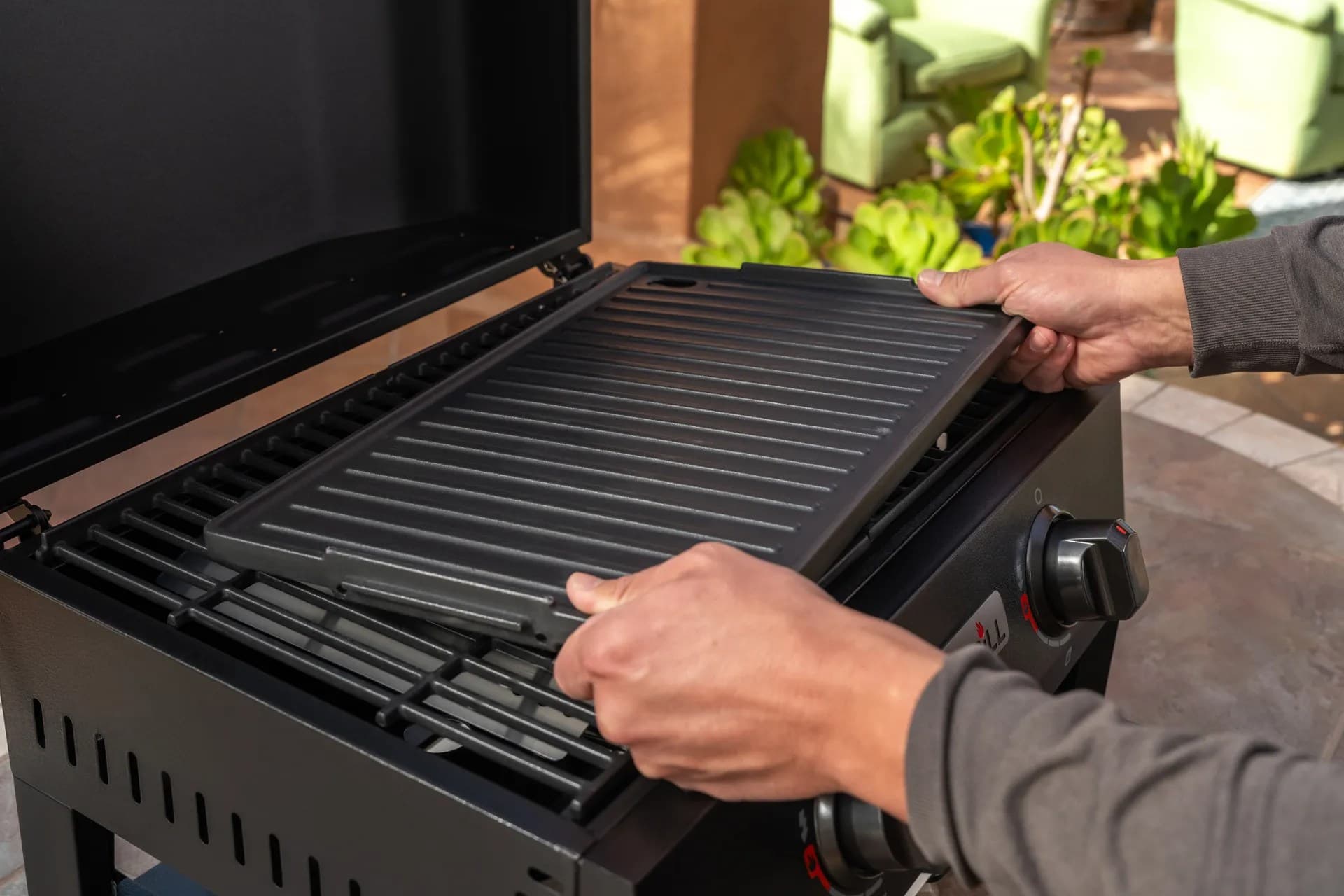
Practical guides for cleaning, maintenance, common grill issues, and performance optimization.
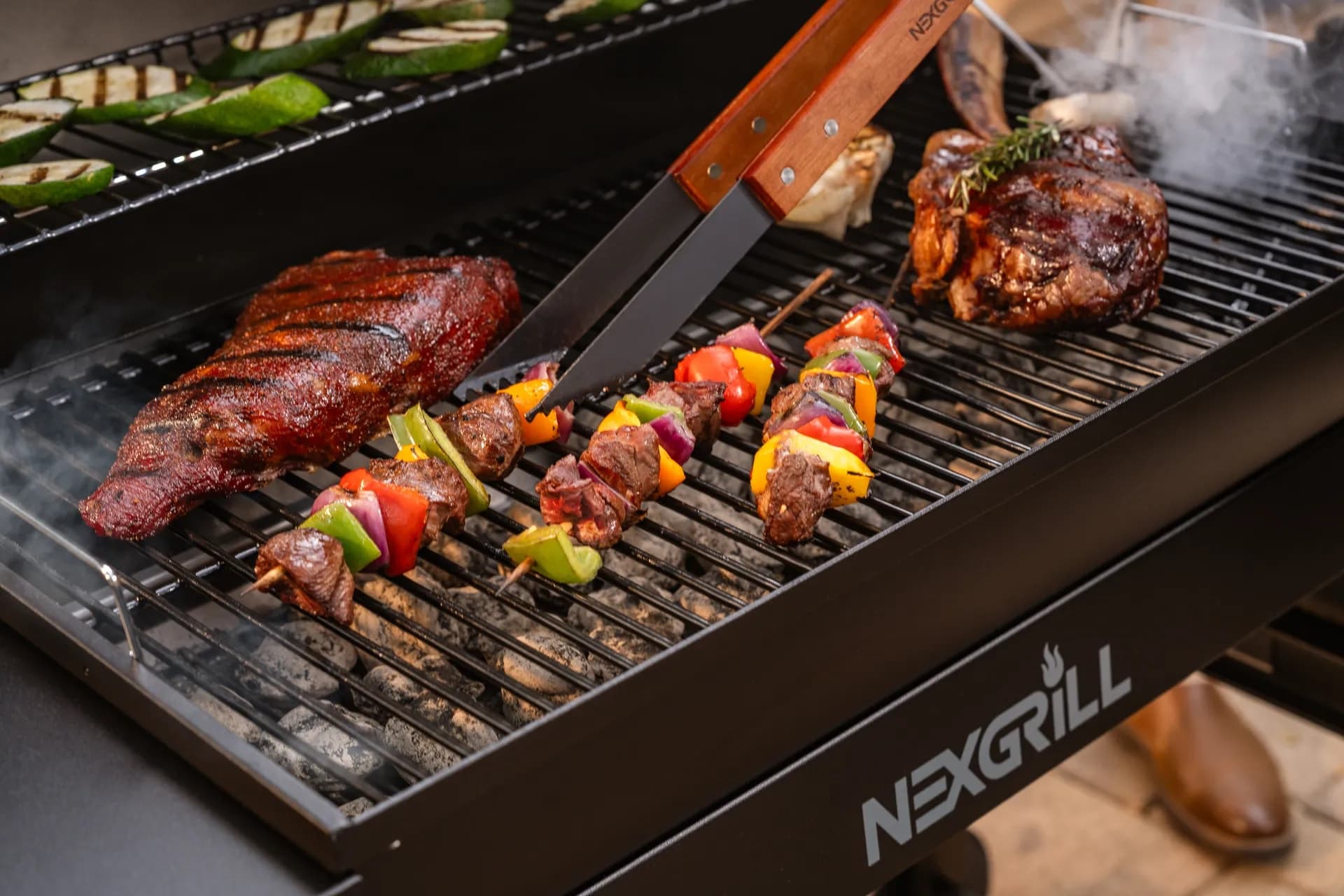
Step-by-step grilling recipes, cooking techniques, and meal ideas for every occasion and skill level.
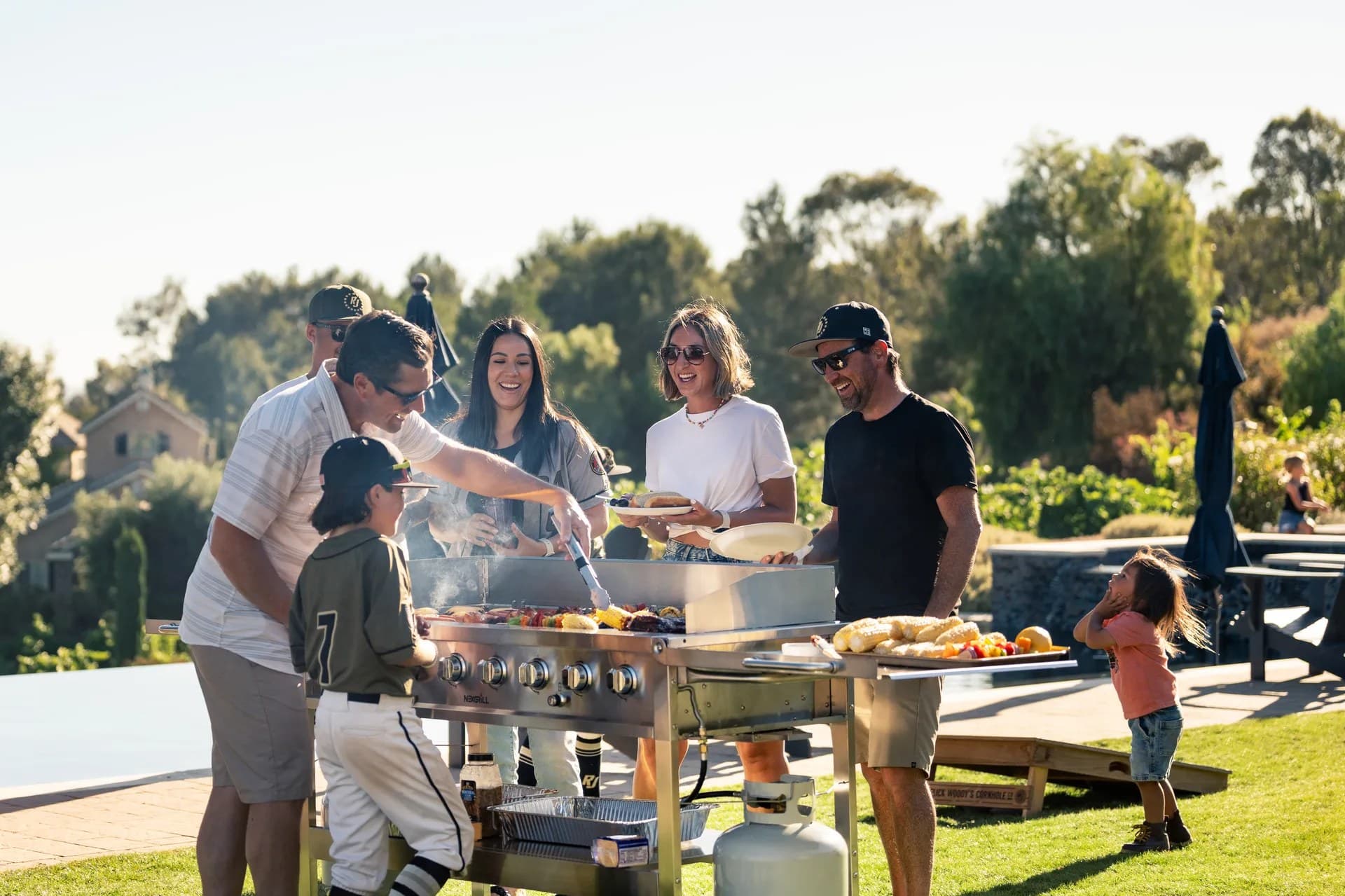
Backyard entertaining ideas, seasonal grilling inspiration, and stories that celebrate outdoor cooking culture.
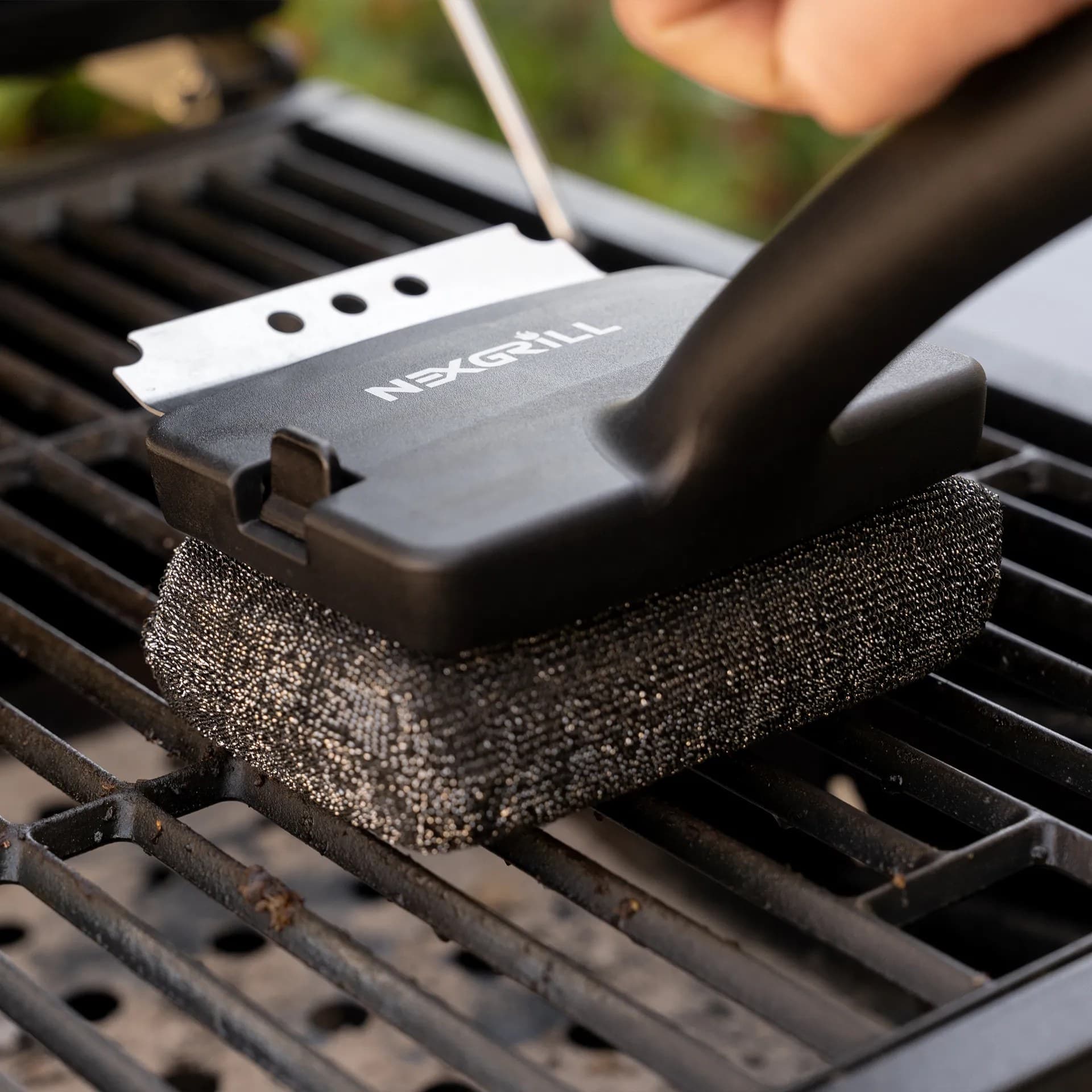
Helpful articles covering grilling tools, cookware, maintenance gear, and must-have accessories for outdoor cooking.
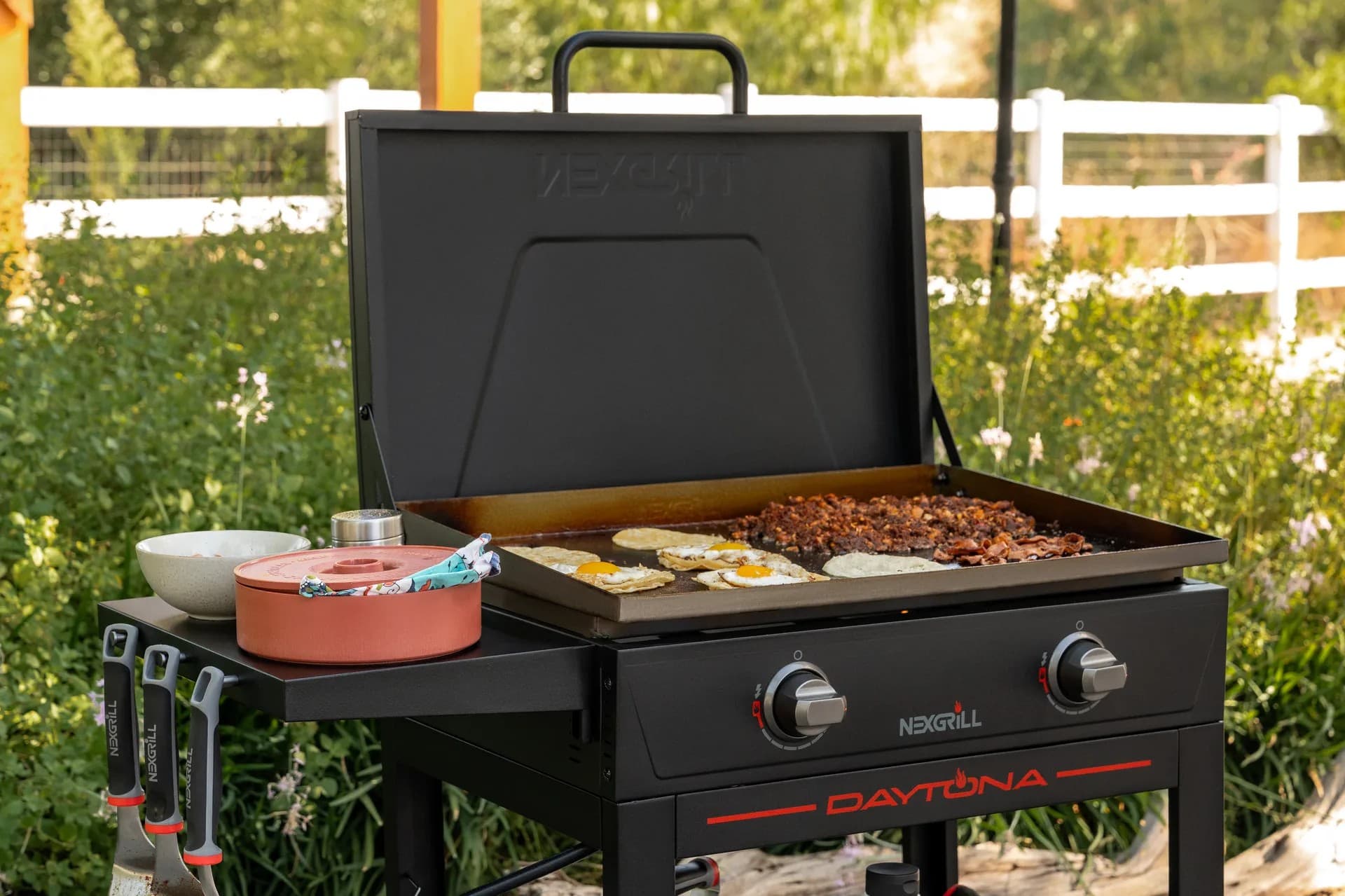
Find griddle recipes, cooking techniques, cleaning tips, and outdoor meal ideas designed for Nexgrill griddles.
Find answers to common questions
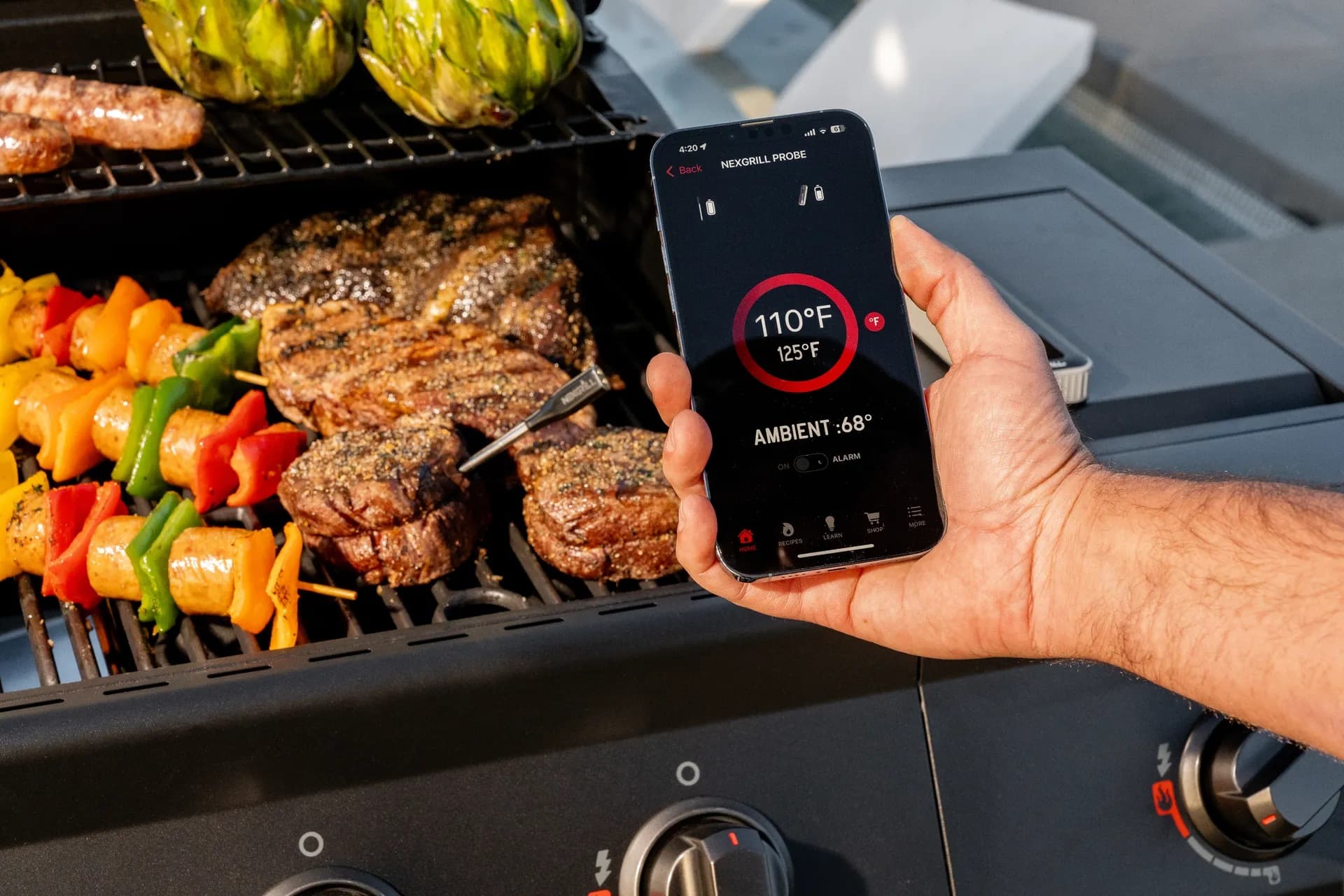
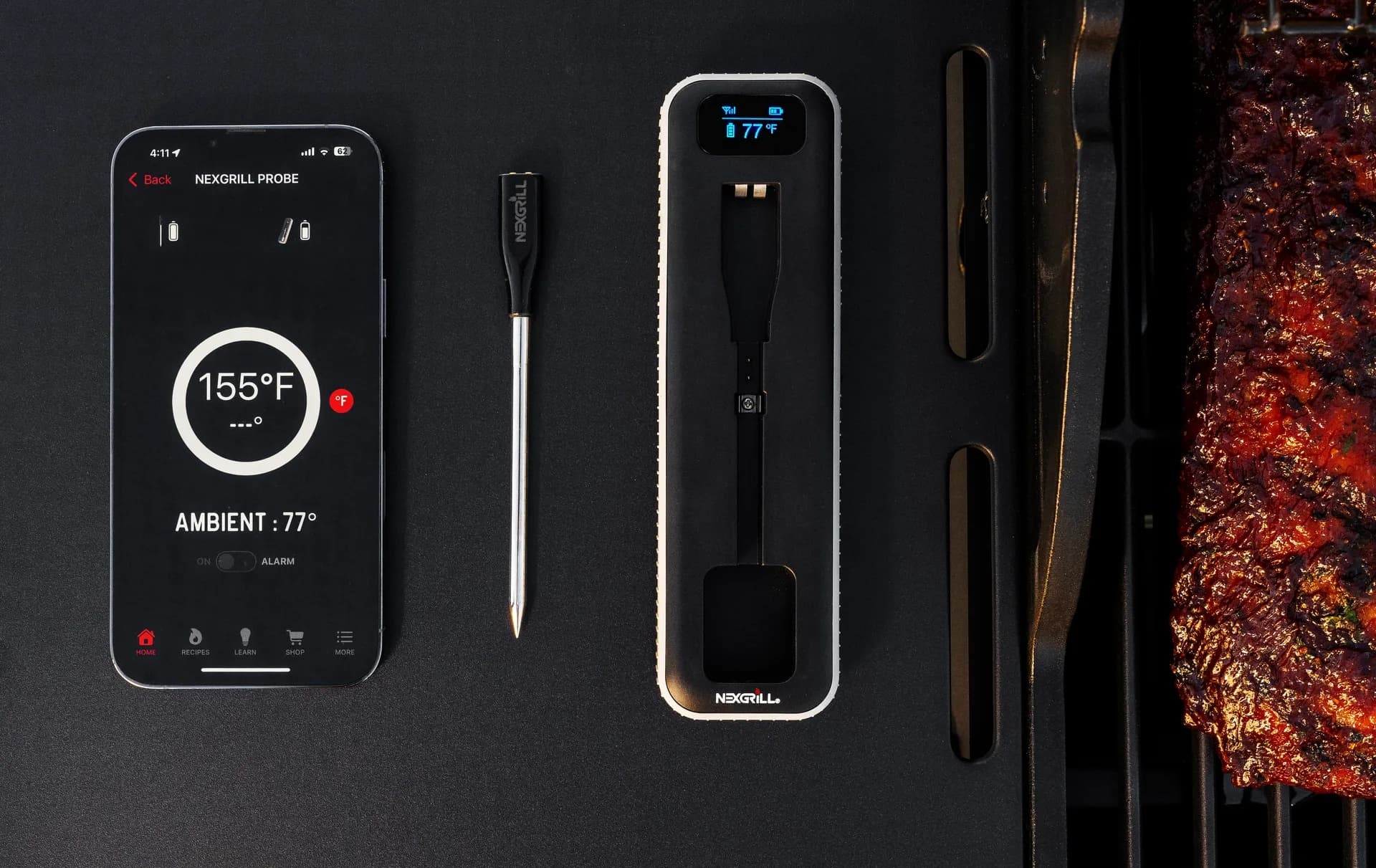
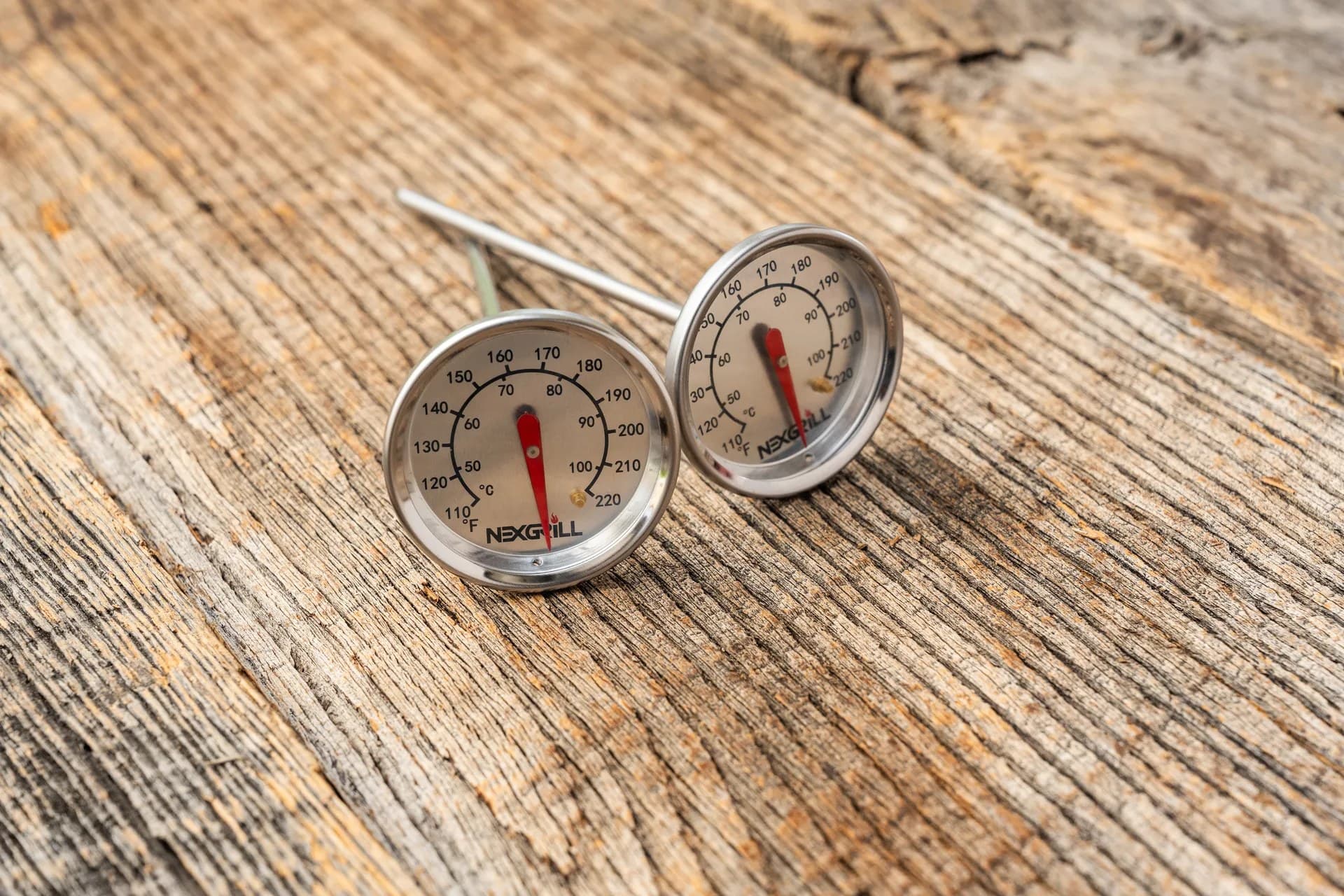
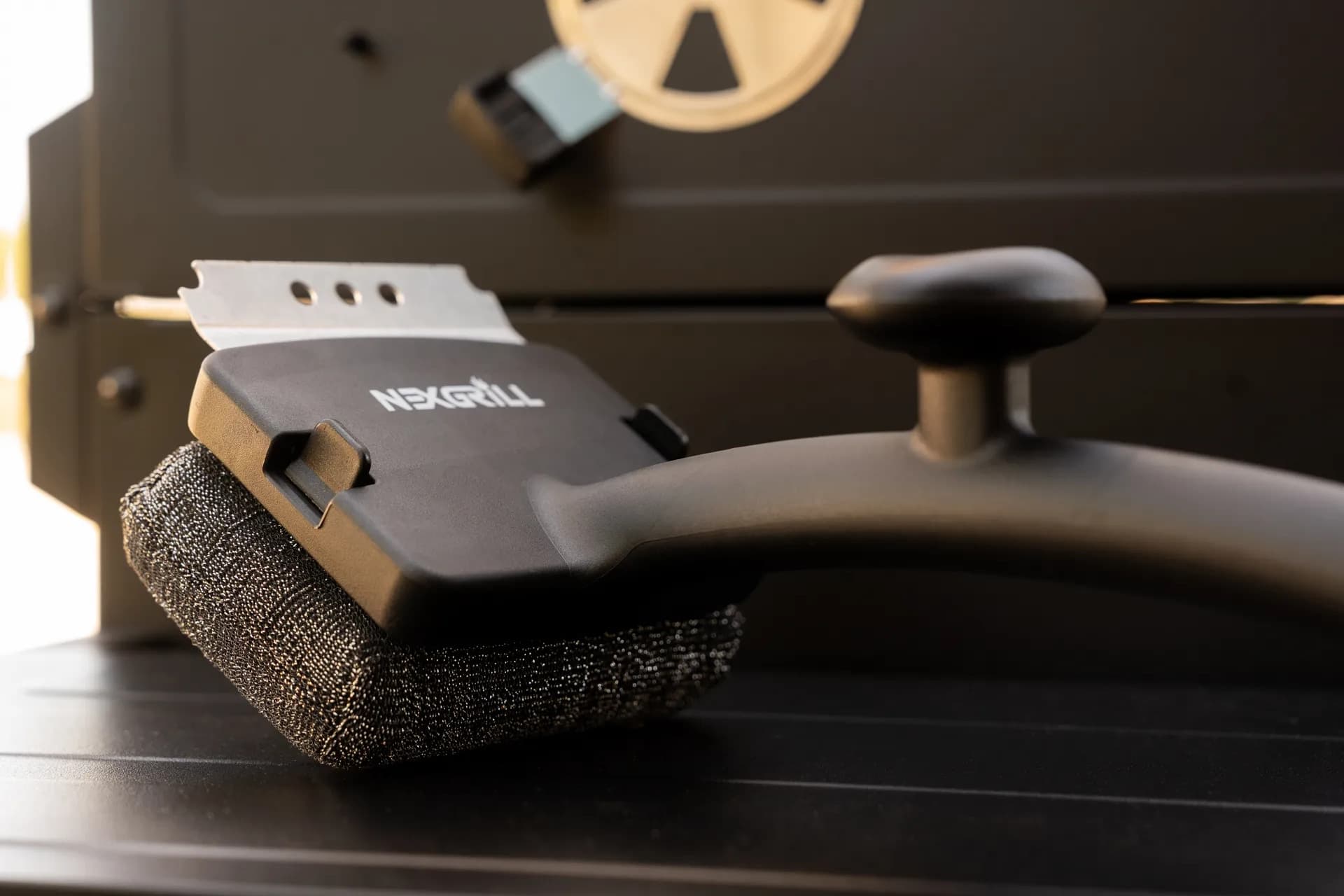
Nexgrill offers a variety of accessories including grill tools, covers, cooking utensils, and replacement parts designed to enhance your grilling experience.
Many Nexgrill accessories are widely compatible with various grill brands, but it is recommended to check the specifications for proper fit and functionality.
To maintain your Nexgrill accessories, regularly clean them with warm soapy water, avoid using abrasive materials that could scratch the surface, and store them in a dry place when not in use.
Yes, Nexgrill accessories can be purchased separately from the grills, allowing customers to customize their grilling setup as needed.
Instructions for using Nexgrill accessories are typically included in the packaging, and additional resources can be found on the Nexgrill website or in the product user manuals.
In This Article
Types of Pizza Ovens
Top Picks for Every Budget
Maintenance and Accessories
A backyard pizza oven changes the rhythm of outdoor cooking in a way that a standard grill usually cannot. Instead of treating pizza night as a quick weeknight meal, it turns the patio into a real gathering space where dough, sauce, heat, and timing matter. That is a big part of the appeal: you are not just making dinner, you are creating an experience that invites people to hover near the cook, watch the crust bubble, and build their own slices. Nexgrill’s brand messaging centers on that same idea of shared cooking and approachable outdoor entertaining, where the fire is as much about connection as it is about food .
For homeowners in the United States, the best pizza oven for backyard use is rarely the most expensive one or the one with the highest headline temperature. It is the oven that fits your fuel preferences, your patio footprint, and the way your household actually cooks. Some people want the fastest possible preheat and the easiest temperature control. Others want the flavor and ritual of live fire. A growing number of buyers want a model that can do more than pizza, such as roasting vegetables, baking flatbreads, or finishing steaks. That broader utility matters because a backyard oven should earn its place outside through frequent use, not just occasional novelty.
This guide focuses on practical, backyard-first decisions. Rather than treating every oven as interchangeable, it compares how different fuel sources affect heat-up time, flavor, maintenance, and day-to-day convenience. It also looks at setup considerations that are easy to overlook, such as where smoke will drift, how much counter or cart space you need for dough prep, and whether you want a compact tabletop unit or a larger outdoor cooking station. The goal is to help you choose an oven that fits both your space and your habits, so pizza night feels easy instead of fussy.
Backyard pizza ovens work best when they match your cooking style first and your dream specs second. The right fit is usually the one you will use often.
The three main pizza oven types for backyard cooking are wood-fired, gas, and electric. Each one brings a different balance of flavor, control, and convenience. Wood-fired ovens are the most traditional. They appeal to cooks who want visible flame, high ceiling temperatures, and the subtle char that comes from a live-fire environment. They can create excellent crust texture, but they usually require more learning, more patience, and more attention during the cook. If you enjoy managing fire and adjusting hot spots by moving pizza around the stone, wood-fired can be deeply rewarding. If you want to cook for a group without babysitting the flame, the trade-off can feel less appealing.
Gas pizza ovens are often the easiest backyard option for regular use. They heat quickly, hold temperature more predictably, and make it easier for newer pizza makers to repeat results. That matters when you are cooking for a family or hosting a few neighbors and do not want one pie to come out underbaked while the next one burns. Gas is also practical for homeowners who want pizza night to feel more like a streamlined dinner routine than a special project. If the oven sits on a patio or near a grill station, gas models often integrate neatly into a broader outdoor cooking setup.
Electric pizza ovens are the most flexible for some households, especially if the space is smaller or fire management is a concern. They are easier to place, simpler to operate, and usually cleaner to maintain because there is no ash or live fuel handling. The main limitation is that electric units often do not deliver the same outdoor showmanship or the same intensity of flame-kissed flavor that many buyers want from a backyard appliance. They can still make excellent pizza, but they tend to serve a different kind of user: someone who values consistency and convenience over a theatrical open-flame experience.
| Type | Strengths | Trade-offs | Best backyard fit |
|---|---|---|---|
| Wood-fired | Strong flavor character, high heat, authentic fire experience | More skill, more cleanup, less predictable heat | Cooks who enjoy ritual and live-fire control |
| Gas | Fast preheat, easier temperature control, reliable weeknight use | Less smoky character than wood | Families and frequent entertainers |
| Electric | Simple setup, low fuss, suited to smaller spaces | Less outdoor drama, may heat differently than flame-based models | Smaller patios and convenience-first cooks |
fuel types dominate backyard pizza buying decisions: wood, gas, and electric.
When shopping for a pizza oven for backyard use, the most important feature is not the brand badge or the color of the shell. It is how the oven manages heat. Good pizza needs a hot floor, enough overhead energy to set the top, and enough airflow or radiant heat to keep the cooking cycle short. In practical terms, that means looking for a stone or refractory surface that stores heat well, a design that recovers temperature quickly between pies, and controls that let you adjust fuel or flame without fighting the oven every step of the way.
Cooking speed is another major consideration. A backyard oven should not feel like an all-day project unless that is the experience you specifically want. If you plan to make pizza for family dinner on a weeknight, short preheat time matters. If you like entertaining, recovery time between pizzas matters even more. An oven that cools down too quickly can slow the entire evening, especially when you are feeding several guests. For that reason, it helps to think in terms of throughput: how many pizzas can you make before performance drops off?
Size and footprint also matter more than many buyers expect. A compact oven might fit beautifully on a small deck or outdoor table, but if the opening is narrow or the cooking chamber is tight, launching and turning pizza can become awkward. On the other hand, a larger oven may look impressive but demand more patio real estate and a sturdier base. Consider not only the oven itself but also the working area around it. You will need room for dough, peel handling, a landing board, and a safe path for guests standing nearby.
Build quality should be judged by the parts that actually endure heat cycles: the cooking floor, insulation, door or opening geometry, and metal components exposed to weather. Backyard appliances live outside, so weather resistance is not an optional extra. If the oven will remain outdoors through multiple seasons, ask how the exterior materials handle moisture, UV exposure, and cold snaps. A cover can help, but it is not a substitute for solid construction. That is especially important for buyers who live in regions with wet springs, humid summers, or freeze-thaw winters.
A higher temperature rating is useful, but only if the oven can hold and recover that heat between pizzas. Recovery matters as much as peak heat.
Finally, consider whether the oven is designed for more than one style of food. A truly useful backyard oven can roast vegetables, bake flatbreads, and finish proteins without feeling like a one-trick appliance. That versatility improves value and gives the unit more seasonal use. Try comparing two products side by side below to see which fits best before you decide on a size, fuel source, or form factor.
Once you have weighed two options against each other, the next step is figuring out which style of oven actually fits your budget and your backyard routine. The “best” pizza oven is not the same for every household. A first-time buyer who wants dependable Friday-night pizza has very different priorities from an experienced host who wants to cook four pies in a row for a crowd. That is why the most useful recommendations are scenario-based rather than hype-driven.
For value-focused buyers, the smartest pick is often a compact gas oven or a smaller portable unit that heats fast and does not demand a permanent outdoor installation. These models keep the barrier to entry low: less space, less setup, and less intimidation. They are also easier to store or cover in regions where weather changes quickly. If your main goal is to make a handful of pizzas for family dinner, a practical, mid-priced gas model usually offers the best mix of control and convenience. You do not need the biggest chamber to make excellent pizza; you need enough heat and a shape that is easy to work with.
For the enthusiast who loves live fire and a more traditional experience, a wood-fired oven is the most immersive choice. It takes more attention, but it rewards skill-building. The best wood-fired units are the ones that keep the floor hot, allow clear visibility of the flame, and give you room to manage turning without fighting the oven mouth. They are especially appealing if pizza is part of a broader outdoor cooking ritual - think bread, roasted peppers, blistered vegetables, and dessert pizzas served over a long evening. Serious Eats, Bon Appétit, and Food & Wine all emphasize that the best ovens are not simply the hottest; they are the ones that make it easier to get consistently crisp crust and well-finished toppings without guesswork.
For households that prioritize simplicity, electric ovens deserve a serious look. They are often the easiest to live with in smaller outdoor spaces and can be a good fit if you do not want to manage fuel or open flame. That said, they usually make the most sense for buyers who value repeatability over showmanship. If your backyard setup is more compact, or you are outfitting a patio where smoke or live fire is not ideal, electric can be the cleaner everyday solution. It is less about chasing the classic pizzeria atmosphere and more about making pizza a regular, low-friction habit.
Budget also determines how much versatility you should expect. Lower-priced ovens often focus on one core job: making pizza well. Mid-range models typically add better insulation, more durable materials, and a wider cooking opening. Premium ovens may offer stronger heat retention, heavier construction, and better multi-use performance for roasting or baking. Before paying more, ask yourself whether you are buying added performance or just added size. In many backyards, the sweet spot is a unit that is simple enough to use often but robust enough to survive real seasonal wear.
A backyard pizza oven should be evaluated the same way you would evaluate any serious outdoor appliance: by fit, use, and long-term practicality. Start with space. Measure the footprint of the oven, then measure the working area around it. You need room for the peel, for shaping dough, and for moving hot pans or trays safely. If the oven sits too close to a railing, wall, or seating area, the experience becomes cramped and less enjoyable. Backyard pizza is supposed to feel open and social, not like a juggling act.
Next, think about fuel. Wood gives you flavor and atmosphere, gas gives you speed and control, and electric gives you convenience. There is no universal best choice because each fuel serves a different owner. If you cook often and value predictable results, gas is difficult to beat. If you want fire management as part of the fun, wood remains the classic route. If you want a simpler footprint and cleaner operation, electric can be the most practical answer. The right answer is the one that fits your tolerance for setup, cleanup, and attention during the cook.
Consider the oven opening and chamber shape as well. A wide, comfortable mouth makes it easier to turn pies and move them quickly, especially if you are still learning. A cramped opening can be frustrating, even if the oven looks impressive on paper. Heat retention matters too. Better insulation usually means steadier cooking and less fuel waste, particularly when you are making several pizzas back to back. That is where price often starts to matter in a meaningful way: not because more expensive always means better, but because better insulation and construction can make the oven more forgiving and more efficient over time.
Finally, think about the pace of your pizza nights. Are you making one or two pizzas for your household, or are you feeding a rotating group of guests? The answer changes what size and recovery rate you need. A smaller oven can be perfect for a couple or a family of four. A larger oven makes more sense when pizza is the centerpiece of a gathering. If you frequently host in the United States during summer weekends, a larger and faster-recovering model usually pays off in smoother service and fewer long waits between pies.
| Buyer profile | Best oven type | Why it fits |
|---|---|---|
| Weeknight family cook | Gas | Fast preheat and easier temperature control |
| Fire-focused entertainer | Wood-fired | Live flame and classic outdoor cooking feel |
| Small-patio practical buyer | Electric | Cleaner operation and easier placement |
If you expect to cook often, prioritize heat recovery and insulation over flashy extras. Those two traits usually improve real-world performance the most.
Outdoor pizza ovens last longer when they are cleaned and protected like serious backyard appliances, not treated like decorative patio pieces. After the oven cools, remove crumbs, charred flour, and loose ash or debris. For stone or cordierite surfaces, use a brush or scraper designed for heat-safe cleaning rather than soaking the surface with water. Excess moisture can create uneven wear, especially if the oven is stored in a humid climate or experiences frequent temperature swings.
If your oven is wood-fired, keep an eye on soot accumulation, airflow paths, and any buildup near the burn area. If it is gas, inspect hoses, ignition components, and burner ports periodically so ignition stays consistent. Electric models should be checked for cord condition, plug integrity, and safe placement away from water. In every case, a fitted cover helps reduce dust, pollen, and weather exposure, which is especially useful in areas with heavy sun or seasonal storms. Leaving an oven outside year-round is possible for many designs, but doing so responsibly means protecting it from standing water, snow load, and prolonged moisture.
Temperature habits matter too. Avoid drastic thermal shock by loading cold water or extremely wet toppings onto a stone that is already very hot. Give the oven enough time to preheat fully, and let it recover between pizzas if you are cooking in batches. This simple discipline reduces strain on the appliance and improves the final crust. Maintenance is not only about cleaning; it is also about cooking in a way that respects the equipment.
The best accessories do not complicate pizza night; they make it smoother. A long peel is essential for launching pizza safely, and a turning peel makes it much easier to rotate pies in a high-heat oven. A bench scraper helps move dough cleanly, while a pizza cutter or rocker blade makes serving more efficient once the pie comes out. For dough work, many backyard cooks also benefit from a proofing container, a light dusting flour or semolina, and a reliable infrared thermometer so they can read stone temperature before loading.
A sturdy prep table matters more than people expect. If you are stretching dough, saucing pies, and topping them outdoors, you need a clean, stable surface within arm’s reach. Heat-resistant gloves are also a smart addition, especially for wood-fired and high-temp gas ovens where the mouth and surrounding surfaces can get extremely hot. If you are hosting frequently, keep a landing area for finished pizzas so guests can slice and serve without crowding the oven.
The most common backyard mistake is buying the oven first and the tools later. Pizza turns out better when your peel, cutter, and thermometer are ready from day one.
A great backyard pizza oven should do more than make a good pie. It should fit the way you host, the way you cook, and the amount of effort you want to spend on a single meal. For some households, that means a fast and forgiving gas model. For others, it means the hands-on satisfaction of wood fire. For smaller patios, electric can bring the hobby home without overwhelming the space. The best choice is the one that makes pizza night repeatable, enjoyable, and worth setting up again next weekend.
If you want more context before purchasing, the editorial reviews from Serious Eats, Bon Appétit, and Food & Wine are useful reference points for understanding how cooks think about heat, recovery, and usability in real kitchens and backyards.
Here's what sets us apart
We position ourselves as delivering high-end outdoor cooking features and performance without premium-brand pricing, emphasizing “Quality Grills. Unbelievable Value.”
We offer gas grills, pellet grills, griddles, smokers, pizza ovens, portable/tabletop grills, electric grills, accessories, and replacement parts — allowing customers to stay within one ecosystem for all outdoor cooking needs.
We differentiate ourselves through smart grilling products like the Oakford smart pellet grill, including app-connected cooking controls and modern outdoor cooking technology.
Don't just take our word for it
Keep reading
From our catalog