A comprehensive guide to the cost, features, and benefits of smart pellet grills.
Here's what sets us apart from the competition
We position ourselves as delivering high-end outdoor cooking features and performance without premium-brand pricing, emphasizing “Quality Grills. Unbelievable Value.”
We offer gas grills, pellet grills, griddles, smokers, pizza ovens, portable/tabletop grills, electric grills, accessories, and replacement parts — allowing customers to stay within one ecosystem for all outdoor cooking needs.
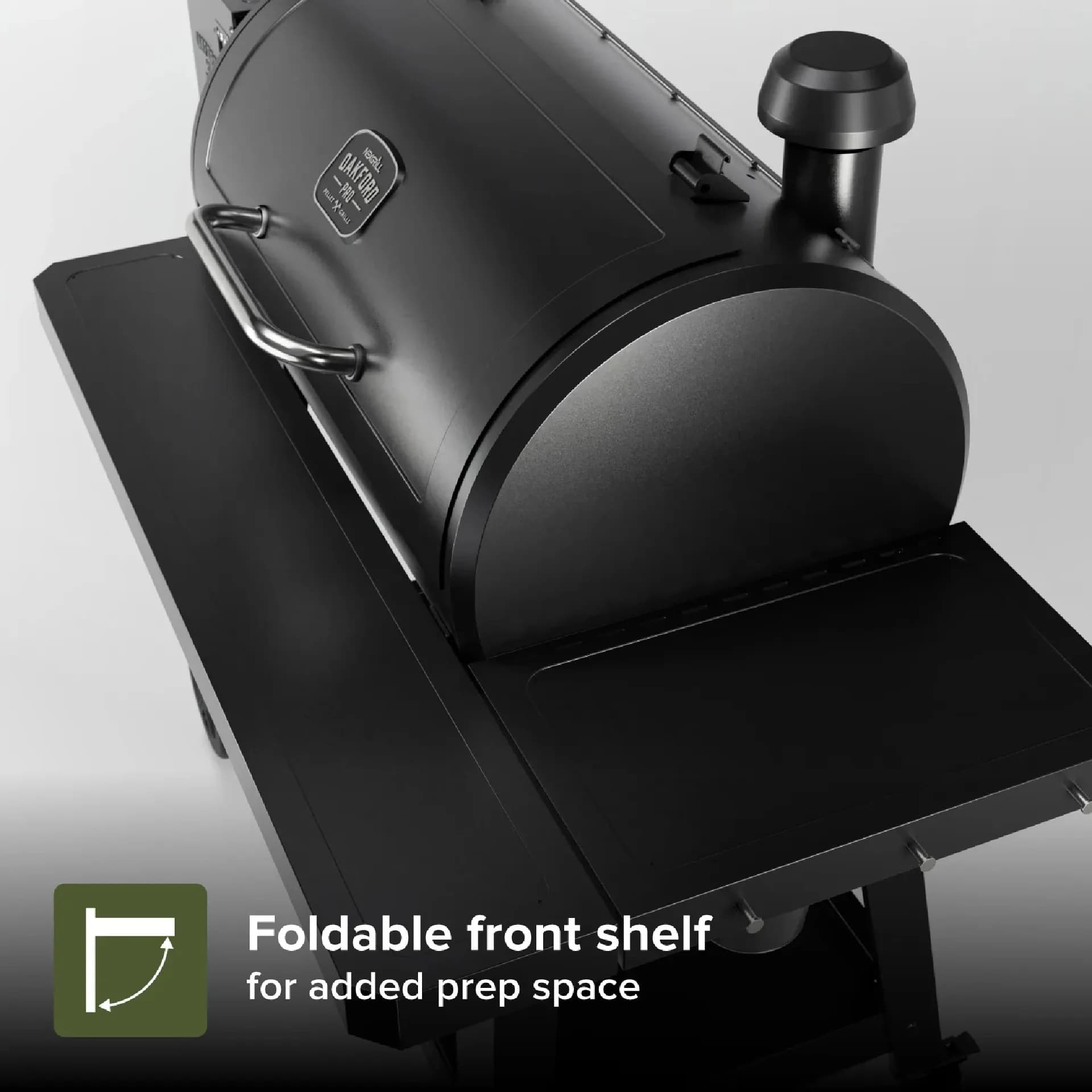
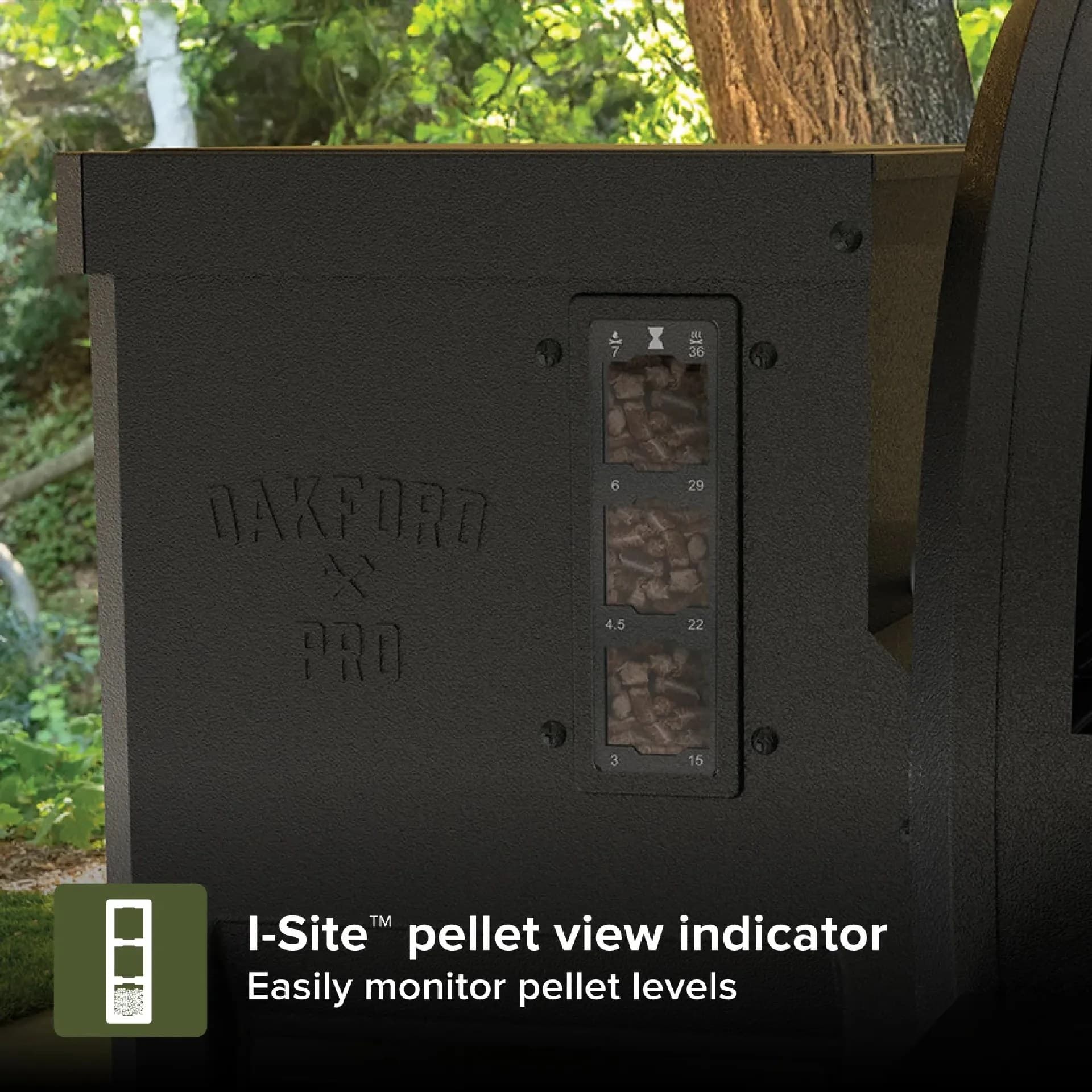
We differentiate ourselves through smart grilling products like the Oakford smart pellet grill, including app-connected cooking controls and modern outdoor cooking technology.

Expert tips, buying guides, comparisons, and inspiration for choosing and getting the most out of your grill.

Practical guides for cleaning, maintenance, common grill issues, and performance optimization.

Step-by-step grilling recipes, cooking techniques, and meal ideas for every occasion and skill level.

Backyard entertaining ideas, seasonal grilling inspiration, and stories that celebrate outdoor cooking culture.

Helpful articles covering grilling tools, cookware, maintenance gear, and must-have accessories for outdoor cooking.

Find griddle recipes, cooking techniques, cleaning tips, and outdoor meal ideas designed for Nexgrill griddles.
Find answers to common questions
Pellet grills offer versatility by allowing you to smoke, grill, and bake with precise temperature control. They use wood pellets as fuel, providing a unique flavor to your food that is difficult to achieve with other types of grills.
Consider factors such as cooking capacity, temperature range, and additional features like digital controls or Wi-Fi connectivity. Assessing your cooking habits and space availability can also help in selecting a suitable model.
You can use a variety of food-grade wood pellets, including oak, hickory, mesquite, cherry, and apple. Each type of wood imparts a different flavor to your food, allowing for a unique grilling experience.
Regular cleaning involves emptying the ash pan, cleaning the heat diffusers, and wiping down the exterior. It's also important to check for any pellet obstructions in the hopper and ensure the grill's components are in good working order.
Nexgrill pellet grills are designed to smoke effectively, offering low-temperature settings to infuse food with rich, smoky flavors. They also provide adjustable temperature controls to suit various cooking styles.
In This Article
Smart Cooking Solutions
Top Brands Compared
Best Value Options
A pellet grill with Wi-Fi and Bluetooth brings app-based control to wood-fired cooking, which changes the buying conversation from “How hot does it get?” to “How comfortably can I manage the cook?” For many U.S. shoppers, the price is tied less to the pellets themselves and more to the kind of control system built into the grill: onboard temperature monitoring, wireless range, controller quality, and how much of the cooking process can be supervised from a phone instead of standing by the pit.
That matters because pellet grills already sit in a middle ground between smokers and gas grills. They automate fuel delivery with pellets, then add smart connectivity so the cook can check temperatures, adjust set points, and receive alerts without constantly opening the lid. In practical terms, that means less guesswork during a long brisket cook, easier weeknight chicken dinners, and a more forgiving experience for people who are new to low-and-slow barbecue. Nexgrill’s brand philosophy emphasizes approachable outdoor cooking and shared meals, which fits the way smart grills are used in real households: not as laboratory equipment, but as a way to make cooking outdoors more convenient and social.
The price premium for connectivity is not just about convenience features. Smart pellet grills often include improved controllers, probe ports, better display interfaces, and app ecosystems that help simplify temperature management. Some shoppers only need Bluetooth for short-range monitoring on a patio, while others want Wi-Fi for checking a cook from inside the house or while running errands. That difference can affect price by dozens or even hundreds of dollars, depending on the brand and the overall build of the grill. A smart grill that is otherwise similar in size to a standard pellet smoker may cost more because the electronics package adds value for remote control, alerts, and cook tracking.
Price is usually shaped by the whole package, not just Wi-Fi or Bluetooth alone. Cooking area, controller quality, hopper capacity, and metal construction can move the cost as much as the app features do.
If you are comparing options for your backyard, think of smart connectivity as part of your daily cooking rhythm. Bluetooth works well when you stay near the grill and want simple control without a complicated setup. Wi-Fi makes more sense if you routinely multitask during longer cooks, host guests, or want to monitor temperatures without hovering over the smoker. In other words, the best pellet grill with smart features is not always the one with the most specs on paper; it is the one that fits how you actually cook.
Wi-Fi and Bluetooth are useful for different reasons, and understanding the distinction helps explain why pricing varies. Bluetooth usually supports short-range control from a phone nearby, which is ideal for patios, decks, and tailgate setups. Wi-Fi extends that control through the home network, letting you check pellet levels, read probe temperatures, or adjust the pit from farther away. The most noticeable benefit is not novelty; it is reduced friction. Instead of walking outside every 10 or 15 minutes to confirm the temperature, you can rely on alerts and live data. That is a meaningful quality-of-life upgrade for long cooks such as pork shoulder, turkey, or ribs.
The second benefit is consistency. Smart controllers are often paired with digital temperature management that helps stabilize heat, which is essential in pellet grilling because the appeal of pellets is steady wood-fired cooking. The app layer gives you another window into that process. If the temperature drifts, if the probe shows the meat is nearing target, or if the grill needs attention, the notification comes to you. That can prevent overcooking and reduce the need to open the lid, which helps the grill recover temperature faster.
The third benefit is confidence for newer grillers. Smart features do not replace skill, but they reduce the intimidation factor. A first-time shopper may be comparing a budget pellet grill with a standard controller to a slightly more expensive Wi-Fi model and deciding whether the extra cost is worth it. In many households, the answer is yes because the app becomes a learning tool. Users can see how temperature responds over time, learn how pellet feed affects heat, and gain a better feel for smoke management.
Main smart-control paths: short-range Bluetooth and home-network Wi-Fi
There are trade-offs, though. More electronics can mean more things to set up, and app quality varies widely by brand. A smart grill with a clunky app may feel less valuable than a simpler grill with an excellent temperature controller. Buyers should treat connectivity as one feature inside a broader cooking system. In the U.S. market, where outdoor cooking is often tied to family gatherings, weeknight convenience, and weekend entertaining, the real value comes from whether the grill helps you cook with less stress and more consistency.
When shoppers compare Traeger, Pit Boss, Z Grills, and similar pellet grill brands, the price spread often reflects controller sophistication, construction, app experience, and cooking capacity. Traeger typically sits in the premium conversation, especially for buyers who want a polished ecosystem and a long-established name in pellet cooking. Pit Boss is often seen as a value-forward option, giving buyers a wider range of sizes and feature sets at a lower entry point. Z Grills tends to appeal to shoppers looking for accessible pricing with smart capabilities, particularly when they want a modern controller without paying top-tier brand premiums. Their learning-center and product content reinforce the core buying topics around pellet smoking, convenience, and feature comparison.
| Brand | Smart Connectivity | Typical U.S. Price Range | Best Fit |
|---|---|---|---|
| Traeger | Wi-Fi-focused models, app-driven control | About $700 to $2,000+ USD | Buyers prioritizing polished app control and premium positioning |
| Pit Boss | Wi-Fi and digital controller options on select models | About $400 to $1,200 USD | Value-minded shoppers who still want smart features |
| Z Grills | Smart control on select pellet grills | About $400 to $1,000 USD | Entry-level buyers comparing features per dollar |
That said, brand-level pricing alone can be misleading. A smaller Traeger with smart features may cost less than a larger Pit Boss model with a bigger hopper and more cooking surface. Likewise, some budget-friendly smart grills advertise connectivity but may provide fewer sensors, simpler interfaces, or less refined app experiences. A buyer comparing options should look at real-world convenience: how quickly the grill reaches target temperature, whether the app displays both grill and probe readings clearly, and whether the system is stable enough to trust during longer cooks.
For Nexgrill readers, the right way to compare is to consider value in context. If you cook for two to four people and use the grill mostly on weekends, a mid-range smart pellet grill may be more than enough. If you host often and want to monitor multiple foods at once, paying extra for better connectivity and a larger cooking surface may be worthwhile. Try comparing two products side by side below to see which fits best:
In the United States, Wi-Fi and Bluetooth pellet grill pricing generally falls into three practical bands. Entry-level smart pellet grills often land around $400 to $700 USD. These models usually offer the core experience: digital temperature control, app pairing, and enough cooking area for family meals. Mid-range smart pellet grills frequently run from about $700 to $1,200 USD, where you start to see stronger build materials, more reliable connectivity, larger cooking surfaces, and better probe integration. Premium models can reach $1,200 to $2,000+ USD, especially when the brand includes heavier construction, larger capacity, more precise controls, and a more refined software ecosystem.
Bluetooth-only grills often sit at the lower end of the spectrum because the connectivity hardware is simpler. Wi-Fi models generally command a higher price because they support remote access beyond direct proximity. However, the price difference is not fixed. A Bluetooth pellet grill with a larger cook chamber and stronger steel components can easily cost more than a smaller Wi-Fi model. This is why shoppers should avoid treating wireless connectivity as the only pricing driver. Hopper capacity, grill area, insulation, and included probe ports all matter in a way that directly affects the cooking experience.
If a smart pellet grill looks unusually cheap, check whether the app features are limited, the temperature probe is sold separately, or the cooking area is smaller than expected.
A practical way to think about the price is to compare it to the role the grill will play in your home. For a weeknight family cook, the convenience of checking a brisket or chicken from inside the house may justify a modest premium. For someone who already enjoys standing by the smoker and adjusting vents or watching gauges, Bluetooth may be enough. The price should reflect how much time the features save and how much confidence they add. That is the point where smart grilling stops feeling like a luxury and starts feeling like a useful part of outdoor cooking.
Once you have compared two options side by side, the next question is which smart pellet grill gives you the best value for your money. Value is not the same as the lowest sticker price. In this category, value means getting dependable temperature control, usable app features, enough cooking space for your household, and a controller that is easy to live with over time. A well-priced grill that frustrates you every time it connects to the app is not a true bargain. By contrast, a slightly higher-priced model that makes long cooks easier can save time and reduce waste, which is real value in a U.S. backyard setting where grilling often happens around schedules, guests, and family routines.
For shoppers looking at value-first buys, it helps to sort options into three buyer profiles. The first profile is the budget-conscious beginner who wants smart control without paying premium-brand pricing. This buyer should focus on an entry-level pellet grill with Bluetooth or basic Wi-Fi, a simple controller, and enough room for weeknight meals. The second profile is the weekend entertainer who wants a little more room, better app reliability, and temperature probes for larger cuts. That shopper often finds the best balance in the mid-range category. The third profile is the frequent griller who cooks often enough that a stronger controller, larger hopper, and more polished software are worth the higher price. This last group usually gets the most out of premium smart grills because the extra convenience is used constantly, not just occasionally.
| Buyer profile | What to prioritize | Price comfort zone |
|---|---|---|
| Beginner on a budget | Stable controller, easy app pairing, compact footprint | $400 to $700 USD |
| Family entertainer | Larger cooking area, two probes, better heat recovery | $700 to $1,200 USD |
| Frequent host or enthusiast | Strong connectivity, larger hopper, robust build | $1,200+ USD |
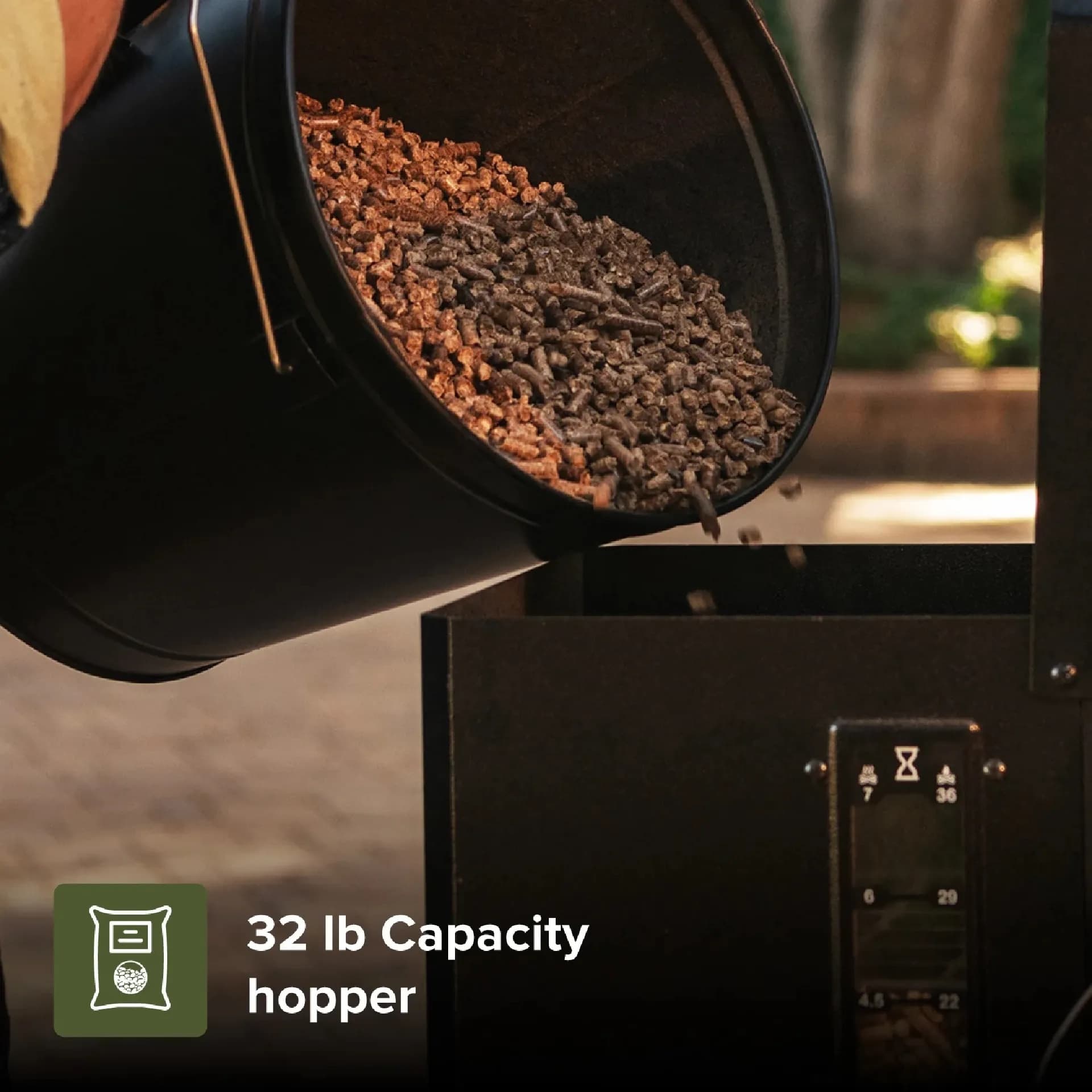
The best value models usually share a few traits. First, they make the app genuinely useful by showing temperature clearly and pairing without a drawn-out setup. Second, they offer enough hopper capacity that you do not need to refill pellets constantly during a long smoke. Third, they have a controller and probe package that helps you avoid opening the lid too often. Models from brands like Pit Boss and Z Grills often compete well here because they can deliver smart features at more approachable prices, while Traeger tends to attract buyers who are willing to pay more for ecosystem polish and brand familiarity.
If you mostly cook ribs, pork shoulder, or chicken thighs, a mid-range smart pellet grill often offers the best mix of price, capacity, and convenience.
User feedback around smart pellet grills tends to focus on three things: app reliability, temperature stability, and whether the wireless features actually save time. The most positive reviews usually come from shoppers who expected the connectivity to be a convenience feature, not a miracle feature. Those users are often pleased when the grill lets them monitor a roast from the kitchen, receive alerts when a target temperature is reached, or quickly adjust a cook without stepping outside in bad weather. That kind of experience is especially valuable for families balancing dinner with kids, guests, or other tasks.
On the other hand, negative reviews often center on setup frustrations or mismatches between expectations and real-world use. Some buyers expect Bluetooth to work across the whole house or through multiple walls, only to discover that it is designed for closer-range control. Others find that the app experience can vary by device or software version. These complaints do not necessarily mean the grill is poor; they mean the buyer should choose the right connectivity type for the way they cook. That is why reviews are most useful when read as use-case reports rather than simple star ratings.
Brand resources from Traeger, Pit Boss, and Z Grills also emphasize that pellet grilling is about blending convenience with wood-fired flavor, which helps explain why smart features are so popular. Traeger’s buying guide approach centers on helping users understand pellet grill fundamentals, while Pit Boss and Z Grills each highlight the practical advantages of smart control and flexible cooking. Those themes line up with the feedback many owners share: people like being able to maintain a steady cook, but they still want a simple, dependable machine.
A realistic reading of reviews suggests that the best smart grills earn praise when they reduce stress, not when they add complexity. Users tend to be happiest when the grill starts reliably, the temperature readings are easy to understand, and the app acts like an assistant rather than a distraction. If you want to choose well, look for patterns in reviews rather than one-off comments. Repeated praise for stable heat, useful probes, and dependable pairing is more meaningful than a flashy review about one perfect cook. In practical terms, the smart pellet grill with the best long-term user experience is usually the one that does the basics well and layers connectivity on top of that foundation.
Smart pellet grills need the same basic care as any other pellet cooker, plus a little extra attention to their electronic components. The first rule is to keep ash, grease, and pellet dust under control. Grease buildup can affect airflow and temperature consistency, while ash accumulation can interfere with ignition and long cook stability. Because Wi-Fi and Bluetooth controllers depend on accurate sensing, clean internal components help the app data stay useful. If the grill is struggling to hold temperature, the problem is not always the wireless system; sometimes it is a dirty fire pot or blocked airflow.
The second maintenance priority is moisture protection. Pellet fuel swells and degrades when exposed to humidity, and electronic controllers do not like unnecessary water exposure. In many U.S. regions, particularly where weather changes quickly, using a fitted cover and storing pellets in sealed containers can make a noticeable difference in how consistently the grill performs. This is especially important for smart grills, because a poor connection experience may actually stem from weather damage, pellet issues, or dirty contacts rather than the wireless hardware itself.
If the app stops reading correctly, check the basics first: power, Bluetooth or Wi-Fi permissions, pellet quality, probe placement, and whether the controller area is dry and clean.
For troubleshooting, start with a simple routine. Restart the grill and the app, confirm your home network is stable, and make sure the phone is close enough for Bluetooth pairing or connected to the correct Wi-Fi network. Replace weak batteries if the model uses them, verify that probes are inserted correctly, and clean grease channels after a few heavy cooks. In many cases, these small steps restore performance without service calls. Smart grills reward owners who treat them as precision outdoor appliances: not fragile, but more effective when kept clean, dry, and calibrated.
If you are shopping for a pellet grill with Wi-Fi and Bluetooth, the price should be judged against how much convenience, control, and confidence the smart features add to your cooking routine. Bluetooth can be a great fit for nearby monitoring and simpler setups, while Wi-Fi is the better choice if you want more freedom to step away from the grill. Traeger, Pit Boss, and Z Grills each approach smart pellet grilling a little differently, which is why comparing controller quality, app performance, and cooking space matters as much as comparing the sticker price.
The strongest buying decisions come from matching the grill to your actual habits. If you value low-stress weeknight cooking, look for a simple app, reliable temperature control, and a price that stays in the entry-to-mid range. If you host often or cook larger cuts, consider paying more for better connectivity and capacity. Smart grilling works best when the technology disappears into the background and simply helps you enjoy the cook. Sources
Here's what sets us apart
We position ourselves as delivering high-end outdoor cooking features and performance without premium-brand pricing, emphasizing “Quality Grills. Unbelievable Value.”
We offer gas grills, pellet grills, griddles, smokers, pizza ovens, portable/tabletop grills, electric grills, accessories, and replacement parts — allowing customers to stay within one ecosystem for all outdoor cooking needs.
We differentiate ourselves through smart grilling products like the Oakford smart pellet grill, including app-connected cooking controls and modern outdoor cooking technology.
Don't just take our word for it
Keep reading
From our catalog